Fascia guide

Cupping therapy: what it does, what the evidence shows, and the risks

Cupping uses suction cups to pull up your skin and the soft tissue just beneath it. The round marks it leaves are bruises: blood from tiny vessels the suction has broken, not toxins drawn out of your body.

In small trials, cupping eased neck and back pain more than doing nothing, for a few weeks. Against fake cupping it made little or no difference, and no lasting benefit has been shown.

This guide covers what cupping does to tissue, what the trials found, what the marks and their colours mean, who should avoid it, how to use cups more safely if you choose to, and the exercise that helps sore necks and backs more reliably.

The short version

Against doing nothing, it eases pain for a while

Across 18 trials of 1,172 people with long-term pain, cupping eased pain far more than no treatment in the short term, and reviews of neck and back pain agree. The trials were small, and people knew which treatment they'd had.

Sources 1, 2, 3

Against fake cupping, it barely differs

Against sham (fake) cupping, the difference wasn't significant. In a trial of 90 people with long-term low back pain, real or sham cupping once a week for 8 weeks gave pain scores within 1 point of each other on a 10-point scale.

Sources 1, 4, 5

The benefit doesn't last

Two years after a course for neck pain, people's pain was no lower than before treatment. In back pain trials, the benefit had gone a month after treatment ended.

Sources 6, 7

The marks are bruises, not toxins

Suction breaks tiny blood vessels and blood leaks into the skin, which your body clears like any bruise. The UK's advertising regulator found no robust evidence that cupping removes toxins.

Sources 8, 9

Burns and infections happen

Fire cupping can burn the skin, and wet cupping and shared equipment can spread infection. Skip cupping if you have a bleeding disorder or broken or infected skin, and ask your doctor first if you take blood thinners.

Sources 10, 11, 12, 13, 14

Exercise helps more

Exercise reduced long-term low back pain in a review of 249 trials, and strengthening reduced long-term neck pain. Even 2 minutes a day of band exercises helped office workers with sore necks and shoulders. If you like cupping, use it alongside exercise, not instead.

Sources 15, 16, 17

What cupping is, and what suction does

Dry, moving, wet and fire cupping

Cups of glass, plastic, bamboo or silicone are held on the skin by suction. In dry cupping they stay in place for several minutes; in moving or massage cupping they slide over oiled skin. Wet cupping (hijama) pierces or scratches the skin first, so blood flows into the cup. The suction comes from a flame that heats the air inside the cup (fire cupping) or from a pump.

Wet cupping is also a religious and cultural practice for many people. This guide covers its evidence for pain and its safety, not its religious value.

Sources 10, 13, 14

What suction does to skin

The cup stretches the skin and the tissue just beneath it and widens the small blood vessels until some break. The leaked blood is the mark. A computer model found the pulling forces stay mostly in the tissue inside the cup, and that stronger suction means more force and worse bruising.

Sources 8, 18

Changes underneath are short-livedEmerging evidence

After one 8-minute cup, 32 young adults with neck pain had more oxygen-rich blood in the skin and less pain than with a sham cup, but both were back to normal a day later. In 12 people, the tissue under the cup showed signs of working without enough oxygen (its lactate rose) from about 160 minutes after cupping until measuring stopped at 280 minutes, and sensitivity to pressure fell slightly straight afterwards, in some spots.

Sources 19, 20

What it doesn't do to fasciaEmerging evidence

No study has shown cupping reshaping or releasing fascia. In small trials in healthy volunteers, cupping added no flexibility beyond sham; one review rates the flexibility evidence as moderate. That fits the research on rollers and massage: tools change how tissue feels for a while, and loading over weeks changes tissue.

Sources 21, 22, 23, 24

What the evidence says

Against no treatment: relief for a few weeksEmerging evidence

Reviews of mostly small trials find cupping eases long-term neck, back and other muscle and joint pain more than no treatment or a waiting list. On paper the effect is large: in 18 trials of 1,172 people, pain fell a lot in the short term. Neck pain reviews of 18 trials and of 9 trials (401 people) agree, but a 2025 review across muscle and joint pain found pain eased while disability and mental health didn't improve.

People knew which treatment they had, most trials were at high risk of bias, and a map of 14 reviews found no high-quality evidence for any pain condition. Cochrane, which publishes the most rigorous reviews, has so far only published its plan (protocol) for a review of cupping for long-term low back pain.

Sources 1, 2, 25, 3, 26, 27, 28

Against sham cupping: little or no differenceEmerging evidence

When the comparison is a sham (cups with little or no suction), the benefit mostly disappears. Pooled across trials it wasn't significant, and a 2026 review of 5 sham-controlled trials (281 people) found the effect too uncertain to call, at very low certainty.

In 90 people with long-term low back pain, 8 weekly sessions changed pain by less than 1 point out of 10 compared with sham. In 141 people with fibromyalgia, cupping beat usual care by about 12 points out of 100 but sham by only 3, and the authors concluded it can't be recommended. In 62 women with knee arthritis, 12 sessions were no better than sham. In back pain, low-pressure cupping did about as well as the real thing.

Sources 1, 4, 5, 29, 30, 31, 32

Neck painEmerging evidence

In four trials from one research group, each with 50 people, cupping beat a waiting list or usual care for long-term neck pain: by about 22 points out of 100 after 5 sessions over 2 weeks, by about 18 points 3 days after a single session, and by about 11 points after 5 cupping massages. With a pulsating cupping device, diary pain fell from about 4 to under 3 out of 10, while it stayed at about 4 with usual care. In these trials, the smallest change people noticed was about 8 points out of 100.

Cupping massage given at home by a partner twice a week for 12 weeks was no better than relaxation exercises (61 people). Two years on, the 82 of 133 treated people who replied had no less pain than before treatment, though they said the effect had lasted about 9 months on average.

Sources 33, 34, 35, 36, 37, 38, 6

Low back painMixed evidence

In 11 trials of 921 people, cupping eased pain by the end of treatment, but not 1 month or 3 to 6 months later, and dry cupping on its own wasn't clearly better. Against sham, 8 weekly sessions made no worthwhile difference. Wet cupping beat no treatment in 80 people for at least 2 weeks after treatment, with no sham group, and in 110 people both pulsating and low-pressure cupping beat paracetamol alone.

Sources 7, 5, 39, 31

Heel painEmerging evidence

Added to stretching in 71 people with heel pain, cupping on the calf eased pain about 2 points out of 10 more at the session. The 2023 US physiotherapy guideline for heel pain says that difference had gone 2 days later, though the trial itself reports a larger fall in morning pain at 2 days. In 29 people, cupping did as well as electrical stimulation over 4 weeks. There are no sham-controlled trials. Stretching the sole and calf has stronger support: the guideline's top grade, for short- and long-term pain.

Sources 40, 41, 42

Athletes and recoveryEmerging evidence

A review of 11 trials in 498 athletes, mostly against no treatment and none reporting safety, couldn't recommend cupping either way. In 81 recreational runners, 5 minutes of cupping on the thighs after a run did no better than a sham treatment for soreness, tiredness, recovery or jumping over 3 days.

Sources 43, 44
What the marks and their colours mean

Bruises from broken blood vesselsStrong evidence

Suction breaks tiny blood vessels, and blood leaks into the skin. Your body clears it like any bruise, which is why the marks turn green and yellow as they fade. Cleveland Clinic, a US hospital, says they should fade in a week or two.

Sources 8, 10, 13

The colour isn't a reading of your healthEmerging evidence

One small lab study and a computer model suggest the colour follows suction strength and time, not toxins. A darker mark means stronger suction or a longer time, not "stagnation" or poisons leaving your body.

Sources 45, 18

Blood thinners make bigger marks

Medicines that slow clotting, such as warfarin, apixaban, aspirin and clopidogrel, make bruises come up more easily, look worse and take longer to fade.

Sources 46, 47

Tell your doctor about them

Cupping marks can look like injuries. Tell any doctor or nurse who examines you, so the marks aren't mistaken for signs of physical abuse.

Source 10

Who should avoid cupping

Skip it, or ask your doctor first

The cautions with the clearest reasons:

  • A bleeding disorder such as haemophilia: skip it.
  • A known or suspected blood clot (deep vein thrombosis): don't cup the area, and a swollen, painful, warm leg needs urgent checking.
  • Blood thinners: ask your doctor first, as bruising will be worse.
  • Broken, fragile, sunburnt, infected or inflamed skin, or a flare of eczema or psoriasis: keep cups off it. Cupping can make eczema and psoriasis worse.
  • Pregnancy: Cleveland Clinic advises against cupping in pregnancy. At the least, keep cups off the bump and ask your midwife first.

Sources 13, 14, 10, 46, 48

More cautions from US hospital guidance

US hospital guidance (it doesn't give evidence) also lists a past stroke, anaemia, a pacemaker or defibrillator, heart disease, epilepsy, undiagnosed lumps, cancer, organ failure, nerve damage, poor circulation in the legs, having a period, and giving blood in the last 2 months. Ask a doctor first if any of these apply to you.

Sources 13, 14

Never on the front of the neck or the base of the skull

A neck artery tore after high-suction electrical cupping, and three people had bleeding around the brain after cups at the top of the neck were pulled off suddenly. A review found 14 such nerve and brain complications in 12 reports. Keep cups off the front and sides of the neck and the base of the skull.

Sources 49, 50, 51

Common side effects

Marks, soreness, tiredness, a headache, feeling sick and itching. Some people faint, mostly with wet cupping. Less often: lasting skin discolouration, scars, burns and infections.

Sources 10, 13

Fire and wet cupping carry the serious risks

Fire cupping, which heats the cup with a flame (often alcohol on cotton wool), has caused burns. Case reports describe herpes, mycobacterial and staphylococcal infections after cupping, and a death from a deep tissue infection (necrotising fasciitis) after wet cupping in a man who declined surgery. About 30 wet cupping sessions in 2 months from an unqualified practitioner caused anaemia that needed a blood transfusion.

Shared cups that aren't properly cleaned can spread hepatitis B and C. Reused cups need high-level disinfection, and equipment for wet cupping needs sterilising.

Sources 11, 52, 53, 54, 55, 12, 56, 57, 10, 58

What UK physiotherapists say

The Chartered Society of Physiotherapy (CSP), the UK physiotherapists' professional body, says cupping lacks an evidence base and is no longer within physiotherapy's professional scope, so its insurance scheme doesn't cover it. One NHS trust's acupuncture guidance excludes cupping from practice.

Sources 59, 60, 61

If you try cupping, and what helps more

If you book cupping

Choose someone who asks about your health first and uses single-use or properly disinfected cups; wet cupping needs sterile, single-use blades. Prefer pump or silicone cups to fire cupping, which carries the burn risk.

  • What the trials used, not a recommendation: cups left on for 5 to 15 minutes.
  • For neck pain, 5 sessions over 2 weeks; for back pain, weekly for 8 weeks, which didn't beat sham.
  • Don't stop exercise or medical care for it.

Sources 62, 58, 14, 19, 21, 30, 33, 5

If you use cups at home

A home trial tested cupping massage given by a partner twice a week. Our editorial starting point:

  • Light suction: the skin rises a little into the cup without pain.
  • Still cups for 5 minutes or less at first, or slide cups over oiled skin for 3 to 5 minutes.
  • Keep cups on the muscles of the shoulders, upper back, low back or thighs: never the front or sides of the neck or the base of the skull, and not over varicose veins, moles or broken skin.
  • Press the skin beside the rim, or open the valve, to break the seal before you lift the cup off.
  • Stop if you feel sharp pain, dizzy or faint, or the skin blisters.
  • Let the marks fade before cupping the same spot again, and never do fire or wet cupping at home.

Sources 38, 50

For a sore neck: strengtheningEmerging evidence

Against no treatment, strengthening, neck control exercises, and yoga, Pilates or tai chi all reduced long-term neck pain in 40 trials, with no single type best (very low certainty). In 48 women with painful upper shoulder muscles, 10 weeks of specific strength training cut their worst pain by 35 points out of 100. In 198 office workers, 2 minutes a day of band training, 5 days a week for 10 weeks, eased neck and shoulder pain by 1.4 points out of 10 more than health advice. Even standard massage made little or no difference against a placebo in a Cochrane review.

Our editorial starting point: the neck and shoulder strength routine below, 2 to 3 days a week, or the 2-minute band exercise on 5 days a week, as in the trial.

Sources 16, 63, 17, 64

For a sore back: exercise firstStrong evidence

Exercise reduced long-term low back pain by about 15 points out of 100 against no treatment, usual care or a placebo in 249 trials (moderate certainty). The National Institute for Health and Care Excellence (NICE) recommends exercise, and hands-on treatments such as massage only as part of a package that includes exercise. It doesn't mention cupping.

Sources 15, 65

Two minutes a day for a sore neck and shoulders

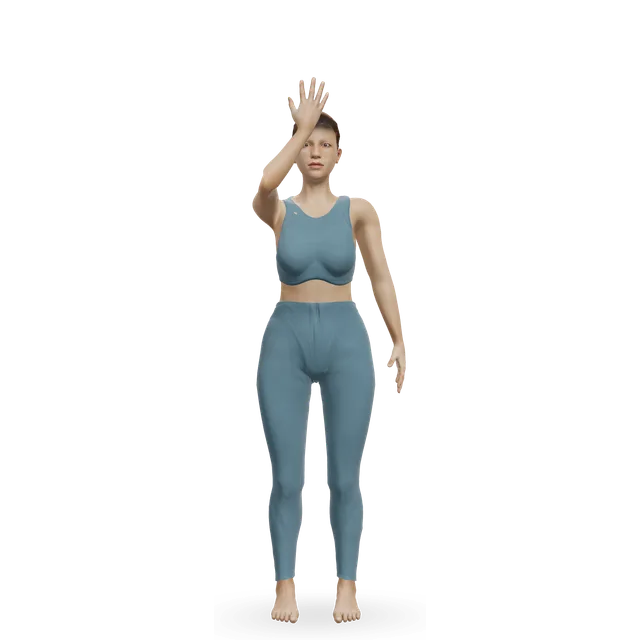
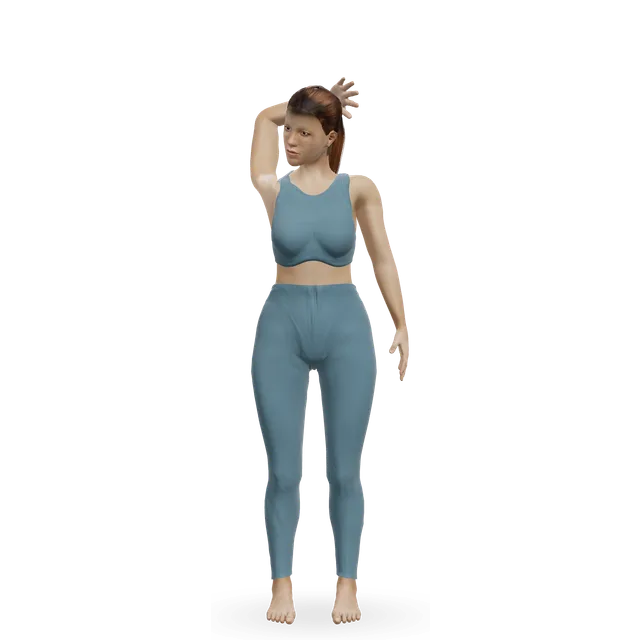
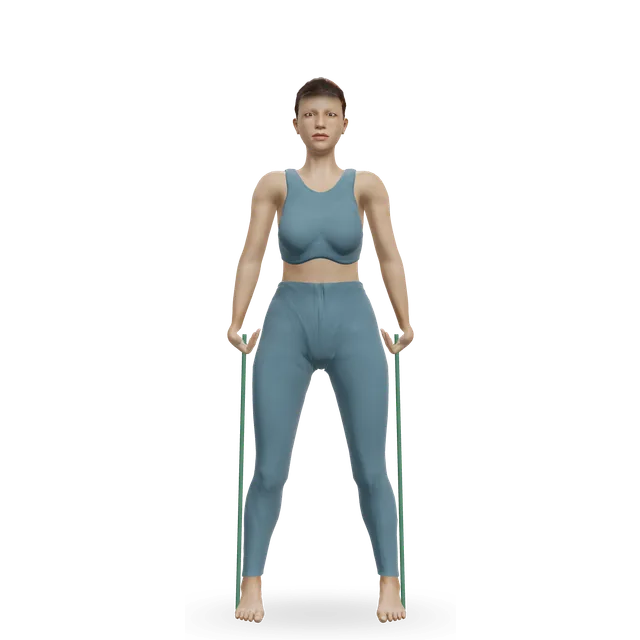
From a trial of 198 office workers who did 2 minutes of band training a day, 5 days a week, for 10 weeks (Andersen 2011). The trial used elastic tubing; this lateral raise is our version, and the repetitions within the 2 minutes are our editorial starting point. Stop if it brings on dizziness, or tingling or numbness into an arm.

  1. Stand on the middle of a light resistance band, holding one end in each hand by your thighs.
  2. Stand tall with your shoulders relaxed down and your chin level.
  3. Lift both arms out to the sides, elbows soft, to about shoulder height.
  4. Lower them slowly against the band.
  5. Keep going for 2 minutes, pausing when you need to.
  6. When 2 minutes feels easy, use a slightly stronger band.

Loading the 3D figure…

Gets into position, then repeats the movement. Technical checks passed; qualified exercise review is pending.

The movement on the figure: Band lateral raise

Neck and shoulder strength

Start with the deep neck holds and band work, 2 to 3 days a week, and stop for dizziness, or tingling or numbness into an arm.

For a sore back

Move gently first, then add the strength moves 2 to 3 days a week.

Routines to follow

For a stiff neck, start with the neck and shoulder strength routine 2 to 3 days a week. The back routines suit a sore lower back.

Warning signs: when to get help

Call 999 (911 in the US) or go to A&E

Get help straight away if:

  • After cupping on the head or neck, your face droops, an arm is weak, your speech is slurred, or you get a sudden, severe headache. Call 999.
  • A burn is very large or deep, or is on the face, genitals or bottom.
  • Red, hot, swollen skin comes with a very high temperature, a fast heartbeat or fast breathing, feeling faint, confusion, or cold, clammy skin.
  • You have pain and swelling in a leg and you're short of breath.

Sources 66, 50, 67, 68, 48

Get help from NHS 111 or an urgent GP appointment

  • Skin around a cup mark becomes painful, hot and swollen.
  • You have a burn and aren't sure what to do.
  • One leg is throbbing, swollen and red or darkened. Don't cup it.
  • You take blood thinners and have severe bruising, or bleeding that won't stop or keeps coming back: call 111 or go to A&E.

Sources 68, 67, 48, 69

First aid for a burn

Hold it under cool running water for 20 minutes, as soon as you can. Don't burst blisters, and don't put creams, oils or butter on it.

Source 67

See a GP

Our suggestion, if you have:

  • Marks that haven't faded after 2 to 3 weeks, or skin that stays darkened or scarred.
  • Bruises that appear without cupping.

Source 10

Myths

"Cupping draws out toxins"Strong evidence

The marks are blood leaking from broken vessels, cleared like any bruise. The Advertising Standards Authority (ASA) found no robust evidence that wet cupping removes toxins or harmful substances, prevents illness or boosts immunity, and ruled the advert misleading.

Sources 9, 8

"Dark marks mean more stagnation"Emerging evidence

One small lab study and a computer model suggest the colour follows suction strength and time, not toxins or stagnation. A darker mark tells you about the cup, not about you.

Sources 45, 18

"Cupping releases fascia and breaks up adhesions"Emerging evidence

In small trials in healthy volunteers, cupping added no flexibility beyond sham; one review rates the evidence as moderate. No study has shown fascia changing shape, and against sham the pain benefit mostly disappears.

Sources 21, 22, 23, 24, 4

"Cupping speeds up recovery"Emerging evidence

In runners it did no better than a sham treatment, and athlete trials don't support a recommendation. Massage has better evidence for soreness after exercise: see the muscle soreness guide.

Sources 44, 43

"Cupping gets rid of cellulite"

We found no trial of cupping for cellulite. Bruising the skin isn't the same as changing it: see the fascia blasting verdict.

Questions people ask

Does cupping actually work?

In small trials, it eased neck and back pain more than doing nothing, for a few weeks. Against fake cupping the difference was small or absent, and no lasting benefit has been shown. Exercise has better evidence for the same kinds of pain.

What do cupping marks mean?

They're bruises: the suction breaks tiny blood vessels and blood leaks into the skin. A darker mark means stronger suction or a longer time, not more toxins or stagnation.

How long do cupping marks last?

Usually from a few days to about 2 weeks. Blood thinners can make the marks worse and slower to fade. If they haven't faded after 2 to 3 weeks, or bruises appear without cupping, see a GP.

Does cupping remove toxins?

No. The marks are blood under the skin, which your body clears like any bruise. The UK's advertising regulator ruled claims that wet cupping removes toxins misleading.

Is cupping safe? What are the side effects?

Most side effects are mild: the marks, soreness, tiredness, a headache or itching. Fire cupping can burn, wet cupping can cause infections, and rare serious problems have followed cups on the head or neck.

Who shouldn't have cupping?

Skip it if you have a bleeding disorder or broken, fragile or infected skin, keep cups away from a known or suspected blood clot, and ask your doctor first if you take blood thinners. In pregnancy, keep cups off the bump and ask your midwife first. US hospitals list more conditions, such as epilepsy or a pacemaker, without giving evidence for them.

Can cupping release fascia or knots?

Not that research has shown. In small trials in healthy volunteers it added no flexibility beyond fake cupping, and the changes under the cup last minutes to hours. For knots, see the trigger points guide.

Is cupping good for back pain?

In a trial of 90 people, 8 weekly sessions made no worthwhile difference to long-term low back pain compared with fake cupping. Exercise has much better evidence, and NICE puts it first.

Is cupping good for neck pain?

Against no treatment, a course of about 5 sessions eased neck pain for a few weeks. Two years later, pain was no lower than before treatment. Neck strengthening has better evidence.

Can I do cupping at home?

If you choose to, use silicone or pump cups with light suction, keep them off the front and sides of your neck and the base of your skull, and break the seal before you lift a cup off. Never do fire or wet cupping at home.

Does wet cupping (hijama) work?

One trial without a fake treatment found less back pain for a few weeks. Because it breaks the skin, it carries infection risks, so it needs sterile, single-use equipment and a trained practitioner.

Is cupping or gua sha better?

Both leave marks by breaking tiny blood vessels, and both have small, short-term trials for neck and back pain. Neither has shown a lasting benefit, and neither has been shown to change fascia.

Sources

  1. Cramer 2020 · Cupping for chronic pain: 18 trials, 1,172 people (systematic review and meta-analysis, Journal of Pain)
  2. Kim 2018 · Cupping for neck pain: 18 trials (systematic review and meta-analysis, BMJ Open)
  3. Wood 2020 · Dry cupping for musculoskeletal pain and range of motion: 21 trials, 1,049 people (systematic review and meta-analysis, J Bodyw Mov Ther)
  4. Jenkins 2026 · Dry cupping against placebo cupping for muscle and joint pain: 5 trials, 281 people (systematic review and meta-analysis, JOSPT Open)
  5. Almeida Silva 2021 · Dry cupping against sham cupping for chronic low back pain in 90 people (RCT, Journal of Physiotherapy)
  6. Lauche 2013 · Cupping for chronic neck pain: a 2-year follow-up of 3 trials (follow-up study, Forschende Komplementärmedizin)
  7. Zhang 2024 · Cupping for low back pain: 11 trials, 921 people (systematic review and meta-analysis, Complement Ther Med)
  8. Lowe 2017 · The effects of suction on skin in cupping (review, Complement Ther Clin Pract)
  9. ASA · Ruling on BodyToxing: wet cupping claims (3 December 2014)
  10. NCCIH · Cupping (US National Center for Complementary and Integrative Health)
  11. Iblher 2007 · Cupping and the risk of burns (case report, J Burn Care Res)
  12. Wang 2023 · Spreading staphylococcal infection after wet cupping (case report and review, BMC Complement Med Ther)
  13. Cleveland Clinic · Cupping therapy
  14. Henry Ford Health · Cupping therapy
  15. Hayden 2021 · Exercise therapy for chronic low back pain: 249 trials (Cochrane review)
  16. de Zoete 2020 · Exercise types for chronic neck pain compared: 40 trials (network meta-analysis, BJSM)
  17. Andersen 2011 · Two minutes a day of band training for neck and shoulder pain in 198 office workers (RCT, Pain)
  18. Tham 2006 · Cupping from a biomechanical perspective (computer model, Journal of Biomechanics)
  19. Stephens 2020 · One dry cupping session against a sham cup for neck pain in 32 young adults (controlled laboratory study, Journal of Athletic Training)
  20. Emerich 2014 · Tissue metabolism and pain thresholds after cupping in 12 people (experimental study, Complement Ther Med)
  21. Schafer 2020 · Cupping, sham cupping and no treatment for hamstring flexibility in 25 healthy adults (crossover trial, Int J Exerc Sci)
  22. Schaub 2024 · Still, moving and sham cupping for ankle flexibility in 35 adults (RCT, J Bodyw Mov Ther)
  23. Prudêncio 2025 · Cupping against placebo for low back flexibility in 40 healthy adults (RCT, J Bodyw Mov Ther)
  24. Mohamed 2023 · Cupping in musculoskeletal and sports rehabilitation: 22 studies (systematic review, J Back Musculoskelet Rehabil)
  25. Torad 2026 · Cupping for chronic neck pain: 9 trials, 401 people (systematic review and meta-analysis, J Back Musculoskelet Rehabil)
  26. Jia 2025 · Cupping for chronic musculoskeletal pain (systematic review and meta-analysis, BMJ Open)
  27. Wang 2023 · Cupping and pain: an evidence map of 14 meta-analyses (systematic review, Frontiers in Neurology)
  28. Saragiotto 2025 · Cupping therapy for chronic non-specific low back pain (Cochrane review protocol)
  29. Lauche 2016 · Cupping against sham cupping and usual care for fibromyalgia in 141 people (RCT, Scientific Reports)
  30. Cavalcanti 2026 · Dry cupping against sham cupping in 62 women with knee osteoarthritis (RCT, Brazilian Journal of Physical Therapy)
  31. Teut 2018 · Pulsating and minimal cupping for chronic low back pain in 110 people (RCT, BMC Complement Altern Med)
  32. Li 2025 · Control treatments in cupping trials for chronic low back pain: 10 trials (network meta-analysis, Complement Ther Med)
  33. Lauche 2011 · Five dry cupping sessions for chronic neck pain in 50 people (pilot RCT, BMC Complement Altern Med)
  34. Lauche 2012 · One traditional cupping session for chronic neck pain in 50 people (pilot RCT, Evid Based Complement Alternat Med)
  35. Saha 2017 · Cupping massage for chronic neck pain in 50 people (RCT, Complementary Medicine Research)
  36. Cramer 2011 · Pulsating cupping for chronic neck pain in 50 people (RCT, Forschende Komplementärmedizin)
  37. Lauche 2013 · Changes in neck pain that patients notice, in 4 cupping trials (reanalysis, Complement Ther Med)
  38. Lauche 2013 · Home cupping massage against progressive muscle relaxation for chronic neck pain in 61 people (RCT, PLoS One)
  39. AlBedah 2015 · Wet cupping against no treatment for persistent low back pain in 80 people (RCT, J Altern Complement Med)
  40. AlKhadhrawi 2019 · Calf dry cupping added to stretching for heel pain in 71 people (RCT, J Bodyw Mov Ther)
  41. Ge 2017 · Dry cupping against electrical stimulation for plantar fasciitis in 29 people (RCT, J Phys Ther Sci)
  42. Koc 2023 · Heel pain and plantar fasciitis: clinical practice guideline, 2023 revision (JOSPT)
  43. Bridgett 2018 · Cupping in athletes: 11 trials, 498 people (systematic review, J Altern Complement Med)
  44. Coutinho 2025 · Cupping against a sham treatment for recovery after running in 81 runners (RCT, J Bodyw Mov Ther)
  45. Zhao 2009 · Suction time and pressure and the colour of cupping marks (laboratory study in Chinese, Zhongguo Zhen Jiu)
  46. British Heart Foundation · Can blood-thinners make you bruise more easily?
  47. NHS · Side effects of apixaban
  48. NHS · Deep vein thrombosis (DVT)
  49. Zuhorn 2020 · A neck artery tear after high-suction electrical cupping (case report, J Stroke Cerebrovasc Dis)
  50. Xiang 2022 · Bleeding around the brain after cupping at the top of the neck: 3 cases (case report and review, Frontiers in Neurology)
  51. Daneshfard 2025 · Neurological complications of cupping: 14 people in 12 reports (review, Complementary Medicine Research)
  52. Jing-Chun 2014 · Burns from cupping in 14 people at a burn centre (case series, Wounds)
  53. Nielsen 2023 · Burns wrongly blamed on coining and gua sha (commentary, Integrative Medicine Research)
  54. Jung 2011 · Herpes simplex infection after acupuncture and cupping (case report, Annals of Dermatology)
  55. Lee 2014 · Mycobacterial skin infection after cupping (case report, Clin Exp Dermatol)
  56. Alajmi 2021 · Necrotising fasciitis after wet cupping (case report, Cureus)
  57. Kim 2012 · Anaemia after excessive wet cupping (case report, Acupuncture in Medicine)
  58. Nielsen 2014 · Safety standards for gua sha and cupping: addendum (Complement Ther Med)
  59. Chartered Society of Physiotherapy 2021 · Complementary therapies (Frontline)
  60. Chartered Society of Physiotherapy 2021 · Manual therapy: how far is too far? (professional adviser's article)
  61. East London NHS Foundation Trust 2025 · Acupuncture safe working guidelines (physiotherapy services)
  62. Nielsen 2012 · Safety protocols for gua sha and cupping (Complement Ther Med)
  63. Andersen 2008 · Specific strength training against general fitness for chronic neck muscle pain in 48 women (RCT, Arthritis & Rheumatism)
  64. Gross 2024 · Massage for neck pain: 33 trials (Cochrane review)
  65. NICE NG59 · Low back pain and sciatica in over 16s: assessment and management
  66. NHS · Symptoms of a stroke
  67. NHS · Burns and scalds
  68. NHS · Cellulitis
  69. NHS · Anticoagulant medicines: side effects

Movement education, not medical advice. Stop for sharp or increasing pain, numbness or tingling, and get individual advice if you are pregnant, after an injury or surgery, or managing a health condition. Health disclaimer.