Gym workouts
Tendon strengthening workout: holds, heavy slow calf and leg work, then springs
Tendons get stiffer with heavy, slow loading over months: across 27 studies, loads above about 70% of the maximum stiffened tendons and lighter ones didn't. This session loads the Achilles and kneecap tendons with holds, then heavy slow leg and calf lifts, then springy work for runners and jumpers. It's our editorial session: the order follows a trial in people with kneecap tendon pain and the doses come from our Achilles and jumper's knee guides, and no trial has tested it in people without tendon pain. Do it 2 or 3 times a week for at least 12 weeks. If a tendon already hurts, use its pain guide instead.
Warm up
- Standing march60 sBeginner · Hip flexors, Abs, Glutes · 3D demoKnees towards hip heightEasier: Seated marchHarder: Standing band hip flexion
- Ankle CARs (controlled articular rotations)5 slow circles each way, each ankleBeginner · Calves, Shins · 3D demoAs our calf workout uses themEasier: Ankle circlesHarder: Toes-tucked kneeling (toe squat)
- Slow calf raise15, easyBeginner · Calves · 3D demoBoth feet, a hand on a wallEasier: Seated bent-knee calf raise (soleus raise)Harder: Standing dumbbell calf raise



Holds
Rest 1 to 2 min between holds
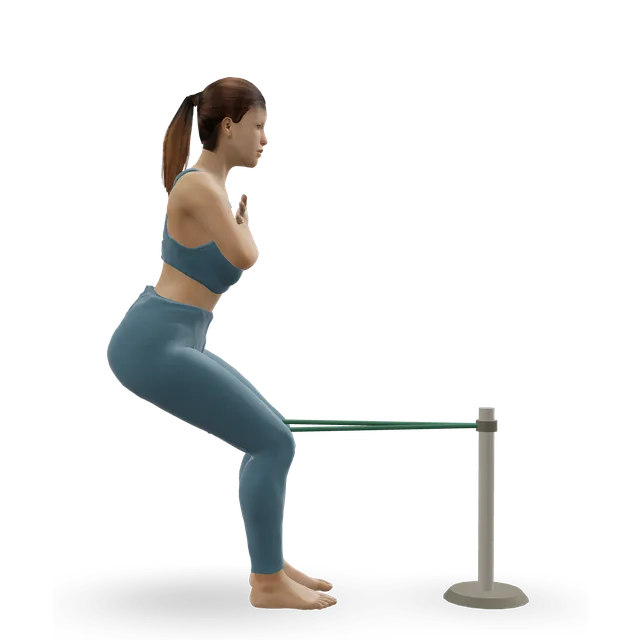
- Spanish squat (band squat hold)4 holds of 30 to 45 sIntermediate · Quads, Glutes · 3D demoA strap round a post behind your knees; lean back and sit to a comfortable depth at a hard-but-OK effort. Breathe throughoutEasier: Straight-leg raiseHarder: Pistol squat
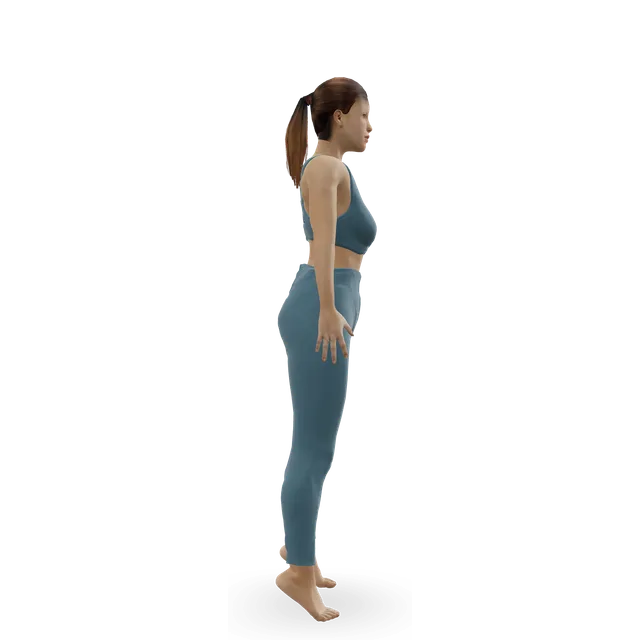
- Isometric calf raise hold4 holds of 30 to 45 sBeginner · Calves · 3D demoRise onto your toes and hold, on both legs, then shifting more of your weight to one legEasier: Seated bent-knee calf raise (soleus raise)Harder: Slow calf raise
Heavy and slow
Rest About 2 min between sets
- Leg press3 sets of 12 to 15, building to 6 to 10Beginner · Quads, Glutes, Hamstrings · 3D demoAbout 3 s up and 3 s down. Over about 8 weeks, build from a weight you can lift 15 times to one you can lift only 6 to 10 timesHarder: Bodyweight squat
- Split squatOr 3 sets of 8 to 10 each legIntermediate · Quads, Glutes, Hamstrings · 3D demoThe home version: hold dumbbells or wear a loaded backpack, at the same slow paceEasier: Bodyweight squatHarder: Reverse lunge
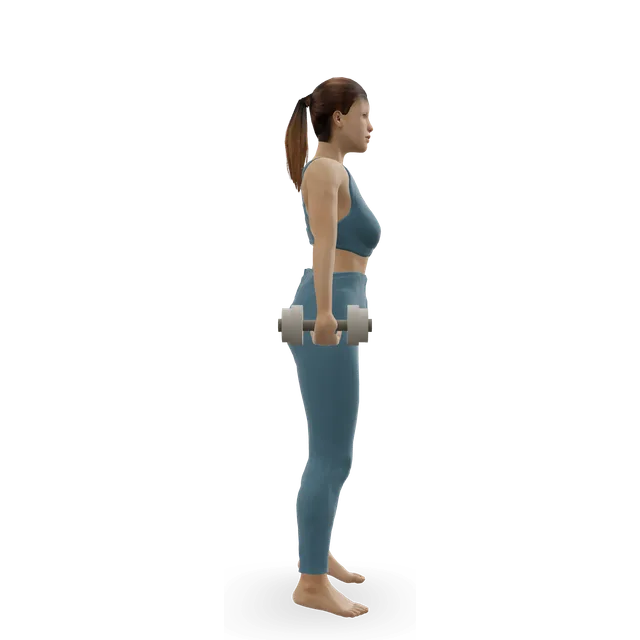
- Standing dumbbell calf raise3 sets of 12 to 15, building to 6 to 10Intermediate · Calves, Forearms · 3D demoA dumbbell in one hand and the other on a support; about 3 s up and 3 s downEasier: Slow calf raiseHarder: Single-leg pogo hops
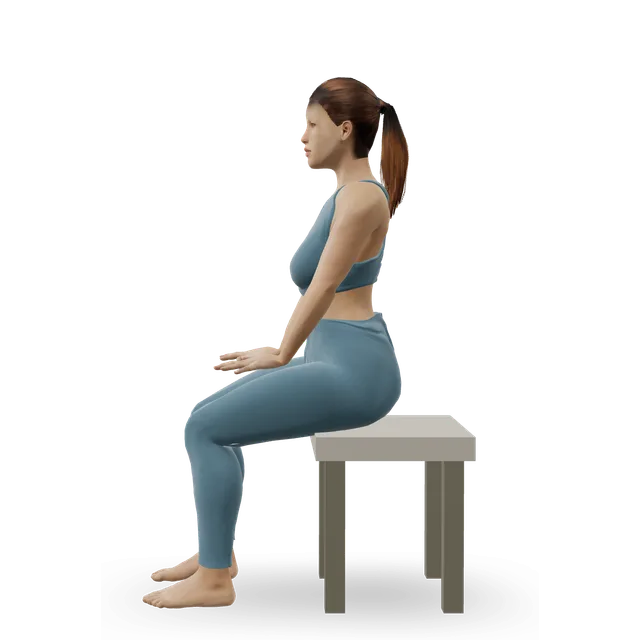
- Seated one-leg calf raise with a dumbbell3 sets of 8 to 12 each legBeginner · Calves · 3D demoA dumbbell on your knee, at the same slow paceEasier: Seated bent-knee calf raise (soleus raise)Harder: Slow calf raise


Springs (optional, from week 6)
- Ankle bounces (mini pogo)2 sets of 20Beginner · Calves, Shins · 3D demoOnly if your sport needs it and the heavy work feels comfortable; small, quick bouncesHarder: Pogo hops
- Pogo hops2 sets of 20Intermediate · Calves, Quads, Shins · 3D demoStiff ankles and quick contactsEasier: Ankle bounces (mini pogo)Harder: Single-leg pogo hops


Cool down
- Wall calf stretch (gastrocnemius)30 s each legBeginner · Calves · 3D demoEasier: Seated calf stretch with a towelHarder: Heel-on-step calf and hamstring stretch
- Soleus wall stretch30 s each legBeginner · Calves · 3D demoEasier: Seated calf stretch with a towelHarder: Toes-tucked kneeling (toe squat)


Tips
- Do it 2 or 3 times a week for at least 12 weeks: across 27 studies, heavy loads stiffened tendons, slightly more in programmes of 12 weeks or more.
- Build up slowly: one review estimates that muscles get stronger a month or two before tendons change, so don't add the springs early.
- Wall sits raise blood pressure while you hold them, so breathe normally and never hold your breath. Ask your GP first if your blood pressure is 160/100 or higher and untreated, or if you have heart disease, and skip them with Marfan syndrome, vascular Ehlers-Danlos syndrome or aortic disease.
- Our suggestion: treat the Spanish squat and calf raise holds the same way as wall sits, since they're similar hard holds.
- With a painful tendon, use its own guide and pain rule instead: our Achilles tendinopathy and jumper's knee guides have the stages.
- With pain where the Achilles meets the heel, do every raise on flat ground and lower only to the floor, as our Achilles guide says. After an Achilles rupture, follow your team's stages.
- Same day: a sudden snap or pop at the back of the heel or calf, or a feeling of being kicked there, then walking flat-footed and being unable to push off, stand on tiptoe or climb stairs. It could be an Achilles tendon rupture or a broken heel bone. Go to A&E or a minor injuries unit, or contact NHS 111.
- A sudden pop at the front of the knee, after which you cannot straighten the knee or lift the straight leg. This can be a torn patellar tendon: see our torn kneecap tendons guide.
- Pain in one spot on a bone that's worse with jumping or running, eases with rest and hurts when you press it: stop jumping, as it can be a stress fracture, and see a GP. See a GP too for heel pain that hasn't improved after 2 weeks of looking after it yourself, or shin pain that's getting worse or isn't improving.
- You're taking a fluoroquinolone antibiotic and a tendon starts to hurt or swell: stop taking it, contact your doctor straight away, and rest the painful area until you've been seen.
- Stop and get medical help for chest pain or pressure, unusual breathlessness, dizziness or fainting.
The doses are suggested starting points, not a prescription. Choose a range you can control and stop for sharp or increasing pain, numbness or tingling. Get individual advice after an injury or surgery, or if you are pregnant or managing a health condition.
Guides that recommend it
Find more moves like these
More gym workouts



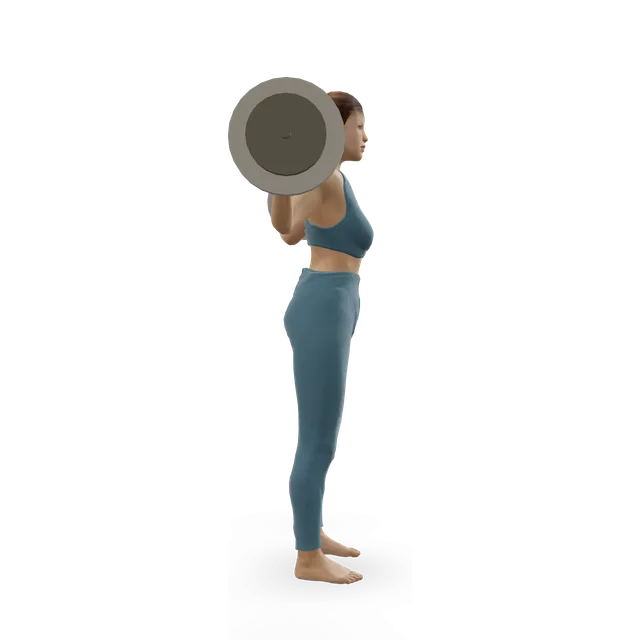
Barbell strength workout A
Barbell strength workout A: back squats and bench presses in sets of five, plus rows. Workout B (squat, overhead press, deadlift) is a separate session.
40 minBeginner6 movesA band, A barbell

Leg day workout (gym)
A gym leg day: back squats, leg press, leg curls, Bulgarian split squats, leg extensions and calf raises.
55 minIntermediate9 movesA wall, A barbell
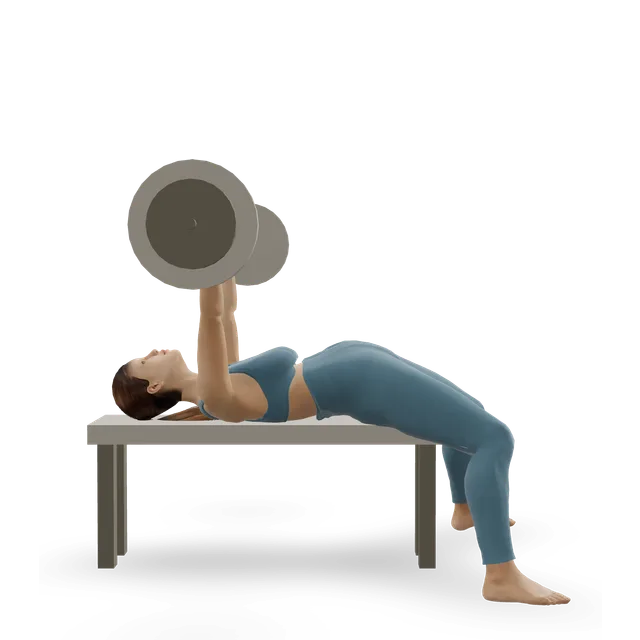
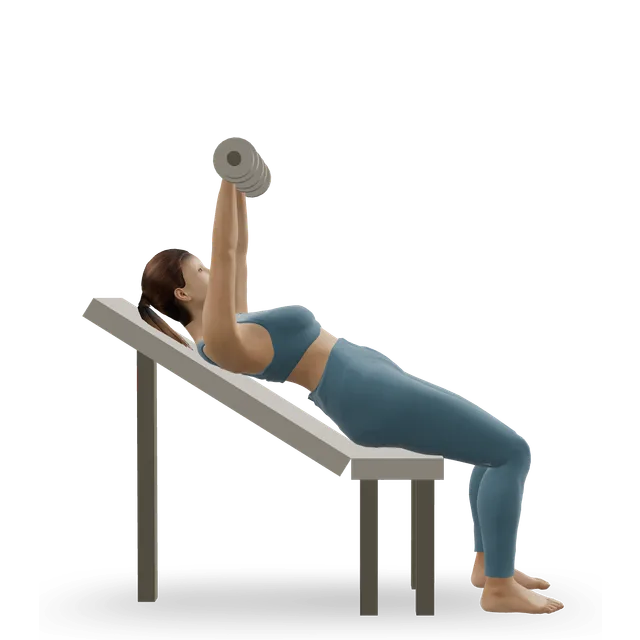
Chest workout (gym)
A gym chest workout: bench press, incline dumbbell press, cable flyes, dips and a push-up finisher.
45 minIntermediate7 movesA band, A barbellQuestions people ask
How long does the tendon strengthening workout: holds, heavy slow calf and leg work, then springs take?
About 35 minutes, including any warm-up and cool-down listed. Shorten it by doing fewer rounds; lengthen it by adding one.
What equipment do I need?
You need: A wall, A band, An anchor point, Strength machine, A dumbbell, A bench or box. Each move links to its guide, where you can find an alternative if you are missing something.
Is it suitable for me?
It is written at intermediate level. 11 of its 13 moves have an easier option listed beside them; use them freely.
How do I make it easier or harder?
Use the easier or harder option listed under each move, change the number of rounds, or adjust the rest. Progress one change at a time.