Pilates guide

Pilates for high blood pressure: does it lower it, is it safe, and which moves to change

Pilates is safe for most people with high blood pressure, and it may lower it a little: by about 5/3 mmHg (the units blood pressure is measured in, top number over bottom) in small trials, mostly in women who kept taking their medicines. It's an extra, not your main exercise: walking, cycling or swimming on most days lower blood pressure more reliably, and Pilates never replaces your tablets.

The things to change are simple: keep breathing, keep holds short, and leave out the head-down, legs-overhead moves while your blood pressure isn't under control.

This guide covers what the trials show, how Pilates compares with other exercise, breath holding and straining, head-down moves, the reformer and hot classes, a 30-minute head-up class, and the warning signs.

The short version

A few points lower

Across 4 randomised trials and 7 other studies, Pilates lowered blood pressure by about 5/3 mmHg more than comparison groups. A 2026 analysis of trials of different types of exercise found a small fall in 24-hour diastolic pressure (the bottom number) with Pilates, from limited data.

Sources 1, 2

An extra, not your main exercise

Blood Pressure UK says focus on aerobic activity such as walking, cycling and swimming, and the NHS suggests at least 150 minutes of exercise a week. Pilates adds strength work.

Sources 3, 4, 5

Safe for most people

A typical mat class is light to moderate, mat and reformer sessions didn't raise blood pressure above resting in healthy women, and the main review called Pilates safe for people with high blood pressure. If your readings are 180/100 or higher, speak to your doctor or nurse before starting.

Sources 6, 7, 1, 3

Keep breathing, keep holds short

Holding your breath while straining sends blood pressure very high, and it rises during any hard hold. Breathe out on the effort, and keep planks and hovers to 15 to 30 seconds.

Sources 8, 9, 10

Leave out legs-overhead moves while it isn't controlled

Skip the roll-over, jack knife, control balance and boomerang while your blood pressure isn't under control. This is a precaution, not a trial finding.

Sources 11, 12

Keep taking your medicines

Most Pilates trials were in people who kept taking their tablets, and medicines lower blood pressure more than exercise overall. Never stop or change a medicine because you've started exercising; talk to your GP if your readings fall.

Sources 13, 14, 15

Blood pressure, exercise and what a class does

The numbers

High blood pressure is 140/90 or higher when checked by a health professional, or 135/85 or higher at home. NICE (the National Institute for Health and Care Excellence) calls a clinic reading of 180/120 or higher severe. It usually causes no symptoms; rarely headaches, blurred vision or chest pain.

Sources 16, 17, 4

What exercise does

Blood pressure rises for a short time during exercise and falls afterwards; Blood Pressure UK says that for most people this is nothing to worry about. Over weeks, regular exercise lowers resting blood pressure, and NICE says "a healthy diet and regular exercise can reduce blood pressure".

Sources 3, 5, 17

What a Pilates class does

A typical session averages about 3 METs (a measure of effort: sitting still is 1), which is light to moderate. In 10 people, the top number rose about 7 mmHg straight after a mat class and was back to normal within 5 minutes; in 13 people with high blood pressure, it was about 5 to 8 mmHg lower for the hour after a session.

Sources 6, 7, 18, 19

Where the risk is

Holding your breath while straining and long, hard holds raise blood pressure sharply. Head-down positions raise pressure in the head and eyes. Getting up quickly after lying down can make you dizzy, especially on blood pressure medicines.

Sources 8, 20, 12, 21

What the evidence says

A few points lower in small trialsEmerging evidence

A 2024 review of 4 randomised trials and 7 other comparative studies in people with high blood pressure found falls of 4.8 mmHg in the top number and 3.4 in the bottom number against comparison groups. The authors called Pilates safe, but said it "may not necessarily offer superior results" to other exercise.

Source 1

24-hour blood pressureEmerging evidence

A 2026 analysis pooled 31 trials of different types of exercise (1,345 people with high blood pressure) and estimated that Pilates lowered 24-hour diastolic pressure by about 4 mmHg, while aerobic, interval and combined training lowered the top number too. The authors called the data on Pilates "limited and imprecise". A second 2026 analysis of 24-hour readings didn't include Pilates among the types it compared.

Sources 2, 22

The trialsEmerging evidence

In 44 women taking blood pressure medicines, an hour of mat Pilates twice a week for 16 weeks lowered clinic and 24-hour blood pressure against no exercise. In 60 similar women, 16 weeks made no significant difference to 24-hour pressure. In 28 women taking medicines, 13 weeks of mat and machine Pilates twice a week lowered 24-hour blood pressure more than usual care, the authors report: the top number fell by 10.3 mmHg within the Pilates group, though the abstract doesn't make the comparison with usual care clear; their mood and sleep improved too. In 34 adults aged 60 to 75, 12 weeks of mat Pilates 3 times a week, lying on the back throughout, brought the top number from 141 to 128, against 145 to 143 in a control group.

Sources 14, 23, 13, 24, 25

Small trials, mostly women on medicinesStrong evidence

Most trials were small, in women, often after the menopause, and in people taking medicines. Young women with obesity and raised blood pressure lowered theirs too, and in older women with type 2 diabetes it fell at 4 and 8 weeks, but 12 weeks of equipment Pilates didn't change it in another group, and some studies had no comparison group.

Sources 1, 26, 27, 28, 29

Other exercise and medicinesStrong evidence

Across 270 trials, aerobic exercise, strength training, combined training, interval training and isometric holds such as wall sits all lowered resting blood pressure, by about 4 to 8 mmHg in the top number, isometric most. The 2025 American guideline gives aerobic exercise 4 to 8 mmHg in people with high blood pressure. Medicines lowered the top number more than exercise overall.

Sources 5, 30, 15

A trial still to reportMixed evidence

A registered trial of mat Pilates in 120 people with high blood pressure expected that it might not lower resting blood pressure; its results aren't published yet.

Source 31

Is Pilates safe with high blood pressure?

For most people, yesEmerging evidence

Mat and reformer sessions in 18 healthy women didn't raise blood pressure above resting, people with high blood pressure had lower readings for an hour after a session, and the review called Pilates safe.

Sources 7, 19, 1

Blood Pressure UK's guideStrong evidence

  • From 140/90 to 179/99, "it should be safe to be more active".
  • From 180/100 to 199/109, "speak to your doctor or nurse before starting any new exercise".
  • At 200/110 or above, "Don't start any new activity": see your doctor or nurse as soon as possible.
  • It lists yoga and Pilates classes among ways to get active, and advises avoiding activities that put too much strain on your heart, such as sprinting or weightlifting.

Source 3

Keep breathing: breath holding and long holds

What breath holding doesEmerging evidence

In 10 athletes lifting their heaviest leg press, blood pressure averaged 311/284 mmHg when they held their breath and 198/175 when they breathed out slowly. In bodybuilders it peaked at 320/250. During a hold, blood pressure rises with how hard you try, not how much force you make.

Sources 8, 20, 9

What the guidance saysStrong evidence

The American College of Sports Medicine advises people with high blood pressure to "Avoid heavy weight lifting or breath holding". Pilates loads are light, so the rule that matters is breathing: out on the effort, never holding your breath in a hold.

Sources 10, 3

Breathing patterns

Lateral breathing and slow breathing without holds are fine. Leave out patterns with breath holds, such as box and 4-7-8 breathing, as our yoga for high blood pressure guide says.

Source 32

Holds and isometric workEmerging evidence

Isometric training, such as wall sits, lowers resting blood pressure over weeks, and our exercise for high blood pressure guide covers it. In a class, planks, knee hovers and wall sits are fine with steady breathing, kept to 15 to 30 seconds and not to failure (our editorial starting point).

Sources 5, 9

Head-down and legs-overhead moves

A precaution, not a trial findingMixed evidence

We found no trial of head-down moves in people with high blood pressure. Eye pressure rose within a minute in head-down yoga positions and fell back within 2 minutes after.

Sources 11, 12

What to leave out

While your blood pressure isn't under control, leave out the roll-over, jack knife, control balance and boomerang, and the high scissors and high bicycle, which lift your hips over your shoulders. Keep roll-downs and child's pose brief and come up slowly. In legs up the wall, don't raise your hips. This agrees with our exercise for high blood pressure guide.

Source 11

Getting up, medicines, the reformer and hot classes

Get up slowlyStrong evidence

The NHS advises getting up slowly from sitting to standing, and moving slowly from lying to sitting to standing. Roll to your side and sit for a few breaths before you stand, especially after starting or changing blood pressure medicines.

Source 21

MedicinesStrong evidence

A GP usually prescribes medicine if blood pressure is very high, your risk is higher, or it stays high after lifestyle changes. Never stop or change a medicine because you've started exercising; talk to your GP if your readings fall.

Sources 15, 4

The reformerEmerging evidence

A reformer session used more energy than a mat session but didn't raise blood pressure above resting in healthy women. A trial using mat and machine Pilates lowered 24-hour blood pressure, and one of equipment Pilates didn't change it. Keep springs moderate, keep breathing, and skip inverted reformer moves while your blood pressure isn't controlled (our suggestion).

Sources 7, 13, 28

Hot Pilates

The MHRA says blood pressure medicines such as ACE inhibitors, beta-blockers or calcium channel blockers can make it harder to control your temperature, and water tablets add to fluid loss. We found no study of hot Pilates. If you try it, drink water, leave if you feel dizzy or sick, and ask your GP if you take these medicines.

Sources 33, 34

How much

What the trials used

55 to 60 minutes of Pilates, 2 or 3 times a week, for 12 to 16 weeks. For fitness, Pilates needed at least 1,440 minutes in all, such as twice a week for 3 months.

Sources 14, 13, 25, 35

The guidelines

At least 150 minutes of exercise a week (NHS), with aerobic activity first (Blood Pressure UK).

Sources 4, 3

Our suggested week

Our editorial starting point:

  • Brisk walking or cycling on most days, building towards 150 minutes.
  • Our 30-minute head-up Pilates class twice a week.
  • If you want an extra, the wall sit workout from our exercise for high blood pressure guide.
  • Check your progress with home readings after about 12 weeks.

Sources 4, 5

Warm up and breathe

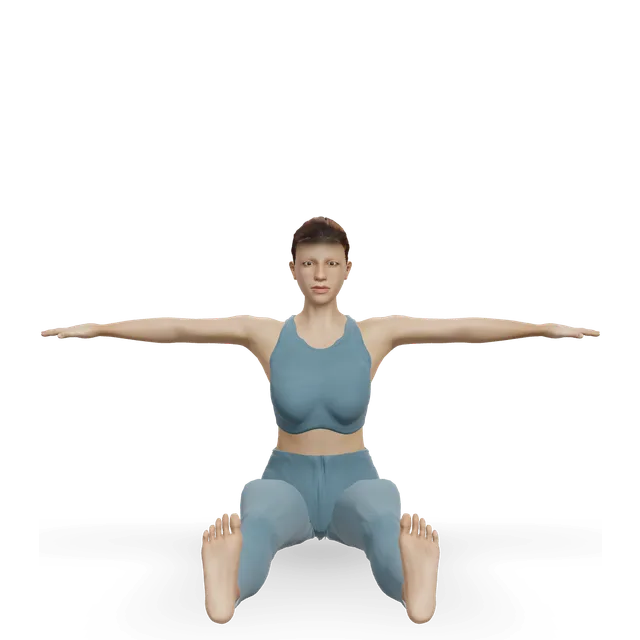
2 minutes of marching is from our walk and Pilates workout; 5 to 8 lateral breaths and at least 5 minutes of slow breathing, sitting, with no holds, are the move pages' doses.

Standing strength

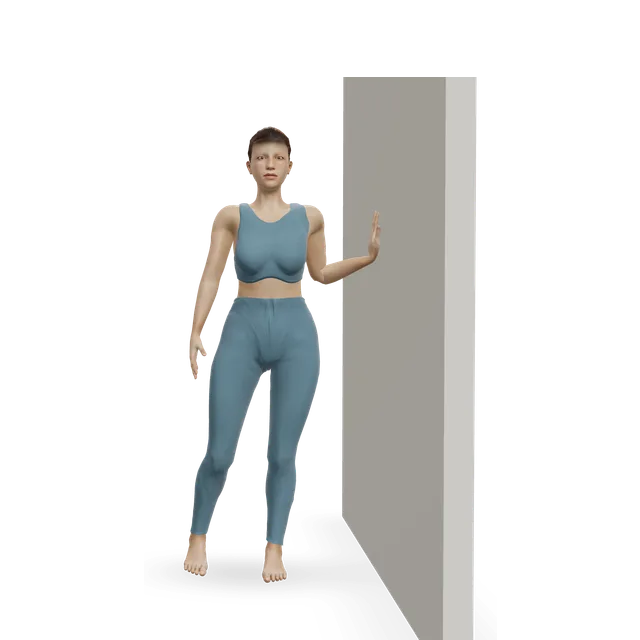
Breathe out as you push or stand: 2 sets of 8 to 12 sit-to-stands and wall push-ups and 2 sets of 10 to 15 rows are our editorial starting point, and 10 to 12 side leg lifts each side the move page's dose.

Mat moves, head level

8 bridges is from our Pilates for knee pain class, 10 clams each side and 5 bird dogs each side from our beginner Pilates for over-50s class, and 2 sets of 20 seconds of swimming from our walk and Pilates workout; 5 leg circles each way, 6 to 10 single-leg stretches and 8 to 10 side kicks each side, 3 or 4 spine twists and 3 mermaid stretches each way are the move pages' doses.

Moves to change or leave out

Legs-overhead moves

The roll-over, jack knife, control balance, boomerang, high scissors and high bicycle: leave out while your blood pressure isn't under control (a precaution, not a trial finding).

Sources 11, 12

Breath-hold breathing

Box and 4-7-8 breathing: leave out.

Source 10

Long holds

Planks, knee hovers and wall sits: 15 to 30 seconds with steady breathing, not to failure. Ask your GP before wall sit training if your readings are 160/100 or higher and untreated.

Source 9

Head-down positions

Roll-downs, child's pose and downward dog: keep them brief and come up slowly.

Sources 12, 21

Legs up the wall

Its own page says don't raise your hips if your blood pressure isn't under control.

Source 12

Classes to follow

Do the 30-minute head-up class twice a week alongside walking or cycling. The over-50s class has no curl-ups or roll-downs; the chair classes suit anyone who finds the floor hard; the wall sit workout is the isometric extra.

Plan

The walking plan builds the brisk activity that lowers blood pressure most.

Warning signs, and readings to check first

These are the same warning signs as our exercise for high blood pressure guide. In the US, call 911 where this page says 999.

Call 999 now

Stop exercising and call 999 for:

  • Chest pain that feels tight or like squeezing, or spreads to the arms, neck or jaw.
  • Severe difficulty breathing, or collapse.
  • Signs of a stroke: the face drooping, weakness in an arm, or speech problems. Also sudden blurred vision or loss of sight, confusion, dizziness or falling, or a severe headache. Call even if the symptoms stop.

Sources 36, 37

Stop, and get advice the same day (NHS 111 or your GP)

  • Chest pain with feeling sick, or a racing, skipping or fluttering heartbeat.
  • Being suddenly more short of breath than usual.
  • Frequent headaches or blurred vision, or chest pain that comes and goes.
  • Dizziness, unusual breathlessness, chest pressure or palpitations during exercise: stop, and get medical advice before training again.

Sources 36, 4

See a GP soon

  • Home readings of 180/100 or higher that keep coming back, or readings that stay above your target.
  • Light-headedness or dizziness on standing after exercise that keeps happening, especially after starting or changing blood pressure medicines.

Sources 3, 21

Very high readings: what the guidelines sayStrong evidence

  • NICE: a clinic reading of 180/120 or higher is severe high blood pressure. It needs prompt assessment, the same day if there are signs such as chest pain or new confusion.
  • Blood Pressure UK: from 140/90 to 179/99 it should be safe to increase your activity; from 180/100 to 199/109, speak to your doctor or nurse first; at 200/110 or above, don't start any new activity.

Sources 17, 3

What we suggest

If your readings are 160/100 or higher (NICE's stage 2) and not yet treated, keep walking and keep active, but save hard, heavy or maximal efforts until treatment has brought it under control. Below that, most people can build up straight away. This line is our reading of the guidance above, not a rule from any one guideline.

In a Pilates class

Come out of any move and sit down if you feel dizzy or light-headed, get a pounding headache or blurred vision; if it doesn't settle within a few minutes, or comes with any 999 sign, treat it as above. Keep breathing in every move, and roll to your side and sit before standing after lying work (our advice).

Source 21

Stop the session if

You feel any pain or become unwell, as the NHS advises for its Pilates videos, and especially for chest pain or pressure, unusual breathlessness, dizziness or fainting. If you have a health problem, an injury or any symptoms, get advice from a healthcare professional, such as a GP, before you start.

Source 38

Myths

"Pilates is dangerous with high blood pressure"Emerging evidence

It's light to moderate exercise, it didn't raise blood pressure above resting in a lab study, and reviews call it safe. The things to change are breath holding, long hard holds and head-down moves.

Sources 6, 7, 1

"Pilates can replace blood pressure tablets"Strong evidence

The trials were mostly in people who kept taking their tablets, and medicines lower blood pressure more than exercise overall. Never stop or change a medicine yourself.

Sources 13, 14, 15

"Pilates is the best exercise for blood pressure"Emerging evidence

Its effect is small and not shown to beat other exercise; aerobic, combined and isometric training have far more evidence.

Sources 1, 5, 2

"You need a reformer for real Pilates"Mixed evidence

Mat Pilates lowered blood pressure in most trials; one equipment programme didn't change it.

Sources 14, 25, 28

"Holding your core means holding your breath"Emerging evidence

Breathe out on the effort. Holding your breath while straining raises blood pressure sharply.

Sources 8, 10

"Stress causes high blood pressure, so relaxing will fix it"Strong evidence

Stress raises blood pressure for a short time, but Blood Pressure UK says "There's no evidence that stress causes long-term high blood pressure". Relaxation is part of a class, not a cure.

Source 39

Questions people ask

Is Pilates good for high blood pressure?

Yes, as an extra. Small trials found it lowered blood pressure by about 5/3 mmHg more than comparison groups, and a 2026 analysis found a small fall in 24-hour diastolic pressure, from limited data. Walking or cycling should still be the main part of your week.

Does Pilates lower blood pressure?

A little, in small trials mostly in women taking medicines. In one trial of 28 women, the top number over 24 hours fell by about 10 mmHg in the Pilates group; in another of 60 women there was no clear difference from no exercise.

Is Pilates safe with high blood pressure?

For most people, yes: it's light to moderate exercise, and reviews call it safe. If your readings are 180/100 or higher, speak to your doctor or nurse first; at 200/110 or above, don't start any new activity.

Which Pilates exercises should I avoid with high blood pressure?

While it isn't under control, leave out the roll-over, jack knife, control balance and boomerang: a precaution, not a trial finding. Skip breath-hold breathing and long hard holds, and keep breathing in everything else.

Is reformer Pilates good for high blood pressure?

It can be: a reformer session didn't raise blood pressure above resting in healthy women, and a trial using mat and machine Pilates lowered 24-hour blood pressure. Keep springs moderate, keep breathing, and skip the inverted reformer moves.

Is Pilates or yoga better for blood pressure?

Neither has been shown to be better; both lower it a little in small trials. Aerobic and isometric exercise have much more evidence.

Can Pilates replace my blood pressure medicine?

No. The trials were mostly in people who kept taking their tablets, and medicines lower blood pressure more than exercise overall. Never stop or change a medicine because you've started exercising; talk to your GP if your readings fall.

Does Pilates raise blood pressure?

Briefly and a little: in one study, the top number rose about 7 mmHg straight after a class and was back to normal within 5 minutes. Holding your breath while straining raises it far more, so breathe out on every effort.

Is the plank OK with high blood pressure?

Yes, held for 15 to 30 seconds with steady breathing, not to failure. Blood pressure rises during a hold, more the harder you push.

Is hot Pilates bad for high blood pressure?

We found no study of it. Some blood pressure medicines make it harder to control your temperature, so if you try it, drink water, leave if you feel dizzy or sick, and ask your GP if you take these medicines.

How often should I do Pilates for blood pressure?

Trials used 2 or 3 sessions a week of about an hour for 12 to 16 weeks. Twice a week alongside 150 minutes of walking or cycling is a good start; check your home readings after about 12 weeks.

When should I stop and get help?

Call 999 for chest pain, severe breathlessness, or signs of a stroke such as a drooping face, a weak arm, speech problems, sudden blurred vision, confusion or a severe headache. Get advice the same day for frequent headaches or blurred vision, or if you feel dizzy, breathless or have palpitations while exercising.


Sources

  1. González-Devesa 2024 · The Pilates method in people with high blood pressure: 11 studies (systematic review and meta-analysis, J Hum Hypertens)
  2. Mallmann Schneider 2026 · Types of exercise and 24-hour blood pressure in hypertension: 31 trials (network meta-analysis, BJSM)
  3. Blood Pressure UK · Exercise and physical activity
  4. NHS · High blood pressure (hypertension)
  5. Edwards 2023 · Exercise training and resting blood pressure: 270 trials (network meta-analysis, BJSM)
  6. Vitor 2026 · How hard Pilates is: energy cost in 6 studies (exploratory systematic review and meta-analysis, Syst Rev)
  7. de Souza Andrade 2021 · Energy use, heart rate and blood pressure in mat and reformer Pilates sessions in 18 women (study, J Bodyw Mov Ther)
  8. Narloch 1995 · Breathing technique and blood pressure during heavy leg presses in 10 athletes (study, Arch Phys Med Rehabil)
  9. MacDougall 1992 · What affects blood pressure during heavy lifting and holds: 31 men (study, J Appl Physiol)
  10. Kanaley 2022 · Exercise and physical activity in type 2 diabetes (American College of Sports Medicine consensus statement, Med Sci Sports Exerc; read in full)
  11. PubMed · Our search for trials of head-down positions in people with high blood pressure (October 2026)
  12. Jasien 2015 · Eye pressure in four head-down yoga poses, in 20 people with and without glaucoma (lab study, PLoS One)
  13. Ruider 2026 · Pilates and 24-hour blood pressure in 28 women taking blood pressure medicines (RCT, J Hypertens)
  14. Martins-Meneses 2015 · 16 weeks of mat Pilates in 44 women taking blood pressure medicines (controlled trial, Int J Cardiol)
  15. Naci 2019 · Exercise or blood pressure medicines: 391 randomised trials (network meta-analysis, BJSM)
  16. NHS · Blood pressure test
  17. NICE NG136 · Hypertension in adults: diagnosis and management (recommendations, updated February 2026)
  18. Carlin 2024 · Blood pressure just after a mat Pilates class in 10 practitioners (study, J Bodyw Mov Ther)
  19. Rocha 2020 · Blood pressure after one Pilates session in 13 adults with high blood pressure (crossover trial, J Strength Cond Res)
  20. MacDougall 1985 · Blood pressure during heavy lifting in 5 bodybuilders (study, J Appl Physiol)
  21. NHS · Low blood pressure (hypotension) (past its review date: reviewed July 2023, review due July 2026)
  22. Anderson 2026 · Types of exercise and 24-hour blood pressure: 25 studies (network meta-analysis, J Hypertens)
  23. da Silva Almeida 2022 · Mat Pilates with or without treadmill exercise in 60 women with high blood pressure (RCT, Phys Ther)
  24. Ruider 2026 · Pilates, mood, sleep and blood pressure in the same 28 women (RCT, Eur J Appl Physiol)
  25. Woramontri 2024 · 12 weeks of mat Pilates in 34 older adults with high blood pressure (RCT, Sports; read in full)
  26. Wong 2020 · 12 weeks of mat Pilates in 28 young women with obesity and raised blood pressure (RCT, Am J Hypertens)
  27. Andrade 2022 · Pilates and blood pressure in 22 older women with type 2 diabetes (RCT, J Bodyw Mov Ther)
  28. Santos 2020 · 12 weeks of equipment Pilates in 45 women, 30 taking blood pressure medicines (study, J Bodyw Mov Ther)
  29. Batista 2022 · 12 weeks of mat Pilates in 47 women after the menopause, with and without high blood pressure (controlled trial, Clin Exp Hypertens)
  30. Cameron 2025 · Using the 2025 AHA/ACC high blood pressure guideline, with its table of lifestyle effects (Hypertension; read in full)
  31. Prabhu 2024 · Mat Pilates for resting blood pressure in 120 people with high blood pressure (trial protocol, F1000Res)
  32. NHS · Breathing exercises for stress
  33. MHRA · Don't let this heatwave affect your medicines: three tips (news story, June 2026)
  34. PubMed · Our search for studies of hot Pilates (October 2026)
  35. Pessôa 2023 · Pilates and cardiorespiratory fitness: 12 trials (systematic review and meta-analysis, Complement Ther Clin Pract)
  36. NHS · Heart attack
  37. NHS · Stroke: symptoms
  38. NHS · Pilates for beginners (exercise video, with safety information)
  39. Blood Pressure UK · Stress and your blood pressure

Exercise education, not a personal prescription, and clinical review of these guides is pending. If you are pregnant, have a health condition or have had recent surgery, check with a doctor, midwife or physiotherapist before starting, and stop for sharp or increasing pain. Health disclaimer.