Pilates for diabetes: blood sugar, strength, hypos and feet, and a head-up class
Pilates is a good way to do the strength and balance work the guidelines ask for with type 2 diabetes. In small trials it lowered blood sugar a little and improved strength, balance and walking, but it isn't aerobic exercise, so it works alongside walking, not instead of it, and it won't reverse diabetes.
It sits beside your diabetes treatment and checks, never in place of them. If you take insulin or a sulfonylurea, plan for hypos, and never change a diabetes medicine yourself because you've started exercising.
This guide covers what the trials show, how Pilates fits your week, hypos, your feet (Pilates is usually done barefoot), your eyes and head-down moves, type 1 diabetes and prediabetes, and a 30-minute head-up class.
The NHS lists Pilates among muscle-strengthening activities and says these aren't always aerobic, so you still need your 150 minutes. With type 2 diabetes, the NHS suggests at least 2.5 hours a week of walking or activity that leaves you out of breath.
In 7 small trials, HbA1c (your average blood sugar over 2 to 3 months) was about 0.8 to 1 percentage point lower with Pilates than with usual care. The bigger figure leans on one trial with long daily sessions, and where people's medicines stayed the same, adding Pilates made no significant extra difference.
If your feet are numb, the international foot guideline advises not walking barefoot or in socks without shoes, even indoors. Do standing moves in shoes, check your feet before and after, and with an open sore keep to lying and seated moves.
Diabetes UK says there's no evidence exercise alone can put type 2 diabetes into remission. With type 1, Pilates has "a minimal effect" on blood glucose, Breakthrough T1D says.
When your muscles move, they use up sugar from the blood. Activity at a comfortable pace tends to lower blood sugar, short sharp bursts can raise it, and stretching may leave it unchanged. It can stay lower for up to 24 hours afterwards.
The NHS counts Pilates as muscle-strengthening when done "to the point where you need a short rest". The American Diabetes Association (ADA) asks for 2 to 3 strength sessions a week, which Pilates can be part of, plus aerobic activity. A typical Pilates session averages about 3 METs (a measure of effort: sitting still is 1), which is light to moderate. NICE asks for more physical activity to be part of a personalised diabetes plan, without setting a dose of its own.
With nerve damage you may not feel a blister or cut. Pilates is usually done barefoot or in grip socks. Lying and seated mat work takes the weight off your feet; standing work, wall work and reformer footwork press on your soles (our reading).
In type 1 diabetes, Pilates improved fitness but not HbA1c in a trial of 31 teenagers; manage your glucose as your team advises. In prediabetes, one small trial found lower HbA1c after 16 weeks and another found no difference; more activity and modest weight loss are the proven route.
A 2025 review of 7 trials (275 people with type 2 diabetes; read in full) found HbA1c 0.96 percentage points lower than with usual care. With 2 or 3 sessions a week, the fall was 0.83. With daily sessions it was 1.85, but that came from one trial of 90 to 150 minutes of Pilates every day, in which HbA1c fell from 7.8% to 5.0%. Only 1 of 8 trials was at low risk of bias, and 6 included only women.
No clear extra fall alongside medicinesMixed evidence
A 2021 review (read in full) found HbA1c 0.78 lower across 9 diabetes trials, with very varied results. But where everyone took their diabetes medicines, adding Pilates didn't lower HbA1c or fasting blood sugar significantly more, and the benefits were seen at 8 weeks and not at 12.
In 22 older women, an hour of Pilates 3 times a week for 12 weeks brought HbA1c from 7.8% to 6.7% within the Pilates group, and blood sugar after meals was about 60 mg/dL (about 3.3 mmol/L) lower after each session than before it. In 44 adults, 8 weeks lowered HbA1c, but not fasting blood sugar. In 104 older adults, blood sugar fell a little. In 90 women with prediabetes or type 2 diabetes, adding Pilates to activity advice didn't change blood sugar, though people walked more.
Across 85 exercise trials in type 2 diabetes, interval training, combined aerobic and strength training, yoga and steady aerobic exercise lowered HbA1c by 0.42 to 0.78, with no significant differences between them and low-quality evidence. The American College of Sports Medicine says Pilates "may improve blood glucose management, along with functional capacity, in older adults" with type 2 diabetes.
In 104 older adults, 12 weeks of Pilates twice a week improved grip by 1.8 kg, a balance score, walking speed and flexibility. In 22 older women, everyday function improved and most of the gain lasted 4 weeks after stopping. A network analysis found better balance and walking with Pilates, at very low certainty.
Both reviews say the trials were few, small and mostly in women, with randomisation rarely described. An earlier review of Pilates in long-term conditions found limited or conflicting evidence on blood sugar and blood fats. Treat the numbers as rough.
In a review of balance treatments for diabetic nerve damage, the one Pilates trial didn't improve standing balance. In a non-randomised trial in women, Nordic walking improved blood sugar and blood fats more than Pilates.
150 minutes or more of moderate to vigorous aerobic activity over at least 3 days, with no more than 2 days in a row off; 2 to 3 strength sessions on non-consecutive days; for older adults, flexibility and balance training 2 to 3 times a week; and breaking up sitting at least every 30 minutes.
"Try to spend at least 2.5 hours (across the whole week) either walking or doing another activity that leaves you out of breath", and strength work on at least 2 days; over 65, strength, balance and flexibility on at least 2 days.
Never change a diabetes medicine yourself because you've started exercising. If you think a dose may need to change, talk to your GP or diabetes team.
Which medicines matterStrong evidence
A hypo is "usually where your blood sugar (glucose) is below 4mmol/L", and usually affects people who take insulin or some other diabetes medicines. With exercise, the ones that matter are insulin, a sulfonylurea such as gliclazide, or a meglitinide.
On insulin or a sulfonylurea: the routineStrong evidence
From NHS, Diabetes UK and ADA guidance:
Before: check your blood sugar. At 4 mmol/L or lower, treat the hypo and don't start. If it is in the lower part of your range (below about 5 mmol/L, the ADA suggests), you may need a starchy snack first: agree the details with your team, who may also suggest a change to your dose.
During: carry hypo treatment and diabetes ID, and check during long sessions. After any hypo in the last 24 hours, take extra care and don't exercise alone; after a severe one, don't exercise for 24 hours.
If you have a hypo: a small glass of fruit juice or sugary drink, 5 glucose tablets, 4 large jelly babies or 2 tubes of glucose gel. Recheck after 10 to 15 minutes, and once you're above 4 mmol/L, eat something longer-lasting.
After: check again, and keep an eye on it for up to 24 hours, because insulin works better after activity and hypos can come hours later.
Shaking or sweating in a hold, or feeling drowsy or muddled during the final lie-down, can be a hypo rather than effort or calm: stop and check. Keep your meter and hypo treatment within reach of your mat, and tell the teacher you have diabetes and what a hypo looks like for you (our advice).
The MHRA says some diabetes medicines, including insulin and metformin, increase the risk of dehydration or make early symptoms harder to spot, and heat can damage insulin. We found no study of hot Pilates. If you try it, drink water and leave if you feel unwell.
The international foot guideline (IWGDF) advises people at risk of foot ulcers, which starts with loss of feeling, "not walking barefoot, not walking in socks without shoes, and not walking in thin-soled slippers, whether indoors or outdoors". The ADA says anyone with a foot injury or open sore should stick to activities that don't put weight on the feet, and Diabetes UK suggests mostly non-weight-bearing activity with nerve disease.
Lying and seated mat work is fine barefoot. If your feet are numb, do standing moves, wall work and reformer footwork in shoes or leave them out; grip socks are still socks without shoes for standing and walking about (our editorial reading). Check your feet before and after, including the soles and between the toes.
Eyes: head up with advanced retinopathyStrong evidence
With proliferative or severe non-proliferative retinopathy, vigorous exercise "may be contraindicated", the ADA says. The American College of Sports Medicine advises avoiding breath-holding activities, overhead lifting and activities that lower the head, and Diabetes UK says avoid activities that sharply raise your blood pressure. In Pilates, that means no roll-overs, jack knives or other legs-over-your-head moves, short roll-downs, no long planks or breath holds, until your eye team agrees.
2 minutes of marching is from our walk and Pilates workout, 2 holds of 20 seconds on one leg from our beginner Pilates for over-50s class, and 10 to 12 side leg lifts each side the move page's dose; 2 sets of 8 to 12 sit-to-stands and wall push-ups, 2 sets of 10 to 15 rows and 2 sets of 10 calf raises are our editorial starting point. Hold a counter for balance work, and leave out calf raises with a foot sore.
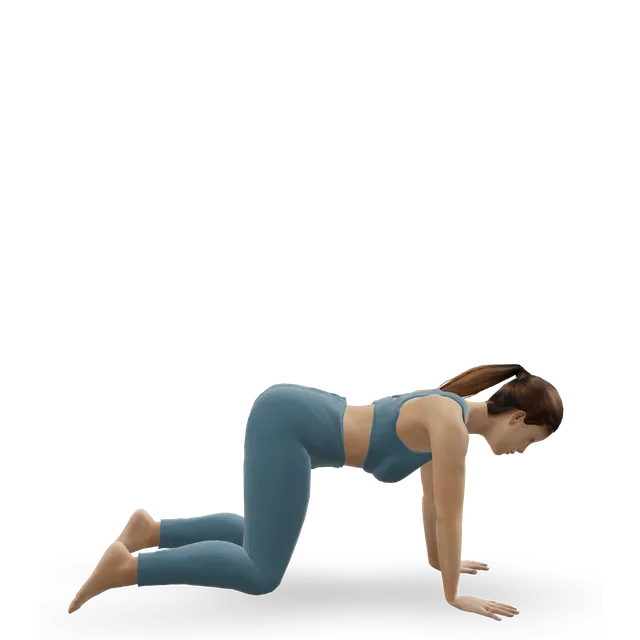
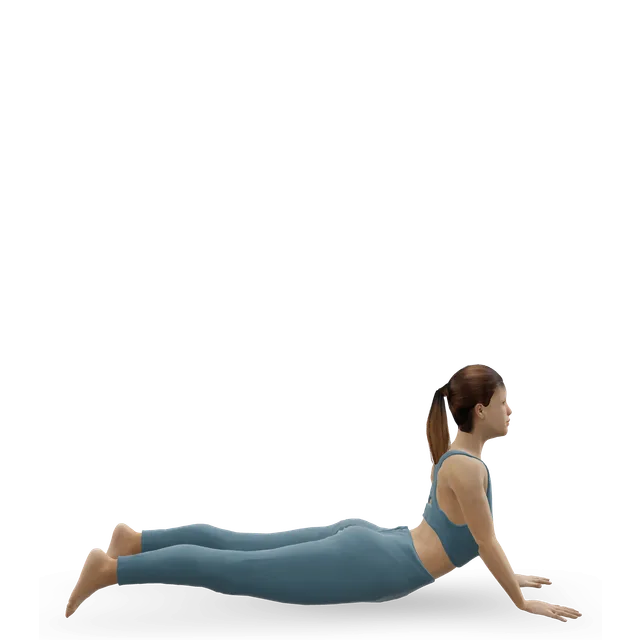
5 to 8 lateral breaths, 5 leg circles each way, 8 to 10 side kicks each side, 3 knee hovers of 15 to 30 seconds, 2 or 3 sets of 20 to 30 seconds of swimming, 5 or 6 swan lifts and 3 mermaid stretches each way are the move pages' doses; 8 bridges, 10 clams each side and 5 bird dogs each side are from our beginner Pilates for over-50s class. Skip the knee hover with advanced retinopathy.
Shoes for the standing block, or leave it out; no barefoot balance or calf work and no barefoot reformer footwork; lying and seated moves only with an open sore.
Advanced retinopathy, or recent eye laser or surgery
Leave out the roll-over, jack knife, control balance, boomerang, high scissors and high bicycle; keep roll-downs short; skip long planks and breath holds; keep the effort fairly light, until your eye team agrees.
Do the 30-minute class twice a week alongside walking, and a short walk after meals. The over-50s class is head-up with no curl-ups; the balance class stands at a counter (wear shoes if your feet are numb); the chair classes suit a foot sore or difficulty standing.
These are the same warning signs as our exercise for type 2 diabetes guide. In the US, call 911 where this page says 999.
Call 999 now
Stop exercising and call 999 for:
Chest pain that feels tight or like squeezing, or spreads to the arms, neck or jaw; severe difficulty breathing; or someone who collapses and isn't responding normally.
Signs of a stroke: the face drooping, weakness in an arm, or speech problems. Also sudden loss of sight or a severe headache. Call even if the symptoms stop.
A hypo where the person is unconscious or not responding normally, and glucagon isn't available, hasn't worked within 10 minutes, or they have been drinking alcohol.
Signs of ketoacidosis: feeling or being sick, tummy pain, fast breathing, drowsiness, confusion, fruity-smelling breath, or blood ketones over 3 mmol/L. On an SGLT2 tablet such as dapagliflozin, this can happen with near-normal blood sugar.
With a foot infection, signs of sepsis: confusion, blue, grey or blotchy skin, fast breathing, or a temperature above 38.3°C.
If you have diabetes, see your local foot team urgently, within 24 hours, for a change in the colour or shape of your foot (especially a red, hot, swollen toe, ankle or foot), part of your foot feeling much colder or hotter than usual, new blisters, cuts or wounds (especially ones you can see but don't feel), a cut or wound that smells bad or is leaking fluid or pus, or new or unexplained pain in your foot. Meanwhile sit or lie down, take the weight off it and raise it.
Feeling hungry, dizzy, anxious or irritable, sweating, shaking, tingling lips, a pounding heart, feeling tired or weak, blurred vision or confusion, the NHS says; Diabetes UK adds going pale and feeling tearful. A severe hypo can cause a fit or unconsciousness.
Check both feet before and after, including the soles, heels and between the toes, using a mirror or a helper. A new blister, cut, red patch or swelling means no standing exercise until it's been seen: contact your GP or foot team within 24 hours.
You feel any pain or become unwell, as the NHS advises for its Pilates videos, and especially for chest pain or pressure, unusual breathlessness, dizziness or fainting. If you have a health problem, an injury or any symptoms, get advice from a healthcare professional, such as a GP, before you start.
Diabetes UK: "there's no evidence that exercise alone can lower blood sugar levels enough to put type 2 diabetes into remission". Diet changes do that; exercise helps keep weight off.
"Pilates lowers HbA1c by a whole point"Mixed evidence
That figure leans on one trial with long daily sessions. With 2 or 3 sessions a week it was about 0.8, and alongside unchanged medicines there was no significant extra fall.
The foot guideline advises against walking in socks without shoes, even indoors, if you've lost feeling in your feet, so grip socks don't count as protection for standing work (our reading). Lying mat work is fine barefoot.
Yes, as strength and balance work in a week built around walking. In small trials in type 2 diabetes it lowered blood sugar a little and improved strength, balance and walking, but it doesn't replace the 150 minutes of aerobic activity the guidelines ask for.
Does Pilates lower blood sugar?
A little, in small trials: HbA1c was about 0.8 percentage points lower than with usual care with 2 or 3 sessions a week. Where people's medicines stayed the same, adding Pilates made no clear extra difference, so expect a small effect.
Is Pilates good for type 2 diabetes?
It counts as muscle-strengthening activity, which the American Diabetes Association asks for 2 to 3 times a week. Pair it with brisk walking and a short walk after meals.
Is Pilates good for type 1 diabetes?
It's good for strength and fitness, but it has little effect on glucose: Breakthrough T1D says Pilates has "a minimal effect", and a trial in teenagers found no change in HbA1c. Manage your levels as your team advises.
Is Pilates good for prediabetes?
One small trial found lower HbA1c after 16 weeks, and another found no difference. The proven route is more activity and modest weight loss; our exercise for prediabetes guide covers it.
Can Pilates cause a hypo?
It can if you take insulin or a sulfonylurea. Check your blood sugar before and after, don't start at 4 mmol/L or lower, and keep hypo treatment by your mat. Never change a diabetes medicine yourself because you've started exercising.
Can I do Pilates barefoot with diabetes?
Lying and seated mat work is fine if you can feel your feet and they're healthy. If your feet are numb, the international foot guideline advises against walking barefoot or in socks without shoes, even indoors, so do standing moves in shoes and check your feet before and after.
Are Pilates grip socks OK for diabetics?
For lying mat work, yes. For standing and walking about with numb feet, socks without shoes aren't advised, so wear shoes.
Which Pilates moves should I avoid with diabetic eye disease?
With severe or proliferative retinopathy, leave out head-down and legs-overhead moves, breath holds and hard holds until your eye team agrees. Our class keeps your head up for that reason.
Can Pilates reverse diabetes?
No. Diabetes UK says there's no evidence exercise alone can put type 2 diabetes into remission; diet changes do that. Pilates helps alongside them.
Is reformer Pilates good for diabetes?
It's strength work like mat Pilates, though most diabetes trials used mat Pilates. With numb feet, do the footwork in shoes or skip it.
Is hot Pilates OK with diabetes?
Ask your team first: insulin and metformin can raise the risk of dehydration or hide its early signs, and heat can damage insulin. If you try it, drink water and leave if you feel unwell.
Exercise education, not a personal prescription, and clinical review of these guides is pending. If you are pregnant, have a health condition or have had recent surgery, check with a doctor, midwife or physiotherapist before starting, and stop for sharp or increasing pain. Health disclaimer.