Pilates
Shoes-on Pilates for diabetes: a 30-minute head-up strength class
Pilates counts as strength work, which the guidelines ask for 2 to 3 times a week with type 2 diabetes, and in small trials it lowered blood sugar a little and improved strength, balance and walking. This class starts with standing strength in your shoes, moves to the mat for your hips, back and trunk, keeps your head up throughout with no breath holds, and finishes sitting up. Do it twice a week on non-consecutive days, alongside walking. It sits beside your diabetes treatment and checks, never in place of them.
Standing, in your shoes
- Standing march2 minBeginner · Hip flexors, Abs, Glutes · 3D demoEasy pace, arms swingingEasier: Seated marchHarder: Standing band hip flexion
- Sit to stand from a chair2 sets of 10Beginner · Quads, Glutes, Hamstrings · 3D demoBreathe out as you standEasier: Sit to stand, pushing on the thighsHarder: Bodyweight squat
- Wall push-up2 sets of 10Beginner · Chest, Triceps, Shoulders · 3D demoBody in one line, breathe out as you pushHarder: Push-up
- Band row2 sets of 12Beginner · Back, Biceps, Shoulders · 3D demoSqueeze your shoulder blades backHarder: Supported single-arm dumbbell row
- Beginner · Hip abductors, Glutes, Abs · 3D demoA hand on the wallHarder: Lateral band walk, band at the feet
- Slow calf raise2 sets of 10Beginner · Calves · 3D demoHold a counter; skip it with a foot soreEasier: Seated bent-knee calf raise (soleus raise)Harder: Standing dumbbell calf raise
- Single-leg stand2 holds of 20 s each legBeginner · Hip abductors, Calves, Glutes · 3D demoA hand on the counterEasier: Tandem stance and heel-to-toe walkHarder: Single-leg reach matrix







Mat
- Beginner · Abs · 3D demoCheck your feet first; shoes off only if you can feel them and they're healthyHarder: Roll-up (Pilates)
- Glute bridge2 sets of 8Beginner · Glutes, Hamstrings, Abs · 3D demoBreathe out as you liftEasier: Pelvic tilt into bridgeHarder: Single-leg glute bridge
- Single-leg circle (Pilates one leg circle)5 circles each direction, each legBeginner · Abs, Hip flexors, Adductors · 3D demoBottom knee bent, small circlesHarder: Corkscrew (Pilates)
- Side kick (Pilates side kick series)8 each sideBeginner · Hip flexors, Glutes, Hip abductors · 3D demoHead resting on your lower armHarder: Side-lying leg circles (Pilates side kick series)
- Clamshell10 each sideBeginner · Hip abductors, Glutes · 3D demoHips stackedEasier: Supine isometric hip abduction (belt press)Harder: Lateral band walk
- Bird dog5 each sideBeginner · Back, Abs, Glutes · 3D demoHold each for up to 3 breaths, breathingEasier: Bird dog, one limb at a timeHarder: Bear crawl
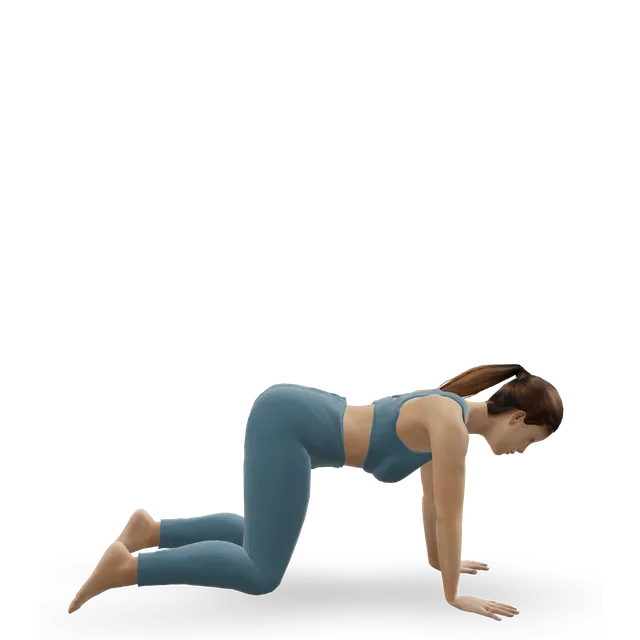
- Knee hover (Pilates tabletop hover)3 holds of 15 sBeginner · Abs, Shoulders, Quads · 3D demoKeep breathing; skip it with advanced diabetic eye diseaseHarder: Straight-arm plank (high plank)
- Swimming (Pilates)2 sets of 20 sIntermediate · Back, Glutes, Shoulders · 3D demoOr the bird dog if arching hurts your backEasier: Mermaid (Pilates seated side bend)Harder: Leg pull back (Pilates leg pull up)







Finish sitting up
- Mermaid (Pilates seated side bend)3 each direction, each sideBeginner · Back, Abs, Shoulders · 3D demoSit cross-legged or on a chairHarder: Side bend (Pilates)

Tips
- On insulin or a sulfonylurea: check your blood sugar before you start; at 4 mmol/L or lower, treat the hypo and don't start. Keep hypo treatment by your mat and check again afterwards.
- Shaking, sweating, dizziness or feeling muddled during the class can be a hypo: stop and check.
- If your feet are numb, keep your shoes on for the standing moves and check your feet before and after, including the soles and between the toes.
- With severe or proliferative diabetic eye disease, skip the knee hover and keep every move head-up and breathing, until your eye team says otherwise.
- Never change a diabetes medicine yourself because you've started exercising.
- Add a 10-minute walk after meals and brisk walking on most days: Pilates is strength work, not your cardio.
The doses are suggested starting points, not a prescription. Choose a range you can control and stop for sharp or increasing pain, numbness or tingling. Get individual advice after an injury or surgery, or if you are pregnant or managing a health condition.
Guides that recommend it
Find more moves like these
More pilates




Beginner Pilates workout
A 20-minute mat Pilates workout for complete beginners. It covers breathing, spine position and the foundation moves, each with an easier option.
20 minBeginner13 movesNo equipment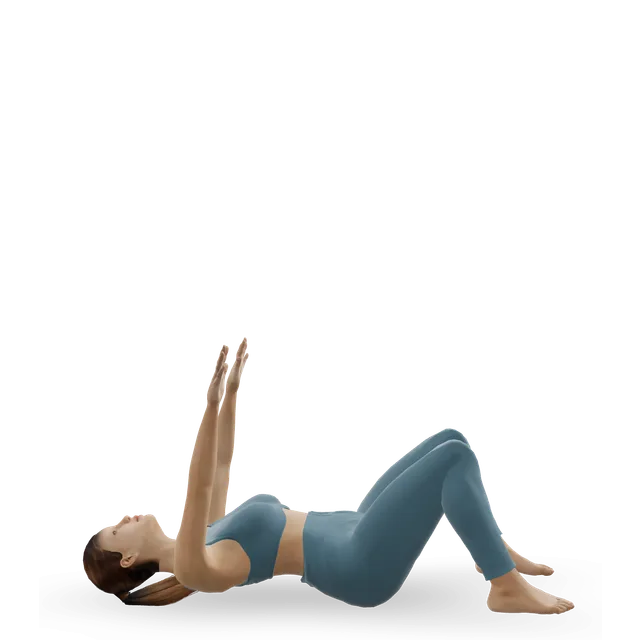

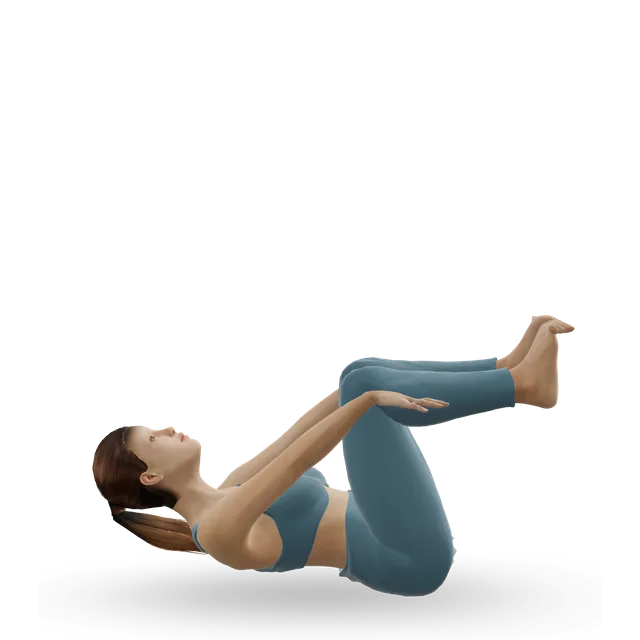
10-minute Pilates abs
Ten minutes of the classic Pilates abdominal series: the hundred, the roll-up and the series of five, with a plank to finish.
10 minIntermediate11 movesNo equipmentFull-body mat Pilates workout
A 30-minute intermediate mat Pilates class that follows the classical order, from the hundred to the push-up, with prep versions of the hardest moves.
30 minIntermediate22 movesNo equipmentQuestions people ask
How long does the shoes-on pilates for diabetes: a 30-minute head-up strength class take?
About 30 minutes, including any warm-up and cool-down listed. Shorten it by doing fewer rounds; lengthen it by adding one.
What equipment do I need?
You need: A bench or box, A wall, A band, An anchor point. Each move links to its guide, where you can find an alternative if you are missing something.
Is it suitable for beginners?
It is written for beginners. 8 of its 16 moves have an easier option listed beside them if you need one.
How do I make it easier or harder?
Use the easier or harder option listed under each move, change the number of rounds, or adjust the rest. Progress one change at a time.