Pilates guide

Pilates for menopause and perimenopause: symptoms, sleep, bones and strength

Pilates is a good way to stay active through the perimenopause and menopause, and the National Institute for Health and Care Excellence (NICE) stresses keeping your muscles strong. Small trials found lower symptom scores after 6 to 8 weeks of Pilates than with no exercise, but no exercise, Pilates included, has been shown to switch off hot flushes, and it doesn't replace pelvic floor exercises.

Bone loss speeds up and fat gain doubles through the menopause, so our suggestion is to do Pilates alongside strength training with weights, brisk activity and, if it suits you, impact for your bones.

This guide covers symptoms, hot flushes, sleep and mood, bone, body shape and "menopause belly", the pelvic floor, how to combine Pilates with strength training, and when to see a GP.

The short version

Exercise matters most for muscle and bone

NICE says to explain the importance of keeping muscle mass and strength through physical activity. The NHS suggests regular exercise with a focus on weight-bearing exercise to build strength, and the British Menopause Society calls resistance exercise "almost non-negotiable" for women who want to lose weight and change their body shape.

Sources 1, 2, 3

Not a treatment for hot flushes

Exercise in general hasn't been shown to reduce hot flushes reliably, and the North American Menopause Society doesn't recommend exercise or yoga to treat them. NICE recommends hormone replacement therapy (HRT), with menopause-specific cognitive behavioural therapy (CBT) as an option.

Sources 4, 5, 6, 1

Small, short Pilates trials

Against no exercise, 6 to 8 weeks of Pilates lowered symptom scores in trials of 30, 40 and 74 women, with no blinding. In the one trial against aerobic exercise, there was no difference.

Sources 7, 8, 9, 10

Mood promising, sleep mixed

Pilates trials found less anxiety and fewer depressive symptoms, but results for sleep after the menopause are mixed.

Sources 11, 8, 12, 13

It doesn't protect bone on its own

Bone loss speeds up from about a year before your last period, and Pilates hasn't been shown to build bone, so add strength training and impact.

Sources 14, 15, 16

Pelvic floor exercises as well

Pilates on its own doesn't train the pelvic floor as well as pelvic floor exercises, which NICE recommends first for leaking.

Sources 17, 18, 19

The menopause, briefly

Perimenopause and menopause

Menopause is when you haven't had a period for 12 months; perimenopause is the time of changing periods and symptoms before it, and symptoms usually last 7 to 9 years, sometimes longer. It usually happens between 45 and 55, but it can be earlier.

Sources 20, 21

Common symptoms

The NHS lists:

  • hot flushes and night sweats
  • sleep problems
  • mood swings, low mood, anxiety, and problems with memory or concentration
  • weight gain, often around the stomach and upper body
  • vaginal dryness and urinary symptoms, including leaking
  • a faster or more noticeable heartbeat (palpitations)
  • muscle aches and joint pains

Source 20

Bone and body shape change

In 862 women followed in a US study, bone loss began about a year before the final period and was fastest until 2 years after: the spine lost about 7.4% in those 3 years. In the same study, the rate of fat gain doubled and lean mass fell from the start of the transition, though weight rose at a steady pace.

Sources 14, 22

Treatments

NICE recommends offering HRT for hot flushes and night sweats, menopause-specific CBT as an option, and a non-hormonal medicine (fezolinetant) when HRT isn't suitable. These start with a GP appointment.

Source 1

What the Pilates trials show

Lower symptom scores against no exerciseEmerging evidence

Three small trials found lower symptom scores after Pilates than with no exercise: 74 women after 8 weeks, 3 times a week; 30 women after 8 weeks, twice a week, against information sessions; and 40 women after 6 weeks of online Pilates, twice a week. A fourth study, of 47 women, had no comparison group.

The trials were small and short, and the women knew which group they were in while rating their own symptoms. In the largest, the groups weren't evenly matched at the start, and one trial was poorly reported.

Sources 9, 7, 8, 23

Against aerobic exercise: no differenceMixed evidence

In the one trial comparing them, 30 women did Pilates or aerobic exercise twice a week for 8 weeks. Both groups improved in mood, sleep and some areas of quality of life, with no significant difference between them in symptoms or anything else.

Source 10

Vaginal and urinary symptoms didn't changeMixed evidence

None of these trials found an improvement in urogenital symptoms, such as vaginal dryness.

Sources 9, 8, 10

Quality of lifeEmerging evidence

Across 11 trials in women after the menopause, Pilates improved 5 of 9 areas of a quality-of-life questionnaire, including bodily pain and physical functioning, at very low to moderate certainty, more so with equipment and 48 or more sessions.

Source 24

No trials in perimenopause

Every trial we found was in women after the menopause; our search found no Pilates trial in perimenopause.

Sources 25, 26

Hot flushes and night sweats

Exercise in general: not shown to helpMixed evidence

A Cochrane review found no difference in flushes between exercise and no treatment (3 trials, 454 women, low quality). A 2022 review of 21 trials found no change in how often flushes happened (high certainty), and a small effect on how bad they were that disappeared when the most biased trials were removed. The North American Menopause Society doesn't recommend exercise or yoga to treat flushes, and the European Menopause and Andropause Society calls the evidence mixed.

Sources 4, 5, 6, 27

Pilates and flushes: not tested properlyMixed evidence

No Pilates trial counted flushes in a diary. One found better scores on the hot flush questions of a questionnaire after online Pilates, and another reported lower flush scores in a trial whose groups were unequal at the start.

Sources 8, 9

What works for flushesStrong evidence

NICE recommends offering HRT, with menopause-specific CBT as an option alongside it or instead of it, and fezolinetant when HRT isn't suitable. The NHS still lists regular exercise among things to try, along with keeping your bedroom cool and cutting down on triggers such as spicy food, caffeine and alcohol.

Sources 1, 2

Resistance training: one trialEmerging evidence

In 58 women, 15 weeks of resistance training 3 times a week cut moderate to severe flushes by 43.6%, against 2.0% in women who didn't change their activity. That's one trial; our exercise for menopause guide covers it.

Source 28

Sleep, mood and anxiety

Sleep: mixedMixed evidence

In 110 women aged 60 or over, 12 weeks of Pilates improved sleep duration and disturbances more than no exercise. In 108 women, 6 weeks did no better than the comparison groups. Pooled, there was no clear effect in women after the menopause.

Sources 11, 12, 13, 29

Exercise and insomniaEmerging evidence

In pooled trials, exercise eased insomnia in menopausal women but didn't clearly improve overall sleep quality, and in women with hot flushes it made only a small difference to sleep. The British Menopause Society includes regular daytime exercise, ideally not just before bed, in its sleep advice.

Sources 30, 31, 32, 33

Mood and anxietyEmerging evidence

In 110 women, Pilates lowered anxiety and depression scores more than no exercise, and 6 weeks of online Pilates lowered anxiety and depressive symptoms. Across 21 trials, physical activity in general eased depressive and anxiety symptoms in menopausal women.

Reviews of mind-body exercise, which includes Pilates, found less anxiety and depression too, though Pilates' own effect on mood rested on single trials.

Sources 11, 8, 34, 29, 35, 36

Talking therapy

NICE recommends considering CBT for low mood and for sleep problems linked with hot flushes.

Source 1

Bones and body shape

Bone loss speeds upStrong evidence

Bone loss starts about a year before the final period and is fastest until 2 years after.

Source 14

Pilates hasn't been shown to protect boneMixed evidence

Pooled trials of Pilates found no significant change in bone density, and two small trials reported spine gains whose size is hard to trust. Our Pilates for osteoporosis guide has the detail.

Sources 15, 37, 38

What bone needsStrong evidence

Strength training and impact: the UK osteoporosis consensus recommends muscle strengthening on 2 or 3 days a week and about 50 moderate impacts on most days, if they suit you. The NHS suggests strength exercises where your feet and legs support your weight, and resistance exercises such as weights, and says HRT can also reduce the risk of osteoporosis.

Sources 16, 2, 1

Body shapeEmerging evidence

Fat gain speeds up in the transition. In women, Pilates trials found small falls in weight (about 4 kg) and body mass index (BMI) against no exercise, but no change in body fat percentage, waist or lean mass. The British Menopause Society calls resistance exercise "almost non-negotiable" for changing body shape, and our Pilates for weight loss guide covers "menopause belly".

Sources 22, 39, 3

The pelvic floor

Pilates alone isn't enoughMixed evidence

In healthy women, Pilates didn't change pelvic floor function. In 40 women after the menopause with leaking when they cough, sneeze or exercise (stress incontinence), 12 weeks of pelvic floor training or Pilates gave similar results except for strength, which favoured pelvic floor training, and the authors noted Pilates helped when the women squeezed their pelvic floor during it.

In a 2026 trial, pelvic floor training improved leaking more than Pilates, with or without squeezes.

Sources 40, 17, 18

Pelvic floor training worksStrong evidence

In a Cochrane review of 31 trials, women with stress incontinence who did pelvic floor training were about 8 times more likely to report a cure (56% against 6%, high-quality evidence). NICE recommends at least 3 months of supervised training first, with at least 8 squeezes 3 times a day.

Sources 41, 42, 19

Our suggestion

Do pelvic floor exercises every day as well as Pilates, and squeeze your pelvic floor during Pilates moves if you like. See a GP or a pelvic health physiotherapist about leaking that isn't improving, or a feeling of heaviness or a bulge in your vagina.

Sources 17, 43

Back pain

Pilates may ease long-lasting back painEmerging evidence

In women with long-lasting low back pain, a review found Pilates reduced pain and improved function, including in women after the menopause. Two trials in women after the menopause, of 101 and 128, favoured Pilates over physiotherapy alone or conventional exercise, but some effects were implausibly large. Our Pilates for back pain guide covers this.

Sources 44, 45, 46

Pilates and strength training

What the guidelines ask forStrong evidence

UK guidelines ask for muscle-strengthening activity on at least 2 days a week and about 150 minutes of moderate activity. NICE stresses muscle mass and strength, and the UK osteoporosis consensus asks for gradually heavier loads, about the most you can lift 8 to 12 times, for bone. The International Menopause Society says programmes that mix several types of exercise give the greatest benefits.

Sources 47, 1, 16, 48, 49

Where Pilates fits

Mat Pilates is mostly body-weight work. It counts as muscle-strengthening activity, but to keep loading muscle and bone you need gradually heavier work too (our reading). Our suggestion: one or two Pilates sessions and two strength sessions a week, for example our beginner Pilates workout and our strength and balance workout on different days.

Sources 50, 3

Pilates or strength training?

Both if you can. If you only have time for one, our reading of the guidelines is that strength training with gradually heavier loads comes first for bone and muscle.

Sources 16, 1, 3

Pilates moves

With osteopenia or osteoporosis, keep your head down in the hundred, or use the knee fold, and see our Pilates for osteoporosis guide for the other swaps.

Strength moves to pair with Pilates

Our exercise for menopause guide suggests 2 sets of 8 to 12, stopping with 2 or 3 reps to spare, and adding weight in small steps.

Pelvic floor, impact and balance

The pelvic floor exercise's page gives its dose: start with 8 slow holds of up to 10 seconds and 8 quick squeezes, 3 times a day. The heel drop's page gives the UK consensus dose: 20 to 30 drops, building toward about 50 on most days.

Workouts to follow

Our suggestion is to pair the beginner Pilates workout with the strength and balance workout on different days, add the bone-strengthening workout once a week, and do pelvic floor exercises daily, using the over-50s Pilates session instead of the beginner one if you have osteopenia.

Beginner Pilates workout

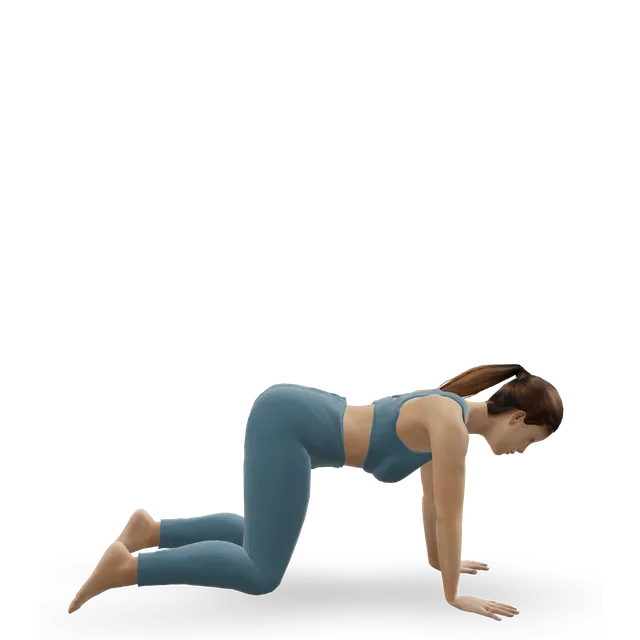
A 20-minute mat Pilates workout for complete beginners. It covers breathing, spine position and the foundation moves, each with an easier option.

20 minBeginner13 movesNo equipment

Strength and balance workout

Strength and balance in one session: squats, Romanian deadlifts, push-ups, rows, step-ups, back extensions, carries and single-leg balance.

45 minBeginner14 movesA wall, A dumbbell

Bone-strengthening workout

Impact, strength and balance for stronger bones, following UK osteoporosis consensus advice, with options for every level.

40 minBeginner14 movesA kettlebell, Other / check instructions

Daily pelvic floor workout

A 5-minute daily pelvic floor workout for women and men: slow holds and quick squeezes, three times a day, with how to find the right muscles.

5 minBeginner2 movesNo equipment

Beginner Pilates for over-50s

A 20-minute beginner mat Pilates session for over-50s with no deep or repeated rounding of the spine, plus back strengthening and standing balance.

20 minBeginner13 movesA wall

Walk and Pilates workout

A 45-minute session for weight loss and health: a 20-minute brisk walk, which does more for the scales, then a short-rest Pilates circuit for strength.

45 minBeginner11 movesCardio machine

Easy cardio workout

A steady 30 to 45 minute cardio session at talk-but-not-sing pace: walk, cycle, row or cross-train, counting toward weekly activity guidelines.

40 minBeginner3 movesCardio machine, A wall

Wall Pilates for beginners

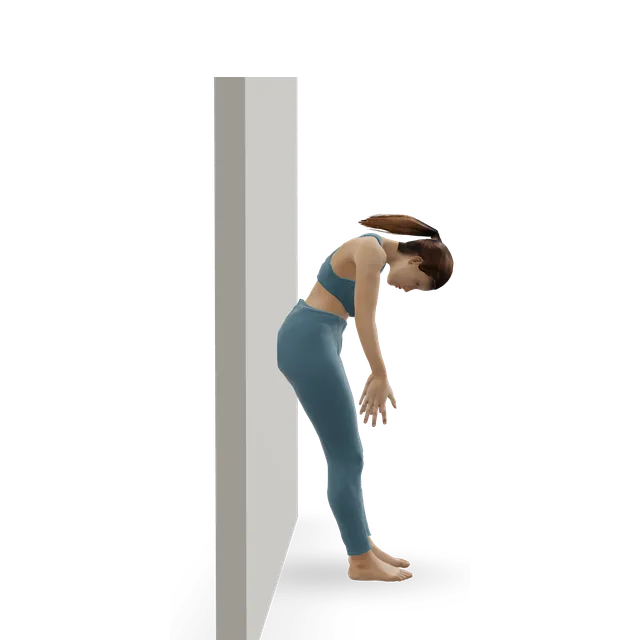
A 20-minute beginner wall Pilates workout: standing and floor moves that use a wall for support and feedback. No equipment.

20 minBeginner9 movesA wall

Plans to follow

The plan for women over 50 suits women from perimenopause on, since the usual age of menopause is 45 to 55. The 4-week plan builds a Pilates habit.

When to see a GP

Contact your GP if

The NHS suggests contacting your GP if:

  • you think you have symptoms of menopause or perimenopause and want to know your options
  • you have a fast or noticeable heartbeat (palpitations)
  • you still have periods but you're bleeding more than before, not less
  • you have any vaginal bleeding 12 months or more after your last period

Source 20

Bleeding after the menopause

See a GP about any bleeding from the vagina after your menopause, even if it's only a small amount or has only happened once. It's not usually serious, but it needs checking, and you shouldn't have to wait more than 2 weeks to see a specialist.

Source 51

A bulge or heaviness

See a GP if you have a lump in or around your vagina or other signs of prolapse, such as heaviness or pressure. With prolapse, the NHS advises avoiding activities that strain the pelvic floor, like heavy lifting, running and trampolining.

Source 43

Leaking

If leaking isn't improving, see a GP or a pelvic health physiotherapist: NICE recommends supervised pelvic floor training for at least 3 months first.

Source 19

Chest pain

Call 999 (911 in the US) for sudden chest pain that doesn't go away, pain that spreads to your arm, neck, jaw, stomach or back, or chest pain with sweating, sickness, light-headedness or breathlessness.

Source 52

Before you start

The NHS suggests advice from a healthcare professional, such as a GP, before starting its exercise videos if you have a health problem, an injury or any symptoms, or have had a recent heart attack or operation.

Source 53

Myths

"Pilates calms the nervous system and stops hot flushes"Mixed evidence

No trial has counted flushes after Pilates, exercise in general hasn't been shown to reduce them, and the North American Menopause Society doesn't recommend exercise or yoga for them. HRT and menopause-specific CBT have the evidence.

Sources 4, 5, 6, 1

"Pilates protects your bones through the menopause"Mixed evidence

Pilates trials showed no clear bone gain, bone loss is fastest around the final period, and strength training and impact are what the guidelines recommend.

Sources 15, 37, 14, 16

"Pilates strengthens the pelvic floor, so you don't need pelvic floor exercises"Mixed evidence

Pilates alone didn't change pelvic floor function in healthy women, pelvic floor training did as well or better for leaking, and NICE recommends supervised pelvic floor training first.

Sources 40, 17, 18, 19

"Pilates burns menopause belly fat"Emerging evidence

Pilates trials in women found small falls in weight and BMI but no change in body fat percentage or waist, and fat gain speeds up during the transition itself.

Sources 39, 22

"Pilates is better than other exercise for menopause"Mixed evidence

The one trial that compared them found no significant difference from aerobic exercise.

Source 10

Questions people ask

Is Pilates good for menopause?

Yes, as part of staying active: the National Institute for Health and Care Excellence (NICE) stresses keeping your muscles strong through physical activity. Small trials found lower symptom scores after 6 to 8 weeks of Pilates than with no exercise, but it isn't a treatment for hot flushes.

Does Pilates help hot flushes?

It hasn't been shown to. Exercise in general didn't reduce flushes in a Cochrane review, and Pilates trials used symptom questionnaires rather than counting flushes. If flushes are hard to live with, see your GP: NICE recommends hormone replacement therapy (HRT), with menopause-specific cognitive behavioural therapy (CBT) as an option.

Is Pilates good for perimenopause?

No trial has studied Pilates in perimenopause; all were in women after the menopause. The same advice applies: muscle, bone and mood all benefit from regular exercise.

Is Pilates or strength training better for menopause?

Both if you can. For muscle and bone, strength training with gradually heavier weights is the priority; Pilates adds trunk control, balance and back strength, and counts toward the strength guideline.

Does Pilates help menopause belly fat?

Not specifically. In women, Pilates trials found small falls in weight (about 4 kg) and body mass index (BMI) but no change in body fat percentage or waist. Our Pilates for weight loss guide covers what works.

Does Pilates help with sleep in menopause?

Results are mixed: one trial in 110 women found longer sleep and fewer disturbances, another found no difference, and pooled, there was no clear effect after the menopause. Regular daytime exercise is part of standard sleep advice.

Can Pilates help anxiety and low mood in menopause?

Small trials found less anxiety and fewer depressive symptoms, and physical activity in general eases depressive symptoms in the menopause. Talk to your GP about CBT if low mood persists.

Does Pilates strengthen the pelvic floor?

Not on its own. Pilates didn't improve pelvic floor function in healthy women, and pelvic floor training did as well or better for leaking. Do pelvic floor exercises daily, and see a GP if leaking isn't improving.

Can Pilates protect my bones after menopause?

Not on its own. Bone loss is fastest from a year before your last period to 2 years after, and Pilates hasn't been shown to slow it. Add strength training and impact, and see our Pilates for osteoporosis guide if you have low bone density.

Is wall Pilates good for menopause?

No trial has studied wall Pilates in the menopause. It's mat Pilates with the wall for support, and our suggestion is to use it as a way to start, alongside strength training.

Is reformer Pilates good for menopause?

No trial has studied reformer Pilates in the menopause. The springs add resistance, which helps muscle, but our reading is that it doesn't replace gradually heavier weights for bone.

How often should I do Pilates in menopause?

The trials used 2 or 3 sessions a week. Fit it around strength training on at least 2 days, about 150 minutes of brisk activity, and daily pelvic floor exercises.


Sources

  1. NICE NG23 · Menopause: identification and management (recommendations, last updated April 2026)
  2. NHS · Things you can do to help with menopause and perimenopause symptoms
  3. British Menopause Society 2026 · Menopause: nutrition and weight gain (tool for clinicians)
  4. Daley 2014 · Exercise for hot flushes and night sweats: 5 trials (Cochrane review)
  5. Liu 2022 · Exercise and hot flushes: 21 trials (systematic review and meta-analysis, Climacteric)
  6. North American Menopause Society 2023 · Nonhormone therapy position statement (Menopause)
  7. Yiğit Kocamer 2025 · Pilates for menopausal symptoms and sexual function in 30 women (RCT, Medicine)
  8. Arslan 2026 · Online Pilates for menopausal and urinary symptoms in 40 women (RCT, Int Urogynecol J)
  9. Lee 2016 · Eight weeks of Pilates for menopausal symptoms in 74 women (randomised trial, J Exerc Rehabil)
  10. Can 2026 · Clinical Pilates or aerobic exercise for menopausal symptoms in 30 women (RCT, BJOG; read as an abstract)
  11. Aibar-Almazán 2019 · Pilates for sleep, anxiety, depression and fatigue in 110 women after the menopause (RCT, Maturitas)
  12. Ahmadinezhad 2017 · Acupressure or Pilates-based exercise for sleep in 108 women after the menopause (RCT, Iran J Nurs Midwifery Res)
  13. Chen 2020 · Pilates and sleep quality: 6 trials (systematic review and meta-analysis, Front Neurol)
  14. Greendale 2012 · Bone loss around the final period in 862 women: the SWAN study (cohort study, J Bone Miner Res)
  15. de Oliveira 2022 · Pilates and bone density after the menopause: 3 trials (systematic review and meta-analysis, J Geriatr Phys Ther)
  16. Brooke-Wavell 2022 · Strong, steady and straight: UK consensus statement on physical activity and exercise for osteoporosis (consensus statement, Br J Sports Med)
  17. Gonzaga 2024 · Pelvic floor training or Pilates for leaking in 40 women after the menopause (RCT, Int Urogynecol J)
  18. Borges 2026 · Pelvic floor training outperforms Pilates for stress incontinence (RCT, Int Urogynecol J)
  19. NICE NG123 · Urinary incontinence and pelvic organ prolapse in women: management (recommendations)
  20. NHS · Menopause and perimenopause symptoms
  21. NHS · Menopause and perimenopause
  22. Greendale 2019 · Body composition and weight through the menopause transition: the SWAN study (cohort study, JCI Insight)
  23. Tavares 2022 · Mat Pilates and menopausal symptoms in 47 women, without a comparison group (study, J Bodyw Mov Ther)
  24. de Almeida 2024 · Pilates and quality of life after the menopause: 11 trials (systematic review and meta-analysis, Qual Life Res)
  25. Europe PMC · Our search for Pilates trials in perimenopause (23 October 2026)
  26. Europe PMC · Our search for Pilates trials in the menopause (23 October 2026)
  27. European Menopause and Andropause Society 2026 · Menopause and lifestyle: exercise
  28. Berin 2019 · Resistance training for hot flushes in 58 women after the menopause (RCT, Maturitas)
  29. Fan 2025 · Mind-body therapies for sleep, depression and anxiety in menopausal women: 18 trials (meta-analysis, Front Public Health)
  30. Qian 2023 · Exercise and sleep in menopausal women (systematic review and meta-analysis, Front Med)
  31. Corrêa 2025 · Physical activity and sleep in women with hot flushes (systematic review and meta-analysis, Maturitas)
  32. British Menopause Society 2026 · Managing sleep disturbance during the menopause transition (tool for clinicians)
  33. Choudhary 2025 · Exercise, sleep and psychological well-being in the menopause: 13 trials (systematic review, Menopause)
  34. Yue 2025 · Physical activity, depression and anxiety in the menopause: 21 trials (systematic review and meta-analysis, Int J Behav Nutr Phys Act)
  35. Xu 2024 · Mind-body exercise in women around and after the menopause: 11 trials (systematic review and meta-analysis, Menopause)
  36. Ruiz-Cerezo 2026 · Exercise and mind-body exercise in the menopause transition: 12 trials (systematic review and meta-analysis, Eur J Obstet Gynecol Reprod Biol)
  37. Fernández-Rodríguez 2021 · Pilates and yoga for bone density in adult women: 11 studies (systematic review and meta-analysis, PLoS One)
  38. Siyahtaş 2026 · Leisure-time activity and bone density after the menopause: 12 studies (systematic review and meta-analysis, Arch Gerontol Geriatr)
  39. Bajčetić 2026 · Pilates and body composition, strength and balance in adult women: 12 studies (systematic review and meta-analysis, Sports)
  40. Lemos 2019 · Pilates and pelvic floor muscle function (systematic review and meta-analysis, J Bodyw Mov Ther)
  41. Dumoulin 2018 · Pelvic floor muscle training for leaking in women: 31 trials (Cochrane review)
  42. Hay-Smith 2024 · Approaches to pelvic floor muscle training for leaking in women (Cochrane review)
  43. NHS · Pelvic organ prolapse
  44. Zhang 2026 · Pilates for chronic low back pain in women (systematic review and meta-analysis, J Back Musculoskelet Rehabil)
  45. Cruz-Díaz 2016 · Clinical Pilates added to physiotherapy in 101 women after the menopause with low back pain (RCT, Disabil Rehabil)
  46. Nageswari 2025 · Pilates for low back pain in 128 women after the menopause (RCT, Musculoskeletal Care)
  47. UK Chief Medical Officers · Physical activity guidelines (updated July 2026)
  48. International Menopause Society 2025 · Physical activity and menopause (World Menopause Day factsheet)
  49. Anekwe 2025 · The role of lifestyle medicine in menopausal health (International Menopause Society white paper, Climacteric)
  50. NHS · Physical activity guidelines for adults aged 19 to 64
  51. NHS · Postmenopausal bleeding
  52. NHS · Chest pain
  53. NHS · Pilates video for beginners, with the exercise video safety information

Exercise education, not a personal prescription, and clinical review of these guides is pending. If you are pregnant, have a health condition or have had recent surgery, check with a doctor, midwife or physiotherapist before starting, and stop for sharp or increasing pain. Health disclaimer.