Sports training
Pickleball strength and balance workout
Most pickleball injuries in older players come from falls, and the fractures are often wrists. Pickleball itself has been tested as balance training in only one small trial, but in older adults generally, balance and functional exercise cut falls by about a quarter, and probably by about a third with strength work added. Guidelines suggest 3 sessions a week, made a little harder over at least 12 weeks. Hold a support whenever you need it. You need a sturdy chair, a step, a light resistance band and, if you have them, light dumbbells.
Warm-up
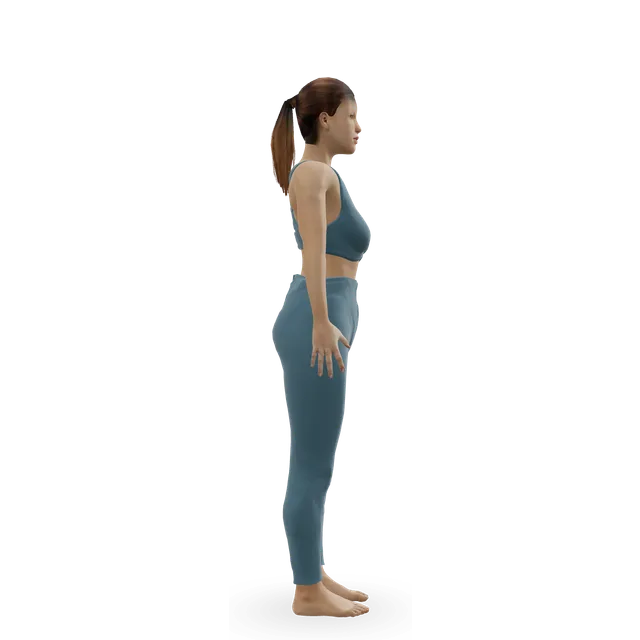
- Standing march2 minBeginner · Hip flexors, Abs, Glutes · 3D demoArms swingingHarder: Standing band hip flexion

Legs
- Sit to stand from a chair2 to 3 × 8 to 10Beginner · Quads, Glutes, Hamstrings · 3D demoArms crossed when you can; lower slowlyHarder: Bodyweight squat
- Step-up2 × 5 to 8 each legBeginner · Glutes, Quads, Hamstrings · 3D demoA rail or wall to hand; slow and controlledEasier: Low step-upHarder: Dumbbell step-up
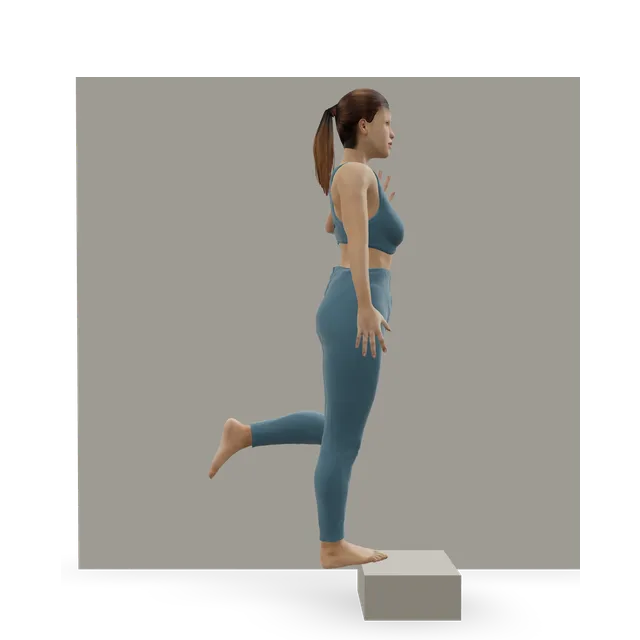
- Slow calf raise2 × 10 to 12Beginner · Calves · 3D demoHold a support. Move on to single-leg raises from a step when it's easyEasier: Seated bent-knee calf raise (soleus raise)Harder: Standing dumbbell calf raise
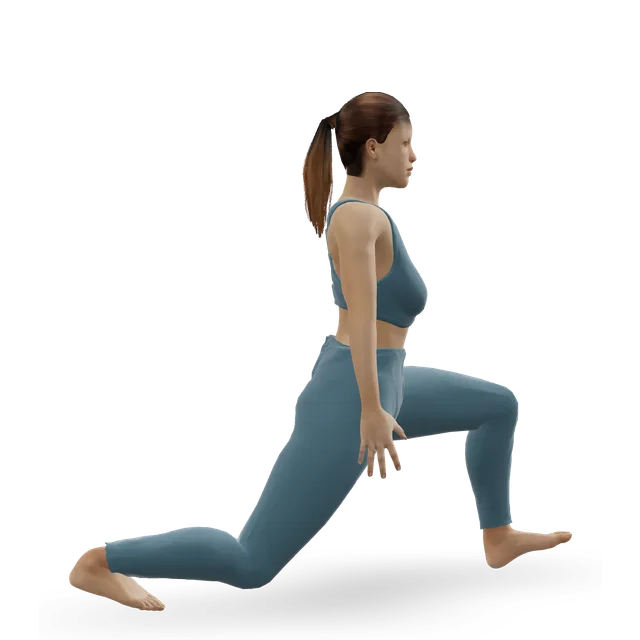
- Reverse lunge2 × 6 each legIntermediate · Quads, Glutes, Hamstrings · 3D demoHold a support; short stepsEasier: Split squatHarder: Split squat with dumbbells



Balance
- Side-stepping (sideways walking)10 steps each wayBeginner · Hip abductors, Glutes, Adductors · 3D demoKeep your hips levelHarder: Lateral band walk
- Tandem stance and heel-to-toe walkAt least 5 steps, 3 timesBeginner · Calves, Hip abductors · 3D demoMove away from the wall as you improveEasier: Semi-tandem stanceHarder: Single-leg stand
- Single-leg stand3 × 5 to 10 s each legBeginner · Hip abductors, Calves, Glutes · 3D demoFingertips on the wall, then hands freeEasier: Tandem stance and heel-to-toe walkHarder: Single-leg reach matrix



Upper body and grip
- Wall push-up2 × 10Beginner · Chest, Triceps, Shoulders · 3D demoHands at shoulder heightHarder: Push-up
- Band row2 × 12Beginner · Back, Biceps, Shoulders · 3D demoSqueeze your shoulder blades togetherHarder: Supported single-arm dumbbell row
- Standing band external rotation2 × 10 each armBeginner · Shoulders, Back · 3D demoElbow by your sideHarder: Side-lying external rotation
- Reverse wrist curl2 × 12Beginner · Forearms · 3D demoA light weight; lower slowlyEasier: Wrist-extensor eccentricsHarder: Plate pinch




Getting up
- Beginner · Quads, Glutes, Abs · 3D demoSlowly, with a sturdy chair to lean onEasier: Sit to stand from a chairHarder: Bodyweight get-up
Tips
- Aim for 3 sessions a week for at least 12 weeks, and keep going, as the World Falls Guidelines advise; 2 a week meets the NHS minimum for over-65s.
- Make it harder over time: less hand support, eyes closed for the balance holds with a wall close by, and light dumbbells for sit-to-stands and step-ups (our suggestion).
- Add the NHS's simple grapevine: walk sideways by crossing one foot over the other, 5 cross-steps each side, fingertips on a wall if you need them.
- After a broken wrist, follow our broken wrist guide's stages, and ask about a bone health check if you're 50 or over.
- With osteoporosis, our osteoporosis guide covers impact and lifting. Stop for chest pain, dizziness or severe breathlessness.
The doses are suggested starting points, not a prescription. Choose a range you can control and stop for sharp or increasing pain, numbness or tingling. Get individual advice after an injury or surgery, or if you are pregnant or managing a health condition.
Guides that recommend it
Find more moves like these
More sports training

Injury prevention exercises for runners
Foot, calf, balance and hop exercises taken from the running trials with positive results, in a 25-minute home routine for 3 or 4 days a week.
25 minBeginner11 movesOther / check instructions, A bench or box



Plyometrics for runners
A 20-minute hop and bound session for runners: ankle bounces to pogo hops, one-leg hops and bounding, building foot contacts slowly over 10 weeks.
20 minIntermediate8 movesCardio machine



Strength workout for cyclists (gym)
A 50-minute gym session for cyclists: heavy squats, one-leg presses, hip flexion and calf raises as in the cycling trials, plus jumps for bone.
50 minIntermediate13 movesCardio machine, A barbellQuestions people ask
How long does the pickleball strength and balance workout take?
About 30 minutes, including any warm-up and cool-down listed. Shorten it by doing fewer rounds; lengthen it by adding one.
What equipment do I need?
You need: A bench or box, A step, A wall, A band, An anchor point, A dumbbell. Each move links to its guide, where you can find an alternative if you are missing something.
Is it suitable for beginners?
It is written for beginners. 7 of its 13 moves have an easier option listed beside them if you need one.
How do I make it easier or harder?
Use the easier or harder option listed under each move, change the number of rounds, or adjust the rest. Progress one change at a time.