No Pilates trial
No trial has tested Pilates for patellar tendinopathy; there are two single case reports. Pilates is the session around the loading plan, not the treatment.
Pilates guide
No trial has tested Pilates for patellar tendinopathy, which most people call patellar tendonitis or jumper's knee; there are two single case reports. What helps is loading the tendon in stages, holds first, then slow strength, then springy jumping and then sport, while keeping tendon pain at 3 out of 10 or less.
Lying and side-lying Pilates should put little load on the tendon (our reading, from a study that tested no Pilates moves), so Pilates helps most as the session around that plan: hip, trunk and calf work, with the plan's first-stage hold built in and the moves that strain a sore tendon changed. It doesn't replace the loading plan, the cut in jumping or a physiotherapist's assessment.
This guide covers what loads the patellar tendon, the pain rule, the reformer, what the evidence shows, which moves to change, a free 25-minute class, and the warning signs. Our jumper's knee guide has the full plan and its stages. If you felt a sudden pop below the kneecap and can't straighten your knee, go straight to the warning signs.
No trial has tested Pilates for patellar tendinopathy; there are two single case reports. Pilates is the session around the loading plan, not the treatment.
In the largest trial (76 athletes), a staged programme of holds, then slow strength, then springy jumping, then sport, beat painful decline squats at 24 weeks. Our jumper's knee guide has the plan.
Source 4
Keep it there during exercise and the rest of your day, settled by the next morning. Move on when one single-leg squat hurts 3 or less after at least a week at the current stage. That's stricter than the general rule for knee pain.
Source 4
Heavy and moderate slow lifting did equally well, so did one and three days a week, and a 2026 network meta-analysis found nothing clearly better than heavy slow resistance. The trials conflict on whether holds ease pain more than lifting.
Single-leg and decline squats and jumping loaded the tendon most in a lab study of rehab exercises. So jumping, including the reformer jumpboard, and deep loaded knee bends wait for the plan's later stages, and kneeling moves get padded or swapped (our reading).
Source 9
Weaker hips go with the condition, and the largest trial gave hip and core exercises to everyone, but no trial has tested hip or trunk work as the treatment.
Jumper's knee is pain at the lower tip of the kneecap, where the patellar tendon starts, that rises with load on the thigh muscles, especially jumping and landing. Diagnosis is clinical, because scans can show tendon changes in people without pain. Tendinopathy is the preferred term for persistent tendon pain linked to load; most people search for tendonitis, and the NHS knee pain page uses that word.
Pain at the top of the kneecap is quadriceps tendinopathy, and in children who are still growing, pain at the bottom of the kneecap is usually Sinding-Larsen-Johansson disease. Both have their own guides.
Across 28 studies, 18.3% of athletes had it against 0.1% of the general population, with volleyball (24.8%) and basketball (20.8%) highest. In Norwegian elite athletes, 14.2% had it, 44.6% of volleyball players; in Dutch non-elite athletes, 8.5%. In junior singles figure skaters, 14.9% of girls and 16.1% of boys.
In 141 young elite volleyball players, each extra weekly training hour and each extra set of matches a week raised the odds, and jump counts may matter more than total training time. A systematic review found no strong or moderate evidence for any single risk factor.
Symptoms had lasted 32 months on average in Norwegian elite athletes. Fifteen years on, 9 of 17 former athletes with jumper's knee had stopped their sport because of the knee. Five years after the largest trial, 76% felt recovered and 71% were back in their sport, but almost a quarter weren't recovered.
No trial has tested Pilates for patellar tendinopathy. Progressive tendon loading carries the evidence, at low certainty overall, and a Dutch guideline puts exercise first.
Our searches of PubMed, Europe PMC and ClinicalTrials.gov on 1 November 2026, including all 107 registered patellar tendinopathy trials, found no Pilates, core or hip trial. In one 21-year-old professional basketball player, supervised reformer Pilates 3 times a week for 6 weeks, with springs set so pain stayed below 5 out of 10, went with his knee function score (VISA-P, 0 to 100) rising from 53 to 83; there was no comparison and no follow-up. An older Brazilian case report described one 16-year-old girl after rehabilitation, with no tendon-specific result.
In 34 adolescents with kneecap pain, adding Pilates-based core strengthening to physiotherapy for 3 months reduced pain more than physiotherapy alone, and in 36 young adults whose knees cave in, 6 weeks of Pilates improved knee alignment in a drop jump. A Turkish trial of Pilates for kneecap pain finished in 2023 with no results posted. None of these was tendinopathy; our Pilates for knee pain guide covers them.
In 76 athletes in the Netherlands, a staged programme (holds, then slow strength, then springy jumping, then sport, each within pain of 3 out of 10 or less) beat painful eccentric decline squats at 24 weeks: the knee score improved by 28 points against 18. Return to sport at the previous level was 43% against 27%, not a clear difference, and only 40% to 49% stuck to the programme. Both groups also did flexibility, hip, calf and core exercises, and cut activities that caused considerable pain for about 4 weeks; the fastest return possible was after 4 weeks.
Source 4
Heavy slow resistance (squats, leg press and hack squats 3 times a week) kept its gains at 6 months, as did eccentric training, while the gains from a steroid injection faded. Heavy and moderate loads at the same volume gave the same results to a year; one exercise day a week did as well as three in 52 people; and light loads with blood-flow restriction matched heavy slow resistance in 36 men.
One session of holds cut decline-squat pain from 7.0 to 0.17 out of 10 in 6 volleyball players, and holds gave more immediate relief than lifting in 20 in-season athletes. But in 29 in-season athletes both kinds reduced pain equally, and in a preregistered crossover in 21 people, pain fell only 0.9 out of 10 after either. A review found holds weren't better than lifting for tendinopathy, and a 2026 UK Defence consensus called them equally effective for short-term pain. Holds help some people and are easy in season; they're the plan's first stage, not the whole treatment.
Decline squats in season did nothing for elite volleyball players who kept playing. A 2021 network meta-analysis still called eccentric loading the first choice, on low or very low certainty, but two 2026 analyses found no exercise clearly better than heavy slow resistance, with a small signal for staged loading.
A 2025 Cochrane review found only 7 trials (211 athletes) comparing exercise with no treatment, injections, surgery or other care, all at very low to low certainty, and no trial measured side effects; exercise and surgery gave a similar return to sport. The 2025 Dutch guideline, the first national one, recommends exercise therapy for 12 weeks as the first choice despite the low level of evidence, and advises against injections. A UK Defence consensus warns that steroid injections into the tendon have been linked with rupture.
Across 11 studies, prevention programmes didn't significantly cut patellar tendinopathy; one youth programme that wasn't randomised halved new cases.
In 20 healthy adults, the single-leg decline squat loaded the patellar tendon most, then a running cut, a single-leg jump and a single-leg forward hop; running, two-leg jumps and drop jumps, single-leg full squats, the Spanish squat, lunges and two-leg full squats sat in the middle; and a 20 cm step up, a two-leg squat to 60 degrees and a 20 cm step down loaded it least. Past about 60 degrees of knee bend, the force behind the kneecap rises more than the force in the tendon. The study tested no Pilates moves.
Our reading: lying, side-lying and all-fours Pilates should load the patellar tendon very little; standing squats, lunges and single-leg work load it more as the knee bends and the speed rises; and jumping, including the reformer jumpboard, loads it most.
Source 9
Athletes with patellar tendinopathy had 27% lower hip extensor strength and weaker hip abductors and outward rotators, and thigh strength is lower too. Landing with more forward trunk lean reduced tendon force in one lab session, and in one volleyball player, hip strengthening and landing retraining left him pain-free at 6 months. But a review of landing studies found no clear link with trunk or hip angles, and all those studies had a high risk of bias. Hip, trunk and calf work belongs alongside the tendon loading, not instead of it.
The largest patellar tendon trial kept exercise pain at 3 out of 10 or less, a lower ceiling than for joint pain. Keep the rest of your activity within the same limit, and expect the tendon to settle back to its usual level by the next morning.
The progress test from that trial: do one single-leg squat and rate the tendon pain. Move to the next stage when it is 3 or less and you have done at least a week at the current stage.
Source 4
The heavy slow resistance trial allowed sport up to 30 out of 100, and the reformer case kept pain below 5 out of 10. In Achilles tendinopathy, carrying on running and jumping with a pain-monitoring model did no harm.
Use the 3 out of 10 rule for tendon loading, standing work and anything springy; the lying and side-lying moves shouldn't bother the tendon at all. If the tendon is sorer the next morning, cut back the standing and loaded work first (our suggestion).
Spring settings didn't predict the force on the footbar accurately in the one study that measured it, and the direction of the push changed which muscles did the work. Nobody has measured how much reformer footwork loads the patellar tendon.
Treat footwork as a light leg press within the 3 out of 10 rule, with a smaller knee bend at first, and tell your teacher about the tendon. Leave the jumpboard out until our jumper's knee guide's spring stage, then start with two legs on light springs (our suggestion). In the one reformer case, jumpboard work came after week 3, with pain kept below 5 out of 10.
From our jumper's knee guide's first stage, which follows the largest trial (Breda 2021); fitting a Pilates class around it is our suggestion, untested.
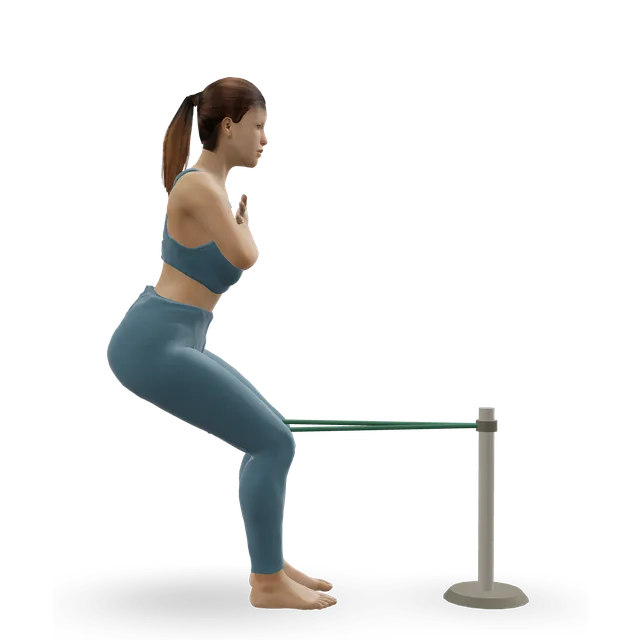
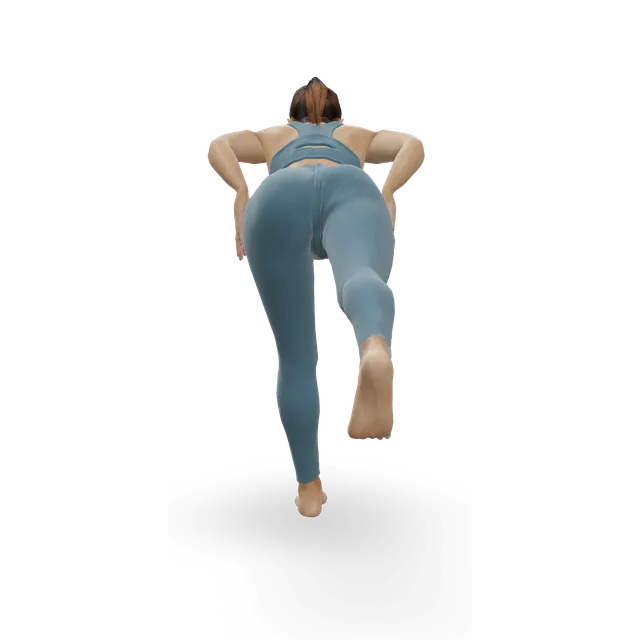
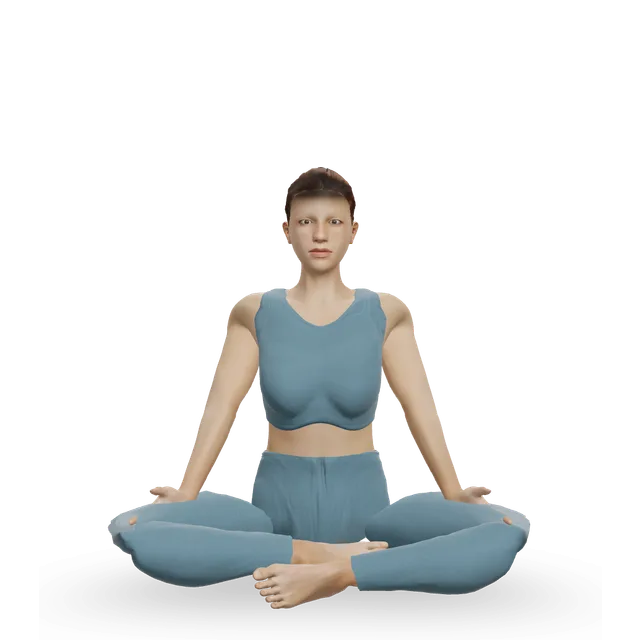
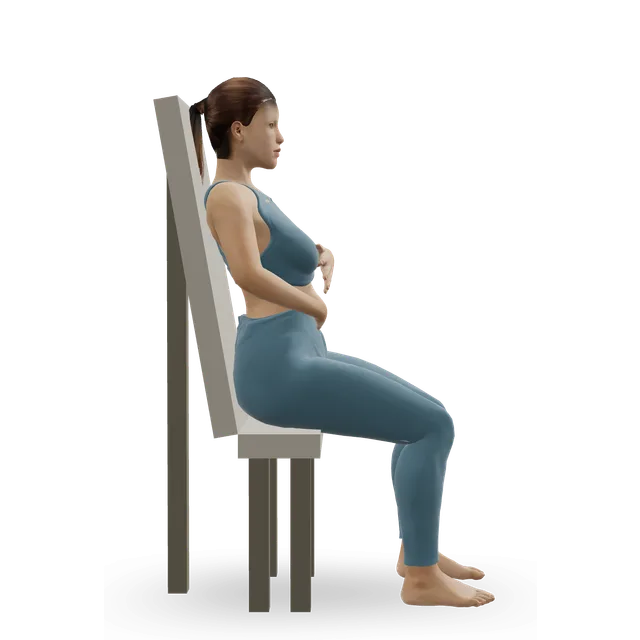
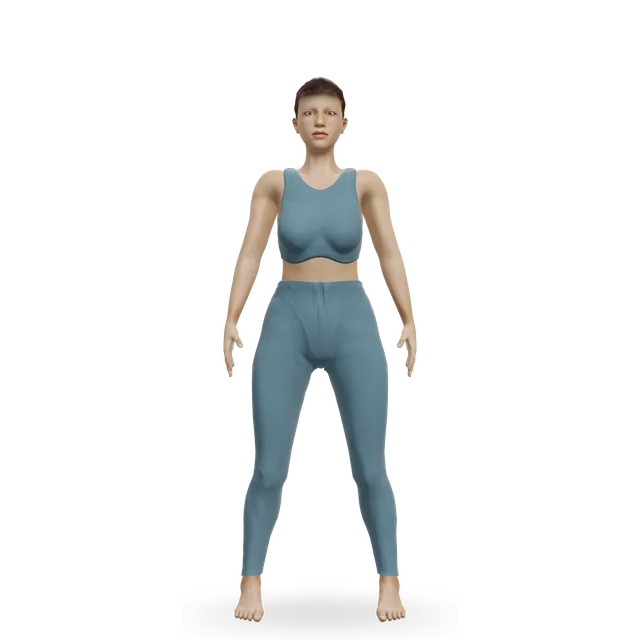
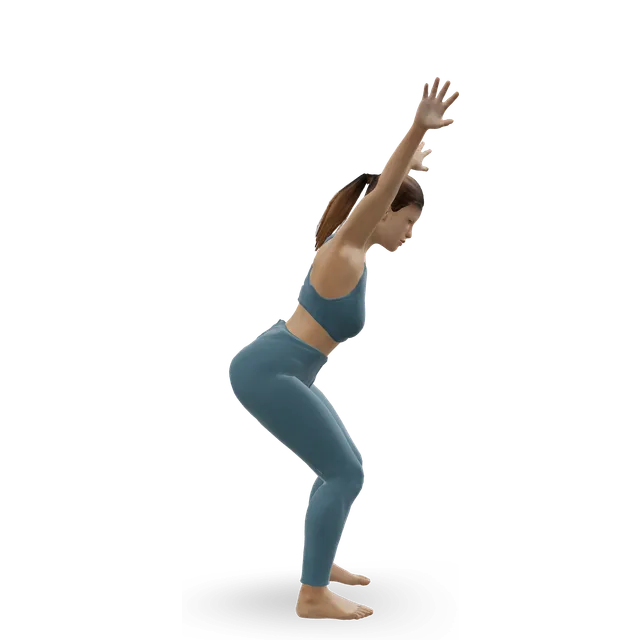
See the movement on the 3D figure: Spanish squat (band squat hold)
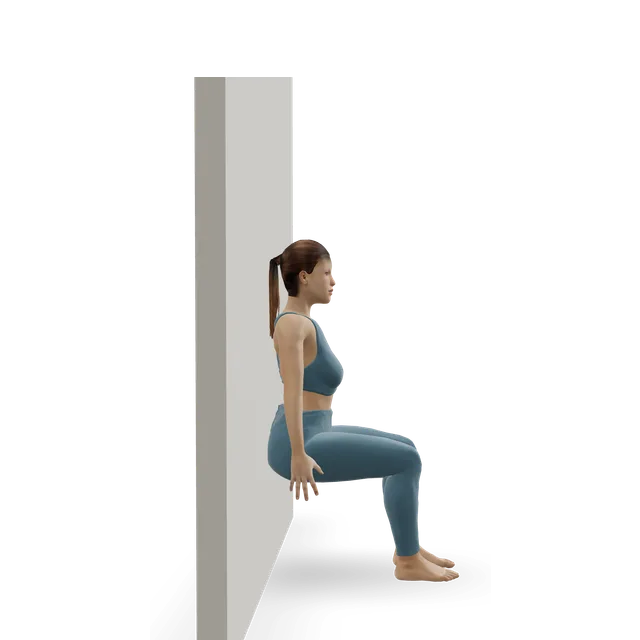
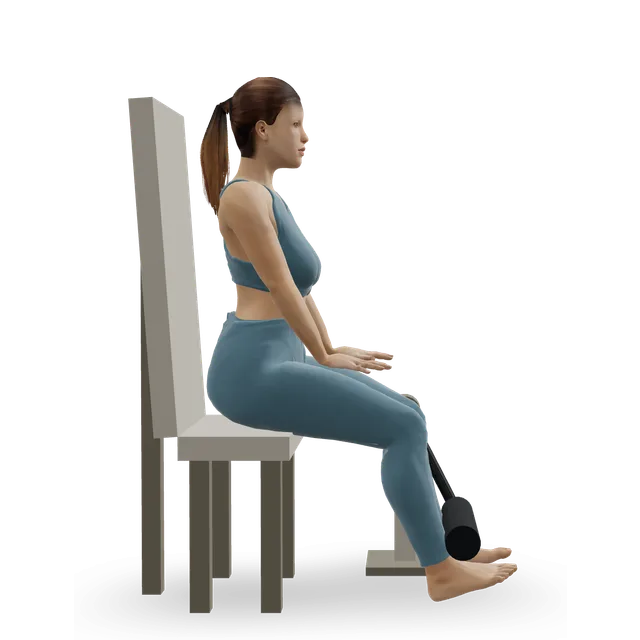
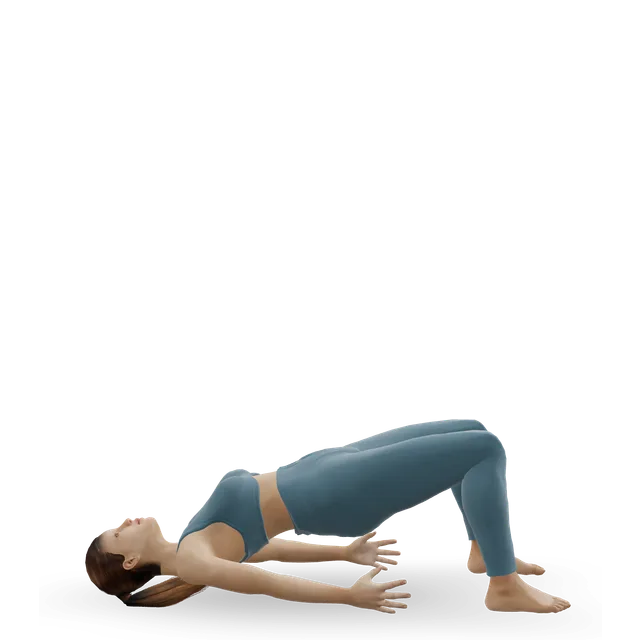
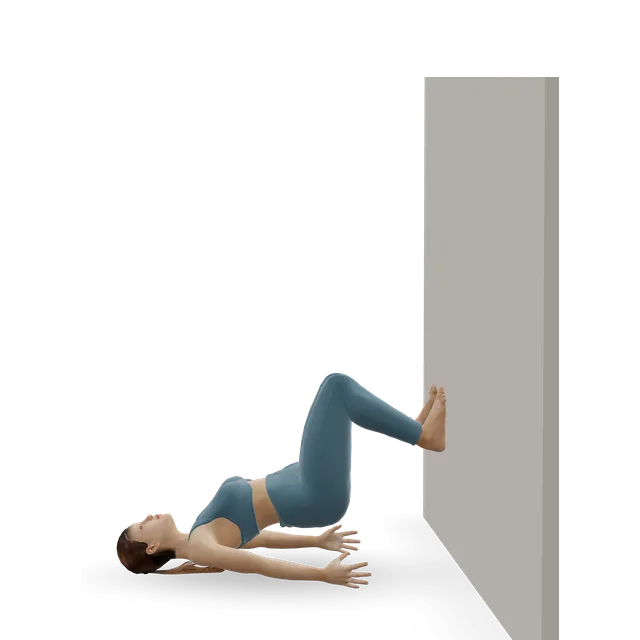
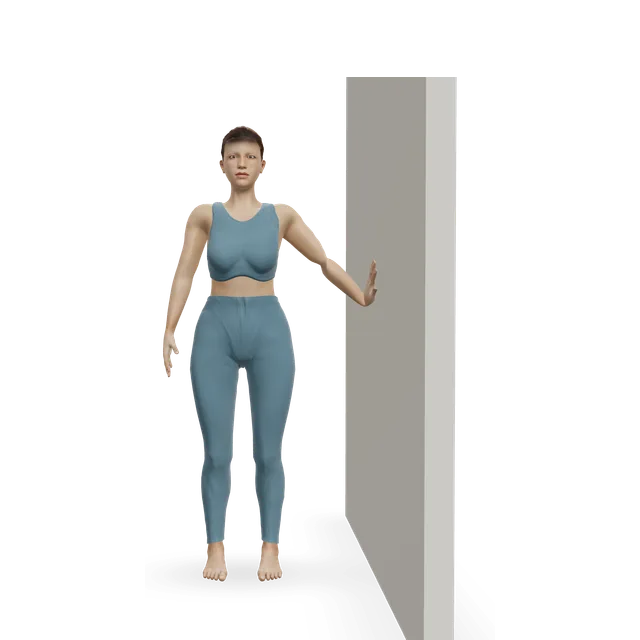
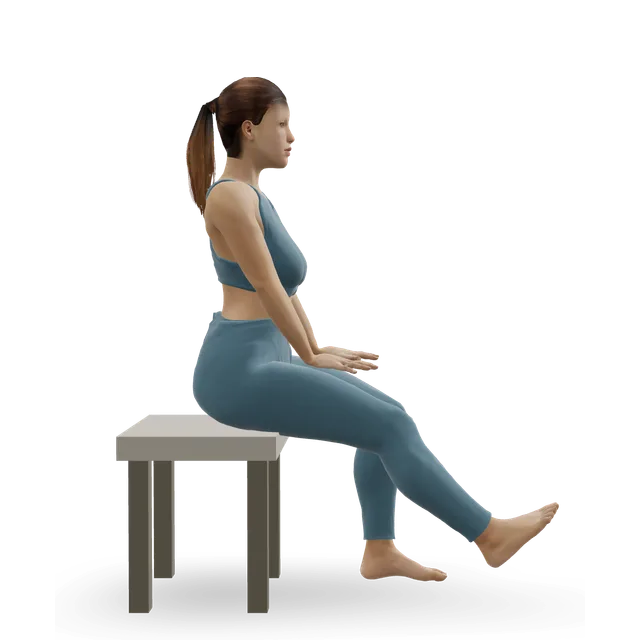
Spanish squat, 4 to 5 holds of 30 to 45 seconds at a hard-but-OK effort, with 1 to 2 minutes' rest, once a day in the isometric stage (the move page's dose); wall sit, 5 holds of 30 to 45 seconds (our jumper's knee guide, stage 1), an untested home option, as the guide says; leg extension, 5 holds of 30 to 45 seconds with about 2 minutes' rest, the knee bent about 60 degrees (our jumper's knee guide, stage 1), if you have a gym; glute bridge, 3 sets of 12 (our jumper's knee guide, stage 1); slow calf raise, 3 sets of 12 (our jumper's knee guide, stage 1).
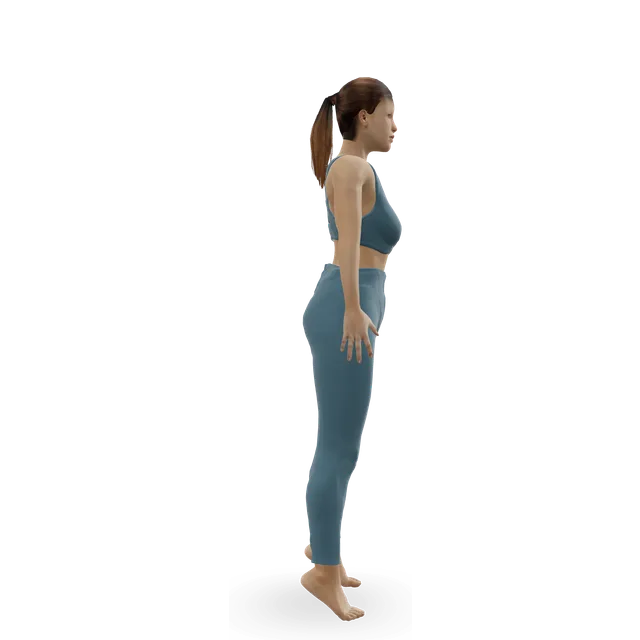
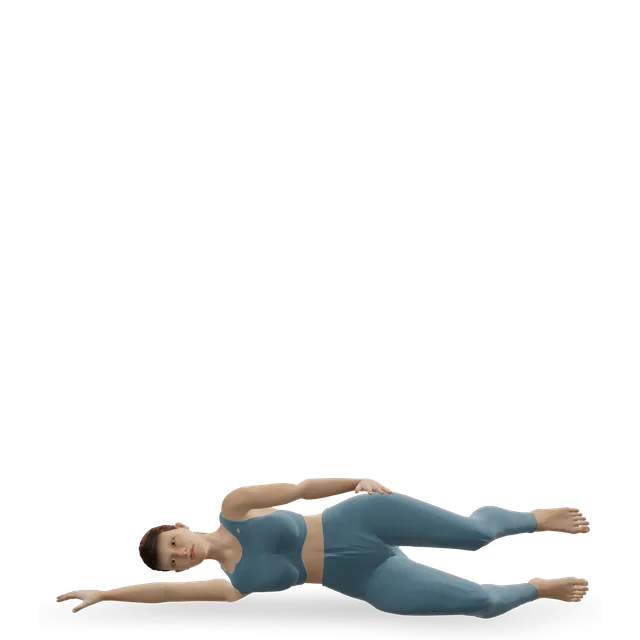
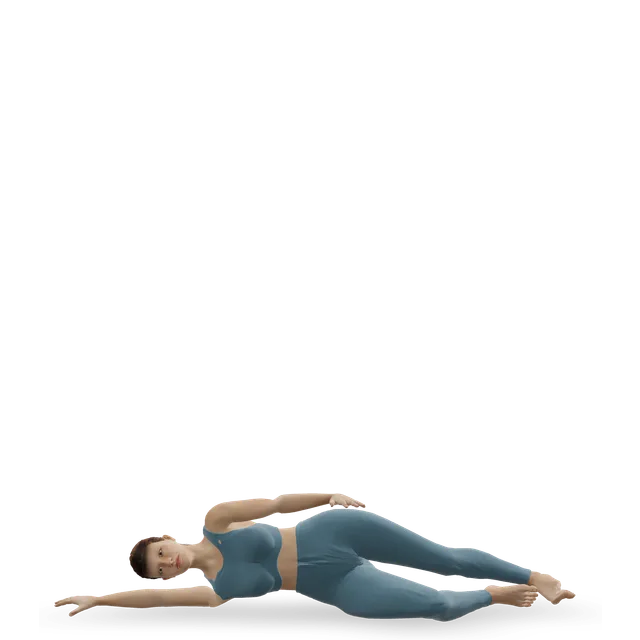
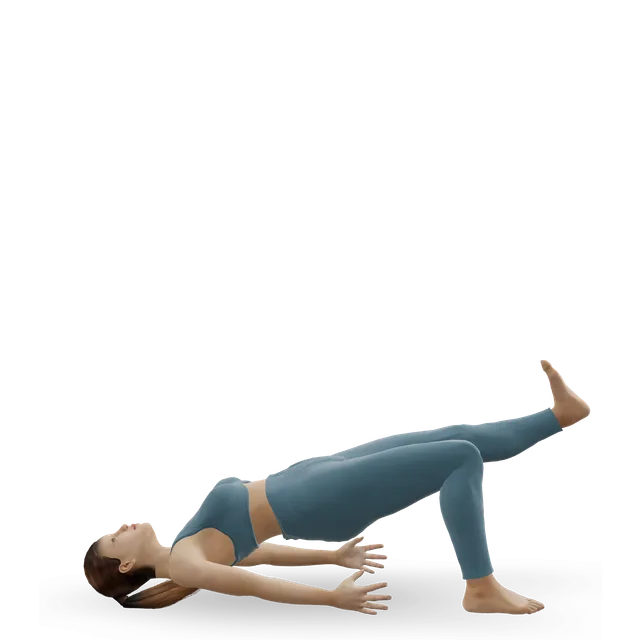
Side kick, 8 to 10 each side (the move page's dose), with the bottom knee bent; clamshell, 10 each side (our Pilates for knee pain class); side-lying leg raise, 8 each side, heel leading (our Pilates for knee pain class); shoulder bridge, 3 to 5 kicks each leg (the move page's dose), once the glute bridge is comfortable; wall bridge, 8 to 10 reps; one-leg version, 5 each side (the move page's dose).
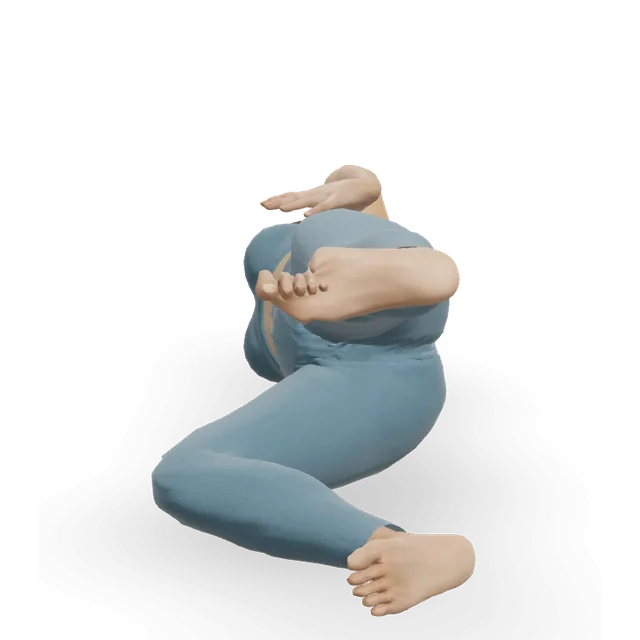
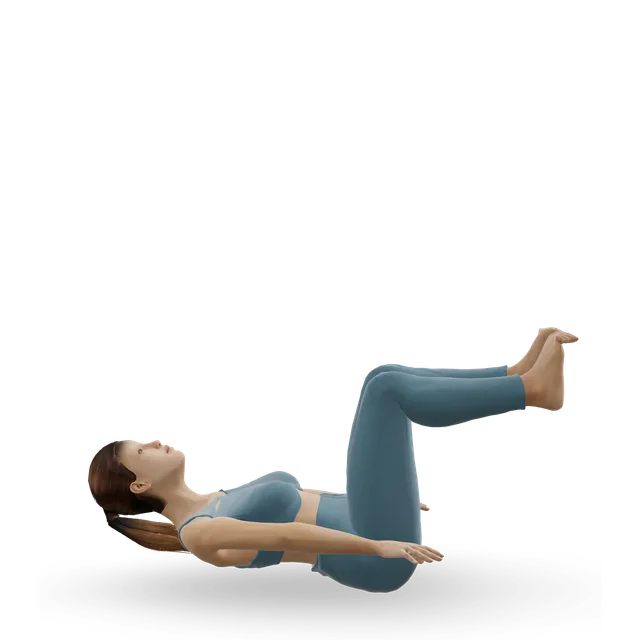
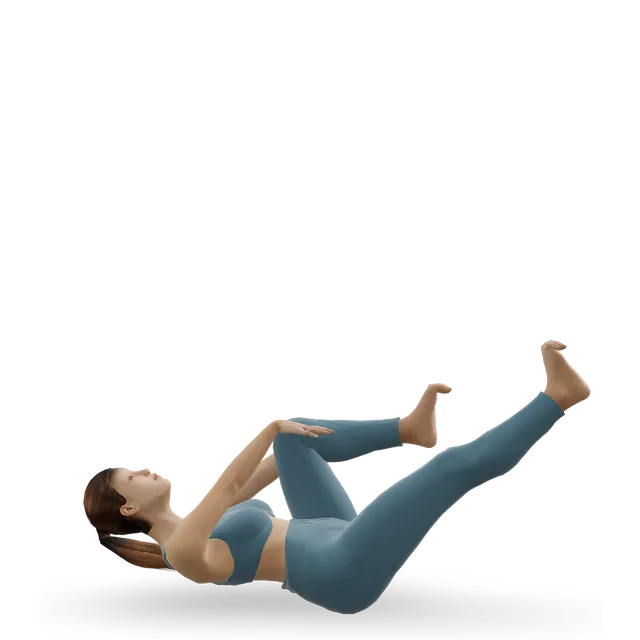
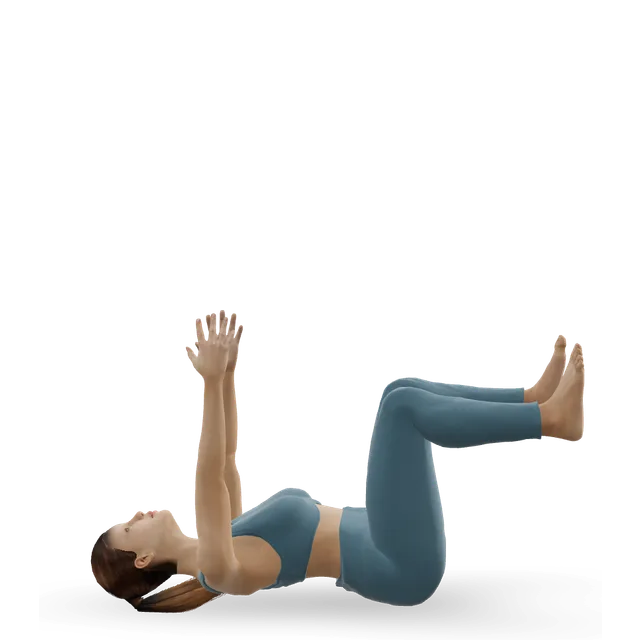
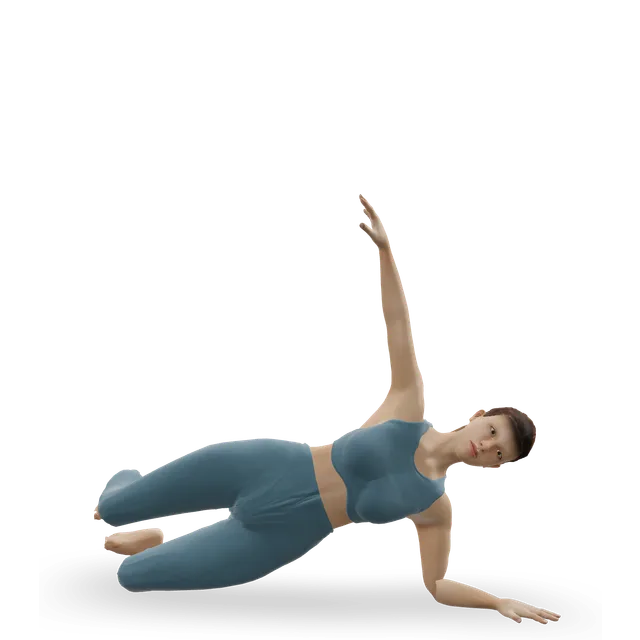
Hundred, 50 beats to start, building to 100 (the move page's dose), knees bent in a tabletop; single-leg stretch, 6 each side with your hands behind the thigh (our Pilates for knee pain class); dead bug, 6 each side (our Pilates for tennis players class); knee side plank, 2 holds of 20 seconds each side (our Pilates for tennis players class), or on your forearm and feet if kneeling presses on the tendon (our suggestion).
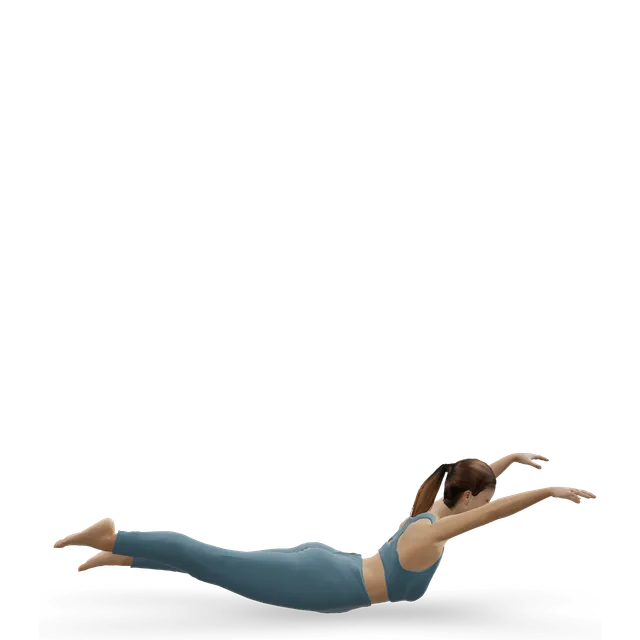
Swimming, 2 sets of 20 seconds (our Pilates for basketball players class), with a folded towel under your thighs if your kneecap presses on the mat; single-leg stand, 2 holds of 20 seconds each leg (our Pilates for knee pain class); hip airplane, 2 sets of 5 slow turns each leg (the move page's dose), with the standing knee only slightly bent.
Leave it out until our jumper's knee guide's spring stage, then start with two-leg jumps on light springs (our suggestion, from the staged plan and the loading index).
Keep squats, lunges, step-downs and reformer footwork in a shallower range at first and within 3 out of 10. Deep bends past about 60 degrees load the kneecap joint more, and single-leg and decline squats load the tendon most. The leg extension's page already says to start light and work from about 90 to 45 degrees of bend if the kneecap complains.
Pad the knees or swap to lying and standing versions of the knee hover, kneeling side kick and bird dog, as our Pilates for knee pain guide says; the kneeling side kick's page says to avoid it with knee problems and pad the kneeling knee.
Kick through a smaller range in the single-leg kick if deep knee bending hurts the kneecap, as its page says; rocking's page says to avoid it with back or knee injuries.
Not in a Pilates class: in-season decline squats did nothing for players who kept playing, and painful eccentric training did worse than staged loading.
In the largest trial, flexibility exercises were an add-on in both groups, not the treatment being tested. Keep stretches short and comfortable, and keep the loading going.
Source 4
This is usually Sinding-Larsen-Johansson disease, not tendinopathy: see its guide.
Source 16
Our 25-minute tendon-friendly class builds in the first stage of the jumper's knee guide's loading plan, with hip, trunk and calf work, no kneeling, no deep knee bends and no jumping. The tendon strengthening workout is the gym-style version of the loading; the knee pain classes suit other knee problems.
A 25-minute Pilates class for jumper's knee: the loading plan's first-stage hold, hip, trunk and calf work, no kneeling, shallow knee bends and no jumping.
25 minBeginner13 movesWallA 35-minute editorial session for healthy tendons: calf and Spanish squat holds, heavy slow leg and calf lifts, then springs once the heavy work is easy.
35 minIntermediate13 movesWall, bandA 25-minute session for knees that don't currently hurt: thigh and hamstring strength, single-leg control, then an optional full-range block with knees over toes.
25 minBeginner14 movesBench or box, wallA 25-minute Pilates class for sore knees and knee arthritis: lying and side-lying leg work, shallow squats and balance, with no kneeling at all.
25 minBeginner15 movesBench or box, something with weightA 25-minute knee-friendly yoga practice with no kneeling and no deep bends: shallow standing poses, hip and thigh strength on the floor, and supported stretches.
25 minBeginner15 movesFirm cushionThis is general information, not a diagnosis. A&E means accident and emergency; in the US, call 911 for 999, and use your doctor's urgent line or urgent care for NHS 111.
A sudden pop at the front of the knee, after which you cannot straighten the knee or lift the straight leg. This can be a torn patellar tendon: see our torn kneecap tendons guide.
Same day: a pop or tearing feeling at the front of the knee after a fall, stumble, jump or landing, then you can't straighten the knee or lift the straight leg off the bed, there's a dent above or below the kneecap, or the kneecap sits higher or lower than on the other side. Go to A&E or an urgent treatment centre, or get help from NHS 111. A torn quadriceps or patellar tendon does best when it's repaired soon.
A child or teenager: after a jump, landing or fall, a pop or sudden severe pain below the kneecap, and the knee will not straighten or take weight. Get it checked the same day: the bony bump below the kneecap can break away instead of the tendon tearing, or a sleeve of bone and cartilage can pull off the lower kneecap.
Get advice from NHS 111 now: a hot, red or swollen knee with sudden severe pain, a very high temperature (although not everyone has one), or feeling hot, cold or shivery. This can be a joint infection.
Get advice from NHS 111 now: you cannot move the knee or put any weight on it, or it is very painful, badly swollen or has changed shape.
You hurt your knee and cannot take 4 steps, or you are 55 or over and have injured it: get it checked the same day for a broken bone.
Source 14
Knee pain that has not improved within a few weeks of looking after it at home. Many areas offer NHS physiotherapy without a GP referral.
Source 14
The largest patellar tendon trial kept exercise pain at 3 out of 10 or less, a lower ceiling than for joint pain. Keep the rest of your activity within the same limit, and expect the tendon to settle back to its usual level by the next morning.
Source 4
For about 4 weeks, cut down the activities that cause considerable tendon pain, jumping volume especially. Keep the rest of your activity within 3 out of 10.
Source 4
Call 999 if:
Call 999 or go to A&E (accident and emergency) straight away for severe difficulty breathing (gasping, choking or not able to get words out), a chest that feels tight or heavy, pain that spreads to your arms, back, neck and jaw, lips or skin turning very pale, blue or grey, or sudden confusion. If you're more short of breath than usual, or your heart is racing, fluttering or skipping beats, contact NHS 111.
Source 55
You feel any pain or become unwell, as the NHS advises for its Pilates videos, and especially for chest pain or pressure, unusual breathlessness, dizziness or fainting. If you have a health problem, an injury or any symptoms, get advice from a healthcare professional, such as a GP, before you start.
Source 56
The NHS advises getting advice from a healthcare professional first if you have a health problem, an injury or symptoms, or have recently had a heart attack or an operation.
Source 56
The treatment that works is loading the tendon in stages, and the trials ran 12 to 24 weeks; in season, the approach is cutting jumping while loading the tendon. Rest alone hasn't been tested as a treatment, symptoms often last months to years, and exercise beat no treatment for pain in one small trial, at very low certainty.
No trial has tested Pilates for patellar tendinopathy; there are two single case reports, one in a basketball player. The loading plan is the treatment, and Pilates is the session around it.
Tendinopathy is the preferred name for persistent tendon pain linked to load. In the largest trial, flexibility exercises for the thigh and calf muscles were an add-on in both groups, not the treatment being tested; the plan is load, not stretch.
The largest trial kept exercise pain at 3 out of 10 or less and loaded the tendon throughout, as our jumper's knee guide does.
Source 4
Squats and leg presses done slowly within the pain rule are treatment (heavy slow resistance). It's deep, fast or jumping loads in the early weeks that need cutting back.
Footwork works the thigh against springs, but no study has measured how much it loads the patellar tendon, and spring settings didn't predict footbar force accurately in the one study that measured it. Treat it as a light leg press within the pain rule.
Source 49
In the one trial that compared them in athletes (footballers), both mat and reformer Pilates improved tests, the reformer slightly more on three. Use what you can get to, within the pain rule.
Source 57
Pilates hasn't been tested for it: there are two single case reports and no trial. What treats it is loading the tendon in stages; Pilates is a good way to keep training around that, with the loading plan's first-stage hold built in.
Yes. Lying and side-lying Pilates should put little load on the patellar tendon, since squats and jumps loaded it most in a study of rehab exercises (our reading). Keep tendon pain at 3 out of 10 or less, settled by the next morning, leave out jumping and deep loaded knee bends for now, and pad or swap kneeling moves.
It can be, with care. Footwork is a light leg press, so use lighter springs, a smaller range and the 3 out of 10 rule; nobody has measured how much it loads the tendon, and spring settings don't predict footbar force accurately. The jumpboard waits for the plan's spring stage.
For now: the jumpboard and any jumping, deep squats and lunges under load, deep single-leg bends, and long kneeling. Single-leg and decline squats and jumps load the tendon most.
Bridges, side kicks, clams and side-lying leg raises for the hips, the hundred and dead bug for the trunk, and calf raises; the largest trial gave hip, calf and core exercises to everyone alongside the loading. Add the plan's daily hold, such as a wall sit or Spanish squat.
They ease pain for a while in some people and are easy to do in season, but the trials conflict and they haven't been reliably better than slow lifting. They're the first stage of our jumper's knee guide's plan, not the whole treatment.
No. Cut down jumping and anything that hurts a lot for about 4 weeks, and keep loading the tendon within the pain rule; symptoms often last months or years without it. The Dutch guideline puts exercise first for 12 weeks.
Keep tendon pain at 3 out of 10 or less during exercise and the rest of your day, back to its usual level by the next morning, as the largest trial did. Move on when one single-leg squat hurts 3 out of 10 or less and you've done at least a week at the current stage.
The trials ran 12 to 24 weeks, the quickest return in the largest trial's programme was 4 weeks, and 5 years later 76% felt recovered. Many people need months; keep the strength work going after you're back.
In one trial an injection helped at first, but the gains faded by 6 months while those from exercise held. The Dutch guideline advises against injections, and steroid injections into the tendon have been linked with rupture.
Both names describe the same problem. Tendinopathy is the preferred term in current guidelines, for persistent tendon pain and loss of function linked to load. Pain at the top of the kneecap is quadriceps tendinopathy, and in children, pain at the bottom of the kneecap is usually Sinding-Larsen-Johansson disease.
The same day for a sudden pop below the kneecap with a knee you can't straighten, and urgently for a hot, swollen knee with a fever. See a GP or physiotherapist if it hasn't improved within a few weeks of looking after it at home.
Exercise education, not a personal prescription, and clinical review of these guides is pending. If you are pregnant, have a health condition or have had recent surgery, check with a doctor, midwife or physiotherapist before starting, and stop for sharp or increasing pain. Health disclaimer.