One tiny Pilates study
The only Pilates study in figure skaters, in a book chapter, split 12 club skaters into two groups of 6 and reported changes within each group only. Pilates for skating performance or injuries hasn't been tested.
Pilates guide
Figure skating lands every jump on one leg in a stiff boot, takes the back into deep arches in laybacks and spirals, and is often trained hard by young skaters while they grow. Most young skaters' injuries build up over time in the feet and ankles, knees and back, and nearly 1 in 3 young skaters seen for back pain at US clinics had a stress injury of the spine. The only Pilates study in skaters was in 12 club skaters, and it measured balance and flexibility tests, not injuries.
What Pilates can add is rotation both ways, trunk endurance with the spine long, hip strength for the landing leg, ankle range outside the boot and one-leg balance. It sits beside your coach, off-ice strength, landing and jump training and the concussion rules, never in place of them. Skaters who skate for fun will find the balance and hip work useful too.
This guide covers jumps and landings, the lower back and why Pilates back bends stay small, hips and ankles, young skaters and growth, what the evidence shows, a 25-minute class, and the warning signs.
The only Pilates study in figure skaters, in a book chapter, split 12 club skaters into two groups of 6 and reported changes within each group only. Pilates for skating performance or injuries hasn't been tested.
In young competitive skaters seen at US clinics, 68.9% of injuries were overuse injuries, mostly in the feet and ankles, knees and back, and nearly 1 in 3 skaters with back pain had a stress injury of the spine.
Source 3
Laybacks and spirals already arch the lower back hard, so keep Pilates back bends small if you're an adult without back pain, and leave them out for a young skater with back pain until a doctor has checked it (our suggestion). The bird dog and side planks build back endurance without arching.
In the one good off-ice trial, 4 weeks of neuromuscular training improved skaters' landing balance and basic training didn't. Pilates one-leg balance is the same kind of work, untested in skaters.
Source 5
A quarter of young skaters in one study had very flexible joints, and athletes from flexibility sports had more hip cartilage damage at surgery. Aim for range you can control.
Stress fractures were twice as common in skaters training 12 or more sessions a week, skipped meals went with more injuries, and most skaters in one study wore the wrong boot size. Pilates doesn't fix any of these.
Each note keeps its own group and measure; definitions differ between studies.
In 294 skaters aged 9 to 19 (864 injuries from 2003 to 2017), 68.9% of injuries were overuse and 31.1% sudden. Girls were hurt most in the foot and ankle (29.6%), knee (19.3%) and back (15.8%), boys in the foot and ankle (25.4%), hip (16.4%) and knee (14.9%). Bone stress injuries were 11.8% of all injuries, 42.2% of them in the back.
Source 3
At four Junior World Championships (469 skaters, by questionnaire), jumper's knee (16.1%) and Osgood-Schlatter disease (14.2%) were the commonest problems in boys' singles, and stress fractures (19.8%) and jumper's knee (14.9%) in girls' singles. Pairs and ice dance skaters had more sudden injuries, from falls from lifts and throw jumps.
Source 11
In 137 girls with an average age of 12.9, 31% had a severe injury episode in a year, mostly the knee, ankle and hip, and older age and more skipped meals a week went with injury.
Source 9
In 164 skaters from novice to Olympic level, 24.4% had had a stress fracture, most often in the shin and ankle: 33.3% of those training 12 or more sessions a week against 17.8% of the rest. Among 16 senior British skaters, none regularly tracked how many jumps they did.
In female synchronised skaters, 19.8% of sudden injuries were head injuries, and spine problems were reported by 37.7% of juniors and 47.3% of seniors.
A 2025 review of 29 studies (4,202 skaters) found injury figures from 2.1% to 34% and warned that the risk factors reported so far should be read with caution, because the evidence is weak.
In US children, head injuries were 13.3% of ice skating injuries against 4.4% for roller skating, and ice skaters had more concussions (4.3%). British Ice Skating recommends that members read and follow the UK grassroots concussion guidelines; its policies page lists no concussion policy of its own. A 2025 clinical commentary brings jumps, spins and laybacks back gradually after a concussion.
Pilates can train trunk endurance with the spine long, rotation both ways, hip strength for the landing leg and the free leg, ankle range and calf strength outside the boot, and one-leg balance in the landing position (our reading). It can't replace off-ice strength, landing and jump training, count and limit jumps, fit boots, prevent stress fractures, or make up for not eating enough. Across 11 trials, Pilates built strength no better or worse than other exercise, at very low to low certainty.
Source 21
Pilates for figure skating is untested, apart from one tiny study. Off-ice neuromuscular training improved landing balance in one good small trial, and load, boots and eating enough are linked with injuries.
In Turkey, 12 club skaters were split into usual skating training (6) or the same plus Pilates (6), twice a week for 8 weeks. The Pilates group improved on a one-leg balance test and a sit-and-reach test within the group; the groups weren't compared with each other, the published age is unclear, and we could read only the abstract of this book chapter, which isn't a peer-reviewed journal paper. Our searches on 1 November 2026 found no other Pilates study in figure skaters and no core training trial with a skating result.
In 44 skaters (average age 18) randomised to supervised neuromuscular or basic off-ice training 3 times a week for 4 weeks, landing balance with the eyes closed improved by 21.0% after neuromuscular training and worsened by 4.9% after basic exercise. It measured balance on a force plate, not injuries or skating.
Source 5
In 15 skaters, 10 weeks of added cycling improved aerobic fitness and very hard efforts, which on-ice training alone didn't. It's an old, small study.
Source 22
In a randomised pilot in 22 hip-hop dancers, 12 weeks of mat Pilates improved abdominal tests while jump changes were trivial, and the authors say the findings don't establish that it works. In 20 college dancers, adding Pilates classes went with fewer posture faults and more lower abdominal strength, with no comparison group. Our Pilates for dancers guide has dance in full.
One study of yoga in an Italian short track speed skating team, with no comparison group, reported better posture angles. No yoga trial in figure skaters exists.
Source 25
Across 31 studies, trunk training improved trunk muscle endurance most and sport performance a little. In 29 trials, core training improved core endurance and balance but not sport performance overall, and in team-sport athletes it improved balance moderately and jump height a little, at low to very low certainty.
Reviews suggest off-ice strength, trunk and flexibility work, watching training loads and fitting boots. One older review says core strength is critical for controlling high-impact landings, which is an expert opinion, not a finding.
Across 25 trials, strength training cut sports injuries to about a third and balance training to about half, while stretching made no difference. Firm evidence that a weak core causes injuries is lacking.
In one survey of Dutch young elite athletes, speed skaters who did Pilates reported more back pain. That's most likely because skaters with back pain are sent to Pilates, not because Pilates causes it.
Source 32
In barefoot one-leg landings from 20 cm, 26 skaters landed with a higher peak force than 18 non-skaters (3.5 against 3.1 times body weight) and reached it sooner. In a conference study, triple jumps landed harder than singles and doubles.
Daily jump counts have only been roughly estimated, at 50 to 100, and in men's singles at European and World Championships the average number of quadruple jumps rose from less than one to more than three in recent years. No study has linked a skater's jump count to injury; the link found so far is with training sessions a week.
In 40 elite skaters, some knees drifted inward in single-leg squats and squat jumps, which the authors linked with weak hip muscles. Side-lying hip work and one-leg balance in the landing position train that hip (our reading); landing practice itself belongs to off-ice training.
Reviews name the layback spin and Biellmann position as risks for a stress fracture of the spine (spondylolysis), because they arch the lower back to its end range. That's expert reasoning, not a measured link, but it fits the clinic data: nearly 1 in 3 young skaters seen for back pain had a stress injury of the spine.
In 132 young female skaters, specialising early didn't change the back injury rate, while older age did.
Source 39
No study has tested whether Pilates back extension helps or harms skaters' backs. For adult skaters without back pain, keep swimming and the swan small; for a young skater with back pain, leave them out until a doctor has checked it and use the bird dog for back endurance instead (our suggestion, as our Pilates for cricketers guide does for young fast bowlers).
Damage to the hip's labrum and cartilage is the commonest hip problem in dancers, skaters and gymnasts. At hip keyhole surgery, athletes from flexibility sports, including figure skating, had more cartilage damage on the ball of the hip (12.0% against 2.0%) and more torn ligaments inside the hip (48% against 26%) than other athletes; 75.6% went back to their sport.
A quarter of 33 young Japanese skaters had generally loose joints, and athletes with very flexible joints had about three times the odds of a shoulder injury in other sports (low-quality evidence). Work in the middle of your range, with control, rather than pushing spirals and splits further.
In 95 skaters examined mid-season, only 32% wore the right boot size and 51% couldn't bend their ankles properly in their skates. Heel bursitis was the commonest problem, and oversized boots were a risk factor for it. Ankle circles and knee-to-wall rocks work the range outside the boot (our reading); fitting boots is a job for your coach and a skate fitter.
Source 10
Jumper's knee affected 14.9% of girls and 16.1% of boys in junior singles, and Osgood-Schlatter disease 14.2% of boys. Our Pilates for patellar tendinopathy guide has the moves to change, and our Osgood-Schlatter guide covers growing knees.
Source 11
In 57 skaters aged 13 to 25, 35.1% screened positive for an eating disorder or disordered eating, and 51.8% had had comments about their weight or shape, which went with positive screens. Nearly half of 74 young female artistic athletes, including 14 skaters, had at least one main sign of relative energy deficiency in sport (REDs, not eating enough for training). No comments on bodies, eat enough, and see a GP for missed periods.
In a growth spurt, keep the flexibility you have rather than pushing for more, as our figure skating guide says, and keep Pilates back bends small. Our Pilates for teenagers guide suits young skaters.
The hundred, dead bug, bird dog and side plank for trunk endurance with the spine long, and the spine twist and open book turned the same number of times each way. Core training improves trunk endurance and balance most; no study has shown it raises jump height in skaters.
Lateral breathing, 5 to 8 breaths at the start of every session (the move page's dose); thoracic rotation, 6 rotations per side, moving with the breath (the move page's dose); side-lying open book, 8 to 10 slow openings each side, pausing 2 seconds at the end (the move page's dose); spine twist, 3 to 4 each side (the move page's dose). Turn the same number of times each way, whichever way you spin.
Hundred, 50 beats to start, building to 100 (the move page's dose); dead bug, 20, alternating sides (our Pilates for dancers class); bird dog, 2 sets of 6 each side with 5-second holds (our Pilates for footballers class); side plank, 2 holds of 20 seconds each side, knees down to start (our Pilates for dancers class); single-leg stretch, 6 to 10 each side (the move page's dose).
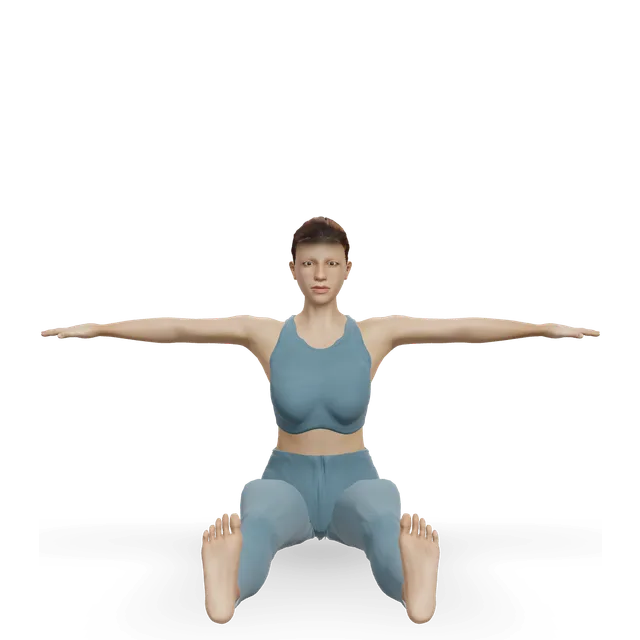
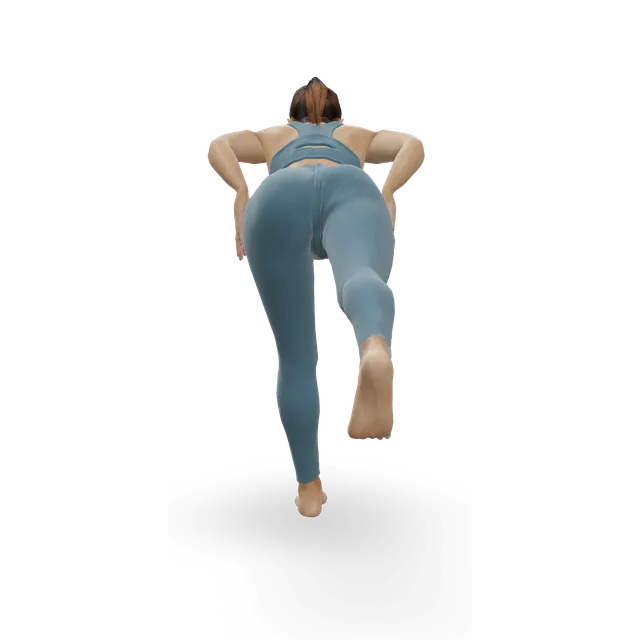
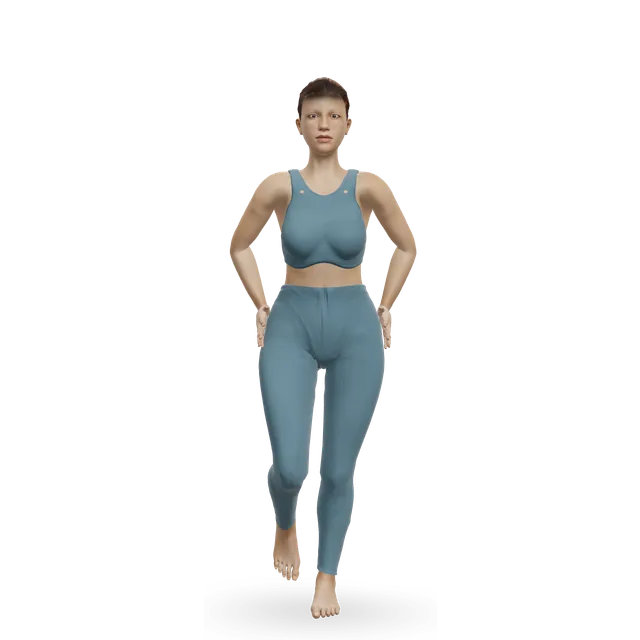
Shoulder bridge, 3 to 5 kicks each leg (the move page's dose); side kick, 8 to 10 each side (the move page's dose), parallel and then turned out, as our Pilates for dancers class cues it; clamshell, 10 each side (our Pilates for dancers class); inner thigh lift, 10 to 12 each side (the move page's dose); side-lying leg circles, 8 each direction, each side (the move page's dose), kept small; 90/90 switch, 10 slow switches, pause at the ends (the move page's dose), within a pain-free range.
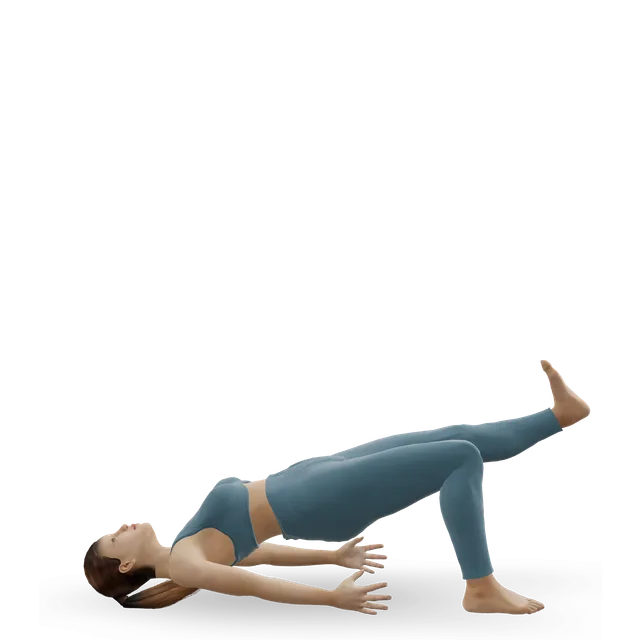 3D demoShoulder bridge (Pilates)Intermediate · No equipment
 3D demoSide kick (Pilates side kick series)Beginner · No equipment
 3D demoClamshellBeginner · No equipment
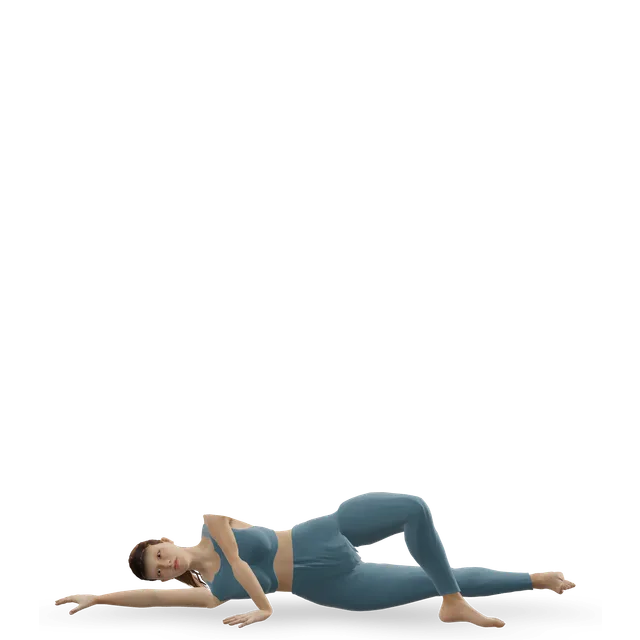 3D demoSide-lying inner thigh lift (Pilates side kick series)Beginner · No equipment
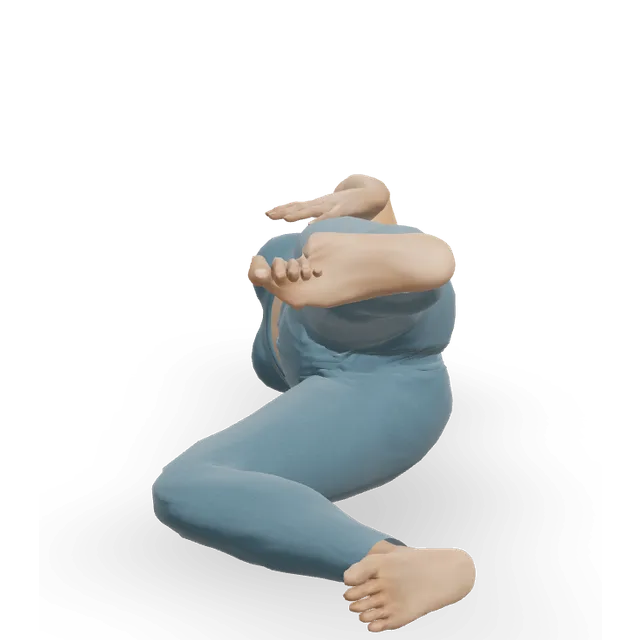 3D demoSide-lying leg circles (Pilates side kick series)Beginner · No equipment
 3D demo90/90 switchIntermediate · No equipment
Knee-to-wall ankle rock, 10 slow rocks per side, daily (the move page's dose); ankle CARs, 5 slow circles each way with each ankle, morning and evening (the move page's dose); single-leg calf raise from a step, 2 sets of 12 each leg (our off-ice workout for figure skaters).
Single-leg stand, 2 sets of 30 seconds each leg in the landing position, knee soft and free leg back (our off-ice workout for figure skaters); hip airplane, 2 sets of 5 slow turns each leg (the move page's dose), holding a counter; single-leg reach matrix, 3 rounds of 5 reaches in each direction, each leg (the move page's dose), once the one-leg stand is steady.
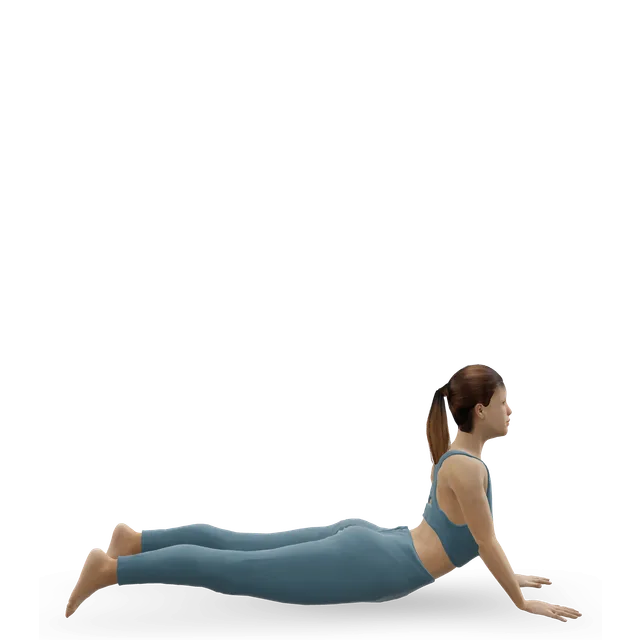
Swimming, 2 sets of 20 seconds of small, brisk flutters (our Pilates for dancers class); swan, 5 to 6 reps (the move page's dose), as a small lift, for adult skaters without back pain only. The swan's page says some back pain gets worse with arching: keep it small, or skip it if it pinches.
Leave out the swan, double-leg kick, rocking and swimming, use the bird dog for back endurance, and get it checked (our suggestion, from the spine stress evidence).
Back pain that is worse arching back and has lasted more than a couple of weeks can be a stress fracture of the spine (spondylolysis): get it checked.
No forced splits or end-range holds. Work in the middle of your range in the single-leg circle, saw and spine stretch forward, as their pages say for hypermobility, and keep the flexibility you have rather than pushing for more in a growth spurt.
Skip deep hip bending with the thigh turned in or across your body, including the single-leg circle across the body, and see our Pilates for a hip labral tear guide (our suggestion, from the hip findings in flexibility-sport athletes). The single-leg circle's page already says to stop if you feel groin pain.
Source 7
Kick through a smaller range in the single-leg kick, as its page says, leave the reformer jumpboard out until it has settled, and see our Pilates for patellar tendinopathy and Osgood-Schlatter guides (our suggestion).
Do the one-leg work next to a wall, follow our ankle sprain guide's stages, and ease off the deep reaches in the reach matrix in the first weeks, as its page says.
Follow the list in our Pilates after concussion guide (no rolling moves, nothing upside down, no head-down folds) until you're cleared, and the UK guidelines' stages.
Source 45
No weight on the hand until it has healed: do planks and the bird dog on your forearms (our suggestion).
Our 25-minute off-ice class turns both ways, builds trunk endurance with the spine long, works the landing leg's hip, ankle and calf, and keeps back bends small. It doesn't replace the off-ice workout's strength, landing and jump sessions; before the ice, use the figure skating warm-up. The dancers class is the nearest other Pilates class, and the teenagers and hypermobility classes suit young and very flexible skaters.
A 25-minute Pilates class for figure skaters: rotation both ways, trunk endurance, the landing leg's hip, ankle and calf, and back bends kept small.
25 minBeginner18 movesWall, stepA 15-minute off-ice warm-up for skaters: skips, ankle circles and rocks, leg swings, hip circles, cat-cow, band walks, landing balance, jumps and bursts.
15 minBeginner15 movesWall, bandA 45-minute off-ice session for skaters: landing-position balance, drop landings, hops, jump squats, tuck jumps, bounds, single-leg strength, groins and trunk.
45 minIntermediate22 movesWall, other / check instructionsA 25-minute Pilates class for dancers: feet and calves, turnout control from the hip, trunk endurance and back extension, all in the middle of your range.
25 minBeginner17 movesOther / check instructions, bench or boxA 25-minute Pilates class for teenagers: trunk and hip strength, back and shoulder-blade work for posture, a short plank block and slow breathing to finish.
25 minBeginner19 movesNo equipmentA 20-minute Pilates class for hypermobile joints, HSD and hEDS: supported positions first, mid-range control, slow changes and steady breathing.
20 minBeginner17 movesOther / check instructions, bandA 25-minute Pilates class for the weeks after a sprained ankle: footwork on a wall, band work in every direction, side-lying hip work and a balance progression.
25 minBeginner18 movesBench or box, wallA 15-minute head-up Pilates class for the early stages after a concussion: a symptom check, seated breathing and mobility, and light bodyweight work at a counter.
15 minBeginner12 movesBench or box, wallThe beginner Pilates plan builds the basics over 4 weeks, 3 days a week; fit it around your ice time, on lighter days.
This is general information, not a diagnosis. A&E means accident and emergency; in the US, call 911 for 999, and use your doctor's urgent line or urgent care for NHS 111.
Call 999 if:
Call 999 if someone has hit their head and has been knocked out and hasn't woken up, can't stay awake or keep their eyes open, has a fit, has fallen from a height of more than 1 metre or 5 stairs, has problems with their vision or hearing, has clear fluid coming from their ears or nose, has new numbness or weakness, has problems with walking, balance, understanding, speaking or writing, hit their head at high speed, or their behaviour has changed. Get help from NHS 111 if they're being sick, feel dizzy or take medicine that thins the blood. If you're told to go to A&E (accident and emergency), don't drive yourself there if you have hit your head.
With a suspected concussion, if in doubt, sit them out. The UK's grassroots guidelines say no sport for at least 24 hours, get checked by a healthcare professional or NHS 111 within 24 hours, follow a staged return, and no competition before day 21; if symptoms last beyond 28 days, stay out of sport and see a doctor. Pilates waits too: gentle breathing and mobility fit the early, light-activity stages; bodyweight strength work can start in the light aerobic exercise stage, which allows "low intensity, body weight resistance training"; and springs, weights and harder trunk work come later (our reading). Our concussion guide has the stages.
Off the ice: if in doubt, sit them out. No return that day, and an assessment within 24 hours by a healthcare professional or NHS 111. Get help from NHS 111 straight away if they're being sick, feel dizzy, take medicine that thins the blood, or had been drinking alcohol.
Don't move them: the UK guidelines say someone with a suspected neck injury should be moved only by healthcare professionals with the right training. Call 999 (our suggestion).
Source 45
Back pain that is worse arching back and has lasted more than a couple of weeks can be a stress fracture of the spine (spondylolysis): get it checked.
A teenager in a sport that arches or twists the back, such as gymnastics, dance, diving, volleyball, tennis, cricket fast bowling, baseball pitching, weightlifting, football or rugby, with back pain that lasts more than a couple of weeks, is worse arching back or stops them training: get it checked by a GP or sports physiotherapist. It can be a stress fracture in the spine.
Back pain that lasts more than a couple of weeks or is worse arching back, and bone pain that builds with training, need a GP or sports physiotherapist before more jumping. Our spondylolisthesis and stress fracture guides explain why.
Call 999 or go to A&E: after an injury, you heard a crack, the foot or ankle has changed shape or points at an odd angle, a bone is sticking out, there is a bad cut over it, you're in severe pain, or the toes look blue or white, feel numb or are cold to touch. These can mean a broken bone. Don't drive yourself.
Same day (NHS 111 or an urgent treatment centre): after an injury, you can't put weight on it or walk more than a few steps, the pain is very bad or getting worse, there is a lot of swelling or bruising or it is getting worse, it feels very stiff, or it's not feeling any better after treating it yourself. Get the same help if you also have a very high temperature, or feel hot, cold or shivery: this could be an infection. If you think it's broken, don't treat it yourself.
See a doctor or physiotherapist if:
Go to A&E or call 999 if the arm or wrist is numb, tingling or has pins and needles, a bone is sticking out, or it has changed colour or shape or is at an odd angle. Get help from NHS 111 if it's very painful, you can't use it, or the swelling or bruising is large or getting worse. Pain in the hollow at the base of the thumb after a fall needs checking the same day: see our scaphoid fracture guide.
Source 52
Go to A&E (accident and emergency) if you've injured your knee and it has changed shape, it becomes very swollen very quickly, you felt a pop or snap, you can see bone sticking out, or it's bleeding heavily. Don't drive yourself: ask someone to take you, or call 999 if the pain means you can't move your leg to get there.
Get advice from NHS 111 now: you cannot move the knee or put any weight on it, or it is very painful, badly swollen or has changed shape, or it locks, gives way or clicks painfully. A pop, quick swelling and a knee that gives way point to an ACL injury: our ACL injury guide says what to do.
The largest patellar tendon trial kept exercise pain at 3 out of 10 or less, a lower ceiling than for joint pain. Keep the rest of your activity within the same limit, and expect the tendon to settle back to its usual level by the next morning.
Source 55
See a GP: both can be signs of not eating enough for your training. Our women's guide explains the checks.
See a GP, and tell the club's welfare officer about comments on bodies (our suggestion). Our eating disorders and menstrual cycle guides explain more.
If you're hypermobile, don't use mobility work to push further: the NHS says "do not overextend your joints just because you can". See a GP if you think you have joint hypermobility syndrome: for example, your joints keep dislocating, or you keep getting sprains, strains, pain or stiffness.
Call 999 or go to A&E (accident and emergency) straight away for severe difficulty breathing (gasping, choking or not able to get words out), a chest that feels tight or heavy, pain that spreads to your arms, back, neck and jaw, lips or skin turning very pale, blue or grey, or sudden confusion. If you're more short of breath than usual, or your heart is racing, fluttering or skipping beats, contact NHS 111.
Source 56
A joint pain that is sharp, gets worse during a session, lingers into the next day or changes how you move is a reason to use an easier version, and to see a GP or physiotherapist if it keeps happening (the rule in our plans).
You feel any pain or become unwell, as the NHS advises for its Pilates videos, and especially for chest pain or pressure, unusual breathlessness, dizziness or fainting. If you have a health problem, an injury or any symptoms, get advice from a healthcare professional, such as a GP, before you start.
Source 57
The NHS advises getting advice from a healthcare professional first if you have a health problem, an injury or symptoms, or have recently had a heart attack or an operation.
Source 57
Spirals and spins need range, but a quarter of young skaters in one study had very flexible joints, flexibility-sport athletes had more hip cartilage damage at surgery, hypermobile athletes had more shoulder injuries, and stretching hasn't prevented injuries in other sports. Range you control is the aim.
The one Pilates study in skaters, in 12 club skaters, measured balance and flexibility tests, not injuries.
Source 1
No Pilates study in skaters measured jumps, and in hip-hop dancers 12 weeks of Pilates improved abdominal tests while jump changes were trivial. Jump and strength training are what raise jump height.
Nearly 1 in 3 young skaters seen for back pain at US clinics had a stress injury of the spine. Back pain that lasts more than a couple of weeks or is worse arching back needs checking.
Source 3
Skipped meals went with more injuries in young skaters, and comments about weight or shape went with disordered eating.
Firm evidence that a weak core causes injuries is lacking; the programmes that cut injuries trained strength and balance, and stretching didn't help.
In the one trial that compared them in athletes (footballers), both mat and reformer Pilates improved tests, the reformer slightly more on three. Use what you can get to.
Source 58
The claim appears on a Pilates body's own blog, but 4 weeks of gentle mat Pilates didn't change lactate in active women, and daily slow breathing added nothing to recovery after hard interval training.
It can add rotation both ways, trunk endurance with the spine long, hip strength for the landing leg, ankle range outside the boot and one-leg balance, at low load on a lighter ice day. The only Pilates study in skaters was in 12 club skaters and measured balance and flexibility tests, so treat it as a sensible extra, not a proven edge.
Yes, as general strength and balance work, especially one-leg balance and hips. For recreational skaters, falls and wrist and head injuries matter most, so a helmet while you learn, wrist guards and learning how to fall come first, as our figure skating guide explains.
Not on its own. No Pilates study in skaters measured jumps; off-ice neuromuscular training improved landing balance in one small trial, and jump and strength training are what raise jump height.
It hasn't been tested. Most young skaters' injuries build up over time in the feet, ankles, knees and back, and what's linked with them is training load, boots and eating enough; strength and balance training cut injuries in other sports.
Trunk endurance with the spine long, such as the bird dog and side planks, is reasonable, but laybacks already arch the lower back hard, and young skaters with back pain often have a stress injury of the spine. Keep Pilates back bends small, and get back pain that lasts more than a couple of weeks or is worse arching checked.
The hundred, dead bug, bird dog and side plank for trunk endurance, and the spine twist and open book turned the same number of times each way. Core training improves trunk endurance and balance most.
It can add spring resistance for the legs and hips, and the same cautions apply: no forced splits on the reformer, and back bends kept small. No study has tested reformer Pilates in skaters.
Not as a rule. Range you can control matters more: a quarter of young skaters in one study had very flexible joints, and athletes from flexibility sports had more hip cartilage damage at surgery. In a growth spurt, keep the flexibility you have rather than pushing for more.
Once or twice a week on lighter ice days, not in the hour before jumping (our suggestion), alongside the off-ice strength, landing and jump sessions. Before the ice, use the figure skating warm-up.
Yes, with a coach or teacher watching and the back bends kept small; our teenagers class suits them. Back pain that lasts or is worse arching, bone pain that builds, missed periods or comments about their body need a GP or the club's welfare officer, as the warning signs say.
Neither has been tested in figure skaters. Pilates leans towards trunk endurance and control, yoga towards range and relaxation; our yoga guides cover yoga.
Exercise education, not a personal prescription, and clinical review of these guides is pending. If you are pregnant, have a health condition or have had recent surgery, check with a doctor, midwife or physiotherapist before starting, and stop for sharp or increasing pain. Health disclaimer.