Pilates guide

Pilates for spondylolisthesis: the slip, the moves to avoid or change, the trunk and the hips, and a 25-minute class

Spondylolisthesis means a bone in your lower back has slipped forward on the one below; spondylolysis is a crack in the back of a vertebra, usually a stress fracture in a young athlete. Both are common, often cause no pain, and rarely get much worse. Exercise is the first treatment, but no trial has tested Pilates for a slip: we found one report on a single patient and one small trial that was never published. So this guide uses the exercise trials in people with a slip, and shows how to change the Pilates moves that arch your back.

It covers what the slip is and isn't, the trunk and hip work that suits it, which moves to leave out or bring back later, teenagers with a stress fracture, the reformer, and a 25-minute class that keeps your spine still. Numbness around your genitals or bottom, new bladder or bowel problems, or weakness in both legs needs 999: the warning signs are below.

The short version

No Pilates trial yet

We found no published trial of Pilates in spondylolisthesis or spondylolysis (our searches, October 2026): one report on a single patient, and one small trial in young people, registered in 2012, that never reported results. What helps comes from exercise trials in people with a slip, and from Pilates for back pain in general.

Sources 1, 2, 3

Common, often painless, rarely worse

Many adults have a slip or a crack without pain, and the link with back pain is weak, if there is one at all. Slips rarely progress much: over 45 years from childhood, none passed 40%, and in older adults a third slipped further over 10 years with no link to their symptoms.

Sources 4, 5, 6, 7

Exercise first, though the trials are small

Training the deep tummy and back muscles together helped adults with a slip in a trial of 44 people, and in 92 adults over 50, bending-forward exercises did as well as that kind of training. Pooled, the trials are too few and too mixed to show a clear effect. Pilates can supply the same deep trunk and hip work.

Sources 8, 9, 10

Let the comfortable direction lead, and go easy on arching

The NHS says the pain is often relieved by sitting or bending forward, and also lists bending among the things that can make symptoms worse, so let your own back decide. Our reading is that the Pilates moves that arch the back hard, like the swan dive, double-leg kick and rocking, are the ones to leave out at first; no study has measured spinal load in any Pilates move.

Sources 11, 12

Teenagers follow their physiotherapist, not a class

In a 2026 trial of 64 young athletes with a fresh stress fracture, starting physiotherapy within a week, out of their sport, got them back to sport 38 days sooner than resting first, with fewer relapses and no slower bone healing.

Sources 13, 14

Know the warning signs

Numbness around your genitals or bottom, new bladder or bowel problems, or pain, tingling, weakness or numbness in both legs needs 999. Leg weakness that is getting worse, or a foot that drags, needs help the same day. The full list, in the words of our back pain guides, is below.

Sources 15, 16

What spondylolisthesis is

Two words, two problemsStrong evidence

Spondylolysis is a crack, usually a stress fracture, in the pars interarticularis, the thin bridge of bone at the back of a vertebra. Spondylolisthesis is one vertebra slipping forward on the one below. The NHS says a slip can happen as you get older, run in families, or follow "a tiny crack in a bone (stress fracture)", which is more common in young athletes and gymnasts.

Anterolisthesis is the same forward slip; a retrolisthesis is a small backward slip that usually comes with disc changes, and our Pilates for degenerative disc disease guide covers it.

Source 11

Three groups, three stories

Teenagers and young athletes with a fresh stress fracture, from sports that arch and twist the back again and again; adults with an old crack and a stable slip, often found by chance; and older adults, mostly women, with a degenerative slip from wear in the discs and joints, often with spinal stenosis. In 188 community adults scanned with CT (computed tomography), degenerative slips were 3 times as common in women and became more common from the 40s to the 70s. This guide says which advice is for which group.

Sources 4, 13

Common, and often painlessEmerging evidence

About 4.4% of 6-year-olds and 6% of adults have a pars defect. On CT, 11.5% of community adults aged 40 to 80 had one, and neither cracks nor slips were linked with back pain. In adults aged 50 or under, a slip was no more common with back pain than without.

In 938 older Japanese adults, a slip went with the leg symptoms of spinal stenosis (pain or heaviness on walking) but not with back pain; in a later survey of 1,522, a slip went with back pain only weakly. A review of 15 population studies found "no strong or consistent association" between a crack or slip and back pain. A slip on a scan is not a reason to stop moving.

Sources 17, 4, 18, 19, 20, 5

How it usually goesEmerging evidence

In 500 children followed from age 6 for 45 years, slips progressed less with each decade and "no subject has reached a 40% slip"; cracks on one side never slipped, and adults with the defects had a quality of life like everyone else's. "Progression of a slip was unlikely after adolescence", another long study found.

In 145 older adults with a degenerative slip followed for 10 to 18 years without surgery, the slip progressed in 34%, with no link to their symptoms, and 76% of those without nerve problems at the start stayed free of them.

Sources 6, 17, 7

What the NHS lists

Symptoms: lower back pain "often worse when standing or walking and relieved when sitting or bending forward", pain spreading to the bottom or thighs, tight hamstrings, and sciatica down one leg. "Spondylolisthesis does not always cause symptoms." Treatment: avoiding activities that make symptoms worse, painkillers, injections for leg symptoms, and "physiotherapy to strengthen and stretch the muscles in your lower back, tummy and legs"; surgery if those don't work.

Source 11

How Pilates moves load your lower back

Mat Pilates has three kinds of move that matter here: moves where your trunk works while your lower back stays still (knee folds, dead bugs, bird dogs, the knee hover, side kicks, bridges to a straight line), moves that round your back (the roll-up, spine stretch forward, rolling like a ball, curl-ups), and moves that arch it (the swan, swimming, double-leg kick, rocking, single-leg kick).

No study has measured spinal load or the angle of the lower back in any Pilates mat move. The only measurements are of muscle activity in healthy people, such as back muscles working at 50% to 60% of their maximum in the swan dive in 16 trained women. So the advice on which moves to change is our reading, not a measured fact.

Sources 12, 21

What the evidence says

We found no Pilates trial in a slip, so this section draws on exercise trials in people with a slip and on Pilates for back pain in general, and says where it does.

No Pilates trialStrong evidence

Our searches of PubMed, Europe PMC and ClinicalTrials.gov (October 2026) found one case study, of one patient with a slip after an injury who did Pilates 3 times a week for 12 weeks and improved; with no comparison, it can't show that Pilates helped. A US trial registered in 2012 compared Pilates-based exercise with general strengthening in young people aged 8 to 21 with spondylolysis or spondylolisthesis; it enrolled 25 of a planned 120, finished in 2014, and has posted no results, and we found no publication. That it's untested is clear; whether Pilates helps more or less than other exercise is unknown.

Sources 1, 2, 3

Training the deep trunk muscles in adults with a slipEmerging evidence

In 44 adults with long-lasting back pain and a crack or slip, 10 weeks of training the deep tummy muscles together with the small back muscles (multifidus), built into the positions that hurt, reduced pain and disability, and the gains lasted 30 months; the comparison group, treated by their own practitioner, didn't change. In 26 adults with a small slip, this training and general exercise did equally well, and the slip itself didn't change. Clinical Pilates is built on the same deep-muscle approach, though neither trial used Pilates.

Sources 8, 22

Bending forward did as well as stabilisationEmerging evidence

In 92 adults over 50 with long-lasting back pain and a degenerative slip, 6 months of stabilisation exercise or bending-forward exercise, with monthly physiotherapy and daily home exercise, gave the same results for back pain, leg pain and disability. There was no group without exercise.

Source 9

Pooled, the effect is unclearMixed evidence

Across 5 small trials (198 people), stabilisation exercise didn't clearly reduce pain or disability, and the results varied widely between trials. The evidence for any one type of exercise in a slip is thin.

Source 10

Bending forward against archingMixed evidence

In an old comparison of 48 people, not randomised, 19% of those given bending-forward exercises had moderate or severe pain at 3 years, against 67% of those given arching exercises. It supports letting the comfortable direction lead; it doesn't show that arching is harmful.

Source 23

Pilates for back pain in generalEmerging evidence

Against minimal care, Pilates eased long-lasting back pain by about 14 points on a 0 to 100 scale in the short term (10 trials, 510 people, low-quality evidence), and it does about as well as other exercise. Those trials mostly left out people with a specific diagnosis, so they say little about a slip. NICE recommends exercise, including group programmes, for back pain and doesn't name Pilates.

Sources 24, 25, 26, 27

Where experts put PilatesMixed evidence

An expert review of spondylolisthesis lists "Nordic walking, dance or Pilates procedures" among the higher-load options for later sessions, after education, pain relief and graded strength work. Australian physiotherapists experienced in Pilates agreed that people with "unstable spondylolisthesis" may not benefit from it. This is expert opinion, not trial evidence.

Sources 28, 29

Surgery, when leg symptoms don't settle

The NHS says a GP may refer you to a specialist for surgery, joining the bones or relieving pressure on the nerves, if other treatments don't work. Our spondylolisthesis guide covers the surgery trials; Pilates sits beside your GP's or physiotherapist's care, never in place of it.

Source 11

What helps: your direction, the pain rule and how much

The back pain rule

Some discomfort during exercise is fine, and it does not mean you are doing damage: the WHO counts "hurt does not necessarily mean harm" among the messages people with back pain need. Aim for pain you would call mild to moderate, no more than about 5 out of 10. It should settle within an hour or so, and your back should be no worse the next morning. If it is worse, do less next time (fewer reps, a smaller range, a lighter load), not nothing.

Leg symptoms are the exception: stop or shrink any movement that sends pain, pins and needles or numbness further down your leg. If leg symptoms move back towards your spine, that is a good sign, even if your back aches a little more for a while.

Source 15

Adults with a slip, and teenagers with a fresh fracture

Adults with an established slip: some discomfort is fine and doesn't mean damage, as the Chartered Society of Physiotherapy explains. Aim for no more than about 5 out of 10, settling within an hour or so and no worse the next morning. If it is worse, do less next time, not nothing. Stop or shrink any move that sends pain, pins and needles or numbness further down a leg. The 5 out of 10 figure is editorial, matching this site's other back guides.

Young athletes with an active stress fracture: exercises and daily activities shouldn't bring on the back pain. Move to the next stage only when you can bend forwards and backwards 10 times standing without pain, and later run, jump and train without pain. Ordinary muscle effort and stretch are fine; back pain is not. If an exercise brings the pain back, tell your physiotherapist and step back for a few days. In the trial, athletes were told that pushing through pain could slow their return to sport, and a specialist programme stops or changes any activity that makes the pain worse during or after it.

Source 13

Rest in the direction that eases you

If bending forward eases your back, rest in the knees-to-chest hold and child's pose. If it doesn't matter either way, use both. Keep the arching moves out while arching brings on pain, tingling or numbness in your legs, and bring them back slowly once it doesn't (our suggestion, from the trials above).

If leg symptoms build as you walk and ease when you sit or bend forward, walk in intervals: walk until they build, sit or lean forward until they ease, then go again, as in the spinal stenosis guide.

Sources 11, 23, 9

How much

Our editorial starting point: the 25-minute class below 2 or 3 times a week, as in the Pilates back pain trials, with walking on most days. Bring the arching moves back one at a time after a few weeks, if bending forwards and backwards is comfortable, as the teenage trial did in its second stage. Judge it over 8 to 12 weeks.

Sources 24, 13

Tell the teacher

Tell the teacher you have a slip, which way your back likes to move, and that you'll leave out the deep arching moves for now (our suggestion). See a physiotherapist before a general class if the slip comes with leg pain, numbness or weakness, you've been told it is unstable, or you've had spinal surgery.

Source 29

Settle, in the direction that eases you

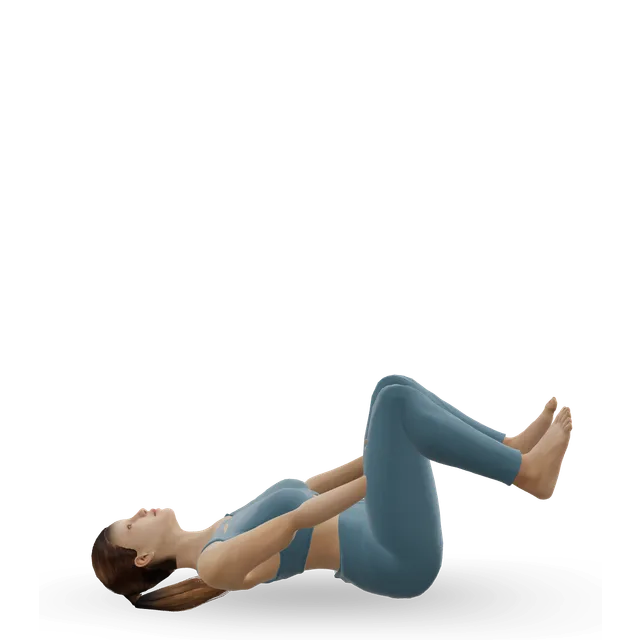
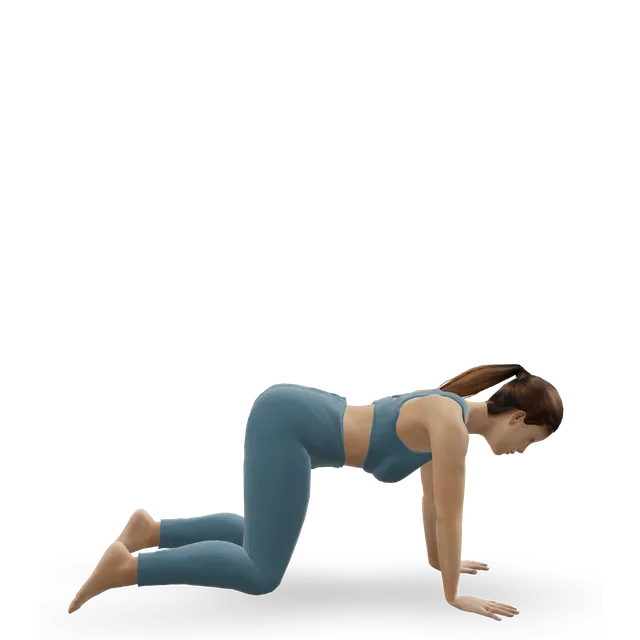
Lateral breathing: "5 to 8 breaths at the start of every session." (the move page's dose). Pelvic tilts, hips staying down: 8 slow tilts (our Pilates for a herniated disc class). Knees to chest, if bending forward eases you: "Hold 20 to 30 seconds, 2 to 4 times (our editorial starting point)." (the move page's dose). Child's pose: "Hold 1 to 3 minutes, breathing into the back ribs; return to it whenever you need a rest." (the move page's dose). Cat-cow: "8 waves, slower than feels natural" (the move page's dose), spending longer in the rounded cat and keeping the arched cow small.

Trunk strength with the spine still

These follow the spine-still first stage of our spondylolisthesis guide (editorial doses there). Knee fold: "2 sets of 5 to 10 each side, every other day" (the move page's dose). Dead bug heel taps: 2 to 3 sets of 6 to 8 each side, lower back still. Bird dog one limb at a time: 2 to 3 sets of 6 to 8 each side, 3 to 5 second holds; then the full bird dog: 3 sets of 8 each side. Knee hover: "3 holds of 15 to 30 seconds" (the move page's dose). Side plank from the knees: 3 holds of 15 to 20 seconds each side; later the full side plank, 3 holds of 20 to 30 seconds. Hundred with your head down and knees bent: 50 beats (our Pilates for spinal stenosis class); skip it if bending forward hurts.

Hips and hamstrings

Bridge: 2 to 3 sets of 10, lifting only to a straight line from shoulders to knees, without arching (our spondylolisthesis guide). Side kick: "8 to 10 each side" (the move page's dose), keeping the backward swing small so your lower back doesn't arch. Clamshell: 10 each side (our beginner Pilates for over-50s class). Hamstring stretch with a strap: 2 to 3 holds of 20 to 30 seconds each side, to the first feeling of stretch with the pelvis still (our spondylolisthesis guide); tight hamstrings are common with a slip. Half-kneeling hip flexor stretch: 2 holds of 30 seconds each side, tailbone tucked under, no arching (our Pilates for spinal stenosis class).

Standing and the upper back

Hip hinge: 8 slow reps, bending from the hips with a long back (our beginner Pilates for over-50s class). Band row: 2 to 3 sets of 10 to 15 (our spondylolisthesis guide). One-leg stand: 3 holds of 10 to 30 seconds each side, a hand on the counter (editorial).

Arching, brought back later and gradually

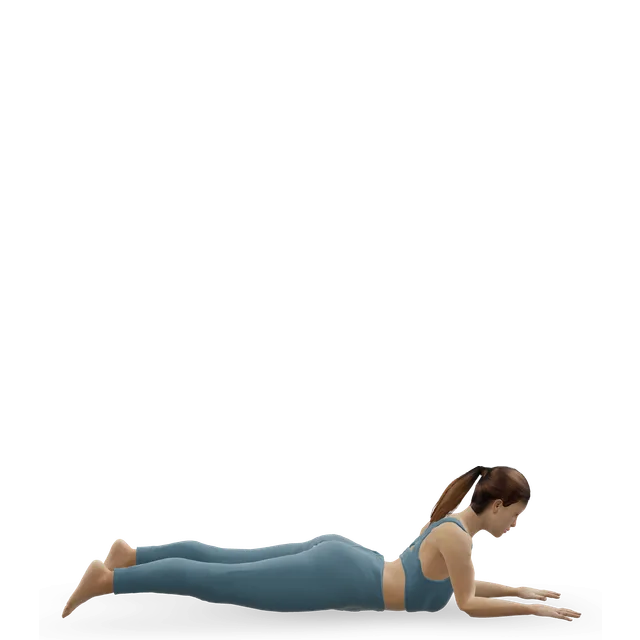
Only once bending forwards and backwards is comfortable and arching doesn't bring on leg symptoms; teenagers only when their clinician agrees. Swimming as slow, small arm and leg lifts first: 3 to 5 each side, each held 3 to 5 seconds (our Pilates for osteoporosis class); the quick flutter later, "2 to 3 sets of 20 to 30 seconds" (the move page's dose). Swan, forehead on a towel, chest lifting only a little: 3 to 5 small lifts (adapted from the move page's dose). Sphinx: 3 holds of 20 to 30 seconds (our spondylolisthesis guide). Single-leg kick, on your forearms with the chest low: "6 to 8 each leg (the classical sequence uses 6)" (the move page's dose), once the sphinx is comfortable.

Moves to change or leave out

Our reading, from how pars stress fractures happen (sports that arch and twist the back again and again) and the site's move cautions. No study has measured spinal load in any Pilates move, and the NHS lists bending as a possible trigger too, so let your own back have the final say.

Deep or repeated arching

While your back is sore or the slip is new, leave out the full swan dive, the double-leg kick and rocking. The cobra's own page already says: "Clear it with a clinician if you have spondylolisthesis or a diagnosed pars stress injury." The swan, double-leg kick and rocking pages don't mention a slip yet; we'd treat them the same way. The press-up's page says to skip it "if arching brings on leg symptoms".

Sources 11, 13, 12

Arching with your legs lifted, or with a twist

The leg pull back, the corkscrew, the hip twist and the double straight-leg stretch can arch the lower back. The corkscrew's page says "Stop if your lower back arches or hurts.", and the double straight-leg stretch's says "Stop if your back arches with pain." Leave them out until arching is comfortable, then bring them back one at a time.

Twisting under load or at speed

Keep the saw and spine twist small and slow, and leave out fast or forceful twisting while your back is sore (our suggestion).

Legs-overhead and rolling moves

Leave out the roll-over, jack knife, control balance and boomerang while your back is sore: they take the spine to the end of its range under the weight of the legs and load the neck, and their pages already rule them out with osteoporosis and neck problems (our reading).

On the reformer and barrels

No study has tested the reformer in a slip. The same rules apply: footwork, leg work lying down and arm work keep the spine still, while back bends over the box or barrel wait until arching is comfortable (our suggestion).

Source 1

With osteoporosis too

Modify or avoid exercises that round your back deeply or repeatedly, especially with a weight: sit-ups, toe touches, Pilates roll-downs and curl-ups, and extreme yoga forward folds. Bend from the hips instead. You do not need to avoid bending, twisting or lifting altogether: move smoothly and keep your upper back straight.

Twisting should be safe if you do it smoothly and comfortably. Slow down and shorten fast or forceful twists, and leave out the added weight.

Teenagers, dancers and gymnasts

A stress fracture from arching and twisting

A pars stress fracture is a common cause of back pain that lasts in young athletes, especially in sports that arch and twist the back, such as gymnastics, dance, diving and cricket fast bowling. Back pain that is worse arching back and has lasted more than a couple of weeks needs checking (the warning signs below).

Sources 11, 13

Start physiotherapy early, out of the sport that hurtsEmerging evidence

In the 2026 trial, 64 athletes aged 10 to 19 all stopped their sport and wore no brace. Those who started physiotherapy within a week had better function at a month, were back to sport 38 days sooner (a median of 74 days against 112), and fewer had a recurrence over a year (1 of 30 against 10 of 34). On MRI (magnetic resonance imaging) at 3 months, starting early didn't slow the bone healing; about three quarters had healed. One trial, with patients and therapists who knew their group.

Sources 13, 14

Arching comes back in stages

The trial's programme kept the spine still first, then brought back arching and twisting once bending forwards and backwards was pain-free, and the return to sport needed pain-free movement to the end of range in every direction. An expert review sees no general reason for young people with this kind of slip to give up sport.

Sources 13, 28

Where Pilates fits

Not as the treatment. Spine-still Pilates moves fit the first stage if the physiotherapist agrees; the swan, swimming and other arching moves wait for their say-so (our suggestion). Our Pilates for dancers and Pilates for teenagers guides cover training once the back has healed.

Classes to follow

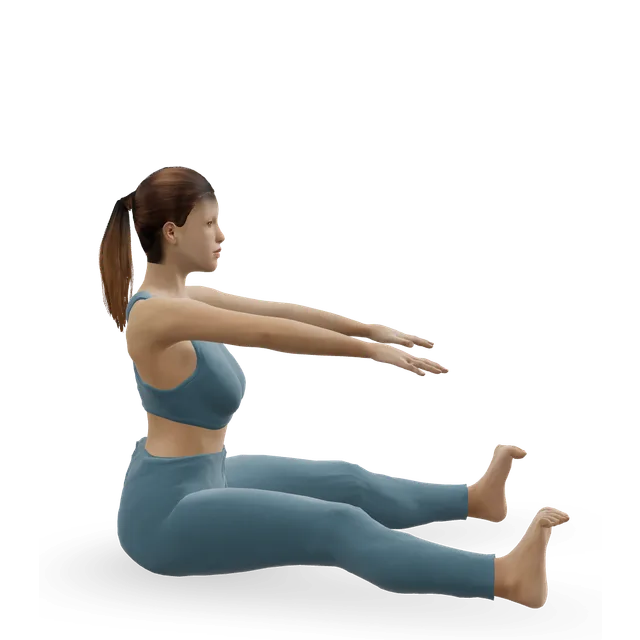
Start with the 25-minute spine-still class 2 or 3 times a week, alongside walking. With leg symptoms that build on standing or walking, the spinal stenosis class bends forward throughout. The back pain and herniated disc classes suit once you're settled; skip their sphinx until arching is comfortable.

Spine-still Pilates for spondylolisthesis: a 25-minute class with no deep arching

A 25-minute Pilates class for a slipped or cracked vertebra: deep trunk work with your lower back still, hips and hamstrings, a bending-forward rest and no backbends.

25 minBeginner16 movesA band, An anchor point

Pilates for spinal stenosis: a 25-minute bend-forward class, from chair to mat to counter

A 25-minute Pilates class for spinal stenosis: a seated warm-up, gently rounded mat work, hip and leg strength, and balance at a counter, with no back bends.

25 minBeginner22 movesA bench or box, A wall

Pilates for back pain (gentle routine)

A gentle 15-minute Pilates-based routine for ongoing low back pain, built from neutral-spine moves with options for backs that dislike bending or arching.

15 minBeginner10 movesNo equipment

Pilates for a herniated disc: a 20-minute knees-bent class that lets your leg decide

A 20-minute knees-bent Pilates class for a slipped or herniated disc: breathing, back and side-lying moves, one chosen back bend or knee hug, and all fours.

20 minBeginner16 movesNo equipment

Yoga for spondylolisthesis: a 25-minute class with the spine still, bending forward to rest and no backbends

A 25-minute yoga class for spondylolisthesis: trunk strength with the spine still, bending-forward rests, hips, hamstrings and standing poses, with no backbends.

25 minBeginner19 movesNo equipment

Beginner Pilates for over-50s

A 20-minute beginner mat Pilates session for over-50s with no deep or repeated rounding of the spine, plus back strengthening and standing balance.

20 minBeginner13 movesA wall

Walking alongside

Walk on most days. If your legs build up as you walk, walk in intervals: walk until they build, sit or lean forward until they ease, then go again.

When to call 999 or see a GP

These are the warning signs from our back pain, sciatica and spondylolisthesis guides, word for word. This is general information, not a diagnosis. A&E means accident and emergency; in the US, call 911 for 999, and use your doctor's urgent line or urgent care for NHS 111.

Call 999 or go to A&E

Call 999 or go to A&E: loss of feeling or numbness around the genitals or bottom, new trouble peeing or controlling your bladder or bowels, changes in genital sensation during sex or problems with erections or orgasm, or pain, tingling, weakness or numbness in both legs. These are signs of cauda equina syndrome, which needs treating in hospital urgently. Don't drive yourself.

Call 999 or go to A&E: back pain with chest pain, or back pain that started after a serious accident, such as a car crash.

Sources 15, 16

If your slip sends pain down a leg

The NHS says to go to A&E or call 999 (911 in the US) if you:

  • have sciatica on both sides
  • have weakness or numbness in both legs that's severe or getting worse
  • have numbness around or under your genitals, or around your bottom (anus)
  • find it hard to start peeing, can't pee or can't control when you pee, and this isn't normal for you
  • don't notice when you need to poo or can't control when you poo, and this isn't normal for you
  • have changes in how your penis or vagina feels during sex, can't get or keep an erection, or can't orgasm

Source 16

Get help the same day

Same day: leg weakness that is getting worse.

Same day (urgent GP appointment or NHS 111): new difficulty lifting the front of your foot or toes (foot drop), or a foot that slaps down or catches as you walk, especially if it is getting worse. Weakness in both legs, or with numbness around the genitals or bottom or bladder or bowel changes, is the 999 emergency above.

Same day (GP or NHS 111): back pain and you feel hot, cold, shivery or generally unwell, or severe pain that starts suddenly or is getting worse quickly.

Same day: you have or have had cancer, and new back pain that is severe and doesn't let up, is getting steadily worse, is worse at night and disturbs your sleep, is worse when you cough, sneeze or strain, or comes with tenderness over the spine. Contact your cancer team or GP urgently. With cancer, new weakness, difficulty walking, numbness or bladder or bowel problems are an emergency.

Source 15

See a GP

Lower back pain, or pain in your thighs or bottom, that doesn't go away after 3 to 4 weeks, or pain, numbness and tingling down one leg for more than 3 or 4 weeks: see a GP.

You're finding it difficult to walk or stand up straight, or you're worried about the pain or struggling to cope: see a GP.

Other symptoms as well as the pain, such as a high temperature, sweating at night or losing weight without trying: see a GP.

Back pain that hasn't improved after a few weeks of looking after it at home, stops you doing day-to-day activities, worries you, or you're struggling to cope.

Unexplained weight loss, or a lump, swelling or change in the shape of your back.

Pain that doesn't improve with rest or is worse at night, or pain that is worse when you sneeze, cough or poo.

If your sciatica hasn't improved after a few weeks of looking after it at home, is getting worse, or is stopping you doing your normal activities. In many areas you can refer yourself to NHS physiotherapy for back problems.

Sources 11, 15, 16

Teenagers, dancers and gymnasts

A teenager in a sport that arches or twists the back, such as gymnastics, dance, diving, volleyball, cricket fast bowling, baseball pitching, weightlifting, football or rugby, with back pain that lasts more than a couple of weeks, is worse arching back or stops them training: get it checked by a GP or sports physiotherapist. It can be a stress fracture in the spine.

Back pain that is worse arching back and has lasted more than a couple of weeks can be a stress fracture of the spine (spondylolysis): get it checked.

Leg symptoms on standing or walking

Buttock or leg pain, heaviness or tingling that comes on when you stand or walk and only eases when you sit or bend forward, or the distance you can walk keeps shrinking: see a GP or physiotherapist (possible spinal stenosis). Leg weakness that is getting worse, or numbness around your genitals or bottom, is urgent (above).

Leg ache when you walk that goes after a few minutes' rest: possible peripheral arterial disease (narrowed leg arteries), especially if you smoke or have diabetes.

After a fall, or with osteoporosis

Sudden mid or lower back pain after a minor fall, lift, cough or sneeze, especially from 50 or with long-term steroid tablets.

Often worse moving or changing position and eased by lying down. It can be an osteoporotic spinal fracture, so see a GP; height loss or a new curve in the upper back are other signs.

Unexplained back pain with muscle spasms, loss of height, or a curved spine or change in posture: a possible osteoporotic spinal fracture, more likely with older age or long-term steroid tablets.

In pregnancy

Contact your GP or midwife urgently: back pain in the second or third trimester of pregnancy, or back pain in pregnancy with a fever, vaginal bleeding, pain when you pee, or pain in one or more of your sides (under your ribs). It could be early labour or an infection.

In pregnancy, after the first trimester, keep time flat on your back to a few minutes: prop your upper body up, or use a side-lying or all-fours version.

Chest pain or fainting while exercising: call 999

Call 999 if:

  • You get sudden pain or discomfort in your chest that doesn't go away; it can feel like squeezing or pressure, burning or indigestion.
  • The pain spreads to your left or right arm, or your neck, jaw, stomach or back.
  • You have chest pain and feel sweaty, sick, light-headed or short of breath.
  • Someone faints while exercising, can't be woken within 1 minute, or has chest pain or a pounding, fluttering or irregular heartbeat.

Sources 30, 31, 32

Unusual breathlessness

Call 999 or go to A&E (accident and emergency) straight away for severe difficulty breathing (gasping, choking or not able to get words out), a chest that feels tight or heavy, pain that spreads to your arms, back, neck and jaw, lips or skin turning very pale, blue or grey, or sudden confusion. If you're more short of breath than usual, or your heart is racing, fluttering or skipping beats, contact NHS 111.

Source 33

Stop the session if

You feel any pain or become unwell, as the NHS advises for its Pilates videos, and especially for chest pain or pressure, unusual breathlessness, dizziness or fainting. If you have a health problem, an injury or any symptoms, get advice from a healthcare professional, such as a GP, before you start.

Source 34

Before you start

The NHS advises getting advice from a healthcare professional first if you have a health problem, an injury or symptoms, or have recently had a heart attack or an operation.

Source 34

Myths

"A slipped vertebra means you must stop exercising"Strong evidence

Exercise and physiotherapy are the first treatment. Adults with a slip improved with deep trunk training or bending-forward exercise, and teenage athletes did better starting physiotherapy straight away than resting.

Sources 11, 8, 9, 13

"Pilates will pull the vertebra back into place"Emerging evidence

No exercise has been shown to move a vertebra back: in 26 adults with a small slip, the slip didn't change, though both exercise groups improved.

Source 22

"Your pain comes from the slip on your scan"Emerging evidence

Slips are common in people without pain and only weakly linked with back pain, if at all.

Sources 4, 5, 20

"A slip always gets worse with age"Emerging evidence

Over 45 years from childhood, no slip passed 40%; in older adults, a third progressed over 10 years or more, with no link to their symptoms.

Sources 6, 7

"Never arch your back again"Emerging evidence

In the teenage trial, arching and twisting were brought back on purpose once bending was pain-free, because sport and daily life need them.

Sources 13, 28

"Pilates is proven safe for a slip", or "proven dangerous"Strong evidence

Neither has been tested. Which moves to change is reasoning from how the condition behaves, not trial evidence.

Sources 1, 2, 3

"Brace your core hard through every move"Emerging evidence

In 152 people with back pain, Pilates taught with a relaxed tummy did slightly better for disability than Pilates with the tummy held tight.

Source 35

Questions people ask

Is Pilates good for spondylolisthesis?

It can be, done with changes, but it hasn't been tested: we found one case report and one small trial that was never published. Exercise is the first treatment for a slip, and Pilates can supply the deep trunk, hip and back work the trials used. Leave out the deep arching moves at first and bring them back slowly.

Is Pilates bad for spondylolisthesis?

Not as a rule. Most Pilates moves keep the spine still or bend it a little, which most people with a slip tolerate; the ones to be careful with arch the back hard, like the swan dive, double-leg kick and rocking. See a physiotherapist first if you have leg symptoms or have been told the slip is unstable.

Which Pilates exercises should I avoid with spondylolisthesis?

We suggest leaving out deep or repeated arching (the swan dive, double-leg kick, rocking, back bends over a barrel), arching with the legs lifted or twisted (the leg pull back, corkscrew, hip twist), and the legs-overhead moves, while your back is sore. That's our reading of how these stress fractures happen; no study has measured any Pilates move in a slip.

What are the best Pilates exercises for spondylolisthesis?

No move is proven best. Start with moves that work your deep tummy and back muscles while your spine stays still, such as knee folds, dead bugs, bird dogs, the knee hover, a side plank from the knees and a bridge to a straight line, with hamstring stretches and a bending-forward rest if that eases you.

Is reformer Pilates OK with spondylolisthesis?

Probably, with the same rules. Footwork, leg work lying down and arm work keep the spine still, while back bends over the box or barrel are the parts to leave until arching is comfortable. No study has tested the reformer in a slip.

Is the swan safe with spondylolisthesis?

Keep it small, or leave it out at first: it's the Pilates move that arches your back the most. Bring a small swan back once bending forwards and backwards is comfortable and arching doesn't bring on leg symptoms.

Can Pilates fix or reverse spondylolisthesis?

No: exercise doesn't move a vertebra back, and in a small trial the slip didn't change. But a slip often causes no pain at all, and exercise can ease the pain you have and help you move with confidence.

Is Pilates or yoga better for spondylolisthesis?

Neither has been tested in a slip. For back pain in general, Pilates and yoga do about as well as other exercise, so choose the one you'll keep doing and leave out the deep backbends in either. Our yoga for spondylolisthesis guide covers yoga.

My teenager has spondylolysis from dance or gymnastics. Can they do Pilates?

Not as the treatment. In a 2026 trial, young athletes did best starting physiotherapy within a week, out of their sport, with arching brought back only once bending forwards and backwards was pain-free. Spine-still Pilates moves can fit if their physiotherapist agrees.

I'm over 60 with a degenerative slip and my legs ache when I walk. Is Pilates still OK?

Usually, if you favour bending forward: in 92 adults over 50 with a degenerative slip, bending-forward exercise did as well as stabilisation exercise. Our Pilates for spinal stenosis class bends forward throughout, and walking in intervals helps. See a GP or physiotherapist if the distance you can walk keeps shrinking.

What about retrolisthesis?

A retrolisthesis is a small backward slip that usually comes with disc changes. The same gentle approach applies, and our Pilates for degenerative disc disease guide covers it.

When is spondylolisthesis an emergency?

Call 999 or go to A&E for numbness around your genitals or bottom, new trouble peeing or controlling your bladder or bowels, changes in genital sensation during sex, or pain, tingling, weakness or numbness in both legs: these can be signs of cauda equina syndrome. Get same-day help for leg weakness that is getting worse or a foot that drags.

Sources

  1. PubMed, Europe PMC and ClinicalTrials.gov · Our searches for Pilates trials in spondylolisthesis and spondylolysis (October 2026)
  2. Oliveira 2016 · Pilates for a traumatic spondylolisthesis in one patient (case study, J Bodyw Mov Ther)
  3. ClinicalTrials.gov · NCT01711203: a Pilates programme in young people with spondylolysis or spondylolisthesis (25 enrolled, completed 2014, no results posted)
  4. Kalichman 2009 · Spondylolysis and spondylolisthesis on CT in 188 community adults, and back pain (Framingham study, Spine)
  5. Andrade 2015 · Spondylolysis and isthmic spondylolisthesis and back pain: 15 population studies (systematic review, Eur Spine J)
  6. Beutler 2003 · The natural history of spondylolysis and spondylolisthesis: 45-year follow-up (Spine)
  7. Matsunaga 2000 · Degenerative spondylolisthesis without surgery: 145 people followed for 10 to 18 years (J Neurosurg)
  8. O'Sullivan 1997 · Specific stabilising exercise for back pain with spondylolysis or spondylolisthesis in 44 people (RCT, Spine)
  9. Nava-Bringas 2021 · Stabilisation against flexion exercises in 92 adults over 50 with degenerative spondylolisthesis (RCT, Phys Ther)
  10. Lin 2024 · Lumbar stabilisation exercise in spondylolysis and spondylolisthesis: 5 trials, 198 people (systematic review and meta-analysis, Spine)
  11. NHS · Spondylolisthesis
  12. PubMed and Europe PMC · Our searches for studies measuring spinal load or lower-back angles during Pilates exercises (October 2026)
  13. Selhorst 2026 · Immediate physiotherapy against rest first in 64 adolescent athletes with lumbar spondylolysis (RCT, Br J Sports Med; read in full)
  14. Sweeney 2026 · Bone healing on MRI with immediate physiotherapy or rest first in 53 adolescent athletes with spondylolysis (Orthop J Sports Med)
  15. NHS · Back pain
  16. NHS · Sciatica
  17. Fredrickson 1984 · The natural history of spondylolysis and spondylolisthesis in 500 children (J Bone Joint Surg Am)
  18. Brinjikji 2015 · MRI findings in adults aged 50 or under with and without back pain: 14 studies (systematic review and meta-analysis, AJNR)
  19. Ishimoto 2017 · Spondylolisthesis, back pain and spinal stenosis in 938 Japanese adults (population study, Spine)
  20. Arita 2025 · Spondylolisthesis, back pain and walking speed in 1,522 Japanese adults (ROAD study, Eur Spine J)
  21. de Oliveira Menacho 2013 · Back muscle activity in the Pilates swan dive and breaststroke in 16 healthy women (EMG study, J Manipulative Physiol Ther)
  22. Mohammadimajd 2020 · Stabilisation against general exercise in 26 people with a grade I spondylolisthesis (RCT, Physiother Res Int)
  23. Sinaki 1989 · Flexion against extension exercise in 48 people with spondylolisthesis (retrospective comparison, Arch Phys Med Rehabil)
  24. Yamato 2015 · Pilates for low back pain: 10 trials, 510 adults (Cochrane review)
  25. Wong 2023 · Pilates against other exercise for chronic low back pain: 11 trials (systematic review and meta-analysis, Musculoskeletal Care)
  26. Hayden 2021 · Some types of exercise are more effective than others in chronic low back pain: 217 trials (network meta-analysis, J Physiother)
  27. NICE NG59 · Low back pain and sciatica in over 16s: assessment and management (updated July 2026)
  28. Vanti 2021 · Lumbar spondylolisthesis: assessment and conservative treatment (expert review, Arch Physiother; read in full)
  29. Wells 2014 · Who may benefit from Pilates for chronic low back pain, and the risks (Delphi study of 30 physiotherapists, Physical Therapy)
  30. NHS · Heart attack
  31. NHS · Chest pain (past its review date: reviewed August 2023, review due August 2026)
  32. NHS · Fainting
  33. NHS · Shortness of breath
  34. NHS · Pilates for beginners
  35. Lunkes 2026 · Pilates with a relaxed or a braced tummy in 152 people with long-lasting back pain (RCT, J Physiother)

Exercise education, not a personal prescription, and clinical review of these guides is pending. If you are pregnant, have a health condition or have had recent surgery, check with a doctor, midwife or physiotherapist before starting, and stop for sharp or increasing pain. Health disclaimer.