Pilates
Pilates for a herniated disc: a 20-minute knees-bent class that lets your leg decide
A 20-minute Pilates class for a herniated, slipped or bulging disc that keeps your knees bent and your spine still, with no rolling and no folding over straight legs. In the middle you choose one direction, a gentle back bend or a knee hug, whichever eases your leg. Unlike our Pilates for back pain routine, it leaves out the roll-down and leg circles that can pull on a sore nerve, and unlike our yoga for sciatica class, it uses Pilates moves throughout. Four small trials found Pilates eased disc pain over 4 to 8 weeks, but they were short and weak, and none tested this class; its structure is our editorial choice, built from our herniated disc guide's plan and the shape of the largest Pilates disc trial.
Breathe and settle (about 3 minutes)
- Beginner · Abs · 3D demoLying on your back, knees bent; breathe into the sides and back of your ribs, with no need to braceHarder: Roll-up (Pilates)
- Pelvic tilt into bridge8 slow tiltsBeginner · Glutes, Abs, Hamstrings · 3D demoTilt only: gently flatten your lower back, then release it, hips staying downHarder: Glute bridge
- Supine heel slide6 each sideBeginner · Hip flexors, Hamstrings, Quads · 3D demoSlide one heel out and back, pelvis stillHarder: Hip windshield wipers



On your back, knees bent (about 5 minutes)
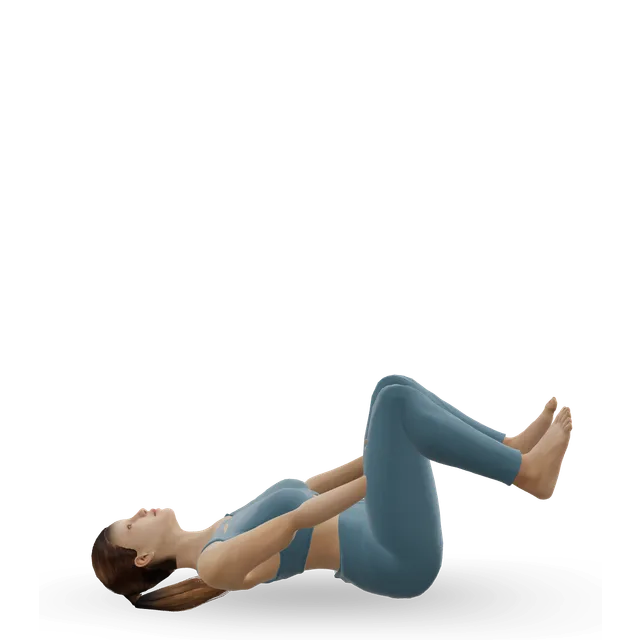
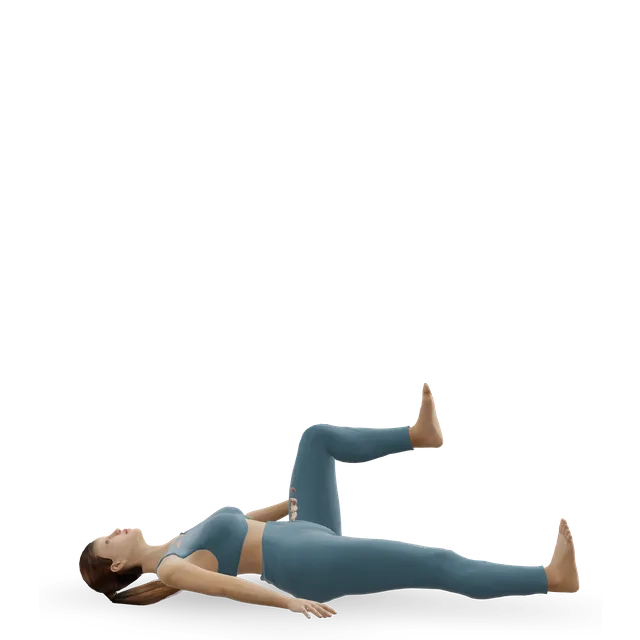
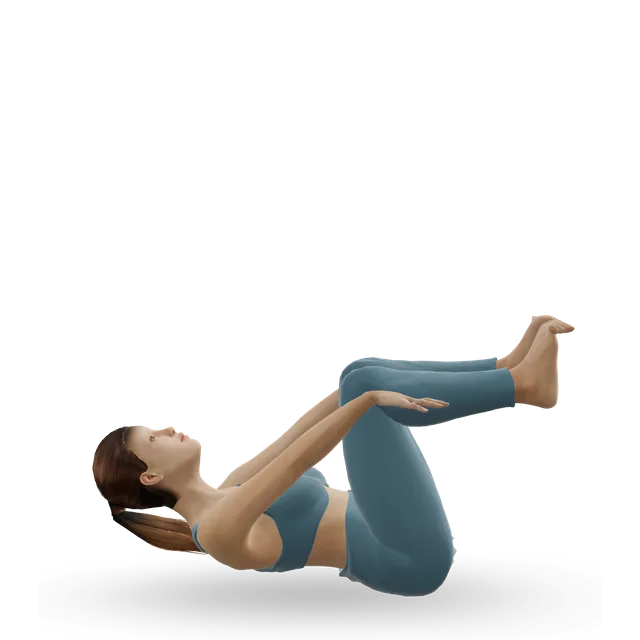
- Knee fold6 each sideBeginner · Abs, Hip flexors · 3D demoLift one bent leg to a tabletop and lower it without your pelvis rockingEasier: Supine heel slideHarder: Dead bug heel taps
- Dead bug heel taps2 sets of 6 each sideBeginner · Abs, Hip flexors · 3D demoLower back quiet on the floor; tap one heel down at a timeEasier: Bent-knee fall-outHarder: Forearm plank
- Bent-knee fall-out6 each sideBeginner · Abs, Adductors, Hip abductors · 3D demoLet one knee open a little and bring it back, pelvis levelEasier: Supine heel slideHarder: Dead bug heel taps
- Glute bridge2 sets of 8Beginner · Glutes, Hamstrings, Abs · 3D demoLift to a straight line from shoulders to knees and lower slowlyEasier: Pelvic tilt into bridgeHarder: Single-leg glute bridge




Your direction (about 2 minutes): do one, not both
- Sphinx pose (Salamba Bhujangasana)3 holds of 20 secondsBeginner · Back, Abs, Chest · 3D demoIf arching back eases your leg: forearms down, chest lifts a little. Skip it if leg pain spreadsHarder: Cobra pose (Bhujangasana)
- Double knee-to-chest stretch3 holds of 20 secondsBeginner · Back, Glutes · 3D demoIf bending forward eases your leg: hug both knees in gently. Skip it if leg pain spreadsEasier: Single knee-to-chest stretchHarder: Overhead lat stretch at a bench (elbows on the bench)
- Lying sciatic nerve slider (nerve glide)10 slow reps each leg (optional)Beginner · Hamstrings, Calves · 3D demoOnly with leg symptoms: a gentle pull is fine, pain is not, and never hold the end positionHarder: Seated sciatic nerve slider (nerve glide)

On your side (about 4 minutes)
- Clamshell10 each sideBeginner · Hip abductors, Glutes · 3D demoFeet together, a small opening, pelvis stillEasier: Supine isometric hip abduction (belt press)Harder: Lateral band walk
- Side kick (Pilates side kick series)8 each sideBeginner · Hip flexors, Glutes, Hip abductors · 3D demoSmall swings at hip height, head resting on your lower armHarder: Side-lying leg circles (Pilates side kick series)


On all fours (about 4 minutes)
- Bird dog, one limb at a time6 each sideBeginner · Abs, Back, Glutes · 3D demoOne arm or one leg at a time; keep your hips levelEasier: Side-lying tummy draw-inHarder: Bird dog
- Bird dog5 each sideBeginner · Back, Abs, Glutes · 3D demoOpposite arm and leg; hold each for 3 breathsEasier: Bird dog, one limb at a timeHarder: Bear crawl
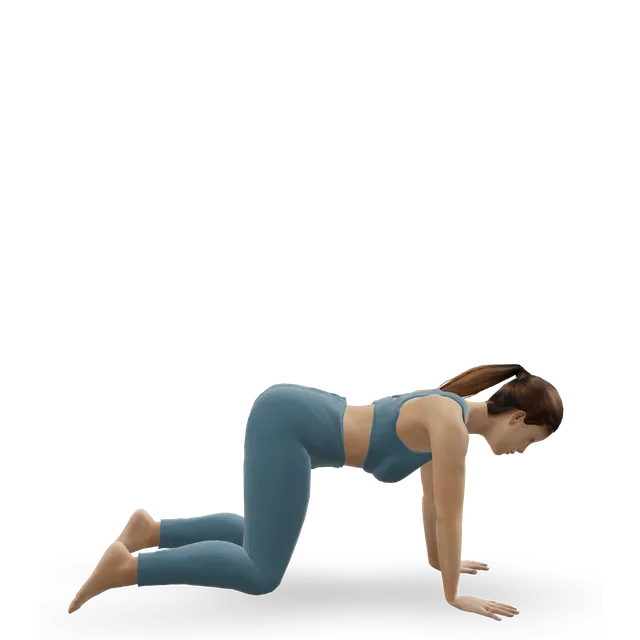
- Knee hover (Pilates tabletop hover)2 holds of 15 secondsBeginner · Abs, Shoulders, Quads · 3D demoKnees just off the floor, back flatHarder: Straight-arm plank (high plank)


Finish standing (about 1 minute)
- Breath reach5 breathsBeginner · 3D demoStand tall with your weight even on both feet; arms rise as you breathe inHarder: Slow breathing (6 breaths a minute)

Tips
- Do it twice a week alongside short daily walks: twice beat once a week in a trial of Pilates doses for back pain, and the NHS advises gentle exercise as soon as you can.
- Leg symptoms are the exception: stop or shrink any movement that sends pain, pins and needles or numbness further down your leg. If leg symptoms move back towards your spine, that is a good sign, even if your back aches a little more for a while.
- When the class is easy and your leg is no worse the next day, add a shoulder bridge, a side plank on your knees and small, slow swimming (if arching suits you); then, one at a time, the chest lift, the hundred with your knees bent and the spine stretch with your knees bent.
- After disc surgery, start only when your surgical team says you can.
- With osteoporosis, keep your head down and skip the knee hug's deep rounding; in later pregnancy, keep time flat on your back to a few minutes and skip the sphinx.
- Call 999 or go to A&E for sciatica in both legs, numbness around your genitals or bottom, or new trouble peeing or pooing. Don't drive yourself.
The doses are suggested starting points, not a prescription. Choose a range you can control and stop for sharp or increasing pain, numbness or tingling. Get individual advice after an injury or surgery, or if you are pregnant or managing a health condition.
Guides that recommend it
Find more moves like these
More pilates


Beginner Pilates workout
A 20-minute mat Pilates workout for complete beginners. It covers breathing, spine position and the foundation moves, each with an easier option.
20 minBeginner13 movesNo equipment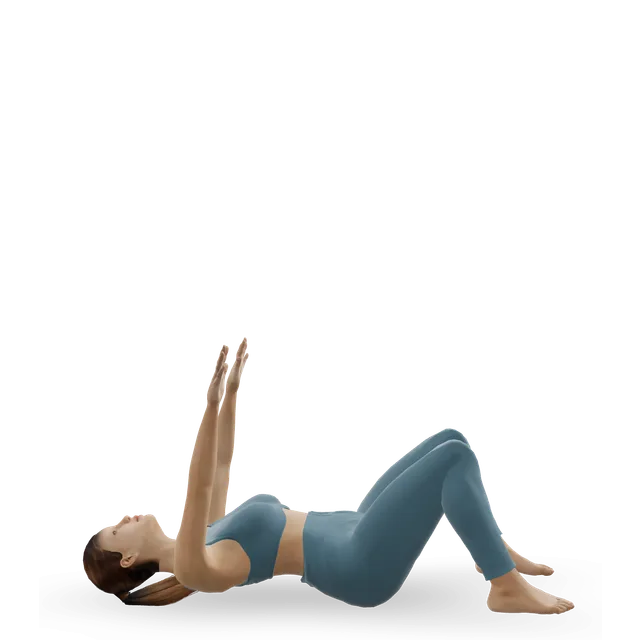

10-minute Pilates abs
Ten minutes of the classic Pilates abdominal series: the hundred, the roll-up and the series of five, with a plank to finish.
10 minIntermediate11 movesNo equipment
Full-body mat Pilates workout
A 30-minute intermediate mat Pilates class that follows the classical order, from the hundred to the push-up, with prep versions of the hardest moves.
30 minIntermediate22 movesNo equipmentQuestions people ask
How long does the pilates for a herniated disc: a 20-minute knees-bent class that lets your leg decide take?
About 20 minutes, including any warm-up and cool-down listed. Shorten it by doing fewer rounds; lengthen it by adding one.
What equipment do I need?
No equipment: your body and some floor space. A mat makes floor work more comfortable.
Is it suitable for beginners?
It is written for beginners. 8 of its 16 moves have an easier option listed beside them if you need one.
How do I make it easier or harder?
Use the easier or harder option listed under each move, change the number of rounds, or adjust the rest. Progress one change at a time.