A disc on a scan is common, and often harmless
In 3,110 people with no back pain, scans showed disc bulges in 30% of 20-year-olds and 84% of 80-year-olds. Nothing actually slips: the soft centre bulges out, and it hurts when it irritates a nerve.
Pilates guide
A herniated, slipped or bulging disc is common, often shows up on scans of people with no pain, and usually gets better with time and gentle exercise; many discs even shrink on their own. Pilates can be a good way to keep moving and get stronger once your leg allows, and four small trials found it eased pain and disability. But those trials were short and weak, so think of Pilates as one good way to exercise, not a cure.
Pilates sits beside care from your GP or a physiotherapist, and after surgery your surgical team, never in place of it. This guide covers what a disc on your scan does and doesn't mean, what the evidence shows, how to let your leg guide which moves you do (bending forward or arching back), the moves to keep, change and bring back later, the reformer, Pilates after a discectomy, a free 20-minute class, and the warning signs that need 999 rather than a mat.
In 3,110 people with no back pain, scans showed disc bulges in 30% of 20-year-olds and 84% of 80-year-olds. Nothing actually slips: the soft centre bulges out, and it hurts when it irritates a nerve.
The NHS says a slipped disc "usually gets better slowly with rest, gentle exercise and painkillers", and sciatica usually gets better in a few weeks to a few months. In scan studies, the biggest herniations shrank most often.
The NHS says the type of exercise isn't important as long as it doesn't cause pain or make your back pain worse. The National Institute for Health and Care Excellence (NICE) suggests a group exercise programme for back pain with or without sciatica; it doesn't name Pilates, though its full guideline counts Pilates as one kind of exercise it means.
Four small trials (30 to 54 people each) found less pain and disability after 4 to 8 weeks than no exercise or usual care. None followed people up afterwards, and two are reported only as abstracts in local journals with unclear randomisation.
Keep moves that ease your leg or leave it the same, and shrink or drop moves that send pain further down it. Many people have a direction, arching back or bending forward, that eases their pain.
Numbness around your genitals or bottom, new trouble peeing or pooing, or weakness or numbness in both legs needs 999 or A&E (accident and emergency), not a class.
Between each pair of vertebrae is a disc with a tough outer ring and a softer centre. The NHS: "A slipped disc, also called a prolapsed or herniated disc, is when a soft cushion of tissue between the bones in your spine bulges outwards. It's painful if it presses on nerves." When it irritates a nerve root, pain runs into the buttock and down the leg, often below the knee, sometimes with pins and needles, numbness or weakness: sciatica. The NHS calls a slipped disc the most common cause of sciatica.
In a review of 3,110 people without back pain, disc bulges were found in 30% at age 20, 50% at 40, 69% at 60 and 84% at 80, and disc protrusions in 29% at 20 and 43% at 80. Many of these changes are "likely part of normal aging and unassociated with pain". NHS inform says scans are generally not advised for sciatica.
Scan reports use a sliding scale: a broad bulge, then a protrusion, an extrusion, and a sequestration, where a fragment has separated. The words describe the shape on the scan, not how much it should hurt.
Source 4
No study has compared Pilates for discs at different levels. The largest Pilates trial included discs from L3 L4 to L5 S1, and the advice in this guide is the same at any level: your leg's response, not the level on the scan, guides the moves.
Source 7
Sciatica "usually gets better in a few weeks to a few months but can last longer", the NHS says, and NHS inform that it usually improves within 12 weeks, though for some people it takes up to a year. A North American Spine Society guideline expects most people to improve whatever the treatment. In scan studies of people treated without surgery, herniations shrank in 96% of sequestrations, 70% of extrusions, 41% of protrusions and 13% of bulges. Shrinking on a scan and feeling better don't always go together.
Doctors test for an irritated nerve root by raising your straight leg while you lie on your back. In people having surgery for a disc, this test was positive in about 9 in 10. Pilates moves that fold forward over straight legs, or lift a straight leg high, put the nerve in a similar position, which is why this guide bends the knees for now. No trial has tested that change.
Source 17
NICE recommends advice that encourages you to carry on with normal activities, and in recommendation 1.2.2 says to consider a group exercise programme for back pain with or without sciatica, choosing the type to suit you; it doesn't name Pilates. Its full guideline counts Pilates as biomechanical exercise, alongside core stability work. The World Health Organization (WHO) found too little evidence to say any type of exercise is better than another for long-lasting back pain, with or without leg pain. The NHS says walking, swimming, yoga and Pilates may help back pain.
In 54 people with a disc bulge or protrusion and back and leg pain, physiotherapist-led Pilates 3 times a week for 6 weeks cut a disability score from about 29 to 15, against about 26 to 23 with no exercise. But people were put into groups in the order they arrived, the groups differed at the start, and nobody was followed up after 6 weeks. In 45 women, adding Pilates to water exercise 3 times a week for 8 weeks improved mobility and disability more than water exercise alone.
Two more trials, of 34 and 30 people, found less pain after 4 and 6 weeks of Pilates, but they are reported only as abstracts in local journals and don't say clearly how people were randomised. No trial compared Pilates with the same amount of other exercise, and none measured leg pain on its own, so the certainty is very low.
Across 5 trials, structured exercise eased leg pain by about 11 points out of 100 more than advice to stay active in the short term (low-quality evidence), with no difference in disability and no difference in the long term. Across 18 trials of physiotherapy for sciatica (2,699 people), none clearly beat control treatments, and all were at high or unclear risk of bias. Stabilisation exercise beat no treatment in single trials, and a 2026 review of 13 trials found exercise eased disc pain, with results that varied a lot between trials.
Motor control exercise, which shares Pilates' focus on the deep trunk muscles, helped long-lasting back pain more than doing little but no more than other exercise, in 29 trials of 2,431 people. In a disc trial of 74 people, stabilisation exercise did no better than general exercise. It did beat a TENS machine (transcutaneous electrical nerve stimulation) in 40 people, but that compares exercise with a passive treatment.
In a Cochrane review of 10 trials (510 people) with long-lasting back pain from no single cause, Pilates eased pain by about 14 points out of 100 in the short term compared with minimal care, but did no better than other exercise. In 296 people, twice a week beat once a week. In 64 people, Pilates-based exercise beat cycling at 8 weeks but not at 6 months. None of these trials was in disc herniation.
For sciatica from a disc, surgery gave faster relief than physical activity in a review of 12 trials, but the difference faded in the long term. The NHS says surgery is not usually needed; NICE suggests considering spinal decompression when other treatment hasn't helped and the scan matches the symptoms.
Some discomfort during exercise is fine, and it does not mean you are doing damage: the WHO counts "hurt does not necessarily mean harm" among the messages people with back pain need. Aim for pain you would call mild to moderate, no more than about 5 out of 10. It should settle within an hour or so, and your back should be no worse the next morning. If it is worse, do less next time (fewer reps, a smaller range, a lighter load), not nothing.
Leg symptoms are the exception: stop or shrink any movement that sends pain, pins and needles or numbness further down your leg. If leg symptoms move back towards your spine, that is a good sign, even if your back aches a little more for a while.
About 7 in 10 people with back pain have a direction of movement that eases it, and pain moving back towards the spine is a good sign. In 312 people with back pain with or without sciatica, exercise matched to that direction did better than unmatched exercise. In 181 people with severe sciatica, exercises chosen by how symptoms responded beat sham exercises. As a full method, McKenzie therapy was no better than guideline advice at 2 years in 66 people with disc-related sciatica.
Try a gentle back bend (the sphinx) and a gentle knee hug, and keep whichever eases your leg or draws the pain up towards your back. You don't need both.
The largest Pilates disc trial used rounding moves (the roll-down, saw and spine stretch) and arching moves (the swan and swimming), progressed after 3 weeks, and reported no harms, though it didn't formally record them. So bring moves back one at a time and keep each one if your leg doesn't mind.
Source 7
In 152 people with long-lasting back pain, being taught to keep the tummy relaxed and move smoothly during Pilates gave slightly better disability results than being taught to hold the core tight. Breathe and move; you don't need to brace all the time.
Source 34
Walk little and often: 5 to 15 minutes several times a day (our herniated disc guide's plan). The NHS says if the pain is very bad you may need to rest at first, but you'll get better more quickly if you gradually start gentle exercise as soon as you can, and not to sit or lie down for long periods.
The largest disc trial used physiotherapist-led sessions of 45 to 60 minutes, 3 times a week for 6 weeks, starting with a one-to-one session. Our editorial starting point: the 20-minute class below twice a week, once walking doesn't spread your leg pain, alongside your walks.
A physiotherapist-led (clinical) Pilates class is closest to the trials. Tell the teacher about your disc and which direction eases your leg. No trial has compared reformer and mat Pilates for a disc: knees-bent footwork, bridging and side-lying work on light springs are usually fine, and long-lever, straight-legged and rolling work can wait (our suggestion).
Walking, 5 to 15 minutes several times a day; sphinx, 3 holds of 20 to 30 seconds (our herniated disc guide's plan); press-up, 10 slow repetitions, 3 to 5 times a day, while it helps; knee hugs, hold 20 to 30 seconds, 2 to 4 times; nerve sliders, only with leg symptoms, 10 repetitions with a 1-second pause, 2 to 3 times a day (the moves' pages). Keep the arching or the bending moves, whichever eases your leg.
 3D demoTreadmill walkingBeginner · Cardio machine
 3D demoSphinx pose (Salamba Bhujangasana)Beginner · No equipment
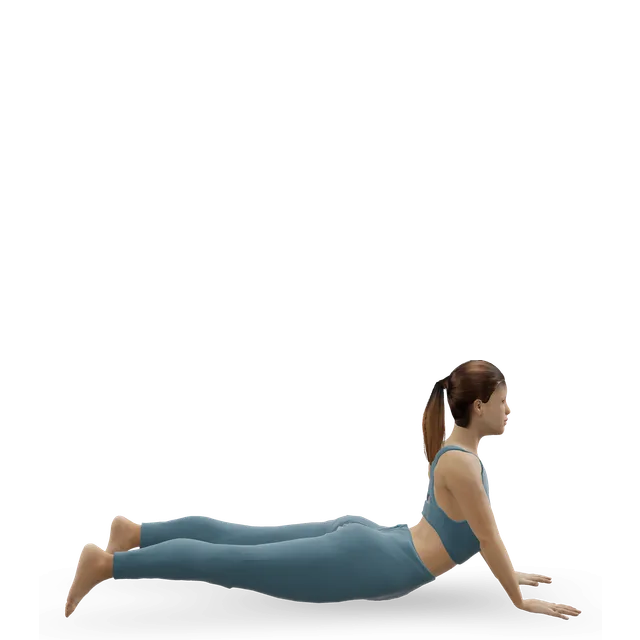 3D demoProne press-up (McKenzie press-up)Beginner · No equipment
 3D demoDouble knee-to-chest stretchBeginner · No equipment
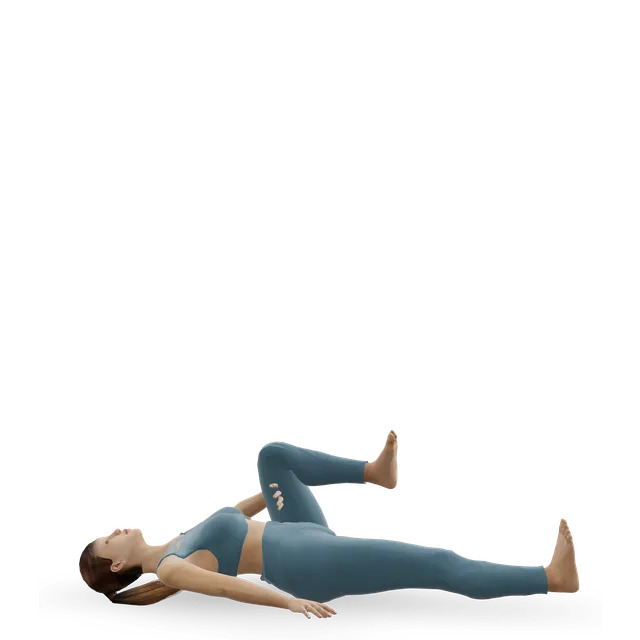 3D demoSingle knee-to-chest stretchBeginner · No equipment
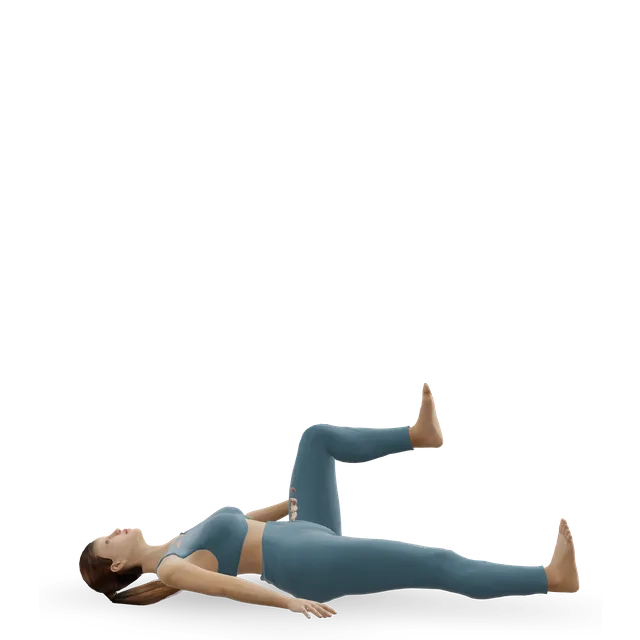 3D demoLying sciatic nerve slider (nerve glide)Beginner · No equipment
Lateral breathing, 5 to 8 breaths at the start of every session; heel slides, 10 slow repetitions each side, once or twice a day; knee folds and fall-outs, 2 sets of 5 to 10 each side, every other day; side kick, 8 to 10 each side, kept small; knee hover, 3 holds of 15 to 30 seconds (the moves' pages); pelvic tilts, 8 to 10; dead bug heel taps, 2 to 3 sets of 6 to 8 each side; the bird dog, 3 sets of 6 to 8 each side (our herniated disc guide's plan); clamshell, 2 sets of 10 each side (our editorial starting point).
 3D demoLateral breathing (Pilates breathing)Beginner · No equipment
 3D demoPelvic tilt into bridgeBeginner · No equipment
 3D demoSupine heel slideBeginner · No equipment
 3D demoKnee foldBeginner · No equipment
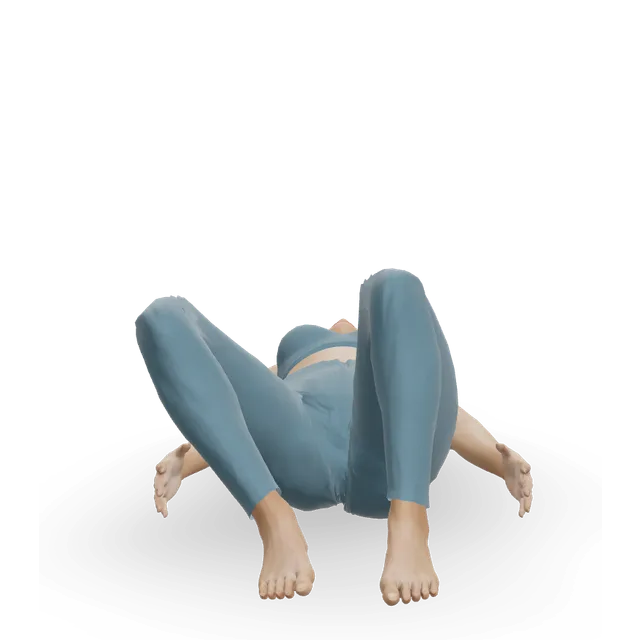 3D demoBent-knee fall-outBeginner · No equipment
 3D demoDead bug heel tapsBeginner · No equipment
 3D demoClamshellBeginner · No equipment
 3D demoSide kick (Pilates side kick series)Beginner · No equipment
 3D demoBird dog, one limb at a timeBeginner · No equipment
 3D demoBird dogBeginner · No equipment
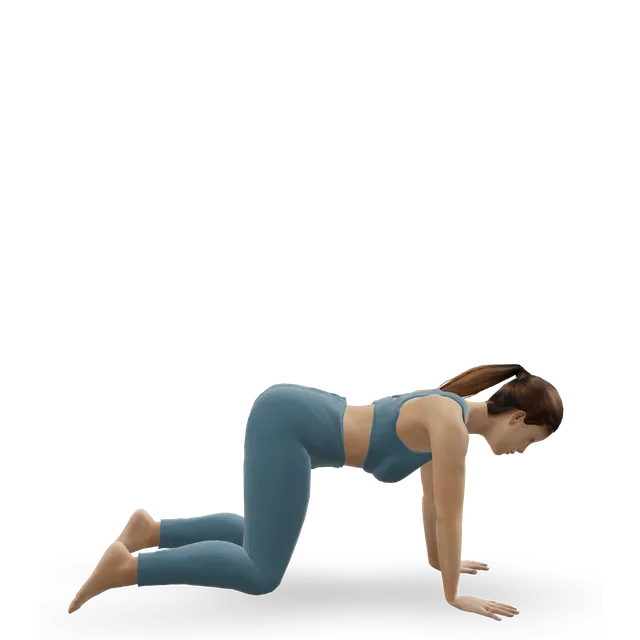 3D demoKnee hover (Pilates tabletop hover)Beginner · No equipment
From about week 2, if your leg is no worse the next day. Glute bridge, 3 sets of 10; knee side plank, 3 holds of 15 to 20 seconds each side (our herniated disc guide's plan); wall side leg lift, 10 to 12 each side; shoulder bridge, 3 to 5 kicks each leg (the moves' pages); sit to stand, 2 sets of 8 to 10; swimming and the swan only if arching suits your leg, as 3 slow, small lifts each side to start (our editorial starting point).
 3D demoGlute bridgeBeginner · No equipment
 3D demoKnee side plankBeginner · No equipment
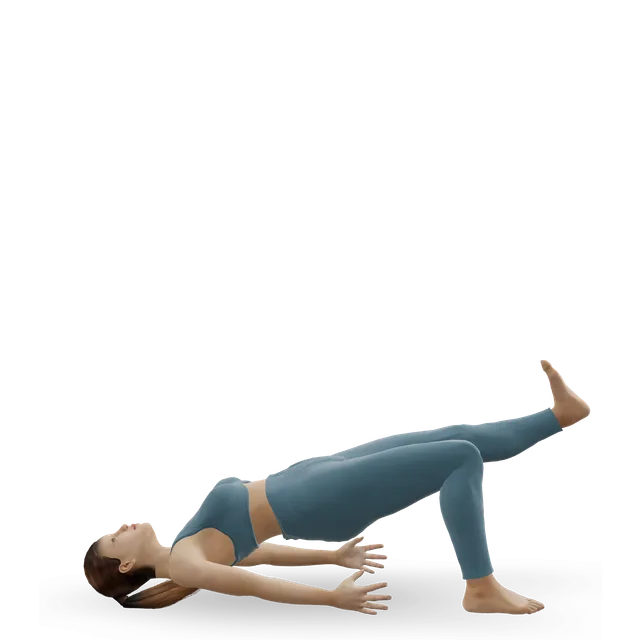 3D demoShoulder bridge (Pilates)Intermediate · No equipment
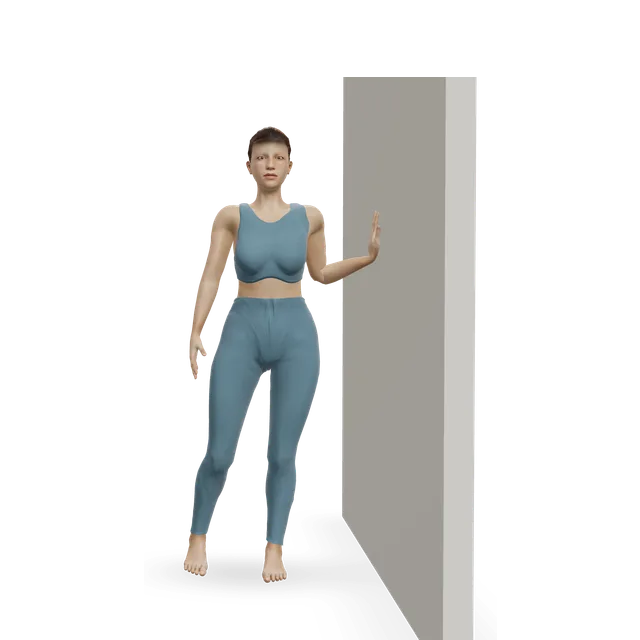 3D demoWall side leg lift (standing side kick at the wall)Beginner · A wall
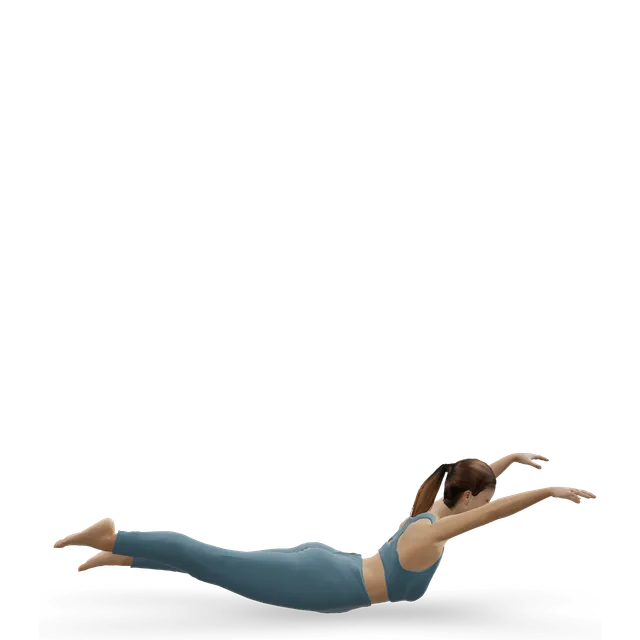 3D demoSwimming (Pilates)Intermediate · No equipment
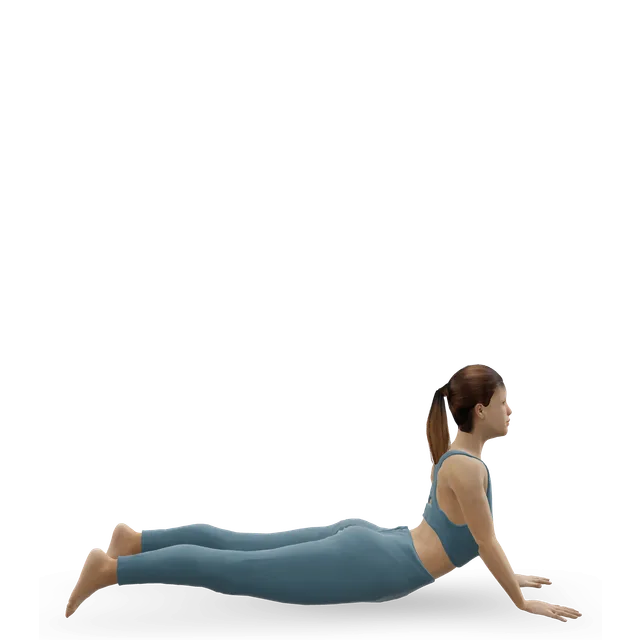 3D demoSwan (Pilates swan dive)Intermediate · No equipment
 3D demoSit to stand from a chairBeginner · A bench or box
Once your leg is settled, add one of these at a time, with your knees bent and head down at first, and keep it if your leg is no worse the next day. Chest lift, 8 to 10 reps; hundred, 50 beats to start, building to 100; single-leg stretch, 6 to 10 each side; half roll back, 5 to 8 reps; spine stretch forward, 3 to 5 reps; saw, 3 to 4 each side; wall roll-down, 3 to 5 slow reps; single-leg circle, 5 circles each direction, each leg, with the other knee bent (the moves' pages).
 3D demoChest lift (Pilates curl-up)Beginner · No equipment
 3D demoHundred (Pilates)Intermediate · No equipment
 3D demoSingle-leg stretch (Pilates one leg stretch)Intermediate · No equipment
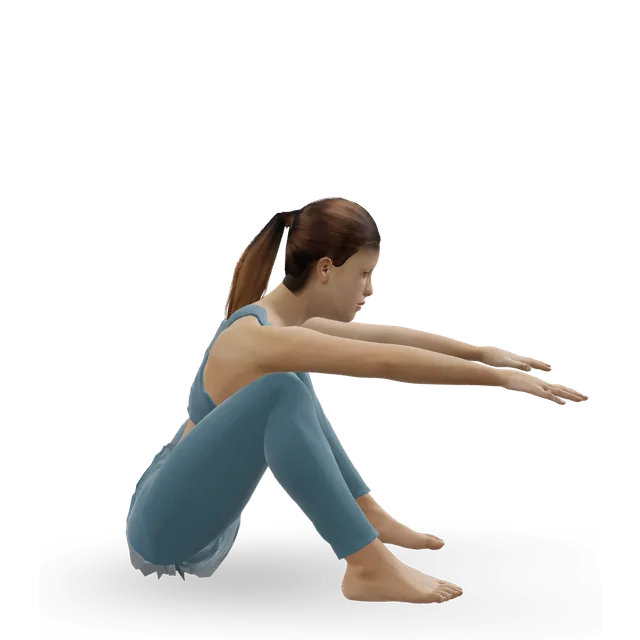 3D demoHalf roll back (Pilates C-curve roll back)Beginner · No equipment
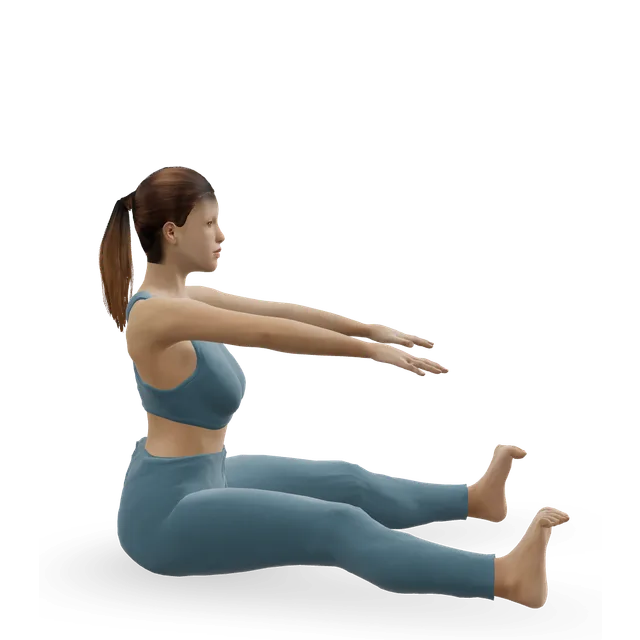 3D demoSpine stretch forward (Pilates spine stretch)Beginner · No equipment
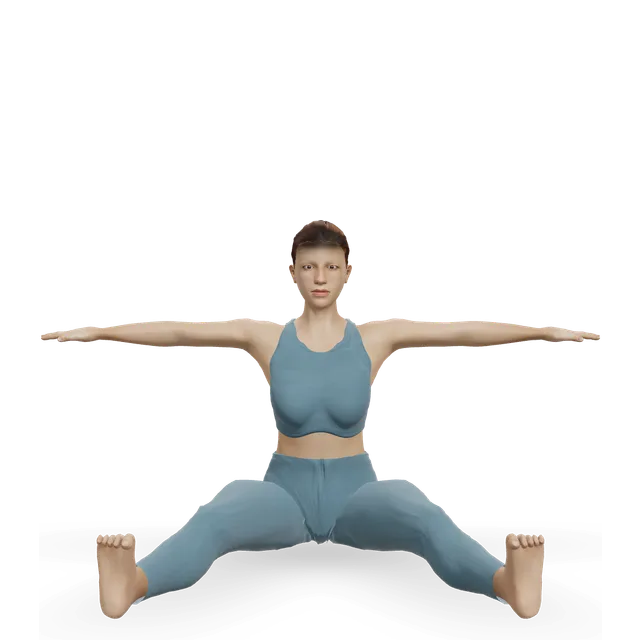 3D demoSaw (Pilates)Intermediate · No equipment
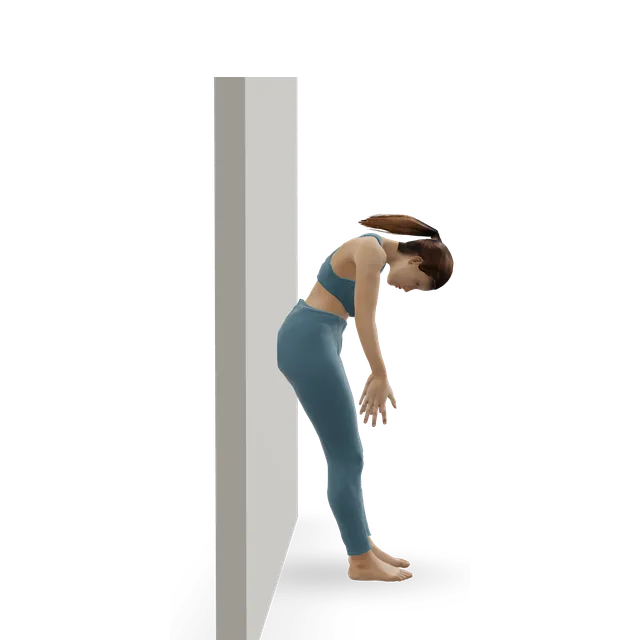 3D demoWall roll-down (wall Pilates)Beginner · A wall
 3D demoSingle-leg circle (Pilates one leg circle)Beginner · No equipment
No trial shows that any Pilates move harms a disc, so these are our suggestions, from how doctors test for an irritated nerve root and the cautions on our Pilates move pages. Bring each back on its own as your leg settles.
The spine stretch forward and the saw: bend your knees or sit on a block. The single and double straight-leg stretches: use knee folds instead. The teaser: leave it for now.
Source 17
Our move pages already say to use the half roll back or skip the roll-up during a disc-related flare, and to avoid the neck pull then. Leave out the roll-over, jack knife, rolling like a ball, open-leg rocker, corkscrew, boomerang, control balance, crab and rocking until your back has settled. The NHS says the type of exercise matters less than whether it causes pain or makes it worse.
Source 2
Do the hundred and the double leg stretch with your knees bent and your head down, or use knee folds and dead bug heel taps instead.
Source 34
Bend the other knee and keep the circles small, or leave them out if they pull down your leg.
Source 17
In a Cochrane review of 22 trials (2,503 people), exercise programmes starting 4 to 6 weeks after disc surgery reduced pain and disability faster than no treatment, though not in the long term, and none of the trials found more repeat operations. Programmes started straight after surgery did no better, and a trial of early rehabilitation found no benefit over no referral. A review of 55 trials found limits on activity after surgery added nothing.
A 2024 review of rehabilitation in the first 3 months after disc surgery describes one trial (Zuo 2021) in people afraid of movement: adding supervised Pilates, twice a day for 6 weeks, to routine care and talking therapy improved function at 6 weeks. It is a single trial, and no study in the review looked at side effects. Follow your surgical team's timetable; our guide to exercise after back surgery has the stages.
Source 38
Start with our 20-minute knees-bent class twice a week, alongside short daily walks. Use the back pain routine with two swaps while your leg is sore: keep the leg circles small with the other knee bent, and leave out the roll-down if bending forward brings on leg pain.
A 20-minute knees-bent Pilates class for a slipped or herniated disc: breathing, back and side-lying moves, one chosen back bend or knee hug, and all fours.
20 minBeginner16 movesNo equipmentA gentle 15-minute Pilates-based routine for ongoing low back pain, built from neutral-spine moves with options for backs that dislike bending or arching.
15 minBeginner10 movesNo equipmentA gentle 25-minute yoga sequence for sciatica: breathing, a nerve glide, poses chosen by how your leg responds, and standing strength, with no straight-leg folds.
25 minBeginner16 movesNo equipmentA 15-minute beginner core workout on the floor: dead bugs, bird dogs, knee planks, side planks and curl-ups.
15 minBeginner6 movesNo equipmentA 15-minute routine of the exercises NHS physiotherapy Pilates classes send home: bridge, knee folds, leg slides, clam, side kick and side openings.
15 minBeginner10 movesNo equipmentOnce your leg is settled, the beginner Pilates plan builds up over 4 weeks; keep the swaps above until each move feels fine.
These are the warning signs from our back pain and sciatica guides, word for word. This is general information, not a diagnosis. In the US, call 911 for 999, and use your doctor's urgent line or urgent care for NHS 111.
Call 999 or go to A&E: loss of feeling or numbness around the genitals or bottom, new trouble peeing or controlling your bladder or bowels, changes in genital sensation during sex or problems with erections or orgasm, or pain, tingling, weakness or numbness in both legs. These are signs of cauda equina syndrome, which needs treating in hospital urgently. Don't drive yourself.
Call 999 or go to A&E: back pain with chest pain, or back pain that started after a serious accident, such as a car crash.
Source 3
Same day: leg weakness that is getting worse.
Same day (urgent GP appointment or NHS 111): new difficulty lifting the front of your foot or toes (foot drop), or a foot that slaps down or catches as you walk, especially if it is getting worse. Weakness in both legs, or with numbness around the genitals or bottom or bladder or bowel changes, is the 999 emergency above.
Same day (GP or NHS 111): back pain and you feel hot, cold, shivery or generally unwell, or severe pain that starts suddenly or is getting worse quickly.
Same day: you have or have had cancer, and new back pain that is severe and doesn't let up, is getting steadily worse, is worse at night and disturbs your sleep, is worse when you cough, sneeze or strain, or comes with tenderness over the spine. Contact your cancer team or GP urgently. With cancer, new weakness, difficulty walking, numbness or bladder or bowel problems are an emergency.
Source 14
Sudden mid or lower back pain after a minor fall, lift, cough or sneeze, especially from 50 or with long-term steroid tablets.
Often worse moving or changing position and eased by lying down. It can be an osteoporotic spinal fracture, so see a GP; height loss or a new curve in the upper back are other signs.
If your sciatica hasn't improved after a few weeks of looking after it at home, is getting worse, or is stopping you doing your normal activities. In many areas you can refer yourself to NHS physiotherapy for back problems.
Back pain that hasn't improved after a few weeks of looking after it at home, stops you doing day-to-day activities, worries you, or you're struggling to cope.
Unexplained weight loss, or a lump, swelling or change in the shape of your back.
Pain that doesn't improve with rest or is worse at night, or pain that is worse when you sneeze, cough or poo.
Call 999 if:
Call 999 or go to A&E (accident and emergency) straight away for severe difficulty breathing (gasping, choking or not able to get words out), a chest that feels tight or heavy, pain that spreads to your arms, back, neck and jaw, lips or skin turning very pale, blue or grey, or sudden confusion. If you're more short of breath than usual, or your heart is racing, fluttering or skipping beats, contact NHS 111.
Source 41
You feel any pain or become unwell, as the NHS advises for its Pilates videos, and especially for chest pain or pressure, unusual breathlessness, dizziness or fainting. If you have a health problem, an injury or any symptoms, get advice from a healthcare professional, such as a GP, before you start.
Source 42
The NHS advises getting advice from a healthcare professional first if you have a health problem, an injury or symptoms, or have recently had a heart attack or an operation.
You may need to rest at first if the pain is very bad, but the NHS says you'll get better more quickly if you gradually start gentle exercise as soon as you can, and not to sit or lie down for long periods. NICE encourages carrying on with normal activities.
No exercise has been shown to move a disc. Herniations often shrink on their own over weeks to months, and most people improve whatever the treatment. Pilates helps, if it does, by keeping you moving and stronger.
Four small, short trials found less pain and disability than no exercise, with no follow-up after the programme. That's promising, not proof.
No trial shows a move harms a disc, and the main Pilates disc trial used roll-downs and forward stretches. Some legs prefer bending forward, others arching back; let your leg decide, then bring bending back gradually.
Pilates with a relaxed tummy did slightly better for disability than with the core held tight, and core-focused exercise is no better than other exercise.
Disc bulges and protrusions are common in people with no pain, and become more common with age.
Source 1
It can be, once your leg allows: it's a gentle way to do the exercise guidelines recommend. Four small trials found less pain and disability after 4 to 8 weeks than no exercise, but they were short and weak. Choose it because you enjoy it and can keep it up.
Usually, yes. The NHS says gentle exercise as soon as you can, and that the type of exercise isn't important as long as it doesn't cause pain or make your back pain worse. Start with knees-bent moves that keep your spine still, and stop any move that sends pain further down your leg.
No trial shows a particular move harms a disc, so this is our suggestion rather than a ban. During a flare, leave out the roll-up, neck pull and rolling moves, and do straight-legged folds such as the spine stretch and saw with your knees bent. Bring them back one at a time.
Moves that keep your knees bent and your spine still: pelvic tilts, heel slides, knee folds, dead bug heel taps, clamshells, a small side kick and the bird dog, plus whichever of a gentle back bend or knee hug eases your leg. Our 20-minute class puts them in order.
The advice is the same at any level: no study has compared Pilates at different levels, and the largest trial included discs from L3 L4 to L5 S1. Your leg's response, not the level on the scan, should guide the moves.
It can be, by the same rule: knees-bent footwork, bridging and side-lying work on light springs are usually fine, and long-lever, straight-legged or rolling work can wait. No trial has compared reformer and mat Pilates for a disc.
Any move can flare a sore nerve for a while, especially straight-legged folds, which stretch the nerve the way doctors test for it. Soreness that settles by the next morning is fine; pain, tingling or numbness spreading further down your leg means make the move smaller or drop it.
Whichever eases your leg or draws the pain up towards your back: about 7 in 10 people with back pain have a direction that helps, and exercising in it did better in a trial. If neither helps, keep to moves that keep your spine still.
In the trials, benefits showed after 4 to 8 weeks of 3 sessions a week. Sciatica itself usually gets better in a few weeks to a few months, so Pilates is one part of recovery, not a quick fix.
When your surgical team says so. Exercise programmes starting about 4 to 6 weeks after disc surgery helped people recover faster, and starting straight away added nothing. One small trial found Pilates helpful in the first 6 weeks; our back surgery guide has the stages.
Neither has been shown to be better: no trial has compared them for a disc, and the WHO found no type of exercise clearly better for back pain. Choose the one whose moves you can do without your leg pain spreading.
Call 999 or go to A&E for numbness around your genitals or bottom, new trouble peeing or controlling your bladder or bowels, or weakness or numbness in both legs: these can be signs of cauda equina syndrome. Leg weakness that is getting worse, or a foot that drags or slaps down, needs help the same day.
Exercise education, not a personal prescription, and clinical review of these guides is pending. If you are pregnant, have a health condition or have had recent surgery, check with a doctor, midwife or physiotherapist before starting, and stop for sharp or increasing pain. Health disclaimer.




