Pilates guide

Pilates for spinal stenosis: leg pain when you walk, why bending forward helps, the moves to change, and a class

Lumbar spinal stenosis is a narrowing of the spaces the nerves run through in your lower back, usually with age. The tell-tale sign is aching, heaviness or tingling in your buttocks and legs when you stand or walk, which eases when you sit down or lean forward. Exercise is a first-line treatment, and Pilates can deliver much of it, as long as it leans forward rather than arching back.

No trial has tested Pilates for stenosis, so this guide builds on what the stenosis trials did: bending-forward exercises, leg strength, stretches, balance, and cycling or walking. Pilates sits beside care from your GP or a physiotherapist, never in place of it. The guide covers how stenosis differs from narrowed leg arteries, what the evidence shows, the moves to use and the ones to skip, the reformer, a free 25-minute class, and the warning signs that need urgent help.

The short version

Legs that ache on walking and ease when you sit

The hallmark is buttock and leg pain, heaviness or tingling on standing and walking that eases when you sit or bend forward, for example leaning on a shopping trolley. It affects about 11% of people and is very uncommon under 50.

Sources 1, 2, 3

Narrowed leg arteries can look similar

Leg pain from narrowed arteries "usually disappears after a few minutes' rest", while stenosis usually needs you to sit or bend forward. The two can happen together, so leg pain on walking needs a diagnosis.

Sources 4, 5

Exercise comes first, but the effect is modest

An NHS spinal service recommends 12 weeks of progressive exercise first. In one trial, physiotherapy built on bending-forward exercises gave the same function as surgery at 2 years, though more than half went on to have surgery. A 2026 analysis found no exercise clearly beat placebo, so expect modest gains.

Sources 1, 6, 7, 8

Bend forward, don't arch

Arching back tends to bring the leg symptoms on and bending forward eases them. Pilates for stenosis means gently rounded and neutral-spine work, and leaving out the face-down back bends if they bring on leg symptoms.

Sources 3, 6

No trial has tested Pilates for stenosis

We found no trial. Pilates can deliver what successful programmes share (strength and trunk exercise, stretches and bending-forward exercise) alongside cycling or walking.

Sources 9, 10

Balance matters too

In a UK trial of 438 people aged 65 and over, a programme with strength, balance, stretches and a walking circuit improved walking and lowered the odds of falling over a year, though not overall disability.

Source 11

What spinal stenosis is

A narrowed canal

The tunnels the nerves run through in your lower back narrow, usually from age changes in the discs, joints and ligaments. NHS inform says "Most narrowing is a normal part of the ageing process and often does not cause problems", and an NHS spinal service expects about three quarters of people over 40 to have moderate narrowing, most of them without symptoms.

Sources 2, 1

The walking patternStrong evidence

Pain, aching, heaviness, cramping, tingling or numbness in the buttocks and legs, "usually worse with walking or standing, and ... relieved by sitting or leaning forward" (NHS inform). The South Tees spinal service calls this the hallmark, "for example leaning forward on a shopping trolley". A review in a US medical journal says it is provoked by arching back and relieved by bending forward. It affects about 11% of people and is very uncommon under 50.

Sources 1, 2, 3

How it's diagnosedEmerging evidence

Mainly from your story and an examination; scans are for when surgery is being considered or something serious is suspected. In older adults with leg pain, the most useful single clues were no pain when sitting and symptoms easing when bending forward.

Sources 5, 1, 2

Spine or arteries?

Peripheral arterial disease causes "a painful ache in their legs when they walk, which usually disappears after a few minutes' rest", the NHS says, and smoking and diabetes make it more likely. Stenosis usually needs you to sit or bend forward for relief. Our lower back pain when walking guide compares the two side by side.

Sources 4, 1

How it usually goesEmerging evidence

Over up to 3 years without surgery, about a third of people improve, about half stay the same and 10% to 20% get worse. An NHS spinal service says up to 60% with mild to moderate symptoms improve quickly or stay the same, and any worsening is usually slow; a North American Spine Society guideline says rapid or severe decline is rare.

Sources 3, 1, 12

What exercise can and can't do

"The purpose of exercise for LSS [lumbar spinal stenosis] is not to change spinal tunnel narrowing but rather to reduce irritation and improve nerve root resiliency to movement", the South Tees service says. NHS inform adds that exercise may also help general function, muscle strength and balance.

Sources 1, 2

What the evidence says

Exercise therapy is first-lineEmerging evidence

An NHS spinal service: "Current guidelines recommend an initial 12 weeks of progressive exercise therapy with or without support from a physiotherapist", such as progressive cycling, an adjusted walking programme and stretching, with swimming when pain is intense. A US review lists activity modification, pain relief and physical therapy as first-line. A North American Spine Society guideline found too little evidence to rate exercise on its own, but called a limited course of active physical therapy an option, and a 2021 guideline suggests starting with exercise, education and hands-on care together.

Sources 1, 2, 3, 12, 13

Physiotherapy matched surgery, but many crossed overEmerging evidence

In 169 people aged 50 and over who were candidates for surgery, physical therapy twice a week for 6 weeks gave the same physical function at 2 years as decompression surgery. The programme was built on bending-forward exercises (pelvic tilts, knees to chest, all-fours rounding), cycling or treadmill walking, leg strength, hamstring and hip flexor stretches, and advice to avoid postures that arch the lower back. But 57% of the physiotherapy group crossed over to surgery. A Cochrane review has very little confidence either way; surgery had side effects in 10% to 24% of people.

Sources 6, 14

Hands-on treatment with exercise helps most, in the short termEmerging evidence

A review of 23 newer trials found moderate-quality evidence that hands-on treatment plus exercise helps more than medical care or group exercise in the short term. In 259 people (average age 72), that combination beat a seniors' group exercise class and medical care at 2 months, but by less than people would notice, and by 6 months the groups were similar; walking improved in all three. Supervised physiotherapy beat home exercise at 6 weeks in 86 people.

Sources 7, 15, 16

A group programme for older adults: walking and falls, not disabilityEmerging evidence

In the UK BOOST trial (438 people aged 65 and over, average 74.9), 12 group sessions over 12 weeks (education, strength at an effort of 5 to 6 out of 10, balance, hip flexor and calf stretches and a 20-minute walking circuit, with home exercise) added about 22 metres to a 6-minute walk at a year and lowered the odds of a fall (about a third fell, against about two fifths with advice alone). Disability was better at 6 months but not at 12.

Source 11

Cycling and walking both have a placeEmerging evidence

In 68 people, cycling and supported treadmill walking, each added to bending-forward exercises, did equally well. Across 13 trials, cycling featured in 5 of 8 successful programmes against 2 of 15 unsuccessful ones, and strength or trunk exercise in 7 of 8; balance exercise was rarely included. Bending-forward exercises with treadmill walking alone did less well than a fuller programme in 58 people.

Sources 17, 10, 18

No trial of Pilates for stenosisStrong evidence

Our searches of Europe PMC found no trial of Pilates, or of core stability exercise on its own, for lumbar spinal stenosis. Pilates can deliver the trunk, strength, stretch and balance parts of the programmes above; it doesn't replace the walking or cycling.

Sources 9, 10

The effect is modestMixed evidence

A 2026 network analysis of 35 trials found that, apart from acupuncture, no non-surgical treatment, exercise included, clearly beat placebo for pain or function, at low certainty. More than half the trials in the main review had fewer than 30 people per group. Exercise is still the first step, but expect walking to improve gradually rather than the narrowing to go away.

Sources 8, 7

Injections and surgeryStrong evidence

The National Institute for Health and Care Excellence (NICE) says don't use epidural injections for leg symptoms from central canal stenosis, and a review found epidural steroids not effective. Decompression surgery can help some people whose symptoms don't improve; it's a shared decision, best made after a good try of exercise.

Sources 19, 7, 3, 14

How to practise: bend forward, don't arch

Walk in intervals

"It's safe for people to continue walking with leg pain as long as symptoms remain acceptable", the South Tees service says. Walk until the leg symptoms start to build, sit or lean forward until they ease, then carry on: 10 minutes in total to start, most days (our spinal stenosis guide's plan). Track your walking time and distance as the measure that should improve.

Sources 1, 2

Cycle on other days

An exercise bike lets you work your heart and legs while you sit bent forward: 10 to 15 minutes, easy, building to 20 to 30 (our spinal stenosis guide's plan).

Sources 1, 17

How the strength work should feel

Some discomfort during exercise is fine, and it does not mean you are doing damage: the WHO counts "hurt does not necessarily mean harm" among the messages people with back pain need. Aim for pain you would call mild to moderate, no more than about 5 out of 10. It should settle within an hour or so, and your back should be no worse the next morning. If it is worse, do less next time (fewer reps, a smaller range, a lighter load), not nothing.

Skip or shrink any move that brings on leg symptoms. BOOST asked for strength work at an effort of about 5 to 6 out of 10, where the exercise feels hard.

Sources 20, 21, 11

Two or three sessions a week, for 12 weeks

The NHS service suggests 12 weeks of progressive exercise; the trial programmes ran twice a week. Our editorial starting point: the 25-minute class below 2 or 3 times a week, alongside walking or cycling on most days.

Sources 1, 6, 11

With osteoporosis too

Stenosis and osteoporosis often go together after 60. Gentle rounding eases stenosis, but loaded or end-range rounding is what our Pilates for osteoporosis guide changes, so choose pelvic tilts, gentle knee hugs and head-down dead bugs rather than roll-ups and deep folds.

Reformer Pilates

No trial has tested it for stenosis. Footwork, where you lie with your hips and knees bent, and bridging tend to suit stenosis; back extension over the long box doesn't (our suggestion).

Source 9

Bend forward and get moving

Bike, 10 to 15 minutes, easy; knee hugs, 3 holds of 20 to 30 seconds or 10 slow rocks; pelvic tilts, 10 slow reps; walking in intervals, 10 minutes in total (our spinal stenosis guide's plan); recumbent bike, 10 to 20 minutes, building towards 30; cat-cow, 8 waves, slower than feels natural, spending longer in the rounded cat (the moves' pages); child's pose, 30 seconds (our editorial starting point).

On your back and side

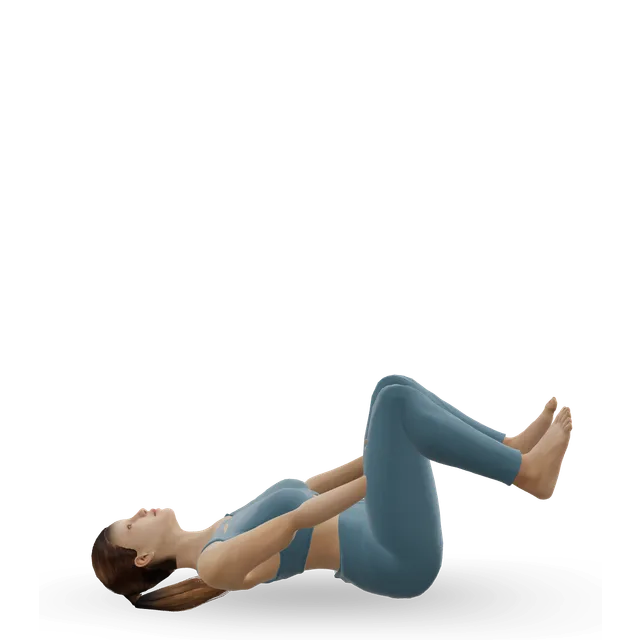
Lateral breathing, 5 to 8 breaths at the start of every session; heel slides, 10 slow repetitions each side, once or twice a day; knee folds, 2 sets of 5 to 10 each side, every other day; hundred, 50 beats to start, building to 100, with your knees bent and head down; chest lift, 8 to 10 reps; side kick, 8 to 10 each side (the moves' pages); dead bug heel taps, 2 sets of 8 each side; glute bridge to a straight line, not an arch, 3 sets of 10; knee side plank, 3 holds of 15 to 20 seconds each side (our spinal stenosis guide's plan); clamshell, 2 sets of 10 each side, and the bird dog one limb at a time, 2 sets of 6 each side (our editorial starting point).

Sitting and standing

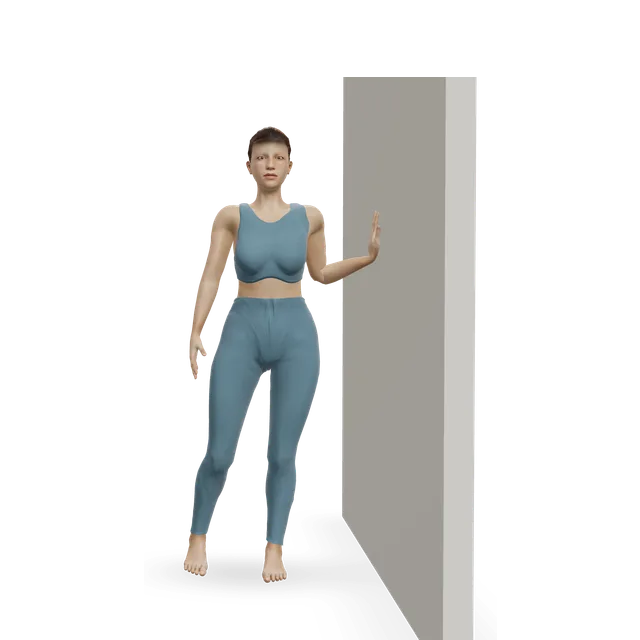
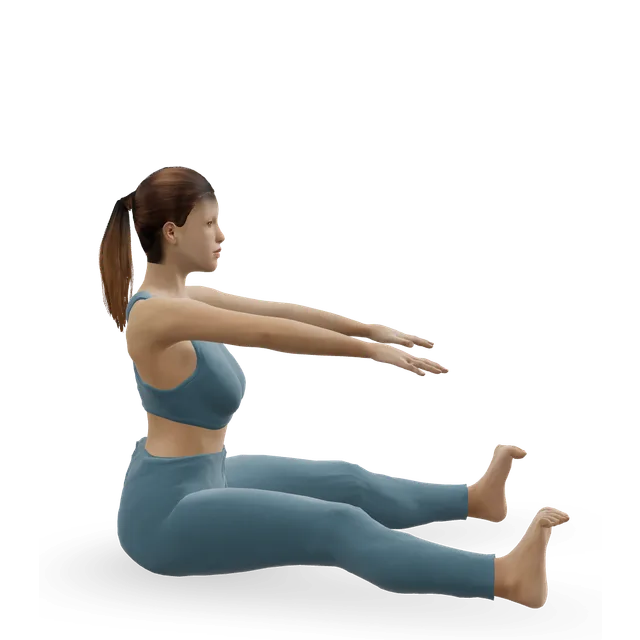
Sit to stand, 3 sets of 8 to 10; hamstring and hip flexor stretches, 2 to 3 holds of 30 seconds each side, with your pelvis tucked; tandem stance, 3 holds of 20 to 30 seconds with a hand on the counter (our spinal stenosis guide's plan); wall side leg lift, 10 to 12 each side; seated spine stretch forward, 3 to 5 reps (the moves' pages); seated knee extension, 2 sets of 10 each leg (our editorial starting point). If your legs build up while standing, sit or lean forward on the counter until they ease.

Moves to change or skip

No trial has tested a list of Pilates moves to avoid with stenosis; these follow how stenosis behaves and our move pages' cautions.

Face-down back bends

The swan, swimming, single and double leg kicks, the sphinx and the press-up arch the lower back. Leave them out if they bring on leg symptoms; our sphinx and press-up pages already say to skip them with spinal stenosis. Do the bird dog one limb at a time instead.

Sources 3, 6

Long spells of standing still

Standing still builds the leg symptoms up. Break standing work with a forward lean on the counter or a sit, then carry on.

Sources 1, 2

Lying flat with straight legs

Lying with your legs out straight can tip your lower back into an arch; bend your knees or put a cushion under them (our suggestion).

Deep or loaded rounding with osteoporosis

If you also have osteoporosis, keep the roll-up, roll-downs and deep folds out and use the head-down, gentle versions, as our move pages advise.

Classes to follow

Start with our 25-minute bend-forward class 2 or 3 times a week, with cycling or interval walking on other days. The chair class suits days when standing builds your legs up; leave out the sphinx in the back pain routine.

Follow a plan

Use the walking plan in intervals, sitting or leaning forward when your legs build up, and the beginner Pilates plan with this guide's swaps.

Warning signs: when to get help

These are the warning signs from our back pain, sciatica and lower back pain when walking guides, word for word. This is general information, not a diagnosis. A&E means accident and emergency; in the US, call 911 for 999, and use your doctor's urgent line or urgent care for NHS 111.

Call 999 or go to A&E

Call 999 or go to A&E: loss of feeling or numbness around the genitals or bottom, new trouble peeing or controlling your bladder or bowels, changes in genital sensation during sex or problems with erections or orgasm, or pain, tingling, weakness or numbness in both legs. These are signs of cauda equina syndrome, which needs treating in hospital urgently. Don't drive yourself.

Call 999 or go to A&E: back pain with chest pain, or back pain that started after a serious accident, such as a car crash.

Call 999 or go to A&E: a leg that is suddenly cold, pale, numb, weak or very painful. A sudden loss of blood supply to a leg is a vascular emergency.

Sources 22, 23

The same day

Same day: leg weakness that is getting worse.

Same day (urgent GP appointment or NHS 111): new difficulty lifting the front of your foot or toes (foot drop), or a foot that slaps down or catches as you walk, especially if it is getting worse. Weakness in both legs, or with numbness around the genitals or bottom or bladder or bowel changes, is the 999 emergency above.

Same day (GP or NHS 111): back pain and you feel hot, cold, shivery or generally unwell, or severe pain that starts suddenly or is getting worse quickly.

Same day: you have or have had cancer, and new back pain that is severe and doesn't let up, is getting steadily worse, is worse at night and disturbs your sleep, is worse when you cough, sneeze or strain, or comes with tenderness over the spine. Contact your cancer team or GP urgently. With cancer, new weakness, difficulty walking, numbness or bladder or bowel problems are an emergency.

Source 22

Leg pain on walking: the spine or the arteries

Buttock or leg pain, heaviness or tingling that comes on when you stand or walk and only eases when you sit or bend forward, or the distance you can walk keeps shrinking: see a GP or physiotherapist (possible spinal stenosis). Leg weakness that is getting worse, or numbness around your genitals or bottom, is urgent (above).

Leg ache when you walk that goes after a few minutes' rest: possible peripheral arterial disease (narrowed leg arteries), especially if you smoke or have diabetes.

Walking keeps getting harder despite pacing and the plan, or you're planning your days around it: see a GP or physiotherapist, and ask about a walking aid and a falls check (our suggestion).

Sources 1, 2, 4

After a fall

Sudden mid or lower back pain after a minor fall, lift, cough or sneeze, especially from 50 or with long-term steroid tablets.

Often worse moving or changing position and eased by lying down. It can be an osteoporotic spinal fracture, so see a GP; height loss or a new curve in the upper back are other signs.

See a GP

Back pain that hasn't improved after a few weeks of looking after it at home, stops you doing day-to-day activities, worries you, or you're struggling to cope.

Unexplained weight loss, or a lump, swelling or change in the shape of your back.

Pain that doesn't improve with rest or is worse at night, or pain that is worse when you sneeze, cough or poo.

Source 22

Chest pain or fainting while exercising: call 999

Call 999 if:

  • You get sudden pain or discomfort in your chest that doesn't go away; it can feel like squeezing or pressure, burning or indigestion.
  • The pain spreads to your left or right arm, or your neck, jaw, stomach or back.
  • You have chest pain and feel sweaty, sick, light-headed or short of breath.
  • Someone faints while exercising, can't be woken within 1 minute, or has chest pain or a pounding, fluttering or irregular heartbeat.

Sources 24, 25

Unusual breathlessness

Call 999 or go to A&E (accident and emergency) straight away for severe difficulty breathing (gasping, choking or not able to get words out), a chest that feels tight or heavy, pain that spreads to your arms, back, neck and jaw, lips or skin turning very pale, blue or grey, or sudden confusion. If you're more short of breath than usual, or your heart is racing, fluttering or skipping beats, contact NHS 111.

Source 26

Stop the session if

You feel any pain or become unwell, as the NHS advises for its Pilates videos, and especially for chest pain or pressure, unusual breathlessness, dizziness or fainting. If you have a health problem, an injury or any symptoms, get advice from a healthcare professional, such as a GP, before you start.

Source 27

Before you start

The NHS advises getting advice from a healthcare professional first if you have a health problem, an injury or symptoms, or have recently had a heart attack or an operation.


Myths

"With stenosis you must never bend forward"Strong evidence

The opposite: bending forward widens the space for the nerves and eases the legs, and the physiotherapy that matched surgery was built on bending-forward exercises. Osteoporosis is a separate reason to change loaded rounding.

Sources 3, 6, 1

"Pilates opens up the narrowing"Strong evidence

Exercise doesn't change the narrowing; it calms nerve irritation and builds your tolerance for walking.

Sources 1, 2

"Walking makes it worse, so stop walking"Emerging evidence

Walking is safe while symptoms stay acceptable, in intervals with rests, and a walking circuit was part of the programme that improved walking and cut falls.

Sources 1, 2, 11

"Surgery is the only real fix"Mixed evidence

In one trial physiotherapy matched surgery at 2 years, though many crossed over, and a Cochrane review can't say which is better. Mild to moderate stenosis rarely gets worse quickly.

Sources 6, 14, 12

"A Pilates trial proved it works for stenosis"Strong evidence

We found no trial of Pilates for spinal stenosis.

Source 9

Questions people ask

Is Pilates good for spinal stenosis?

It can be, adapted. No trial has tested Pilates for stenosis, but it can deliver what successful programmes share: trunk and leg strength, stretches and bending-forward exercises. Pair it with cycling or walking.

Is Pilates bad for spinal stenosis?

Not if you change the back bends. Arching back tends to bring stenosis symptoms on, so leave out the swan, swimming and other face-down back bends if they bring on leg symptoms, and favour gently rounded and neutral-spine moves.

What are the best Pilates exercises for spinal stenosis?

Pelvic tilts, knee hugs, the hundred with your knees bent, dead bug heel taps, clamshells, side kicks, the rounded cat part of cat-cow, sit to stands and balance at a counter. These match the bending-forward and strength exercises in the stenosis trials, and our 25-minute class puts them together.

What are the contraindications for Pilates with stenosis?

No guideline lists Pilates contraindications for stenosis, but face-down back bends and long spells of standing still tend to bring symptoms on. Leg weakness that is getting worse, or numbness around your genitals or bottom, means getting help before any class.

Is reformer Pilates OK with spinal stenosis?

Usually, with the same rule: footwork and bridging tend to suit stenosis, and back extension over the box doesn't. No trial has tested the reformer for stenosis, so tell your teacher about your legs.

Is walking or cycling better for spinal stenosis?

Use both. Cycling did as well as supported treadmill walking in one trial and featured in most successful programmes; walking further is usually the goal, so walk in intervals and sit or lean forward when your legs build up.

Can exercise reverse spinal stenosis?

No: exercise doesn't change the narrowing. It aims to calm nerve irritation and build your tolerance, so track your walking time and distance as the measure.

Does Pilates help severe spinal stenosis?

Severe stenosis hasn't been studied with Pilates. With severe or worsening symptoms, see your GP or spinal team first; surgery is a shared decision after a good try of exercise.

How long before exercise helps stenosis?

Guidelines suggest an initial 12 weeks of progressive exercise, and in trials walking improved over 6 to 12 weeks. The gains are modest, and many people improve or stay the same over time anyway.

Is yoga or Pilates better for spinal stenosis?

Neither has been tested for stenosis, so neither is proven better. Choose moves that bend forward or keep your spine neutral; in yoga that means skipping cobra and other back bends.

Is Pilates OK with stenosis in my neck?

This guide is about the lower back. With stenosis in your neck, leave out moves that put weight on your neck and see our Pilates for neck pain guide. Call 999 or go to A&E: new problems walking, loss of bladder or bowel control, or a sudden loss of coordination, such as difficulty doing up buttons. These can be signs of pressure on the spinal cord.

Leg pain when walking: stenosis or my arteries?

Stenosis usually needs you to sit or bend forward for relief; leg pain from narrowed arteries usually goes after a few minutes' rest, and is more likely if you smoke or have diabetes. The two can happen together, so get it checked.

Sources

  1. South Tees Hospitals NHS Foundation Trust · Ten lumbar spinal stenosis facts
  2. NHS inform · Spinal stenosis
  3. Katz 2022 · Diagnosis and management of lumbar spinal stenosis (review, JAMA)
  4. NHS · Peripheral arterial disease (PAD)
  5. Suri 2010 · Clues to spinal stenosis in older adults with leg pain: 4 studies, 741 people (systematic review, JAMA)
  6. Delitto 2015 · Physical therapy or decompression surgery for spinal stenosis in 169 people (randomised trial, Ann Intern Med; read in full)
  7. Ammendolia 2022 · Non-surgical treatment for spinal stenosis with leg symptoms on walking (systematic review, BMJ Open; read in full)
  8. Chen 2026 · Non-surgical treatments for spinal stenosis with leg symptoms on walking: 35 trials (network meta-analysis, Integr Med Res)
  9. Europe PMC · Our search for trials of Pilates in spinal stenosis (October 2026)
  10. Comer 2024 · What successful exercise programmes for spinal stenosis share: 13 trials, 1,440 people (systematic review, Clin Rehabil; read in full)
  11. Williamson 2022 · The BOOST trial: a physiotherapy group programme for 438 older adults with leg symptoms from stenosis (randomised trial, J Gerontol A Biol Sci Med Sci; read in full)
  12. Kreiner 2013 · North American Spine Society guideline on degenerative lumbar spinal stenosis (guideline, Spine J; read in full)
  13. Bussières 2021 · Non-surgical care for spinal stenosis with leg symptoms on walking (clinical practice guideline, J Pain)
  14. Zaina 2016 · Surgery or non-surgical care for lumbar spinal stenosis: 5 trials, 643 people (Cochrane review)
  15. Schneider 2019 · Hands-on treatment with exercise, group exercise or medical care for spinal stenosis in 259 people (randomised trial, JAMA Netw Open; read in full)
  16. Minetama 2019 · Supervised physical therapy or home exercise for spinal stenosis in 86 people (randomised trial, Spine J)
  17. Pua 2007 · Supported treadmill walking or cycling for spinal stenosis in 68 people (randomised trial, Aust J Physiother)
  18. Whitman 2006 · Two physical therapy programmes for spinal stenosis in 58 people (randomised trial, Spine)
  19. NICE NG59 · Low back pain and sciatica in over 16s (recommendations, last updated July 2026)
  20. World Health Organization 2023 · Guideline for non-surgical management of chronic primary low back pain in adults (guideline; read in full)
  21. Smith 2017 · Painful or pain-free exercise for long-lasting muscle and joint pain: 7 trials (meta-analysis, Br J Sports Med)
  22. NHS · Back pain
  23. NHS · Sciatica
  24. NHS · Chest pain (past its review date: reviewed August 2023, review due August 2026)
  25. NHS · Fainting
  26. NHS · Shortness of breath
  27. NHS · Back pain Pilates video workout (past its review date: reviewed August 2022, review due August 2025)

Exercise education, not a personal prescription, and clinical review of these guides is pending. If you are pregnant, have a health condition or have had recent surgery, check with a doctor, midwife or physiotherapist before starting, and stop for sharp or increasing pain. Health disclaimer.