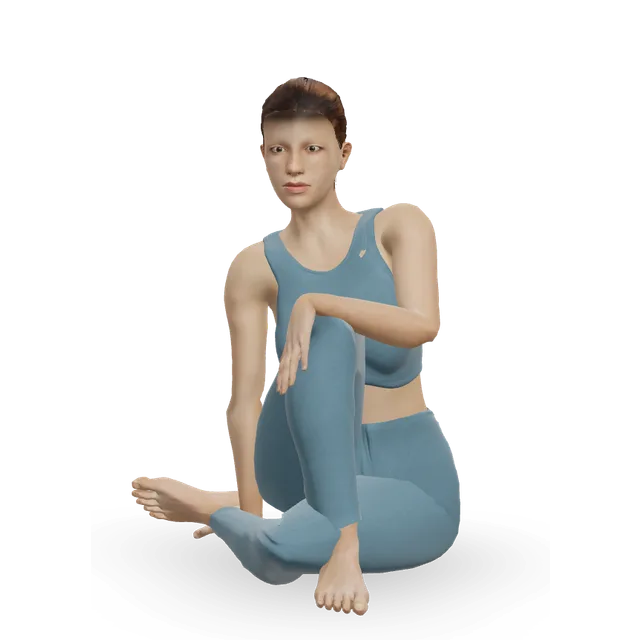
Yoga guide

Yoga for spondylolisthesis: the slip, the poses to avoid or change, and a 25-minute class

Spondylolisthesis means a vertebra in your lower back has slipped forward on the one below. Spondylolysis is a stress fracture in the thin bridge of bone at the back of a vertebra, which can lead to a slip. Both are common, often cause no pain at all, and rarely get much worse. Yoga can be a good way to stay strong and moving with a slip, but it hasn't been tested: we found no trial of yoga in spondylolisthesis, so this guide borrows from the exercise trials in spondylolisthesis and from yoga for back pain in general, and says when it does.

The changes that matter are simple: build trunk strength with your spine still, rest in poses that bend forward, and leave the deep backbends out or bring them back slowly. Yoga sits beside care from your GP or physiotherapist, never in place of it, and a teenager with a fresh stress fracture follows their clinician's plan first.

This guide covers what the slip is, the poses to start with and to change, young athletes and dancers, what the evidence shows, a free 25-minute class with a 3D demo of every move, and the warning signs that need 999.

The short version

No yoga trial yet

Our searches found no trial of yoga in people with spondylolisthesis or spondylolysis. Yoga can supply the strength, balance and movement that exercise programmes for a slip use, but it hasn't been shown to be better or worse than other exercise.

Source 1

A slip is common, and often painless

On scans of community adults aged 40 to 80, about 1 in 9 had a stress fracture and about 1 in 7 a slip from wear, and neither was linked with back pain. Reviews of many studies agree: a slip on a scan is often not the cause of the pain, and not a reason to stop moving.

Sources 2, 3, 4

Exercise first, though the trials are small

In small trials, trunk exercise eased pain and disability in adults with a slip, and in older adults bending-forward exercises did as well as stabilisation exercises. Pooled, the trials are too few and small to be sure how much exercise helps, and a spine society found no studies good enough to rate physiotherapy for a slip from wear.

Sources 5, 6, 7, 8

Choose the comfortable direction

The NHS describes pain that is often eased by sitting or bending forward. Rest in poses that bend forward if they ease you, keep your spine still while your trunk works, and if arching brings on pain or tingling in your legs, leave it out.

Sources 9, 10, 6

Change the deep backbends

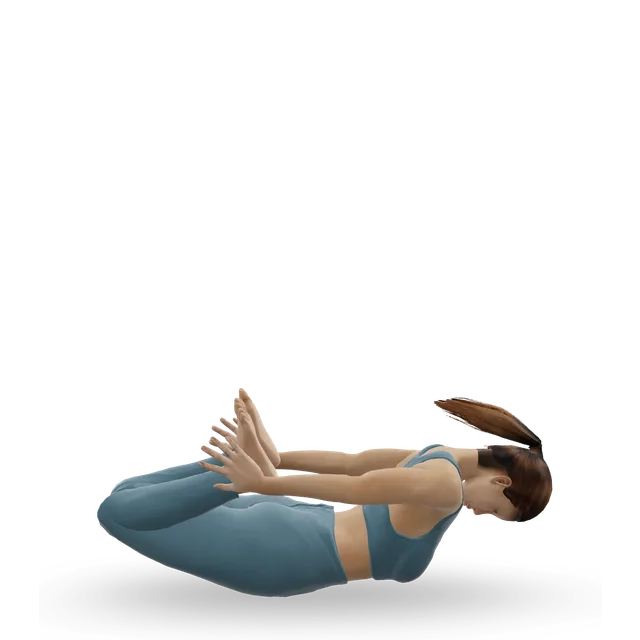
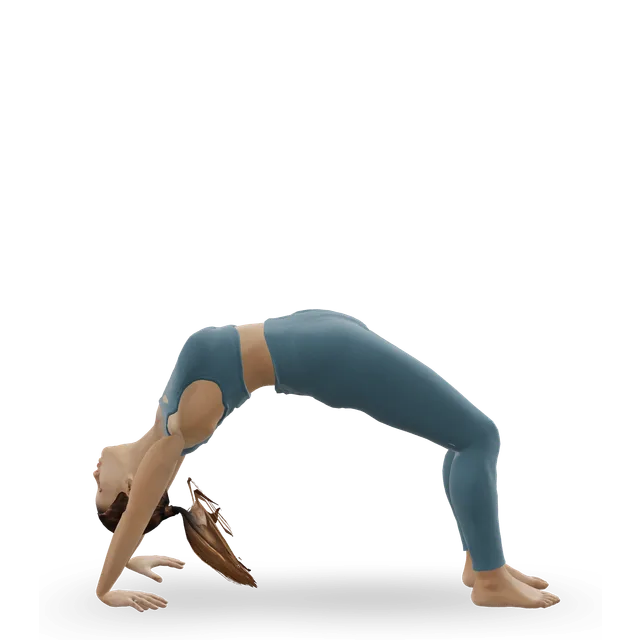
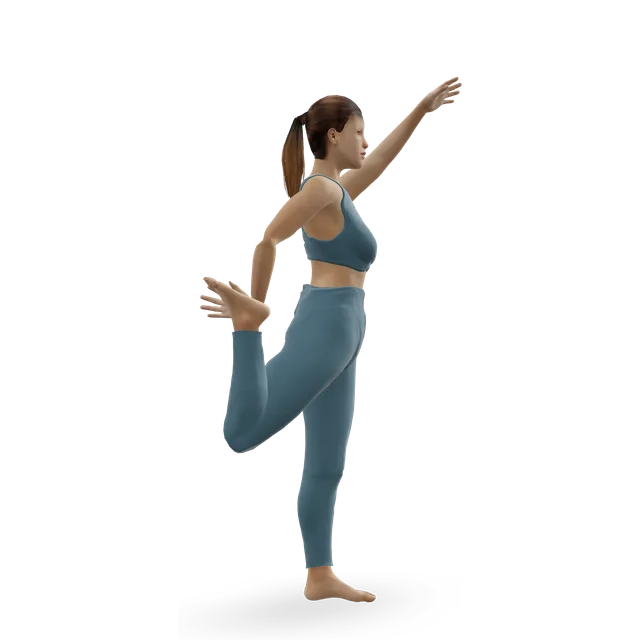
Stress fractures of the spine are commonest in sports that arch and twist the lower back again and again, and a US clinic's series of people hurt by yoga blamed poses at the extremes of bending and arching. So we suggest leaving out wheel, camel, bow, dancer, full cobra and upward-facing dog (our reading: no study has tested these poses in a slip).

Sources 11, 12

Teenagers with a fresh stress fracture follow their clinician

In a 2026 trial in 64 young athletes, starting physiotherapy within a week, out of their sport, beat resting first, and arching came back only once bending forwards and backwards was pain-free. A general yoga class isn't the treatment.

Source 13

What spondylolisthesis is

Two words, two problems

Spondylolysis is a crack, usually a stress fracture, in the pars interarticularis, a thin bridge of bone at the back of a vertebra, most often the lowest one (L5). Spondylolisthesis is a vertebra that has slipped forward on the one below. The two main kinds are isthmic, from a pars crack, and degenerative, from wear in the small joints and disc. The NHS: it "is not the same as a slipped disc".

Sources 9, 2, 8

Three groups, three stories

Young athletes and dancers: a stress fracture from repeated arching and twisting. In one US sports clinic it explained the back pain of 47 of 100 teenage athletes, against 5 of 100 adults, and 30% of 1,025 teenage athletes with back pain had one. Rates are highest in diving, cricket fast bowling, baseball, rugby, weightlifting and gymnastics.

Adults with an isthmic slip: the crack usually dates from childhood. In 500 children followed from the age of 6, cracks rose from 4.4% to 6% by adulthood, and slips rarely progressed after the teenage years.

Older adults with a degenerative slip: mostly at L4 to L5 and more often in women, rising with age. On CT scans, 7.7% of men and 21.3% of women aged 40 to 80 had one; it often comes with spinal stenosis, a narrowing of the spaces the nerves run through.

Sources 14, 15, 11, 16, 17, 2, 18

Common, and often painlessStrong evidence

Scans of people without back pain show a slip in 14% at 50 and 23% at 60. In adults 50 or younger, a slip was no more common with back pain than without, and a review of 15 population studies found no strong or consistent link between a crack or isthmic slip and back pain. In older Japanese adults, a slip went with the leg symptoms of stenosis rather than with back pain.

Sources 19, 3, 4, 20

How it usually goesEmerging evidence

Followed for 45 years, slips slowed with each decade and none passed 40% of the vertebra's width. In 145 older adults with a degenerative slip managed without surgery for 10 years or more, the slip got worse in 34%, with no link to their symptoms, and 76% of those without nerve problems at the start never developed them.

In young people treated without surgery, 84% did well after at least a year, whether or not the crack healed.

Sources 21, 22, 23

What the NHS lists

Lower back pain, often worse when standing or walking and eased by sitting or bending forward; pain spreading to the bottom or thighs; tight hamstrings; and pain, numbness or tingling down one leg (sciatica). Treatment includes avoiding the activities that make your symptoms worse, painkillers, and physiotherapy "to strengthen and stretch the muscles in your lower back, tummy and legs".

Source 9

What the evidence says

No trial has tested yoga in spondylolisthesis, so this section draws on the exercise trials in people with a slip and on yoga for back pain in general, and says where it does.

No yoga trialsStrong evidence

Our searches of PubMed and Europe PMC found 2 records on yoga and spondylolisthesis, neither a trial, and none on yoga and spondylolysis. The Cochrane review of yoga for back pain covers back pain without a specific cause, so its results can't be assumed for a slip.

Sources 1, 24

Trunk exercise in adults with a slipEmerging evidence

In 44 adults with long-lasting back pain and a crack or slip, 10 weeks of training the deep tummy and back muscles together, then using them in the positions that hurt, reduced pain and disability, and the gains held at 30 months; the comparison group, treated as their own practitioners chose, didn't change. The report doesn't give the size of the effect, and it was one small trial.

Source 5

Bending forward did as well as stabilisationEmerging evidence

In 92 adults over 50 with a degenerative slip, 6 months of bending-forward exercises did as well as stabilisation exercises for back pain, leg pain and disability. There was no group without exercise. In 26 people with a small slip, stabilisation and general exercise both helped, about equally, and the slip itself didn't change.

Sources 6, 25

Pooled, the effect on pain is unclearEmerging evidence

Across 5 small trials (198 people), stabilisation exercise showed a trend towards less disability but no clear effect on pain, and the trials disagreed with each other. The honest summary: exercise is the sensible first step, but no type has been shown to be best.

Source 7

Bending forward against archingMixed evidence

In 48 people with spondylolisthesis, those taught bending-forward exercises had far less moderate or severe pain than those taught arching exercises: 27% against 67% at 3 months, and 19% against 67% at 3 years. The study looked back at past records rather than randomising, so it supports favouring the comfortable direction, not a rule.

Source 10

What guidelines sayEmerging evidence

The North American Spine Society found no studies good enough to recommend for or against physiotherapy or exercise for a degenerative slip, and says that when leg symptoms of stenosis dominate, care should follow care for spinal stenosis. NICE (the National Institute for Health and Care Excellence) has no advice specific to a slip; for back pain it suggests considering a group exercise programme (biomechanical, aerobic, mind-body or a combination), without naming yoga. The NHS lists physiotherapy to strengthen and stretch the lower back, tummy and legs.

Sources 8, 26, 9

Yoga for back pain in general helps a littleEmerging evidence

Across 21 trials (2,223 people), yoga improved back function and pain slightly at 3 months compared with no exercise, by less than the amounts usually counted as important, and did about as well as other back exercise. Reviews to 2026 find no mind-body exercise, yoga included, clearly better than another. These trials weren't in people selected for a slip.

Sources 24, 27, 28

Yoga and injuriesMixed evidence

Among 89 people whose injuries a US clinic judged to be caused by yoga, 15 had spondylolisthesis on their scans, and the poses most often blamed bent or arched the spine to its extremes. We could read only the summary, which doesn't say yoga caused the slips or name the poses. In back pain trials, yoga caused more brief flares of back pain than no exercise, and about as many as other exercise.

Sources 12, 24

Surgery, when leg symptoms don't settleEmerging evidence

Surgery is recommended for stenosis symptoms with a degenerative slip that haven't settled with non-surgical care. In a Norwegian trial of 267 people, taking pressure off the nerves without a fusion did as well as adding one, at 2 and at 5 years. Most people with a slip never need surgery; our spondylolisthesis guide covers the trials.

Sources 8, 29, 30, 31

Your direction, and the pain rule

The back pain rule

Some discomfort during exercise is fine, and it does not mean you are doing damage: the WHO counts "hurt does not necessarily mean harm" among the messages people with back pain need. Aim for pain you would call mild to moderate, no more than about 5 out of 10. It should settle within an hour or so, and your back should be no worse the next morning. If it is worse, do less next time (fewer reps, a smaller range, a lighter load), not nothing.

Leg symptoms are the exception: stop or shrink any movement that sends pain, pins and needles or numbness further down your leg. If leg symptoms move back towards your spine, that is a good sign, even if your back aches a little more for a while.

Source 32

Adults with a slip, and teenagers with a fresh fracture

Adults with an established slip: some discomfort is fine and doesn't mean damage, as the Chartered Society of Physiotherapy explains. Aim for no more than about 5 out of 10, settling within an hour or so and no worse the next morning. If it is worse, do less next time, not nothing. Stop or shrink any move that sends pain, pins and needles or numbness further down a leg. The 5 out of 10 figure is editorial, matching this site's other back guides.

Young athletes with an active stress fracture: exercises and daily activities shouldn't bring on the back pain. Move to the next stage only when you can bend forwards and backwards 10 times standing without pain, and later run, jump and train without pain. Ordinary muscle effort and stretch are fine; back pain is not. If an exercise brings the pain back, tell your physiotherapist and step back for a few days. In the trial, athletes were told that pushing through pain could slow their return to sport, and a specialist programme stops or changes any activity that makes the pain worse during or after it.

Source 13

Rest in the direction that eases you

If bending forward eases your back, rest in knees to chest and child's pose. If it doesn't matter either way, use both. Keep backbends out while arching brings on pain, tingling or numbness in your legs, and bring them back slowly once it doesn't (our suggestion, from the trials above).

If leg symptoms build as you walk and ease when you sit or bend forward, walk in intervals: walk until they build, sit or lean forward until they ease, then go again, as in the spinal stenosis guide.

Sources 9, 10, 6

Tell the teacher

Tell the teacher you have a slip, which way your back likes to move, and that you'll skip the deep backbends (our suggestion).

You can say no to any hands-on adjustment, and a teacher registered with Yoga Alliance must get your explicit consent each time.

Poses to start with: settle in the comfortable direction

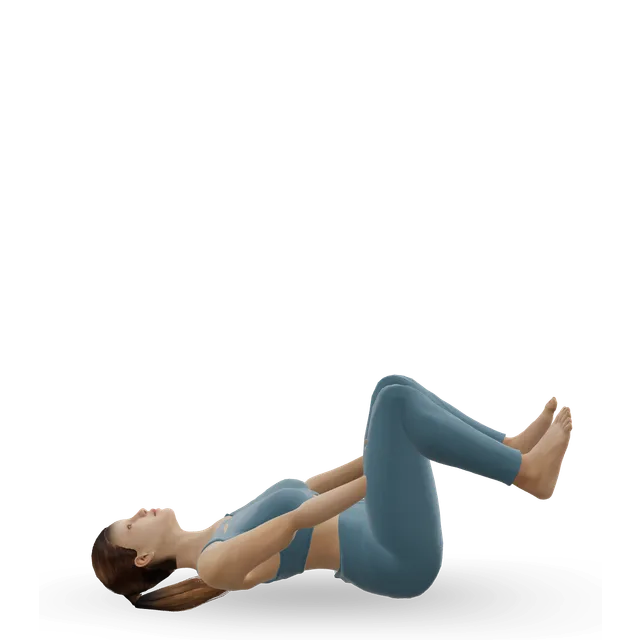
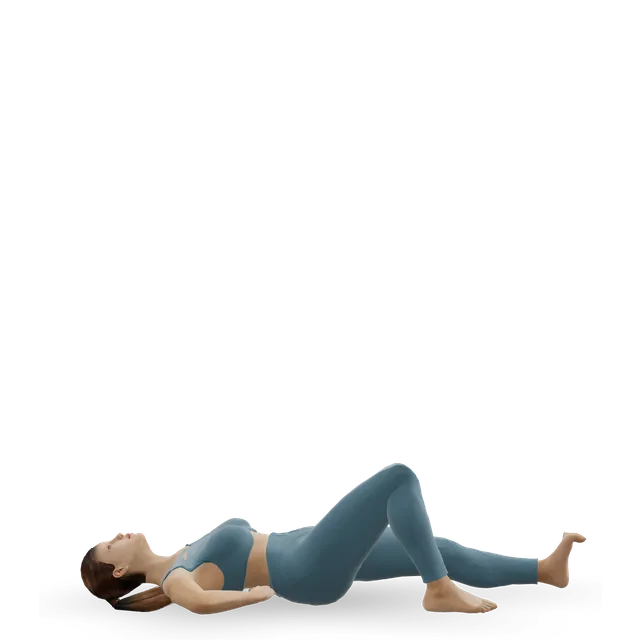
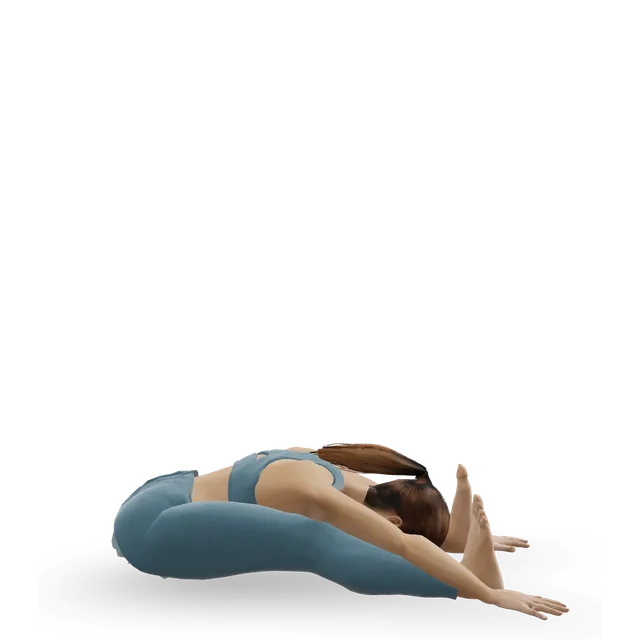
Use whichever resting positions ease your back. Corpse pose and slow breathing: 2 minutes each, knees bent, in for about 4 and out for about 6 (our yoga for back pain class). Pelvic tilts: 8 slow tilts, hips staying down (that class). Knees to chest: hold 20 to 30 seconds, 2 to 4 times (adapted from the move page's dose), if bending forward eases you. Child's pose: Hold 1 to 3 minutes, breathing into the back ribs; return to it whenever you need a rest (the move page's dose). Cat-cow: 8 waves, slower than feels natural (the move page's dose), spending longer rounding up into the cat. Hip windscreen wipers: 10 slow passes, small range, feet on the floor (our yoga for back pain class).

Trunk strength with the spine still

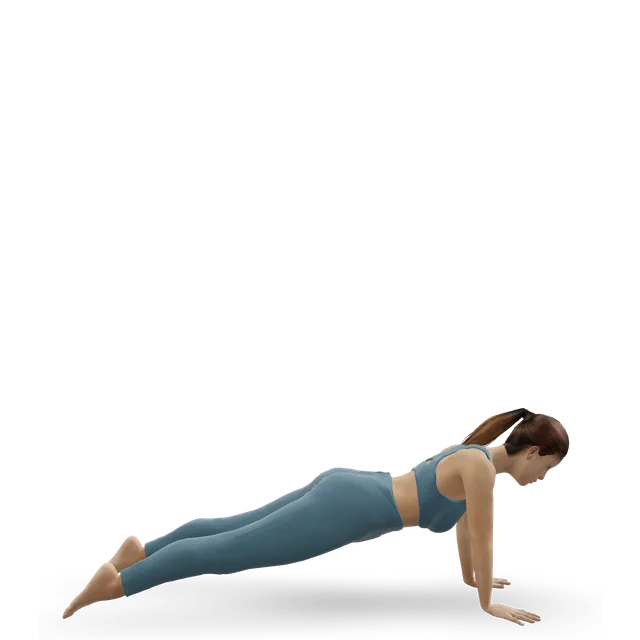
These follow the spine-still first stage of our spondylolisthesis guide, and its doses. Dead bug heel taps: 2 to 3 sets of 6 to 8 each side, lower back still on the floor. Bird dog one limb at a time: 2 to 3 sets of 6 to 8 each side, 3 to 5 second holds, back level; then the full bird dog: 3 sets of 8 each side. Side plank from the knees: 3 holds of 15 to 20 seconds each side; then the full side plank: 3 holds of 20 to 30 seconds. Bridge: 2 to 3 sets of 10, lifting only to a straight line from shoulders to knees, without arching.

Hips, hamstrings and standing poses with a long spine

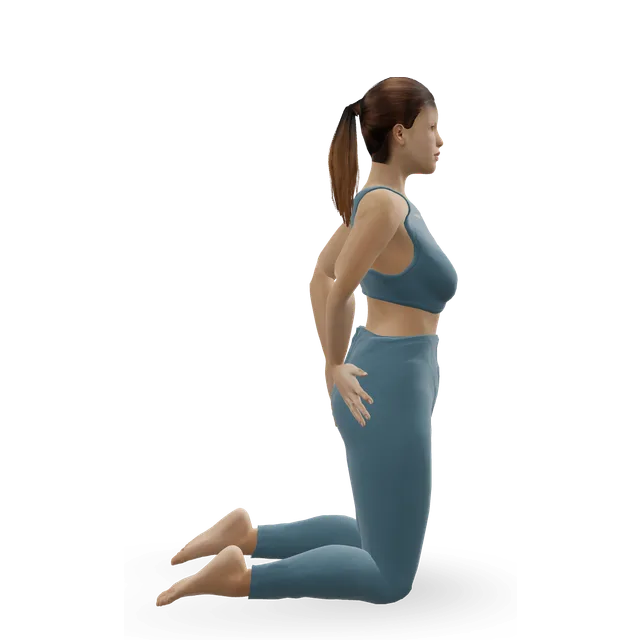
Strap hamstring stretch: 2 to 3 holds of 20 to 30 seconds each side, to the first feeling of stretch with the pelvis still (our spondylolisthesis guide); bend the knee if it sends tingling down the leg. Half-kneeling hip flexor stretch: 2 holds of 30 seconds each side, tailbone tucked under, no arching (our yoga for spinal stenosis class). Figure four lying down: 30 seconds each side (our yoga for sciatica class). Mountain pose: 5 slow breaths (our yoga for back pain class). Chair pose: 3 holds of 15 seconds, knees bent a little (that class). Warrior II and tree pose: 3 breaths each side, short stance and fingertips on a wall (our yoga for sciatica class). Hip hinge: 3 sets of 8 to 10 (our degenerative disc disease guide).

Arching, brought back later and gradually

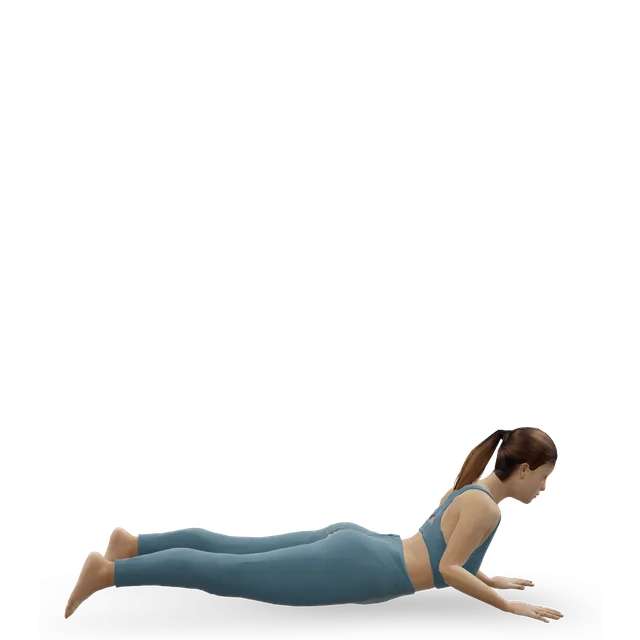
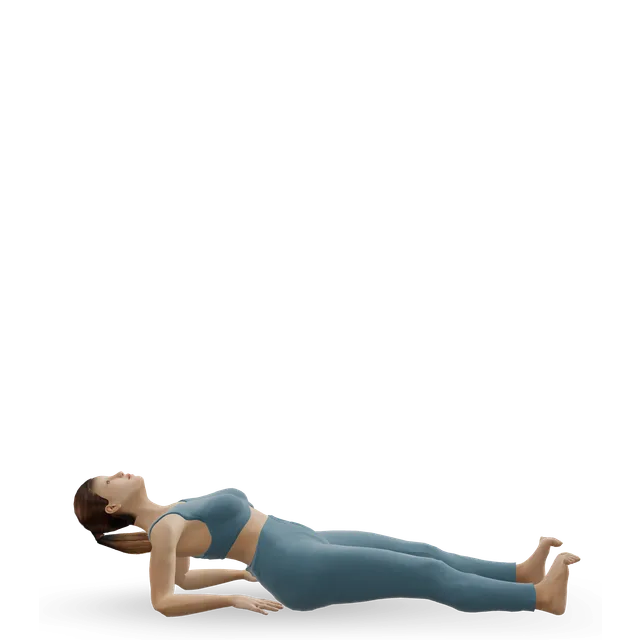
Only once bending forwards and backwards is comfortable and arching doesn't bring on leg symptoms; teenagers only when their clinician agrees. Sphinx: 3 holds of 20 to 30 seconds (our spondylolisthesis guide). Low cobra: 3 to 5 slow lifts of 3 breaths (our yoga for a herniated disc guide's editorial starting point). Locust: 3 holds of 3 breaths, chest and legs only just off the floor (our yoga for neck pain class).

Poses to change or leave out

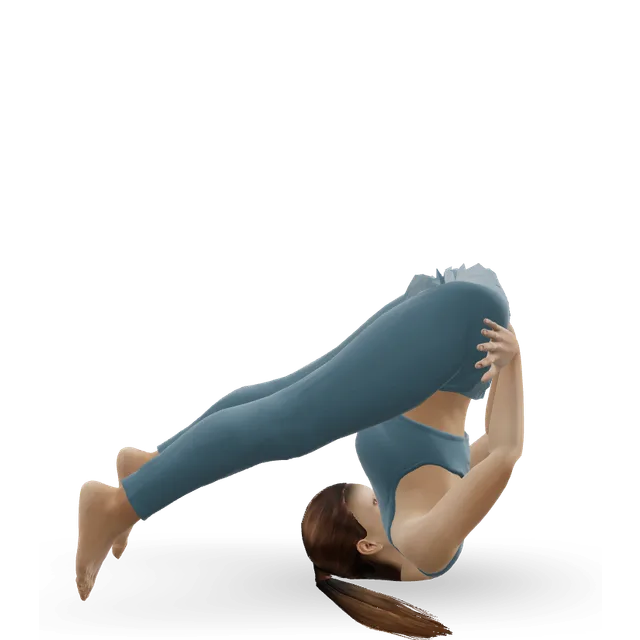
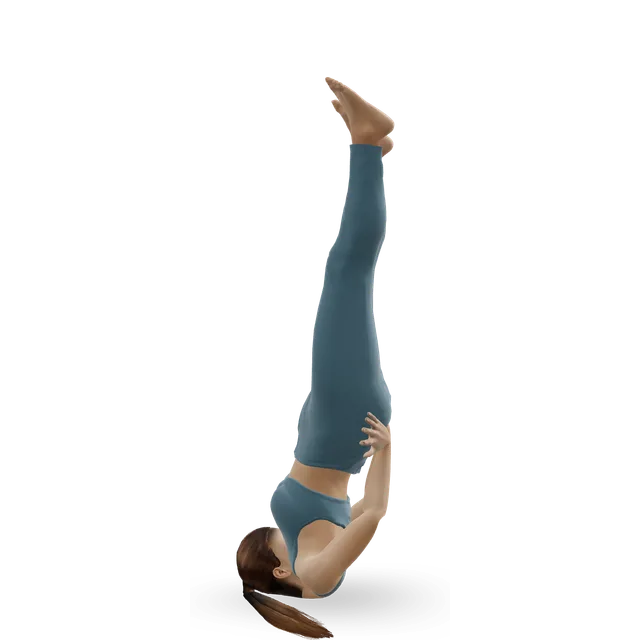
Our reading, from the stress fracture rates in sports that arch and twist the back and one case series of yoga injuries that names no poses: leave out deep backbends (full cobra, upward-facing dog, camel, bow, wheel, dancer, fish) while your back is sore or the slip is new, keep twists small and smooth, leave out plough and shoulder stand, and bend your knees in seated folds if your leg is involved. The cobra's own page says: "Clear it with a clinician if you have spondylolisthesis or a diagnosed pars stress injury."

Teenagers, dancers and gymnasts

A stress fracture from arching and twistingEmerging evidence

In young female gymnasts, 11% had a crack on X-ray, about 4 times their non-athletic peers. A review links it to sports that arch and twist the lower back again and again, with axial load. The pain typically builds with activity and hurts on arching back.

A teenager in a sport that arches or twists the back, such as gymnastics, dance, diving, volleyball, cricket fast bowling, baseball pitching, weightlifting, football or rugby, with back pain that lasts more than a couple of weeks, is worse arching back or stops them training: get it checked by a GP or sports physiotherapist. It can be a stress fracture in the spine.

Sources 11, 16, 33

Start physiotherapy early, out of the sport that hurtsEmerging evidence

In 64 athletes aged 10 to 19, starting physiotherapy within a week, rather than resting until pain-free first, gave better function at a month, a return to sport 38 days sooner and fewer relapses over a year (3% against 29%), with no harm. Both groups stopped their sport and wore no brace, and starting early didn't slow healing on MRI. It was one small trial at two US children's hospitals.

Sources 13, 34

Most get back to their sportEmerging evidence

In observational studies, most young people did well without surgery, a brace made no difference, and about 9 in 10 young athletes returned to their sport, after a few months on average. Surgery to repair the crack is rarely needed.

Sources 23, 35, 33

Where yoga fits

Not as the treatment: follow the physiotherapist's plan. The spine-still moves above fit the early stage if they agree; backbends, walkovers and splits that arch the back come back only when bending forwards and backwards is pain-free, and with your clinician's say-so (our suggestion, from the 2026 trial).

If you're hypermobile, don't use mobility work to push further: the NHS says "do not overextend your joints just because you can". See a GP if you think you have joint hypermobility syndrome: for example, your joints keep dislocating, or you keep getting sprains, strains, pain or stiffness.

Source 36

Classes to follow

Start with our 25-minute yoga for spondylolisthesis class 2 or 3 times a week, alongside walking. With leg symptoms that build on standing or walking, the spinal stenosis class bends forward throughout. The yoga for back pain class suits once you're settled; leave out its low cobra until arching is comfortable.

Walking alongside

Walk on most days. If your legs build up as you walk, walk in intervals: walk until they build, sit or lean forward until they ease, then go again.

When to call 999 or see a GP

These are the warning signs from our back pain, sciatica and spondylolisthesis guides, word for word. This is general information, not a diagnosis. A&E means accident and emergency; in the US, call 911 for 999.

Call 999 or go to A&E

Call 999 or go to A&E: loss of feeling or numbness around the genitals or bottom, new trouble peeing or controlling your bladder or bowels, changes in genital sensation during sex or problems with erections or orgasm, or pain, tingling, weakness or numbness in both legs. These are signs of cauda equina syndrome, which needs treating in hospital urgently. Don't drive yourself.

Call 999 or go to A&E: back pain with chest pain, or back pain that started after a serious accident, such as a car crash.

Sources 32, 37

Get help the same day

Same day: leg weakness that is getting worse.

Same day (urgent GP appointment or NHS 111): new difficulty lifting the front of your foot or toes (foot drop), or a foot that slaps down or catches as you walk, especially if it is getting worse. Weakness in both legs, or with numbness around the genitals or bottom or bladder or bowel changes, is the 999 emergency above.

Same day (GP or NHS 111): back pain and you feel hot, cold, shivery or generally unwell, or severe pain that starts suddenly or is getting worse quickly.

Same day: you have or have had cancer, and new back pain that is severe and doesn't let up, is getting steadily worse, is worse at night and disturbs your sleep, is worse when you cough, sneeze or strain, or comes with tenderness over the spine. Contact your cancer team or GP urgently. With cancer, new weakness, difficulty walking, numbness or bladder or bowel problems are an emergency.

Source 32

If your slip sends pain down a leg

Leg pain with numbness around the genitals or bottom, new trouble starting or controlling peeing, not knowing when you need to poo or losing control of it, sciatica in both legs, or weakness or numbness in both legs that is severe or getting worse. These can be signs of cauda equina syndrome, which needs treating in hospital as soon as possible.

Same day: leg weakness that is getting worse; new leg pain with a history of cancer, HIV, TB or inflammatory arthritis; or leg pain with a fever, feeling unwell, loss of appetite, unexplained weight loss or night sweats.

If your sciatica hasn't improved after a few weeks of looking after it at home, is getting worse, or is stopping you doing your normal activities. In many areas you can refer yourself to NHS physiotherapy for back problems.

Source 37

See a GP

Lower back pain, or pain in your thighs or bottom, that doesn't go away after 3 to 4 weeks, or pain, numbness and tingling down one leg for more than 3 or 4 weeks: see a GP.

You're finding it difficult to walk or stand up straight, or you're worried about the pain or struggling to cope: see a GP.

Other symptoms as well as the pain, such as a high temperature, sweating at night or losing weight without trying: see a GP.

Source 9

Back pain on arching

Back pain that is worse arching back and has lasted more than a couple of weeks can be a stress fracture of the spine (spondylolysis): get it checked.

Leg symptoms on standing or walking

Buttock or leg pain, heaviness or tingling that comes on when you stand or walk and only eases when you sit or bend forward, or the distance you can walk keeps shrinking: see a GP or physiotherapist (possible spinal stenosis). Leg weakness that is getting worse, or numbness around your genitals or bottom, is urgent (above).

Leg ache when you walk that goes after a few minutes' rest: possible peripheral arterial disease (narrowed leg arteries), especially if you smoke or have diabetes.

After a fall

Sudden mid or lower back pain after a minor fall, lift, cough or sneeze, especially from 50 or with long-term steroid tablets.

Often worse moving or changing position and eased by lying down. It can be an osteoporotic spinal fracture, so see a GP; height loss or a new curve in the upper back are other signs.

With osteoporosis

Modify or avoid exercises that round your back deeply or repeatedly, especially with a weight: sit-ups, toe touches, Pilates roll-downs and curl-ups, and extreme yoga forward folds. Bend from the hips instead. You do not need to avoid bending, twisting or lifting altogether: move smoothly and keep your upper back straight.

Twisting should be safe if you do it smoothly and comfortably. Slow down and shorten fast or forceful twists, and leave out the added weight.

During yoga

Stop or shrink any pose that sends pain, tingling or numbness further down your leg, or leaves your back worse the next morning (our suggestion, from the back pain rule).

A joint pain that is sharp, gets worse during a session, lingers into the next day or changes how you move is a reason to use an easier version, and to see a GP or physiotherapist if it keeps happening (the rule in our plans). Muscle soreness for a day or two after something new is normal. In a hot class, stop if you feel dizzy, sick or unwell; our hot yoga guide lists the signs of heat illness.

Chest pain or fainting while exercising: call 999

Call 999 if:

  • You get sudden pain or discomfort in your chest that doesn't go away; it can feel like squeezing or pressure, burning or indigestion.
  • The pain spreads to your left or right arm, or your neck, jaw, stomach or back.
  • You have chest pain and feel sweaty, sick, light-headed or short of breath.
  • Someone faints while exercising, can't be woken within 1 minute, or has chest pain or a pounding, fluttering or irregular heartbeat.

Sources 38, 39

Breathlessness

Call 999 or go to A&E (accident and emergency) straight away for severe difficulty breathing (gasping, choking or not able to get words out), a chest that feels tight or heavy, pain that spreads to your arms, back, neck and jaw, lips or skin turning very pale, blue or grey, or sudden confusion. If you're more short of breath than usual, or your heart is racing, fluttering or skipping beats, contact NHS 111.

Source 40

Before you start

The NHS advises getting advice from a healthcare professional first if you have a health problem, an injury or symptoms, or have recently had a heart attack or an operation.


Myths

"A slipped vertebra means you must stop exercising"Emerging evidence

Exercise is the first treatment: trunk exercise helped adults with a slip, bending-forward and stabilisation programmes both helped older adults, and teenagers did better starting physiotherapy early than resting.

Sources 5, 6, 13, 9

"The right poses will push the vertebra back into place"Emerging evidence

In a small trial, stabilisation exercise didn't change the slip, and no yoga study has measured one. Exercise is for pain, strength and confidence.

Sources 25, 1

"Your pain comes from the slip on your scan"Strong evidence

A slip was no more common in adults with back pain than without, and population studies found no strong or consistent link between a slip and back pain.

Sources 3, 2, 4

"A slip always gets worse with age"Emerging evidence

Over 45 years, slips slowed with each decade and none passed 40%. In older adults a slip got worse in about a third over 10 years, with no link to symptoms.

Sources 21, 22

"Never arch your back again"Mixed evidence

In the teenage trial, arching was brought back on purpose once bending both ways was pain-free. Adults whose legs object to arching may leave deep backbends out for good.

Sources 13, 10

"The more flexible your back, the better"Emerging evidence

Sports that arch the lower back to its limit again and again carry the highest rates of stress fractures in the spine.

Sources 11, 16

Questions people ask

Is yoga good for spondylolisthesis?

It can be, done with changes, but it hasn't been tested: we found no trial of yoga in spondylolisthesis. Exercise is the first treatment for a slip, and yoga can supply the trunk strength, hip work, balance and movement that exercise programmes use, as long as the deep backbends are left out or brought back slowly.

Can I do yoga with spondylolisthesis?

Usually yes, after a GP or physiotherapist has checked you if you have leg symptoms, have been told the slip is unstable or have a fresh stress fracture. Choose a gentle class, tell the teacher, and use the back pain rule: mild discomfort that settles by the next morning is fine, but anything that sends symptoms down a leg isn't.

Which yoga poses should I avoid with spondylolisthesis?

We suggest leaving out deep backbends such as wheel, camel, bow, dancer, full cobra and upward-facing dog, and legs-overhead poses such as plough. That's our reading of the stress fracture rates in sports that arch the back and of a clinic's series of yoga injuries; no study has tested these poses in a slip. Keep twists small and smooth.

What are the best yoga poses for spondylolisthesis?

No pose is proven best. Start with poses that keep your spine still while your trunk works (bird dog, dead bug, a side plank from the knees, a bridge to a straight line), resting positions that bend forward (knees to chest, child's pose), and standing poses such as mountain, chair and warrior II.

Is cobra pose safe with spondylolisthesis?

Leave the full cobra out at first: the cobra's page on this site says to clear it with a clinician if you have spondylolisthesis or a pars stress injury. A sphinx or a low cobra can come back later, once bending forward and back is comfortable and doesn't bring on leg symptoms.

Is downward dog OK with spondylolisthesis?

Usually, if it's comfortable, because it keeps the lower back fairly neutral. Bend your knees a lot so your back stays long, and skip it if it brings on leg symptoms or your wrists or shoulders complain. No study has tested it, so this is our suggestion.
Can yoga fix or reverse spondylolisthesis?

No: exercise doesn't move a vertebra back, and in a small trial the slip didn't change with stabilisation exercise. But a slip often causes no pain at all, and exercise can ease the pain you have and help you move with confidence.

Is yoga or Pilates better for spondylolisthesis?

Neither has been tested in spondylolisthesis. For back pain in general, yoga does about as well as other back exercise, and no mind-body style has been shown better than another, so choose the one you'll keep doing and leave out the deep backbends in either.

My teenager has spondylolysis from gymnastics or dance. Can they do yoga?

Not as the treatment. In a 2026 trial, young athletes did best starting physiotherapy within a week, out of their sport, with arching brought back only once bending forwards and backwards was pain-free. Spine-still yoga moves can fit if their physiotherapist agrees; backbends wait.

Can yoga cause spondylolisthesis?

There's no good evidence that it does in adults. Stress fractures of the spine are linked to sports that arch the back to its limit again and again, and a clinic's series of 89 yoga injuries included 15 people with a slip without showing that yoga caused them. Don't force deep backbends.

What are anterolisthesis and retrolisthesis?

Anterolisthesis is the usual forward slip, the same thing as spondylolisthesis. Retrolisthesis is a small backward slip that usually comes with disc changes; the same gentle approach applies, and our yoga for degenerative disc disease guide covers it.

When is spondylolisthesis an emergency?

Call 999 or go to A&E for numbness around your genitals or bottom, new trouble peeing or controlling your bladder or bowels, changes in genital sensation during sex, or pain, tingling, weakness or numbness in both legs: these can be cauda equina syndrome. Get a same-day appointment for leg weakness that is getting worse or foot drop.

Sources

  1. PubMed and Europe PMC · Our searches for yoga trials in spondylolisthesis or spondylolysis: 2 records, neither a trial (31 October 2026)
  2. Kalichman 2009 · Spondylolysis and spondylolisthesis on CT in 188 community adults, and back pain (cross-sectional study, Spine; read in full)
  3. Brinjikji 2015 · MRI findings in 3,097 adults aged 50 or under with and without back pain (meta-analysis, AJNR; read in full)
  4. Andrade 2015 · Spondylolysis, isthmic spondylolisthesis and back pain: 15 observational studies (systematic review, Eur Spine J)
  5. O'Sullivan 1997 · Specific stabilising exercise in 44 people with spondylolysis or spondylolisthesis (randomised trial, Spine)
  6. Nava-Bringas 2021 · Stabilisation against bending-forward exercises in 92 adults with degenerative spondylolisthesis (randomised trial, Phys Ther)
  7. Lin 2024 · Stabilisation exercise in spondylolysis and spondylolisthesis: 5 trials, 198 people (meta-analysis, Spine)
  8. North American Spine Society 2014 · Diagnosis and treatment of degenerative lumbar spondylolisthesis (evidence-based guideline, 2nd edition; summarised in Spine J 2016; read in full)
  9. NHS · Spondylolisthesis
  10. Sinaki 1989 · Bending-forward against arching exercises in 48 people with spondylolisthesis (retrospective comparison, Arch Phys Med Rehabil)
  11. Tawfik 2020 · Pars defects in athletes by sport: 114 articles (literature review, Global Spine J; read in full)
  12. Lee 2019 · Soft tissue and bone injuries caused by yoga: 89 patients at a US clinic (case series, Mayo Clin Proc)
  13. Selhorst 2026 · Immediate physiotherapy against resting first for 64 adolescent athletes with active spondylolysis (randomised trial, BJSM; read in full)
  14. Micheli 1995 · Causes of back pain in 100 young athletes and 100 adults (clinic study, Arch Pediatr Adolesc Med)
  15. Selhorst 2019 · Spondylolysis in 1,025 adolescent athletes with back pain (chart review, Clin J Sport Med)
  16. Jackson 1976 · Spondylolysis in 100 young female gymnasts (X-ray study, Clin Orthop Relat Res)
  17. Fredrickson 1984 · The natural history of spondylolysis and spondylolisthesis in 500 children (cohort study, J Bone Joint Surg Am)
  18. Jacobsen 2007 · Degenerative spondylolisthesis in 4,151 Danish adults (Copenhagen Osteoarthritis Study, Spine)
  19. Brinjikji 2015 · Spine degeneration on scans of 3,110 people without back pain: 33 studies (systematic review, AJNR; read in full)
  20. Ishimoto 2017 · Spondylolisthesis, back pain and spinal stenosis in 938 Japanese adults (population study, Spine)
  21. Beutler 2003 · Spondylolysis and spondylolisthesis followed for 45 years (cohort study, Spine)
  22. Matsunaga 2000 · Degenerative spondylolisthesis managed without surgery for 10 to 18 years in 145 people (case series, J Neurosurg)
  23. Klein 2009 · Non-surgical treatment of spondylolysis and grade I slips in young people: 15 observational studies (meta-analysis, J Pediatr Orthop)
  24. Wieland 2022 · Yoga for chronic non-specific low back pain: 21 trials, 2,223 people (Cochrane review; read in full)
  25. Mohammadimajd 2020 · Stabilisation against general exercise in 26 people with a grade I slip (randomised trial, Physiother Res Int)
  26. NICE NG59 · Low back pain and sciatica in over 16s: assessment and management (recommendations, last updated July 2026)
  27. Li 2026 · Yoga against other exercise for chronic low back pain: 7 trials (systematic review and meta-analysis, Front Med)
  28. Xiang 2026 · Mind-body exercise for chronic low back pain: 25 trials (network meta-analysis, J Pain Res)
  29. Weinstein 2007 · Surgery against non-surgical care for degenerative spondylolisthesis: SPORT (randomised and observational cohorts, N Engl J Med)
  30. Austevoll 2021 · Decompression with or without fusion for degenerative spondylolisthesis: NORDSTEN-DS, 267 people (randomised trial, N Engl J Med)
  31. Kgomotso 2024 · NORDSTEN-DS at 5 years (randomised trial follow-up, BMJ)
  32. NHS · Back pain
  33. Goetzinger 2020 · Spondylolysis in young athletes: non-surgical management (narrative review, J Sports Med; read in full)
  34. Sweeney 2026 · Healing on MRI in the adolescent spondylolysis trial: 53 athletes (trial follow-up, Orthop J Sports Med)
  35. Overley 2018 · Return to play in adolescent athletes with spondylolysis: 11 studies, 376 athletes (meta-analysis, Global Spine J)
  36. NHS · Joint hypermobility syndrome (past its review date: reviewed August 2023, review due August 2026)
  37. NHS · Sciatica
  38. NHS · Chest pain (past its review date: reviewed August 2023, review due August 2026)
  39. NHS · Fainting
  40. NHS · Shortness of breath

Exercise education, not a personal prescription, and clinical review of these guides is pending. If you are pregnant, have a health condition such as glaucoma, high blood pressure or osteoporosis, or have had recent surgery, check with a doctor, midwife or physiotherapist before starting, and stop for sharp or increasing pain. Health disclaimer.