Yoga guide

Yoga for dancers: flexibility and strength, hips and turnout, the feet and ankles, hypermobility, injury, and a routine

Yoga can help dancers, but not by making you bendier. No trial has tested yoga in dancers, and in sport, stretching hasn't been shown to prevent injuries while strength training has. What dancers need from yoga is range they can control: strength at the end of their range, balance, feet and ankles that cope with jumps and relevés, and turnout from the hips without forcing it.

Used that way, yoga sits alongside your technique classes, strength training and the advice of your teachers and dance physiotherapists; it doesn't replace them.

This guide covers where dancers get hurt, what stretching and strength work really do, turnout and the hips, the feet and ankles, being very flexible, when to hold stretches, eating enough for your dancing, and nerves. It includes a free 25-minute class for rest days and the warning signs that need a check.

The short version

No trial has tested yoga in dancers

The one randomised trial with a yoga group used it as the comparison for another type of training, and reviews of dancers' mental health and injury prevention found no yoga studies. This guide builds on what is known about dance, stretching, strength and balance.

Sources 1, 2, 3, 4

More stretching isn't the answer

Across 25 trials in sport, stretching didn't prevent injuries, while strength training cut them to under a third. International stretching experts agree stretching isn't an all-round way to prevent injury.

Sources 5, 6

Build range you can use

In dance students, strengthening at the end of the range with gentle stretching raised how high they could lift a leg themselves more than hard stretching did. Slow, forced stretches injured the hamstring tendon in professional dancers, who took a median of 50 weeks to get back.

Sources 7, 8

Turnout comes from the hips

Turnout is largely set by the shape of your hip and thigh bones, and forcing more from the knees and feet goes with injury in small studies. Hip openers won't add turnout; hip strength helps you control the turnout you have.

Sources 9, 10, 11

Very flexible? Control first

Most elite dancers are hypermobile. One Dance UK: "Stability and strength should be developed as a priority."

Sources 12, 13

Eat enough, and know the warning signs

Missed or irregular periods are a key sign of not eating enough for your dancing. Bone pain that builds with each jump, a pop high at the back of the thigh during a stretch and 3 missed periods in a row all need checking. The full list is below.

Sources 14, 15, 16

What dance asks of your body

Injuries are common, mostly from overuse

Across 16 studies of recreational, student and professional dancers, there were fewer than 5 injuries per 1,000 hours of dancing, yet 81% of 130 contemporary dance students were injured over a year. In ballet, most injuries build up gradually, and 66% to 91% are in the legs.

Sources 17, 18, 19

The foot and ankle come first

In ballet, 14% to 57% of injuries are in the foot and ankle. In two professional ballet companies, pinching and inflammation at the ankle were the commonest problems needing care, and ankle sprains, mostly from jumps, the commonest that stopped dancing. In 54 ballet dancers, 63% of stress fractures were in the foot.

Sources 19, 20, 16

A previous injury is the strongest known risk

In pre-professional dancers, there's some good evidence that a previous injury and poor coping skills go with more injuries. Getting injuries properly rehabilitated matters more than any one exercise.

Source 21

Growth spurts

During and after rapid growth, One Dance UK says "increased risk of injury, reduced flexibility, co-ordination and balance are likely", because the bones grow ahead of the muscles and tendons. Don't force lost range back.

Source 22

Mind and mood

In 147 professional dancers from six opera houses or theatres, 20.8% had at least moderate symptoms of depression, anxiety or an eating disorder, and anxiety was more common than in the general population.

Source 23

What the evidence says

No yoga trials in dancersMixed evidence

In one trial, 134 competitive dancers were randomised to two types of conditioning or to Vinyasa yoga as a low-intensity comparison for 4 to 6 weeks; its summary mentions heart and leg power changes in the yoga group, with no numbers. Two unpublished theses (10 and 28 dancers) reported gains in range, balance and confidence, one with no comparison group. A university course with gentle yoga for dance students has finished but posted no results.

Sources 1, 2, 24, 25, 26, 3

Strength training prevents injuries; stretching doesn'tStrong evidence

Across 25 sports trials (26,610 people), stretching programmes didn't reduce injuries, while strength training cut them to under a third and balance training to about half. In a 2025 expert consensus, stretching improves range of movement but doesn't "serve as an all-encompassing injury prevention strategy".

Sources 5, 6

Strength training in dancersEmerging evidence

Across 36 studies of dancers over 16, strength and conditioning raised strength and power. A 2025 meta-analysis of 15 controlled trials (351 dancers) confirmed bigger gains in strength and power, with no change in body weight or body fat, and its effect on flexibility wasn't significant. Twelve weeks of thigh training in professional ballerinas left their thigh size unchanged.

Sources 27, 28, 29

The professional ballet trialEmerging evidence

In one ballet company, dancers who kept up three 30-minute sessions a week of strength, balance and foot work were injured much less often, but that result counts only those who stuck with it. A 2026 review of 8 dance prevention studies couldn't say whether programmes work overall.

Sources 30, 4

Balance can be trainedEmerging evidence

In 33 modern dance students, 8 weeks of balance training (2 hours a week) improved every balance test compared with technique class alone.

Source 31

Yoga in other athletes, and Pilates in dancersMixed evidence

In college athletes, 10 weeks of yoga twice a week gave small gains in flexibility and balance. In 22 hip-hop dancers, Pilates improved tummy strength but not jumps or balance, and the authors say the findings "do not establish efficacy". Neither yoga nor Pilates has been compared in dancers.

Sources 32, 33, 34

Range you can use, not range you can reach

Gentle beats hard for usable rangeEmerging evidence

In 39 dance students over 6 weeks, every method raised passive range, but active range (how high they could lift the leg themselves) improved more with end-range strengthening or gentle stretching, at about 3 out of 10 effort, than with hard stretching at 8 out of 10. Very gentle stretching also beat moderate stretching in 24 dancers, and slow lowering exercises for the hamstrings raised active range as much as stretching while also adding strength.

Sources 7, 35, 36

Stretching adds range when you need itEmerging evidence

In 57 conservatoire dancers, 4 hamstring stretches of 3 times 20 seconds, 4 times a week for 7 weeks, raised range, and the gain held through 18 days off. Across 11 trials, strength training raised range about as much as stretching.

Sources 37, 38

Forced stretching can injureEmerging evidence

Fifteen professional dancers injured the hamstring tendon near the sitting bone "during slow hip-flexion movements with extended knee". The pain felt mild, but they took a median of 50 weeks (30 to 76) to get back.

Source 8

How to stretch: our editorial starting point

Use yoga for active range: holding a leg up yourself, standing balances and back-strengthening lifts. Stretch only what limits your dancing, gently, at about 3 out of 10, for 20 to 30 seconds, after class or on a rest day.

Sources 7, 37

Hold after class, move before it

Long holds just before jumpingStrong evidence

Holds of 60 seconds or more per muscle just before testing cut performance by about 4.6%, against about 1.1% for shorter holds, and moving afterwards cancelled most of the effect. The extra range usually lasted under 30 minutes.

Source 39

In dancersEmerging evidence

In 10 dancers, static stretching inside a warm-up "does not appear to be detrimental to a dancer's performance", though moving stretches did better for jumps. In 24 contemporary dancers, short static, moving and partner stretches all raised range "without negatively impacting power or balance".

Sources 40, 41

In practice

Before class, a moving warm-up with short holds only where your work needs range (our dance warm-up). Keep longer yoga holds for after class or rest days, as our yoga for athletes guide says: flow before, hold after.

Turnout from the hips

Forcing turnout goes with injuryMixed evidence

In pooled screening studies, injured dancers had about 23 degrees more forced (compensated) turnout, taken at the knees and feet, than uninjured dancers. A 2026 review found 3 of 4 small studies linked forced turnout with leg injuries, while a 2021 review said no definite conclusions could be drawn. The studies are small and mostly not followed forward in time.

Sources 10, 42, 43

Bone sets most of itEmerging evidence

Elite ballet students followed for a year gained some hip rotation "without increasing their total lower limb turnout", and early heavy training changed the twist of the thigh bone without changing the turnout dancers used. Turnout you can hold yourself improved in two tiny studies of turnout conditioning (16 and 6 dancers, no comparison group).

Sources 9, 44, 45, 46

Hips at the extremeEmerging evidence

In 11 professional dancers, développé à la seconde, the splits and grand plié made the hip joint pinch and partly slip. For dancers' hip pain, first-line treatment is often physiotherapy to strengthen the trunk and the muscles around the hip.

Sources 11, 47

In practice: our reading

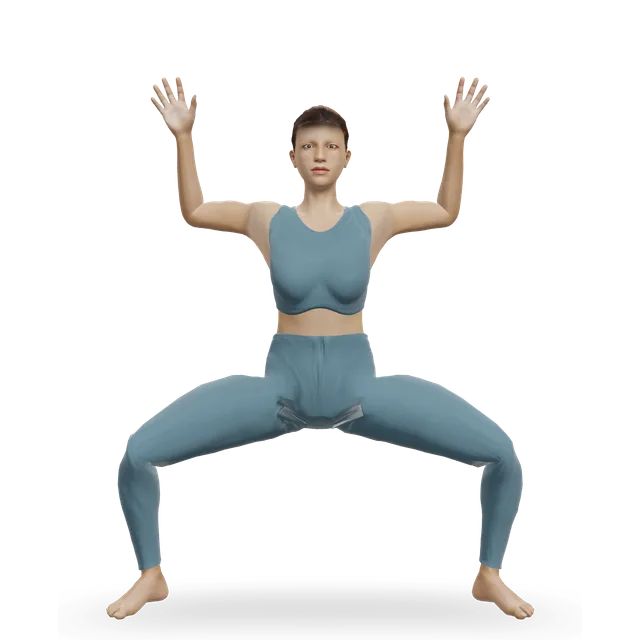
Turn out from your hips to the range they allow, with your knees over your middle toes. Strengthen the muscles that turn the hips out (clamshells, goddess pose and warrior II with the knee tracking the foot), and don't sit in deep passive hip openers to get more turnout.

Feet and ankles

Few trials, but clear prioritiesMixed evidence

Foot-strengthening trials in dancers barely exist. Balance training improved dancers' balance, and the professional ballet trial included foot work with a band and one-leg balance. With the foot and ankle leading injury counts, calf, toe and balance work earn a place.

Sources 31, 30, 20

Pointe work

Readiness depends on years of training, strength and control, not age, and "No student with insufficient ankle and foot plantar flexion range of motion or with poor lower extremity alignment should be allowed to do pointe work". For hypermobile dancers, One Dance UK says pointe work "should be delayed until foot strength and trunk stability is fully established".

Sources 48, 13

What to do: our editorial starting point

Calf raises (parallel, then turned out), towel toe scrunches, ankle circles and one-leg balance, as in our Pilates for dancers class. Keep kneeling on pointed feet (hero pose) short if the front of your ankle or your big toe complains.

Very flexible? Control first

Very common in dancersEmerging evidence

72% of 85 elite Australian dancers met the usual cut-off for hypermobility, and the authors suggest a higher cut-off for dancers.

Source 12

On its own it doesn't reliably predict injuryMixed evidence

Hypermobility didn't raise hip pain, injury or retirement in professional ballet dancers over 5 years, or injury in 185 contemporary students. But in 180 modern dance students, both very stiff and very bendy dancers were injured more than those in the middle, and hypermobility with tiredness went with injury in young ballet students.

Sources 49, 50, 51, 52

Stability and strength firstStrong evidence

One Dance UK: "Hypermobile dancers like to stretch. They find it easy and it feels good, but stretching for long periods into the end of range may lead to instability and even injury. Stability and strength should be developed as a priority." Areas that are genuinely tight can still be stretched. The NHS: "do not overextend your joints just because you can". Our yoga for hypermobility guide has a stability-first class.

Sources 13, 53, 54

Eat enough for your dancing

Relative energy deficiencyStrong evidence

When you eat too little for the dancing and training you do, your body saves energy by turning down other jobs. The International Olympic Committee (IOC) calls this REDs (relative energy deficiency in sport, also written RED-S): it can stop periods and harm bone, health and performance, in men and in women. A 2024 consensus of dance medicine experts applied it to dance.

Sources 55, 14

Missed periods are a key signStrong evidence

Missed or irregular periods are a key sign of not eating enough for your dancing, and more food and a lighter workload come first. See a GP if you've missed 3 periods in a row or your periods haven't started by 15.

The dance experts add that the contraceptive pill shouldn't be used to manage it, and that strength training helps keep bones healthy.

Sources 14, 15

How commonEmerging evidence

In an online survey of 247 dancers, 57% of women and 29% of men reported signs of low energy availability. Across 11 studies of female dancers, period problems affected 40% to 66%, and eating disorders affect about 12% of dancers (16.4% in ballet). These are mostly screening results, not diagnoses.

Sources 56, 57, 58

What it means for yoga: our reading

Yoga doesn't fix low energy availability, and extra classes add to the energy you need. Food and a manageable workload come first. In class, no weighing and no comments on bodies, as our sport dance guide says.

Nerves, stress and recovery

Yoga for performance nervesMixed evidence

No trial has tested it in dancers. In young professional musicians, yoga gave "a trend towards less music performance anxiety", and in 135 adolescent musicians (not randomised) performance anxiety fell. A mindfulness programme in 16 professional ballet dancers changed nothing on its questionnaires, and a 2025 review rated the evidence for psychological help with dancers' performance anxiety low to moderate.

Sources 59, 60, 61, 3

Coping skillsEmerging evidence

In 35 ballet dancers, 12 weeks of training in relaxation, imagery and self-talk cut time spent injured compared with dancers who didn't have it.

Source 62

Slow breathing before you go on: written steps

A calming tool, not a treatment (our suggestion, from the NHS breathing exercise):

  • Stand or sit with your shoulders loose.
  • Breathe in gently through your nose for a count of about 4.
  • Breathe out slowly for a count of about 6, without holding your breath.
  • Keep going for about 2 minutes, and stop if you feel light-headed.

Source 63

When anxiety lasts

Anxiety is more common in professional dancers than in the general population. If it's affecting your dancing or your life, talk to your GP or your school or company's health team.

Source 23

Breathe and settle

Slow breathing: 2 minutes to start a practice (our yoga for runners class), or at least 5 minutes on its own (the move's page).

Feet and ankles

Towel scrunch: 2 sets of 12 each foot; calf raises: 2 sets of 10, parallel then turned out, rising through the big toe (our Pilates for dancers class). Single-leg calf raise from a step: 2 sets of 12 each leg once two-leg raises are easy; tibialis raise: 3 sets of 10 (our strength workout for dancers). Ankle circles: 10 slow circles each way with each foot (the move's page).

Turnout from the hips

Clamshell: 10 each side, turning out from the hip (our dance warm-up and Pilates for dancers class). Goddess pose: 3 holds of 3 breaths, feet turned out only as far as your knees stay over your middle toes (our yoga for diabetes class). Warrior II: 5 breaths each side; chair pose: 3 holds of 5 breaths (our yoga for balance class).

Balance and active range

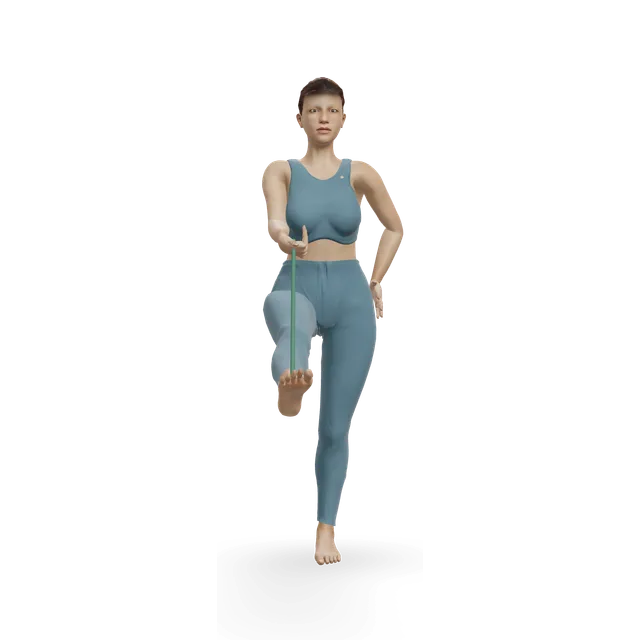
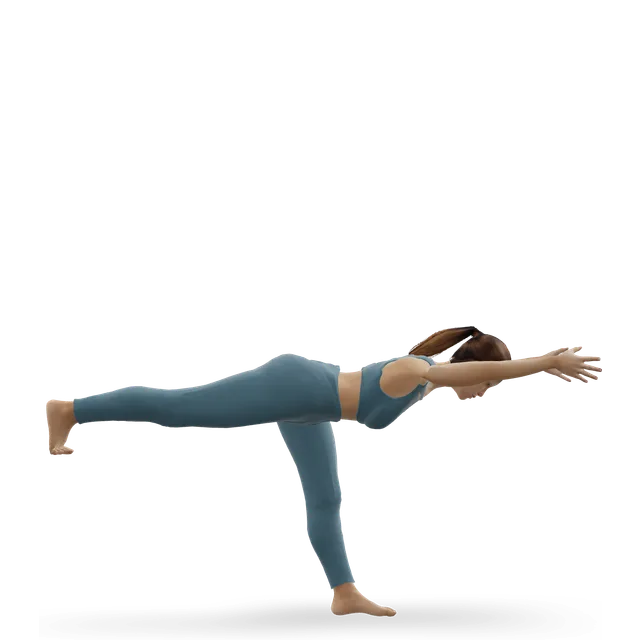
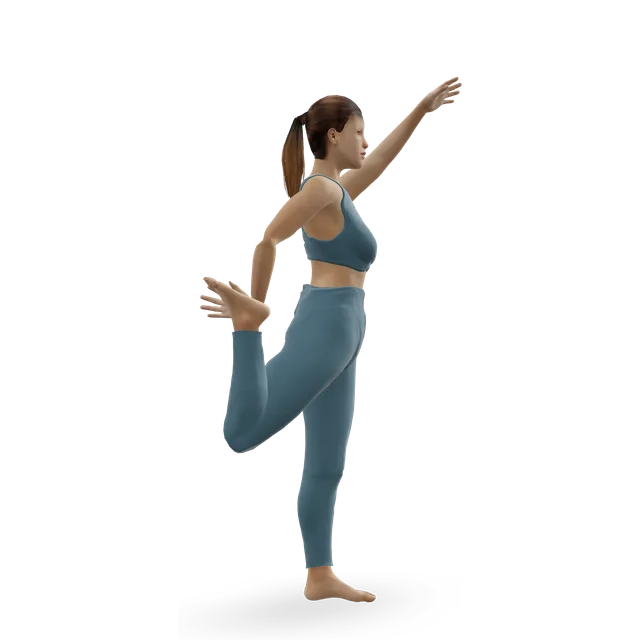
Tree pose: 3 to 5 breaths each side, twice; standing hand-to-big-toe pose: 3 breaths each side, standing tall rather than lifting higher; warrior III: 3 breaths each side, twice, hands on a chair to start (our yoga for balance class). Single-leg stand: 2 holds of 20 seconds each leg, parallel then turned out (our Pilates for dancers class). Dancer's pose: 20 seconds each side with a hand on a wall (our hot yoga sequence), only once you're steady in tree pose, and not with low back pain.

Trunk and back

Side plank: 2 holds of 20 seconds each side, knees down to start (our Pilates for dancers class). Locust: 3 to 5 lifts held 3 to 5 seconds; glute bridge: 8 to 10 slow lifts (our yoga for posture class).

After class or on rest days: gentle range

Low lunge, strap hamstring stretch and reclined figure four: 45 seconds each side at a mild pull, about 3 out of 10; legs up the wall: 2 minutes; corpse pose: 3 minutes (our yoga for runners class).

Poses to change or leave out

These rest on the stretching, turnout and hypermobility evidence rather than trials of particular poses.

Forced splits and long passive end-range holds

Front and middle splits, deep pigeon held for a long time, wide-angle folds pushed further and long yin holds. They don't prevent injuries or add usable range, slow forced stretching has caused serious hamstring injuries, and for hypermobile dancers long end-range stretching "may lead to instability".

Sources 5, 7, 8, 13

Forcing turnout

Lotus, half lotus or wide-legged poses used to open the hips for turnout. Keep your knees over your middle toes.

Sources 10, 9

Deep back bends with low back pain

Wheel, camel and bow, especially in teenagers: a young dancer's back pain that is worse when arching back needs checking, as our sport dance guide says.

Long holds just before class or performance

Keep holds under about 60 seconds per muscle and finish with moving work.

Source 39

Weight on your head and neck

Headstand and shoulder stand aren't needed, and they're among the practices most often linked with harms in yoga. Leave them out with hypermobility or a neck problem.

Source 64

Hot yoga as a flexibility shortcut

Heat makes range feel easier without making it usable, and adds to sweat losses. With hypermobility, more range is the wrong goal (our hot yoga and hypermobility guides).

Extra classes to burn energy

With missed periods or worries about food, more training makes low energy availability worse: see a GP.

Sources 14, 15

Free classes

Do our 25-minute class once or twice a week on a rest day or after class (our editorial starting point), alongside 2 strength sessions and your dance warm-up. The strength workout is the one built on the professional ballet trial; the yoga for runners class suits after class; and very flexible dancers should start with the hypermobility class.

Yoga for dancers: a 25-minute active-range class for rest days

Twenty-five minutes of yoga for dancers: feet and ankles, turnout from the hips, balances you control yourself, trunk strength, then gentle stretches and rest.

25 minBeginner17 movesOther / check instructions, A bench or box

Strength workout for dancers: feet, hips, hamstrings, trunk and landings

A strength session for dancers, built on the professional ballet trial: calf and foot work, hip and trunk strength, Nordic lowers, step-downs and landings.

55 minIntermediate21 movesA wall, A step

Dance warm-up: feet, hips, spine and small jumps

A dance warm-up for class, rehearsal or performance: easy cardio, ankle circles and rises, leg swings, spine moves, turnout, balance and small jumps.

15 minBeginner16 movesA wall, A dumbbell

Mid-range Pilates for dancers: a 25-minute mat class for feet, turnout control and trunk

A 25-minute Pilates class for dancers: feet and calves, turnout control from the hip, trunk endurance and back extension, all in the middle of your range.

25 minBeginner17 movesOther / check instructions, A bench or box

Foot and ankle strengthening routine: toes, arches, calves and balance

A 15-minute barefoot routine for stronger toes, arches, calves and ankles, finishing with balance. You need only a towel, a wall and a resistance band.

15 minBeginner11 movesA wall, Other / check instructions

Yoga for hypermobility: a 25-minute stability-first class

A 25-minute yoga class for hypermobile joints, HSD and hEDS: supported lying work, all-fours control, standing poses with soft joints, balance and a legs-up rest.

25 minBeginner15 movesA band, A wall

Yoga for balance: a 30-minute standing class, from steady to moving

Thirty minutes of standing yoga for balance: strong standing poses, one-leg poses at the wall, and side steps, backward steps, reaches and sit-to-stands.

30 minBeginner16 movesA wall, A bench or box

Yoga for runners: 20 minutes after a run or on a rest day

A 20-minute yoga cool-down for runners: calves, hip flexors, hamstrings and glutes, one balance pose and a rest, after an easy run or on a rest day.

20 minBeginner11 movesA wall

Fit strength around your dancing

Two strength sessions a week, with at least one full rest day, as our sport dance guide suggests.

Warning signs: when to get checked

These follow our Pilates for dancers and sport dance guides word for word. This is general information, not a diagnosis. A&E means accident and emergency.

A foot or ankle injury: call 999 or go to A&E

Call 999 or go to A&E if, after an injury, you heard a crack, the foot or ankle has changed shape or points at an odd angle, a bone is sticking out, there is a bad cut over it, you're in severe pain, or the toes look blue or white, feel numb or are cold to touch. Don't drive yourself.

Source 65

Can't walk on it: the same day

Get an urgent GP appointment or help from NHS 111 if, after an injury, you can't put weight on it or walk more than a few steps, the pain is very bad or getting worse, or the swelling or bruising is large or getting worse. See a GP if it isn't better after 2 weeks of looking after it, keeps coming back or stops you doing normal things.

Source 65

Bone pain that builds

Pain in one spot of a bone that builds with each jump, then aches at rest or at night, can be a stress fracture: stop jumping and get it checked, even if an early X-ray looks normal. Our stress fracture guide explains.

Source 16

A pop high at the back of the thigh

Sudden pain or a pop high at the back of the thigh during a stretch needs checking the same day: stretching strains of the hamstring tendon can feel mild but take months to recover.

Source 8

Missed periods or worries about food: see a GP

See a GP if you've missed your period 3 times in a row, your periods haven't started by 15 or have become irregular, or you've had a stress fracture from ordinary activity or more than one. If you're worried about your eating, see a GP as soon as you can, or call the eating disorder charity Beat on 0808 801 0677.

Sources 15, 14, 66

Signs of an eating disorder

The NHS lists spending a lot of time worrying about your weight and body shape, avoiding socialising when food might be involved, eating very little, making yourself sick or taking laxatives, exercising too much, very strict habits around food, and changes in mood. See a GP as soon as you can, or call Beat on 0808 801 0677.

Source 66

Joints that slip

See a GP if you think you have joint hypermobility syndrome: keeping getting sprains, joints that pop out, or pain and stiffness. A joint that has come out and stayed out needs A&E.

Source 54

A young dancer with back pain

Back pain that lasts more than a couple of weeks, is worse arching back or stops them dancing can be a stress fracture in the spine: see a GP or sports physiotherapist.

A knock to the head

Call 999 if someone has hit their head and has been knocked out and hasn't woken up, can't stay awake or keep their eyes open, has a fit, has fallen from a height of more than 1 metre or 5 stairs, has problems with their vision or hearing, has clear fluid coming from their ears or nose, has new numbness or weakness, has problems with walking, balance, understanding, speaking or writing, hit their head at high speed, or their behaviour has changed. Get help from NHS 111 if they're being sick, feel dizzy or take medicine that thins the blood. If you're told to go to A&E (accident and emergency), don't drive yourself there if you have hit your head.

Source 67

Chest pain or fainting while dancing: call 999

Call 999 if:

  • You get sudden pain or discomfort in your chest that doesn't go away; it can feel like squeezing or pressure, burning or indigestion.
  • The pain spreads to your left or right arm, or your neck, jaw, stomach or back.
  • You have chest pain and feel sweaty, sick, light-headed or short of breath.
  • Someone faints while exercising, can't be woken within 1 minute, or has chest pain or a pounding, fluttering or irregular heartbeat.

Sources 68, 69

Getting help

In many areas you can see an NHS physiotherapist through community musculoskeletal services without a GP referral. One Dance UK's Healthier Dancer Programme is a founding partner in the National Institute of Dance Medicine and Science, which provides free injury clinics for dancers through the NHS.

Sources 65, 70

During practice

Stop a stretch that pinches the front of the hip or the back of the ankle, never let anyone push you into the splits or turnout, and with hypermobile joints, stop a move if a joint feels about to slip (our hypermobility guide).


Myths

"Dancers need more stretching"Strong evidence

Stretching didn't prevent sports injuries while strength training did, and in dance students end-range strength with gentle stretching beat hard stretching for range they could use.

Sources 5, 6, 7

"The more flexible, the better and safer"Mixed evidence

In modern dance students, both very stiff and very bendy dancers were injured more than those in the middle, forced stretching has caused serious hamstring injuries, and long end-range stretching "may lead to instability".

Sources 51, 8, 13

"Yoga prevents dance injuries"Mixed evidence

No trial has counted injuries after yoga in dancers. The one professional ballet prevention trial used strength, balance and foot work.

Sources 1, 4, 30

"Hip openers will improve your turnout"Emerging evidence

Turnout is largely set by bone and barely changed over a year of full-time training, forcing it goes with injury, and extreme hip positions made the joint pinch and partly slip. Strengthening helps you hold the turnout you have.

Sources 9, 10, 11

"Long stretches before class warm you up"Strong evidence

Holds of 60 seconds or more per muscle take a little off your jump just afterwards. Short holds inside a moving warm-up are fine.

Sources 39, 41

"Weights make dancers bulky; yoga gives you long, lean muscles"Strong evidence

Strength training raised dancers' strength and power without changing body weight or body fat, and ballerinas' thigh size didn't change. No exercise lengthens muscles into a different shape.

Sources 28, 29

"Hypermobile dancers should stretch more to keep their range"Strong evidence

"Stability and strength should be developed as a priority" (One Dance UK), and "do not overextend your joints just because you can" (the NHS).

Sources 13, 54

"Missing periods is normal for a serious dancer"Strong evidence

Missed or irregular periods are a key sign of low energy, which harms bone. See a GP after 3 missed periods in a row, or if they haven't started by 15.

Sources 14, 15

"Yoga will cure stage fright"Mixed evidence

There's no trial in dancers; in musicians yoga gave only a trend towards less performance anxiety, and a mindfulness pilot in ballet dancers changed nothing measurable. Slow breathing is a calming tool.

Sources 59, 61

"Twists detox you before a show"Mixed evidence

We found no study of twists and detoxing. The British Dietetic Association: "The whole idea of detox is nonsense"; your body has "its own built-in ability to 'detoxify' and remove waste".

Source 71

Questions people ask

Is yoga good for dancers?

It can help, but no trial has tested yoga in dancers: the one randomised trial with a yoga group used it as the comparison. What's known from dance and sport points to strength, balance and gentle range work, which yoga can give you if you hold positions with your own muscles. It works best alongside strength training and your teachers' and physiotherapists' advice.

What are the best yoga poses for dancers?

No trial has compared poses, so choose ones that build control: tree pose and warrior III for balance, standing hand-to-big-toe pose held with your own muscles, warrior II and goddess pose with your knees over your toes, locust for your back, and calf and foot work. Keep deep stretches short and gentle, and do them after class.

Should dancers do yoga before or after class?

After, or on a rest day. Holds of 60 seconds or more per muscle just before explosive work take a little off performance, while short holds inside a moving warm-up didn't harm dancers' jumps or balance. Before class, use a moving warm-up.

Can yoga improve my turnout?

Not much. Turnout is largely set by the shape of your hip and thigh bones and barely changed over a year of full-time training, and forcing it from the knees and feet goes with injury. Strengthening the muscles that turn your hips out helps you control and hold the turnout you have.

Will yoga help my flexibility and splits?

Stretching does raise range, and strength training raises it about as much. In dance students, strengthening at the end of the range with gentle stretching raised how high they could lift a leg themselves more than hard stretching did. Slow, forced stretching has caused serious hamstring tendon injuries in dancers, so stretch gently and never force a split.

Is yoga or Pilates better for dancers?

Neither has been compared in dancers. Small Pilates studies in dancers found better trunk strength and alignment but not better jumps or balance, and yoga has no dancer trials. Pick what you enjoy, and keep 2 strength sessions a week either way.

Can yoga prevent dance injuries?

It hasn't been tested. In sport, stretching didn't prevent injuries while strength training cut them to under a third, and the one professional ballet prevention trial used strength, balance and foot work. A previous injury is the strongest known risk, so get injuries properly rehabilitated.

Is yoga good for hypermobile dancers?

Yes, if it builds strength and control rather than more range. One Dance UK says stability and strength should come first, and that long stretches into the end of range may lead to instability. Keep your knees and elbows soft, and see our yoga for hypermobility guide.

Is hot yoga good for dancers?

It hasn't been studied in dancers. Heat makes stretching feel easier, but harder stretching didn't add range dancers could use. Any extra class also adds to the energy you need, which matters if you're not eating enough for your dancing.

Can yoga help with performance nerves?

Possibly, but the evidence is thin: in young musicians, yoga gave only a trend towards less performance anxiety, and a mindfulness pilot in ballet dancers found no change. Slow breathing is a useful calming tool. If anxiety is affecting you, get support from your GP or your school or company.

Can yoga help my feet and ankles for ballet?

The foot and ankle lead dance injury counts. Standing balances, calf raises and toe and ankle work build the strength and control your feet need, as in the professional ballet trial's programme. Pain in one spot of a bone that builds with each jump needs checking for a stress fracture.

How often should dancers do yoga, and do I need to eat more?

Once or twice a week, on a rest day or after class, is plenty alongside 2 strength sessions and your dance warm-up. Yoga adds to your training load, so eat enough for it: missed or irregular periods are a key sign of low energy, and the NHS says see a GP if you miss 3 in a row.

Sources

  1. PubMed · Search for yoga in dancers: 16 records, no trial of yoga as the treatment (29 October 2026)
  2. Butulis 2021 · Conditioning for dancers, with yoga as a comparison group: 134 dancers (randomised trial, J Dance Med Sci)
  3. Zhang 2025 · Psychological interventions for dancers' mental health: 11 studies (systematic review, BMC Psychol; full text read)
  4. Critchley 2026 · Injury prevention in dance: 8 studies (systematic review, J Dance Med Sci)
  5. Lauersen 2014 · Exercise to prevent sports injuries: 25 trials, 26,610 people (systematic review and meta-analysis, Br J Sports Med)
  6. Warneke 2025 · Practical recommendations on stretching (international expert consensus, J Sport Health Sci)
  7. Wyon 2013 · Strength against stretching for active and passive range: 39 dance students (randomised trial, J Strength Cond Res)
  8. Askling 2007 · Hamstring injuries during slow stretching: 15 professional dancers (case series, Am J Sports Med)
  9. Khan 2000 · Hip and ankle range over a year in 48 elite ballet students (cohort study, Clin J Sport Med)
  10. Armstrong 2018 · Screening tests and injury in dance, including forced turnout (systematic review and meta-analysis, Sports Med Open)
  11. Charbonnier 2011 · Hip impingement in extreme dance positions: 11 professional dancers (motion capture study, Am J Sports Med)
  12. Chan 2018 · Hypermobility in 85 elite Australian dancers (cross-sectional study, Phys Ther Sport)
  13. One Dance UK · Managing joint hypermobility: a guide for dance teachers (information sheet, 2012; read in full)
  14. Allen 2024 · Relative energy deficiency in dance (RED-D): an expert consensus (consensus, BMJ Open Sport Exerc Med; full text read)
  15. NHS · Stopped or missed periods
  16. Kadel 1992 · Stress fractures in ballet dancers: 54 dancers (cohort study, Am J Sports Med)
  17. Vassallo 2019 · Injury rates in recreational, student and professional dancers: 16 studies (systematic review, J Sports Sci)
  18. van Winden 2019 · Injuries in 134 contemporary dance students over a year (cohort study, BMJ Open Sport Exerc Med)
  19. Smith 2015 · Injuries in ballet (systematic review, Orthop J Sports Med)
  20. Katakura 2023 · Foot and ankle injuries in 2 professional ballet companies over 3 seasons (cohort study, Orthop J Sports Med)
  21. Kenny 2016 · Risk factors for injury in pre-professional dancers (systematic review, Br J Sports Med)
  22. One Dance UK · The growing dancer: physiological challenges (information sheet)
  23. Junge 2023 · Depression, anxiety and eating disorder symptoms in 147 professional dancers (cross-sectional study, Sports Med Open)
  24. Naik 2023 · Yoga, flexibility and balance in 10 contemporary dancers (master's thesis, Trinity Laban; summary read)
  25. Ewha Womans University 2009 · A hatha yoga programme for 28 dance students (master's thesis; summary read)
  26. ClinicalTrials.gov · NCT06925503: a mind-body course with gentle yoga for dance students (finished June 2026, no results posted)
  27. Ngo 2024 · Strength and conditioning in dance: 36 studies (systematic review and meta-analysis, Eur J Sport Sci; full text read)
  28. Yang 2025 · Strength training and fitness in dancers: 15 controlled trials, 351 dancers (meta-analysis, Front Physiol)
  29. Koutedakis 2004 · Thigh strength training in professional ballerinas: 22 dancers (controlled trial, J Strength Cond Res)
  30. Vera 2020 · An injury prevention programme in professional ballet: 39 dancers (randomised trial, Orthop J Sports Med)
  31. Tekin 2018 · Balance training in 33 modern dance students (randomised trial, Med Probl Perform Art)
  32. Polsgrove 2016 · Ten weeks of yoga, flexibility and balance in college athletes (controlled study, Int J Yoga)
  33. Senger 2026 · Pilates for 22 hip-hop dancers (pilot randomised trial, J Dance Med Sci)
  34. Ahearn 2018 · Added Pilates in 20 college dancers (single-group study, J Dance Med Sci)
  35. Wyon 2009 · Two stretching methods in recreational dancers: 24 dancers (randomised trial, J Strength Cond Res)
  36. Liang 2024 · Eccentric training for hamstring flexibility and strength: 24 dance students (randomised trial, Sci Rep)
  37. Vaquero-Cristóbal 2026 · Hamstring stretching, rest and retraining: 57 dancers (randomised trial, Sports Health)
  38. Afonso 2021 · Strength training against stretching for range of movement: 11 trials (systematic review and meta-analysis, Healthcare)
  39. Behm 2016 · Stretching just before activity and performance (systematic review, Appl Physiol Nutr Metab)
  40. Morrin 2013 · Warm-up stretching, balance and jump height: 10 dancers (crossover study, J Dance Med Sci)
  41. Yan 2025 · Stretching before dancing, power and balance: 24 contemporary dancers (randomised crossover trial, Sci Rep)
  42. Ota 2026 · Forced turnout and leg injuries in ballet dancers: 4 studies (systematic review, J Bodyw Mov Ther)
  43. Kaufmann 2021 · Does forced turnout lead to injuries in dancers? (systematic review, J Biomech)
  44. Hamilton 2006 · Dance training at 11 to 14 and the twist of the thigh bone (cohort study, Br J Sports Med)
  45. Sherman 2014 · A turnout conditioning programme: 16 pre-professional dancers (uncontrolled study, J Dance Med Sci)
  46. Pata 2014 · Improving turnout in 6 university dancers (uncontrolled study, J Dance Med Sci)
  47. Curley 2022 · Hip pain in ballet dancers (review, J Am Acad Orthop Surg)
  48. Weiss 2009 · When can I start pointe work? (guidelines, J Dance Med Sci)
  49. Mayes 2021 · Hypermobility and hip pain, cartilage damage or retirement in professional ballet dancers over 5 years (cohort study, Clin J Sport Med)
  50. van Rijn 2021 · Hypermobility and injuries in 185 pre-professional contemporary dancers (cohort study, J Clin Med)
  51. Bronner 2018 · Injury risk factors in 180 pre-professional modern dancers (cohort study, Phys Ther Sport)
  52. Dondin 2023 · Hypermobility, tiredness and injuries in pre-professional ballet dancers (survey, J Dance Med Sci)
  53. McCormack 2010 · Teaching the hypermobile dancer (IADMS Bulletin for Teachers, read from a copy hosted by a teachers' site)
  54. NHS · Joint hypermobility syndrome (past its review date: reviewed August 2023, review due August 2026)
  55. Mountjoy 2023 · International Olympic Committee consensus statement on relative energy deficiency in sport (REDs) (consensus, Br J Sports Med; full text read)
  56. Keay 2020 · Signs of low energy availability in 247 male and female dancers (online survey, BMJ Open Sport Exerc Med)
  57. Valverde 2026 · Low energy, periods and bone in female dancers: 11 studies (systematic review, J Dance Med Sci)
  58. Arcelus 2014 · Eating disorders in dancers (systematic review and meta-analysis, Eur Eat Disord Rev)
  59. Khalsa 2009 · Yoga and performance anxiety in young professional musicians (randomised trial with a non-randomised comparison group, Appl Psychophysiol Biofeedback)
  60. Khalsa 2013 · Yoga and performance anxiety in 135 adolescent musicians (controlled study, Altern Ther Health Med)
  61. Harrison 2025 · A 6-week mindfulness programme for 16 professional ballet dancers (pilot randomised trial, J Dance Med Sci)
  62. Noh 2007 · Coping skills training and injury in ballet dancers: 35 dancers (controlled trial, Res Sports Med)
  63. NHS · Breathing exercises for stress
  64. Cramer 2019 · Harms from yoga: 1,702 German practitioners (national survey, BMC Complement Altern Med)
  65. NHS · Sprains and strains
  66. NHS · Overview: eating disorders
  67. NHS · Head injury and concussion
  68. NHS · Chest pain (past its review date: reviewed August 2023, review due August 2026)
  69. NHS · Fainting
  70. One Dance UK · Healthier Dancer Programme
  71. British Dietetic Association (BDA) · Detox diets (food fact sheet, 2025)

Exercise education, not a personal prescription, and clinical review of these guides is pending. If you are pregnant, have a health condition such as glaucoma, high blood pressure or osteoporosis, or have had recent surgery, check with a doctor, midwife or physiotherapist before starting, and stop for sharp or increasing pain. Health disclaimer.