Yoga guide

Yoga for a herniated disc: the disc and the nerve, poses to keep and change, and what the trials show

Yoga can be a good way to keep moving with a herniated, slipped or bulging disc, and the NHS names it among the gentle exercises that help you recover more quickly. It has been tested only a little: two small trials in people with disc problems found modest benefits, and the big yoga back pain trials left most people with disc pain out. Many discs shrink on their own, and most people improve over weeks to months whatever they do.

Yoga sits beside care from your GP or physiotherapist, never in place of it, and no pose pushes a disc back into place.

This guide covers what a disc on a scan does and doesn't mean, how to let your leg choose between bending forward and arching back, which folds, twists and backbends to change while leg pain is bad and how to bring them back, what the trials show, yoga after disc surgery, and the warning signs that need 999. If pain down your leg is the main problem, our yoga for sciatica guide and its 25-minute sequence are the place to start.

The short version

The NHS names yoga for a slipped disc

The NHS says you'll get better more quickly if you gradually start gentle exercise "such as walking, swimming and yoga" as soon as you can, and that the type of exercise isn't important as long as it doesn't make your pain worse. NICE (the National Institute for Health and Care Excellence) suggests a group exercise programme, which can be mind-body exercise such as yoga.

Sources 1, 2

Most discs settle, and many shrink

Disc bulges are common in people with no pain at all, and in scans of people treated without surgery, larger herniations shrank most often. Yoga doesn't push a disc back: discs looked the same on scans after 12 weeks of yoga, even though pain eased.

Sources 3, 4, 5

Two small trials, encouraging but weak

In 61 adults with disc bulges or extrusions, a 3-month yoga course improved back-related disability a little more than usual care. A second trial, in 48 people with nerve pain from a disc, reported benefits, but we could read only its summary, which gives no figures. NICE found no trials of mind-body exercise in sciatica.

Sources 6, 7, 8

Let your leg choose the direction

Some people's pain eases with bending forward and some with arching back. Keep the poses that ease your leg or draw the pain back towards your spine, and shrink or skip any that send it further down. Finding such a direction is a good sign for how things go, though it hasn't been shown to change which treatment works best.

Source 9

Change folds over straight legs while leg pain is bad

Doctors test for an irritated nerve root by lifting the straight leg, and folds over straight legs do much the same. Bend your knees in folds, keep twists small, and leave out legs-overhead poses and deep backbends for now; bring them back one at a time. That is our inference: no trial has tested it.

Source 10

Know the 999 signs

Numbness around your genitals or bottom, new trouble peeing or pooing, or weakness or numbness in both legs can be cauda equina syndrome: call 999 or go to A&E (accident and emergency), and don't drive yourself.

Sources 11, 12

The disc, the nerve and the scan

What a slipped disc is

The NHS: "A slipped disc, also called a prolapsed or herniated disc, is when a soft cushion of tissue between the bones in your spine bulges outwards. It's painful if it presses on nerves." Nothing actually slips. Scan reports use a sliding scale: a bulge, then a protrusion, an extrusion and a sequestration, where a fragment has separated.

Sources 1, 4

Back pain or leg pain?

When a disc irritates a nerve root, pain runs into the buttock and down the leg, often below the knee: sciatica, of which a slipped disc is the most common cause. With back pain alone, a disc on a scan is managed like other back pain. If your leg hurts more than your back, our yoga for sciatica guide covers nerve glides and leg-pain swaps in more detail.

Sources 12, 2

A disc on a scan is common without painStrong evidence

In a review of 3,110 people without back pain, disc bulges were found in 30% at age 20, 50% at 40, 69% at 60 and 84% at 80, and protrusions in 29% to 43%. The NHS says many people never know they have a slipped disc, and NHS inform says scans are generally not advised for sciatica.

Sources 3, 1, 13

Many herniations shrink on their ownEmerging evidence

In scans of people treated without surgery, herniations shrank in 96% of sequestrations, 70% of extrusions, 41% of protrusions and 13% of bulges, and disappeared completely in 43% of sequestrations. A North American spine guideline adds that most people improve whatever the treatment. Shrinking on a scan and feeling better don't always line up.

Sources 4, 14

How it usually goes

It usually gets better slowly with rest, gentle exercise and painkillers. NHS inform says sciatica usually improves within 12 weeks, though for some people symptoms take up to a year to settle. L4 L5 and L5 S1 are the commonest levels; the level doesn't change the yoga advice, but how your leg responds does.

Sources 1, 13

What the evidence says

Few yoga trials have been done in disc problems, so this section also draws on exercise trials and the yoga back pain trials, and says where it does.

Monro 2015: a small benefit in 61 adultsMixed evidence

In rural north India, 61 adults aged 20 to 45 with disc bulges or extrusions on MRI (magnetic resonance imaging), 62% with sciatica, were randomised to a 3-month yoga course of group classes and home practice "designed to ensure safety for disc extrusions", or to normal medical care. At 3 months the yoga group's back-related disability score was 3.29 points lower on a 0 to 24 scale (95% confidence interval 0.98 to 5.61), a difference smaller than the 5 points usually counted as meaningful. Nothing else differed, and no side effects were reported. Nobody was blinded, and the trial didn't report the people with sciatica separately.

Source 6

The same yoga programme didn't change the discsMixed evidence

At the same centre, 12 weeks of the same programme eased pain by about a quarter in people with degenerated discs, but MRI showed no change in the discs. Only 40 of the 62 people randomised were scanned, and many dropped out.

Source 5

Yildirim 2022: we could read only the summaryMixed evidence

In Turkey, 48 people with nerve pain from a disc herniation had education, and half also had an hour of stretch and strength-based yoga twice a week for 12 weeks. The summary says nerve pain, back pain, disability and function improved more with yoga, but gives no figures. A letter to the journal questioned the trial, and we couldn't read the letter or the authors' reply.

Sources 7, 15

A study with no comparison groupMixed evidence

In 60 people with sciatica, both groups did cobra and locust for 20 minutes a day for 4 weeks, one with oil massage too, and both improved. Allocation wasn't random, everyone was told to rest on a hard bed, and with no group that didn't do the poses it can't show they helped.

Source 16

No yoga trial after disc surgeryStrong evidence

Our searches found only the two trials above in disc herniation, and none after a discectomy. Reviewing the trials for its back pain and sciatica guideline, NICE found "No evidence ... for the use of mind-body exercise in the sciatica population".

Sources 17, 8

The big yoga back pain trials left disc pain outStrong evidence

The Cochrane review of yoga for back pain covered back pain without a clear cause, and most of its trials excluded sciatica, nerve compression or disc herniation; it left out the Monro trial as the wrong population. The two large US trials excluded a large herniated disc, sciatica as bad as the back pain, and sciatica in general. Their modest benefits can't be assumed for disc pain.

Sources 18, 19, 20

For back pain in general, yoga helps a littleEmerging evidence

Against no exercise, yoga improved back function and pain slightly at 3 months, by less than the amounts usually counted as meaningful, and it did about as well as stretching classes and physiotherapy. Reviews to 2026 find it no clearly better than other exercise, so the best choice is the one you'll keep doing.

Sources 18, 21, 22, 23

Exercise helps leg pain a little, at firstMixed evidence

Across 5 trials, structured exercise eased leg pain by about 11 points on a 0 to 100 scale more than advice to stay active in the short term (low-quality evidence), with no difference later. Physiotherapy for sciatica showed no clear difference from control treatments in 18 trials, all at high or unclear risk of bias. A 2025 review of 8 exercise trials in disc herniation found exercise helped, with no agreed best type or dose.

Sources 24, 25, 26

Every treatment for sciatica is uncertainStrong evidence

Two 2025 network analyses of non-surgical treatments (40 trials in recent sciatica, 50 in long-lasting sciatica) rated all their findings very low confidence. Staying active with exercise you can keep doing is the practical answer, and yoga is one way to do it.

Sources 27, 28

SafetyEmerging evidence

In 94 trials, side effects were no more common with yoga than with usual care or other exercise. In the back pain trials, yoga caused more side effects than no exercise, mostly more back pain, but about the same as other exercise. One of 87 yoga attendees in a large trial had a herniated disc. In one US clinic's series of 89 people injured by yoga, 5 had nerve root pain; we read only its summary, so which poses caused those injuries is unknown, though across all the injuries the poses most often blamed bent the spine to its extremes. Unsupervised self-study went with more side effects in a German survey.

Sources 29, 18, 21, 30, 31

How the trials ran, and how much to do

What the disc programme looked like

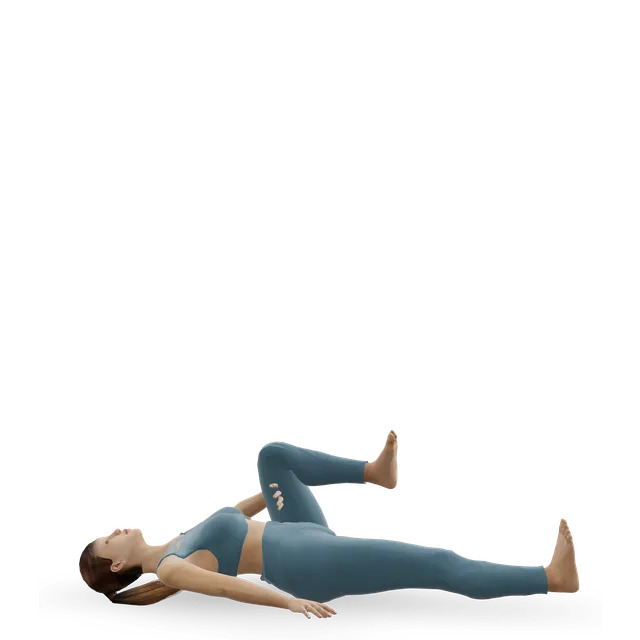
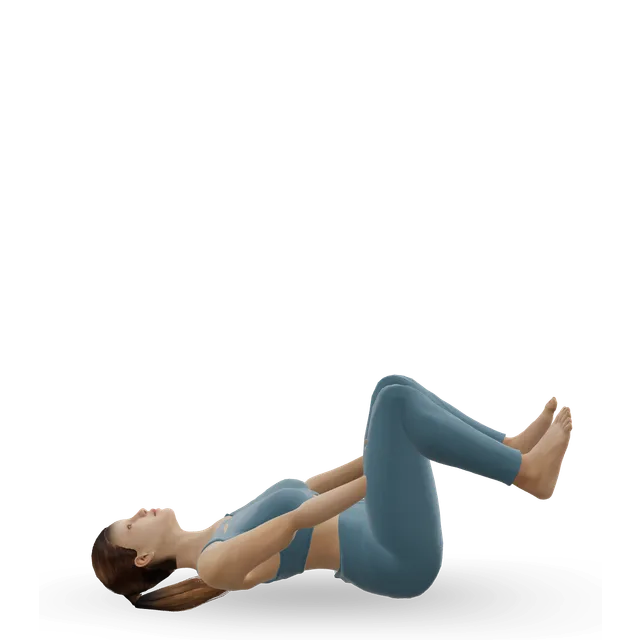
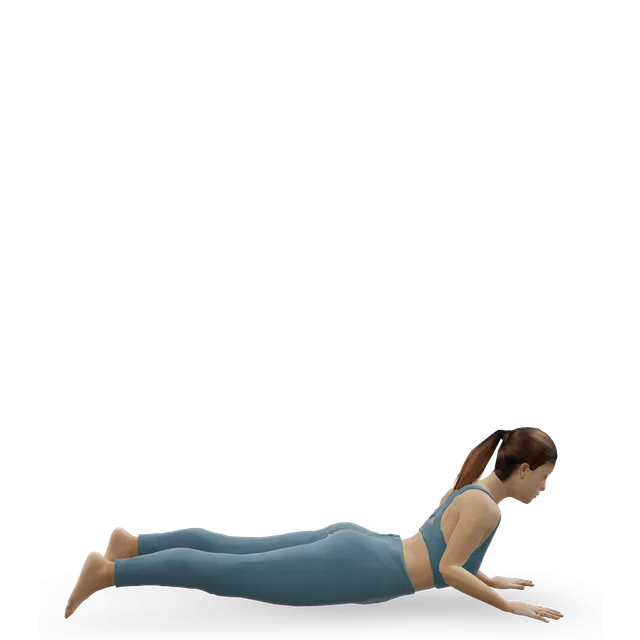
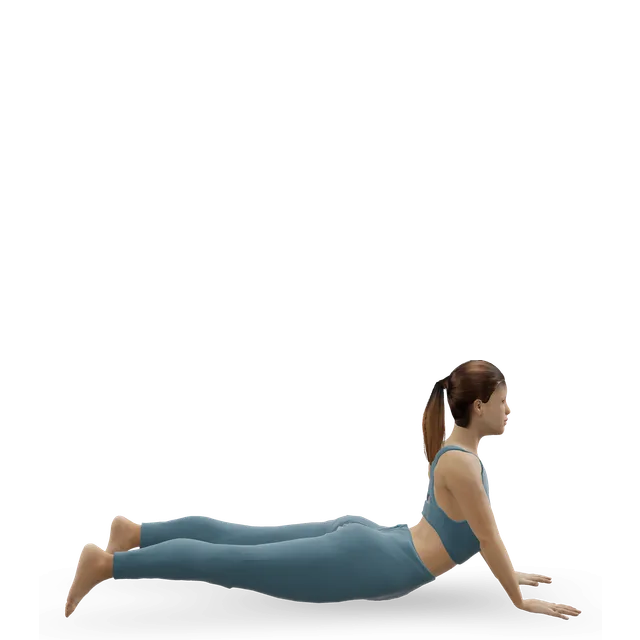
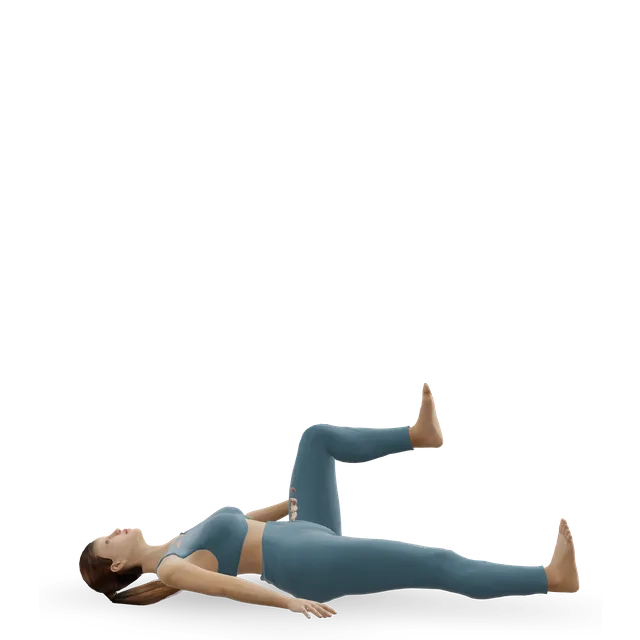
An hour of gentle movements lying on your back (pelvic tilts, knee circles, one knee bent towards your face, a lying twist), cobra, locust and child's pose, then slow breathing and a guided relaxation, in group classes with home practice for 3 months. It used both directions, bending and arching, chosen and adjusted for disc problems.

Sources 5, 6

How the other trial ran

An hour of stretch and strength-based yoga, twice a week for 12 weeks, alongside education.

Source 7

NICE's group exercise

NICE suggests considering a group exercise programme for a flare-up of back pain with or without sciatica, taking your needs, preferences and capabilities into account. Mind-body exercise is one of its options.

Source 2

Our editorial starting point

Short walks and gentle movement from the start, with a short daily practice of breathing, supported lying poses and your easing direction. From about week 2, add bird dog, bridge, side plank and standing poses; later, bring back folds and twists one at a time. If you go to classes, a gentle or back-care class once or twice a week for about 12 weeks is close to how the trials ran.

Sources 1, 12

Let your leg choose: forward or back

The back pain rule

Some discomfort during exercise is fine, and it does not mean you are doing damage: the WHO counts "hurt does not necessarily mean harm" among the messages people with back pain need. Aim for pain you would call mild to moderate, no more than about 5 out of 10. It should settle within an hour or so, and your back should be no worse the next morning. If it is worse, do less next time (fewer reps, a smaller range, a lighter load), not nothing.

Leg symptoms are the exception: stop or shrink any movement that sends pain, pins and needles or numbness further down your leg. If leg symptoms move back towards your spine, that is a good sign, even if your back aches a little more for a while.

Source 32

Find the direction that eases itEmerging evidence

About 40% of people with back pain find a movement that draws pain up out of the leg, and about two thirds find a direction that helps. Both point to a better outlook, though a 2018 review found no evidence that they change which treatment works best. In one trial, exercise matched to each person's direction did better than unmatched exercise, and in 181 people with severe sciatica, exercises chosen by how symptoms responded beat sham exercises.

If bending forward eases your leg, favour knees to chest and child's pose. If arching eases it, favour sphinx and a low cobra. It's a guide for now, not a lifelong rule.

Sources 9, 33, 34

A whole method isn't neededEmerging evidence

In 66 people with disc sciatica on MRI, a full McKenzie programme of repeated movements did no better than one session of advice at 2 years. Use a gentle back bend or knee hug as a test of your direction, not as a cure.

Source 35

Folds over straight legs: our inferenceMixed evidence

In people having disc surgery, lifting the straight leg reproduced their pain in 92%. A seated forward fold, a straight-legged standing fold or a strap hamstring stretch puts the nerve in a similar position, so we suggest bending your knees in these while your leg is bad. No trial has tested this, and no trial shows that any pose harms a disc.

Source 10

Disc pressure: what it can and can't tell youMixed evidence

In one volunteer with a pressure sensor in a healthy disc, pressure was about twice as high standing bent forward as standing upright, and highest lifting with a rounded back. In 107 spine segments in the lab, twisting raised disc pressure less than bending forward or back. Neither shows that a pose harms or heals a disc.

Sources 36, 37

Tell the teacher

Tell the teacher you have a disc problem and which way your leg likes to move. NCCIH (the US National Center for Complementary and Integrative Health) advises people with health conditions, including lumbar spine disease, to talk with their health care provider and the yoga teacher about changing poses.

You can say no to any hands-on adjustment, and a teacher registered with Yoga Alliance must get your explicit consent each time.

Source 38

Poses to start with: settle and find your direction

Keep the poses that ease your leg; you don't need both directions. Knees to chest: hold 20 to 30 seconds, 2 to 4 times (the move's page); press-up: 10 slow repetitions, 3 to 5 times a day, while it helps (the move's page); cat-cow: 8 waves, slower than feels natural (the move's page); hip windscreen wipers: 10 slow passes side to side, 2 rounds (the move's page). Sphinx: 2 holds of 30 seconds, and child's pose: 60 seconds with your knees wide (our yoga for sciatica sequence). Low cobra: 3 to 5 slow lifts of 3 breaths (our editorial starting point). The nerve glide, only with leg symptoms: 10 repetitions with a 1-second pause, 2 to 3 times a day (the move's page, an NHS service's dose).

As your leg settles: build strength with a steady spine

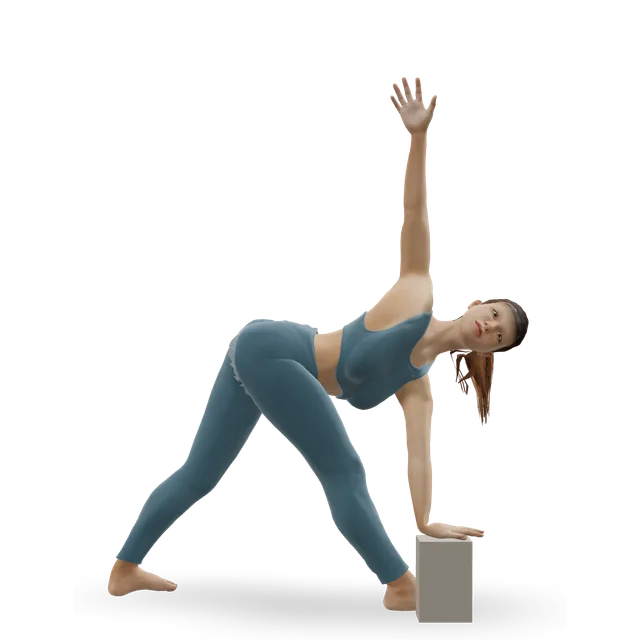
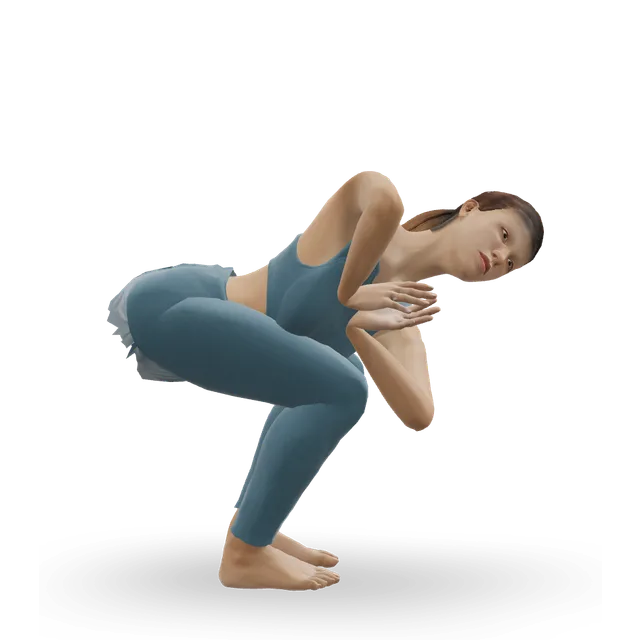
Bird dog one limb at a time: 5 each side (our yoga for sciatica sequence), building to 3 sets of 6 to 8 each side (our herniated disc guide). Bridge: 8 slow lifts, building to 3 sets of 10; side plank from the knees: 3 holds of 15 to 20 seconds each side; hip hinge: 3 sets of 10 (our herniated disc guide). Locust, only if arching suits you: 3 holds of 3 breaths (our yoga for glutes class). Mountain pose: 5 to 10 slow breaths, 2 or 3 times (the move's page). Chair pose: 3 holds of 15 seconds; warrior II and tree pose, fingertips on a wall: 3 breaths each side (our yoga for sciatica sequence).

Bring back one at a time, as your leg allows

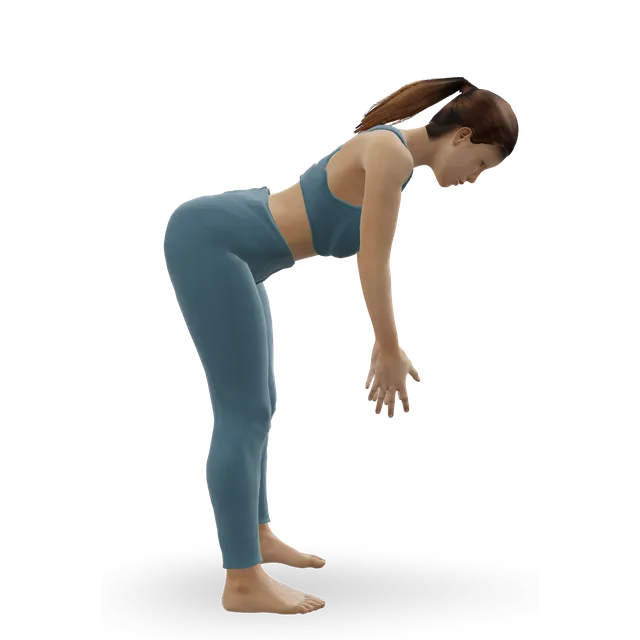
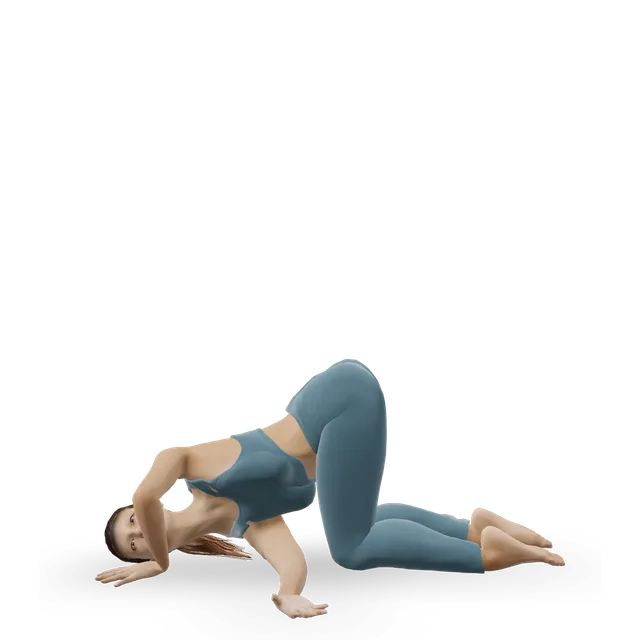
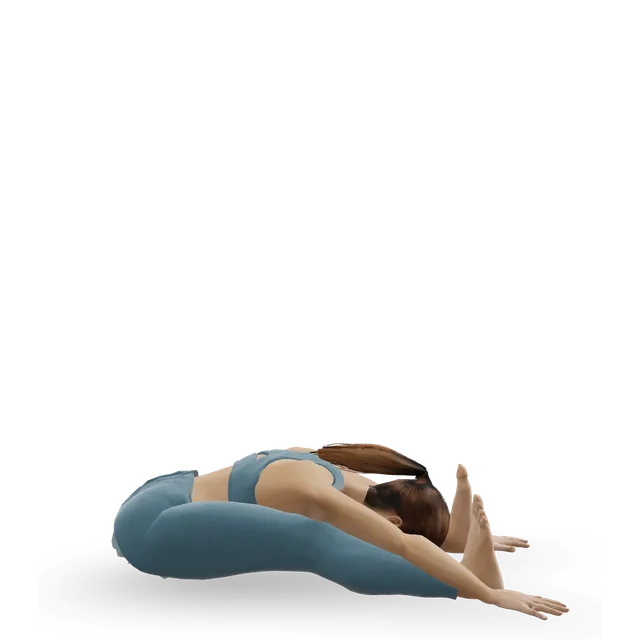
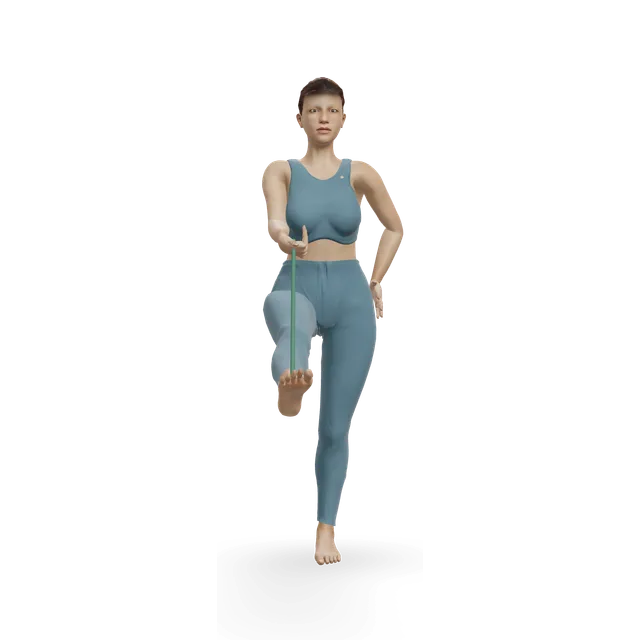
Strap hamstring stretch, knee bent at first: 2 holds of 30 seconds each leg (our yoga for knee pain sequence). Forward fold from the hips with soft knees: 5 slow folds (our gentle yoga for beginners class). Downward dog with your knees well bent, at a wall at first: 2 holds of 3 to 5 breaths (our wall yoga routine). Lying twist, small, with a cushion between your knees: 45 seconds each side (our yoga for knee pain sequence). Thread the needle: hold 30 to 60 seconds, about 5 to 10 slow breaths, each side, 2 rounds (the move's page). Seated forward fold with your knees bent, sitting on a blanket: 2 holds of 30 seconds (our editorial starting point). Keep each one only if your leg doesn't mind.

Poses to change or leave out while leg pain is bad

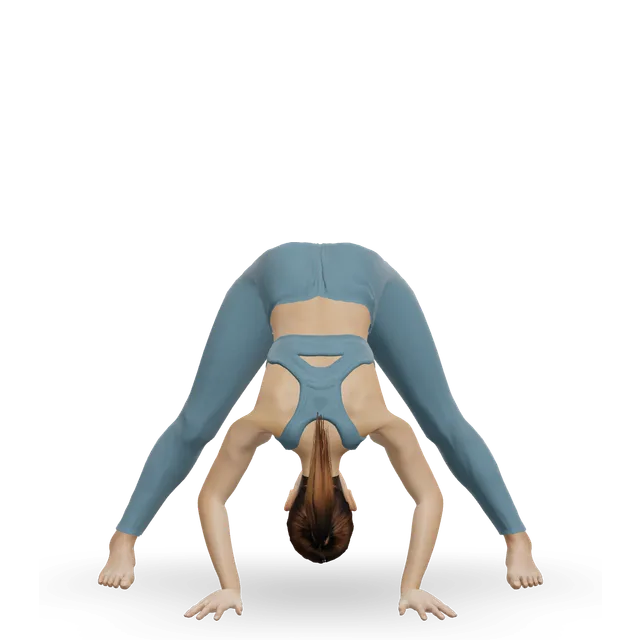
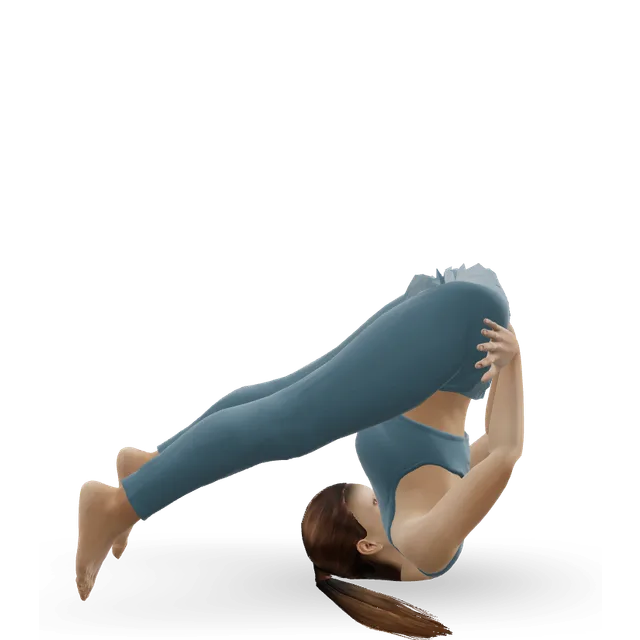
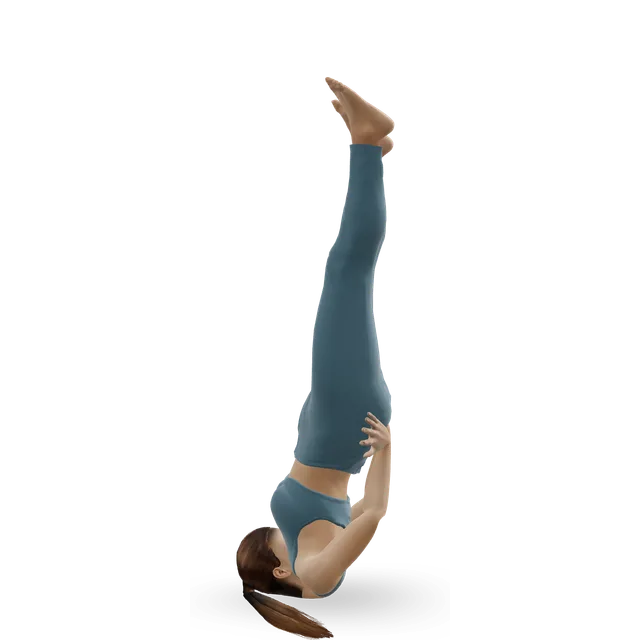
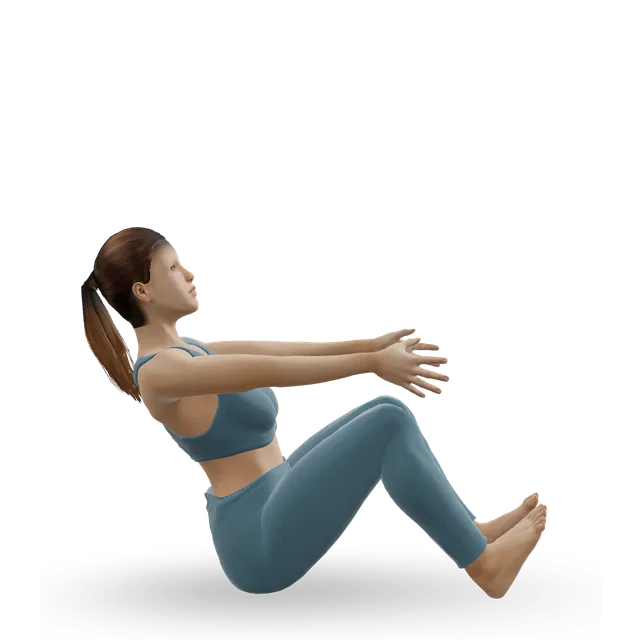
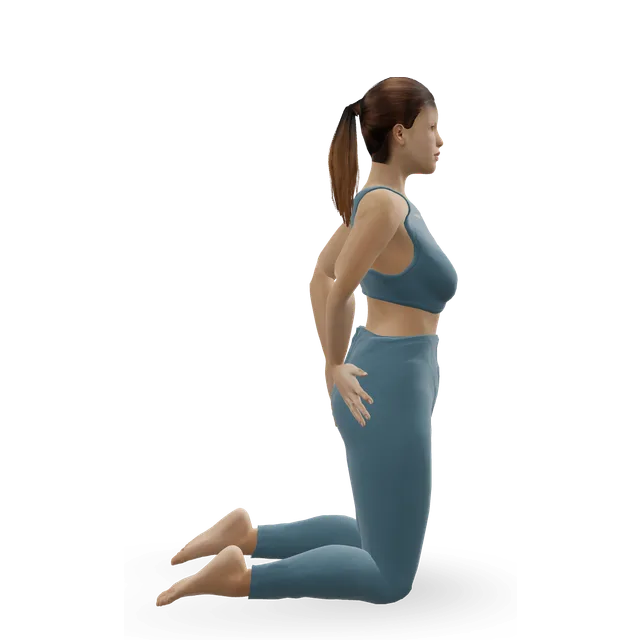
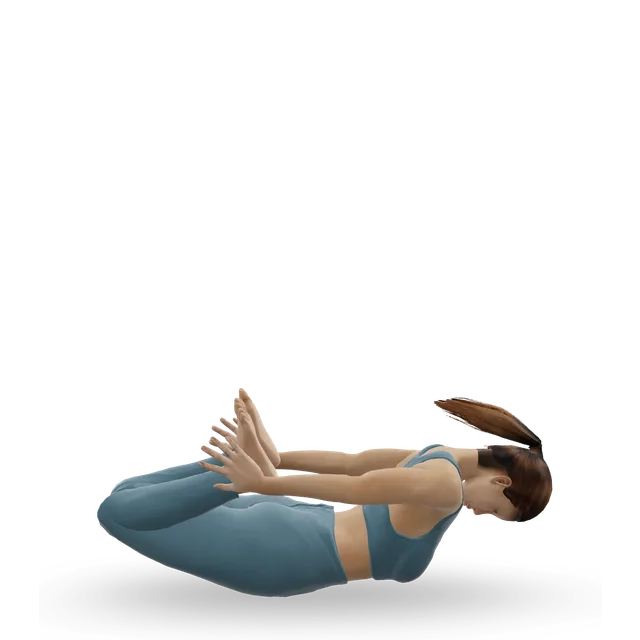
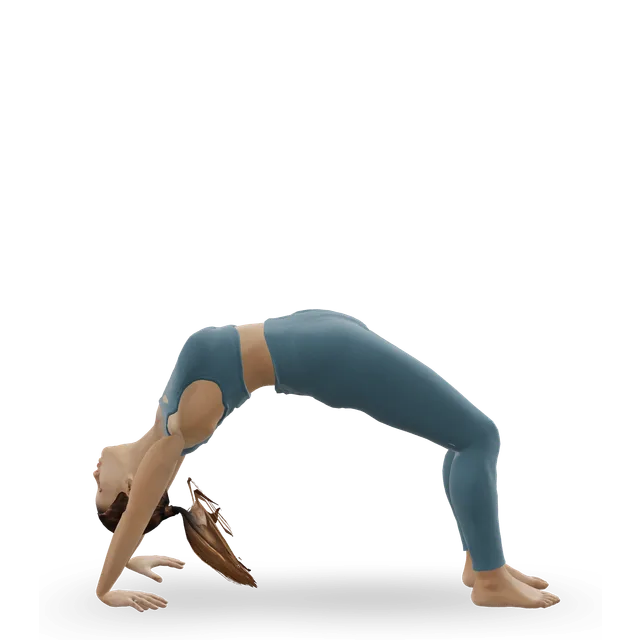
Bend your knees in folds over straight legs or leave them for now (our inference), keep twists small and stop if they bring on leg symptoms, leave out plough, shoulder stand and boat, and save deep backbends until arching has proved it suits you. Come out of kneeling and lotus-type sitting before a foot goes numb. None is banned for good: try each one again later, on its own.

Yoga after disc surgery

Follow your surgical team's timetableEmerging evidence

No yoga trial after a discectomy exists. In 22 trials of rehabilitation after disc surgery, exercise programmes starting 4 to 6 weeks after the operation eased pain and improved function in the short term, with no rise in repeat operations; programmes starting straight away did no better, and a Dutch trial of exercise from discharge found no benefit over no referral. A review of 55 trials found that limiting activity after surgery added nothing.

Sources 39, 40, 41

What that means for yoga

Start a class only when your team says so, and begin with the gentle lying, breathing and standing poses above. Our back surgery guide covers the stages and the wound and nerve signs that need help (our suggestion).

Classes to follow

With leg pain, start with our 25-minute yoga for sciatica sequence: it already lets your leg decide. With back pain mostly, the yoga for back pain workout suits; keep its low cobra only if arching eases you. Chair yoga suits days when the floor is hard, and the gentle beginners' class comes later, once bending and twisting are comfortable again.

When to call 999 or see a GP

These are the warning signs from our back pain, sciatica and Pilates for a herniated disc guides, word for word. This is general information, not a diagnosis. A&E means accident and emergency; in the US, call 911 for 999.

Call 999 or go to A&E

Call 999 or go to A&E: loss of feeling or numbness around the genitals or bottom, new trouble peeing or controlling your bladder or bowels, changes in genital sensation during sex or problems with erections or orgasm, or pain, tingling, weakness or numbness in both legs. These are signs of cauda equina syndrome, which needs treating in hospital urgently. Don't drive yourself.

Call 999 or go to A&E: back pain with chest pain, or back pain that started after a serious accident, such as a car crash.

Sources 11, 12, 1

Get help the same day

Same day: leg weakness that is getting worse.

Same day (urgent GP appointment or NHS 111): new difficulty lifting the front of your foot or toes (foot drop), or a foot that slaps down or catches as you walk, especially if it is getting worse. Weakness in both legs, or with numbness around the genitals or bottom or bladder or bowel changes, is the 999 emergency above.

Same day (GP or NHS 111): back pain and you feel hot, cold, shivery or generally unwell, or severe pain that starts suddenly or is getting worse quickly.

Same day: you have or have had cancer, and new back pain that is severe and doesn't let up, is getting steadily worse, is worse at night and disturbs your sleep, is worse when you cough, sneeze or strain, or comes with tenderness over the spine. Contact your cancer team or GP urgently. With cancer, new weakness, difficulty walking, numbness or bladder or bowel problems are an emergency.

Source 11

After a fall

Sudden mid or lower back pain after a minor fall, lift, cough or sneeze, especially from 50 or with long-term steroid tablets.

Often worse moving or changing position and eased by lying down. It can be an osteoporotic spinal fracture, so see a GP; height loss or a new curve in the upper back are other signs.

See a GP

Unexplained weight loss, or a lump, swelling or change in the shape of your back.

Pain that doesn't improve with rest or is worse at night, or pain that is worse when you sneeze, cough or poo.

If your sciatica hasn't improved after a few weeks of looking after it at home, is getting worse, or is stopping you doing your normal activities. In many areas you can refer yourself to NHS physiotherapy for back problems.

Back pain that hasn't improved after a few weeks of looking after it at home, stops you doing day-to-day activities, worries you, or you're struggling to cope.

Sources 11, 12

A disc in the neck

This guide is about the lower back; our yoga for neck pain guide covers the neck.

Call 999 or go to A&E: new problems walking, loss of bladder or bowel control, or a sudden loss of coordination, such as difficulty doing up buttons. These can be signs of pressure on the spinal cord.

During yoga

Stop or shrink any pose that sends pain, tingling or numbness further down your leg, or leaves your leg worse the next morning (our suggestion, from the back pain rule).

A joint pain that is sharp, gets worse during a session, lingers into the next day or changes how you move is a reason to use an easier version, and to see a GP or physiotherapist if it keeps happening (the rule in our plans). Muscle soreness for a day or two after something new is normal. In a hot class, stop if you feel dizzy, sick or unwell; our hot yoga guide lists the signs of heat illness.

Chest pain or fainting while exercising: call 999

Call 999 if:

  • You get sudden pain or discomfort in your chest that doesn't go away; it can feel like squeezing or pressure, burning or indigestion.
  • The pain spreads to your left or right arm, or your neck, jaw, stomach or back.
  • You have chest pain and feel sweaty, sick, light-headed or short of breath.
  • Someone faints while exercising, can't be woken within 1 minute, or has chest pain or a pounding, fluttering or irregular heartbeat.

Sources 42, 43

Breathlessness

Call 999 or go to A&E (accident and emergency) straight away for severe difficulty breathing (gasping, choking or not able to get words out), a chest that feels tight or heavy, pain that spreads to your arms, back, neck and jaw, lips or skin turning very pale, blue or grey, or sudden confusion. If you're more short of breath than usual, or your heart is racing, fluttering or skipping beats, contact NHS 111.

Source 44

Before you start

The NHS advises getting advice from a healthcare professional first if you have a health problem, an injury or symptoms, or have recently had a heart attack or an operation.


Myths

"Yoga pushes a slipped disc back in place"Strong evidence

Nothing slips, and no pose moves a disc: discs looked the same on scans after 12 weeks of yoga. Many herniations shrink on their own over months, and bulges are common in people with no pain.

Sources 5, 4, 3

"Yoga cures a herniated disc"Strong evidence

Two small trials found modest benefits, and NICE found no mind-body exercise trials in sciatica. Most people improve over weeks to months whatever they do; yoga is a good way to keep moving while that happens.

Sources 6, 7, 8, 13

"Never bend forward with a disc"Emerging evidence

For some people bending forward is the direction that eases their pain, and the disc trial's own programme included knee-to-face and child's pose. Folds over straight legs are the ones to change while leg pain is bad.

Sources 9, 5, 10

"Backbends push the disc back off the nerve"Emerging evidence

No study of yoga shows this. Arching eases some people's pain and worsens others', and in disc sciatica a full McKenzie programme of repeated arching movements did no better than advice at 2 years.

Sources 9, 35

"Twists wring out your discs"Mixed evidence

In the lab, twisting raised disc pressure less than bending. Twists are kept small while leg pain is bad because some people's leg symptoms flare with them, not because they damage discs.

Source 37

"Rest in bed until it heals"Strong evidence

The NHS says not to sit or lie down for long periods, because even if moving hurts, it's not harmful and can help you get better faster, and gentle exercise such as yoga helps you recover more quickly.

Sources 12, 1

Questions people ask

Is yoga good for a herniated disc?

It can be a good way to stay active, which is what the NHS advises: it names yoga among the gentle exercises that help you recover more quickly from a slipped disc. Two small trials in disc problems found modest benefits, but the evidence is thin. Choose poses that don't send pain further down your leg.

Can yoga fix or cure a slipped disc?

No pose fixes a disc: after 12 weeks of yoga, pain eased but discs looked the same on scans. Many herniations shrink on their own over time, and most people improve over weeks to months. Yoga helps you keep moving while that happens.

Can I do yoga with a herniated disc at L4 L5 or L5 S1?

Usually, yes, with changes. The level doesn't change the advice; how your leg responds does. Start with gentle lying poses and your easing direction, bend your knees in folds, keep twists small, and leave out legs-overhead poses and deep backbends while leg pain is bad.

Which yoga poses should I avoid with a herniated disc?

While leg pain is bad, change folds over straight legs (seated and standing forward folds, head-to-knee, pyramid), deep twists, plough, shoulder stand and deep backbends such as wheel and camel. Bend your knees in folds instead, and test each pose again later on its own. No trial shows any pose harms a disc; these are the ones most likely to flare an irritated nerve.

What are the best yoga poses for a slipped disc?

No pose is proven best. Start with the direction that eases your leg: knees to chest and child's pose if bending forward helps, sphinx and a low cobra if arching helps. Add bird dog, bridge, side plank and standing poses as your leg settles.

Is cobra pose good for a herniated disc?

If arching back eases your pain or draws it back towards your spine, sphinx and a low cobra are reasonable. If arching brings on leg symptoms, skip them for now and favour bending forward. Stop any pose that spreads pain down your leg.

Is yoga or Pilates better for a herniated disc?

Neither has been shown to be better: each has only a few small trials in disc problems, and NICE counts both as kinds of exercise to consider. Choose the one you enjoy and will keep doing; our Pilates for a herniated disc guide covers Pilates.

Is hot yoga or yin yoga OK with a herniated disc?

Neither has been tested in disc problems. Yin's long, deep holds, especially folds over straight legs, can pull on an irritated nerve, so shorten them and bend your knees. In a hot class, don't let the heat take you deeper than your leg allows.

Can yoga cause a herniated disc?

Rarely. In a large back pain trial, 1 of 87 yoga attendees had a herniated disc, and yoga's side effects overall are no more common than with other exercise. The risk sits in extreme spinal positions, forced poses and practising without a teacher.

Can I do yoga after a discectomy or microdiscectomy?

Only when your surgical team says so: no yoga trial after disc surgery exists. Exercise programmes starting 4 to 6 weeks after surgery helped, and starting straight away did not. Our back surgery guide covers the stages.

What about a herniated disc in my neck?

This guide is about the lower back; our yoga for neck pain guide covers the neck. With a neck disc, leave out headstand, shoulder stand and plough. Call 999 for new problems walking, loss of bladder or bowel control, or a sudden loss of coordination.
When is a slipped disc an emergency?

Call 999 or go to A&E for numbness around your genitals or bottom, new trouble peeing or controlling your bladder or bowels, changes in genital sensation during sex, or pain, tingling, weakness or numbness in both legs: these can be cauda equina syndrome. Get a same-day appointment for leg weakness that is getting worse or foot drop.

Sources

  1. NHS · Slipped disc
  2. NICE NG59 · Low back pain and sciatica in over 16s: assessment and management (recommendations, last updated July 2026)
  3. Brinjikji 2015 · Disc changes on scans in 3,110 people without back pain (systematic review, AJNR; read in full)
  4. Chiu 2015 · How often lumbar disc herniations shrink without surgery (systematic review, Clin Rehabil)
  5. Telles 2016 · Pain and MRI disc changes after 12 weeks of yoga in people with degenerated discs (randomised trial, Med Sci Monit; read in full)
  6. Monro 2015 · Yoga therapy for disc bulges and extrusions: 61 adults, 62% with sciatica (exploratory randomised trial, J Back Musculoskelet Rehabil)
  7. Yildirim 2022 · Stretch and strength-based yoga for nerve pain from a lumbar disc herniation: 48 people (randomised trial, Spine)
  8. NICE NG59 · Full guideline: assessment and non-invasive treatments, chapter 9 on exercise (National Guideline Centre, 2016)
  9. May 2018 · Centralisation and directional preference in back pain: an updated review (systematic review, Musculoskelet Sci Pract)
  10. van der Windt 2010 · Physical examination for nerve root pain from a disc herniation (Cochrane diagnostic review)
  11. NHS · Back pain
  12. NHS · Sciatica
  13. NHS inform · Sciatica
  14. Kreiner 2014 · North American Spine Society guideline on lumbar disc herniation with radiculopathy (guideline, Spine J; guideline document read in full)
  15. Ding 2023 · Letter to the editor about the Yildirim 2022 yoga trial (letter, Spine; text not available to us)
  16. Singh 2013 · Cobra and locust poses, with or without oil massage: 60 people with sciatica (controlled study, Int J Yoga; read in full)
  17. Europe PMC · Title search for yoga studies in sciatica, radiculopathy or disc herniation: 4 records, 2 of them trials (30 October 2026)
  18. Wieland 2022 · Yoga for chronic non-specific low back pain: 21 trials, 2,223 people (Cochrane review; read in full)
  19. Saper 2014 · Yoga, physical therapy or education for chronic low back pain: trial protocol (Trials; read in full)
  20. Sherman 2010 · Yoga or stretching for chronic low back pain: the YES trial protocol (Trials; read in full)
  21. Sherman 2011 · Yoga, stretching or a self-care book for chronic low back pain: 228 adults (randomised trial, Arch Intern Med; read in full)
  22. Saper 2017 · Yoga, physical therapy or education for chronic low back pain: 320 adults (randomised trial, Ann Intern Med; read in full)
  23. Li 2026 · Yoga against other exercise for chronic low back pain: 7 trials (systematic review and meta-analysis, Front Med)
  24. Fernandez 2015 · Advice to stay active or structured exercise for sciatica: 5 trials (systematic review and meta-analysis, Spine)
  25. Dove 2023 · Physiotherapy for sciatica: 18 trials, 2,699 people (systematic review and meta-analysis, Eur Spine J; read in full)
  26. Du 2025 · Exercise for lumbar disc herniation: 8 trials, 611 people (systematic review and meta-analysis, Front Med)
  27. Zhu 2025 · Non-surgical treatments for acute and subacute sciatica: 40 trials (network meta-analysis, J Orthop Sports Phys Ther)
  28. Zhu 2025 · Non-surgical treatments for chronic sciatica: 50 trials (network meta-analysis, J Pain)
  29. Cramer 2015 · The safety of yoga: 94 randomised trials, 8,430 people (systematic review and meta-analysis, Am J Epidemiol)
  30. Lee 2019 · Soft tissue and bone injuries caused by yoga: 89 patients at a US clinic (case series, Mayo Clin Proc)
  31. Cramer 2019 · Adverse effects of yoga in 1,702 German practitioners (national survey, BMC Complement Altern Med)
  32. WHO 2023 · Guideline for non-surgical management of chronic primary low back pain in adults (read in full)
  33. Long 2004 · Exercise matched to a directional preference in 312 people with back pain (randomised trial, Spine)
  34. Albert 2012 · Symptom-guided or sham exercise for severe sciatica: 181 people (randomised trial, Spine)
  35. Kilpikoski 2024 · The McKenzie method or guideline advice for disc sciatica: 66 people, 24 months (randomised trial, Clin Rehabil)
  36. Wilke 1999 · Pressure inside a lumbar disc in daily activities: one volunteer (measurement study, Spine)
  37. Liebsch 2025 · Disc pressure in bending, side bending and twisting: 107 spine segments (laboratory study, Spine J)
  38. NCCIH (US National Center for Complementary and Integrative Health) · Yoga: effectiveness and safety (updated August 2023)
  39. Oosterhuis 2014 · Rehabilitation after lumbar disc surgery: 22 trials, 2,503 people (Cochrane review)
  40. Oosterhuis 2017 · Early rehabilitation after lumbar disc surgery against no referral (randomised trial, J Physiother)
  41. Brotis 2025 · Physical therapies after surgery for a lumbar disc herniation: 55 trials, 4,311 people (evidence synthesis, Brain Spine)
  42. NHS · Chest pain (past its review date: reviewed August 2023, review due August 2026)
  43. NHS · Fainting
  44. NHS · Shortness of breath

Exercise education, not a personal prescription, and clinical review of these guides is pending. If you are pregnant, have a health condition such as glaucoma, high blood pressure or osteoporosis, or have had recent surgery, check with a doctor, midwife or physiotherapist before starting, and stop for sharp or increasing pain. Health disclaimer.