Pilates
Spine-still Pilates for spondylolisthesis: a 25-minute class with no deep arching
This class trains your deep tummy and back muscles, hips and hamstrings while your lower back stays still, and leaves out backbends. It follows the first stage of our spondylolisthesis guide. Rest in whichever position eases your back: if bending forward helps, use the knees-to-chest hold and child's pose. Some discomfort is fine if it settles within an hour and your back is no worse the next morning, but stop any move that sends pain, tingling or numbness down a leg. Teenagers with a fresh stress fracture should follow their physiotherapist's plan. The order and doses are our editorial choice: no trial has tested Pilates for a slip.
Set up
- Beginner · Abs · 3D demoLying on your back, knees bent; breathe into the sides and back of your ribsHarder: Roll-up (Pilates)

On your back
- Pelvic tilt into bridge8 slow tiltsBeginner · Glutes, Abs, Hamstrings · 3D demoTilt only: flatten your lower back gently, then release; hips stay downHarder: Glute bridge
- Double knee-to-chest stretch2 holds of 20 to 30 sBeginner · Back, Glutes · 3D demoOnly if bending forward eases your back; otherwise skip itEasier: Single knee-to-chest stretchHarder: Overhead lat stretch at a bench (elbows on the bench)
- Knee fold6 each sideBeginner · Abs, Hip flexors · 3D demoLift one bent leg to a tabletop and lower it, pelvis levelEasier: Supine heel slideHarder: Dead bug heel taps
- Dead bug heel taps2 sets of 6 to 8 each sideBeginner · Abs, Hip flexors · 3D demoLower back still on the floor; tap one heel down at a timeEasier: Bent-knee fall-outHarder: Forearm plank
- Glute bridge2 sets of 10Beginner · Glutes, Hamstrings, Abs · 3D demoLift only to a straight line from shoulders to knees: no arch at the topEasier: Pelvic tilt into bridgeHarder: Single-leg glute bridge
- Supine hamstring stretch with a strap2 holds of 20 to 30 s each sideBeginner · Hamstrings, Calves · 3D demoTo the first feeling of stretch, pelvis still; bend the knee if it tingles down the legEasier: Leg-up hamstring stretchHarder: Contract-relax hamstring stretch (PNF)






On your side
- Side kick (Pilates side kick series)8 each sideBeginner · Hip flexors, Glutes, Hip abductors · 3D demoSmall swings at hip height; keep the backward swing short so your back doesn't archHarder: Side-lying leg circles (Pilates side kick series)
- Knee side plank3 holds of 15 to 20 s each sideBeginner · Abs, Hip abductors, Shoulders · 3D demoKnees bent, elbow under your shoulderHarder: Side plank


All fours
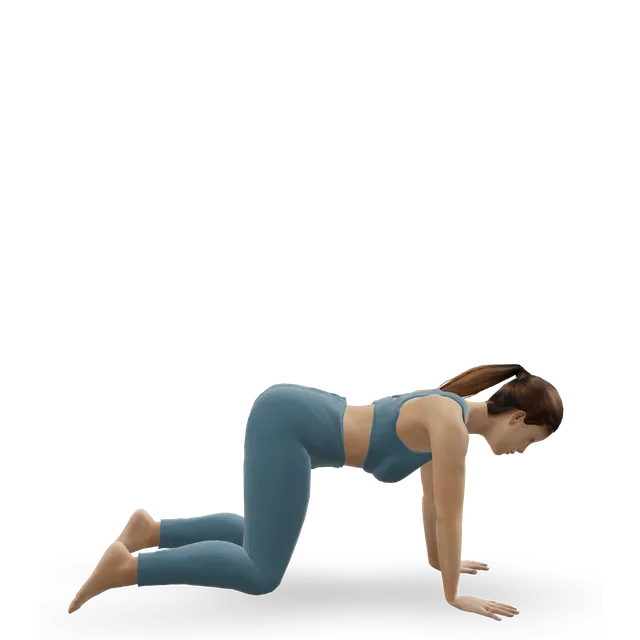
- Bird dog, one limb at a time2 sets of 6 each side, 3 to 5 s holdsBeginner · Abs, Back, Glutes · 3D demoOne arm or one leg at a time; back level, no archingEasier: Side-lying tummy draw-inHarder: Bird dog
- Knee hover (Pilates tabletop hover)2 holds of 15 sBeginner · Abs, Shoulders, Quads · 3D demoKnees just off the floor, back flat; fists if your wrists hurtHarder: Straight-arm plank (high plank)
- Child's Pose (Balasana)30 to 60 sBeginner · Back, Shoulders, Glutes · 3D demoSit back towards your heels and restHarder: Extended puppy pose (Uttana Shishosana)


Standing
- Hip-hinge practice8 slow repsBeginner · Glutes, Hamstrings, Back · 3D demoLong back, hips travel backHarder: Kettlebell deadlift
- Band row2 sets of 10 to 15Beginner · Back, Biceps, Shoulders · 3D demoShoulder blades back and down; stand tall without leaning backHarder: Supported single-arm dumbbell row
- Single-leg stand2 holds of 20 s each legBeginner · Hip abductors, Calves, Glutes · 3D demoBeside a wall or counter; touch it whenever you need toEasier: Tandem stance and heel-to-toe walkHarder: Single-leg reach matrix
- Breath reach5 breaths, exhale longer than inhaleBeginner · 3D demoArms rise as you breathe in and lower as you breathe outHarder: Slow breathing (6 breaths a minute)




Tips
- Two or three times a week, with walking on most days. If your legs build up as you walk, walk in intervals: walk until they build, sit or lean forward until they ease, then go again.
- Bring arching back only once bending forwards and backwards is comfortable and doesn't bring on leg symptoms: slow swimming first, then a small swan, as our Pilates for spondylolisthesis guide sets out.
- Stop any move that sends pain, tingling or numbness down a leg. Numbness around your genitals or bottom, new bladder or bowel problems, or weakness in both legs needs 999.
The doses are suggested starting points, not a prescription. Choose a range you can control and stop for sharp or increasing pain, numbness or tingling. Get individual advice after an injury or surgery, or if you are pregnant or managing a health condition.
Guides that recommend it
Find more moves like these
More pilates


Beginner Pilates workout
A 20-minute mat Pilates workout for complete beginners. It covers breathing, spine position and the foundation moves, each with an easier option.
20 minBeginner13 movesNo equipment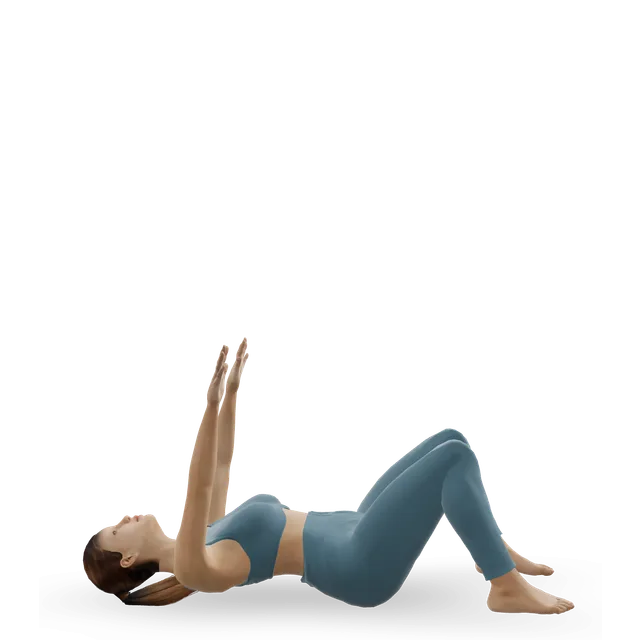

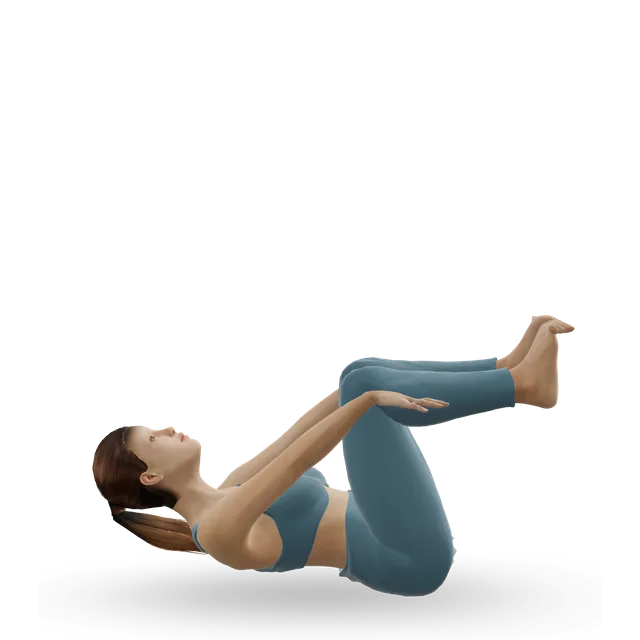
10-minute Pilates abs
Ten minutes of the classic Pilates abdominal series: the hundred, the roll-up and the series of five, with a plank to finish.
10 minIntermediate11 movesNo equipment
Full-body mat Pilates workout
A 30-minute intermediate mat Pilates class that follows the classical order, from the hundred to the push-up, with prep versions of the hardest moves.
30 minIntermediate22 movesNo equipmentQuestions people ask
How long does the spine-still pilates for spondylolisthesis: a 25-minute class with no deep arching take?
About 25 minutes, including any warm-up and cool-down listed. Shorten it by doing fewer rounds; lengthen it by adding one.
What equipment do I need?
You need: A band, An anchor point, A wall. Each move links to its guide, where you can find an alternative if you are missing something.
Is it suitable for beginners?
It is written for beginners. 7 of its 16 moves have an easier option listed beside them if you need one.
How do I make it easier or harder?
Use the easier or harder option listed under each move, change the number of rounds, or adjust the rest. Progress one change at a time.