Pilates guide

Pilates for a hip labral tear and hip impingement (FAI): the pinch, the moves to avoid or change, what the evidence shows, and a 25-minute class

The labrum is a rim of tough tissue around the hip socket. A tear can cause deep groin pain, clicking or catching, and pain when you bend your hip deeply or twist, often alongside hip impingement (femoroacetabular impingement, FAI), where the shape of the ball or the socket makes them meet early. Both are common on scans of hips that don't hurt, so a scan has to match your symptoms. Exercise is the first treatment, for at least 3 months: in trials, keyhole surgery did a little better on average than physiotherapy, with more risk, and in a 2026 trial a strengthening programme and a stretching programme each improved hip scores by about 20 points.

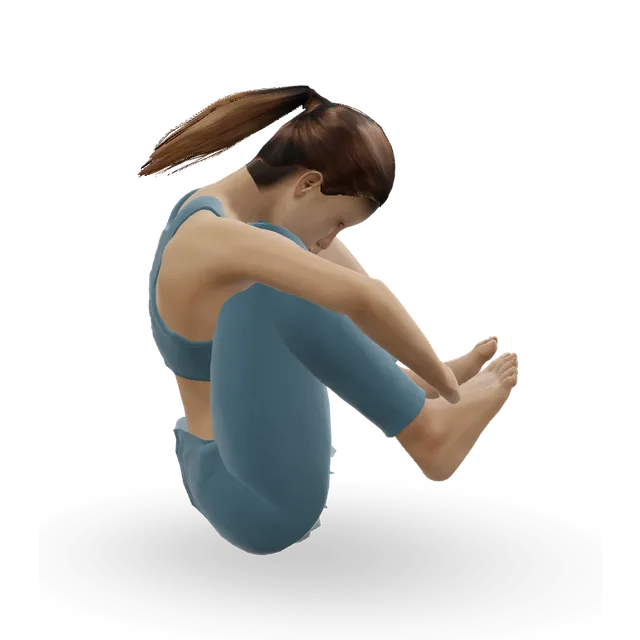
No trial has tested Pilates for either, and many classical moves look as if they take the hip into the position that pinches: rolling like a ball, the roll-up and teaser, knees hugged to the chest, and the frog and leg circles in reformer straps. That doesn't mean no Pilates. It means hip strength in every direction and trunk control, with every bend kept short of the pinch.

This guide covers the pinch, the moves to start with and to change, the reformer, getting back after hip arthroscopy, what the evidence shows and a free 25-minute class. If you've had a fall and can't put weight on the leg, or your hip is hot and swollen with a fever, start with the warning signs.

The short version

Common on scans, even without pain

On MRI (magnetic resonance imaging), 69% of 45 volunteers without hip symptoms had a labral tear, and across studies about half of people without hip pain have one. Impingement shapes are common in pain-free hips too. Impingement is only diagnosed when your symptoms, an examination and imaging all fit.

Sources 1, 2, 3, 4

Exercise first, for at least 3 months

International experts recommend exercise-based treatment for at least 3 months, and staying active, sport included. The US physiotherapy guideline recommends strengthening the hip, trunk and leg muscles. Keyhole surgery helps a little more on average, with more risk, and hasn't been tested against a sham operation.

Sources 5, 6, 7, 8, 9

No Pilates trial

We found no trial of Pilates in a labral tear, hip impingement or after hip arthroscopy (our searches, October 2026). The nearest trials are small: adding planks and bird dogs to hip exercise helped 20 women, but a home programme of tummy and pelvic tilt work alone did no better than usual care in 95 people. So build hip strength in every direction, not core work alone.

Sources 10, 11, 12

Some classical moves bend the hip deeply

In a CT (computed tomography) study, hips with impingement met bone at about 110 to 117 degrees of bending, against 125 in normal hips. Rolling moves, knees hugged in, long-lever sit-ups and the legs-overhead moves look as if they bend the hip that far or further; that's our reading, as no study has measured hip angles in a Pilates move. The US guideline advises limiting hard end-of-range bending and turning-in stretches.

Sources 13, 14, 15

The rule: up to the pinch, not into it

In our labral tear guide's words, "A sharp pinch, catch or click is different: make the movement smaller rather than pushing through." Pain up to about 5 out of 10 during exercise is fine if it settles within an hour or so and your hip is no worse that night or the next morning.

Sources 7, 8

Warning signs come first

A fall with a hip you can't stand on, a hot, swollen hip with a fever, a painful lump in the groin and a child or teenager with hip, thigh or knee pain or a limp all need help before any class. The full list is below.

Sources 16, 17, 18

What a labral tear and hip impingement are

The labrum and a tear

The labrum is a rim of tough, cartilage-like tissue around the hip socket that deepens it and helps seal the joint. A Canadian consensus of 40 doctors agreed that "anterior groin pain, pain in hyperflexion, and sharp catching pain with rotation make a diagnosis of a labral tear more likely": pain at the front of the groin, pain bending the hip deeply, and a sharp catching pain when the hip turns. As our labral tear guide explains, the labrum has a poor blood supply, so a tear may not heal, though pain and function often improve with exercise.

Source 6

Hip impingement (FAI)

In impingement, the ball of the hip (a cam shape) or the rim of the socket (a pincer shape) meets the other early as the hip bends. The international Warwick Agreement says "To reach a diagnosis, patients should have appropriate symptoms, positive clinical signs and imaging findings." Experts warn that labral changes without symptoms shouldn't be confused with the cause of pain. The US surgeons' patient page says turning, twisting and squatting may bring on a sharp, stabbing pain.

Sources 4, 20, 19

Common on scans of hips that don't hurtStrong evidence

"Labral tears were identified in 69% of hips" in 45 volunteers aged 15 to 66 with no hip symptoms. Across 29 studies, 54% of people without hip pain had a labral tear on imaging, against 62% of people with pain. In 2,114 hips without symptoms, a cam shape showed in 37% and a pincer shape in 67%. A tear or a shape on a scan isn't, on its own, the cause of your pain.

Sources 1, 2, 3

How it usually goes without surgeryEmerging evidence

Across 26 studies, about half of people with hip-related pain responded well to non-surgical care (54%, moderate certainty). In a 2026 group of 88 people aged 15 to 40, 59% were satisfied with non-surgical care at a year. In 52 people with labral tears treated without surgery for a year, hip scores rose from 47.5 to 67.9, but 48.1% said their pain hadn't improved. Most of these studies had no comparison group.

Sources 21, 22, 23

Arthritis laterEmerging evidence

A cam shape went with a higher chance of hip arthritis on X-ray in 23,886 mostly older hips followed for about 6 years (odds ratio 1.87): an association, not proof that changing the shape changes the risk. No trial has shown surgery prevents arthritis: the FAIT trial found no difference in hip joint space on X-ray at 38 months, and an Australian trial found no difference in cartilage health at a year.

Sources 24, 25, 26

The pinch, and which Pilates moves reach it

Where the hip pinchesEmerging evidence

The pinch is deep hip bending with the knee drawn across the body and turned in: the position of the clinical test for impingement. In a CT study of 37 hips with impingement, "patients report exacerbation of hip pain in deep flexion", and the hips could bend only about 110 to 117 degrees before bone met bone, against 125 degrees in normal hips. In a deep squat, people with a cam shape couldn't go as low as people without one, and their pelvis moved less.

Sources 4, 14, 13, 27

Tucking the tailbone gives a little more roomMixed evidence

Across 14 lab and modelling studies, "increasing posterior pelvic tilt increases hip range of motion to impingement in patients with FAI": tucking the tailbone under, as in the Pilates pelvic tilt, gives the hip a little more room before it pinches. Whether training it changes symptoms isn't shown, and a home programme built around it did no better than usual care.

Sources 28, 12

Which Pilates moves reach the pinch: our readingMixed evidence

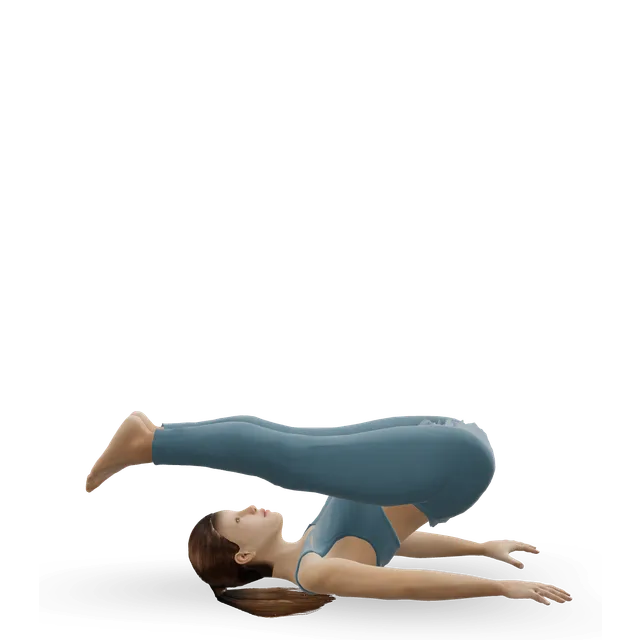
No study has measured hip angles or joint loads in any Pilates or reformer move. From how the moves look, our reading is that these bend the hip past a right angle, toward the point where hips with impingement meet bone: deep bending with the knees drawn in (rolling like a ball, the seal, the open-leg rocker, and knees pulled in during the single-leg and double-leg stretch); bending with a long lever (the roll-up, teaser and spine stretch forward); and the legs-overhead moves (the roll-over, jack knife and control balance), which take the hip to its limit under your body weight. Criss-cross draws the bent knee across the body, and side-sitting in the mermaid turns the folded hip in.

Sources 10, 29

Straps and footwork on the reformerMixed evidence

A hip physiotherapist and researcher writes that long-lever leg circles with the feet in reformer straps are "very challenging for those with hip joint related pain". The frog in straps bends and turns out both hips together. One reformer maker's manual says the stopper "should allow the user to have slightly less than 90° of hip flexion when the carriage is all the way in for leg and footwork". That setting hasn't been tested in people with impingement.

Sources 30, 31

Dancers and very flexible peopleMixed evidence

In 11 professional ballet dancers with normally shaped hips, "Impingements and subluxations are frequently observed in typical ballet movements", so extreme range can pinch even a normal hip. Yet labral tears were no commoner in 49 professional dancers than in sports people, and weren't linked with pain. If you're very flexible, more range isn't the goal.

Sources 32, 33

What the evidence says

Exercise carries the evidence, from expert consensus and trials against surgery. We found no Pilates trial.

No Pilates trialStrong evidence

Our searches of PubMed, Europe PMC and ClinicalTrials.gov (October 2026) found no trial of Pilates in hip impingement, a labral tear or rehabilitation after hip arthroscopy. The only Pilates trial in any groin problem was in sports hernia, in 88 men: adding Pilates improved function scores, but eased pain by less than the smallest difference that matters, and it isn't hip joint pain.

Sources 10, 34

Exercise first, for at least 3 monthsStrong evidence

An international consensus says "Exercise-based treatment should be at least 3 months duration", with staying active, sport included, though it noted that strong evidence for physiotherapist-led care was lacking. A Canadian consensus of 40 doctors names range of movement, strength, core strengthening, gluteal work, movement retraining, symptom management, activity changes and education. The 2023 US physiotherapy guideline recommends strengthening the hip muscles, the trunk (tummy and back muscles) and the legs, and avoiding exercises that bring on impingement. None names Pilates.

Sources 5, 6, 7, 35

Strength and stretching both helped: PhysioFIRSTEmerging evidence

In 154 adults aged 18 to 50 with impingement, a progressive hip and trunk strengthening programme and a standardised stretching programme, with the same amount of contact, each improved a 100-point hip quality of life score by about 20 points over 6 months (19.2 and 20.8), with no difference between them. More people in the strength group felt their pain had improved: 72% against 52%. "Our interventions were safe, with no study-related adverse effects." A Danish and Australian trial of supervised strength exercise as the first treatment finished in July 2026 and hasn't posted results.

Sources 36, 37

Trunk work added to hip exercise: small trialsMixed evidence

In a pilot trial of 20 women with impingement, adding planks (5 holds of 30 seconds) and bird dogs (3 sets of 20 each side, with 3-second holds) to a daily hip programme improved one hip score more at 8 weeks (78.7 against 53.0), though another score didn't differ. A review of 5 small trials (124 people) found that core strengthening helped more than programmes without it over about 9 weeks. The FAIT trial's physiotherapy put "an emphasis on muscle strengthening to improve core stability and movement control". All small and short.

Sources 11, 38, 15

Core work alone wasn't enoughEmerging evidence

An 8-week home programme of two strength exercises (tummy and hip extensors) and three stretches, built around tucking the pelvis, added to usual care in 95 people with cam impingement, gave "no statistical differences in pain, function, and quality of life" at 9 weeks or 6 months. The programmes that helped trained the hip in every direction, the trunk and movement.

Sources 12, 36

Keyhole surgery against physiotherapyEmerging evidence

In UK FASHIoN (348 people), surgery scored 6.8 points better than physiotherapy on a 100-point hip score at 12 months, just over the 6.1 points patients notice, with more reported side effects (72% against 60%); between 1 and 3 years, 24% of the physiotherapy group chose surgery. In FAIT (222 people), surgery scored 10 points better at 8 months. In a US military trial of 80 people, there was no difference at 2 years, but 28 of the 40 in the therapy group had surgery. Pooled, the advantage is around or below what patients notice, with no difference in pain. People knew which treatment they had, and the only sham-surgery trial hasn't reported results.

Sources 8, 39, 15, 40, 41, 9, 42, 43

Over 40Mixed evidence

In one surgeon's trial in people over 40 with labral tears, surgery plus therapy did better than therapy alone, but 71.1% of the therapy group went on to have surgery, and trying physiotherapy first didn't spoil the later results. With arthritis on an X-ray, our Pilates for hip pain guide fits better.

Sources 44, 45

How it should feel: up to the pinch, not into it

Our labral tear guide's pain rule

During the exercise, pain up to about 5 out of 10 is acceptable. It should settle within an hour or so, and your hip should be no worse that night or the next morning. If it is, do less next time (fewer repetitions, a smaller range, a lighter load), not nothing.

A sharp pinch, catch or click is different: make the movement smaller rather than pushing through. The guideline asks clinicians to avoid exercises and ranges that bring on impingement, and the NHS programme in UK FASHIoN left out painful, hard end-of-range stretches.

This rule comes from tendon and arthritis programmes; it has not been tested in labral tears.

Sources 7, 8

In Pilates

In any move, stop at the first pinch at the front of the hip. Holding there, hugging the knee in further, or letting the reformer's carriage or a strap take you deeper is the part to leave out. This is our suggestion, from our hip impingement guide's "Work up to the pinch, not into it", the US guideline's advice to limit "aggressive end-range flexion or internal rotation stretches" and FAIT's advice to avoid "extremes of hip flexion, abduction, internal rotation".

Sources 14, 15

Stop the move

Stop the move for a sharp pinch at the front of the hip in deep bends or circles, a catching or locking feeling, or outer hip pain that builds during side-lying work, and swap to the versions on this page (our suggestion).

How often, and for how long

Two or three sessions a week, as our labral tear guide suggests, for at least 3 months before you judge it. The doses on this page are starting points, not prescriptions.

Sources 5, 36

Moves to start with: lying on your back

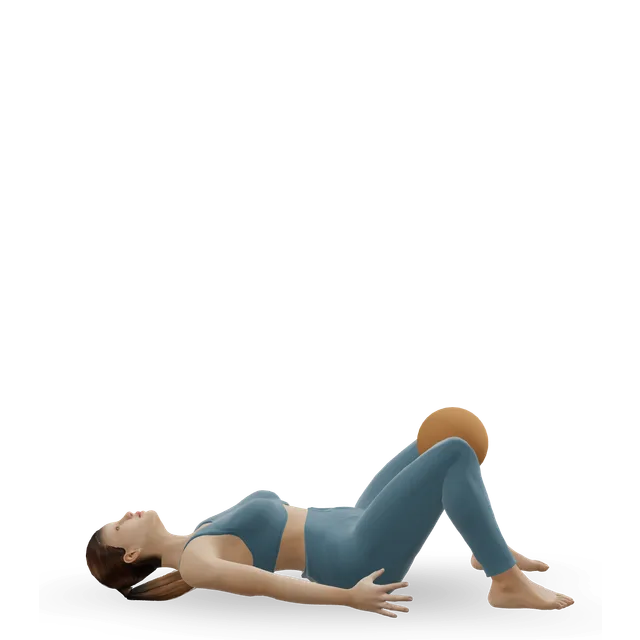
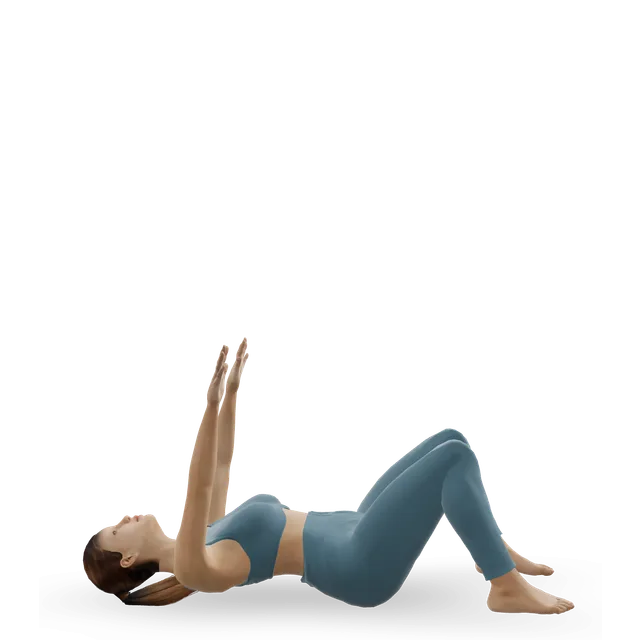
Lateral breathing: 5 breaths, knees bent (our Pilates for hip pain class; adapted from the move page's dose). Heel slides: 8 each side, only as far as is comfortable (the class; adapted from the move page's dose). Knee folds: 5 each side, lifting to a right angle and no further, the knee no higher than the hip (the class; adapted from the move page's dose). Pelvic tilts into a bridge: 8 slow reps (the class). Bridges: 2 to 3 sets of 10 (our labral tear guide, stage 1). Dead bug heel taps: 2 sets of 6 to 8 each side (the guide's stage 1), knees no closer to your chest than a right angle (our suggestion). Cushion squeeze: 5 holds of 5 to 10 seconds (stage 1). Belt press: "3 to 5 holds of 5 to 10 seconds, twice a day, at a light effort: the starting dose in the LEAP trial programme." (the move page's dose). Single-leg circles: "5 circles each direction, each leg (the classical sequence uses 5)." (the move page's dose), kept small with the other knee bent; its page says to stop if you feel groin pain.

On your side and face down: the hip away from the pinch

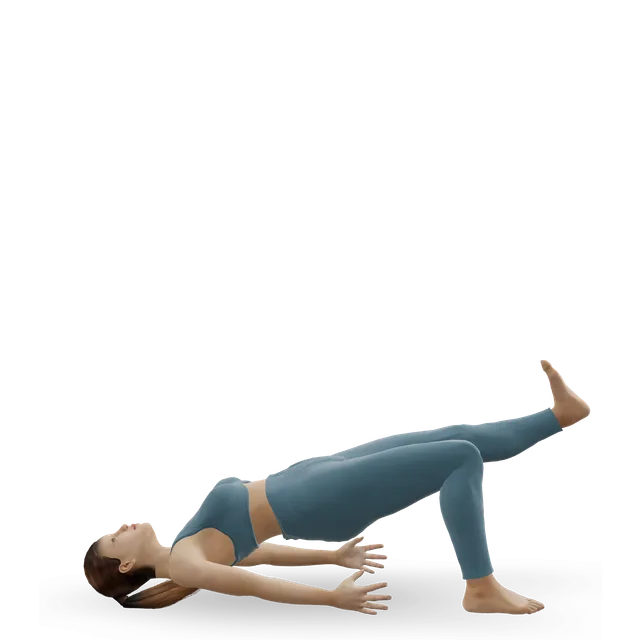
Side-lying leg lift: 8 each side, heel leading and the leg slightly behind your body line (our Pilates for knee pain class). Side kick: 8 each side (the class; adapted from the move page's dose), swinging the leg forward only as far as stays pinch-free and further back than forward (our suggestion). Swimming: 2 sets of 20 seconds of small, quick lifts (our Pilates for hip flexors class; adapted from the move page's dose): it takes the hip backwards, away from the pinch. Later, one-leg bridges: 3 sets of 8 to 10 each side (our labral tear guide, stage 2). Shoulder bridge: "3 to 5 kicks each leg (the classical sequence uses 3)." (the move page's dose), kicking the leg up only as high as stays pinch-free (our suggestion).

All fours, side support and standing

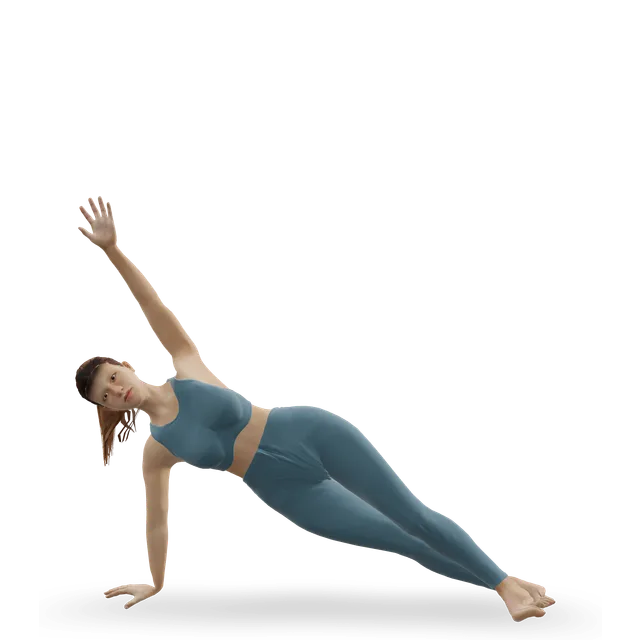
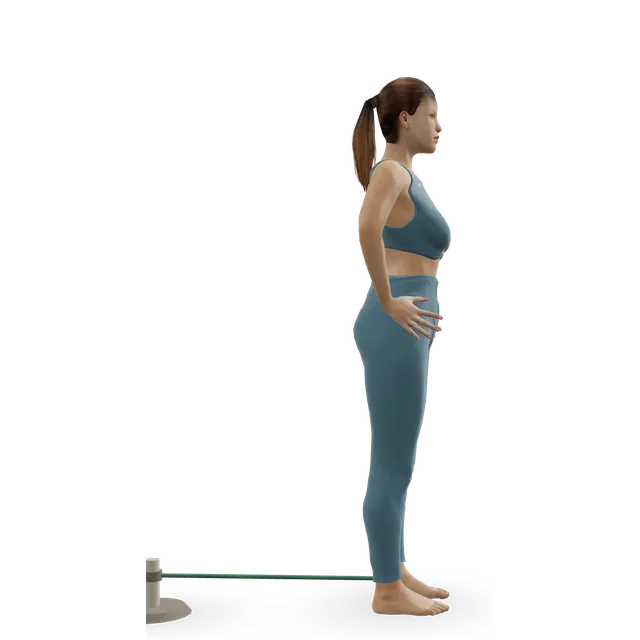
Bird dog: 2 sets of 6 each side, the knee under the hip and not drawn further in (our hip impingement guide, stage 1). Knee side plank: 3 holds of 20 to 30 seconds each side (our labral tear guide, stage 2), then the full side plank and the side bend, "3 to 5 each side (the classical sequence uses 3)." (the move page's dose). Standing wall press: "3 to 5 holds of 5 to 15 seconds each side, twice a day: the standing hold in the LEAP trial programme." (the move page's dose). Wall side leg lift: 8 each side (our Pilates for hip pain class; adapted from the move page's dose). Standing march: 2 sets of 10 each side, knee only as high as is pinch-free (the labral guide, stage 1). Standing knee lift with a band: 3 sets of 10 to 12 each side, knee no higher than pinch-free (stage 2). Sit squats: 8 slow reps down toward a high chair, staying above any pinch at the front of the hip (the hip pain class). One-leg stand: 3 holds of 20 to 30 seconds each leg, fingertips on a support (stage 1). Step-ups: 3 sets of 8 each side (stage 2). Later, the hip airplane: 2 sets of 3 to 5 each side, holding a support and staying in the pinch-free range (stage 3; adapted from the move page's dose).

Gentle range, short of the pinch

Half-kneeling hip flexor stretch: 2 holds of 30 seconds each side, a mild stretch with the knee padded and the pelvis tucked under first (our Pilates for hip flexors class); it takes the back hip the other way from the pinch. Cat-cow: "8 waves, slower than feels natural" (the move page's dose), hips kept over the knees rather than sitting back toward the heels. Spine twist: "3 to 4 each side (the classical sequence uses 3)." (the move page's dose), sitting on a folded blanket or block so the hips stay above the pinch (our suggestion). Mermaid: on a chair, which is one of the swaps its page gives for side-sitting; with a labral tear, the chair is the safest of the three (our suggestion).

Moves to change or leave out while they pinch

Which moves reach the pinch is our reading, from how they look; no study has measured hip angles in a Pilates move. Our labral tear guide's list of things to avoid starts with "Stretching into the pinch (pigeon, frog and deep squat holds)".

Knees hugged to the chest

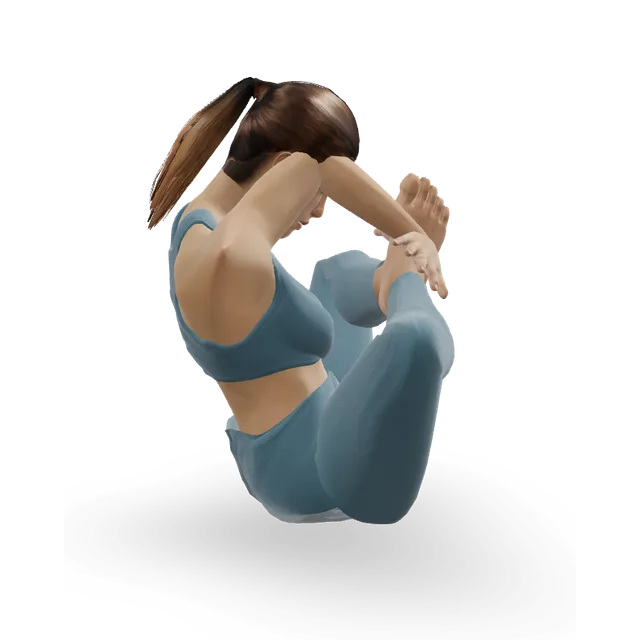
Rolling like a ball, the seal, the open-leg rocker, knees to chest and child's pose fold the hip deeply with the knees drawn in. Leave them out, or take child's pose with the knees wide and the hips high on a bolster (our suggestion).

The single-leg and double-leg stretch

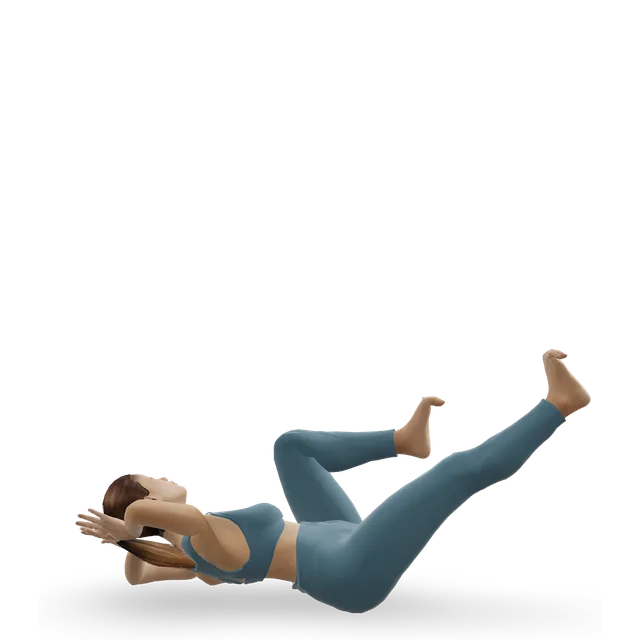
Keep the knees at a tabletop and hold behind the thigh, not the shin, as our Pilates for knee pain class cues, or skip them while they pinch.

Long-lever sit-ups and seated folds

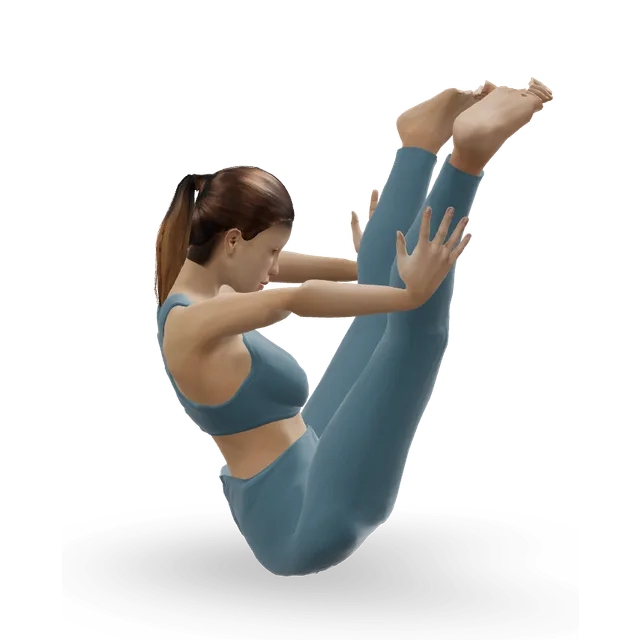
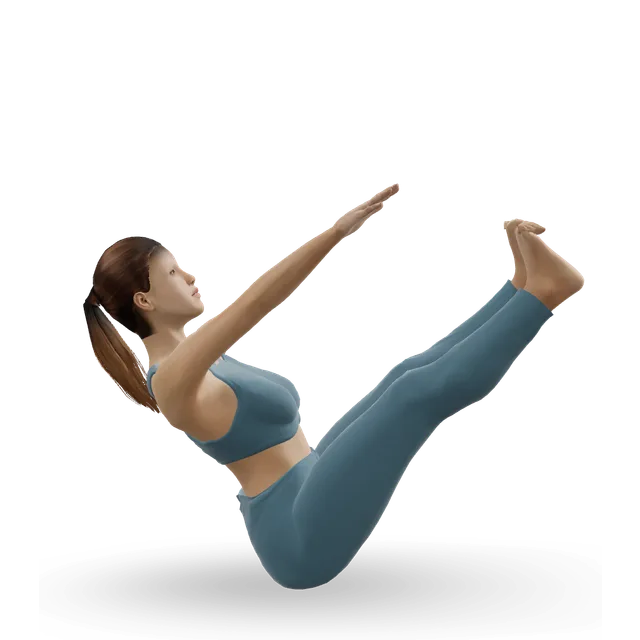
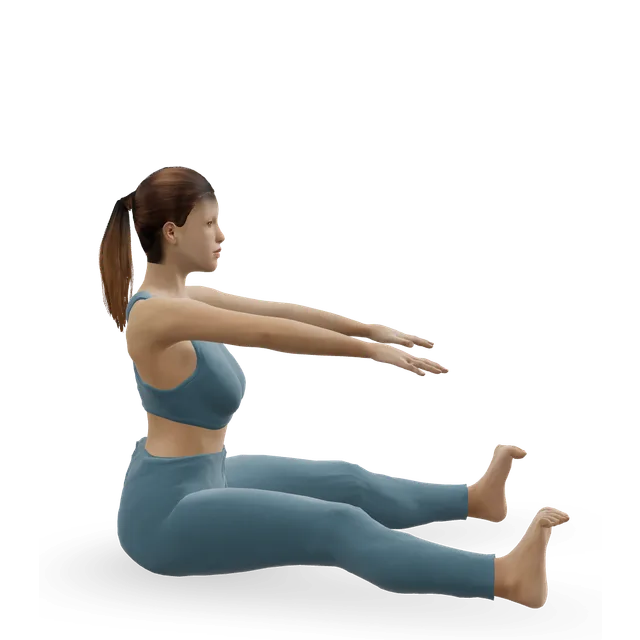
The roll-up, teaser, wall roll-up, neck pull, spine stretch forward and the saw bend the hip past a right angle, as our Pilates for hip pain guide says. Swap them for the half roll back, "5 to 8 reps." (the move page's dose), sitting on a folded blanket with your knees bent, or the chest lift, "8 to 10 reps." (the move page's dose).

Legs overhead

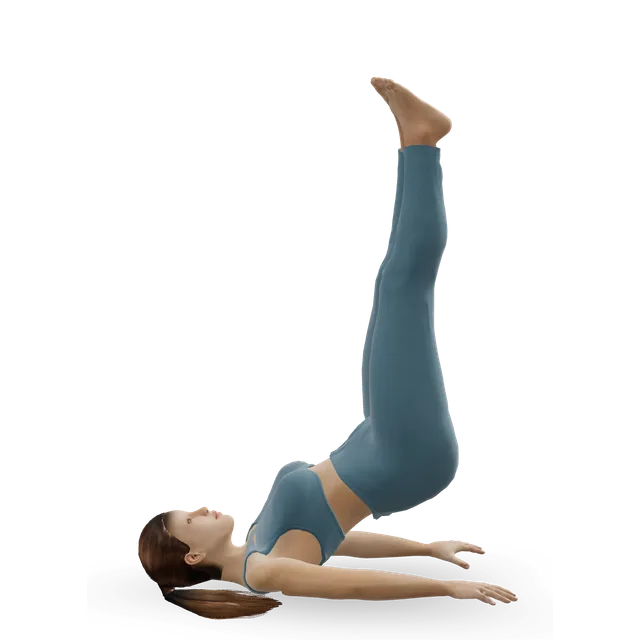
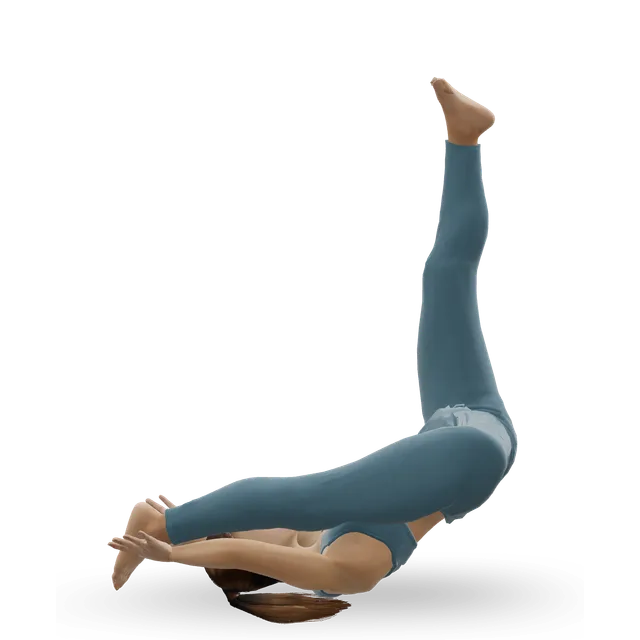
The roll-over, jack knife, boomerang, control balance, high scissors, high bicycle and corkscrew take the hip to its fullest bend under your body weight. Leave them out.

The knee pulled across the body

Criss-cross draws the bent knee toward the opposite elbow, into the pinch position. Keep the twist in your upper body with the knees at a tabletop, or skip it (our suggestion).

Clams: optional

Our labral tear guide includes small-range clams, but a hip physiotherapist recommends removing them "for people with anterior joint pain or after hip arthroscopy", and a 2026 UK programme for people waiting for hip arthroscopy left them out. Expert opinion either way: the belt press, side-lying leg lifts and the standing wall press work the same muscles without the bent, turned-out hip, so our class leaves clams out.

Sources 46, 47

Side-sitting and kneeling

Do the mermaid on a chair, and the kneeling side kick only if the kneeling hip is pinch-free.

The moves to leave out or change while they pinch

Each move's own page gives its cautions; the swaps are in the notes above.

On the reformer

Footwork with the stopper set

One reformer maker's manual says the stopper "should allow the user to have slightly less than 90° of hip flexion when the carriage is all the way in for leg and footwork". Ask your teacher to set the stopper or a carriage block so your hips bend no further than about a right angle at the start (our suggestion). The setting is untested, and no study has measured hip angles or loads in any reformer move.

Sources 31, 10

Straps, the frog and folded-hip moves

Leave the frog, leg circles in the straps, the short spine and the knee stretch series, which rounds the back with the hips folded, until they're pinch-free (our suggestion). A hip physiotherapist calls long-lever strap circles "very challenging for those with hip joint related pain", and the manual lists "Hip issues" among the elephant's precautions.

Sources 30, 31

Tell your teacher

Say which hip it is and which positions bring on the pinch, and keep the springs and range within the rule above.

Pilates after hip arthroscopy

Your team's plan comes first

After keyhole hip surgery, an international physiotherapy agreement sets out phases led by time and milestones, and says "there is a paucity of research supporting a specific physiotherapy protocol". An earlier agreement advised avoiding repeated hip bending past 90 degrees in the early weeks, especially after a labral repair. Follow your surgical team's limits and our hip arthroscopy guide.

Sources 48, 35

Getting back to Pilates

No study has looked at returning to Pilates. In one surgeon's series, 93% of 42 yoga practitioners went back to yoga, at an average of 5.3 months. Start with the lying and standing moves on this page when your team agrees, and leave deep bends, rolling and the legs-overhead moves until they clear them (our suggestion).

Sources 49, 10

Who should change what

Very flexible people and dancers

The NHS says the main treatment for symptomatic hypermobility is improving muscle strength and fitness, and "do not overextend your joints just because you can". One Dance UK says hypermobile dancers can "strengthen the muscular system and control the range of joint movement". In Pilates, stop each reach before the end of your range and keep your knees and elbows soft.

With a shallow hip socket (hip dysplasia), see our hip dysplasia guide.

Source 50

Over 40 with arthritis, or after a replacement

With hip arthritis on an X-ray, our Pilates for hip pain and Pilates for arthritis guides fit better. After a hip replacement, the precautions are different: see our Pilates after hip replacement guide.

Pain on the outside of the hip

Pain on the side of the hip rather than in the groin is usually a different problem: see our Pilates for hip bursitis guide.

Pregnancy

In pregnancy, after the first trimester, keep time flat on your back to a few minutes: prop your upper body up, or use a side-lying or all-fours version.

Classes to follow

Start with the 25-minute class built for this page, 2 or 3 times a week. The 20-minute Pilates for hip pain class is a gentler start, and the yoga class is its sister class. The core, balance and strength routines are our labral tear guide's own suggestions, with any squats kept above the pinch.

Warning signs: when to get help

These are the warning signs from our hip pain guides, word for word. This is general information, not a diagnosis. A&E means accident and emergency; in the US, call 911 for 999, and use your doctor's urgent line or urgent care for NHS 111.

Call 999 or go to A&E

  • Call 999 or go to A&E: severe hip pain after a fall or injury, or you cannot stand, walk or put weight on the leg. In an older adult this can be a broken hip; the leg may be at an odd angle or look shorter. Don't drive yourself.
  • Call 999 or go to A&E: tingling or loss of feeling in the hip or leg after an injury.
  • Call 999 or go to A&E if you have sciatica on both sides, weakness or numbness in both legs that's severe or getting worse, or numbness around or under your genitals, or around your bottom (anus); if you find it hard to start peeing, cannot pee or cannot control when you pee; or if you do not notice when you need to poo or cannot control when you poo, and this is not normal for you. These could be symptoms of a serious back problem that needs to be treated in hospital as soon as possible.

Source 16

A lump in the groin

Groin pain is the usual labral tear symptom; a lump in the groin is a different problem.

  • Call 999 or go to A&E now if you have a femoral hernia (a small lump at the top of the thigh, in the groin) and very bad tummy pain, you feel sick or are being sick, you cannot fart or poo, you have a high temperature or feel hot, cold or shivery, or you've suddenly become confused. It may be strangulated, which is an emergency. Don't drive yourself.
  • Get help from NHS 111 if you have a hernia (a lump in the groin or tummy) and pain in or around it, a bloated tummy, you feel sick or are being sick, you're vomiting blood or your vomit looks like coffee grounds, you're constipated, you have a high temperature or feel hot, cold or shivery, or you've suddenly become confused.
  • A lump in the groin, upper thigh or tummy, especially one that appears when you cough or strain and goes when you lie down: see a GP, as it may be a true hernia. A femoral hernia (a small lump at the top of the thigh, mainly in women over 50, though it can happen to anyone) needs treating in hospital.

Sources 17, 51

The same day

Ask for an urgent GP appointment or get help from NHS 111 if you have severe hip pain that started suddenly but you've not had a fall or injured your hip, your hip is swollen and feels hot, the skin around your hip has changed colour, or you have hip pain, feel generally unwell and have a high temperature (or feel hot, cold or shivery). A hot, swollen hip with a high temperature can be a joint infection.

Same day, and stop running now: groin or front-of-hip pain in a runner, sometimes felt in the thigh or knee, that builds with running, hurts with every step or at night, or hurts when the hip is turned to the end of its range. Keep weight off the leg, using crutches if you have them, and get an urgent GP appointment or help from NHS 111 the same day: a stress fracture of the hip (femoral neck) needs urgent imaging.

Sources 16, 52

Children and teenagers

Call 999 or go to A&E if your child gets sudden pain in their hip, knee or thigh (hip problems can sometimes be felt in the thigh or knee) or cannot put any weight on their leg. If your child is limping, ask for an urgent GP appointment or get help from NHS 111 the same day. This applies to teenagers too, and in some children knee pain is the only sign.

Same day: a teenager with sudden pain at the front or top of the hip bone after a sprint, kick or jump, often with a pop. A piece of growth plate can pull off the pelvis (an avulsion fracture), and it needs an X-ray the same day.

Labral tears and impingement are diagnosed in teenagers, but a teenager with new hip, thigh or knee pain and a limp needs the children's route first, because a slipped growth plate at the hip can look like a groin strain (our suggestion).

Sources 18, 53

See a GP or physiotherapist

  • Hip pain that stops normal activities or disturbs sleep, keeps getting worse or keeps coming back, or has not improved after 2 weeks of looking after it at home.
  • Stiffness lasting more than 30 minutes after waking.
  • Pain that builds with running and hurts to hop on (a stress fracture can look normal on an early X-ray).
  • Pain that has not improved after a good 3 months of exercise-based treatment: ask about seeing a hip specialist.
  • Bone pain that is constant or worse at night, especially with a lump, unexplained weight loss, fever or tiredness, or a past history of cancer.

Source 16

During Pilates

Stop the move for a sharp pinch at the front of the hip in deep bends or circles, a catching or locking feeling, or outer hip pain that builds during side-lying work, and swap to the versions on this page (our suggestion).

Chest pain or fainting while exercising: call 999

Call 999 if:

  • You get sudden pain or discomfort in your chest that doesn't go away; it can feel like squeezing or pressure, burning or indigestion.
  • The pain spreads to your left or right arm, or your neck, jaw, stomach or back.
  • You have chest pain and feel sweaty, sick, light-headed or short of breath.
  • Someone faints while exercising, can't be woken within 1 minute, or has chest pain or a pounding, fluttering or irregular heartbeat.

Sources 54, 55, 56

Unusual breathlessness

Call 999 or go to A&E (accident and emergency) straight away for severe difficulty breathing (gasping, choking or not able to get words out), a chest that feels tight or heavy, pain that spreads to your arms, back, neck and jaw, lips or skin turning very pale, blue or grey, or sudden confusion. If you're more short of breath than usual, or your heart is racing, fluttering or skipping beats, contact NHS 111.

Source 57

Stop the session if

You feel any pain or become unwell, as the NHS advises for its Pilates videos, and especially for chest pain or pressure, unusual breathlessness, dizziness or fainting. If you have a health problem, an injury or any symptoms, get advice from a healthcare professional, such as a GP, before you start.

Source 58

Before you start

The NHS advises getting advice from a healthcare professional first if you have a health problem, an injury or symptoms, or have recently had a heart attack or an operation.

Source 58

Myths

"A labral tear means you can't do Pilates"Mixed evidence

Nothing supports it. Exercise is the first treatment and staying active is recommended, and in the trial closest to Pilates, adding planks and bird dogs to hip exercise helped 20 women with impingement more at 8 weeks. Pilates has to leave out the moves that pinch, not the method. There's no Pilates trial either way.

Sources 5, 6, 11

"The tear on my scan is the cause of my pain"Strong evidence

About half of people without hip pain have a labral tear on MRI, and impingement is only diagnosed when symptoms, an examination and imaging all fit.

Sources 2, 1, 4

"A torn labrum needs surgery"Strong evidence

In trials, keyhole surgery did a little better on average than physiotherapy, about the smallest difference patients notice, with more risk and no sham-controlled trial. Exercise comes first; a specialist opinion makes sense if a good 3 months hasn't helped.

Sources 8, 41, 9

"Stretch into the pinch: hip openers fix impingement"Emerging evidence

A bony block doesn't stretch: the US guideline says people with "a hard (bony) end feel may not benefit from stretching". Gentle general stretching helped in PhysioFIRST, but that programme didn't stretch into the pinch.

Sources 14, 36

"Core work is all you need"Emerging evidence

A home programme of tummy and pelvic tilt work did no better than usual care in 95 people with cam impingement. The programmes that helped trained hip strength in every direction, the trunk and movement.

Sources 12, 36, 6

"A strong core prevents hip injuries"Mixed evidence

Core strengthening eased symptoms in small impingement trials, but no trial shows it prevents hip injuries, and impingement is "most commonly diagnosed" in athletes who load the hip with repeated bending and turning, many of them strong.

Sources 38, 49

"Surgery stops arthritis later"Emerging evidence

A cam shape goes with a higher chance of hip arthritis, but no trial has shown that surgery prevents it: FAIT found no difference in joint space on X-ray at 38 months, and the Australian trial no cartilage benefit at a year. Follow-up is still short.

Sources 24, 25, 26

"Flexible people can't have impingement"Emerging evidence

Ballet positions produced impingement in dancers with normally shaped hips. More range isn't the goal.

Source 32

"Clams are the best hip exercise"Mixed evidence

A hip physiotherapist recommends leaving them out with pain at the front of the hip or after arthroscopy, and a 2026 UK impingement programme left them out. Side-lying leg lifts and standing holds do the job. Expert opinion, not trial evidence.

Sources 46, 47

Questions people ask

Is Pilates good for a hip labral tear?

It can be part of the exercise that's recommended first, if it builds hip and trunk strength and stays out of the pinch. Pilates itself hasn't been tested for labral tears; the evidence is for exercise programmes in general, led by a physiotherapist where possible.

Can I do Pilates with a hip labral tear?

Usually yes, with changes: keep every hip bend short of the pinch, leave out rolling moves and knees hugged to your chest, keep leg circles small, and stop for a sharp catch or click. Tell your teacher, and see a physiotherapist if your hip often locks or catches.

Which Pilates exercises should I avoid with a labral tear?

The ones that bend the hip deeply or pull the knee across the body: rolling like a ball, the seal, the roll-up and teaser, spine stretch forward, the single-leg and double-leg stretch with the knees pulled in, criss-cross, the legs-overhead moves, and on the reformer the frog and big leg circles in the straps. Most can come back in a smaller range once they're pinch-free.

What are the best Pilates exercises for a labral tear?

No move is proven best. Bridges, dead bug heel taps, the belt press, side-lying leg lifts, swimming, bird dog, knee side planks and standing hip work kept short of the pinch build strength in every direction, which is what the trials and guidelines describe.

Is Pilates good for hip impingement (FAI)?

The answer is the same as for a tear: exercise is the first treatment, and Pilates can supply it if it avoids the pinch. In a small trial in women with impingement, adding planks and bird dogs to hip exercises improved hip scores more at 8 weeks, and core strengthening helped in a review of 5 small trials.

Is reformer Pilates good for a hip labral tear?

It can be, because you can set how far your hip bends: one reformer maker's manual sets the stopper so the hip bends slightly less than a right angle at the start of footwork, though no one has tested that setting. Leave the frog, leg circles in the straps and the knee stretch series until they're pinch-free.

Can Pilates make a labral tear worse?

No study has shown that, but forcing the hip into deep bending and turning in can bring on pain, and the physiotherapy in the FAIT trial asked people to avoid the extremes of bending and turning in. Work up to the pinch, not into it.

Will a labral tear heal with Pilates?

The tear itself may not heal, because the labrum has a poor blood supply. Pain and function often improve with exercise over a few months: about half of people with hip-related pain respond well to non-surgical care.

Do I need surgery for a hip labral tear?

Usually not first. In trials, keyhole surgery did a little better on average than physiotherapy, about the smallest difference people notice, with more risk, and no trial has compared it with a sham operation. If a good 3 months of exercise hasn't helped, it's reasonable to ask about seeing a hip specialist.

When can I do Pilates after hip arthroscopy?

When your surgical team agrees; teams use phased plans led by time and milestones, and there's no single agreed protocol. Start with the lying and standing moves on this page, and leave deep bends, rolling and the legs-overhead moves until your team clears them.

Are clams OK with a labral tear?

They're optional. A hip physiotherapist recommends leaving clams out with pain at the front of the hip or after arthroscopy, and a 2026 hip impingement programme left them out. The belt press, side-lying leg lifts and the standing wall press work the same muscles.

When should I see a doctor about hip pain?

Call 999 or go to A&E for severe hip pain after a fall or if you can't put weight on the leg, or tingling or loss of feeling in the hip or leg after an injury. Get same-day help for a hot, swollen hip with a high temperature, and see a GP about a lump in the groin. See a GP or physiotherapist if the pain hasn't improved after a good 3 months of exercise.


Sources

  1. Register 2012 · Hip MRI in 45 volunteers without hip symptoms (imaging study, Am J Sports Med)
  2. Heerey 2018 · Hip joint findings on imaging in people with and without hip pain (systematic review and meta-analysis, Br J Sports Med)
  3. Frank 2015 · Impingement shapes on imaging in hips without symptoms (systematic review, Arthroscopy)
  4. Griffin 2016 · The Warwick Agreement on femoroacetabular impingement syndrome (international consensus, Br J Sports Med)
  5. Kemp 2020 · Physiotherapist-led treatment for hip-related pain in young and middle-aged active adults (Zurich 2018 consensus, Br J Sports Med)
  6. Matache 2025 · Management of labral tears in the hip (Canadian consensus of 40 doctors, Orthop J Sports Med; read in full)
  7. Enseki 2023 · Hip pain and movement dysfunction with non-arthritic hip joint pain (US physiotherapy clinical practice guideline revision, J Orthop Sports Phys Ther; read in full)
  8. Griffin 2018 · Keyhole surgery against personalised physiotherapy for impingement in 348 people: the UK FASHIoN trial (randomised trial, Lancet; read in full)
  9. Lamo-Espinosa 2025 · Keyhole surgery for impingement: 6 trials, 839 people (systematic review and meta-analysis, Sci Rep)
  10. PubMed, Europe PMC and ClinicalTrials.gov · Our searches for Pilates trials in hip impingement, labral tears and rehabilitation after hip arthroscopy, and for hip angles or loads in Pilates moves (October 2026)
  11. Aoyama 2019 · Trunk stabilisation added to hip exercise for impingement in 20 women (pilot randomised trial, Clin J Sport Med; read in full)
  12. Pacheco-Brousseau 2025 · A home programme of abdominal and pelvic tilt work for cam impingement in 95 people (randomised trial, Bone Jt Open; read in full)
  13. Boschung 2023 · Where the hip meets bone in deep bending, on CT in 37 hips with impingement (imaging study, Bone Joint Res; read in full)
  14. Enseki 2014 · Nonarthritic hip joint pain (US physiotherapy clinical practice guideline, J Orthop Sports Phys Ther; read in full)
  15. Palmer 2019 · Keyhole surgery against physiotherapy and activity changes for impingement in 222 people: the FAIT trial (randomised trial, BMJ; read in full, with its 2021 correction)
  16. NHS · Hip pain in adults
  17. NHS · Femoral hernia
  18. NHS · Limping in children
  19. AAOS OrthoInfo · Femoroacetabular impingement
  20. Reiman 2020 · Classifying hip-related pain in young and middle-aged active adults (Zurich 2018 consensus, Br J Sports Med)
  21. Probst 2023 · How often hip-related pain responds to non-surgical treatment: 26 studies (systematic review and meta-analysis, J Orthop Sports Phys Ther)
  22. Cheng 2026 · Response to non-surgical care in 88 people aged 15 to 40 with hip-related pain (cohort study, PM R)
  23. Quinlan 2019 · A year of non-surgical care for labral tears in 52 people (case series, Am J Sports Med)
  24. Tang 2026 · Cam shape and later hip arthritis in 23,886 hips (individual participant data meta-analysis, Br J Sports Med)
  25. Palmer 2025 · The FAIT trial at 38 months: hip joint space on X-ray (randomised trial follow-up, Br J Sports Med)
  26. Hunter 2021 · Keyhole surgery against physiotherapist-led care for impingement in 99 people: the Australian FASHIoN trial (randomised trial, BMC Musculoskelet Disord)
  27. Lamontagne 2009 · Hip and pelvic movement in a deep squat with cam impingement (lab study, Clin Orthop Relat Res)
  28. Kuhns 2025 · Pelvic tilt and hip room before impingement: 14 studies (systematic review of lab and modelling studies, Arthroscopy)
  29. Pilates Anytime · The 34 Pilates mat exercises: names, order and precautions (teaching platform)
  30. Grimaldi 2021 · Three Pilates exercises to avoid for hip pain (article by a hip physiotherapist and researcher)
  31. Balanced Body · Contrology classical reformer manual: set-up, headrest and gear block settings, and exercise precautions (maker's manual, 2021; read in full)
  32. Charbonnier 2011 · Hip impingement in ballet movements in 11 professional dancers (motion capture study, Am J Sports Med)
  33. Mayes 2016 · Labral tears in professional ballet dancers and sports people (imaging study, Clin J Sport Med)
  34. Elgohary 2026 · Pilates added to laser and ultrasound for sports hernia in 88 men (randomised trial, J Integr Complement Med)
  35. Takla 2020 · The 2019 international hip physiotherapy agreement on assessing and treating impingement (consensus statement, J Hip Preserv Surg; read in full)
  36. Kemp 2026 · Strengthening against standardised stretching for hip impingement in 154 adults: the PhysioFIRST trial (randomised trial, Br J Sports Med; read in full)
  37. ClinicalTrials.gov · NCT05927935: supervised strength exercise as the first treatment for hip impingement (completed July 2026, no results posted)
  38. Hoit 2020 · Physiotherapy and core strengthening for impingement: 5 trials (systematic review and meta-analysis, Am J Sports Med)
  39. Griffin 2022 · The UK FASHIoN trial's full report (randomised trial report, Health Technol Assess)
  40. Mansell 2018 · Keyhole surgery against physical therapy for impingement in 80 military patients over 2 years (randomised trial, Am J Sports Med)
  41. Ferreira 2021 · Keyhole hip surgery for impingement (systematic review and meta-analysis, J Sci Med Sport)
  42. Ramadanov 2025 · Non-surgical treatment against keyhole surgery for impingement: 21 trials (multilevel meta-analysis, Bone Jt Open)
  43. Risberg 2018 · Protocol for a sham-surgery trial of keyhole hip surgery: HIPARTI (trial protocol, J Orthop Sports Phys Ther)
  44. Martin 2021 · Keyhole surgery against physical therapy for labral tears in people over 40 (randomised trial, Am J Sports Med)
  45. Martin 2024 · Keyhole surgery against physical therapy for labral tears in people over 40: 24-month results (randomised trial, Am J Sports Med; read in full)
  46. Grimaldi 2020 · Ban the clam: why not for outer hip pain or hip joint pain (article by a hip physiotherapist and researcher)
  47. Punnoose 2026 · Developing a pre-surgery exercise programme for hip impingement (intervention development study, J ISAKOS; read in full)
  48. Disantis 2026 · The 2024 international physiotherapy agreement on rehabilitation after hip arthroscopy for impingement (consensus statement, J Hip Preserv Surg)
  49. Frank 2018 · Return to yoga after hip arthroscopy for impingement in 42 yoga practitioners (case series, Sports Health)
  50. NHS · Joint hypermobility syndrome (past its review date: reviewed August 2023, review due August 2026)
  51. NHS · Hernia
  52. NHS · Septic arthritis
  53. NHS · Hip pain in children (irritable hip)
  54. NHS · Heart attack
  55. NHS · Chest pain (past its review date: reviewed August 2023, review due August 2026)
  56. NHS · Fainting
  57. NHS · Shortness of breath
  58. NHS · Pilates for beginners

Exercise education, not a personal prescription, and clinical review of these guides is pending. If you are pregnant, have a health condition or have had recent surgery, check with a doctor, midwife or physiotherapist before starting, and stop for sharp or increasing pain. Health disclaimer.