Yoga flows
Yoga for a hip labral tear or impingement: a 25-minute class that builds hip strength and stays out of the pinch
A 25-minute yoga class for a hip labral tear or hip impingement (FAI). It builds strength and control around the hip, on your back, on all fours and standing, keeps every pose above the pinch at the front of the hip, and leaves out deep hip bends, crossed legs and twists that pull the knee across. It follows the first stage of our hip labral tear guide, which follows the order of the NHS physiotherapy programme in the UK FASHIoN trial, with the cues of our yoga for hip pain class. Do it 2 or 3 times a week. No trial has tested yoga for a labral tear or impingement, so the structure is our editorial choice. After hip arthroscopy, use it only when your surgical team agrees.
Settle (about 4 minutes)
- Beginner · 3D demoLie on your back, knees bent and feet flat. In for about 4, out for about 6Easier: Breath reachHarder: Crocodile breathing (prone diaphragmatic breathing)
- Supine heel slide10 slow slides each legBeginner · Hip flexors, Hamstrings, Quads · 3D demoSlide one heel towards you and back; stop before any pinch at the front of the hipHarder: Hip windshield wipers


On your back (about 6 minutes)
- Glute bridge2 sets of 10Beginner · Glutes, Hamstrings, Abs · 3D demoKnees hip-width apart, pointing at the ceilingEasier: Pelvic tilt into bridgeHarder: Single-leg glute bridge
- Dead bug heel taps2 sets of 6 each sideBeginner · Abs, Hip flexors · 3D demoLower one heel only as far as your back stays still; knees no closer to your chest than a right angleEasier: Bent-knee fall-outHarder: Forearm plank
- Lying adductor ball squeeze5 holds of 5 to 10 sBeginner · Adductors, Abs · 3D demoKnees bent, a cushion between them; squeeze gently and keep breathingHarder: Copenhagen plank
- Clamshell2 sets of 12 each sideBeginner · Hip abductors, Glutes · 3D demoSmall range, pelvis stillEasier: Supine isometric hip abduction (belt press)Harder: Lateral band walk




All fours and side (about 4 minutes)
- Cat-cow8 waves, slower than feels naturalBeginner · Back, Abs · 3D demoHips stay over your knees; don't sit back towards your heelsHarder: Half lord of the fishes (Ardha Matsyendrasana)
- Bird dog2 sets of 6 each sideBeginner · Back, Abs, Glutes · 3D demoReach the leg straight back, hips levelEasier: Bird dog, one limb at a timeHarder: Bear crawl
- Knee side plank2 holds of 20 to 30 s each sideBeginner · Abs, Hip abductors, Shoulders · 3D demoKnees bent behind you, hips forwardHarder: Side plank



Standing (about 7 minutes)
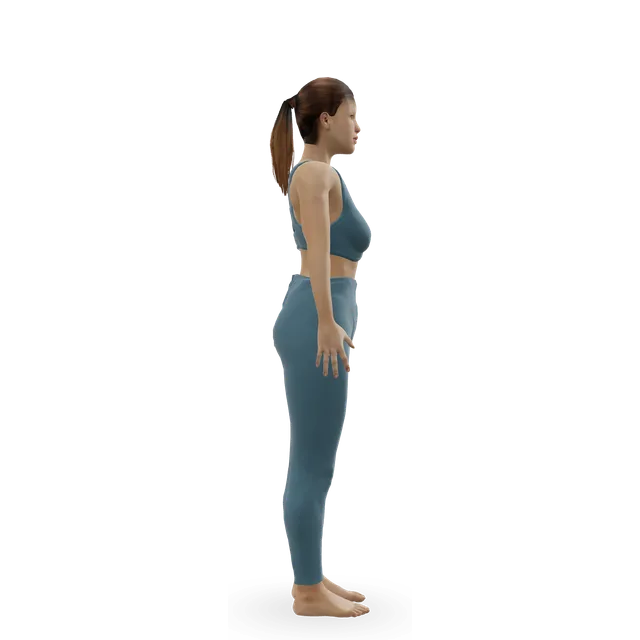
- Mountain pose (Tadasana)5 slow breathsBeginner · Calves, Back, Abs · 3D demoWeight even on both feetHarder: Tree pose (Vrksasana)
- Standing march2 sets of 10 each sideBeginner · Hip flexors, Abs, Glutes · 3D demoKnee only as high as is pinch-freeEasier: Seated marchHarder: Standing band hip flexion
- Chair pose (Utkatasana)3 holds of 3 to 5 breathsBeginner · Quads, Glutes, Shoulders · 3D demoSit back to a comfortable depth, above any pinch; knees in line with your toesHarder: Revolved chair pose (Parivrtta Utkatasana)
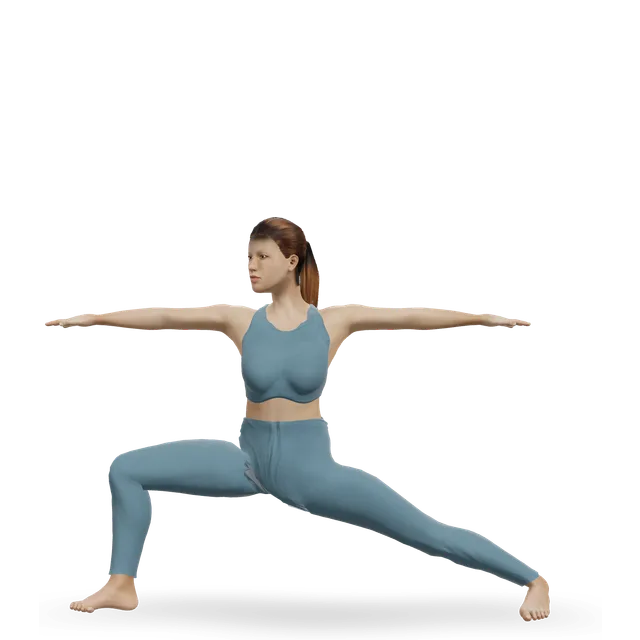
- Warrior II (Virabhadrasana II)3 breaths each side, twiceIntermediate · Quads, Glutes, Adductors · 3D demoShort stance, shallow front-knee bend; skip it if it pinchesEasier: Chair pose (Utkatasana)Harder: Extended side angle (Utthita Parsvakonasana)
- Tree pose (Vrksasana)3 to 5 breaths each sideBeginner · Glutes, Hip abductors, Calves · 3D demoHand on a wall; toes of the lifted foot on the floor or a blockEasier: Mountain pose (Tadasana)Harder: Standing hand-to-big-toe pose (Utthita Hasta Padangusthasana)
- Single-leg stand2 holds of 20 to 30 s each legBeginner · Hip abductors, Calves, Glutes · 3D demoFingertips on a supportEasier: Tandem stance and heel-to-toe walkHarder: Single-leg reach matrix






Stretch and rest (about 4 minutes)
- Half-kneeling hip flexor stretch2 holds of 30 s each side, mildBeginner · Quads, Glutes · 3D demoPad the knee; tuck your tailbone under; don't lunge deeperHarder: Couch stretch


Tips
- Our hip labral tear guide's rule: "During the exercise, pain up to about 5 out of 10 is acceptable. It should settle within an hour or so, and your hip should be no worse that night or the next morning. If it is, do less next time (fewer repetitions, a smaller range, a lighter load), not nothing." And: "A sharp pinch, catch or click is different: make the movement smaller rather than pushing through."
- This class has no deep hip bends, no crossed legs and no twists with the knee pulled across. As they become pinch-free, add the guide's later moves on other days: the single-leg bridge, standing band hip abduction, band hip flexion, step-ups, split squats and the hip airplane.
- After hip arthroscopy, only when your surgical team agrees: our hip arthroscopy guide covers the recovery.
The doses are suggested starting points, not a prescription. Choose a range you can control and stop for sharp or increasing pain, numbness or tingling. Get individual advice after an injury or surgery, or if you are pregnant or managing a health condition.
Guides that recommend it
Find more moves like these
More yoga flows
Beginner yoga flow
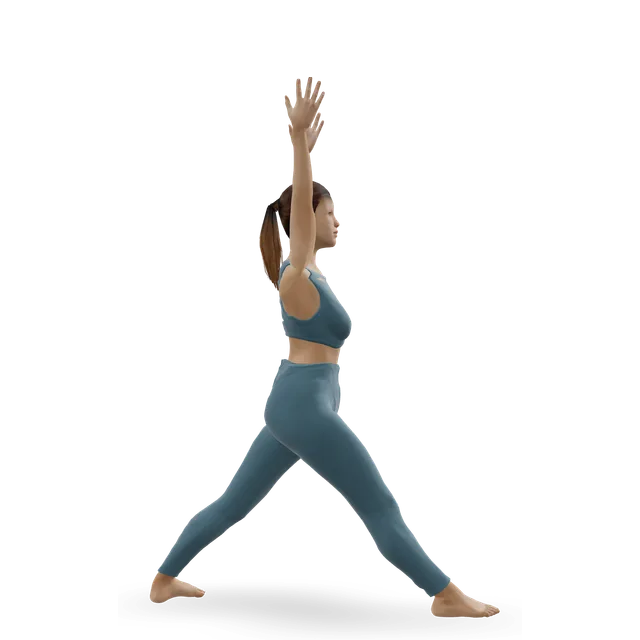
A 20-minute beginner yoga sequence: mountain, chair, warrior II, triangle, tree, down dog, cobra and child's pose.
20 minBeginner11 movesA step
Sun salutation flow
A 20-minute flow built on sun salutations A and B, with warrior poses and a short cool-down.
20 minIntermediate8 movesNo equipment


Yoga for tight hips
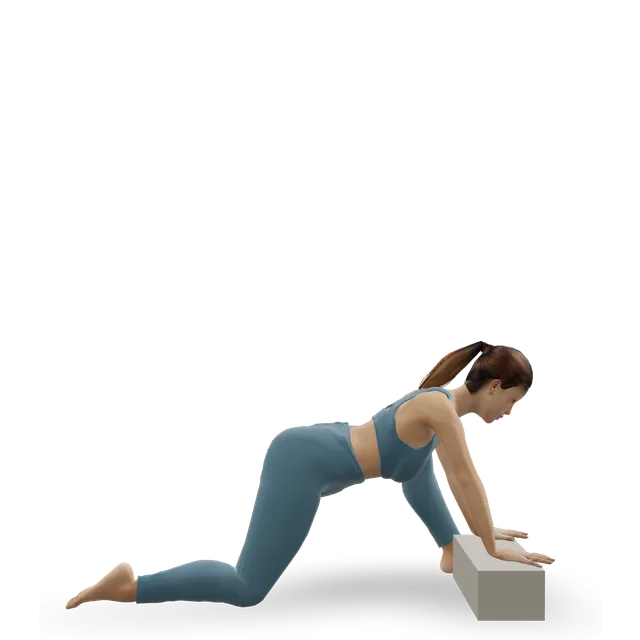
A hip-opening yoga sequence: low lunge, lizard, goddess, pigeon, bound angle and happy baby.
25 minBeginner10 movesA wallQuestions people ask
How long does the yoga for a hip labral tear or impingement: a 25-minute class that builds hip strength and stays out of the pinch take?
About 25 minutes, including any warm-up and cool-down listed. Shorten it by doing fewer rounds; lengthen it by adding one.
What equipment do I need?
You need: Other / check instructions, A wall. Each move links to its guide, where you can find an alternative if you are missing something.
Is it suitable for beginners?
It is written for beginners. 9 of its 17 moves have an easier option listed beside them if you need one.
How do I make it easier or harder?
Use the easier or harder option listed under each move, change the number of rounds, or adjust the rest. Progress one change at a time.