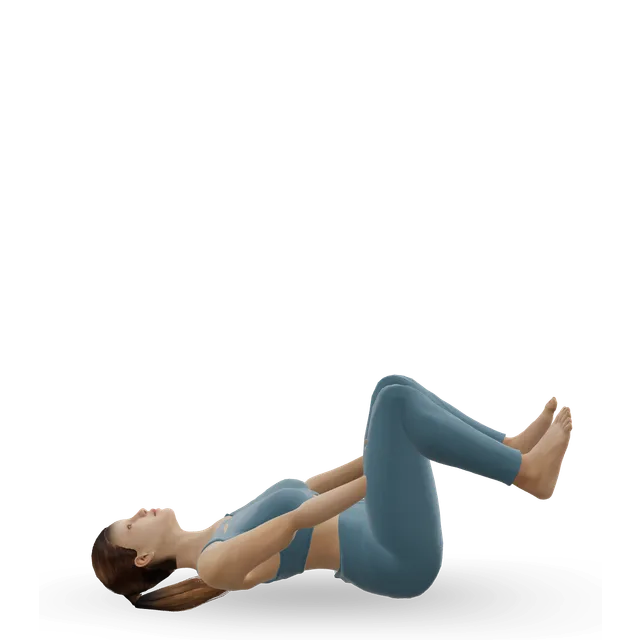
Chest pain or fainting: call 999
Call 999 if:
- You get sudden pain or discomfort in your chest that doesn't go away; it can feel like squeezing or pressure, burning or indigestion.
- The pain spreads to your left or right arm, or your neck, jaw, stomach or back.
- You have chest pain and feel sweaty, sick, light-headed or short of breath.
- Someone faints while exercising, can't be woken within 1 minute, or has chest pain or a pounding, fluttering or irregular heartbeat.
Sources 85, 86
A fall onto the head or neck
After a fall onto the head or neck, with neck pain, numbness, tingling or weakness, don't move the gymnast and call 999. Only healthcare professionals with the right training should move them.
Source 84
A blow to the head
Call 999 if someone has hit their head and has been knocked out and hasn't woken up, can't stay awake or keep their eyes open, has a fit, has fallen from a height of more than 1 metre or 5 stairs, has problems with their vision or hearing, has clear fluid coming from their ears or nose, has new numbness or weakness, has problems with walking, balance, understanding, speaking or writing, hit their head at high speed, or their behaviour has changed. Get help from NHS 111 if they're being sick, feel dizzy or take medicine that thins the blood. If you're told to go to A&E (accident and emergency), don't drive yourself there if you have hit your head.
Stop at once: if in doubt, sit them out. No training or competition for at least 24 hours, an assessment within 24 hours by a healthcare professional or NHS 111, and no competition before day 21. Contact NHS 111 straight away if they're being sick or feel dizzy.
With a suspected concussion, if in doubt, sit them out. The UK's grassroots guidelines say no sport for at least 24 hours, get checked by a healthcare professional or NHS 111 within 24 hours, follow a staged return, and no competition before day 21; if symptoms last beyond 28 days, stay out of sport and see a doctor. Pilates waits too: gentle breathing and mobility fit the early, light-activity stages; bodyweight strength work can start in the light aerobic exercise stage, which allows "low intensity, body weight resistance training"; and springs, weights and harder trunk work come later (our reading). Our concussion guide has the stages.
Sources 87, 84, 88
A young gymnast's wrist
An ache on the back or thumb side of the wrist, just above the crease, in a growing gymnast (or cheerleader or diver) that builds with training and may still hurt the next day: possibly gymnast's wrist, a stress injury of the growth plate. Stop weight-bearing on the hands and get it checked: it needs weeks to months off hand loading, not a few days.
Wrist pain that is still there the day after gymnastics, or a swollen wrist: stop weight-bearing on the hands and see a GP or sports doctor. The American Academy of Pediatrics advises a doctor for a wrist that is swollen or painful the next day.
Wrist pain that comes back each time weight on the hands restarts, or hasn't settled after 2 weeks of rest from it: see the clinician again. An X-ray, and occasionally a scan, may be needed.
Sources 58, 89
A hurt wrist after a fall
Go to A&E (accident and emergency) or call 999 if an injured wrist or arm is numb, tingling or has pins and needles, a bone is sticking out, or it has changed colour or shape or is at an odd angle. Get help from NHS 111 if it's very painful, you can't use it, or the swelling or bruising is large or getting worse. A wrist that's swollen or painful the next day needs a doctor, and our gymnast's wrist guide covers wrist pain that builds with training.
Source 90
Back pain in a young gymnast
Back pain that is worse arching back and has lasted more than a couple of weeks can be a stress fracture of the spine (spondylolysis): get it checked.
A teenager in a sport that arches or twists the back, such as gymnastics, dance, diving, volleyball, tennis, cricket fast bowling, baseball pitching, weightlifting, football or rugby, with back pain that lasts more than a couple of weeks, is worse arching back or stops them training: get it checked by a GP or sports physiotherapist. It can be a stress fracture in the spine.
Back pain for more than 2 weeks, or worse when arching back, needs a doctor. Call 999 or go to A&E if back pain comes with pain, tingling, weakness or numbness in both legs, a loss of feeling around your genitals or bottom, or changes in your bladder or bowels.
Sources 91, 13, 58
Bone pain that builds
Pain in one spot of a bone that builds with training, then aches at rest or at night, can be a stress fracture: stop that training and get it checked. Our stress fracture guide explains.
Source 92
Pain that lasts, or needs painkillers
British Gymnastics' pain, injury and illness policy says: "If one person believes that the gymnast is unable to fully or partially train, this must be the decision which is taken." Its guidance advises gymnasts and parents or carers to seek help from a qualified medical professional, such as a physiotherapist, sports doctor or GP, if a gymnast's pain:
- Is moderate or severe in nature
- Lasts for 3 or more consecutive days
- Impacts on gymnastics activity for 3 or more consecutive sessions
- Is perceived to require pain relieving or anti-inflammatory medication
Sources 93, 94
Missed periods, eating and bone
See a GP if periods stop or haven't started by 15, or if you're worried about your eating; you can also call Beat on 0808 801 0677.
See a GP if you've missed your period 3 times in a row, your periods haven't started by 15 or have become irregular, or you've had a stress fracture from ordinary activity or more than one. If you're worried about your eating, see a GP as soon as you can, or call the eating disorder charity Beat on 0808 801 0677.
Sources 95, 96
Growth spurts, forced stretching and weighing
Injury risk peaks around the growth spurt. Modify training, go back to basics, keep flexibility rather than push it, and tell the coach about joint pain, back pain or tight muscles, as British Gymnastics advises.
Stop a stretch that pinches the front of the hip or the back of the ankle, never let anyone push you into the splits or turnout, and with hypermobile joints, stop a move if a joint feels about to slip (our hypermobility guide).
Talk to the club welfare officer, or contact British Gymnastics' welfare team.
Sources 3, 56
Very flexible joints
If you're hypermobile, don't use mobility work to push further: the NHS says "do not overextend your joints just because you can". See a GP if you think you have joint hypermobility syndrome: for example, your joints keep dislocating, or you keep getting sprains, strains, pain or stiffness.
Sources 52, 97
An ankle or knee injury on landing
Call 999 or go to A&E: after an injury, you heard a crack, the foot or ankle has changed shape or points at an odd angle, a bone is sticking out, there is a bad cut over it, you're in severe pain, or the toes look blue or white, feel numb or are cold to touch. These can mean a broken bone. Don't drive yourself.
Same day (NHS 111 or an urgent treatment centre): after an injury, you can't put weight on it or walk more than a few steps, the pain is very bad or getting worse, there is a lot of swelling or bruising or it is getting worse, it feels very stiff, or it's not feeling any better after treating it yourself. Get the same help if you also have a very high temperature, or feel hot, cold or shivery: this could be an infection. If you think it's broken, don't treat it yourself.
Same day: a sudden snap or pop at the back of the heel or calf, or a feeling of being kicked there, then walking flat-footed and being unable to push off, stand on tiptoe or climb stairs. It could be an Achilles tendon rupture or a broken heel bone. Go to A&E or a minor injuries unit, or contact NHS 111.
Get advice from NHS 111 now: you cannot move the knee or put any weight on it, or it is very painful, badly swollen or has changed shape, or it locks, gives way or clicks painfully. A pop, quick swelling and a knee that gives way point to an ACL injury: our ACL injury guide says what to do.
Sources 98, 99, 100
Unusual breathlessness
Call 999 or go to A&E (accident and emergency) straight away for severe difficulty breathing (gasping, choking or not able to get words out), a chest that feels tight or heavy, pain that spreads to your arms, back, neck and jaw, lips or skin turning very pale, blue or grey, or sudden confusion. If you're more short of breath than usual, or your heart is racing, fluttering or skipping beats, contact NHS 111.
Source 101
During a session
A joint pain that is sharp, gets worse during a session, lingers into the next day or changes how you move is a reason to use an easier version, and to see a GP or physiotherapist if it keeps happening (the rule in our plans).
Source 102
Stop the session if
You feel any pain or become unwell, as the NHS advises for its Pilates videos, and especially for chest pain or pressure, unusual breathlessness, dizziness or fainting. If you have a health problem, an injury or any symptoms, get advice from a healthcare professional, such as a GP, before you start.
Source 103
Before you start
The NHS advises getting advice from a healthcare professional first if you have a health problem, an injury or symptoms, or have recently had a heart attack or an operation.
Source 103