Yoga flows
Yoga for Achilles tendinopathy: a 25-minute class with calf loading built in, heels level and no jumping
A 25-minute yoga class for a sore Achilles tendon (Achilles tendinopathy). Calf loading is what helps most, so the class builds it in: holds and slow calf raises at a wall, then short standing poses, calf stretches only if your ankle is stiff, hips and a rest. The heels stay level, and nothing jumps. Do it 3 times a week, the guidelines' minimum for loading, with heavier calf raises from our calf workout or the Achilles guide's later stages on other days. No trial has tested yoga for Achilles tendinopathy, so the structure is our editorial choice, built from the stages on our Achilles tendinopathy guide and the layout of our yoga for plantar fasciitis class.
Settle and ankles (about 3 minutes)
- Beginner · 3D demoSitting. In through your nose for about 4, out for about 6, no holdsEasier: Breath reachHarder: Crocodile breathing (prone diaphragmatic breathing)
- Ankle CARs (controlled articular rotations)5 slow circles each way with each ankleBeginner · Calves, Shins · 3D demoOnly the ankle moves; keep the circles small if it's stiffEasier: Ankle circlesHarder: Toes-tucked kneeling (toe squat)


Load the calf, at a wall (about 8 minutes)
- Isometric calf raise hold5 holds of 30 to 45 secondsBeginner · Calves · 3D demoBoth feet, heels halfway up, hands on the wall. Pain up to 5 out of 10, settled by the next morningEasier: Seated bent-knee calf raise (soleus raise)Harder: Slow calf raise
- Seated bent-knee calf raise (soleus raise)3 sets of 15Beginner · Calves · 3D demoOn a chair; rest a bag or dumbbell on your knees when it's easyHarder: Slow calf raise
- Slow calf raise3 sets of 15, 3 seconds up and 3 seconds downBeginner · Calves · 3D demoOn the floor, not a step; shift your weight towards one leg when it's easyEasier: Seated bent-knee calf raise (soleus raise)Harder: Standing dumbbell calf raise


Standing poses, short holds (about 6 minutes)
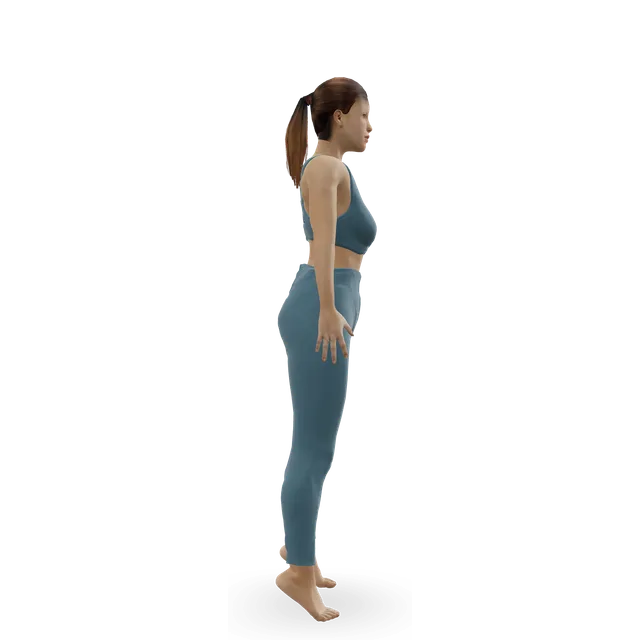
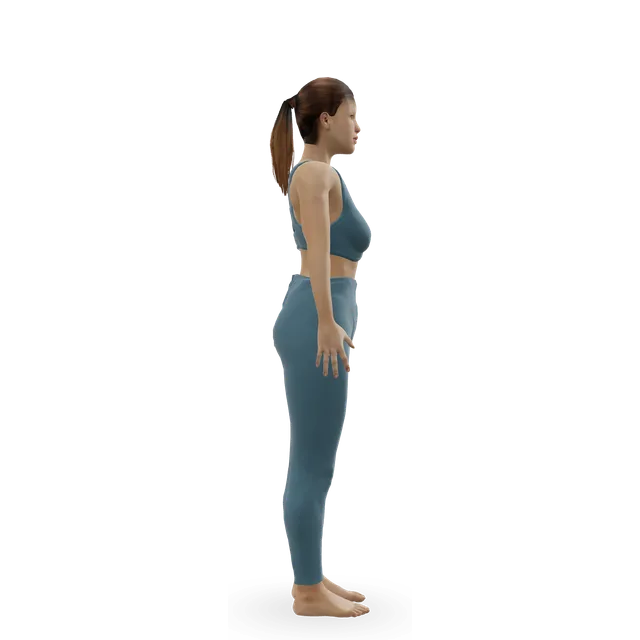
- Mountain pose (Tadasana)5 slow breathsBeginner · Calves, Back, Abs · 3D demoWeight spread over your heels and the balls of your feetHarder: Tree pose (Vrksasana)
- Chair pose (Utkatasana)2 holds of 3 to 5 breathsBeginner · Quads, Glutes, Shoulders · 3D demoA shallow bend, hands on your thighsHarder: Revolved chair pose (Parivrtta Utkatasana)
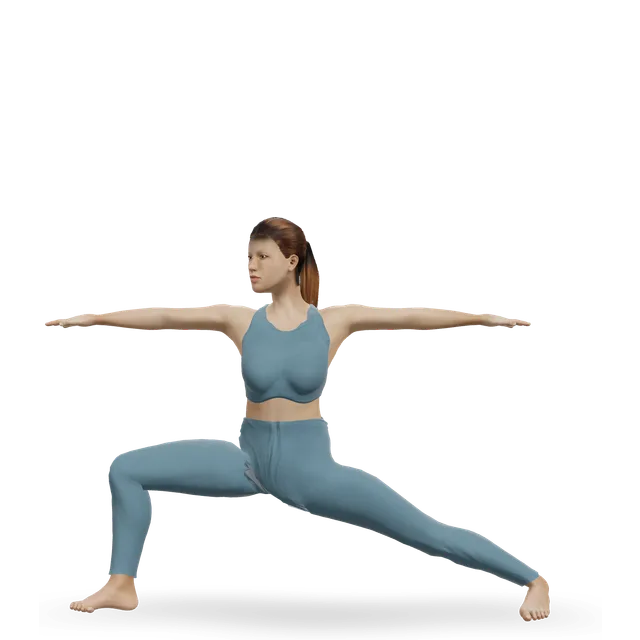
- Warrior II (Virabhadrasana II)3 to 5 breaths each sideIntermediate · Quads, Glutes, Adductors · 3D demoA short stance; with pain where the tendon meets the heel, shorten it until the back ankle is comfortableEasier: Chair pose (Utkatasana)Harder: Extended side angle (Utthita Parsvakonasana)
- Single-leg stand2 holds of 30 seconds each legBeginner · Hip abductors, Calves, Glutes · 3D demoA hand near the wall; skip it until two-leg raises are comfortableEasier: Tandem stance and heel-to-toe walkHarder: Single-leg reach matrix
- Tree pose (Vrksasana)2 holds of 20 to 30 seconds each sideBeginner · Glutes, Hip abductors, Calves · 3D demoFingertips on a wall, the lifted foot at your ankleEasier: Mountain pose (Tadasana)Harder: Standing hand-to-big-toe pose (Utthita Hasta Padangusthasana)





Calves, only if your ankle is stiff (about 3 minutes)
- Soleus wall stretch2 holds of 30 seconds each sideBeginner · Calves · 3D demoOnly for pain in the middle of the tendon; skip it with pain where the tendon meets the heelEasier: Seated calf stretch with a towelHarder: Toes-tucked kneeling (toe squat)
- Downward-facing dog (Adho Mukha Svanasana)2 holds of 5 breathsBeginner · Shoulders, Hamstrings, Calves · 3D demoKnees bent. With pain where the tendon meets the heel, keep your heels lifted, or rest in child's pose insteadEasier: Extended puppy pose (Uttana Shishosana)Harder: Half handstand at the wall (Ardha Adho Mukha Vrksasana)


Hips and rest (about 5 minutes)
- Low lunge (Anjaneyasana)45 seconds each sideBeginner · Hip flexors, Quads, Glutes · 3D demoFront shin upright, back knee paddedEasier: Half-kneeling hip flexor stretchHarder: High lunge (crescent lunge, Ashta Chandrasana)
- Reclined figure four (eye of the needle, Sucirandhrasana)45 seconds each sideBeginner · Glutes · 3D demoHold behind your thigh; never press on the crossed kneeHarder: Pigeon preparation (Eka Pada Rajakapotasana prep)



Tips
- This site's suggested rule: pain during exercise up to 5 out of 10, back to its usual level by the next morning, and not creeping up week on week. If it is worse the next morning, lighten the load for a few sessions rather than stopping.
- Step back into lunges and standing poses; never jump. With insertional pain, do not drop the heel below a step, in exercises or in calf stretches; for stretches this is a sensible inference from the same studies rather than a tested rule.
- With glaucoma, the American Academy of Ophthalmology suggests resting your hands on a wall or a chair to keep your head higher, though no study has measured eye pressure in that version.
- Same day: a sudden snap or pop at the back of the heel or calf, or a feeling of being kicked there, then walking flat-footed and being unable to push off, stand on tiptoe or climb stairs. It could be an Achilles tendon rupture or a broken heel bone. Go to A&E or a minor injuries unit, or contact NHS 111.
- Same day (urgent GP appointment or NHS 111): throbbing pain in one leg (rarely both), usually the calf or thigh; swelling in one leg (rarely both); red, blue or darkened skin around the painful area, which may be harder to see on brown or black skin; or swollen veins. This can be a deep vein thrombosis (DVT). It is more likely after surgery, a hospital stay, 3 or more days in bed, a journey of over 4 hours, pregnancy or a recent birth, cancer, a previous clot, or contraception or hormone replacement therapy (HRT) that contains oestrogen.
The doses are suggested starting points, not a prescription. Choose a range you can control and stop for sharp or increasing pain, numbness or tingling. Get individual advice after an injury or surgery, or if you are pregnant or managing a health condition.
Guides that recommend it
Find more moves like these
More yoga flows

Beginner yoga flow
A 20-minute beginner yoga sequence: mountain, chair, warrior II, triangle, tree, down dog, cobra and child's pose.
20 minBeginner11 movesA step

Sun salutation flow
A 20-minute flow built on sun salutations A and B, with warrior poses and a short cool-down.
20 minIntermediate8 movesNo equipment

Yoga for tight hips
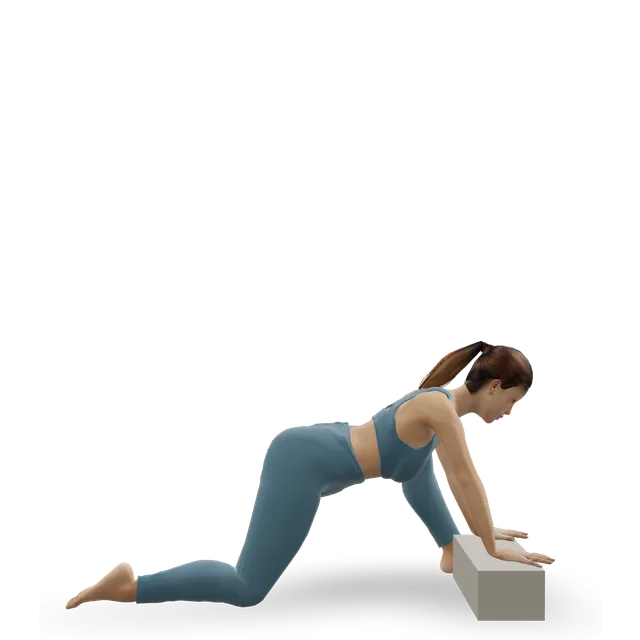
A hip-opening yoga sequence: low lunge, lizard, goddess, pigeon, bound angle and happy baby.
25 minBeginner10 movesA wallQuestions people ask
How long does the yoga for achilles tendinopathy: a 25-minute class with calf loading built in, heels level and no jumping take?
About 25 minutes, including any warm-up and cool-down listed. Shorten it by doing fewer rounds; lengthen it by adding one.
What equipment do I need?
You need: A wall, A bench or box. Each move links to its guide, where you can find an alternative if you are missing something.
Is it suitable for beginners?
It is written for beginners. 10 of its 15 moves have an easier option listed beside them if you need one.
How do I make it easier or harder?
Use the easier or harder option listed under each move, change the number of rounds, or adjust the rest. Progress one change at a time.