Yoga is safe for most people, and wrist trouble is usually minorStrong evidence
Across 94 trials (8,430 people), yoga was about as safe as usual care and other exercise. Across 9 observational studies, most problems were mild and short-lived, and 1.9% were serious. In US emergency departments from 2001 to 2014, the arm and hand (the elbow, forearm, wrist, hand and fingers together) were 8.8% of an estimated 29,590 yoga injuries, and 94.6% of patients were sent home. In 1,702 German practitioners, injuries ran at about 0.6 per 1,000 hours of practice. The US National Center for Complementary and Integrative Health (NCCIH) calls yoga generally safe for healthy people when done properly with a qualified instructor, and in 9,151 women in their 60s, those who did yoga had no more joint problems than those who didn't.
Sources 1, 2, 3, 4, 5, 6
But new yoga pain is most often in the armsEmerging evidence
In 354 recreational practitioners at two US studios, 10.7% developed new pain caused by yoga over a year. The university's summary of the study says most of that new pain was in the shoulder, elbow, wrist and hand, possibly from downward dog and similar poses, and that 74% said yoga eased pain they already had. In the German survey, handstands, shoulder stands and headstands were linked with 29.4% of acute problems, and about a fifth of acute problems with a known site were in the arm (read from the paper's figure). Teachers and clinicians in a survey of 1,336 linked wrist injuries mainly with downward dog and plank variations such as chaturanga and side plank; that is opinion, from a low response rate.
In 321 adults who practise handstands at least weekly, across yoga and other disciplines, 56.7% reported recurring wrist pain, and 53.4% of those whose main discipline was yoga. Young gymnasts, who load bent-back wrists far harder than a yoga class does, often have wrist pain that carries on with unchanged training (another group). No survey has counted wrist problems in yoga on their own, so the share that is wrist pain is unknown. In our reading, wrist pain from yoga is a common nuisance in people who do a lot of weight-bearing poses, flowing classes, arm balances and handstands, and rarely a serious injury.
Sources 7, 8, 4, 9, 10, 11, 12
What yoga asks of the wristEmerging evidence
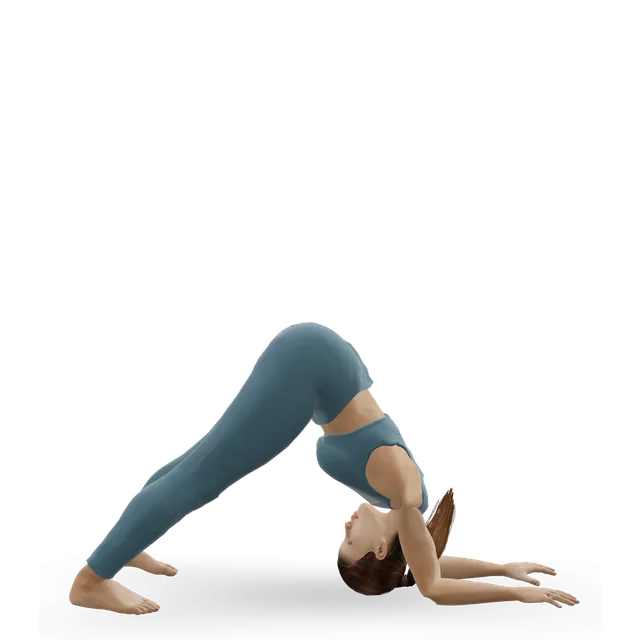
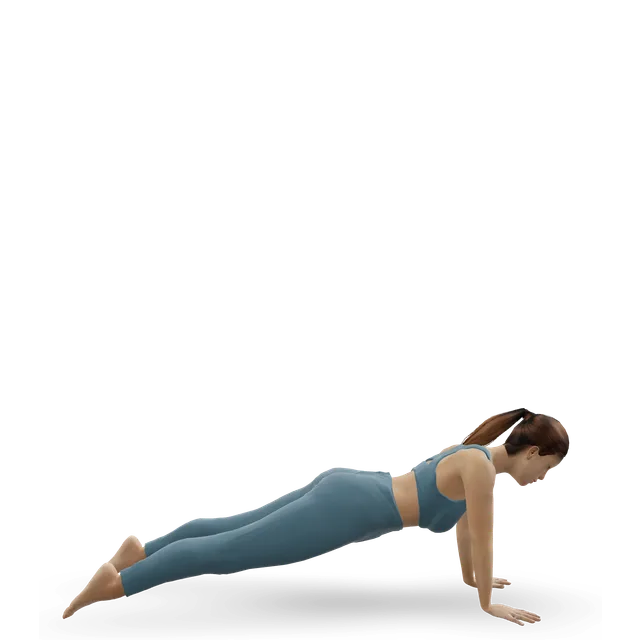
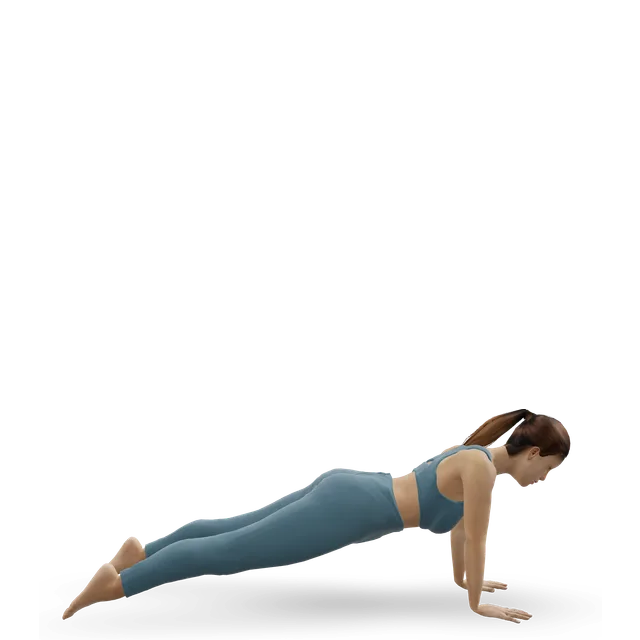
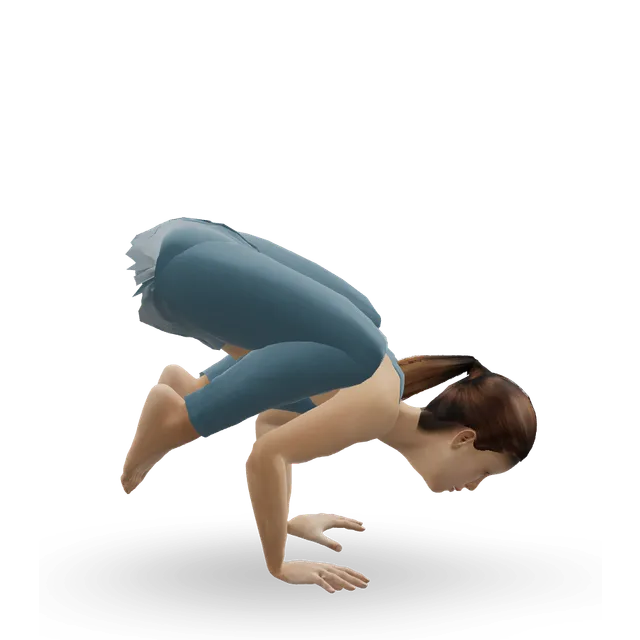
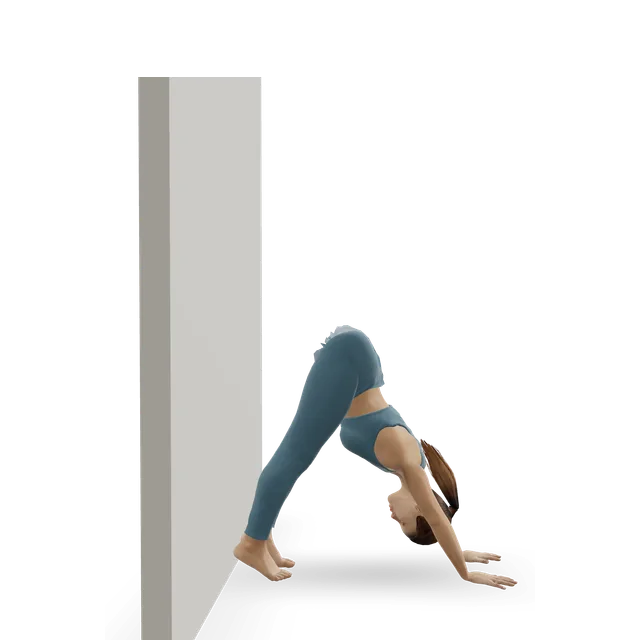
Most poses that put weight on the hands do it with the palm flat and the wrist bent back: all fours, cat-cow, downward dog, plank, chaturanga, upward dog, side plank, crow and handstand. In 20 adults on a force plate, poses on both hands put about half to all of their body weight through the hands at the peak, and a side plank about two-thirds through one hand. The researchers point out that the arms aren't designed to take weight the way the legs are.
In 10 trained practitioners filmed with motion capture, a sun salutation bent the wrist back to about 85 degrees in the eight-limb pose, near the end of the range most adults have, and it varied more between people than any other joint; the downward dog shape bent it back much less on average (about 31 degrees), again with very wide variation. In 8 wrists from donors, a flat-palm push-up raised pressure on the thumb side of the wrist joint compared with a knuckle push-up, and in 14 volunteers the force moved towards the back of the wrist and the little-finger side when the wrist was bent back. These are push-up studies; no study has measured wrist pressures in yoga poses.
Sources 13, 14, 15, 16
Telling the causes apartEmerging evidence
A general practitioner (GP) or physiotherapist presses on the exact spot, compares movement and grip with the other side, and asks what brings it on. The NHS sorts wrist pain by pattern: sudden sharp pain and swelling with a snap in an injury suggests a broken wrist; pain, swelling and bruising after an injury a sprain; long-lasting pain and swelling at the base of the thumb de Quervain's or arthritis; aching that's worse at night with tingling or numbness in the fingers, or a weak thumb, carpal tunnel syndrome; and a smooth lump on top of the wrist a ganglion.
Back-of-wrist pain that comes only with weight on a bent-back wrist and settles quickly is the load pattern. The same pain every time, for weeks, in one spot points to something more specific: in a hand surgery centre's patients with that pattern, a magnetic resonance imaging (MRI) scan found a problem in 84%, against 12% of a comparison group, most often a small hidden ganglion (76%), then a partial tear of a ligament between two wrist bones. One case report describes a yoga practitioner with bone forming in a strained wrist ligament.
Tingling is a nerve sign rather than a joint sign. In people with carpal tunnel syndrome, the pressure in the carpal tunnel was 32 mmHg (millimetres of mercury) with the wrist straight and 110 with it bent back 90 degrees, against 2.5 and 30 in people without it, and holding the wrist and fingers bent back for a minute, like prayer hands, raised it further. Rarely, a ganglion pressed on the ulnar nerve at the little-finger side of the wrist after downward dog, and one woman with an inherited tendency to nerve pressure palsies developed a dropped wrist after a month of trying crow pose; both are single case reports. A review of published yoga cases includes a torn tendon at the inner elbow after downward dog, and no wrist cases.
Sources 17, 18, 19, 20, 21, 22, 23, 24
When a scan or test mattersEmerging evidence
For load-related pain that is settling, no scan is needed (our reading of the NHS's first steps). An X-ray comes first after a fall onto the hand. Back-of-wrist pain that keeps coming back with loading, for more than a few weeks of changes, is where a hand specialist may ask for an MRI scan: the clinic authors suggest one when back-of-wrist pain comes with positions such as push-ups, yoga or Pilates poses. A finding isn't always the cause, since ganglions also show on the scans of many wrists that don't hurt. Carpal tunnel syndrome is usually diagnosed from the symptoms and an examination, with a nerve conduction test or a scan if the picture isn't clear.
Sources 17, 18, 25
How it usually goesEmerging evidence
No study has followed yoga practitioners with wrist pain, so this is our reading of the conditions themselves. Load-related pain usually responds to changing the position and building back up; the NHS says to see a GP if wrist pain hasn't improved after 2 weeks of looking after it at home. A ganglion often goes on its own, though that can take from several months up to a year, and carpal tunnel syndrome sometimes gets better by itself in a few months. Of acute yoga problems in the German survey, 76.9% recovered fully, 19.5% partly and 3.7% not at all.
Even after a broken wrist, most people get back to yoga: in 31 regular practitioners whose broken wrist was fixed with a plate, 90.3% returned, at an average of about 6 months for any yoga, 7 months for weight on the hands and 10 months for their usual practice. No one can promise a date.
Sources 17, 26, 25, 27, 4