Yoga guide

Yoga after a knee replacement: when to start, kneeling and deep bends, strength and balance, and a 25-minute class

Yoga can fit well alongside the exercises your physiotherapist gives you after a knee replacement, once your team agrees: European knee surgeons recommended it from about 6 to 12 weeks after surgery. Its standing poses build the strength and balance that rehabilitation guidelines recommend, and its lying poses include the bending and straightening your knee needs. The research is thin, though: one small study added yoga poses to physiotherapy, and no randomised trial exists.

The main changes are about kneeling, deep bends and twisting. The NHS says not to kneel on your new knee until your doctor says you can, not to cross your legs for 6 weeks and to avoid twisting your knee. Your surgeon's and physiotherapist's plan comes first.

This guide covers when to start, which poses to keep and change, kneeling, balance, a free 25-minute class with no kneeling, and the warning signs that need help. Our knee replacement guide covers the rehabilitation stages.

The short version

Beside your rehabilitation, never instead of it

NICE (the National Institute for Health and Care Excellence) wants a home exercise programme from the day of surgery, and a US physical therapy guideline strongly recommends progressive strength and balance training. Keep doing your physiotherapy exercises every day; yoga's standing and lying poses can add to that work.

Sources 1, 2, 3

When to start: ask your team

In a survey, 120 European knee surgeons recommended yoga from 6 to 12 weeks after a knee replacement. Before that, slow breathing, seated upper-body poses and your physiotherapy exercises are the place to start.

Source 4

The evidence is thin

One study added yoga poses to physiotherapy and reported better scores at 3 months, but it wasn't randomised, its reporting was inconsistent and the yoga group had less pain from the start. No randomised trial of yoga after a knee replacement exists, so this guide builds on the rehabilitation guidelines instead.

Sources 5, 6

Kneeling: when your doctor says you can

The NHS says "do not kneel on your new knee until your doctor says you can". Kneeling is what people find hardest afterwards, but a review found no clinical reason not to kneel on a replaced knee; until you're cleared, use the seated or standing version of kneeling poses.

Sources 3, 7

Leave out deep bends and twisting on the knee

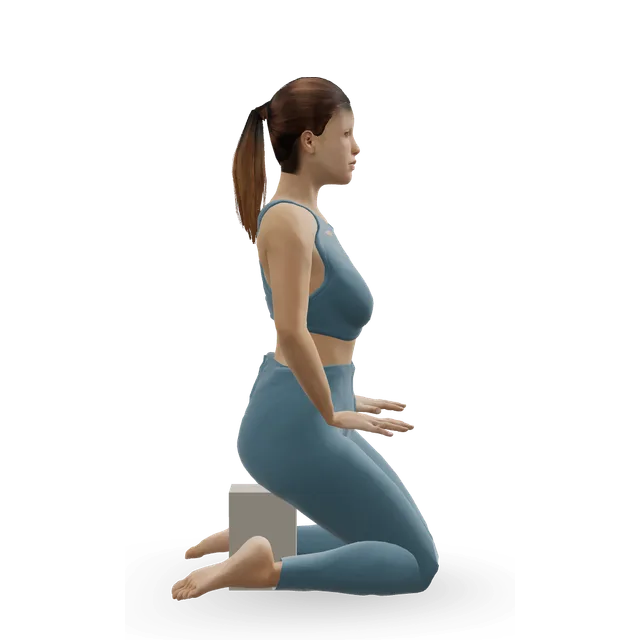
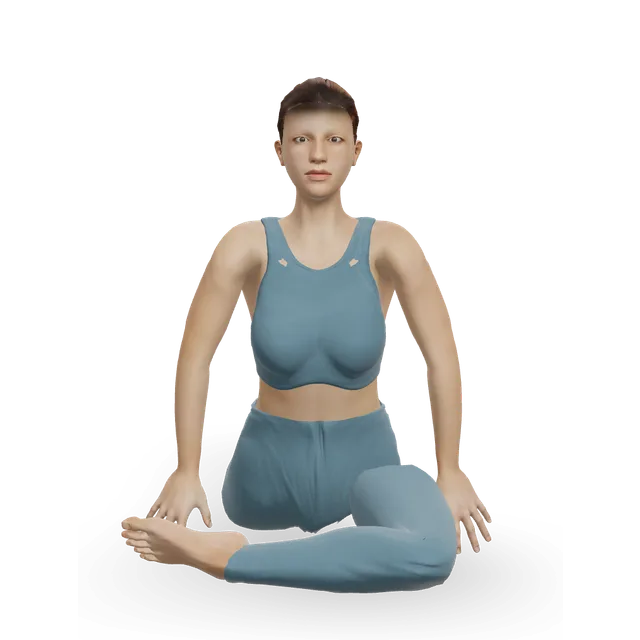
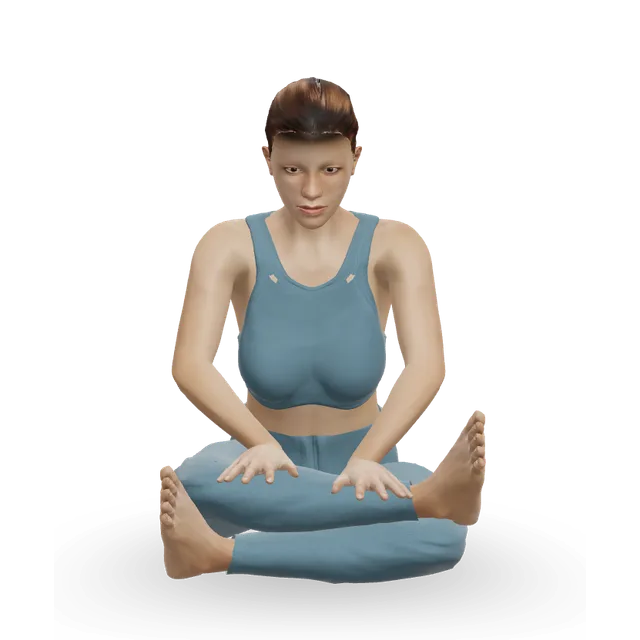
Avoid twisting your knee and don't cross your legs for the first 6 weeks. One NHS trust says a replaced knee usually won't let you fully squat or sit back on your heels, so hero pose, lotus, pigeon and a full squat are poor goals.

Sources 3, 8

Know the warning signs

Sudden breathlessness or chest pain is a 999 call; a throbbing calf, a high temperature, or a knee or wound that is red, swollen, oozing or getting worse needs an urgent GP appointment or NHS 111. The full list is below.

Source 9

A knee replacement, and where yoga fits

The operation and the plan

The worn ends of the thigh and shin bones are replaced with metal and plastic parts; a partial replacement replaces one side and usually recovers faster. NICE asks for rehabilitation on the day of surgery if possible and no more than 24 hours after. The NHS says most people go home 1 to 4 days after the operation, can try walking without an aid after about 6 weeks, and may take several months or longer to fully recover.

Sources 1, 3

Three jobs: straighten, bend, strengthen

Stairs and chairs need about 90 to 120 degrees of knee bend and getting out of a bath about 135 degrees, in a study of older adults. One NHS trust warns that scar tissue tightens over the first 6 weeks and that "After 3 months it becomes very difficult to improve flexibility". The US guideline wants progressive strength training and balance work from the early weeks.

Sources 10, 8, 2

What a new knee can and can't doEmerging evidence

The trust leaflet: "In most cases, you will regain the range of movement you had pre-operatively and sometimes a little more, but it will not allow you to fully squat or sit back on your heels". In 306 knees, bend averaged 111 degrees at 6 weeks and 119 degrees at a year. Squatting and kneeling needed at least 127 degrees, and sitting cross-legged 106 degrees, in healthy young adults, and rising from a full squat loads the knee heavily.

Sources 8, 11, 12, 13

The NHS precautions that matter for yogaStrong evidence

The NHS asks you to "avoid twisting your knee, bending down and reaching up as much as possible", not to sit with your legs crossed for the first 6 weeks, not to sleep with a pillow under your knee, and not to kneel until your doctor says you can. One NHS trust adds: avoid jarring and twisting activities for 6 to 8 weeks.

Sources 3, 8

Where yoga fits

Yoga's standing poses (mountain, chair, warrior, tree) are strength and balance training in another form, and its lying poses include heel slides, bridges and a strap stretch. European knee surgeons recommended yoga from 6 to 12 weeks, and in an Australian survey, 25 of the people who did yoga before surgery went back to it (92%). It sits beside your rehabilitation programme, never in place of it.

Sources 4, 14, 1

When to start, and how to build up

This timeline is our synthesis of the NHS, an NHS trust leaflet and a survey of European knee surgeons. No study has tested it, and your own team's timings come first.

A typical timeline

Your team may change any of these:

  • From day 1: your physiotherapy exercises (quad sets, straight-leg raises, heel slides), with slow breathing and seated upper-body yoga once you're home.
  • From about 6 to 12 weeks, when your team agrees: standing poses holding a chair, and lying poses on a bed or mat. European knee surgeons recommended yoga from this point.
  • From about 3 months: fuller classes, still without deep knee bends, lotus or twisting on the knee.
  • Kneeling: only once your doctor says you can, then on something soft.

Sources 3, 4, 8

Let the next day guide you

One NHS trust puts it like this: "A moderate ache that settles quickly is acceptable, severe pain that takes hours to settle is not". If the knee swells more after a session, do less next time (our suggestion).

Source 8

How often

Our editorial starting point is a kneel-free class 2 or 3 times a week from about 6 to 12 weeks, alongside your daily exercises and walking, building strength and balance gradually as the US guideline advises.

Source 2

What the evidence says

One small study has tested yoga after a knee replacement, so this section draws mostly on rehabilitation guidelines and studies of kneeling, knee bend and falls, and says where it does.

The guidelinesStrong evidence

NICE recommends rehabilitation from the day of surgery, advice on a home exercise programme with clear goals and a point of contact, and supervised rehabilitation for people who struggle. A 2026 US physical therapy guideline strongly recommends progressive strength training from the early weeks and balance training (high-quality evidence), and says stationary cycling, exercise in water and tai chi are safe early on. Neither names yoga.

Sources 1, 2

The one yoga study: weak and inconsistently reportedMixed evidence

In India, patients were allocated alternately, not randomly, to physiotherapy alone or physiotherapy plus modified yoga poses (corpse, mountain and a seated forward reach from day 3, knees to chest and bound angle after a week, then warrior and chair pose at 6 weeks). The paper gives 56, 51 or 52 patients in different places; it reports better pain, stiffness and function scores in the yoga group at 3 months, but no clear difference at 6 weeks (P = 0.07), and the yoga group already had less pain and stiffness on day 3. No side effects were reported. We build no advice on it.

Source 5

No randomised trialStrong evidence

Our searches found no randomised trial of yoga after a knee replacement, and none registered on ClinicalTrials.gov; the rest is a case report whose authors combined yoga with physiotherapy treatments.

Sources 6, 15

Nearest relativesEmerging evidence

Adding Pilates-based exercise to standard rehabilitation improved balance and quality of life in a small trial (34 people analysed). Yoga's standing poses train similar things, which is our reading, not a trial finding.

Source 16

Most people return to activityEmerging evidence

Across 45 studies, 85% of people went back to physical activity or sport, after a median of about 4 months (very low certainty). European knee surgeons recommended yoga from 6 to 12 weeks, and yoga was among the activities people most often went back to in an Australian survey.

Sources 17, 14, 4

Falls are common in the first yearEmerging evidence

In an Australian study of 267 people around 70, the paper reports that 40.6% fell in the year after surgery, without stating the number it divided by; falls were most frequent in the first month. In Hong Kong, 17% fell within 6 months, mostly while walking, and in Spain falls dropped from 40% before surgery to 23% at a year.

Sources 18, 19, 20

Balance training helps balance; fewer falls aren't shownEmerging evidence

Balance training after a knee replacement improved balance tests and walking more than usual training, but not pain or knee bend. No review has shown fewer falls, and the US guideline lists that as a question for research. Yoga's balance poses are reasonable balance practice, with a chair in reach.

Sources 21, 2

Long-term painEmerging evidence

In the best studies, about 1 in 5 people still had troublesome pain years after a knee replacement. Yoga hasn't been tested for this; tell your team, who can look for a cause.

Source 22

Kneeling in yoga

Wait until your doctor says you canStrong evidence

The NHS says "do not kneel on your new knee until your doctor says you can". Other leaflets give times from 6 weeks to 3 months; follow your own team's advice rather than a fixed date.

Sources 3, 23, 24

Kneeling hasn't been shown to harm a new kneeEmerging evidence

A narrative review found "no evidence that there is any clinical reason why patients should not kneel on their replaced knees", as long as you avoid rough or uneven surfaces, and one NHS trust says "You will not do any harm to the knee replacement by kneeling on it". That view rests on a review and observational studies, not trials.

Sources 7, 8

It's what people find hardest, but many canEmerging evidence

Between 60% and 80% of people report difficulty kneeling after a knee replacement, usually from pain, numbness around the scar or fear. Across 36 studies, 37% could kneel at a year and 48% after 3 years; in one study, only 37% thought they could kneel, but 81% could when watched. In a large Singapore study, 64% couldn't kneel and 58% couldn't squat at a year.

Sources 7, 25, 26, 27, 28

Practice and padding helpEmerging evidence

After a partial knee replacement, people taught to kneel at 6 weeks knelt better a year later, and in another study everyone who finished a simple kneeling programme could then kneel. A thick pad that spreads the pressure let people who couldn't kneel do so. Once you're cleared, start on something soft, such as the bed, then a firmer surface with a cushion.

Sources 29, 27, 30, 8

In yoga

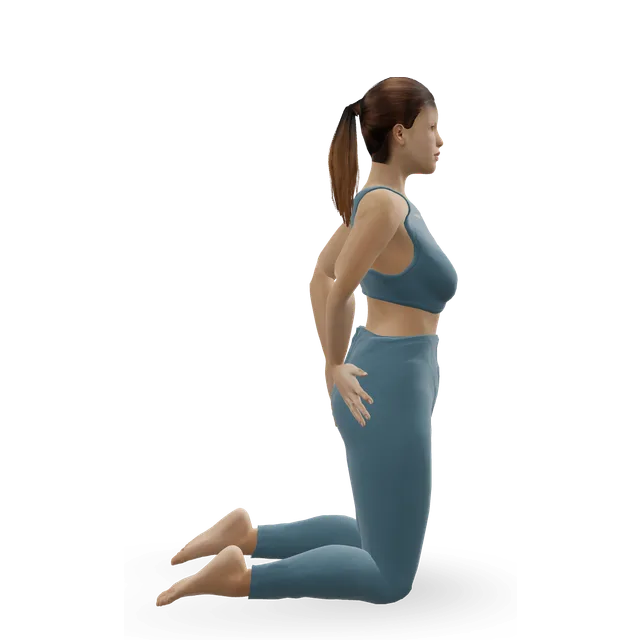
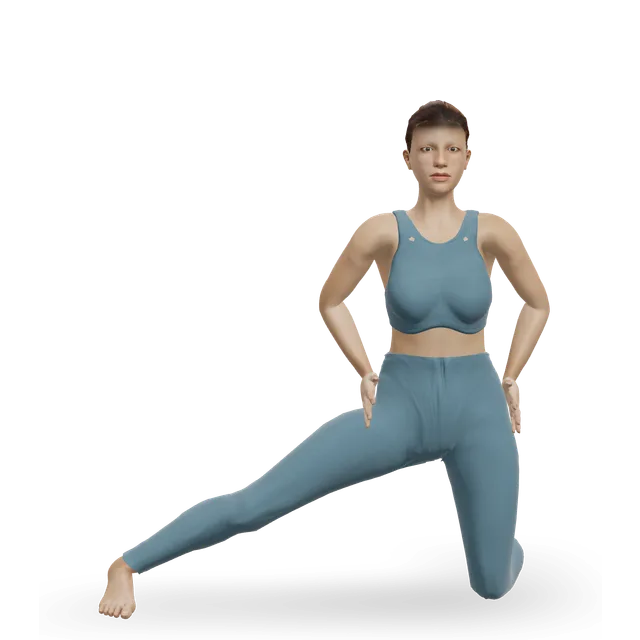
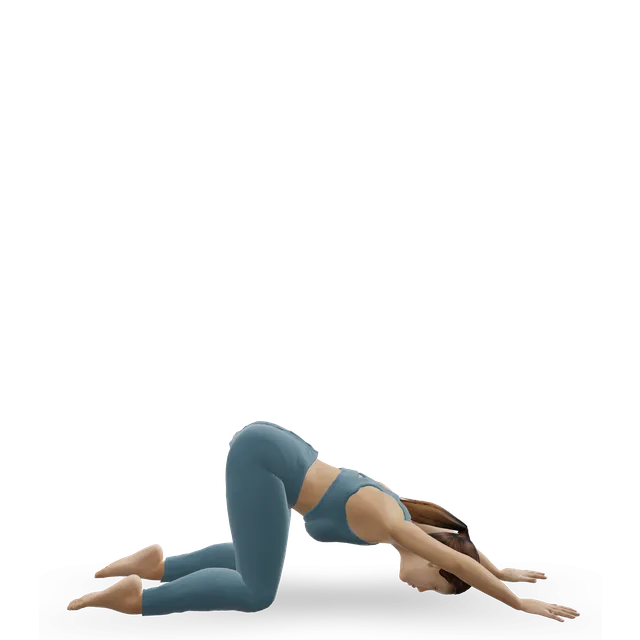
Until kneeling is comfortable, do cat-cow sitting on a chair, swap child's pose for a lying knee hug, and do lunges standing with your back heel lifted rather than with the knee down. Once you're cleared, keep kneeling short and padded (our suggestion).

Straight and bent: getting the range back

No pillow under the knee

The NHS says "do not sleep with a pillow under your knee", and a physiotherapy advice sheet explains that resting the knee on a pillow can make it difficult to straighten. In corpse pose and other rests in the first months, put a rolled towel under your heels or calves instead of your knees (our suggestion, from that advice).

Sources 3, 24

How far knees bendEmerging evidence

NHS services aim for about 90 degrees early: one by the second week if you had that range before, another before you go home. One advice sheet calls 100 to 105 degrees "a fair result". Most of the bend you'll have at a year is usually back by 6 weeks. Stiffness is usually defined as less than 90 degrees at 6 to 12 weeks or beyond.

Sources 31, 32, 24, 11, 33

Our 6-week check

Our knee replacement guide asks you to tell your team if the knee isn't bending to about 90 degrees, or isn't getting straight, by around 6 weeks. That is the site's own threshold, built from NHS trust leaflets, not a tested rule.

Source 8

Lotus, hero and deep squatsEmerging evidence

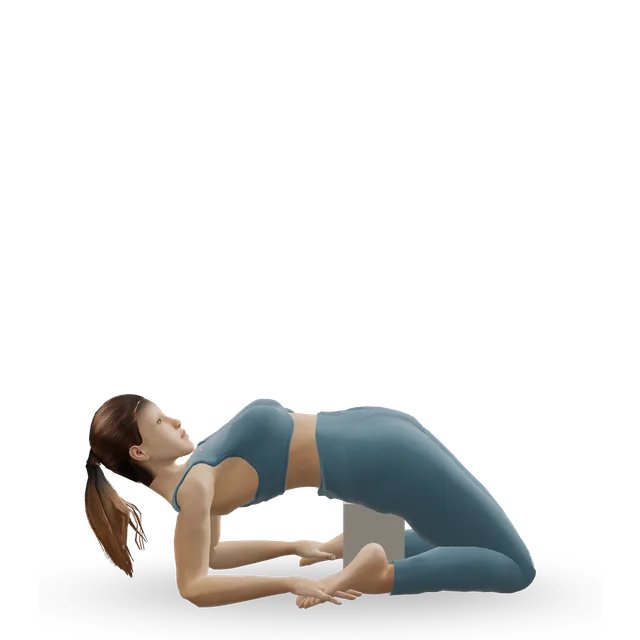
Most replaced knees don't bend far enough for these to be comfortable, and lotus and pigeon twist the knee if the hip runs out of outward turn. A replaced knee dislocating while squatting is rare but reported with some designs. Ask your surgeon before trying any of them, and sit on a chair or a high cushion instead.

Sources 12, 8, 34

While you heal: your exercises, breathing and seated yoga

Your physiotherapy exercises come first, every day: ankle pumps and circles every hour; quad sets with your heel on a rolled towel, straight-leg raises and heel slides, each held 5 to 10 seconds, 5 times, building to 10; and seated knee extensions held for a slow count of 10, 10 times, with no weight yet (one NHS trust's doses, in our knee replacement guide). Slow breathing: 2 minutes; breath reach: 5 breaths; seated twist: 5 each side (our chair yoga class). Seated upper-back lift: 3 to 5 repetitions, each held 3 to 5 seconds, at least twice a week (the move's page).

From about 6 to 12 weeks, when your team agrees

Mountain pose with soft, unlocked knees: 5 to 10 slow breaths, 2 or 3 times (the move's page). Chair pose holding a chair, bending only a little: 3 holds of 10 to 15 seconds; warrior II with a short stance, side-on to a chair: 3 breaths each side; tree pose with your heel at your ankle and fingertips on a chair: 3 breaths each side, both legs (our chair yoga class). Sit to stand: 2 sets of 8 (our editorial starting point). One-leg stand holding on: 20 to 30 seconds, 5 to 10 times (our knee replacement guide). Side stepping: 10 steps each way, next to a counter (the move's page). Calf stretch at a wall: 30 seconds each side (our editorial starting point). Bridge: 2 sets of 10 (our knee replacement guide). Strap hamstring stretch: 2 holds of 30 seconds each leg (our yoga for knee pain sequence).

From about 3 months, as comfort allows

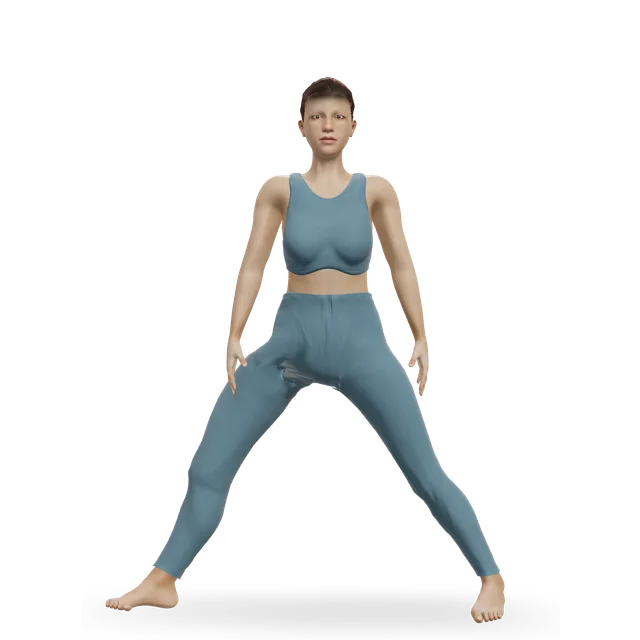
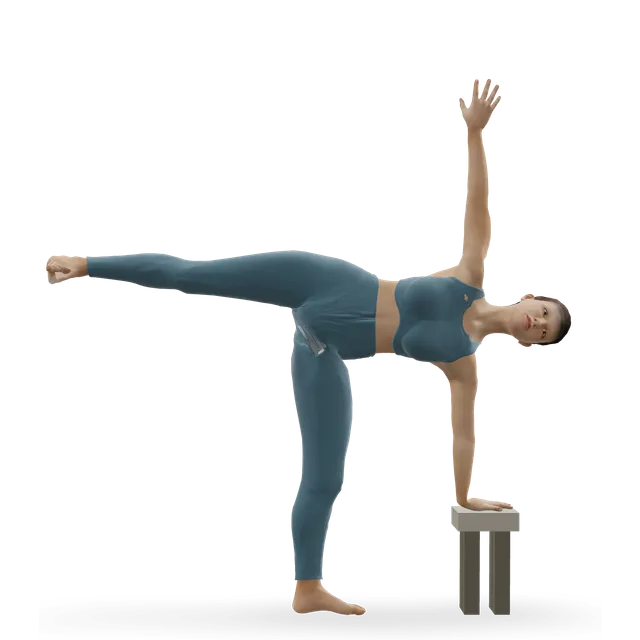
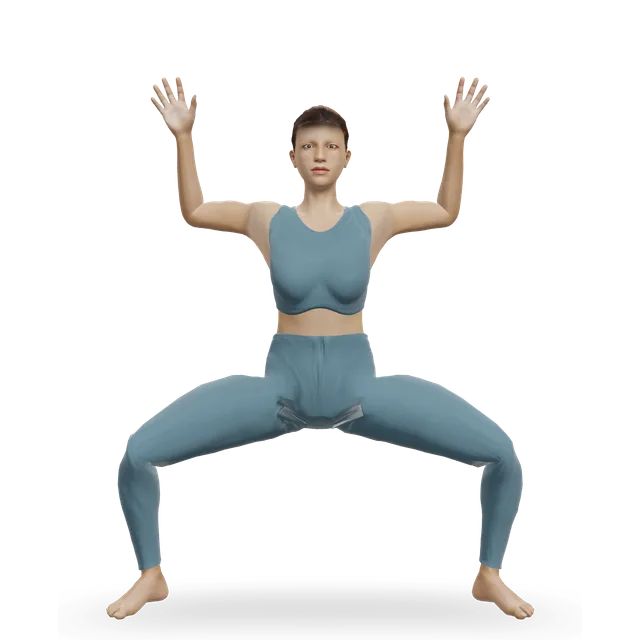
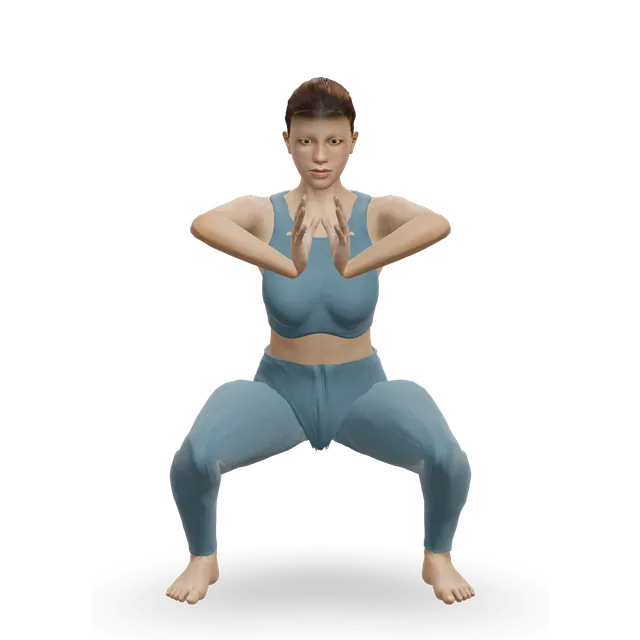
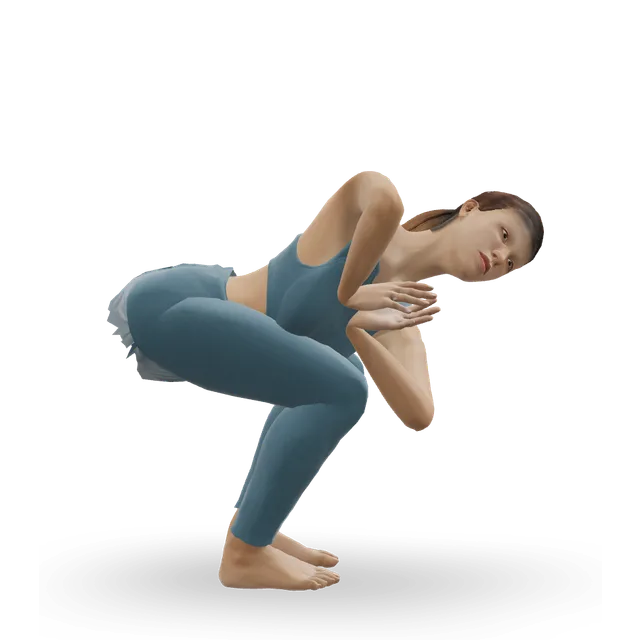
Warrior I with a short stance: 3 breaths each side (our yoga for knee pain sequence). High lunge with a short stance and your front knee over your ankle: 5 breaths each side (our yoga for balance class). Triangle with a soft front knee and a hand on a block: 2 holds of 20 to 30 seconds each side (our wall yoga routine). Warrior III and half moon with a wall: 3 to 5 breaths each side (our yoga for glutes class). Goddess, kept shallow: its page says "Keep it shallow with groin strain or knee pain." Kneeling poses only once you're cleared, padded and short.

Poses to change or leave out

Leave out kneeling poses until your doctor says you can kneel (do them seated or standing instead), deep knee bends such as hero, reclining hero, a deep squat and sitting back in child's pose, and poses that twist the knee, such as pigeon and fire log. Don't cross your legs for the first 6 weeks, keep your knees soft rather than locked in standing poses, and step rather than jump in sun salutations.

Classes to follow

From about 6 to 12 weeks, when your team agrees, use our 25-minute yoga after a knee replacement class 2 or 3 times a week: it has no kneeling and rests with your heels, not your knees, supported. Before that, the seated chair yoga class; later, the arthritis, knee pain and balance classes (in the first months, put their resting cushions under your calves rather than your knees).

Yoga after a knee replacement: a 25-minute chair-and-mat class with no kneeling

A 25-minute kneel-free yoga class for after a knee replacement: seated breathing, standing poses at a chair, gentle bends lying down and a heel-supported rest.

25 minBeginner18 movesA bench or box, Something with weight

Seated chair yoga: 15 minutes, no standing

A 15-minute chair yoga routine done entirely sitting: slow breathing, neck, shoulder and wrist stretches, seated twists and side bends, and a calm finish.

15 minBeginner16 movesA bench or box

Chair yoga for seniors

A free 20-minute chair yoga class for older adults: slow breathing, gentle seated stretches and twists, standing poses holding the chair, and a calm finish.

20 minBeginner18 movesA bench or box, Something with weight

Yoga for arthritis: a 30-minute joint-friendly class with a chair

A 30-minute joint-friendly yoga class for arthritis: seated breathing and joint warm-ups, standing poses with a chair, gentle lying poses and a long relaxation.

30 minBeginner17 movesA bench or box, A wall

Yoga for knee pain: a 25-minute knee-friendly sequence

A 25-minute knee-friendly yoga practice with no kneeling and no deep bends: shallow standing poses, hip and thigh strength on the floor, and supported stretches.

25 minBeginner15 movesFirm cushion

Yoga for balance: a 30-minute standing class, from steady to moving

Thirty minutes of standing yoga for balance: strong standing poses, one-leg poses at the wall, and side steps, backward steps, reaches and sit-to-stands.

30 minBeginner16 movesA wall, A bench or box

Warning signs: when to get help

These are the warning signs from our knee replacement and Pilates after a knee replacement guides, word for word. This is general information, not a diagnosis. A&E means accident and emergency; in the US, call 911 for 999.

Call 999 or go to A&E

Call 999 or go to A&E if breathing suddenly becomes difficult, if pain in your chest or upper back comes on suddenly with breathlessness or a very fast heartbeat, or if someone passes out. Do not drive yourself. It can be a blood clot that has reached the lungs.

Sources 9, 35

Urgent GP appointment or NHS 111

  • Throbbing or cramping pain in your leg (a clot usually hurts in the calf or thigh): ask for an urgent GP appointment or get help from NHS 111. It could be a blood clot.
  • A high temperature, or feeling hot, cold or shivery, or redness, tenderness, swelling or pain in the knee that is not getting better or is getting worse: ask for an urgent GP appointment or get help from NHS 111. These can be signs of an infection.
  • Oozing or pus from the wound: ask for an urgent GP appointment or get help from NHS 111. If you feel unwell or feverish and the wound looks infected, go to A&E.
  • Your knee suddenly becomes very painful, you cannot move it or put weight on it, or it is badly swollen or has changed shape, for example after a fall: get advice from NHS 111 now.

Sources 9, 36

A swollen, painful calf

Same day (urgent GP appointment or NHS 111): throbbing pain in one leg (rarely both), usually the calf or thigh; swelling in one leg (rarely both); red, blue or darkened skin around the painful area, which may be harder to see on brown or black skin; or swollen veins. This can be a deep vein thrombosis (DVT). It is more likely after surgery, a hospital stay, 3 or more days in bed, a journey of over 4 hours, pregnancy or a recent birth, cancer, a previous clot, or contraception or hormone replacement therapy (HRT) that contains oestrogen.

Source 36

A hot, swollen knee, even years later

A hot, red or swollen knee with sudden severe pain, a very high temperature, or feeling hot, cold or shivery. This can be a joint infection.

Tell your physiotherapist or team soon

  • The knee is not bending to about 90°, or not getting straight, by around 6 weeks, or it was moving well and is getting stiffer: tell your physiotherapist or surgical team now rather than waiting for a routine appointment. Stiffness is easier to treat early. (The 6-week check is our threshold, built from NHS trust leaflets.)
  • Exercise pain that takes hours to settle, keeps waking you, or builds week on week: ease off and tell your physiotherapist.
  • New or worsening pain, a limp or loss of function months or years after the operation: see your GP, who should refer you back to the orthopaedic team.

Sources 8, 1

During yoga

One NHS trust: "If you experience sharp pain, stop the activity immediately, and if symptoms persist contact your GP for advice." No kneeling until you're cleared, no twisting on the new knee and no crossed legs for the first 6 weeks; if the knee swells more after a session, drop back a step (our suggestion).

You can say no to any hands-on adjustment, and a teacher registered with Yoga Alliance must get your explicit consent each time.

Sources 8, 3

Chest pain or fainting while exercising: call 999

Call 999 if:

  • You get sudden pain or discomfort in your chest that doesn't go away; it can feel like squeezing or pressure, burning or indigestion.
  • The pain spreads to your left or right arm, or your neck, jaw, stomach or back.
  • You have chest pain and feel sweaty, sick, light-headed or short of breath.
  • Someone faints while exercising, can't be woken within 1 minute, or has chest pain or a pounding, fluttering or irregular heartbeat.

Sources 37, 38

Before you start

The NHS advises getting advice from a healthcare professional first if you have a health problem, an injury or symptoms, or have recently had a heart attack or an operation.

Myths

"You can never kneel after a knee replacement"Emerging evidence

A review found no clinical reason not to kneel on a replaced knee, and in one study 81% of people could kneel when watched, though only 37% thought they could. Wait until your doctor says you can, then start on something soft.

Sources 7, 26, 8, 3

"Yoga can replace physiotherapy after a knee replacement"Strong evidence

No trial supports that. NICE and the US guideline want the rehabilitation exercises done, and the one yoga study added yoga to physiotherapy.

Sources 1, 2, 5

"Push through the pain to get the bend back"Emerging evidence

"A moderate ache that settles quickly is acceptable, severe pain that takes hours to settle is not", says one NHS trust. Keep up your bending exercises, but don't force a kneeling pose or a deep squat to get there.

Source 8

"A cushion under the knee helps it heal"Strong evidence

The NHS says "do not sleep with a pillow under your knee", and a physiotherapy advice sheet says resting the knee on a pillow can make it difficult to straighten. Support your calf or heel instead.

Sources 3, 24

"Yoga balance poses prevent falls after a knee replacement"Emerging evidence

Balance training improves balance tests after a knee replacement, but fewer falls haven't been shown. Practise with a chair in reach.

Sources 21, 2

Questions people ask

Can you do yoga after a knee replacement?

Yes, usually, once your team agrees: European knee surgeons recommended yoga from 6 to 12 weeks after surgery. Keep doing your physiotherapy exercises; yoga is extra, not a replacement.

How soon can I do yoga after a knee replacement?

Slow breathing and seated upper-body poses are fine once you're home; standing and lying poses that match your exercises from about 6 to 12 weeks, when your team agrees; fuller classes from about 3 months. Your own team's timings come first.

Can I kneel in yoga after a knee replacement?

Not until your doctor says you can. Kneeling hasn't been shown to harm a replaced knee, and many people find they can kneel once they try; start on something soft and use a thick pad. Until then, use the seated or standing version of kneeling poses.

Which yoga poses should I avoid after a knee replacement?

Early on, kneeling poses, deep knee bends (hero, a full squat, sitting back in child's pose), poses that twist the knee (pigeon, lotus, fire log) and crossing your legs for the first 6 weeks. One NHS trust says a replaced knee won't usually let you fully squat or sit back on your heels.

What are the best yoga poses after a knee replacement?

Poses that match your rehabilitation: mountain pose with soft knees, a shallow chair pose holding a chair, warrior II with a short stance, tree pose holding a chair, bridges, heel slides and a strap hamstring stretch. Guidelines strongly recommend strength and balance training, and these poses do some of that work.

Is chair yoga good after a knee replacement?

Yes, especially early on: you can breathe, stretch your upper body, straighten your knee and work your thighs sitting down, then stand holding the chair. It's a good bridge to standing classes.

Can I do lotus or hero pose after a knee replacement?

Most replaced knees don't bend far enough for these to be comfortable, and lotus twists the knee. Ask your surgeon before trying either, and sit on a chair or a high cushion instead.

Does yoga help recovery after a knee replacement?

We don't know. One non-randomised study reported better scores at 3 months when yoga poses were added to physiotherapy, but its reporting was inconsistent and the groups differed from the start. No randomised trial exists.

Can I do yoga with two knee replacements?

Yes, with the same changes for both knees. Use seated, standing and lying versions of kneeling poses, and keep a chair in reach for balance poses.

Should I put a cushion under my knees in corpse pose?

In the first months, put it under your heels or calves instead. The NHS advises against sleeping with a pillow under the knee, and a physiotherapy advice sheet says resting the knee on a pillow can make it difficult to straighten.

Is it normal for my knee to ache after yoga?

A moderate ache that settles quickly is fine; severe pain that takes hours to settle is not. If the knee swells more, do less next time, and tell your physiotherapist if it keeps happening.

When should I get help?

Call 999 for sudden breathlessness, or chest or upper back pain with breathlessness: it can be a clot in the lungs. Get an urgent GP appointment or call NHS 111 for throbbing or cramping calf pain, a high temperature, or a knee or wound that is red, swollen, oozing or getting worse.


Sources

  1. NICE NG157 · Joint replacement (primary): hip, knee and shoulder (recommendations 1.2, 1.10 and 1.11)

  2. Bove 2026 · US physical therapy guideline for total knee replacement, revision 2026 (clinical practice guideline, Phys Ther; recommendations read in full)
  3. NHS · Recovering from a knee replacement
  4. Thaler 2021 · Sport after knee replacement: recommendations from 120 European knee surgeons (survey, Knee Surg Sports Traumatol Arthrosc)
  5. Bedekar 2012 · Yoga poses added to physiotherapy after knee replacement (non-randomised comparative study, Int J Yoga; read in full)
  6. Europe PMC · Search for yoga studies after a knee replacement: 7 records, one comparative study (30 October 2026)
  7. Wylde 2019 · Kneeling ability after total knee replacement (narrative review, EFORT Open Rev; read in full)
  8. Royal Berkshire NHS Foundation Trust · Advice and exercises after a total knee replacement (physiotherapy leaflet, November 2024)
  9. NHS · Complications of a knee replacement
  10. Rowe 2000 · How much knee bend daily life needs: 20 older adults (motion study, Gait Posture)
  11. Gil 2025 · Knee bend over the first year after knee replacement: 306 knees (cohort study, J Arthroplasty)
  12. Tan 2024 · Knee bend needed to squat, kneel and sit cross-legged: 50 healthy adults (motion study, Front Rehabil Sci)
  13. Nagura 2006 · Knee joint force in deep knee bending: 16 healthy knees (lab study, J Appl Biomech)
  14. Sarrami 2025 · Return to sport after knee replacement in 257 Australians (survey, Arch Orthop Trauma Surg; read in full)
  15. Ebnezar 2014 · Yoga therapy after failed knee replacements in both knees (case report, Int J Yoga; read in full)
  16. Karaman 2017 · Pilates-based exercise added after knee replacement: 34 analysed (randomised trial, Physiother Theory Pract)
  17. Braz 2026 · Return to physical activity or sport after knee replacement: 45 studies (systematic review and meta-analysis, Knee Surg Sports Traumatol Arthrosc)
  18. Hill 2022 · Falls in the year after knee replacement in 267 older adults (cohort study, Am J Phys Med Rehabil)
  19. Chan 2018 · Falls in the 6 months after knee replacement (cohort study, Phys Ther)
  20. Blasco 2022 · Falls before and after knee replacement in 253 people (cohort study, Sci Rep)
  21. Doma 2018 · Balance training after knee replacement (systematic review and meta-analysis, Sports Med)
  22. Beswick 2012 · Long-term pain after hip or knee replacement (systematic review, BMJ Open)
  23. Sandwell and West Birmingham Hospitals NHS Trust · Physiotherapy following a total knee replacement (leaflet, past its review date: reviewed February 2022, review due February 2025)
  24. Musculoskeletal physiotherapy · Post-op knee range of motion exercises (undated patient advice sheet hosted on an NHS site)
  25. Nadeem 2021 · Kneeling after knee replacement: 36 studies (systematic review and meta-analysis, Knee Surg Relat Res)
  26. Hassaballa 2004 · Kneeling after knee replacement, thought and observed: 122 patients (observational study, Knee Surg Sports Traumatol Arthrosc)
  27. Wallace 2019 · Most patients can kneel after knee replacement: 307 knees (survey and kneeling protocol, J Arthroplasty)
  28. Sethi 2026 · Kneeling and squatting a year after knee replacement: 888 knees in Singapore (cohort study, J Arthroplasty)
  29. Jenkins 2008 · Teaching kneeling after partial knee replacement: 60 people (randomised trial, Phys Ther)
  30. Watamori 2025 · A pressure-spreading pad for kneeling after knee replacement: 60 patients (laboratory study, J Exp Orthop)
  31. Swansea Bay University Health Board · What range of movement should I expect in my knee? (knee replacement physiotherapy page)
  32. West Hertfordshire Teaching Hospitals NHS Trust · Physiotherapy after knee replacement (leaflet, 2025)
  33. Tibbo 2019 · Stiffness after total knee replacement: 35 studies, 48,873 knees (systematic review and meta-analysis, J Bone Joint Surg Am)
  34. Jisam 2021 · A knee replacement that dislocated while squatting (case report, J Orthop Case Rep)
  35. NHS · Pulmonary embolism
  36. NHS · DVT (deep vein thrombosis)
  37. NHS · Chest pain (past its review date: reviewed August 2023, review due August 2026)
  38. NHS · Fainting

Exercise education, not a personal prescription, and clinical review of these guides is pending. If you are pregnant, have a health condition such as glaucoma, high blood pressure or osteoporosis, or have had recent surgery, check with a doctor, midwife or physiotherapist before starting, and stop for sharp or increasing pain. Health disclaimer.