Yoga flows
Yoga for asthma: a 20-minute breathing-first practice
A 20-minute yoga practice for asthma that puts breathing first, as asthma breathing programmes do: slow breathing through your nose with your belly, then gentle stretches, a few standing poses and a rest. There are no breath holds and no fast, forceful breathing. Breathing exercises help symptoms and quality of life a little, but they don't improve lung function or prevent attacks, so keep using your inhalers as prescribed and keep your reliever by your mat.
Settle
- Beginner · Hip flexors, Back · 3D demoYour reliever inhaler within reachHarder: Pigeon preparation (Eka Pada Rajakapotasana prep)
- Beginner · 3D demoThrough your nose if you can; in for about 4, out for about 6, with no holdsEasier: Breath reachHarder: Crocodile breathing (prone diaphragmatic breathing)


Belly breathing
- Beginner · 3D demoFeel your lower ribs and belly move against the floor. If lying face down feels tight, sit up with your hands on your lower ribs insteadEasier: Slow breathing (6 breaths a minute)

Move with the breath
- Breath reach5 breaths, exhale longer than inhaleBeginner · 3D demoHarder: Slow breathing (6 breaths a minute)
- Cat-cow8 waves, slower than feels naturalBeginner · Back, Abs · 3D demoBreathe out as you roundHarder: Half lord of the fishes (Ardha Matsyendrasana)
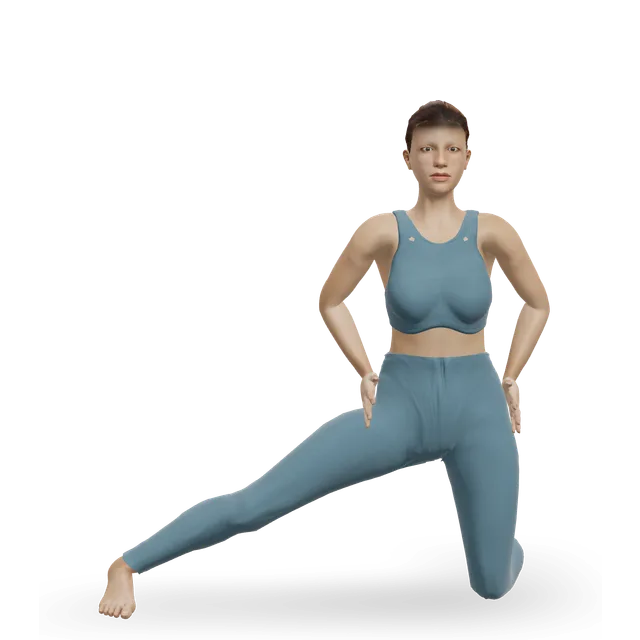
- Gate pose (Parighasana)2 holds of 20 s each sideBeginner · Abs, Back, Adductors · 3D demoEasy breathing into the side of your ribs; pad the kneeling kneeEasier: Standing crossed-leg side reachHarder: Triangle pose (Utthita Trikonasana)


Standing
- Mountain pose (Tadasana)5 slow breathsBeginner · Calves, Back, Abs · 3D demoHarder: Tree pose (Vrksasana)
- Chair pose (Utkatasana)2 holds of 3 breathsBeginner · Quads, Glutes, Shoulders · 3D demoKeep breathing; never hold your breathHarder: Revolved chair pose (Parivrtta Utkatasana)
- Warrior II (Virabhadrasana II)3 breaths each sideIntermediate · Quads, Glutes, Adductors · 3D demoEasier: Chair pose (Utkatasana)Harder: Extended side angle (Utthita Parsvakonasana)
- Tree pose (Vrksasana)3 to 5 breaths each sideBeginner · Glutes, Hip abductors, Calves · 3D demoAt a wallEasier: Mountain pose (Tadasana)Harder: Standing hand-to-big-toe pose (Utthita Hasta Padangusthasana)




Rest
- Beginner · Adductors, Chest · 3D demoProp your chest up on cushions if lying back feels tightHarder: Wide-angle seated forward fold (Upavistha Konasana)


Tips
- Keep your reliever by your mat. If you get symptoms, stop and follow your asthma action plan; in an attack, use your reliever as the NHS describes and call 999 if you feel worse at any point or don't feel better after the maximum dose.
- No breath holds and no fast, forceful breathing in this practice. If you feel dizzy or tingly, make the breaths smaller or go back to normal breathing.
- Practise the first two blocks on their own on most days: breathing programmes with more than 5 hours of training seemed more likely to help. They help symptoms and quality of life, not lung function, and don't replace your inhalers.
- If exercise sets off your asthma, use our asthma warm-up before harder sessions; this practice is gentle.
- Practise in a comfortable room: hot, humid air can make asthma worse.
The doses are suggested starting points, not a prescription. Choose a range you can control and stop for sharp or increasing pain, numbness or tingling. Get individual advice after an injury or surgery, or if you are pregnant or managing a health condition.
Guides that recommend it
Find more moves like these
More yoga flows
Beginner yoga flow
A 20-minute beginner yoga sequence: mountain, chair, warrior II, triangle, tree, down dog, cobra and child's pose.
20 minBeginner11 movesA step

Sun salutation flow
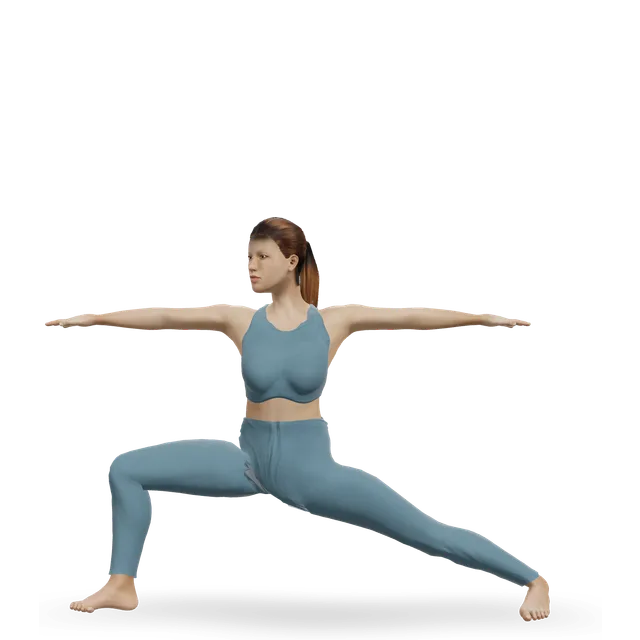
A 20-minute flow built on sun salutations A and B, with warrior poses and a short cool-down.
20 minIntermediate8 movesNo equipment


Yoga for tight hips
A hip-opening yoga sequence: low lunge, lizard, goddess, pigeon, bound angle and happy baby.
25 minBeginner10 movesA wallQuestions people ask
How long does the yoga for asthma: a 20-minute breathing-first practice take?
About 20 minutes, including any warm-up and cool-down listed. Shorten it by doing fewer rounds; lengthen it by adding one.
What equipment do I need?
You need: Firm cushion. Each move links to its guide, where you can find an alternative if you are missing something.
Is it suitable for beginners?
It is written for beginners. 5 of its 12 moves have an easier option listed beside them if you need one.
How do I make it easier or harder?
Use the easier or harder option listed under each move, change the number of rounds, or adjust the rest. Progress one change at a time.