Yoga flows
Yoga for COPD: a 25-minute follow-along practice, sitting and standing
A 25-minute yoga practice to follow along with if you have COPD (chronic obstructive pulmonary disease). It stays upright, sitting and then standing at a chair, and is built around the breathing techniques pulmonary rehabilitation teaches: breathing control, pursed-lip breathing, blow as you go and recovery positions. There are no breath holds and no fast, forceful breathing. It adds to pulmonary rehab and walking; it doesn't replace them.
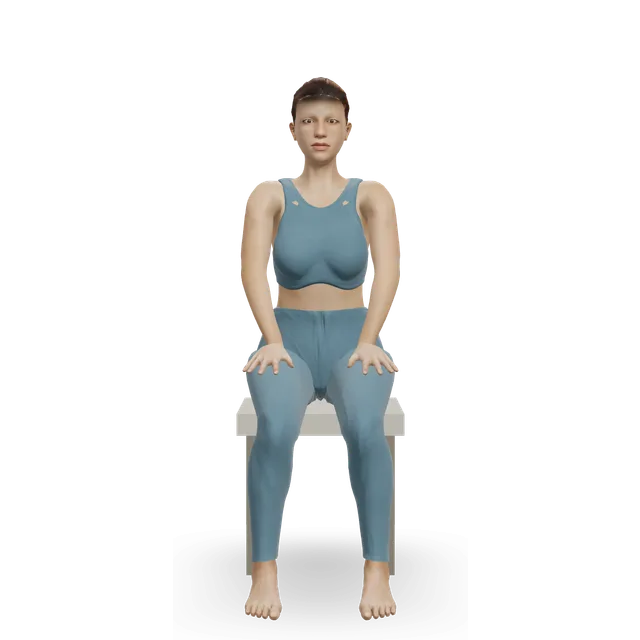
Settle, sitting
- Beginner · 3D demoBreathing control: gentle and relaxed, shoulders down, at any comfortable count, the out-breath longer. Oxygen on your usual settingEasier: Breath reachHarder: Crocodile breathing (prone diaphragmatic breathing)
- Pursed-lip breathing1 minBeginner · 3D demoIn through your nose, out through pursed lips as if blowing out a candle; don't force the air out

Loosen up, sitting
- Breath reach5 breaths, exhale longer than inhaleBeginner · 3D demoSeated (the demo shows it standing). Keep your arms lower if lifting them makes you breathlessHarder: Slow breathing (6 breaths a minute)
- Shoulder rolls10 each wayBeginner · Shoulders, Back, Neck · 3D demoSlow and smoothHarder: Shoulder CARs (controlled articular rotations)
- Cat-cow6 slow roundsBeginner · Back, Abs · 3D demoSeated (the demo shows all fours): hands on your knees; breathe out as you round, in as you lift your chestHarder: Half lord of the fishes (Ardha Matsyendrasana)
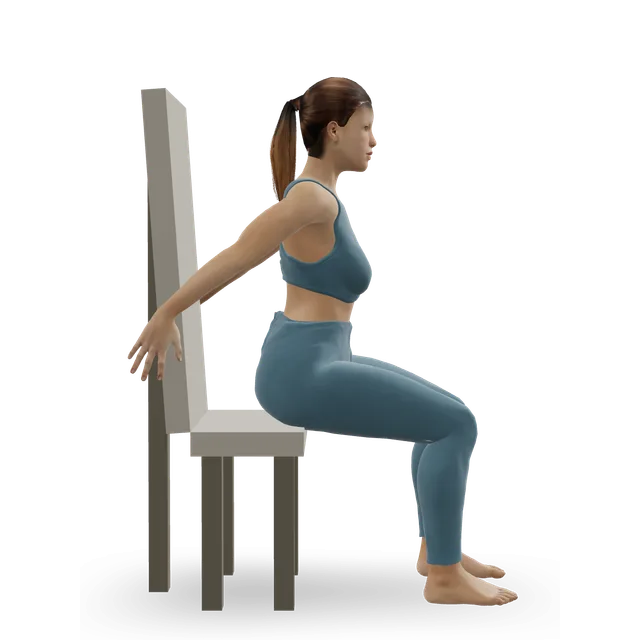
- Chair chest and shoulder stretch2 holds of 20 sBeginner · Shoulders, Biceps, Chest · 3D demoSit near the front edge and hold the backrest behind youHarder: Behind-the-back stick shoulder stretch
- Thoracic rotation5 each side, 5 s holdsBeginner · 3D demoSeated (the demo shows it standing): arms crossed, hips facing forward; turn as you breathe outEasier: Side-lying open bookHarder: World's greatest stretch
- Seated overhead side bend2 each side, 10 to 20 s holdsBeginner · Back, Abs · 3D demoReach one arm up and over as you breathe out, both sitting bones on the seatHarder: Overhead lat stretch at a bench (elbows on the bench)





Stand, with the chair
- Sit to stand from a chair8 to 10 repsBeginner · Quads, Glutes, Hamstrings · 3D demoBlow as you go: breathe in before you stand, and out through pursed lips as you standEasier: Sit to stand, pushing on the thighsHarder: Bodyweight squat
- Pursed-lip breathing30 to 60 sBeginner · 3D demoRecover sitting, leaning forward with your elbows on your knees, until your breathing settles
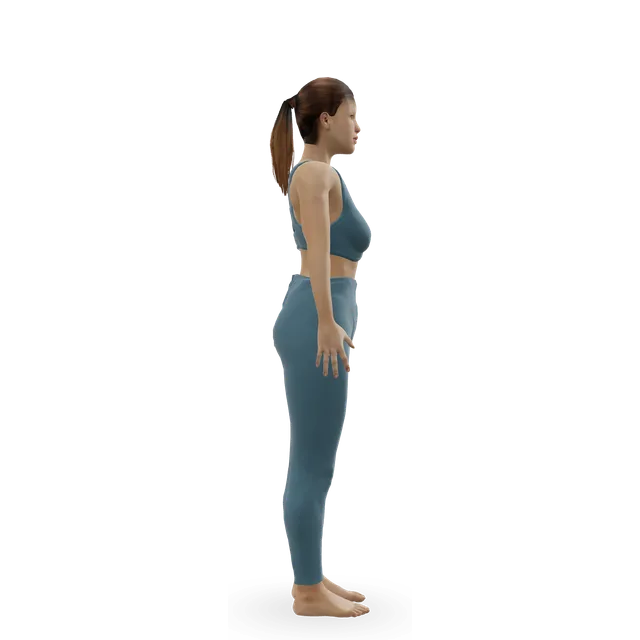
- Mountain pose (Tadasana)5 breathsBeginner · Calves, Back, Abs · 3D demoOne hand on the back of the chair; come up slowlyHarder: Tree pose (Vrksasana)
- Chair pose (Utkatasana)2 holds of 3 breathsBeginner · Quads, Glutes, Shoulders · 3D demoHold the back of the chair. Keep breathing; never hold your breathHarder: Revolved chair pose (Parivrtta Utkatasana)
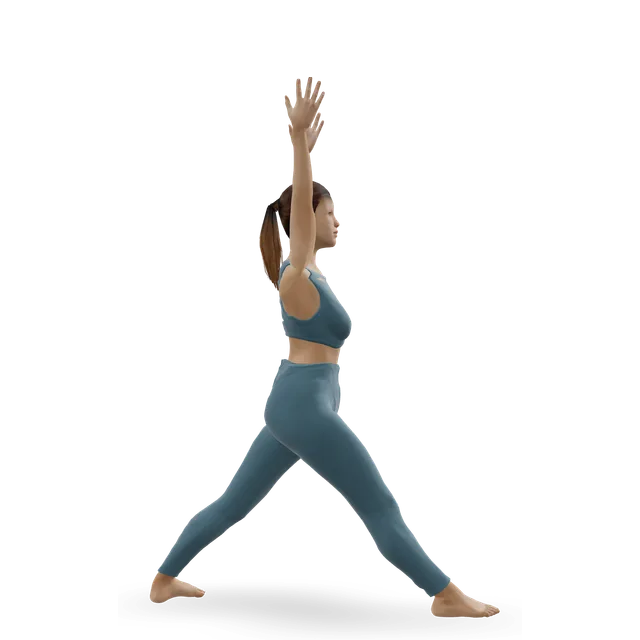
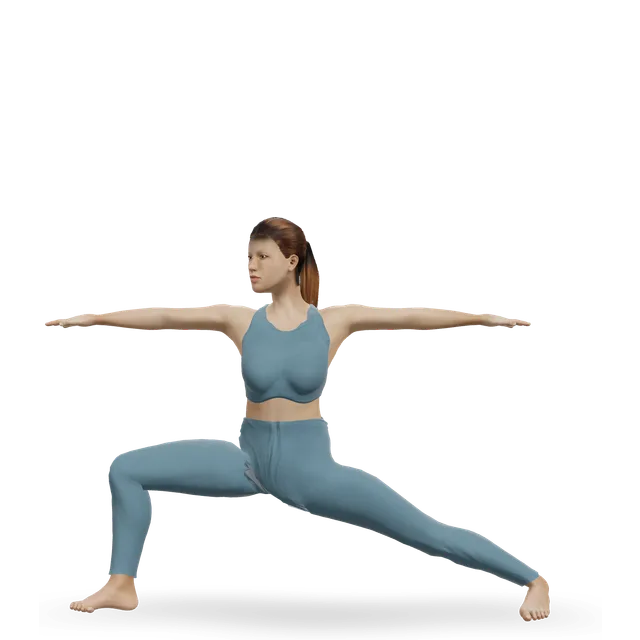
- Warrior II (Virabhadrasana II)3 breaths each sideIntermediate · Quads, Glutes, Adductors · 3D demoSide-on to the chair, one hand on its back, with a short stanceEasier: Chair pose (Utkatasana)Harder: Extended side angle (Utthita Parsvakonasana)
- Tree pose (Vrksasana)3 breaths each sideBeginner · Glutes, Hip abductors, Calves · 3D demoFingertips on the chair; heel against your ankleEasier: Mountain pose (Tadasana)Harder: Standing hand-to-big-toe pose (Utthita Hasta Padangusthasana)
- Wall push-up8 to 10Beginner · Chest, Triceps, Shoulders · 3D demoBreathe out as you push awayHarder: Push-up






Breathe and rest, sitting
- Beginner · 3D demoSitting, or leaning forward at a table with your head and arms on a pillow. Small, gentle breaths, the out-breath longerEasier: Breath reachHarder: Crocodile breathing (prone diaphragmatic breathing)
Tips
- This adds to pulmonary rehabilitation and walking; it doesn't replace them. If you haven't been offered pulmonary rehab, ask your GP or nurse, and ask again after any hospital stay.
- Getting a little out of breath is normal and not dangerous. Use the talk test: if you can only say one word at a time, slow down.
- If you use oxygen when you move, use it on your usual setting. Keep it at least 3 metres from appliances with an open flame, such as a gas fire, and keep candles and incense away from it too.
- Keep your reliever inhaler by your chair.
- No breath holds and no fast, forceful breathing such as kapalabhati. If you feel dizzy or tingly, make the breaths smaller or go back to normal breathing.
- During a flare-up, follow your self-management plan and do only the sitting breathing blocks; come back to the full practice when your symptoms are near your usual.
- Stop and get advice if you have chest pain or tightness, feel more breathless than usual, dizzy, sick, clammy or very cold, or start wheezing. Call 999 (911 in the US) if you find it very hard to breathe or can't speak, your chest feels tight or heavy, or your lips or skin turn very pale, blue or grey.
- Do it 2 or 3 times a week: in the trials, breathing-focused yoga usually ran 2 or more times a week for about 12 weeks.
The doses are suggested starting points, not a prescription. Choose a range you can control and stop for sharp or increasing pain, numbness or tingling. Get individual advice after an injury or surgery, or if you are pregnant or managing a health condition.
Guides that recommend it
Find more moves like these
More yoga flows
Beginner yoga flow
A 20-minute beginner yoga sequence: mountain, chair, warrior II, triangle, tree, down dog, cobra and child's pose.
20 minBeginner11 movesA step
Sun salutation flow
A 20-minute flow built on sun salutations A and B, with warrior poses and a short cool-down.
20 minIntermediate8 movesNo equipment



Yoga for tight hips
A hip-opening yoga sequence: low lunge, lizard, goddess, pigeon, bound angle and happy baby.
25 minBeginner10 movesA wallQuestions people ask
How long does the yoga for copd: a 25-minute follow-along practice, sitting and standing take?
About 25 minutes, including any warm-up and cool-down listed. Shorten it by doing fewer rounds; lengthen it by adding one.
What equipment do I need?
You need: A bench or box, A wall. Each move links to its guide, where you can find an alternative if you are missing something.
Is it suitable for beginners?
It is written for beginners. 5 of its 14 moves have an easier option listed beside them if you need one.
How do I make it easier or harder?
Use the easier or harder option listed under each move, change the number of rounds, or adjust the rest. Progress one change at a time.