Exercise guide

Exercise with lung cancer: getting ready for surgery, breathlessness and recovery

Exercise is safe and recommended with lung cancer, at every stage. Getting a little out of breath when you're active isn't dangerous, and it usually settles within a few minutes; going slowly and using breathing techniques make it easier. In trials, 1 to 4 weeks of exercise before surgery cut lung complications afterwards by more than half.

Exercise works alongside your treatment, not instead of it, and your own team's advice comes first, especially about lifting after surgery.

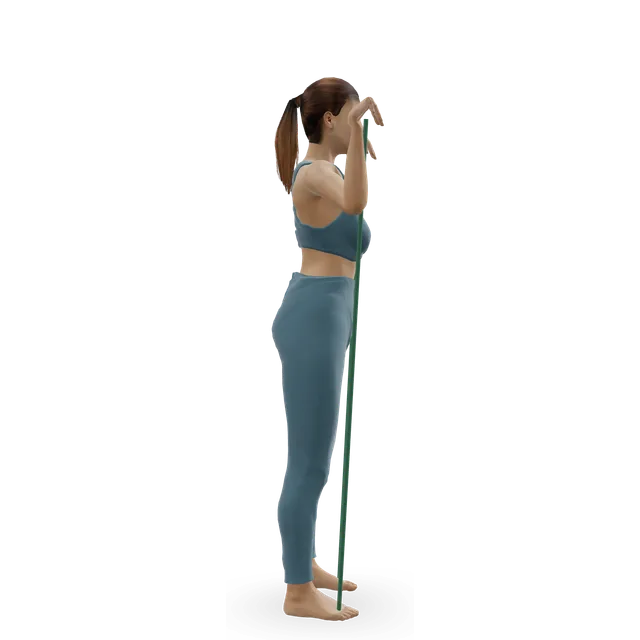
This guide covers getting fit for surgery, the breathing, coughing, shoulder and walking exercises UK hospitals give after lung surgery, managing breathlessness, and exercise during treatment and with advanced lung cancer, with moves on the 3D figure and a follow-along routine for the first weeks after surgery.

The short version

Safe, and recommended at every stage

Exercise is safe with lung cancer, from before surgery to advanced cancer. Roy Castle Lung Cancer Foundation says many people wrongly presume they should avoid exercise. Getting a little out of breath isn't dangerous, and it usually settles within a few minutes of resting.

Sources 1, 2, 3

Before surgery, a few weeks makes a difference

In a Cochrane review, exercise before lung cancer surgery cut lung complications afterwards by more than half (high-certainty evidence) and probably shortened the hospital stay by about 2 days. The American Society of Clinical Oncology (ASCO) says doctors may recommend it.

Sources 4, 5

After surgery: breathe, cough, move your shoulder, walk

UK hospital leaflets give slow deep breaths and a supported cough, shoulder and trunk exercises 2 or 3 times a day so your shoulder doesn't stiffen, and walking from the first day, building up over 6 weeks.

Sources 6, 7, 8

Lifting limits differ, so follow your team

Hospitals advise no heavy lifting for 4 to 6 weeks or 6 to 8 weeks, or no pushing, pulling or lifting in the early weeks. Most people are back to their usual activities by 2 to 3 months. Your own team's limits come first.

Sources 6, 7, 8

Breathlessness can be managed

The European Society for Medical Oncology (ESMO) guideline backs a handheld fan, breathing techniques, pacing and positions that ease breathing, with exercise-based rehabilitation among its strongest recommendations.

Sources 1, 2

Know the warning signs

Get help for breathlessness that's new, getting worse quickly or worse than usual, coughing up blood, chest pain, or a cough, wheeze or fever during or after immunotherapy or chest radiotherapy.

Sources 9, 10, 11, 12

Lung cancer and your body

What lung cancer is

Lung cancer is cancer in one or both lungs. About 50,200 people are diagnosed with it each year in the UK. About 80 to 85 in 100 have non-small cell lung cancer, and 15 to 20 in 100 small cell lung cancer, which tends to spread early.

Sources 13, 14, 15

Treatment

In England in 2022, 18% of people had surgery as part of their first treatment, 24% radiotherapy and 24% chemotherapy or other drugs. Surgery removes a small part of the lung, a lobe (a lobectomy, the most common operation) or a whole lung (a pneumonectomy), by keyhole, robot-assisted or open surgery, and hospital stays are usually 3 to 5 days. Targeted drugs and immunotherapy are used mainly for advanced cancer. NICE (the National Institute for Health and Care Excellence) says your fitness for surgery may be checked with a walking test, or an exercise test that measures how your heart and lungs cope.

Sources 14, 16, 17, 18

Breathlessness after surgery

Some breathlessness is normal after lung surgery. Many people find it improves over the first 4 to 8 weeks, depending on how breathless they were before and how much lung was removed, and the remaining lung usually adapts. Pain along the scar can last a long time after open surgery, though for most people it eases over a couple of years.

Sources 19, 20

Why breathlessness happens

It can come from the cancer, fluid around the lung, anaemia, infection, weak muscles, pain, a blood clot, other lung conditions such as COPD (chronic obstructive pulmonary disease), anxiety, smoking or treatment. Being breathless can lead to doing less, which weakens your muscles and makes you more breathless. Rehabilitation breaks that cycle by getting you used to being breathless while staying in control.

Sources 21, 1

Radiotherapy and immunotherapy

Chest radiotherapy can cause tiredness, and sometimes a dry cough or breathlessness from inflammation of the lungs (pneumonitis), soon after treatment or months later. Immunotherapy such as pembrolizumab can also inflame the lungs, during treatment or after it ends.

Sources 22, 11

Who the evidence is about

Most trials were in non-small cell lung cancer, and many people in the trials before surgery also had COPD. Trials in advanced lung cancer are small, with 20 to 111 people each.

Sources 4, 23, 24

Before surgery: getting fit (prehabilitation)

Fewer lung complicationsStrong evidence

In a Cochrane review of 10 trials (636 people), exercise before surgery cut lung complications after the operation by more than half (9 trials, 573 people; high-certainty evidence): about one fewer complication for every 5 people who exercised. It probably shortened the hospital stay by about 2 days and improved fitness (moderate certainty). The trials reported no harms.

Source 4

How much, and for how longEmerging evidence

Programmes ran from 3 sessions a day for a week to 5 times a week for 4 weeks, and half lasted 1 or 2 weeks. All included aerobic exercise such as walking or cycling, most added breathing exercises, and some added strength training. Programmes of 2 weeks or less worked as well as longer ones, and the best prescription isn't known.

Source 4

Interval trainingMixed evidence

In 151 people, 2 or 3 supervised interval sessions a week on a bike, for about 25 days, raised fitness by about 15% but didn't reduce the combined measure of complications and death.

Source 25

What the guidance saysStrong evidence

ASCO says doctors may recommend exercise before lung cancer surgery. NICE says smoking raises the risk of lung complications after surgery and advises stopping as soon as lung cancer is suspected, though surgery isn't delayed to allow it. Cancer Research UK says stop smoking at least 4 weeks before surgery if you can, and some hospitals run prehabilitation programmes.

Sources 5, 18, 26

Roy Castle's suggestions

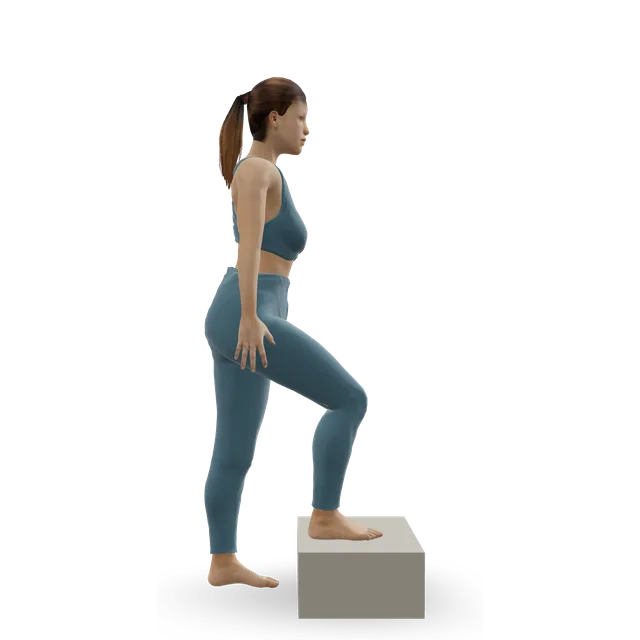
Walk for 20 to 30 minutes every other day if you can, doing enough to feel mildly short of breath, and try marching on the spot, stair walking or step-ups, and raising a ball above your head, 4 or 5 times a week.

Source 20

Our editorial starting point

In whatever time you have, walk or cycle most days at a pace that leaves you mildly short of breath, building towards 30 minutes. Add leg strength exercises such as sit-to-stands and step-ups 2 or 3 times a week, and practise the deep breathing you'll use after surgery. Do harder intervals only if your team agrees. In the trials, even 1 to 2 weeks counted.

Sources 4, 20, 26

After surgery: in hospital and the first 6 weeks

Our exercises after lung surgery routine puts the exercises in order.

Deep breathing and coughing

The leaflets differ in the detail. South Tees: sit upright with your hands on the sides of your chest, breathe in slowly, hold for 1 or 2 seconds and breathe out slowly, 5 times, then huff 5 times, and cough with a small pillow over your wound if there's phlegm. Norfolk and Norwich: 3 slow deep breaths with a 3-second hold, then rest, because more can make you dizzy. St George's: 5 deep breaths every half hour, and "coughing will not damage your chest wound".

Sources 6, 7, 8, 20

Getting up and walking

You'll usually be out of bed the first morning. Walk regularly, about every 2 hours once you can, or march on the spot or use the ward bike. Roy Castle says feeling short of breath shows you're working at the right level, but you shouldn't be gasping. One NHS (National Health Service) trust sends people home at about 5 days, once they can manage 5 minutes on the bike and a flight of stairs if they need to.

Sources 20, 7, 6, 27

Shoulder and trunk

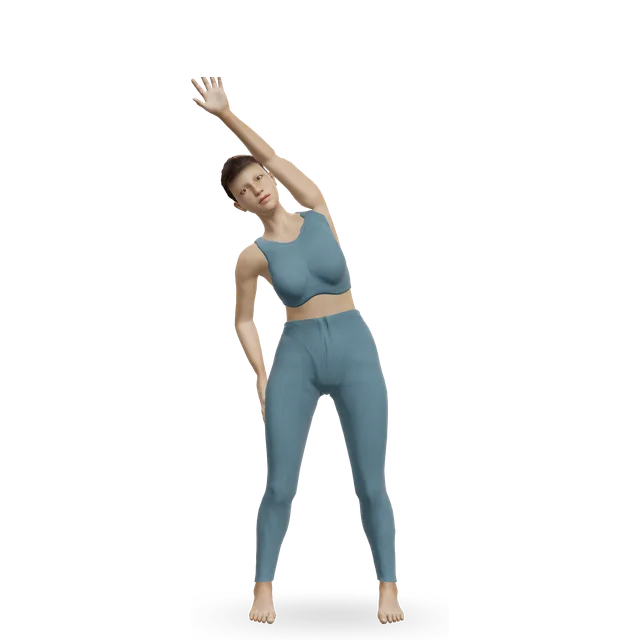
Moving the arm on your operated side early helps prevent a stiff or frozen shoulder. The leaflets use arm raises forwards and out to the side, shoulder shrugs and rolls, side bends and trunk turns with your arms crossed: 5 to 10 times, 2 or 3 times a day.

Sources 20, 7, 6, 8

At home: a 6-week walking schedule

South Tees' schedule, walking outdoors where you can:

  • Week 1: 5 to 10 minutes, twice a day.
  • Week 2: 10 to 15 minutes, twice a day.
  • Week 3: 20 minutes, twice a day.
  • Week 4: 25 to 30 minutes, once a day.
  • Week 5: 30 to 40 minutes, once a day.
  • Week 6: 45 minutes, once a day.
  • If you're breathless, stop and rest: you should recover within a minute or two. Don't walk straight after a meal or in very cold, windy or wet weather.

Source 6

At home: posture and daily life

Keep up the shoulder exercises and sit and stand tall: it's common to lean towards the painful side. St George's plan: short walks in week 1; light tasks such as cooking from week 2, avoiding pushing, pulling and lifting; gardening and light shopping at 4 to 8 weeks; and life back to normal at 8 to 12 weeks, building sport back gradually. Ask your GP (general practitioner) before competitive or contact sport.

Sources 20, 6, 8

Lifting: the advice differsMixed evidence

South Tees says no heavy lifting for 4 to 6 weeks while the wound heals; Norfolk and Norwich says avoid heavy lifting for 6 to 8 weeks; St George's says avoid pushing, pulling and lifting in the early weeks; and Roy Castle says don't lift heavy pots and pans at first. None of these comes from a trial, and your own team's limits come first.

Sources 6, 7, 8, 20

Swimming

Ask your surgeon when you can swim. After a whole lung is removed, you may float differently, even if you were a strong swimmer, so go with someone and use floats at first.

Sources 19, 20

Rehabilitation after surgeryStrong evidence

In a Cochrane review of 8 trials (450 people), exercise programmes in the year after surgery added about 57 metres to a 6-minute walk (high certainty) and improved fitness and leg strength (moderate certainty), with a possible small easing of breathlessness (very low certainty). Programmes lasted 4 to 20 weeks, mostly 2 or 3 sessions a week with some supervision. Ask your team what's available.

Source 23

If breathlessness doesn't improve

Ask to be referred to a breathlessness clinic. If you also have COPD, pulmonary rehabilitation (a supervised exercise and education course) can help.

Sources 19, 1

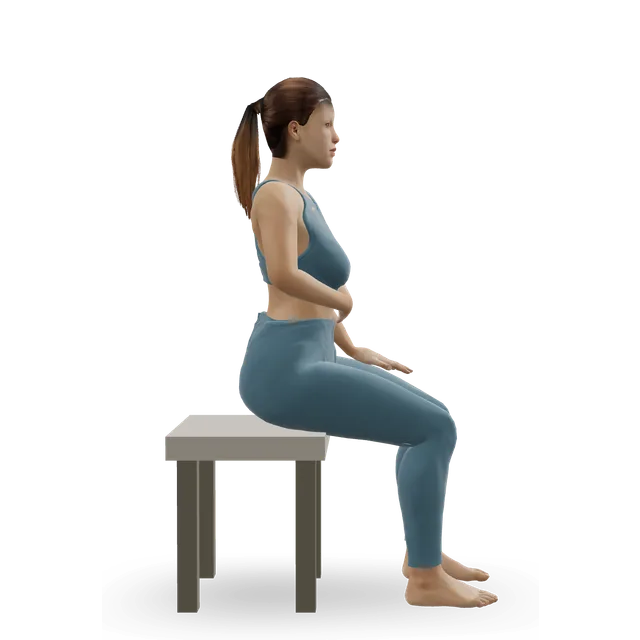
Deep breathing and a supported cough

From the South Tees, Norfolk and Norwich and St George's leaflets. Every half hour while you're awake in the first days, then several times a day.

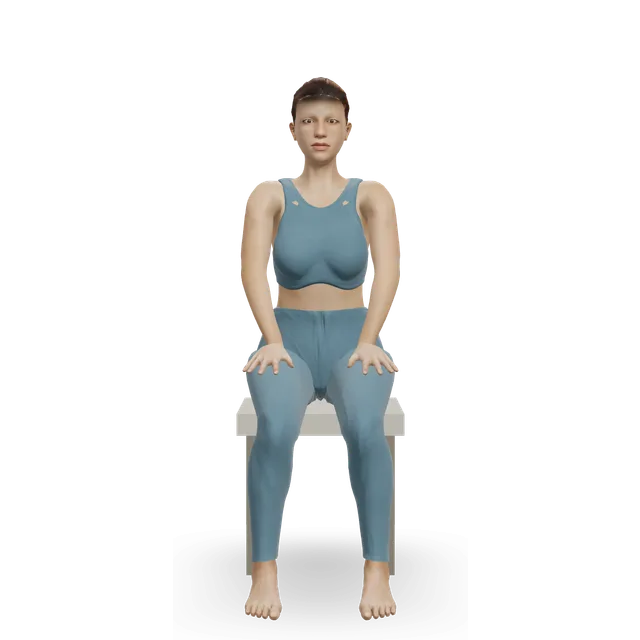
  1. Sit upright in a chair, or propped up in bed, with your shoulders relaxed.
  2. Put your hands on the sides of your lower ribs.
  3. Breathe in slowly and deeply, feeling your ribs widen under your hands.
  4. Hold for 1 or 2 seconds, then breathe out slowly.
  5. Do 3 to 5 of these, then rest: more can make you dizzy.
  6. Huff a few times: breathe out quickly through an open mouth.
  7. If phlegm comes up, hug a small pillow or folded towel over your wound and cough.

See the movement on the 3D figure: Lateral breathing (Pilates breathing)

After surgery: breathing, shoulders and legs

Doses from the hospital leaflets: arm raises, shoulder rolls and shrugs 5 to 10 times (South Tees); side bends and trunk turns with your arms crossed, sitting, 5 each side, 3 times a day (St George's); ankle circles 10 each way, thigh tightening 10 each leg, and knee straightening held for 5 seconds, 10 each leg (South Tees). The breathing techniques move has written steps only.

Breathlessness

What ESMO recommendsStrong evidence

Treat any causes that can be reversed first. Then a handheld fan, breathing retraining with a physiotherapist, trying a walking aid, learning to pace activities and use positions that ease breathing, and exercise-based rehabilitation, including pulmonary rehabilitation for people who also have lung or heart disease. ESMO says breathlessness "is itself not dangerous".

Source 1

Breathing techniques

Macmillan suggests relaxed tummy breathing (breathing control), pursed-lip breathing during or after walking, and breathing in on 1 step and out on the next 2 when you walk. Practise them when you're not too breathless. Our COPD guide shows the same techniques step by step.

Sources 2, 21

Positions and a fan

Sit upright and supported, sit leaning forward with your forearms on your thighs, stand leaning forward on a surface, or stand leaning back against a wall. Hold a handheld fan about 15 cm from your face. Relaxation for 5 to 10 minutes a day can ease anxiety and breathlessness.

Source 2

Being active when you're breathless

Macmillan says physical activity may not make you more breathless, especially if you go slowly, and breathlessness usually goes in a few minutes. ESMO says that even after hard exercise, breathlessness in people with lung cancer typically settles within a few minutes.

Sources 2, 1

Support in every settingStrong evidence

NICE says breathlessness support based on psychosocial support, breathing control and coping strategies, from a team that may include a nurse, physiotherapist or occupational therapist, should be available in all care settings.

Source 18

OxygenStrong evidence

Oxygen helps only if your oxygen level is low; it isn't a treatment for breathlessness itself, and ESMO doesn't recommend it when your oxygen level at rest is 90% or more. If you've been prescribed oxygen, use it as your team advises.

Sources 1, 2

Medicines and other treatments

Treating the cause, such as draining fluid or treating anaemia or an infection, comes first. Your team can also offer medicines for breathlessness.

Sources 2, 1

Moves for breathlessness

The pursed-lip breathing page's dose: use it whenever you're breathless, and practise 5 to 10 breaths sitting down once or twice a day until it comes naturally. For relaxation, Macmillan suggests 5 to 10 minutes a day; skip any breath holds that make you breathless.

During treatment, and with advanced lung cancer

Advanced lung cancerMixed evidence

In a Cochrane review of 6 small trials (221 people), exercise may have improved walking distance (about 63 metres further in 6 minutes) and quality of life, with no clear effect on breathlessness or tiredness, and the evidence was low quality. In 92 people whose lung cancer couldn't be operated on, 8 weeks of home exercise didn't improve walking, but quality of life and symptoms were better at 6 months. Of two newer reviews, one found better fitness, strength, tiredness and quality of life, and the other better physical function only.

Sources 24, 28, 29, 30

During chemotherapy, radiotherapy and immunotherapy

Keep going little and often, resting when you need to: gentle exercise may help radiotherapy tiredness. Tell your team if you feel breathless or have a dry cough during or after chest radiotherapy, and on immunotherapy contact the hospital straight away for breathlessness, a cough that won't go away, wheezing or a fever over 37.5°C. When your white cell count is low, avoid busy gyms and pools.

Sources 22, 11, 31

Lung functionMixed evidence

Exercise hasn't been shown to improve lung function tests much: Cochrane rated the effect before surgery as little to none (low certainty), and uncertain after surgery and in advanced cancer. What it improves is fitness, leg strength and walking.

Sources 4, 23, 24

Weight and appetite

Losing your appetite and weight is common with lung cancer. If you're losing weight or muscle, exercise shouldn't leave you short of energy: a dietitian can help you eat enough, and keeping up strength exercises helps you hold on to muscle.

Sources 3, 32

Stopping smoking

Roy Castle says stopping smoking is the most important thing you can do to reduce the chance of lung cancer coming back, and NICE says smoking raises the risk of lung complications after surgery. Ask your team or GP for help to stop.

Sources 20, 18

How much, and when

Starting points for someone without warning signs. Your team's advice comes first.

Waiting for surgery

Walk 20 to 30 minutes every other day or more, mildly short of breath, with marching, step-ups and arm raises 4 or 5 times a week (Roy Castle). Trial programmes ran from daily to 5 times a week, for 1 to 4 weeks. Stop smoking.

Sources 20, 4, 18

In hospital

Deep breaths and huffs, with a supported cough, several times an hour at first; shoulder, trunk and leg exercises 2 or 3 times a day; walking from the first day.

Sources 6, 7, 8

Weeks 1 to 6 at home

Walk twice a day, building from 5 to 10 minutes to 45 minutes by week 6 (South Tees). Shoulder exercises twice a day (Norfolk and Norwich). No heavy lifting while your wound heals, for as long as your team says.

Sources 6, 7

6 to 12 weeks

Gardening, light shopping and longer walks, with most people back to their usual activities by 2 to 3 months. Ask about a rehabilitation programme: trials ran 2 or 3 sessions a week for up to 20 weeks.

Sources 6, 8, 23

During chemotherapy, radiotherapy or immunotherapy

Little and often, resting when you're tired. Know the signs of inflamed lungs (pneumonitis) in the warning signs below.

Sources 22, 11, 33

Breathlessness, at any stage

Pace yourself, use positions, breathing control and pursed lips, keep a fan handy, pace your breathing to your steps on walks, and build activity up slowly.

Sources 1, 2

After recovery

Build up to the UK guidelines: 150 minutes of moderate activity a week, plus strength exercises on 2 days, starting with 10 to 15 minutes at a time. The international roundtable's amount for tiredness and fitness is at least 30 minutes of moderate aerobic exercise 3 times a week, plus strength exercises twice a week.

Sources 34, 32

Fitness and strength

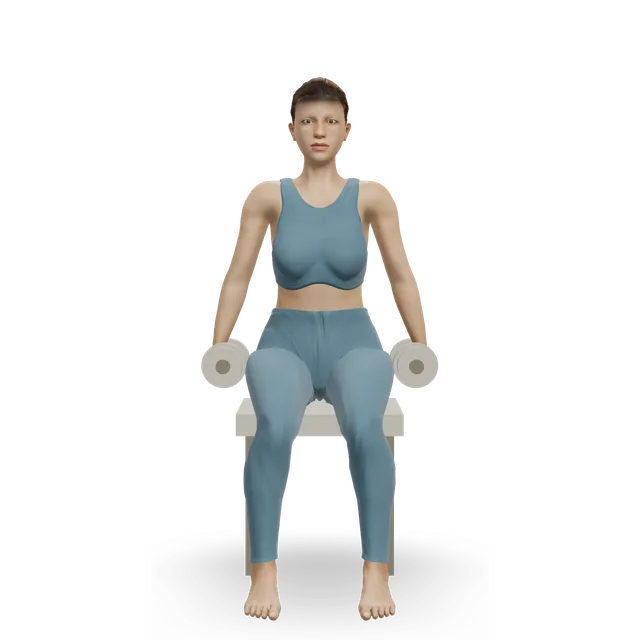
Walk or cycle most days; use paced breathing on step-ups and stairs, pausing at the top. Strength 2 or 3 times a week, 2 sets of 8 to 12 to start (our editorial starting point), breathing out as you lift. Leave rows, push-ups and other upper-body loads until your team allows: hospitals give 4 to 8 weeks for heavy lifting. Arm work can make you breathless, so go light.

Workouts to follow

Follow the exercises after lung surgery routine for the first 6 weeks, then move on to the easy cardio workout and a strength routine. The COPD workout suits breathlessness at home; its inhaler, oxygen and flare-up tips apply only if you also have COPD. Do the build-up interval walk before surgery only if your team agrees, and skip any breath holds in the relaxing breathing routine that make you breathless.

Exercises after lung surgery: breathing, shoulders and walking

A gentle 15-minute routine for the first 6 weeks after lung surgery: deep breaths and a supported cough, shoulder and trunk moves, leg exercises and a walk.

15 minBeginner12 movesA bench or box, Something with weight

Breathe and move: a home workout for COPD

A 25-minute home session for COPD: marching and light strength work, with pursed-lip and paced breathing and rests in a recovery position when you need them.

25 minBeginner12 movesA bench or box, A wall

Chair exercises for seniors: a seated workout

A 20-minute seated workout for older adults who cannot stand for long: marching, leg and arm strength, posture, and sit-to-stands that lead back to standing.

20 minBeginner11 movesA bench or box, Something with weight

10-minute starter workout

A 10-minute session for low-energy days: marching, sit-to-stands, wall push-ups, step-ups and bridges, then a short walk. Doing a little counts.

10 minBeginner7 movesA bench or box, A wall

Easy cardio workout

A steady 30 to 45 minute cardio session at talk-but-not-sing pace: walk, cycle, row or cross-train, counting toward weekly activity guidelines.

40 minBeginner3 movesCardio machine, A wall

Build-up interval walk

A 25-minute walk with short faster bouts: notice your heart and breathing speed up, then settle. A gentle way to get used to the feelings of effort.

25 minBeginner5 movesCardio machine, A wall

Resistance band workout

A full-body resistance band workout: squats, rows, push-ups, presses, pull-aparts, band walks, good mornings and flyes.

30 minBeginner9 movesA band, An anchor point

Strength and balance exercises for seniors

A 40-minute strength and balance session for over-65s, built from the Otago home programme and NHS exercises, using a chair, a counter and a step.

40 minBeginner18 movesA bench or box, Something with weight

Breathing exercises to relax

A 6-minute breathing routine: slow breathing, crocodile breathing, alternate nostril breathing, box breathing and 4-7-8 breathing.

6 minBeginner5 movesNo equipment

Follow a plan

The walking plan builds to 150 minutes a week over 8 weeks: a good next step once the 6-week walking schedule is done.

Warning signs: when to get help

This is general information, not a diagnosis: your cancer team knows your treatment, so use the numbers they gave you. A&E means accident and emergency. In the US, call 911 where this page says 999.

Call 999

Call 999 (911 in the US) if any of these happen, and don't drive yourself to A&E:

  • You have chest pain that feels tight or like squeezing on your chest.
  • You have chest pain that spreads to your arms, neck or jaw.
  • You're having severe difficulty breathing: you're gasping, choking or not able to get words out.
  • Your lips or skin are pale, blue or grey. On brown or black skin, this may be easier to see on the palms of the hands.
  • Difficulty breathing comes on suddenly, or you have pain in your chest or upper back: these can be signs of a blood clot in the lungs.
  • Someone has passed out and is not responding normally.
  • Your chest feels tight or heavy, or you feel suddenly confused.

Sources 12, 35, 9

Coughing up blood

Call 999 or go to A&E if you're coughing up more than just a few spots or streaks of blood, or coughing up blood with difficulty breathing, a very fast heartbeat or pain in your chest or upper back. For a few small spots, flecks or streaks of blood, or blood in your phlegm, ask for an urgent GP appointment or get help from NHS 111, and tell your lung cancer team. Stop exercising if it happens while you're active (our suggestion).

Source 10

Sepsis: call 999

During treatment, a minor infection can quickly become serious. Call 999 if you have:

  • Slurred speech or confusion.
  • Extreme shivering or muscle pain.
  • Not passing any urine in a day.
  • Severe shortness of breath.
  • A feeling that it's the worst you've ever felt.
  • Skin that's mottled or discoloured.

Source 36

Get help from NHS 111

If you have:

  • Difficulty breathing: you may be more short of breath than usual.
  • Feeling sick or being sick.
  • Pain or swelling in one of your legs.
  • Palpitations: your heart racing, going too slowly, skipping a beat or fluttering.

Source 9

Breathlessness that's new or getting worse

Contact your doctor straight away if breathlessness is new, painful when you breathe, or getting worse quickly. If you can't speak to them and it keeps getting worse, go to A&E.

Source 21

During treatment: call your 24-hour number straight away

Use the number your hospital gave you, or NHS 111 if you can't reach your care team, if you have:

  • A temperature over 37.5°C or below 36°C, or you suddenly feel unwell even with a normal temperature.
  • Signs of infection, such as feeling shivery, a sore throat, a cough, diarrhoea, or needing to pee a lot or pain when peeing.
  • Throbbing or cramping pain, swelling and warmth in a leg or arm, which can be a blood clot.
  • On immunotherapy, during treatment or after it ends: breathlessness, a cough that doesn't go away, wheezing or a fever over 37.5°C.
  • After chest radiotherapy: breathlessness or a dry cough. Tell your doctor or radiographer.

Sources 37, 38, 39, 40, 11, 22

After surgery

  • Contact your GP or team immediately if your breathing becomes very difficult, and tell them if breathlessness is getting worse or isn't improving.
  • A wound that's red, inflamed, painful or leaking fluid: see your GP.
  • Signs of a chest infection, such as more phlegm, a change in its colour, a temperature, or being more breathless than normal: see a doctor straight away.
  • If you went home with a chest drain and it comes apart or alarms, contact the ward.
  • If your shoulder movement isn't coming back, ask your GP to refer you to a physiotherapist.

Sources 19, 20, 6

Stop exercising and get advice

Macmillan says stop and speak to a doctor straight away if you get:

  • Dizziness, chest pain, a racing heart, breathing problems or feeling sick.
  • Unusual back or bone pain, or unusual muscle pain.
  • A headache that doesn't go away.

Source 31

If you're struggling

A lung cancer diagnosis and breathlessness can both make you anxious, which can make breathing harder. If you're thinking about suicide or can't keep yourself safe, call 999 or go to A&E. For urgent help, call Samaritans free on 116 123, any time, or in England call 111 and select the mental health option. In the US, call or text 988. Roy Castle Lung Cancer Foundation's helpline is 0800 358 7200, and Macmillan's support line is free on 0808 808 0000, 8am to 8pm, 7 days a week.

Sources 41, 42, 43, 17, 21

Myths

"If exercise makes you breathless, it's doing you harm"Strong evidence

ESMO says breathlessness "is itself not dangerous" and settles within minutes, even after hard exercise. Macmillan says activity may not make you more breathless, especially if you go slowly, and Roy Castle says feeling short of breath shows you're working at the right level, though you shouldn't be gasping.

Sources 1, 2, 20

"People with lung cancer should avoid exercise"Strong evidence

Roy Castle says many people wrongly presume this. Exercise before surgery cut lung complications by more than half, exercise after surgery improved walking and strength, and ESMO recommends exercise-based rehabilitation for breathlessness.

Sources 3, 4, 23, 1

"Exercise will repair your lungs"Mixed evidence

Cochrane rated the effect of exercise on lung function tests as little to none before surgery, uncertain after it, and unclear in advanced cancer. The gains come from fitter muscles, heart and circulation, which make the same lungs go further.

Sources 4, 23, 24

"There's no point exercising in the few weeks before surgery"Strong evidence

Trial programmes lasted 1 to 4 weeks, and those of 2 weeks or less worked as well as longer ones. Some hospitals run prehabilitation programmes: ask yours.

Sources 4, 26

"Oxygen makes exercise easier for anyone who's breathless"Strong evidence

Oxygen is for low oxygen levels, not for breathlessness itself, and ESMO doesn't recommend it when your oxygen level at rest is 90% or more. If you've been prescribed oxygen, use it as your team advised.

Sources 1, 2

"With one lung you'll never be active again"Strong evidence

The remaining lung usually adapts, and breathing should improve over time with exercise. Some people stay more breathless and can be referred to a breathlessness clinic, and swimming needs care after a whole lung is removed.

Sources 19, 20

"Coughing will burst your stitches"Strong evidence

St George's says "coughing will not damage your chest wound". Support it with a small pillow, and ask for pain relief if pain stops you coughing or breathing deeply.

Sources 8, 6, 7

Questions people ask

Should people with lung cancer exercise?

Yes. Exercise is safe and recommended at every stage, from before surgery to advanced lung cancer, and it helps fitness, strength and how you cope with breathlessness. Start gently and build up, and check with your team first if you've just had surgery or have heart or lung problems.

Will exercise make my breathlessness worse?

Getting a bit out of breath when you're active isn't dangerous, and it usually settles within a few minutes of resting. Going slowly, pacing yourself and using breathing techniques make activity easier, and getting fitter can make everyday tasks feel less breathless. Contact your doctor straight away if breathlessness is new, getting worse quickly, or painful.

What breathing exercises help with lung cancer?

Relaxed tummy breathing (breathing control), pursed-lip breathing during or after activity, and pacing your breaths to your steps, such as in on 1 step and out on the next 2. A handheld fan, leaning forward and relaxation help too. Practise when you're not too breathless; our COPD guide shows the same techniques step by step.

Should I exercise before lung cancer surgery?

Yes, if you can. In a Cochrane review, exercise before surgery cut lung complications afterwards by more than half and probably shortened the hospital stay by about 2 days, and programmes of 2 weeks or less worked as well as longer ones. Walk or cycle most days until you're mildly short of breath, add leg strength exercises, practise deep breathing, and stop smoking.

What exercises should I do after lung surgery?

Deep breaths and huffs, with a supported cough if there's phlegm, several times an hour at first; shoulder and trunk movements 2 or 3 times a day so your shoulder doesn't stiffen; leg exercises; and walking from the first day. At home, walk twice a day and build up: one NHS trust goes from 5 to 10 minutes in week 1 to 45 minutes by week 6. Our exercises after lung surgery routine puts it in order.

How long after lung surgery can I lift or go back to the gym?

UK hospitals advise avoiding heavy lifting, pushing and pulling for 4 to 8 weeks while the wound heals, and most people are back to their usual activities by 2 to 3 months. Build gym work back gradually, and ask your GP or team before competitive or contact sport. Your own team's advice comes first.

Why is my shoulder stiff or sore after lung surgery?

People tend to hold the arm still and lean towards the operated side, and the shoulder can stiffen; pain along the scar can also last a long time after open surgery. Moving the arm on your operated side from the first day helps prevent a stiff or frozen shoulder. If the movement isn't coming back, ask your GP about physiotherapy.

Will I always be breathless after lung surgery?

Some breathlessness is normal at first, and for many people it improves over the first 4 to 8 weeks as the remaining lung adapts, even after a whole lung is removed. Some people stay more breathless, especially if they were before surgery; a breathlessness clinic or a rehabilitation programme can help. Tell your team if it's getting worse rather than better.

Can I exercise during chemotherapy, radiotherapy or immunotherapy?

Yes, adjusting to how you feel and resting when you need to; gentle exercise may help radiotherapy tiredness. Tell your team about breathlessness or a dry cough after chest radiotherapy, and on immunotherapy contact the hospital straight away for breathlessness, a cough that won't go away, wheezing or a fever over 37.5°C. Avoid busy gyms when your white cells are low.

Can exercise improve my lung function?

Not much, as far as trials show: exercise made little or no difference to lung function tests. What it does improve is fitness, leg strength and walking distance, which make everyday activities easier with the same lungs.

Is pulmonary rehabilitation for people with lung cancer?

If you're breathless and also have a lung condition such as COPD, or heart disease, the European Society for Medical Oncology recommends exercise-based rehabilitation, including pulmonary rehab; our COPD guide explains what it involves. After lung cancer surgery, rehabilitation programmes of 2 or 3 sessions a week improved walking and fitness. Ask your team what's available near you.

Can I exercise with advanced (stage 4) lung cancer?

Yes, at a level that suits you: small trials suggest exercise may improve walking, fitness and quality of life, though the evidence is limited. Short walks, chair exercises and light strength work, fitted around treatment and tiredness, are a good start. If the cancer has spread to your bones, read our cancer guide's advice first.

Sources

  1. Hui 2020 · Managing breathlessness in people with cancer (European Society for Medical Oncology clinical practice guideline, ESMO Open)
  2. Macmillan Cancer Support · Managing and treating breathlessness
  3. Roy Castle Lung Cancer Foundation · Physical and mental wellbeing with lung cancer
  4. Granger 2022 · Exercise before lung cancer surgery: 10 trials (Cochrane review)
  5. Ligibel 2022 · Exercise, diet and weight management during cancer treatment (American Society of Clinical Oncology guideline, Journal of Clinical Oncology)
  6. South Tees Hospitals NHS Foundation Trust · Physiotherapy for lung surgery (leaflet, updated March 2023)
  7. Norfolk and Norwich University Hospitals NHS Foundation Trust · Physiotherapy advice after thoracic surgery (leaflet, approved June 2021; review extended in October 2024)
  8. St George's University Hospitals NHS Foundation Trust · Thoracic surgery: activity before and after (leaflet, February 2019; review was due February 2021)
  9. NHS · Shortness of breath
  10. NHS · Coughing up blood
  11. Macmillan Cancer Support · Pembrolizumab
  12. NHS · Heart attack
  13. NHS · What is lung cancer?
  14. Cancer Research UK · Lung cancer statistics
  15. Cancer Research UK · Types of lung cancer
  16. NHS · Treatment for lung cancer
  17. Roy Castle Lung Cancer Foundation · Lung cancer surgery
  18. NICE NG122 · Lung cancer: diagnosis and management (last updated March 2024)
  19. Cancer Research UK · Problems after lung cancer surgery
  20. Roy Castle Lung Cancer Foundation · My lung surgery (booklet, May 2023; review was due May 2026)
  21. Macmillan Cancer Support · Breathlessness
  22. Cancer Research UK · Side effects of lung cancer radiotherapy
  23. Cavalheri 2019 · Exercise in the year after lung cancer surgery: 8 trials (Cochrane review)
  24. Peddle-McIntyre 2019 · Exercise for advanced lung cancer: 6 trials (Cochrane review)
  25. Licker 2017 · Interval training before lung cancer surgery in 151 people (randomised trial, Journal of Thoracic Oncology)
  26. Cancer Research UK · Before your operation for lung cancer
  27. Cancer Research UK · After lung cancer surgery
  28. Edbrooke 2019 · Home-based rehabilitation for lung cancer that can't be operated on, in 92 people (randomised trial, Thorax)
  29. Ochi 2026 · Exercise in advanced lung cancer: 9 trials (systematic review and meta-analysis, Supportive Care in Cancer)
  30. Ficarra 2025 · Exercise and health outcomes in lung cancer (systematic review and meta-analysis, Lung Cancer)
  31. Macmillan Cancer Support · Exercising safely with cancer (reviewed November 2023)
  32. Campbell 2019 · Exercise guidelines for cancer survivors (international roundtable consensus statement, Medicine and Science in Sports and Exercise)
  33. Macmillan Cancer Support · Being active during cancer treatment (reviewed November 2023)
  34. Cancer Research UK · Exercise and cancer (reviewed May 2025)
  35. NHS · Pulmonary embolism
  36. Macmillan Cancer Support · Sepsis (reviewed March 2022; review was due March 2025 and is under way)
  37. Macmillan Cancer Support · Infection (reviewed March 2022; review was due March 2025)
  38. NHS · Chemotherapy
  39. Macmillan Cancer Support · Blood clots and cancer (reviewed March 2025)
  40. NHS · DVT (deep vein thrombosis)
  41. NHS · Where to get urgent help for mental health (reviewed April 2023; review was due April 2026)
  42. Samaritans · Contact a Samaritan
  43. 988 Suicide and Crisis Lifeline (US)

Exercise education, not a diagnosis or treatment plan, and clinical review of these guides is pending. Stop and get advice for chest pain, unusual breathlessness, dizziness or fainting, or new pain, and check with your doctor or midwife first if they have told you to limit activity. Health disclaimer.