Breathing & recovery
Long COVID: a gentle lying and seated routine
Only use this routine if the post-exertional malaise (PEM) check in our long COVID guide doesn't point to PEM, or your long COVID team agrees, and after any chest pain, breathlessness or palpitations have been checked by a doctor. With PEM, pacing comes first. The routine starts lying down and stays seated for most of it, because many people with long COVID feel dizzy or breathless upright. Do less than you think you can, then see how you feel that evening, the next day and the day after: PEM usually shows 12 to 72 hours later. The doses are our editorial starting point.
Lying (about 3 minutes)
- Beginner · 3D demoOn your back, knees bent. Small, quiet breaths in through your nose, a little longer outEasier: Breath reachHarder: Crocodile Breathing (prone diaphragmatic breathing)
- Supine heel slide5 each legBeginner · Hip flexors, Hamstrings, Quads · 3D demoSlow and easyHarder: Hip Windshield Wipers
- Beginner · Glutes, Hamstrings, Abs · 3D demoLift only a littleEasier: Pelvic tilt into bridgeHarder: Glute kickback (quadruped hip extension)
- Ankle circles10 pumps, then 5 circles each wayBeginner · Calves, Shins · 3D demoPoint your toes up and down, then circle




Sitting (about 4 minutes)
- Seated march1 minBeginner · Hip flexors, Quads, Abs · 3D demoSit up slowly and pause before you startHarder: Standing march
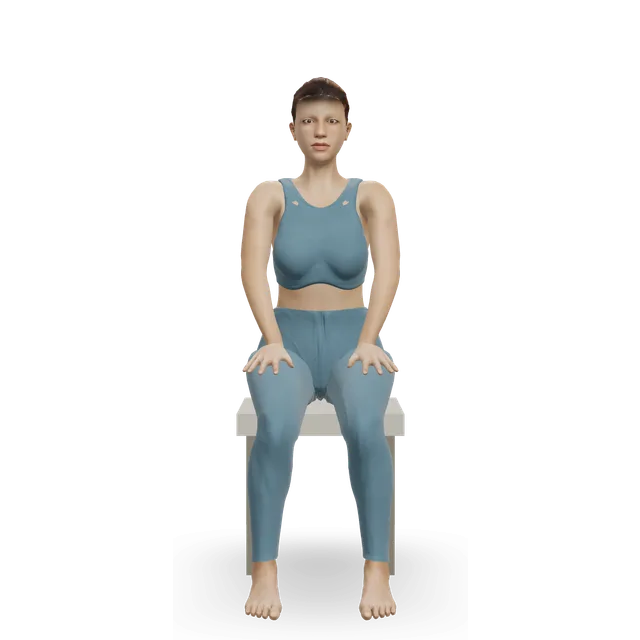
- Seated knee extension (chair)5 each legBeginner · Quads · 3D demoNo weightEasier: Quad set (static quads)Harder: Leg extension
- Beginner · Calves · 3D demoSqueeze your calves: it helps blood back to your heartHarder: Slow calf raise
- Shoulder rolls5 each wayBeginner · Shoulders, Back, Neck · 3D demoHarder: Shoulder CARs (controlled articular rotations)
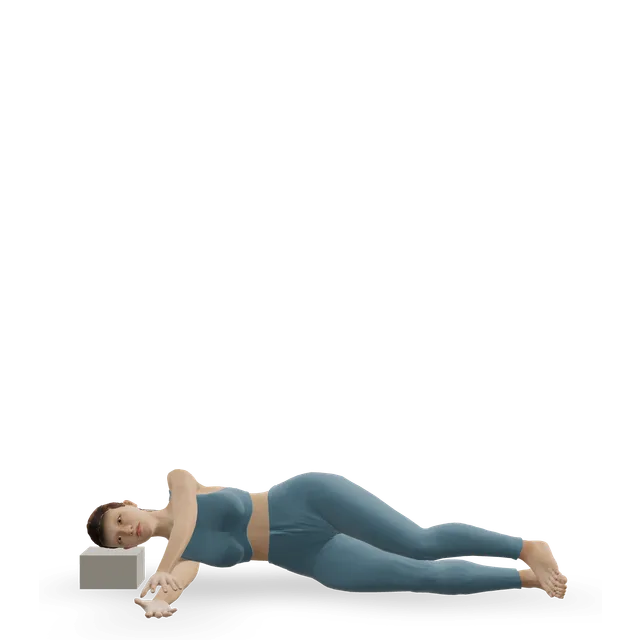
- Thoracic rotation3 each sideBeginner · 3D demoSitting, hips stillHarder: Reverse lunge with rotation





Standing, only if you're not dizzy (about 2 minutes)
- Beginner · Quads, Glutes, Hamstrings · 3D demoStand up slowly. If you feel faint, sit straight back downHarder: Bodyweight squat
- Beginner · Calves · 3D demoHold a supportEasier: Seated bent-knee calf raise (soleus raise)Harder: Standing dumbbell calf raise



Cool-down (about 3 minutes)
- Beginner · 3D demoSittingEasier: Breath reachHarder: Crocodile Breathing (prone diaphragmatic breathing)
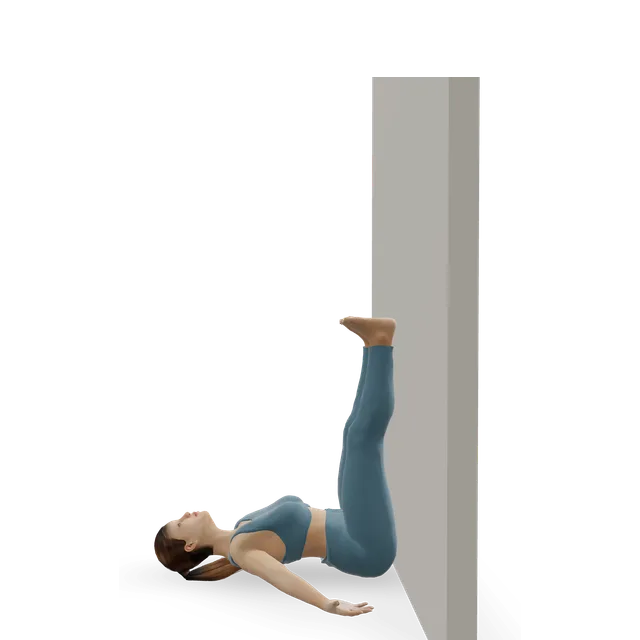
- Beginner · Hamstrings, Calves · 3D demoOr lie with your legs on cushions. Come up slowlyHarder: Plow pose (Halasana)
Tips
- Only do this if the PEM check doesn't suggest post-exertional malaise, or your long COVID team agrees, and after any chest pain, breathlessness or palpitations have been checked. With PEM, pacing comes first.
- Start with less than you think you can do: the lying block on its own is a full session, and PoTS UK says a starting point can be as little as 60 seconds.
- Judge it over the next 2 to 3 days, not straight afterwards: PEM usually shows 12 to 72 hours later. If it comes, drop back and pace.
- Keep the same amount for at least a week, and add one small thing only if nothing got worse (our editorial rule). Never add on a fixed schedule.
- If you get dizzy upright, drink two glasses of water first, wait an hour after a meal, keep the room cool and change position slowly. If you feel faint, lie down and raise your legs.
- Call 999 (911 in the US) for chest pain that feels tight or spreads to your arms, neck or jaw, or if you faint while exercising.
The doses are suggested starting points, not a prescription. Choose a range you can control and stop for sharp or increasing pain, numbness or tingling. Get individual advice after an injury or surgery, or if you are pregnant or managing a health condition.
Guides that recommend it
Find more moves like these
More breathing & recovery




Bedtime stretch routine
A slow, 10-minute floor routine to unwind before sleep: child's pose, twists, happy baby and slow breathing.
10 minBeginner7 movesA wall


Breathing exercises to relax
A 6-minute breathing routine: slow breathing, crocodile breathing, alternate nostril breathing, box breathing and 4-7-8 breathing.
6 minBeginner5 movesNo equipment

Postnatal exercises
A gentle 25-minute routine for the first weeks after birth: pelvic floor, breathing, tummy and hip exercises on the floor, sit-to-stands and a walk.
25 minBeginner12 movesA bench or box, Cardio machineQuestions people ask
How long does the long covid: a gentle lying and seated routine take?
About 12 minutes, including any warm-up and cool-down listed. Shorten it by doing fewer rounds; lengthen it by adding one.
What equipment do I need?
You need: A bench or box, Something with weight, A wall. Each move links to its guide, where you can find an alternative if you are missing something.
Is it suitable for beginners?
It is written for beginners. 4 of its 13 moves have an easier option listed beside them if you need one.
How do I make it easier or harder?
Use the easier or harder option listed under each move, change the number of rounds, or adjust the rest. Progress one change at a time.