Yoga for allergies and hay fever: breathing, nasal rinsing, asthma, and what the evidence shows
Hay fever (allergic rhinitis) can't be cured, and yoga won't change your allergy. A few small, weak studies suggest yoga and a nasal breathing exercise may ease symptoms a little. Salt-water rinsing, which yoga calls jala neti, has more evidence, as long as you use boiled and cooled, distilled or sterile water.
Antihistamines and steroid nasal sprays from a pharmacist are the main treatments, and yoga goes alongside them, not instead.
This guide covers what the studies show, the breathing to use (slow and gentle) and to skip (forceful breathing, and breath holds while you have symptoms), why head-down and face-down poses don't help a blocked nose, practising indoors on high-pollen days, hay fever with asthma, and the warning signs: call 999 for sudden swelling of your lips, mouth, throat or tongue, or trouble breathing.
The NHS (National Health Service): "There's currently no cure for hay fever and you cannot prevent it. But you can do things to ease your symptoms when the pollen count is high." Allergic rhinitis affects about 26% of adults in the UK, a UK guideline says.
Three small studies exist: hatha yoga in 27 people, a nasal breathing exercise added to a steroid spray in 60 people, and a study with no comparison group. None was blinded, and no trial shows yoga or breathing practice lowers IgE, the allergy antibody.
The NHS: "Speak to a pharmacist if you have hay fever." Antihistamines and steroid nasal sprays are the main treatments; the newest international guideline covers only nasal sprays, and says nothing about breathing exercises, rinsing or exercise.
Salt-water rinsing has the best self-care evidence, with safe water
Across 14 small, low-quality trials, rinsing eased symptoms for up to 3 months, against no rinsing. Use only boiled and cooled, distilled or sterile water: the US Food and Drug Administration (FDA) says tap water isn't safe for a nasal rinse.
Lying down makes the nose more blocked, and no study shows head-down poses drain it. Moving opens the nose for a few minutes. Breathe slowly and gently, and skip forceful breathing and breath holds while you have symptoms.
Most people with asthma also have allergic rhinitis, and Asthma + Lung UK says "Having hay fever and asthma can increase your risk of having an asthma attack." Keep your reliever inhaler with you, and know the 999 signs.
Allergic rhinitis is where your nose gets irritated by something you're allergic to, the NHS says, causing sneezing, a runny or blocked nose and itchy eyes. Hay fever is the seasonal kind, from pollen, "usually worse between late March and September"; dust mites, pets and mould cause it all year round.
About 26% of adults and 10% to 15% of children in the UK have allergic rhinitis, according to the British Society for Allergy and Clinical Immunology (BSACI). The Met Office says the pollen season normally runs from March to November, and that symptoms usually appear when the pollen count is over 50.
A pharmacist first, for antihistamine tablets, drops or sprays and steroid nasal sprays; the GP (general practitioner) may refer you for immunotherapy if these don't work. BSACI: "Topical nasal corticosteroids are the treatment of choice for moderate to severe disease." Decongestant sprays shouldn't be used for longer than 5 days, the NHS says.
The nose warms and moistens the air you breathe; when it's blocked, you breathe through your mouth. Lying down raises the resistance to airflow in your nose (9 studies, 291 people), and lying on one side blocks the lower nostril. Exercise narrows the blood vessels in the nose's lining, so it opens for a few minutes afterwards.
Food, medicine and insect sting allergies can cause anaphylaxis, which the NHS calls "a life-threatening allergic reaction that happens very quickly". Rarely, exercise is the trigger, sometimes only after eating a particular food. Skin allergies such as eczema and hives are outside this guide; see the FAQ.
The yoga studies in hay fever are small and unblinded, and two are in a journal outside MEDLINE, the main medical database. Medicines carry the treatment evidence.
Hatha yoga in 27 peopleMixed evidence
In Thailand, 8 weeks of hatha yoga 3 times a week opened the nose and eased symptoms, but only against the same people's starting point: the one difference from the control group was an immune marker. So the symptom change is a before-and-after result in 13 people.
A nasal breathing exercise with a steroid sprayMixed evidence
In 60 people, self-rated symptom scores fell from 5.1 to 3.8 with the spray alone and from 5.2 to 2.7 with the breathing exercise added, over 3 months. The paper doesn't describe the exercise, the randomisation or any blinding.
51 people with allergic rhinitis and 51 healthy volunteers did 3 months of hatha yoga; resistance in the nose fell in both groups. With no group that didn't do yoga, it can't show cause and effect.
No trial of named breathing practices in hay feverStrong evidence
Our search (168 records) found no trial of humming bee breath (bhramari), kapalbhati, alternate nostril breathing, Buteyko breathing or jala neti in allergic rhinitis. Humming bee breath has one 60-person trial in long-term sinusitis, not hay fever, and a 2026 review of yoga for sinusitis called its 12 studies small and inconsistent.
No trial shows yoga lowers IgE or cures allergyStrong evidence
The only report of yoga lowering IgE is one man treated for 8 months with yoga, enemas, steam and acupuncture all at once. The NHS is clear there's no cure for hay fever.
A Cochrane review of 14 trials (747 people) found rinsing may ease symptoms for up to 3 months against no rinsing, on low-quality evidence, with no follow-up beyond that. In adults, medicines did more than rinsing alone; it's a safe addition. A 2026 review of 7 studies in children found the same, with minor side effects. No controlled trial has tested jala neti itself.
Head-down poses and a blocked noseEmerging evidence
Our reading, from small lab studies: lying down raises resistance in the nose, and 2.5 hours tilted head-down increased blood in the nose's lining, which the authors linked to a stuffy nose. But in one head-down tilt study of 15 healthy volunteers, airflow through the nose didn't drop. No study has tested downward dog, shoulder stands or other inversions in hay fever, so they won't drain your nose, and there's no reason to do them while you're blocked.
A Cochrane review of 15 trials (1,048 people) found yoga probably improves asthma quality of life and symptoms a little, without changing lung function. Our yoga for asthma guide covers it.
Breathe in gently for a count of up to 5 and out for up to 5, for at least 5 minutes, as the NHS breathing exercise teaches. Breathe through your nose if it's clear, and through your mouth if it isn't, as our sinus guide says. It won't change your allergy, but it can make a stuffy day more comfortable.
Alternate nostril breathing
Only when both nostrils are clear. Its move page: "Never force air through a blocked nostril; skip it with a heavy cold and just breathe slowly instead."
Humming bee breath (bhramari)
Optional: tested only in long-term sinusitis, not hay fever. Our yoga for sinus guide has the written steps.
Leave out kapalabhati, bellows breath and breath of fire, skip breath holds while you have symptoms, and leave out sutra neti.
NCCIH (the US National Center for Complementary and Integrative Health) advises beginners to avoid forceful breathing. With asthma, if a breathing practice makes you wheezy or tight-chested, stop and follow your action plan.
Breathe, sitting up
Slow breathing: at least 5 minutes, sitting up, in for up to 5 and out for up to 5 (adapted from the move page's dose, the NHS breathing exercise). Alternate nostril breathing: 1 to 2 minutes of slow rounds with no holds, only with a clear nose (our seated chair yoga class). Breath reach: 5 breaths, exhale longer than inhale (the move page's dose), seated.
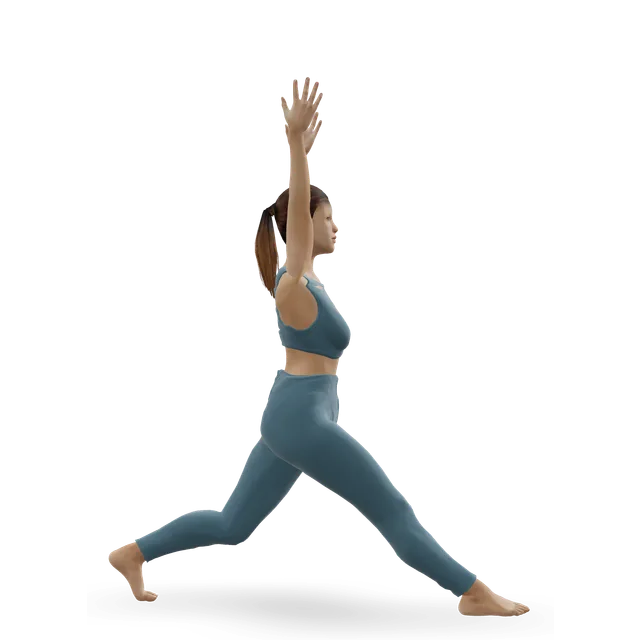
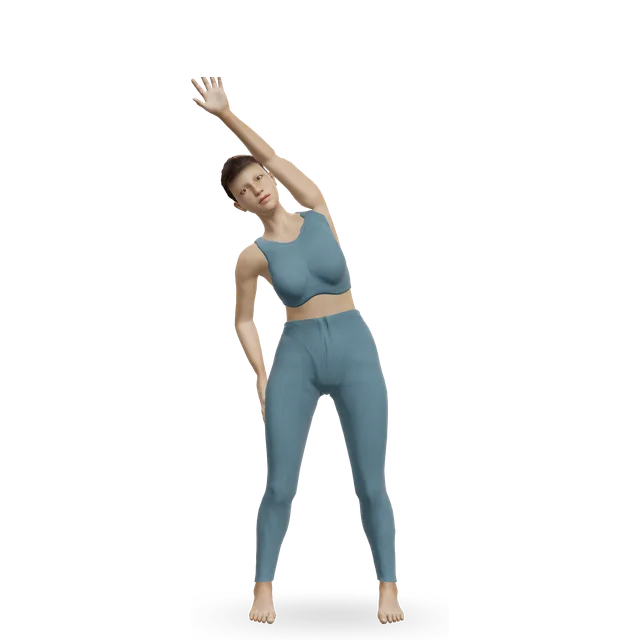
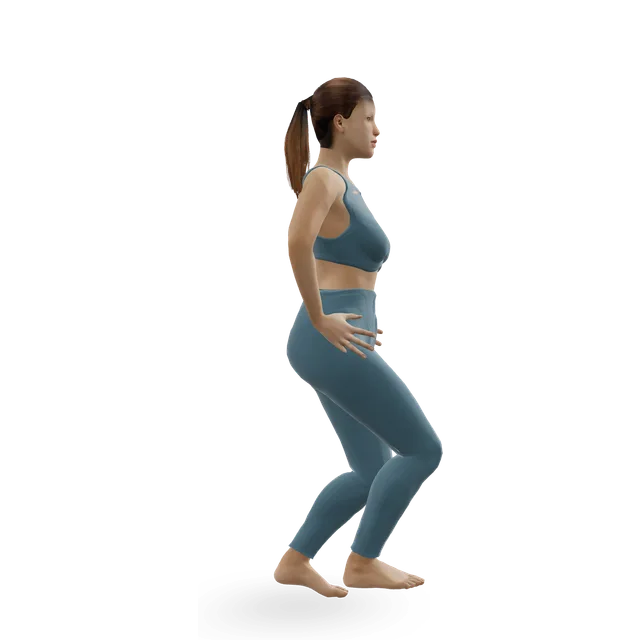
Seated upper-back lift: 3 holds of 5 seconds; thoracic rotation: 6 each side, seated; seated side bend: 2 each side, 10 to 20 second holds; mountain pose: 5 slow breaths; chair pose: 2 holds of 5 breaths; warrior II and high lunge: 5 breaths each side; tree pose: 3 to 5 breaths each side at a wall; standing march: 60 seconds (all from our yoga for acid reflux class, a head-up class). Overhead side bend: 3 slow bends per side, exhale into each (the move page's dose).
Reclining bound angle: 3 minutes on a sloping bolster or stacked firm cushions, so your chest and head are well above your waist, or sit back in a chair (our yoga for acid reflux class). Corpse pose: at least 5 minutes, up to 10, as its move page says, propped up or on your side with the blocked side up, as our sinus guide suggests.
Downward dog, deep forward folds, dolphin, headstand, shoulder stand, plough and legs up the wall: no study shows they drain the sinuses, and head-down positions raise pressure in the head. Skip them while your face is sore, and come up from any pose that makes it throb. A headache made worse by bending down needs an urgent GP appointment or NHS 111.
Crocodile breathing, sphinx, cobra and locust: lying face down made the nose feel more blocked. Do your breathing sitting up instead.
Forceful breathing and breath holds
Leave out kapalabhati, bellows breath and breath of fire, skip breath holds while you have symptoms, and leave out sutra neti.
With asthma, follow the asthma lines below.
Outdoor classes on high-pollen days
Outdoors, pollen or pollution may be the trigger rather than the exercise itself, and dust in gyms can be too. On high-pollen or poor air quality days, exercising indoors may help (our suggestion).
With glaucoma, or high blood pressure that isn't under control, skip headstands, shoulder stands and long head-down holds. With osteoporosis, swap deep forward folds for a flat-back hinge from the hips, and twist smoothly. In pregnancy, our yoga in pregnancy guide covers the changes. NCCIH advises beginners to avoid headstands, shoulder stands, the lotus position and forceful breathing.
Hot yoga
No study of hot yoga in hay fever turned up in our searches. It's fine if it suits you, but it isn't a treatment; if a hot or stuffy room makes your nose or chest worse, choose a cooler class.
Rinsing your nose with salt water washes allergens out, as Allergy UK puts it. It eased symptoms for up to 3 months in small, low-quality trials, and works best alongside medicines. No controlled trial has tested jala neti itself.
The FDA: "rinse only with distilled, sterile or previously boiled water", because "Tap water isn't safe for use as a nasal rinse because it's not adequately filtered or treated". The US Centers for Disease Control and Prevention (CDC) says to bring tap water "to a rolling boil for 1 minute" and let it cool. Clean and dry your bottle or neti pot after each use, and if your immune system isn't working properly, ask your doctor first.
The NHS recipe starts "Boil a pint of water, then leave it to cool." Our yoga for sinus guide has the full steps, from mixing the solution to cleaning the pot.
"Seek medical attention right away if you or a loved one develops a headache, fever, confusion, or vomiting after rinsing your sinuses or nasal passages" (the CDC). If symptoms don't settle or get worse, especially with fever, nosebleeds or headaches while rinsing, go back to your doctor (the FDA).
The NHS says "do not spend too much time outside", and NHS inform says to "stay indoors when the pollen count is high". So practise indoors on those days, and shower and change after being outside. No health service gives a best time of day to exercise outdoors, so we don't either.
In 20 healthy adults, resistance in the nose fell by up to 46% after 5 minutes of hard exercise, returning to normal 5 to 10 minutes after light or moderate effort, and the same happened in most people with year-round allergic rhinitis. Some people get a runny nose from exercise itself, mainly studied in athletes.
Allergy UK says allergic rhinitis and asthma share a strong connection, often called the "united airway disease". In one review, over 80% of people with asthma had allergic rhinitis, and BSACI says treating rhinitis brings benefits for asthma.
Asthma + Lung UK: "Hay fever can trigger asthma symptoms" and "Having hay fever and asthma can increase your risk of having an asthma attack." Thunderstorm asthma is more likely if you have both. NHS inform says your asthma symptoms may get worse when you have hay fever.
Yoga improved asthma quality of life and symptoms a little in 15 trials, without changing lung function. Keep your reliever inhaler within reach, as our yoga for asthma class says, and use our yoga for asthma guide and class first. If exercise brings on your asthma, our asthma warm-up is for before you go outside.
On a bad day, the yoga for acid reflux class is the best single fit: a 20-minute head-up class, seated and standing, ending propped up (its title is about reflux, but it suits a blocked nose too). With asthma as well, the yoga for asthma class (do its crocodile breathing sitting up with a blocked nose, as its own cue allows). The chair classes stay head-up throughout. In the breathing class, skip the holds while you have symptoms, and sit up for its crocodile breathing. The asthma warm-up is for before outdoor exercise. No class has been shown to ease hay fever; 2 or 3 times a week is our editorial starting point.
These are the warning signs from our yoga for asthma guide and our face guide, word for word, with the NHS's own words where marked and our suggestions labelled. This is general information, not a diagnosis. A&E means accident and emergency; in the US, call 911 for 999.
Call 999: a serious allergic reaction
If your lips, mouth, throat or tongue suddenly swell, you're struggling to breathe or swallow, or your lips or skin turn blue, grey or pale: it could be a serious allergic reaction. Don't drive yourself to A&E.
The NHS adds: "Do not stand or walk at any time, even if you feel better."
"Anaphylaxis is a life-threatening allergic reaction that happens very quickly. It can be caused by food, medicine or insect stings. Call 999 if you think you or someone else is having an anaphylactic reaction." Call 999 if:
"your lips, mouth, throat or tongue suddenly become swollen"
"you're breathing very fast or struggling to breathe (you may become very wheezy or feel like you're choking or gasping for air)"
"your throat feels tight or you're struggling to swallow"
"your skin, tongue or lips turn blue, grey or pale (if you have black or brown skin, this may be easier to see on the palms of your hands or soles of your feet)"
"you suddenly become very confused, drowsy or dizzy"
Use an adrenaline auto-injector if you have one, and "Call 999 for an ambulance and say that you think you're having an anaphylactic reaction." If you've been given auto-injectors, the NHS says to carry 2 with you at all times, so keep them with you in class (our suggestion).
With a blue reliever inhaler: take 1 puff every 30 to 60 seconds until you feel better, up to a maximum of 10 puffs. Shake the inhaler between puffs, and use a spacer if you have one.
With an AIR or MART inhaler (used for both preventing and treating symptoms): take 1 puff every 1 to 3 minutes until you feel better, up to a maximum of 6 puffs.
If your asthma action plan gives a different maximum dose for an attack, follow your plan.
If you're no better after 10 minutes and the ambulance hasn't arrived, use your inhaler again, up to the same maximum dose. If you're still no better and it still hasn't arrived, call 999 again straight away. Don't drive yourself to A&E.
See a GP within 2 days, even if you feel better. If you managed the attack yourself with your reliever, Asthma + Lung UK suggests asking for an urgent, same-day appointment. Leave yoga until your breathing has recovered (our suggestion).
If a breathing practice makes you dizzy, light-headed or tingly, you're probably breathing too deeply: make the breaths smaller or go back to normal breathing. If you get wheezy or tight-chested, stop and follow your action plan (our suggestions).
A joint pain that is sharp, gets worse during a session, lingers into the next day or changes how you move is a reason to use an easier version, and to see a GP or physiotherapist if it keeps happening (the rule in our plans). Muscle soreness for a day or two after something new is normal. In a hot class, stop if you feel dizzy, sick or unwell; our hot yoga guide lists the signs of heat illness.
Chest pain or fainting: call 999
Call 999 if:
You get sudden pain or discomfort in your chest that doesn't go away; it can feel like squeezing or pressure, burning or indigestion.
The pain spreads to your left or right arm, or your neck, jaw, stomach or back.
You have chest pain and feel sweaty, sick, light-headed or short of breath.
Someone faints while exercising, can't be woken within 1 minute, or has chest pain or a pounding, fluttering or irregular heartbeat.
The NHS says to speak to a pharmacist about hay fever, and to see a GP if your symptoms are getting worse, don't improve with medicines from the pharmacy, affect your sleep and everyday life, or you're not sure what's causing them; if you also have asthma and it's getting worse; or if you think you or your child may have an allergy.
Our suggestion: stop and sit up if your nose blocks completely or your chest tightens, and move indoors if you're practising outside on a high-pollen day.
Before you start
The NHS advises getting advice from a healthcare professional first if you have a health problem, an injury or symptoms, or have recently had a heart attack or an operation.
"Yoga boosts your immunity so your allergies fade"Strong evidence
An allergy is the immune system over-reacting, not a weak one. As our yoga for immunity guide says, no yoga pose or breathing technique has been shown to boost your immune system, and no trial shows yoga changes the allergic response.
"Jala neti is proven to treat hay fever"Emerging evidence
Salt-water rinsing has low-quality evidence of a modest benefit, jala neti itself has never been tested in a controlled trial, and done with tap water it can be dangerous.
The FDA: "Tap water isn't safe for use as a nasal rinse because it's not adequately filtered or treated." Rarely, people have died after rinsing with tap water.
"Yoga can replace antihistamines or your steroid spray"Strong evidence
The yoga studies were added to usual care, and the one with a medicine group added the breathing exercise to a steroid spray. Steroid nasal sprays are the first choice for moderate to severe hay fever.
It might help a little: in three small studies, hatha yoga or a nasal breathing exercise eased symptoms or opened the nose, but none was blinded and one had no comparison group. It doesn't change your allergy, so keep using the treatments your pharmacist or GP recommends.
Can pranayama cure allergic rhinitis?
No. No trial shows any breathing practice cures allergies or lowers IgE, the allergy antibody, and the NHS says there's no cure for hay fever. Slow, gentle breathing can still make a stuffy day more comfortable.
Which breathing is best for allergies?
Slow breathing, sitting up, through your nose if it's clear and your mouth if it isn't. Do alternate nostril breathing only when both nostrils are clear, and skip forceful breathing such as kapalbhati, and breath holds while you have symptoms.
Do upside-down poses drain a blocked nose?
No study shows it. Lying down makes the nose more blocked, and long head-down time increased blood in the nose's lining in a lab study, so keep your head up while you're stuffy.
Does jala neti (a neti pot) help hay fever?
Salt-water rinsing eased symptoms for up to 3 months in 14 small, low-quality trials, and it works best alongside medicines. Use only boiled and cooled, distilled or sterile water, never water straight from the tap; our sinus guide has the steps.
Should I do yoga outside when the pollen count is high?
Practise indoors on high-pollen days: the NHS advises not spending too much time outside, and NHS inform says to stay indoors when the count is high. Shower and change after being outside.
Can yoga help if I have asthma and hay fever?
Yoga improved asthma quality of life and symptoms a little in 15 trials, without changing lung function. Hay fever can make asthma worse, so keep your reliever with you and know the asthma attack steps; our yoga for asthma guide covers it.
Why does my nose clear, or run, when I exercise?
Exercise narrows the blood vessels in the nose, so it opens for a few minutes afterwards. Some people get a runny nose from exercise itself, especially outdoors.
Does hot yoga help allergies?
No study of it turned up in our searches. If heat or a stuffy room makes your nose or chest worse, choose a cooler class.
Can exercise cause an allergic reaction?
Rarely. Exercise can trigger anaphylaxis, sometimes only after eating a particular food. Call 999 for sudden swelling of the lips, mouth, throat or tongue, or trouble breathing.
Can yoga help skin allergies?
No study has tested yoga for skin allergies such as eczema or hives. Stress can make some skin conditions worse, and our yoga for glowing skin guide covers what helps; see a pharmacist or GP about a rash that isn't settling.
Exercise education, not a personal prescription, and clinical review of these guides is pending. If you are pregnant, have a health condition such as glaucoma, high blood pressure or osteoporosis, or have had recent surgery, check with a doctor, midwife or physiotherapist before starting, and stop for sharp or increasing pain. Health disclaimer.