The glow is blood flow, and it fades
When you exercise, more blood flows to your skin to carry heat away. That's the warm, flushed look after a class, from any exercise that warms you up.
Source 1
Yoga guide
The glow after a yoga class is real: it's blood flowing to your skin to shed heat, and it fades as you cool down. Regular exercise may help skin in small studies, and stress can flare acne, eczema, psoriasis and rosacea, but no trial has tested yoga poses for skin, and headstands won't give you lasting glow.
What protects skin best is daily sun protection, which slowed skin ageing in a long trial, plus not smoking and gentle skin care. This guide covers what exercise, sleep and stress do for skin, where yoga's breathing and relaxation can help, heat and sweat, the claims that don't hold, and the signs that need a GP (general practitioner).
When you exercise, more blood flows to your skin to carry heat away. That's the warm, flushed look after a class, from any exercise that warms you up.
Source 1
Two small studies found better skin structure after a few months of regular exercise, but neither had an inactive comparison group. No trial has tested yoga poses for skin.
Acne got worse during exams in step with students' stress, and the NHS (National Health Service) lists stress as a trigger for eczema, psoriasis and rosacea.
Mindfulness and meditation, added to treatment, helped psoriasis and eczema in small trials. Yoga's slow breathing and relaxation are close relatives, though they haven't been tested for skin.
Daily sunscreen slowed skin ageing by 24% over 4.5 years in a trial of 903 adults. Not smoking, avoiding tans and gentle skin care come next.
No study has tested upside-down poses for skin, and headstands are the pose most often named in reports of harm from yoga.
Working muscles make heat, and your body sheds some of it by sending more blood to the skin. Regular endurance exercise changes how your body controls skin blood flow, so your skin carries more blood at a given body temperature. The glow is real, but it's temporary, not a lasting change to the skin itself (our reading).
Source 1
The American Academy of Dermatology (AAD) says "The sun plays a major role in prematurely aging our skin". Every tan ages skin, "Smoking greatly speeds up how quickly skin ages", repeated facial expressions etch lines, alcohol dehydrates and damages skin, and scrubbing or products that sting irritate it.
Source 14
The NHS lists:
Yoga doesn't change skin colour, and no skin colour is healthier than another (our framing). People use skin-lightening products "for complex social and personal reasons", but many sold in the UK are illegal, containing hydroquinone, mercury or steroids, and can cause acne, eczema, permanent disfigurement and long-term health problems.
Source 18
In 61 inactive Japanese women aged 41 to 59, randomly given 16 weeks of supervised cycling or strength training twice a week, both groups' skin got more elastic and its upper layer improved, and strength training also thickened the deeper layer. Both groups exercised, so there was no inactive comparison group, and three of the authors work for a cosmetics company (POLA Chemical Industries).
In another study, adults who did at least 4 hours a week of hard aerobic exercise had a thinner outer skin layer than inactive adults, but no less loss of collagen with age; in 10 inactive adults aged 65 to 86, 12 weeks of cycling twice a week changed skin structure, with no comparison group.
We searched for studies with yoga in the title and skin conditions or skin ageing and found 12 records: case reports, an editorial, herbal remedies sold under the name "yoga" and studies of other conditions, but no trial of yoga poses for skin.
Source 4
The AAD includes exercising most days in its list of ways to reduce premature skin ageing, saying "a few studies" suggest moderate exercise can improve circulation and may give skin a more youthful look. It sits alongside sun protection, not instead of it.
Source 14
In 60 women, poor sleepers had more signs of skin ageing and slower skin barrier recovery than good sleepers, in a one-off comparison that can't show which came first. Faces were rated less healthy and less attractive after 2 nights of short sleep in 25 people. But in 181 people randomly given one night without sleep or a normal night, there were no measurable differences in skin colour or other facial features, and raters couldn't tell the groups apart.
In 22 university students, acne was worse during exams, and its severity rose in step with how stressed they felt (a correlation of 0.61), after taking account of sleep and diet. It's one small study.
Source 5
In 37 people having light treatment for psoriasis, listening to a mindfulness recording during treatment cleared their skin faster. In 5 of 6 trials, 8 to 12 weeks of guided meditation improved self-rated psoriasis. A 2018 review rated meditation and guided imagery as having "modest efficacy". In a 2026 trial in 50 adults, adding heartfulness meditation to the medicine methotrexate gave a 75% improvement in 61% of people against 52% with methotrexate alone, which wasn't a significant difference.
In 107 Japanese adults with eczema, 8 weekly online sessions of mindfulness and self-compassion training, alongside their usual treatment, improved quality of life and eczema severity more than a waiting list. Across 40 studies of psychological and mind-body therapies for skin conditions, cognitive behavioural therapy, mindfulness and habit reversal looked most promising.
These trials tested mindfulness and meditation added to treatment, not yoga poses. Yoga's slow breathing and relaxation are similar enough to be worth trying for stress, as long as you keep using your skin treatments (our reading).
The NHS lists heat as an eczema trigger, and heat, humidity and aerobic exercise as rosacea triggers, advising people with rosacea not to do too much aerobic exercise. Practise somewhere cool, and skip hot yoga if it flares your skin; our hot yoga guide covers the heat risks.
The AAD advises washing your face after sweating heavily, because sweat can irritate skin. For acne on the body, the NHS suggests loose, breathable clothing when exercising or sweating.
In Australia, 903 adults under 55 were randomly asked to use sunscreen every day or as they usually would, for 4.5 years. The daily group showed no detectable increase in skin ageing, and ageing was 24% less than in the usual-use group. A beta-carotene supplement, tested at the same time, made no overall difference.
Source 12
Use sunscreen with a sun protection factor (SPF) of at least 30 and at least 4-star UVA (ultraviolet A) protection, put on enough of it and reapply it, spend time in the shade between 11am and 3pm from March to October, cover up, and never burn. "There's no safe or healthy way to get a tan." People with brown or black skin are less likely to get skin cancer but should still avoid burning.
Source 13
The AAD's list for slowing premature skin ageing:
Source 14
The NHS suggests washing twice a day with a gentle cleanser, removing make-up at the end of the day, using products that won't clog pores (non-comedogenic), not picking, squeezing or scrubbing, and asking a pharmacist about treatments such as benzoyl peroxide or salicylic acid.
Source 17
Our editorial starting point: 2 or 3 flowing or strength-based yoga sessions a week, as part of the NHS's 150 minutes of moderate activity, which counts yoga as muscle-strengthening. The skin studies used about 30 minutes of exercise twice a week for 3 to 4 months.
On stressful days, the NHS breathing exercise: breathe in gently for a count of up to 5 and out for up to 5, with no holds, for at least 5 minutes.
Source 26
Face yoga is a separate question, covered in our face yoga guide. In its best-known study, 16 women who finished 20 weeks of facial exercises had fuller cheeks, with no comparison group and no change in lines and wrinkles.
Source 27
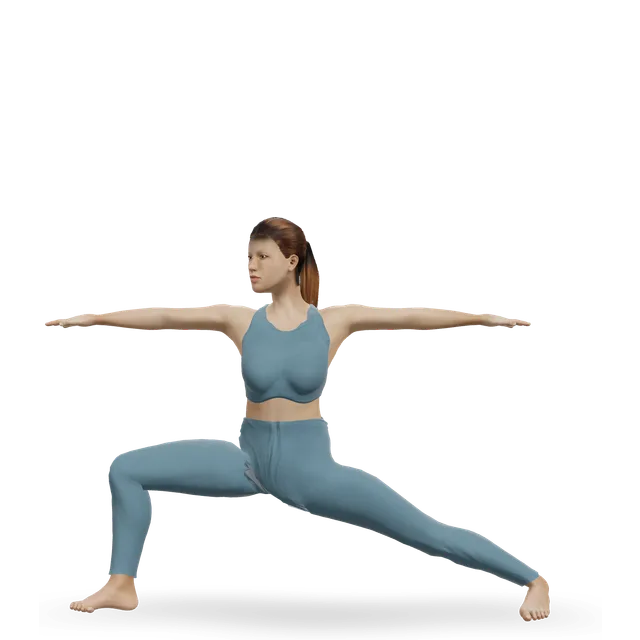
Sun salutation A: 3 rounds, stepping rather than jumping; brisk walking: 20 minutes at a pace where you can talk but not sing; chair pose: 3 holds of 20 seconds; warrior II and high lunge: 30 seconds each side; locust: 3 holds of 15 seconds (our walk and yoga workout).
 3D demoSun salutation A (Surya Namaskar A)Intermediate · No equipment
 3D demoTreadmill walkingBeginner · Cardio machine
 3D demoChair pose (Utkatasana)Beginner · No equipment
 3D demoWarrior II (Virabhadrasana II)Intermediate · No equipment
 3D demoHigh lunge (crescent lunge, Ashta Chandrasana)Intermediate · No equipment
 3D demoLocust pose (Salabhasana)Beginner · No equipment
Slow breathing: at least 5 minutes; corpse pose: at least 5 minutes, up to 10 (the moves' pages). Supine twist: 45 seconds each side; legs up the wall: 2 minutes, hips on the floor with glaucoma (our bedtime stretch routine).
Headstand, shoulder stand and plough haven't been tested for skin, put weight on the head and neck and raise eye pressure. Camel, bow and fish are fine within their pages' cautions, but there's no evidence they "flush toxins" or brighten skin.
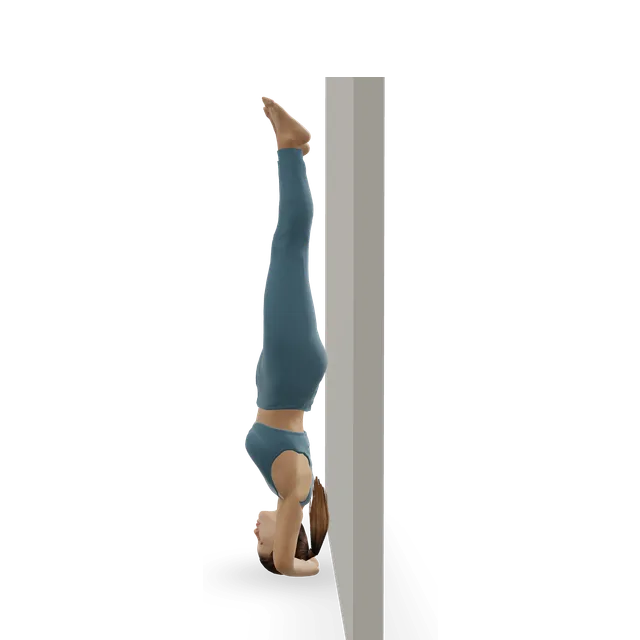 3D demoSupported headstand (Salamba Sirsasana)Expert · A wall
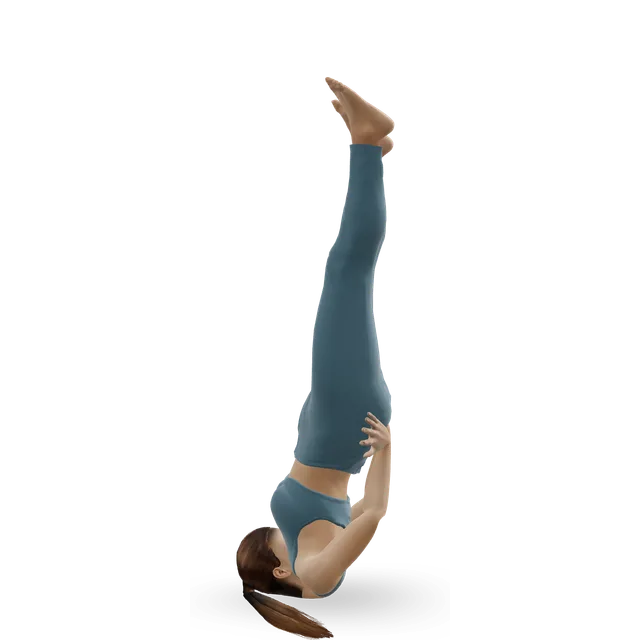 3D demoSupported shoulderstand (Salamba Sarvangasana)Advanced · No equipment
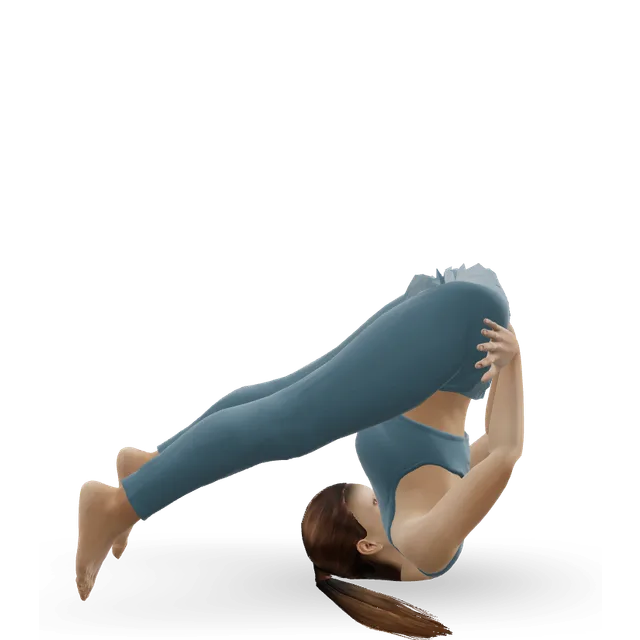 3D demoPlow pose (Halasana)Advanced · No equipment
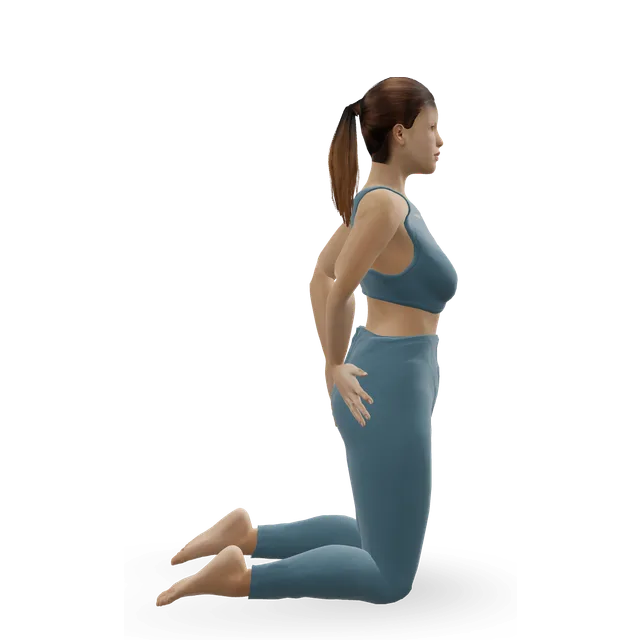 3D demoCamel pose (Ustrasana)Intermediate · No equipment
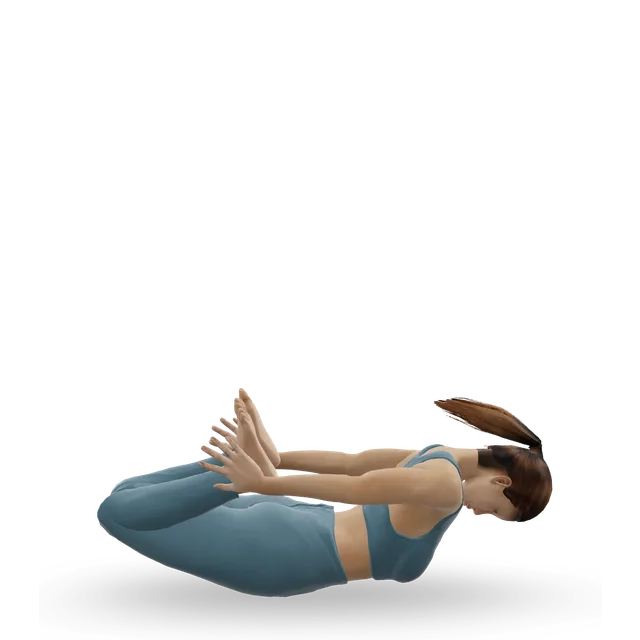 3D demoBow pose (Dhanurasana)Intermediate · No equipment
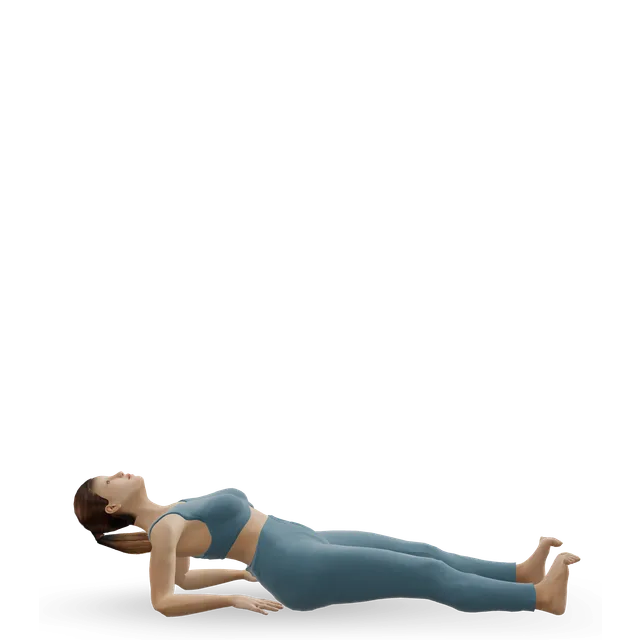 3D demoFish pose (Matsyasana)Intermediate · No equipment
There's no skin class, because no routine has been shown to change skin. For moderate effort, the walk and yoga workout, the sun salutation flow or strength yoga; for stress, the yoga for stress class and the bedtime routine.
A 45-minute session for weight loss and health: a 20-minute brisk walk, which does more for the scales, then a standing yoga flow for strength and balance.
45 minBeginner12 movesCardio machineA 20-minute flow built on sun salutations A and B, with warrior poses and a short cool-down.
20 minIntermediate8 movesNo equipmentThirty-five minutes of yoga built for strength: long standing holds, slow lowering from plank, single-leg balances and a band row, with harder options.
35 minIntermediate18 movesA step, A bandA 20-minute beginner yoga sequence: mountain, chair, warrior II, triangle, tree, down dog, cobra and child's pose.
20 minBeginner11 movesA stepTwenty minutes of yoga for stressful days: the NHS breathing exercise, neck, shoulder and spine moves, standing poses that warm you up, then a slow wind-down.
20 minBeginner13 movesA wallA slow, 10-minute floor routine to unwind before sleep: child's pose, twists, happy baby and slow breathing.
10 minBeginner7 movesFirm cushion, A wallBuild up to the NHS's 150 minutes a week of activity.
In the US, use your doctor's urgent line or urgent care for NHS 111, and call 911 for 999.
The NHS says melanomas are often an uneven shape, with 2 different halves and uneven edges, a mix of 2 or more colours, and often more than 6 mm wide, and that a mole that changes size, shape or colour may be a melanoma. See a GP if:
If you or your child have atopic eczema and:
Source 6
You have acne and:
Source 17
See a GP or pharmacist about eczema, psoriasis, rosacea or a rash that isn't settling with self-care or treatment (our suggestion, in line with the NHS pages).
"Never use skin lightening products without first discussing with your dermatologist or doctor."
Source 18
Stop for chest pain, dizziness or feeling faint, unusual breathlessness, or palpitations that don't settle as you slow down. Call 999 for chest pain that feels tight or spreads to your arms, neck or jaw.
No study has tested upside-down poses for skin. Any flush passes when you come up, headstands are the pose most often named in reports of harm from yoga, and head-down poses raise eye pressure.
As our hot yoga guide explains, sweat is mostly water and salt, and no study shows a detox effect. Dermatologists advise washing after heavy sweating, because sweat can irritate skin.
Source 14
No trial has tested yoga poses for skin conditions. Mindfulness and meditation helped some people as an addition to treatment, and one recent trial found no significant extra benefit.
Nothing in yoga changes skin colour, and no colour is healthier. Illegal lightening creams can cause acne, eczema and disfigurement.
Source 18
In the best-known study, 16 women had fuller cheeks after 20 weeks, with no comparison group and no change in lines and wrinkles. Our face yoga guide has the details.
Source 27
The skin changes in exercise studies came after 12 to 16 weeks of training; the glow straight after a class is temporary blood flow.
Daily sunscreen slowed skin ageing in a 4.5-year trial, and the NHS says there's no safe or healthy way to get a tan.
The glow after a class is blood flowing to your skin to shed heat, and it fades as you cool down. Regular exercise may help skin structure in small studies, but no trial has tested yoga poses for skin.
No pose has been shown to improve skin. Flowing yoga that warms you up, strength poses and slow breathing for stress are the useful parts, and sun protection matters far more.
No study shows they do. They're the poses most often linked with harm from yoga and they raise eye pressure, so skip them unless you've learned them safely.
No trial has tested yoga for acne. Acne got worse with exam stress in one small study, so stress care may help some people, but the NHS self-care steps and, if needed, a GP's treatment are what treat acne.
Stress is a known trigger for both, and mindfulness and meditation helped in small trials as an addition to treatment. Yoga's breathing and relaxation are similar but haven't been tested, so keep using your treatments.
No human trial shows it is, and heat can trigger eczema and rosacea flare-ups. Our hot yoga guide covers the heat risks.
No study shows a detox effect; sweat is mostly water and salt. Dermatologists advise washing your face after heavy sweating, because sweat can irritate skin.
Daily sunscreen slowed skin ageing in a 4.5-year trial. Dermatologists also advise not smoking, avoiding tans, gentle cleansing and a daily moisturiser.
Possibly, but the studies disagree. Poor sleepers showed more skin ageing in one snapshot study and faces looked less healthy after 2 short nights, but one night without sleep made no measurable difference in a larger study.
No. Yoga doesn't change skin colour, and no skin colour is healthier than another. Many skin-lightening creams sold in the UK are illegal and can cause lasting harm.
One small study found fuller cheeks, but no change in wrinkles, and it had no comparison group. Our face yoga guide covers it in detail.
For a mole that changes size, shape or colour, bleeds or itches, or a new mark that hasn't gone after a few weeks. Get an urgent appointment for eczema that becomes crusty, weeping, hot or painful, and see a GP for acne that's deep, scarring or affecting your mental health.
Exercise education, not a personal prescription, and clinical review of these guides is pending. If you are pregnant, have a health condition such as glaucoma, high blood pressure or osteoporosis, or have had recent surgery, check with a doctor, midwife or physiotherapist before starting, and stop for sharp or increasing pain. Health disclaimer.