Yoga guide

Yoga for ADHD: what it does for attention, behaviour and mood in children and adults

Yoga may help attention a little in attention deficit hyperactivity disorder (ADHD), but it isn't a treatment on its own. In small trials, mostly in children, yoga and similar mind-body exercise improved attention test scores, though results varied a lot between trials, and it didn't improve hyperactivity, impulsivity or emotional problems. The few studies in adults found little. The National Institute for Health and Care Excellence (NICE) recommends support, parent training and medicine, and asks professionals to stress regular exercise; yoga can be one enjoyable part of that.

This guide covers what the trials show for children and adults, how yoga compares with medicine, mindfulness and other exercise, what a short practice for children looks like, breathing, hot yoga and ADHD medicine, and where to get help. It ends with a free 15-minute practice for children, in the same order every time.

The short version

Yoga is an extra, not a treatment on its own

NICE recommends group parent training first for children under 5, and support and medicine for older children and adults when symptoms still cause significant problems. It asks professionals to "stress the value of a balanced diet, good nutrition and regular exercise", and doesn't mention yoga. The NHS says exercise "is a good focus for their energy", and lists mindfulness among talking therapies that may be recommended for adults.

Sources 1, 2, 3

Attention is where yoga shows most promise, with weak evidence

Across 7 small trials (268 people; 5 of yoga, 1 of tai chi, 1 of Pilates), mind-body exercise improved attention test scores, but results varied a lot between trials and the trials were at moderate or high risk of bias. It didn't improve hyperactivity, impulsivity, emotional problems or planning skills. Single trials in 49 schoolchildren and 23 preschoolers found gains on attention tests.

Sources 4, 5, 6

It can't replace medicine

ADHD medicines reduce core symptoms in large double-blind trials, which yoga hasn't been shown to do. In 112 children, methylphenidate beat a physical activity programme, and only medicine made a difference teachers could see. Don't stop or change medicines without your ADHD team.

Sources 7, 8, 9

Adults: very little evidence

Six weeks of hot yoga made no difference to thinking skills or mood in 32 young women with ADHD symptoms, and one 10-minute session improved one kind of impulsivity in 82 adults. For attention, a structured mindfulness course has more evidence in adults.

Sources 10, 11, 12

For children: short, playful and the same every time

Trial classes ran 20 to 60 minutes, 1 to 3 times a week. In the preschool trial, balance poses were missed most often and the class worked better in the classroom with familiar staff. The NHS suggests splitting tasks into 15 to 20 minute slots with breaks, and NICE stresses structure in the day: our 15-minute practice keeps to one order.

Sources 5, 6, 2, 1

Know where to get help

The NHS says people with ADHD are at higher risk of suicide. The warning signs below say where to get help now, and what to watch for on ADHD medicine.

Sources 2, 13, 14

ADHD, and where yoga fits

ADHD, in plain words

ADHD affects attention, energy and impulse control. It usually starts in childhood and often continues into adulthood, and specialists diagnose it. About 3.4% of children and adolescents worldwide have it; about 2.6% of adults have ADHD that began in childhood, and 6.8% have symptoms. It's recognised less often in women, who more often have inattentive symptoms. People with ADHD are more likely to have anxiety or depression.

Sources 2, 3, 15, 16

Treatment

Support at home and school, parent training (first for under-5s), medicine when symptoms still cause significant problems, and talking therapies such as cognitive behavioural therapy (CBT) or, for adults, mindfulness. Our exercise for ADHD guide covers exercise and sport in full.

Sources 1, 2, 3

What yoga for ADHD means in the trials

In children: group classes of 20 to 60 minutes, 1 to 3 times a week for 6 to 20 weeks, with warm-up movement, standing and balance poses, breathing and relaxation, often with animal names and stories for younger children. One school programme was 10 minutes of warm-up, 20 minutes of poses for concentration, balance and breath and body awareness, then 10 minutes of cool-down, at a moderate effort. In adults: twice-weekly 90-minute hot yoga classes, and a single 10-minute hatha yoga session.

Sources 4, 5, 6, 10, 11

Why yoga might help attention

Holding a balance or a pose, and noticing the breath, ask for sustained attention, and some trial programmes were pitched at a moderate effort; reviewers suggest yoga may work partly as other exercise does. Popular claims that yoga strengthens the brain's prefrontal cortex in ADHD come from imaging studies in other people; no ADHD trial has shown it.

Sources 5, 4

Yoga and mindfulness aren't the same

They overlap, but most meditation trials in ADHD tested mindfulness courses for children and parents, or mindfulness-based cognitive therapy for adults. This page says which evidence is about yoga and which is about mindfulness.

Sources 17, 18, 19

What the evidence says

Attention in children: better test scores, very mixed resultsMixed evidence

The best pooled evidence is a 2024 review of 7 trials (268 people, 2004 to 2023; 5 of yoga, 1 of Pilates, 1 of tai chi). Mind-body exercise improved attention (SMD, standardised mean difference, -0.97), but results varied a lot between trials (I² 84.5%, where higher means less consistent), and 5 trials were at moderate and 2 at high risk of bias. Read the effect as uncertain, not large.

In 49 children, 40-minute classes twice a week for 8 weeks improved accuracy and reaction time on attention tests against no programme. In 23 preschoolers with ADHD symptoms, 6 weeks of yoga gave faster reactions and fewer distraction errors on an attention test, but more impulsive errors. In 40 schoolchildren, a study without random allocation found better attention and working memory.

Sources 4, 5, 6, 20

Hyperactivity, impulsivity and emotions: no clear effectMixed evidence

The pooled yoga trials didn't improve hyperactivity and impulsivity, emotional problems or planning skills (executive function). When mindfulness, tai chi, qigong and yoga were pooled, effects on inattention, hyperactivity and executive function were small. Across 6 trials in ADHD and other conditions, yoga didn't improve impulsivity against a placebo activity.

Sources 4, 21, 22

Small, early trialsMixed evidence

In 19 boys already on medicine, 20 yoga sessions improved some parent ratings, and the comparison group improved on others; the authors said the results "do not provide strong support". In a 19-child crossover trial, yoga beat motor training on an attention task. A Cochrane review of meditation therapies (4 trials, 83 people, 2 of them yoga) was "unable to draw any conclusions", and other reviews rated most studies poor or at high risk of bias.

Sources 23, 24, 25, 26, 27

AdultsMixed evidence

In 32 young women screening positive for ADHD, 6 weeks of twice-weekly 90-minute hot (Bikram) yoga made no difference to thinking skills or mood, with no side effects, and 31% dropped out. In 82 adults with ADHD, one 10-minute hatha yoga session improved one kind of impulsivity (being willing to wait for a reward) and nothing else.

Sources 10, 11

Yoga, medicine, mindfulness and other exercise

Medicine has the strongest evidenceStrong evidence

Across 133 double-blind trials, methylphenidate reduced clinician-rated symptoms in children by SMD -0.78 and teacher-rated symptoms by -0.82. A 2025 Cochrane review rates that evidence very low certainty, because of risk of bias, including people being able to tell who was taking the medicine, but still found it "may improve teacher-rated ADHD symptoms", with more non-serious side effects. In 112 children, methylphenidate reduced symptoms more than a physical activity programme or neurofeedback, and only medicine made a difference teachers could see. NICE names methylphenidate the first-line medicine for children.

Sources 7, 28, 8, 1

Regular exercise helps a littleEmerging evidence

In 11 trials, regular moderate to vigorous activity reduced core symptoms in children by a small amount (effect size -0.33). Exercise also eased low mood and anxiety in 18 studies, with mind-body exercise among the most helpful in an exploratory analysis. NICE asks professionals to stress regular exercise.

Sources 29, 30, 1

Which exercise is best: the rankings disagreeMixed evidence

Network analyses ranked mind-body exercise first for self-control (26 trials) and for attention (31 trials), while another ranked low-intensity aerobic exercise first for self-control (17 studies). Rankings like these are unstable. Choose what your child, or you, will enjoy and keep doing.

Sources 31, 32, 33

MindfulnessMixed evidence

Meditation-based therapies reduced core symptoms in 13 trials (effect sizes -0.44 in children and -0.66 in adults), but the reviewers found "insufficient methodologically sound evidence to support" them. In children, a 2026 review of 14 trials found larger effects with very inconsistent results and possible publication bias. In adults, 10 studies found small to moderate improvements, and a mindfulness-based cognitive therapy course reduced clinician-rated symptoms in 120 adults, still clear at 6 months.

A family mindfulness course added to usual care didn't improve children's self-control more than usual care alone in 103 families, and it was less effective than medication for inattention over 10 months. The NHS lists mindfulness among talking therapies that may be recommended for adults.

Sources 17, 18, 19, 12, 34, 9, 3

Children: what a short practice looks like

Short, structured and the same every time

The school-age trial ran warm-up, poses for concentration and balance, breath and body awareness, then cool-down; the preschool programme kept the same sequence every session and changed its theme every 2 weeks. The NHS suggests splitting tasks into 15 to 20 minute slots with a break, and clear, calm instructions one at a time, and NICE stresses structure in the day.

Sources 5, 6, 2, 1

What made it harder

In the preschool trial, children practised at home on about half the possible days, were "occasionally on task", and missed balance and coordination poses most often; the class worked better in the classroom with the usual staff than in a separate room. A hand on the wall for balance poses, and an adult joining in, help (our suggestions).

Source 6

How much

The trials ran 1 to 3 sessions a week. Our editorial starting point: our 15-minute practice 2 or 3 times a week, between homework slots or after school, on top of the average of at least 60 minutes a day of activity that makes children breathe faster, as our exercise for ADHD and yoga for kids guides say.

Sources 4, 5, 6, 2

Cues for children

The same order every time; show the poses rather than explain them; animal names and a story; short holds (3 to 5 breaths, or count to 5); a hand on the wall for balance poses; slow balloon breaths with no holding; an adult joining in; finish with a short rest. No headstands or shoulder stands for children (our suggestions, from the trials and our yoga for kids guide).

Sources 5, 6, 35

Teenagers and adults

What yoga can and can't doMixed evidence

The two adult trials found little: no change after 6 weeks of hot yoga, and one kind of impulsivity improved after a 10-minute session. The NHS says exercise "also helps reduce symptoms of anxiety and depression" for adults with ADHD. A beginners' class or our routines 2 or 3 times a week is a reasonable way to look after mood, stress and fitness (our suggestion); expect small, uncertain effects on ADHD itself.

Sources 10, 11, 3

For focus, mindfulness has more evidenceEmerging evidence

In adults, a structured mindfulness-based cognitive therapy course, alongside usual treatment, reduced clinician-rated symptoms (effect size 0.41), and pooled mindfulness studies found small to moderate gains. Ask your ADHD team about it.

Sources 12, 19, 3

Girls and womenMixed evidence

ADHD is recognised less often in women, and there's very little research on yoga for women with ADHD: the one trial, of hot yoga, found no benefit. The general advice on this page applies.

Sources 3, 10

Cues for adults

Steady standing and balance poses that need attention, a slow breath, and a short rest, with your eyes open if lying still is hard. With stimulant medicine, practise in a normal room temperature (our suggestion).

Source 36

Breathing

Slow, with no holding

No trial has tested breathing exercises, kundalini yoga or yoga nidra in ADHD, and a 2024 review of yoga nidra for children's behaviour called for research. Slow breathing is a simple way to calm down. Use slow balloon breaths with no holding for children and slow breathing for adults, and leave out fast, forceful breathing such as breath of fire: NCCIH, the US National Center for Complementary and Integrative Health, tells beginners to avoid it.

Sources 37, 38, 35

Balloon breaths: a breathing game for children

Our yoga for kids guide's wording and dose for children (editorial). The move's page gives the adult exercise; NCCIH advises beginners to avoid forceful breathing.

  1. Sit cross-legged or lie on your back, and put both hands on your tummy.
  2. Breathe in slowly through your nose and feel your tummy rise, as if you're blowing up a balloon inside it.
  3. Breathe out slowly through your mouth and let the balloon go down, a little longer than the breath in.
  4. Never hold your breath. If you feel dizzy, stop and breathe normally.
  5. Do 5 balloon breaths, or about a minute, at the start or end of a session.

See the movement on the 3D figure: Slow breathing (6 breaths a minute)

Children's poses

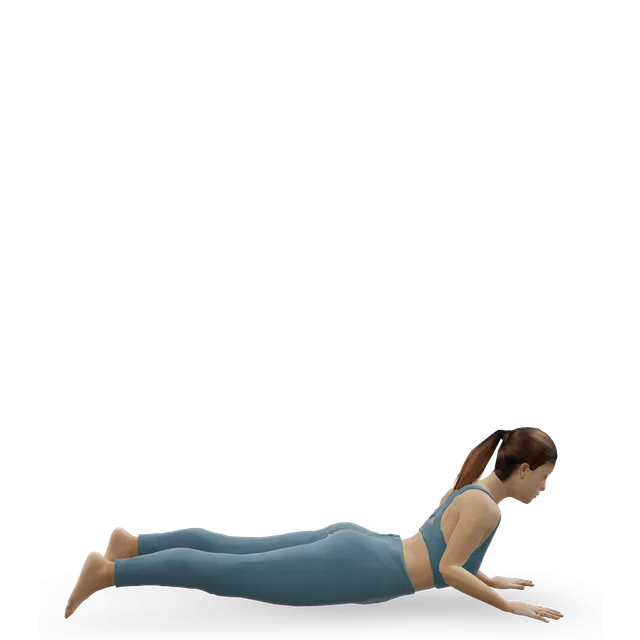
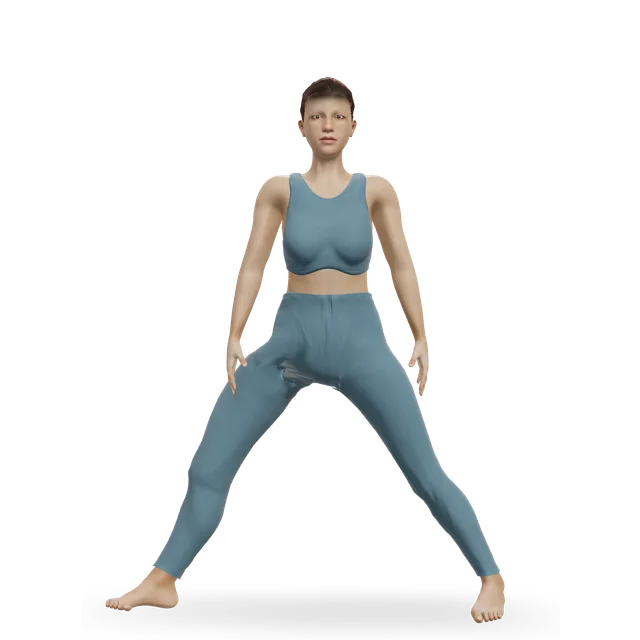
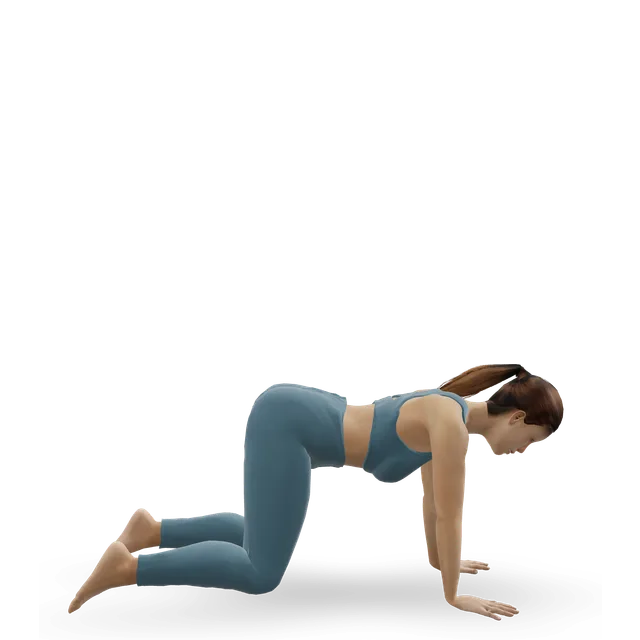
March: 1 minute; star jumps: 3 rounds of 20 seconds with 20 seconds' rest; mountain: 3 slow breaths; warrior II: 3 breaths each side; chair pose (lightning bolt): 3 breaths, twice; cat-cow: 6 slow rounds; dog with knees bent: 3 breaths; snake (low cobra): 3 breaths, twice; sleepy mouse (child's pose): 1 minute; sleeping starfish (corpse pose): 2 to 3 minutes (our yoga for kids class). Tree pose with fingertips on a wall: 3 to 5 breaths each side (our yoga for kids guide, editorial for children); flamingo (single-leg stand): about 20 seconds each side (our exercise for ADHD guide).

Poses for teenagers and adults

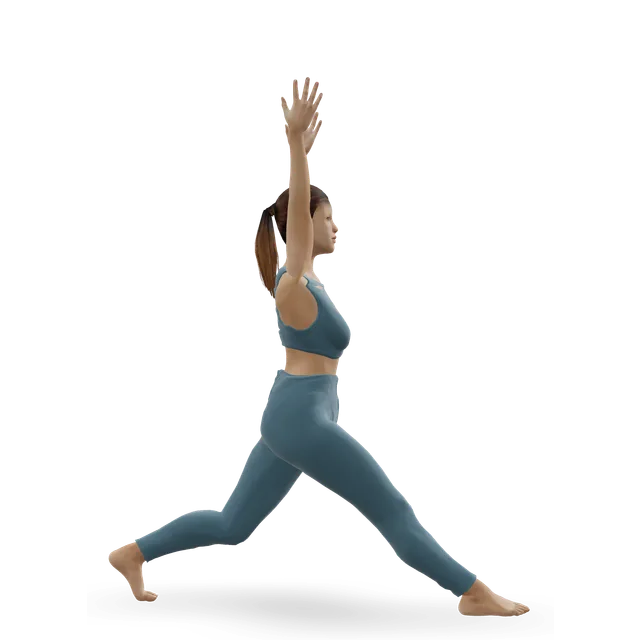
Sun salutation: 2 slow rounds, knees down and a flat back halfway (our 15-minute morning yoga); high lunge with your hands on your hips: 5 breaths each side (our yoga for balance class); triangle and tree pose with a hand on the wall until steady: 5 breaths each side (our beginner yoga flow); slow breathing: at least 5 minutes, done regularly; alternate nostril breathing: 3 to 5 minutes of slow rounds, once or twice a day, with no holds (the moves' pages); corpse pose: a few minutes, eyes open if lying still is hard (our suggestion).

What to leave out

For children

Leave out headstands, shoulder stands, plough and anything that puts weight on the head or neck, fast or forceful breathing, and breath holds, as our yoga for kids guide says. Add fine balance poses such as warrior III, dancer and half moon later, with a wall: in the preschool trial, balance and coordination poses were missed most often. Start with 1 to 3 minutes of rest, not a long yoga nidra or silent meditation, and build up if your child enjoys it (our suggestion).

Sources 35, 6

Hot yoga and stimulant medicineStrong evidence

The Medicines and Healthcare products Regulatory Agency (MHRA) says "stimulant medications for attention disorders can increase your body temperature, making you overheat more easily". The one hot yoga trial in ADHD showed no benefit. We'd choose a normal room (our suggestion).

Sources 36, 10

Free practices

For children, start with our 15-minute same-every-time practice 2 or 3 times a week (our suggestion). The yoga for kids class is longer, the sensory movement break and animal moves add more active play, and teenagers and adults can follow the beginner yoga flow or take a desk yoga break during study or work.

Get help: where to go and warning signs

These follow our exercise for ADHD guide word for word, and the NHS. A&E means accident and emergency.

If you need help now

The NHS says people with ADHD are at higher risk of suicide. If you or your child need help now:

  • Call 999 or go to A&E if someone's life is at risk, for example they have seriously injured themselves or taken an overdose, or you can't keep yourself or someone else safe.
  • For urgent help in England, call 111 and select the mental health option, or use 111 online.
  • Call Samaritans free on 116 123, any time. If you're under 19, you can also call Childline on 0800 1111.
  • In the US, call or text 988, the 988 Suicide and Crisis Lifeline, any time.

Sources 2, 13, 39, 40

On ADHD medicine: call 999 or go to A&E

The NHS says to call 999 or go to A&E if a child on methylphenidate starts having:

  • Chest pains.
  • Fits or seizures.
  • Symptoms of a stroke, such as drooping on one side of the face, weakness on one side of the body, or slurred words.
  • Thoughts about harming themselves.

Source 14

On ADHD medicine: call the doctor or 111 straight away

  • A fast or irregular heartbeat (palpitations): they may say their heart is racing.
  • Changes in mood or personality, such as becoming aggressive, irritable, depressed, anxious or tense.
  • Seeing, feeling or hearing things that aren't real, or new tics in the face.

Source 14

Heart symptoms with exercise

Call 999 if someone faints or has chest pain during exercise (our advice: NICE lists both among the signs that can point to a heart problem). See a GP before any more hard exercise if you or your child are much more breathless on exertion than others of the same age, have fainted after a fright or a loud noise, or have palpitations that are fast, regular and start and stop suddenly. NICE asks for a heart specialist's opinion on these before ADHD medicine is started.

Sources 1, 41

See a GP or your ADHD team

  • Your child is losing a lot of weight on their medicine.
  • Headaches are severe or don't go away, or trouble sleeping carries on after giving the last dose earlier.
  • You think your child, or you, may have ADHD. For a child, you can also talk to the school's special educational needs coordinator (SENCO).

Sources 14, 1, 2

During practice

If a breathing game makes a child dizzy, faint or tingly, stop, sit them down and let them breathe normally, as our yoga for kids guide says. With stimulant medicine, avoid hot rooms and hot yoga, drink water, and stop if you feel dizzy, sick or very hot. If lying still with eyes closed brings up distress, sit up, open your eyes and move instead (our suggestion).

Sources 35, 36

Myths

"Yoga can replace ADHD medication"Strong evidence

Medicines reduced symptoms by about SMD -0.74 to -0.82 in large trials; methylphenidate beat an exercise programme head to head, and only medicine made a difference teachers could see; a family mindfulness course was less effective than medication for inattention. Yoga trials are small, and pooled yoga trials didn't reduce hyperactivity. Don't change medicines without your ADHD team.

Sources 7, 28, 8, 9, 4, 1

"Yoga cures ADHD"Strong evidence

No trial shows that. NICE doesn't mention yoga, Cochrane couldn't draw conclusions about meditation therapies, and the best pooled evidence shows better attention test scores only, with very mixed results.

Sources 1, 25, 4

"Yoga calms hyperactivity"Emerging evidence

Pooled yoga trials improved attention test scores but not hyperactivity or impulsivity. One 10-minute session improved one kind of impulsivity in adults, and yoga didn't beat a placebo activity for impulsivity across 6 trials.

Sources 4, 11, 22

"Yoga rewires the ADHD brain"Mixed evidence

Claims that yoga strengthens the prefrontal cortex in ADHD come from imaging studies in other people; no ADHD trial shows it.

Source 4

"Deep breathing floods the brain with oxygen"Mixed evidence

Slow breathing can feel calming, but no ADHD trial has tested breathing exercises. Fast, deep over-breathing can make people dizzy, and NCCIH tells beginners to avoid forceful breathing.

Sources 37, 35

"Hot yoga is best for focus"Emerging evidence

The one hot yoga trial in women with ADHD symptoms found no benefit and 31% dropped out, and stimulant medicines can make it easier to overheat.

Sources 10, 36

"Children with ADHD can't do yoga"Emerging evidence

Children with ADHD took part in the trials, with short, playful classes. In the preschool trial, balance poses were hardest, and having the usual staff in the classroom helped.

Sources 5, 6

Questions people ask

Is yoga good for ADHD?

It may help attention a little: in small trials, mostly in children, yoga and similar mind-body exercise improved attention test scores, though results varied a lot between trials, and it didn't help hyperactivity, impulsivity or emotional problems. Use it alongside your treatment, not instead of it.

Does yoga help kids with ADHD?

Possibly a little, for attention. In 49 children, 40-minute classes twice a week for 8 weeks improved attention test scores, and preschoolers gained a little on an attention test after 6 weeks. Keep sessions short, playful and in the same order.

What yoga poses are good for ADHD?

No pose has been shown to be best. Trial classes used warm-ups, balance and standing poses that need focus, breathing and relaxation. For children, tree, warrior, chair, cat-cow and animal poses, with a short rest at the end, work well.

Is yoga good for adults with ADHD?

The evidence is thin: 6 weeks of hot yoga made no difference in young women with ADHD symptoms, and one 10-minute session improved one kind of impulsivity. For focus, a structured mindfulness course has more evidence in adults; yoga is good for mood, stress and fitness.

Can yoga replace ADHD medication?

No. Medicines reduce core ADHD symptoms in large trials, which yoga hasn't been shown to do, and in a head-to-head trial methylphenidate beat an exercise programme. Don't stop or change medicines without your ADHD team.

Is yoga or Pilates better for ADHD?

Neither has been shown to be better: the pooled mind-body trials included 5 of yoga and 1 of Pilates, too few to compare. Choose what your child, or you, will enjoy and keep doing; our Pilates for kids guide covers Pilates.

Are breathing exercises good for ADHD?

They haven't been tested in ADHD trials, but slow breathing is a simple way to calm down. Use slow balloon breaths with no holding for children, and skip fast, forceful breathing.

Is mindfulness good for ADHD?

Mindfulness courses reduced symptoms a little in trials, more clearly in adults, and the NHS lists mindfulness among talking therapies that may be recommended for adults. It isn't the same as yoga, though both use the breath and attention.

Is kundalini yoga or yoga nidra good for ADHD?

Neither has been tested in ADHD. Kundalini classes can include fast breathing, which we'd leave out. Yoga nidra is a lying relaxation, and our yoga nidra guide has scripts.

Is hot yoga OK with ADHD medicine?

We'd choose a normal room. The MHRA says stimulant medicines for attention disorders can make you overheat more easily, and the one hot yoga trial in ADHD showed no benefit.

Does yoga help girls and women with ADHD?

There's very little research: the one trial in women, of hot yoga, found no benefit. ADHD is recognised less often in women, and the general advice on this page applies.

When should I get help?

If you are thinking about suicide or can't keep yourself safe, call 999 or go to A&E. For urgent help, call Samaritans free on 116 123, any time, or in England call 111 and select the mental health option. In the US, call or text 988. On methylphenidate, call 999 for chest pains or a fit, and the doctor or 111 straight away for a racing or irregular heartbeat.


Sources

  1. NICE NG87 · ADHD: diagnosis and management, recommendations (2018, updated September 2019)
  2. NHS · ADHD in children and young people (last reviewed March 2025)
  3. NHS · ADHD in adults (last reviewed March 2025)
  4. Peng 2024 · Mind-body exercise for ADHD: 7 trials, 268 people (systematic review and meta-analysis, Front Psychiatry; full text read)
  5. Chou 2017 · Eight weeks of yoga and attention in 49 children with ADHD (randomised trial, PeerJ; full text read)
  6. Cohen 2018 · Yoga for 23 preschool children with ADHD symptoms (randomised waitlist trial, J Dev Behav Pediatr; full text read)
  7. Cortese 2018 · ADHD medicines compared: 133 double-blind trials (network meta-analysis, Lancet Psychiatry)
  8. Geladé 2016 · Methylphenidate, physical activity or neurofeedback: 112 children with ADHD (randomised trial, J Clin Psychiatry)
  9. van der Meulen 2026 · Family mindfulness training or medication for children with ADHD (randomised trial, cost-effectiveness analysis, J Atten Disord)
  10. Fritz 2022 · Six weeks of hot yoga in 32 women screening positive for adult ADHD (pilot randomised trial, Front Sports Act Living)
  11. Dinu 2023 · Ten minutes of cycling or yoga in 82 adults with ADHD (randomised trial, Behav Sci (Basel))
  12. Janssen 2019 · Mindfulness-based cognitive therapy for 120 adults with ADHD (randomised trial, Psychol Med)
  13. NHS · Where to get urgent help for mental health (past its review date: reviewed April 2023, review due April 2026)
  14. NHS · Side effects of methylphenidate for children (last reviewed March 2025)
  15. Polanczyk 2015 · How common mental disorders are in children and adolescents worldwide (meta-analysis, J Child Psychol Psychiatry)
  16. Song 2021 · How common ADHD is in adults worldwide (systematic review and meta-analysis, J Glob Health)
  17. Zhang 2018 · Meditation-based therapies for ADHD in children and adults: 13 trials (systematic review and meta-analysis, Evid Based Ment Health)
  18. Shen 2026 · Mindfulness for children and adolescents with ADHD: 14 trials (systematic review and meta-analysis, Front Psychiatry)
  19. Kim 2025 · Mindfulness for adults with ADHD: 10 controlled studies (systematic review and meta-analysis, Medicine (Baltimore))
  20. Bagheri 2025 · Yoga training for 40 schoolchildren with ADHD (study without random allocation, Int J School Health)
  21. Zhang 2023 · Meditation-based mind-body treatments for ADHD symptoms and executive function (meta-analysis, J Atten Disord)
  22. Machado 2024 · Yoga and impulsivity in people with and without mental disorders (systematic review, BMC Psychiatry)
  23. Jensen 2004 · Yoga for 19 boys with ADHD on medicine (pilot randomised trial, J Atten Disord)
  24. Haffner 2006 · Yoga or motor training for 19 children with ADHD (pilot crossover trial, Z Kinder Jugendpsychiatr Psychother)
  25. Krisanaprakornkit 2010 · Meditation therapies for ADHD: 4 trials, 83 people (Cochrane review, Cochrane Database Syst Rev)
  26. Evans 2018 · Meditation-based treatments for children with ADHD (systematic review, Eur Child Adolesc Psychiatry)
  27. Barranco-Ruiz 2019 · Mind-body therapies for ADHD in children: 12 studies (systematic review, Medicina (Kaunas))
  28. Storebø 2025 · Methylphenidate for children and adolescents with ADHD: 212 trials (Cochrane review, Cochrane Database Syst Rev)
  29. Seiffer 2022 · Physical activity for children with ADHD: 11 trials (meta-analysis, J Atten Disord)
  30. Shenning 2026 · Exercise and mental health in children with ADHD: 18 studies (systematic review and meta-analysis, Front Psychol)
  31. Ouyang 2025 · Six types of exercise for self-control and motor skills in children with ADHD: 26 trials (network meta-analysis, Brain Behav)
  32. Tao 2025 · Physical activity and thinking skills in neurodevelopmental disorders: 31 trials (network meta-analysis, Int J Behav Nutr Phys Act)
  33. Li 2025 · Which exercise helps self-control most in children with ADHD: 17 studies (network meta-analysis, J Psychiatr Res)
  34. Siebelink 2022 · Family mindfulness training for 103 children with ADHD, MindChamp (randomised trial, J Child Psychol Psychiatry)
  35. NCCIH 2023 · Yoga: effectiveness and safety (US National Center for Complementary and Integrative Health)
  36. MHRA 2026 · Don't let this heatwave affect your medicines: three tips (news, GOV.UK)
  37. PubMed · Search for breathing exercises, kundalini yoga or yoga nidra and ADHD: 4 records, no trial of these in ADHD (27 October 2026)
  38. Pandya 2024 · Yoga nidra for children's behaviour (narrative review, Int J Yoga)
  39. Samaritans · Contact a Samaritan: 116 123, free, any time
  40. 988 Suicide and Crisis Lifeline (US): call, text or chat, any time
  41. NHS · Fainting (last reviewed August 2026)

Exercise education, not a personal prescription, and clinical review of these guides is pending. If you are pregnant, have a health condition such as glaucoma, high blood pressure or osteoporosis, or have had recent surgery, check with a doctor, midwife or physiotherapist before starting, and stop for sharp or increasing pain. Health disclaimer.