Yoga flows
Yoga for ADHD: a 15-minute same-every-time practice for children
A short yoga practice for children with attention deficit hyperactivity disorder (ADHD), in the same order every time so they know what's coming: a quick wake-up, slow balloon breaths, standing and balance poses that need focus, animal poses on the floor, and a short rest. In small trials, yoga improved attention test scores in children with ADHD but not hyperactivity, so use it alongside your child's usual support and any medicine, and alongside the hour a day of running and play every child needs. It fits a break between 15 to 20 minute homework slots.
Wake up (3 minutes)
- Standing march1 minBeginner · Hip flexors, Abs, Glutes · 3D demoMarch like a giant, then like a mouseEasier: Seated marchHarder: Standing band hip flexion
- Jumping jack3 rounds of 20 s, 20 s restBeginner · Calves, Shoulders, Quads · 3D demoStar jumps, landing softlyEasier: Step jack (low-impact jumping jack)Harder: Mountain climbers


Balloon breaths (1 minute)
- Slow breathing (6 breaths a minute)5 balloon breaths, or about 1 minBeginner · 3D demoBreathe in slowly through your nose and feel your tummy rise like a balloon; breathe out slowly, a little longer. Never hold your breathEasier: Breath reachHarder: Crocodile breathing (prone diaphragmatic breathing)

Be a tree: focus and balance (4 minutes)
- Mountain pose (Tadasana)3 slow breathsBeginner · Calves, Back, Abs · 3D demoStand tall and still like a mountain; feel your feetHarder: Tree pose (Vrksasana)
- Tree pose (Vrksasana)3 to 5 breaths each sideBeginner · Glutes, Hip abductors, Calves · 3D demoFingertips on a wall; foot on your ankle or calf, never on the knee; look at one spotEasier: Mountain pose (Tadasana)Harder: Standing hand-to-big-toe pose (Utthita Hasta Padangusthasana)
- Single-leg standAbout 20 s each sideBeginner · Hip abductors, Calves, Glutes · 3D demoFlamingo: one hand on the wall, then one finger, then noneEasier: Tandem stance and heel-to-toe walkHarder: Single-leg reach matrix
- Warrior II (Virabhadrasana II)3 breaths each sideIntermediate · Quads, Glutes, Adductors · 3D demoBrave warrior: arms out wide, look over your front handEasier: Chair pose (Utkatasana)Harder: Extended side angle (Utthita Parsvakonasana)
- Chair pose (Utkatasana)3 breaths, twiceBeginner · Quads, Glutes, Shoulders · 3D demoLightning bolt: sit on an invisible chairHarder: Revolved chair pose (Parivrtta Utkatasana)





Animals (3 minutes)
- Cat-cow6 slow roundsBeginner · Back, Abs · 3D demoMeow and mooHarder: Half lord of the fishes (Ardha Matsyendrasana)
- Beginner · Shoulders, Hamstrings, Calves · 3D demoKnees bent; wag your tailEasier: Extended puppy pose (Uttana Shishosana)Harder: Half handstand at the wall (Ardha Adho Mukha Vrksasana)
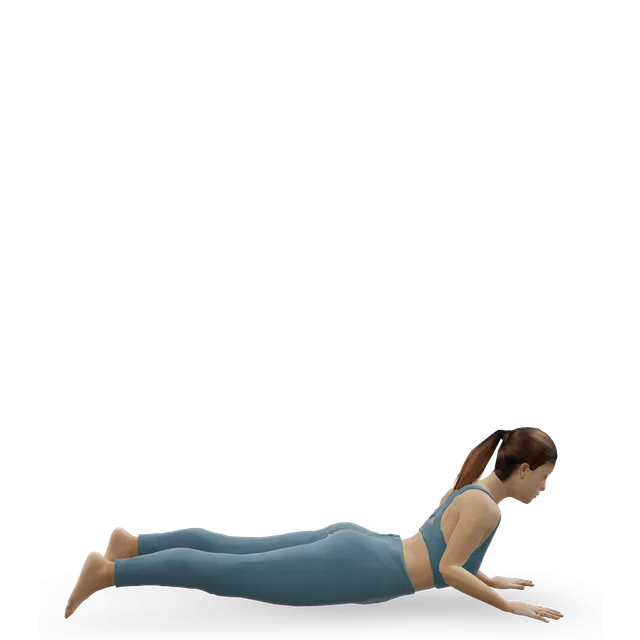
- Low cobra (Bhujangasana)3 breaths, twiceBeginner · Back, Chest, Shoulders · 3D demoSnake: lift your chest a little and hiss as you breathe outEasier: Sphinx pose (Salamba Bhujangasana)Harder: Cobra pose (Bhujangasana)


Calm down (4 minutes)
- Beginner · Back, Shoulders, Glutes · 3D demoSleepy mouseHarder: Extended puppy pose (Uttana Shishosana)
- Corpse pose (Savasana)2 to 3 minBeginner · 3D demoSleeping starfish while a grown-up tells a short story; eyes open is fine


Tips
- Keep the same order every time, and show the list first so your child knows what's coming.
- Show rather than tell: one short instruction at a time, as the NHS suggests for children with ADHD, and praise for trying.
- Use it as a break between 15 to 20 minute slots of homework, or before bed with only the last two blocks (our suggestion).
- Balance poses are the hardest: in a preschool trial they were the poses most often missed. A hand on the wall is fine.
- Slow breaths only, with no holding, and no headstands or shoulder stands for children.
- Yoga is an extra: in small trials it helped attention a little but not hyperactivity. Keep to the plan from your child's ADHD team, and don't change medicines to fit it in.
- On stimulant medicine, use a normal room temperature and keep water nearby: these medicines can make it easier to overheat.
- Children still need an average of at least 60 minutes a day of activity that makes them breathe faster, including running and jumping.
The doses are suggested starting points, not a prescription. Choose a range you can control and stop for sharp or increasing pain, numbness or tingling. Get individual advice after an injury or surgery, or if you are pregnant or managing a health condition.
Guides that recommend it
Find more moves like these
More yoga flows
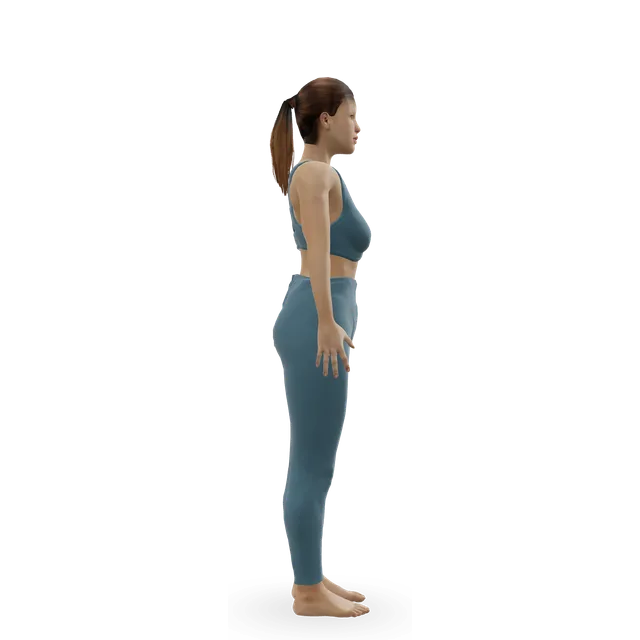
Beginner yoga flow
A 20-minute beginner yoga sequence: mountain, chair, warrior II, triangle, tree, down dog, cobra and child's pose.
20 minBeginner11 movesA step
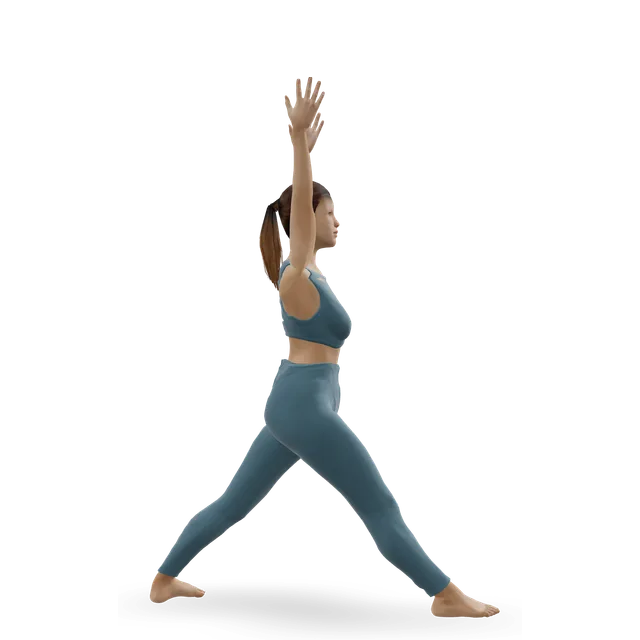
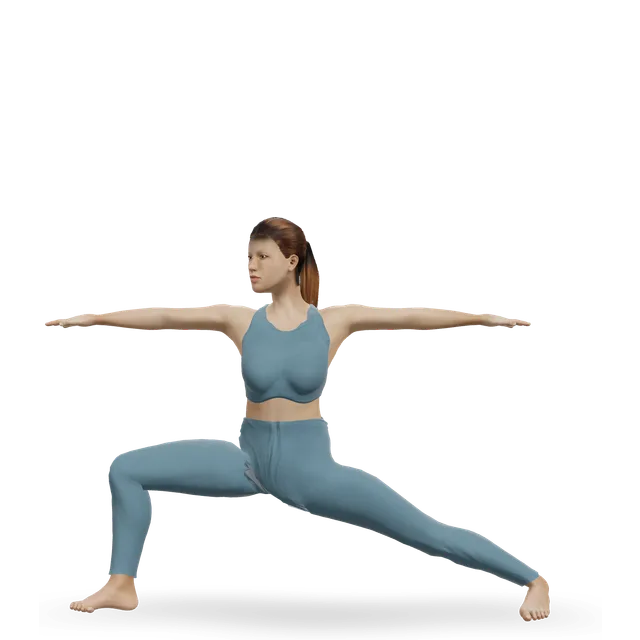
Sun salutation flow
A 20-minute flow built on sun salutations A and B, with warrior poses and a short cool-down.
20 minIntermediate8 movesNo equipment



Yoga for tight hips
A hip-opening yoga sequence: low lunge, lizard, goddess, pigeon, bound angle and happy baby.
25 minBeginner10 movesA wallQuestions people ask
How long does the yoga for adhd: a 15-minute same-every-time practice for children take?
About 15 minutes, including any warm-up and cool-down listed. Shorten it by doing fewer rounds; lengthen it by adding one.
What equipment do I need?
You need: A wall. Each move links to its guide, where you can find an alternative if you are missing something.
Is it suitable for beginners?
It is written for beginners. 8 of its 13 moves have an easier option listed beside them if you need one.
How do I make it easier or harder?
Use the easier or harder option listed under each move, change the number of rounds, or adjust the rest. Progress one change at a time.