Warning signs and when to get help
These are the warning signs from our yoga for cancer, exercise with prostate cancer and enlarged prostate guides, word for word, apart from the lines given as Prostate Cancer UK's words. Use the numbers your team gave you. This is general information, not a diagnosis. A&E means accident and emergency; in the US, call 911 for 999.
Call 999 (911 in the US)
Call 999 for:
- Chest pain that feels tight or like squeezing, or spreads to your arms, neck or jaw; severe difficulty breathing; or collapse.
- Difficulty breathing that comes on suddenly, or pain in your chest or upper back: these can be signs of a blood clot in the lungs (a pulmonary embolism). Don't drive yourself to A&E.
- Pain and swelling in one leg with breathlessness or chest pain, which can be a blood clot that has reached the lungs.
Sources 36, 37, 38
Can't pee: call 999 or go to A&E
Don't drive yourself to A&E. Call 999 or go to A&E now if:
After treatment, Prostate Cancer UK says this "needs treating straight away", and to make sure the hospital knows what treatment you've had.
- you suddenly can't pee at all, especially with severe pain low in your tummy or a swelling there you can feel: NHS inform says this "should be treated as a medical emergency"
- you have a stomach ache and you cannot pee at all
- you have a urine or kidney infection and you're confused, drowsy or have difficulty speaking
Sources 39, 40, 41, 42, 16
Cancer in the bones: spinal cord compression
Spinal cord compression is when cancer presses on the spinal cord. Contact the hospital team that treats you straight away, even at the weekend, and go to A&E if you can't reach anyone, if you have:
- Back or neck pain that is new, severe or getting worse, worse when you move or strain, or that disturbs your sleep.
- Problems controlling your bladder or bowels.
- Difficulty walking, leg weakness or your legs giving way.
- Weak arms or hands, or trouble gripping things.
- Numbness or pins and needles that is new or quickly getting worse.
Sources 43, 12
After a prostatectomy, tell your doctor or nurse
Contact your hospital team if:
- Your bladder feels full or the catheter isn't draining, or it leaks or falls out.
- Your urine has blood clots, turns cloudy, dark or red, or smells strong.
- The wound or the tip of your penis becomes red, swollen or painful.
- You have a fever (a temperature over 38°C).
- You feel sick or vomit, or get stomach cramps that won't go away.
- You get pain or swelling in the muscles of your lower legs.
- You can't open your bowels, even after a laxative.
Source 29
Call NHS 111 or ask for an urgent GP appointment
Get help from 111, or ask for an urgent GP appointment, if:
- You're suddenly more short of breath than usual.
- You have chest pain with feeling sick, or a racing, slow, skipping or fluttering heartbeat.
- You have pain and swelling in one leg, which can be a blood clot (deep vein thrombosis, or DVT).
- blood in your pee, which may look pink, red or brown, even if there's only a small amount or you're not sure it's blood
- pain when peeing, or other signs of a urine infection: men should always get these checked
- you can't pee at all (if it's sudden, with pain, use the 999 list above)
- signs of a kidney infection: a very high temperature or shivering, pain in your back or side just under the ribs, or feeling or being sick
Sources 36, 44, 38, 45, 41, 42
Blood in your pee after radiotherapy
Prostate Cancer UK says blood in the urine can be "quite a common symptom of radiation cystitis" after radiotherapy, and to tell your doctor or nurse so they can check whether it's the treatment or an infection. The urgent line above still applies.
Source 16
Bowel changes after radiotherapy
In Prostate Cancer UK's words: bleeding from the back passage "isn't usually anything to worry about, but let your doctor, nurse or therapeutic radiographer know if it happens", and "If you notice any new changes in your bowel habits later on, speak to your GP or hospital team."
Source 18
On hormone therapy or with cancer in the bones
Don't exercise if you feel unwell or have pain, sickness or other unusual symptoms, and stop if they start while you're exercising. Have new or worsening bone pain checked by your team before you carry on, and after a fall with pain or a new limp, get checked, as fractures are more likely on hormone therapy (our suggestion). Our cancer guide's warning signs list the signs of spinal cord compression, which needs help straight away.
Sources 28, 35
During yoga
Stop a pose that brings on leaking, heaviness, dragging, a bulge or pain, and make it smaller or leave it out. POGP says pain when you exercise the pelvic floor, or tummy or pelvic pain afterwards, needs advice from a specialist physiotherapist; meanwhile, stop adding squeezes and use the relaxation practice (our suggestion). For men's symptoms such as a weak flow or dribbling, see our pelvic floor exercises guide.
A joint pain that is sharp, gets worse during a session, lingers into the next day or changes how you move is a reason to use an easier version, and to see a GP or physiotherapist if it keeps happening (the rule in our plans). Muscle soreness for a day or two after something new is normal. In a hot class, stop if you feel dizzy, sick or unwell; our hot yoga guide lists the signs of heat illness.
You can say no to any hands-on adjustment, and a teacher registered with Yoga Alliance must get your explicit consent each time.
Sources 8, 46
Chest pain or fainting while exercising: call 999
Call 999 if:
- You get sudden pain or discomfort in your chest that doesn't go away; it can feel like squeezing or pressure, burning or indigestion.
- The pain spreads to your left or right arm, or your neck, jaw, stomach or back.
- You have chest pain and feel sweaty, sick, light-headed or short of breath.
- Someone faints while exercising, can't be woken within 1 minute, or has chest pain or a pounding, fluttering or irregular heartbeat.
Sources 47, 48
Head-down poses, bones and pregnancy
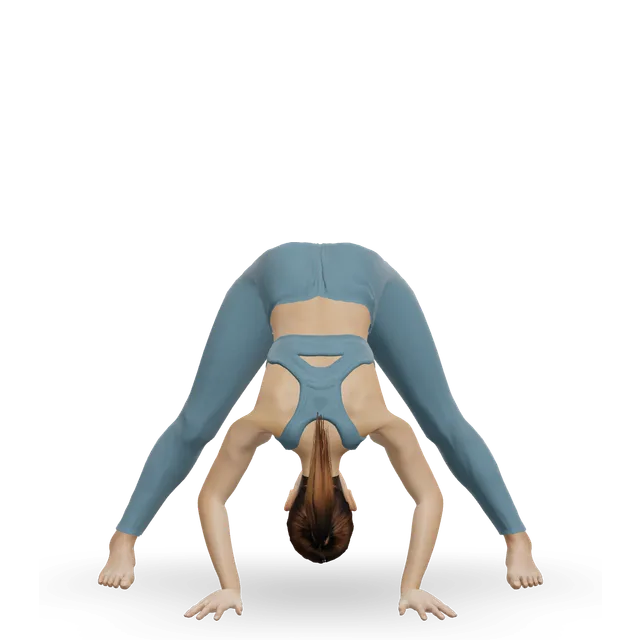
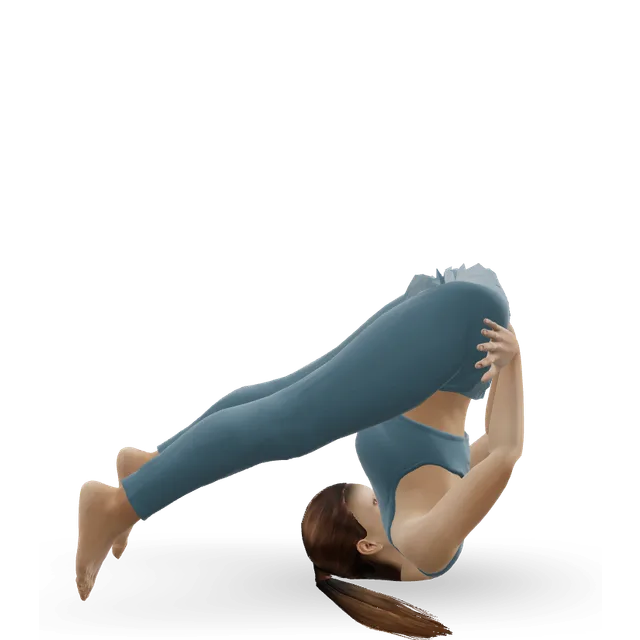
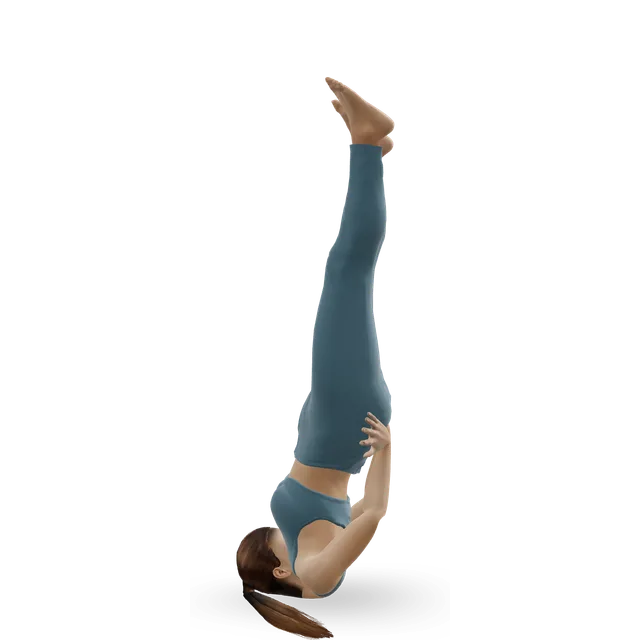
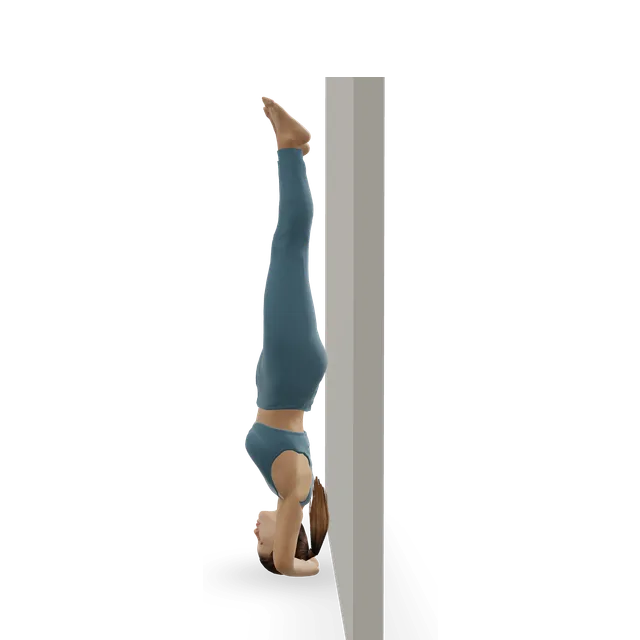
With glaucoma, or high blood pressure that isn't under control, skip headstands, shoulder stands and long head-down holds. With osteoporosis, swap deep forward folds for a flat-back hinge from the hips, and twist smoothly. In pregnancy, our yoga in pregnancy guide covers the changes. NCCIH advises beginners to avoid headstands, shoulder stands, the lotus position and forceful breathing.
Sources 49, 11
Before you start
The NHS advises getting advice from a healthcare professional first if you have a health problem, an injury or symptoms, or have recently had a heart attack or an operation.