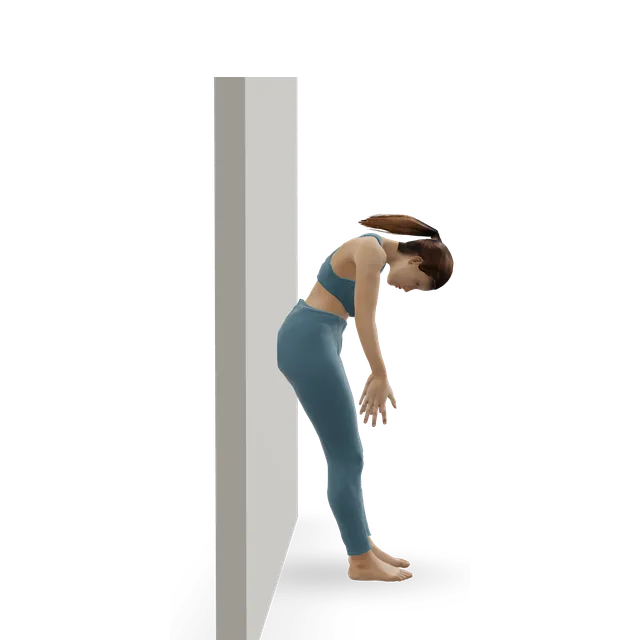
Pilates guide

Pilates for the prostate: after prostate surgery, with prostate cancer and with an enlarged prostate

Pilates can help men after prostate surgery, during prostate cancer treatment and with an enlarged prostate, as long as it carries a deliberate pelvic floor squeeze and sits beside the pelvic floor exercises the National Institute for Health and Care Excellence (NICE) recommends, never in place of them. In two small trials, a weekly Pilates class did about as well as pelvic floor exercises with electrical stimulation for becoming dry 4 months after prostate removal, but the evidence is thin and other studies are weaker.

Pilates doesn't replace prostate assessment, cancer treatment or your team's advice. This guide covers how men find and use the pelvic floor in Pilates, when to start after surgery (not while a catheter is in), which moves to change if you leak, protecting your bones on hormone therapy, Pilates with cancer in the bones, an enlarged prostate and pelvic pain, and when to get help fast. It ends with a free 20-minute men's pelvic floor class.

The short version

After surgery, pelvic floor exercises come first

NICE recommends supervised pelvic floor muscle training for men who leak after prostate removal, for at least 3 months. Prostate Cancer UK suggests starting 4 to 6 weeks before surgery, not while a catheter is in, and says Pilates and yoga "may also help to strengthen the pelvic floor muscles".

Sources 1, 2

The Pilates trials are few and small

Two small trials from one Brazilian group found a weekly Pilates class did about as well as pelvic floor exercises with electrical stimulation for becoming dry 4 months after surgery, and better than no treatment. Most other studies had no comparison group without Pilates, and a 2025 analysis ranked Pilates poorly.

Sources 3, 4, 5, 6

The squeeze is what counts

Breathe out and squeeze as if stopping your pee and holding in wind: the base of your penis draws in and your testicles lift. Do the move, then relax fully. Pilates is a way to practise that squeeze lying, sitting and standing.

Source 7

On hormone therapy, Pilates is one part of the plan

NICE offers supervised strength and aerobic exercise at least twice a week for 12 weeks; do Pilates as well, not instead. Hormone therapy thins bones, so swap deep rounding, rolling and loaded twists for moves that keep your spine long.

Sources 8, 9, 10

Pilates won't shrink an enlarged prostate

But pelvic floor squeezes help dribbling after peeing and, alongside medicine, needing to go urgently, and you can build them into Pilates.

Sources 11, 12, 13

Get help fast if you can't pee

Suddenly not being able to pee, especially with pain low in your tummy, is an emergency. Blood in your pee, or pain with a fever, needs an urgent GP appointment or NHS 111. The full lists are below.

Sources 14, 15, 16

The male pelvic floor and why leaks happen

The prostate

The NHS describes it as a small gland below the bladder that makes semen and controls the flow of pee to your penis. Prostate cancer treatments include surgery to remove the prostate (radical prostatectomy), radiotherapy and hormone therapy, which stops the body making testosterone or blocks it.

Sources 16, 17

The pelvic floor in men

A sheet of muscle stretches from your pubic bone to your tailbone. Valves at the base of the bladder and under the prostate help stop leaks, and parts of the pelvic floor "wrap around these valves to assist them in staying closed", explains Pelvic, Obstetric and Gynaecological Physiotherapy (POGP), the UK's group of pelvic health physiotherapists. The same muscles relax to let you pee and help maintain an erection. Experts point out that men's continence works differently from women's, yet most trials in men used training designed for women.

Sources 7, 18

Why leaks happen after surgery

Prostate surgery can affect the pelvic floor and its nerves. Prostate Cancer UK lists leaking when you cough, sneeze, stand up or bend forwards, needing to go urgently, and leaking more towards the end of the day as the muscles tire. Most men's leaking improves over the months after surgery, whatever they do.

Sources 7, 2, 19

What Pilates offers

Pilates breathing and its focus on the deep tummy muscles can carry a deliberate pelvic floor squeeze into each move, as UK pelvic health physiotherapists teach women in their Pilates booklet. POGP's booklet for men asks you to lift on the breath out and to "fully relax after each long or short contraction". No guideline recommends Pilates in place of pelvic floor exercises for men.

Sources 20, 7

Find the squeeze, then let it go

From POGP's pelvic floor booklet for men and Prostate Cancer UK. Not while a catheter is in.

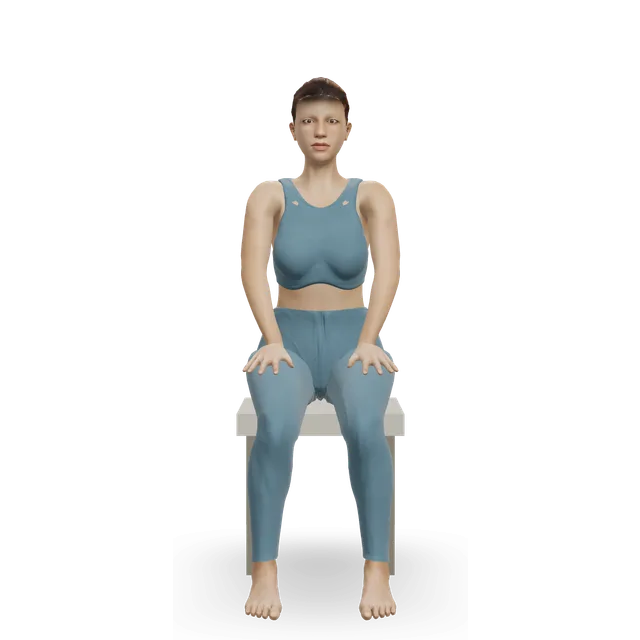
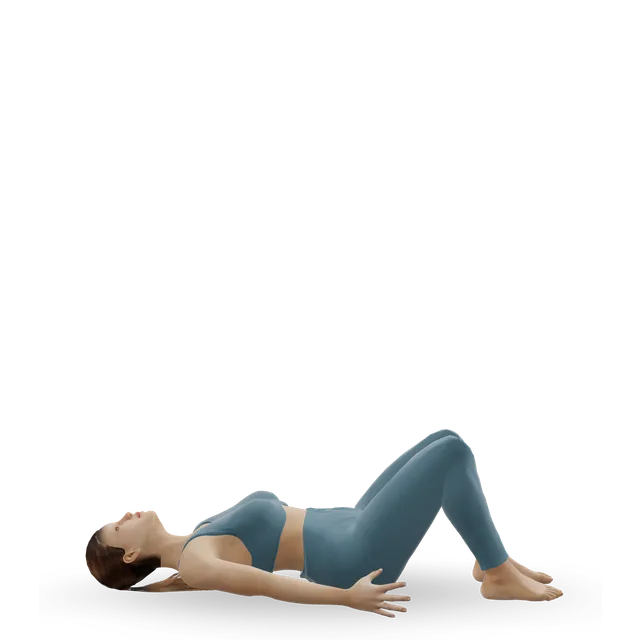
  1. Sit or lie comfortably with your thighs, buttocks and tummy relaxed.
  2. Squeeze and lift from the front, as if stopping yourself peeing, or as if drawing your penis up and in.
  3. Now lift from the back, as if stopping wind, then try the front and back together.
  4. Check in a mirror: the base of your penis should draw in and your testicles lift. Or rest your fingers behind your scrotum and feel the skin lift.
  5. Lift as you breathe out. Don't hold your breath, and don't clench your buttocks.
  6. Let the muscles relax fully after every squeeze, long or short.
  7. Squeeze just before you cough, sneeze, lift or stand up, until it becomes a habit.
  8. Don't practise by stopping your pee mid-flow: try that once or twice only, to find the muscles.

See the movement on the 3D figure: Pelvic floor exercise (Kegel)

After prostate surgery: when to start and how much

Before surgery

Prostate Cancer UK suggests starting pelvic floor exercises 4 to 6 weeks before surgery. Across 12 studies (1,365 men), training before surgery helped continence at 3 months, but not at 6 or 12.

Sources 2, 21

Not while a catheter is in

"Do not do pelvic floor muscle exercises while you have a catheter in", Prostate Cancer UK says. Start as soon as it's out.

Source 2

The first weeks

Avoid heavy exercise for the first 4 to 6 weeks; short walks are fine if your surgeon suggests them. Start pelvic floor exercises only once the catheter is out, and ask your surgical team before floor-based ab work. If you're having hormone therapy or the cancer has spread to your bones, avoid activities where you could fall.

Prostate Cancer UK also advises no heavy lifting or manual work for 8 weeks after surgery.

Sources 22, 2

When to add Pilates

Our suggestion: walk from early on, as your team suggests, then add gentle lying and seated Pilates with the squeeze built in once your surgical team agrees floor work is fine. Leave curl-ups, roll-ups and harder work until your team clears them and they don't make you leak.

Sources 22, 7

How much

Daily pelvic floor exercises as POGP sets out, building towards up to 10 long squeezes held for up to 10 seconds and up to 10 short ones, at least 3 times a day. Add our 20-minute men's pelvic floor class 2 or 3 times a week (our editorial starting point; the trials ran Pilates from a weekly class with daily home exercises to daily sessions). POGP expects improvement in 3 to 6 months.

Sources 7, 3, 5

The knack

Tighten your pelvic floor before and during coughing, sneezing, lifting or getting up from a chair. In class, squeeze just before you stand up or bend forwards (our suggestion).

Sources 2, 7

If you leak in class

Bending forwards and moves that hold tummy pressure up for a while, such as roll-ups, are the likeliest to bring on a leak: make the move smaller, squeeze before it, or swap it for a head-down move such as the knee fold (our suggestion). In a study of 20 women, roll-ups kept tummy pressure up longest of 22 Pilates exercises.

Sources 2, 23

Erections after surgery

Erection problems are common after prostate surgery. Pelvic floor training for erections after surgery has mixed results (4 of 12 trials found a benefit); our Pilates for erectile dysfunction guide covers it.

Source 24

What the evidence says

Pelvic floor exercises and NICE's guidance carry the evidence after surgery, and supervised strength and aerobic exercise on hormone therapy. Pilates rests on a handful of small studies, all about leaking after surgery.

NICE recommends supervised pelvic floor trainingStrong evidence

"Offer supervised pelvic floor muscle training to men with stress urinary incontinence caused by prostatectomy", NICE says, and to keep going for at least 3 months before considering other options.

Source 1

How much the training adds is uncertainMixed evidence

Most men's leaking improves over the first year whatever they do. In a Cochrane review (50 trials, 4,717 men), 57% of men who trained were still leaking at a year against 62% of those who didn't, a difference that could be chance. In the UK MAPS (Men After Prostate Surgery) trial, four one-to-one sessions made no difference at a year (76% against 77% still leaking). A 2026 analysis of 7 trials favoured training at a year, with low certainty.

Sources 19, 25, 26, 27

Two Brazilian Pilates trialsEmerging evidence

One group compared a weekly, physiotherapist-led Pilates class for 10 weeks, with daily home exercises, against pelvic floor exercises with electrical stimulation and against no treatment. Pad-free at 4 months: 57.7% with Pilates, 50% with exercises and stimulation and 22.6% with no treatment (85 men); and 59%, 54% and 26% (104 men). Pelvic floor strength didn't predict who became dry.

We could read only the summaries of these papers, and the trial registrations don't match them: the first lists 54 men enrolled, against 85 who finished in the paper; the second lists 115, against 123 randomised.

Sources 3, 4, 28, 29

Four small Chinese studiesMixed evidence

Four studies from one hospital (37 to 48 men each) reported improvements in leaking, or in pelvic floor muscle activity, over 8 weeks of Pilates with pelvic floor training. Three had no group that didn't do Pilates, and the summary of the one randomised trial doesn't make clear which result belongs to the Pilates group, so they can't show that Pilates added anything.

Sources 30, 31, 5, 32

A 2025 analysis ranked Pilates poorlyMixed evidence

A network analysis of 13 treatment approaches ranked electrical stimulation with biofeedback highest and concluded that "Pilates may be associated with worse outcomes". We could read only its summary, so it's unclear which trials that rests on, and its studies differed a lot.

Source 6

Nothing yet beyond leaking

Our searches found no Pilates trial in men on hormone therapy, with an enlarged prostate or with chronic prostatitis. A registered Egyptian trial of Pilates with shockwave therapy after surgery has posted no results.

Sources 33, 34

Exercise on hormone therapyStrong evidence

NICE offers people starting or having hormone therapy supervised resistance and aerobic exercise at least twice a week for 12 weeks "to reduce fatigue and improve quality of life". Across 18 trials (1,477 men), supervised exercise improved quality of life and walking; across 16 trials, exercise improved fatigue, fitness and leg strength, with no evidence that it slows the cancer.

Sources 8, 35, 36

Exercise doesn't change prostate-specific antigen (PSA)Emerging evidence

Across 8 trials (594 men), exercise didn't change PSA or testosterone levels.

Source 37

Hormone therapy, bones and cancer in the bones

Where Pilates fits

Pilates counts as muscle-strengthening, but NICE's offer is supervised strength and aerobic exercise. Prostate Cancer UK says "Gentle resistance exercise, such as lifting light weights or using elastic resistance bands, is particularly good if you're on hormone therapy". Our suggestion: Pilates twice a week alongside that programme, not instead.

Sources 8, 38, 39

Tiredness

Hormone therapy "can make you feel extremely tired", Prostate Cancer UK says. On tired days, do the lying and seated parts only (our suggestion).

Source 40

Protect your bones

In a large US study, 19.4% of men on hormone therapy had a fracture within 5 years, against 12.6% of men not on it. In two trials, strength and impact exercise slowed bone loss in the spine, though Prostate Cancer UK says it isn't yet known whether exercise prevents bone thinning.

Sources 9, 41, 42, 38

Pilates swaps for thinner bones

International cancer exercise experts advise avoiding hard bending or arching of the trunk, bending with added weight, and fast twisting when bones are thin, and making falls prevention a goal. The UK osteoporosis consensus suggests alternatives to the Pilates roll-down and curl-up. So use head-down versions, keep your spine long, and leave out rolling like a ball and the roll-over (our reading).

Sources 43, 10

Falls and balance

Prostate Cancer UK says to avoid activities where you could fall if you're on hormone therapy or the cancer has spread to your bones. Do balance work next to a counter (our suggestion); from 65, the NHS asks for strength, balance and flexibility work on at least 2 days a week.

Sources 38, 44

Check first

Speak to your GP, nurse or hospital doctor before you start, especially if you have joint or muscle problems. Check with your doctor before high-impact exercise such as running, or contact sport, if you're on hormone therapy or the cancer has spread to your bones.

Source 38

Cancer in the bones

In 57 men with cancer in the bones, 3 months of supervised exercise planned around the affected bones improved physical function and leg strength, with no fractures from the exercise. Ask your cancer team before mat Pilates.

Our reading of this guidance: with cancer in the spine, ribs or pelvis, leave out curl-ups (the hundred and leg stretches with the head up), roll-ups and roll-downs, rolling moves, legs-overhead moves, twists such as the saw and spine twist, and deep side bends. Keep a neutral spine with leg, arm and breathing work, and check each new move with your team.

Sources 45, 43

An enlarged prostate

What it is

An enlarged prostate is "very common in men over the age of about 50", Prostate Cancer UK says, and not everyone with one has symptoms. It isn't caused by prostate cancer and doesn't raise your risk of it. Symptoms include difficulty starting to pee, a weak flow, dribbling after you finish, and needing to go more often or urgently, including at night.

Sources 46, 16

What Pilates can and can't do

It won't shrink the prostate. Active men tend to have fewer urinary symptoms (11 observational studies), but in 6 small trials it was "uncertain whether physical activity affects symptom scores". No study has tested Pilates.

Sources 47, 11, 48, 33

Squeezes for dribbling and urgency

Squeeze your pelvic floor strongly straight after peeing to empty the last drops, or press gently with your fingertips behind your scrotum and move them forwards and upwards. In a trial of 49 men, pelvic floor exercises cut dribbling more than the press. Added to medicine, pelvic floor training with ways to hold on cut toilet trips by about 2 a day against 1 in 158 men (an unblinded trial).

Sources 7, 16, 12, 49, 13

Self-help helps a little

In 1,077 men in general practice, a nurse-supported self-help booklet lowered symptom scores a little at a year. The NHS lists lifestyle changes, pelvic floor training and bladder training among the first treatments.

Sources 50, 16

On tamsulosin

Alpha blockers such as tamsulosin can cause dizziness, particularly when you sit down or stand up, and low blood pressure and fainting, especially when you first start them. The NHS says that if tamsulosin makes you dizzy, don't drive, ride a bike or use machinery until it passes, and call NHS 111 if you faint. Get up slowly after floor exercises.

Before a PSA test

For 48 hours before a PSA test, the NHS asks you not to "do anything that leaves you out of breath, such as exercise", or ride a bike. Our reading: keep any Pilates in those 2 days very light, or skip it.

Source 51

Pelvic pain and chronic prostatitis

Relax, don't add squeezes

With chronic prostatitis or pelvic pain, the pelvic floor may be too tight rather than weak. POGP treats tight muscles by helping them relax, and Prostate Cancer UK says "Some men find that doing regular gentle stretching exercises can help them feel better and reduce symptoms". Use the relaxation and breathing moves and gentle stretches, leave out extra squeezes, and see a GP or pelvic health physiotherapist (our suggestion).

Sources 52, 53

Get it checked

Pain in your penis, scrotum, testicles or bottom, pain when peeing or ejaculating, or a high temperature need a GP. If you can't pee at all, use the urgent lists below.

Source 54

Lying: find the squeeze, then add it to moves

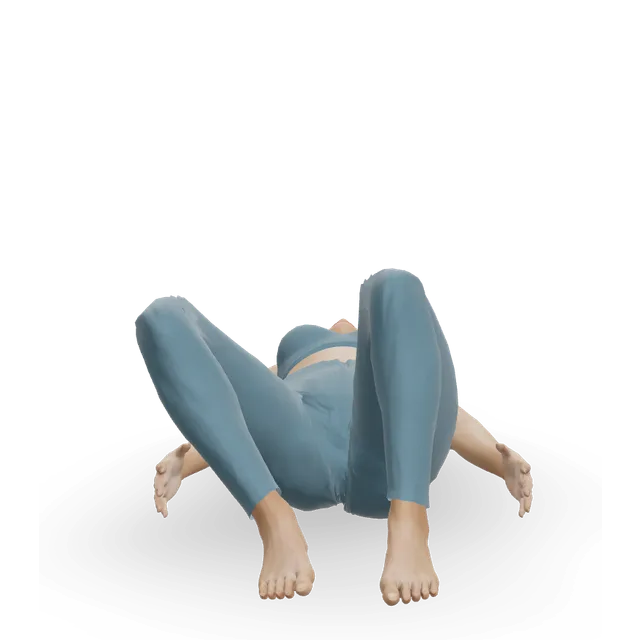
Pelvic floor exercise: "Start with 8 slow holds of up to 10 seconds and 8 quick squeezes, three times a day, and build towards 10 of each" (from the move page's dose). Pelvic floor relaxation: "5 to 10 slow breaths, 1 to 3 times a day" (from the move page's dose). Lateral breathing: "5 to 8 breaths at the start of every session" (from the move page's dose). Then squeeze as you breathe out and move: heel slide, "10 slow repetitions each side"; knee fold, "2 sets of 5 to 10 each side"; bent-knee fall-out, "2 sets of 5 to 10 each side" (each from the move page's dose); pelvic tilt into bridge, 6 to 8 slow, squeezing on the way up (our editorial starting point; with thin bones, peel up only part of the way).

On your side, seated and standing

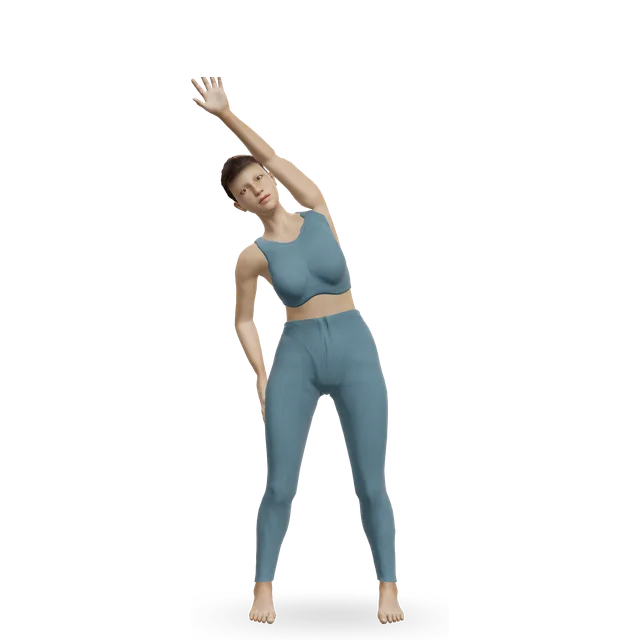
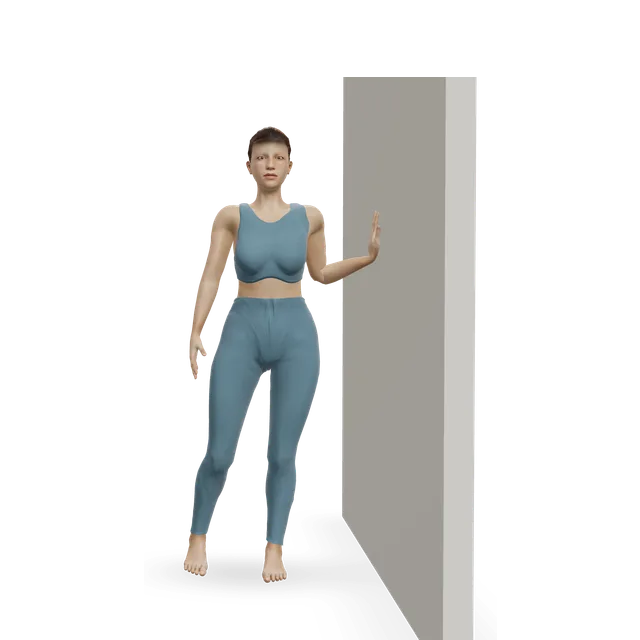
Leaks often happen as you stand up, so the squeeze moves with you. Clamshell: 8 each side, squeezing as the knee opens; bird dog, one limb: 5 each arm and leg (both our editorial starting points). Seated march: "1 to 2 minutes as a warm-up" (from the move page's dose); seated knee extension: 8 each leg, squeezing as you straighten (adapted from the move page's dose). Sit to stand: 8 slow, squeezing just before you stand (our editorial starting point). Thoracic rotation: "6 rotations per side, moving with the breath" (the move page's dose). Overhead side bend: "3 slow bends per side, exhale into each" (the move page's dose), left out with cancer in the spine, ribs or pelvis. Wall side leg lift: "10 to 12 each side" (from the move page's dose).

Strength, balance and bones on hormone therapy

Band row: "3 sets of 10 to 15" (from the move page's dose). Single-leg stand and tandem stance: next to a counter, 3 holds of 20 to 30 seconds each leg, at least twice a week (our editorial starting point). Heel drop: "20 to 30 drops at first, building toward about 50 impacts on most days" (from the move page's dose), only without cancer in the bones and with your doctor's agreement.

Moves to change or leave out

While the catheter is in, and the first weeks

No squeezes while the catheter is in. Then walking, and lying and seated moves with gentle squeezes once your team says floor work is fine.

Source 2

If you leak

Swap the roll-up, wall roll-up, teaser and long curl-ups such as the hundred and double-leg stretch for head-down moves such as the knee fold. The roll-up, wall roll-up and teaser pages already suggest this with leaking; for the hundred and double-leg stretch, it's our suggestion.

Sources 23, 2

On hormone therapy or with thin bones

Use head-down versions of curl-ups, and leave out rolling like a ball, the roll-over, the jack knife and deep forward rounding such as the spine stretch forward and the saw, as their osteoporosis cautions advise (our reading for hormone therapy).

Sources 10, 43, 9

With cancer in the spine, ribs or pelvis

Our reading of this guidance: with cancer in the spine, ribs or pelvis, leave out curl-ups (the hundred and leg stretches with the head up), roll-ups and roll-downs, rolling moves, legs-overhead moves, twists such as the saw and spine twist, and deep side bends. Keep a neutral spine with leg, arm and breathing work, and check each new move with your team.

Sources 43, 45

With pelvic pain

Relaxation, breathing and gentle stretches only; no extra squeezes.

Sources 53, 52

On tamsulosin or other alpha blockers

Get up slowly from the mat, as the warning signs below set out.

Source 55

Classes to follow

Our men's pelvic floor class teaches the squeeze and the release lying down, then carries the squeeze into side-lying, seated and standing moves. No trial has tested it: its order and doses are our editorial choice, from POGP's men's booklet and the lying, chair and standing order of the Chinese programme. Keep up your separate daily squeezes too. Use the cancer class during treatment or with cancer in the bones (with your team's agreement), and the osteoporosis class if your bones have thinned on hormone therapy. With pelvic pain, use the relaxation routine instead.

Plans to follow

For strength and walking alongside a supervised programme on hormone therapy, with your team's agreement.

Warning signs

The lists are from our exercise guides for an enlarged prostate and prostate cancer and our Pilates for cancer guide, word for word; the chest pain, stop and before-you-start lines are the ones our other Pilates guides use. This is general information, not a diagnosis. A&E means accident and emergency; in the US, call 911 for 999, and use your doctor's urgent line or urgent care for NHS 111.

Can't pee: call 999 or go to A&E

Don't drive yourself to A&E. Call 999 or go to A&E now if:

  • you suddenly can't pee at all, especially with severe pain low in your tummy or a swelling there you can feel: NHS inform says this "should be treated as a medical emergency"
  • you have a stomach ache and you cannot pee at all
  • you have a urine or kidney infection and you're confused, drowsy or have difficulty speaking

Sources 14, 16

Urgent GP appointment or NHS 111

  • blood in your pee, which may look pink, red or brown, even if there's only a small amount or you're not sure it's blood
  • pain when peeing, or other signs of a urine infection: men should always get these checked
  • you can't pee at all (if it's sudden, with pain, use the 999 list above)
  • signs of a kidney infection: a very high temperature or shivering, pain in your back or side just under the ribs, or feeling or being sick
  • fainting while taking tamsulosin

Sources 15, 16, 54

See a GP

  • difficulty peeing or needing to pee more often: "Try not to be embarrassed. The GP will be used to talking about these symptoms."
  • symptoms that change, get worse or don't feel normal, as they can overlap with prostate cancer's
  • a weak flow, leaking at night, a swollen tummy, or feeling you never empty your bladder, which can be signs of chronic retention

Source 16

After prostate surgery

Contact your hospital team if:

  • Your bladder feels full or the catheter isn't draining, or it leaks or falls out.
  • Your urine has blood clots, turns cloudy, dark or red, or smells strong.
  • The wound or the tip of your penis becomes red, swollen or painful.
  • You have a fever (a temperature over 38°C).
  • You feel sick or vomit, or get stomach cramps that won't go away.
  • You get pain or swelling in the muscles of your lower legs.
  • You can't open your bowels, even after a laxative.
  • A painful lump appears at one of the keyhole wounds, especially if you're being sick.

Source 22

Call 999

Call 999, and don't drive yourself to A&E, for:

  • You get sudden pain or discomfort in your chest that doesn't go away; it can feel like squeezing or pressure, burning or indigestion.
  • The pain spreads to your left or right arm, or your neck, jaw, stomach or back.
  • You have chest pain and feel sweaty, sick, light-headed or short of breath.
  • Someone faints while exercising, can't be woken within 1 minute, or has chest pain or a pounding, fluttering or irregular heartbeat.
  • Pain and swelling in one leg with breathlessness or chest pain, which can be a blood clot that has reached the lungs.

Sources 56, 55, 57, 58

On hormone therapy or with cancer in the bones

Don't exercise if you feel unwell or have pain, sickness or other unusual symptoms, and stop if they start while you're exercising. Have new or worsening bone pain checked by your team before you carry on, and after a fall with pain or a new limp, get checked, as fractures are more likely on hormone therapy (our suggestion). Our cancer guide's warning signs list the signs of spinal cord compression, which needs help straight away.

Sources 38, 9

Spinal cord compression

Spinal cord compression is when cancer presses on the spinal cord. Contact your hospital team straight away, even at the weekend, and go to A&E if you can't reach anyone, if you have any of these:

  • Back or neck pain that is new, severe or getting worse, worse when you move, cough or strain, or that disturbs your sleep.
  • Problems controlling your bladder or bowel.
  • Unsteadiness, difficulty walking, leg weakness or your legs giving way.
  • Weak arms or hands, or trouble gripping.
  • Numbness or pins and needles that is new or quickly getting worse.

Getting up on tamsulosin

Alpha blockers such as tamsulosin can cause dizziness, particularly when you sit down or stand up, and low blood pressure and fainting, especially when you first start them. The NHS says that if tamsulosin makes you dizzy, don't drive, ride a bike or use machinery until it passes, and call NHS 111 if you faint. Get up slowly after floor exercises.

  • Finish all your lying moves before you sit up, so you change position as few times as you can.
  • Roll onto your side, then push yourself up to sitting with your arms.
  • Sit for a minute or so before you kneel or stand.
  • Stand up slowly, with a chair or counter within reach.
  • Pause before you walk off. If you feel light-headed, cross your legs or clench your buttocks and tummy muscles.
  • If you still feel faint, lie down with your legs raised.

Source 55

During exercise

If you feel dizzy, stop and sit down. If you can't pee after a long ride or session, treat it as retention and use the lists above (our suggestion).

Breathlessness

Call 999 or go to A&E (accident and emergency) straight away for severe difficulty breathing (gasping, choking or not able to get words out), a chest that feels tight or heavy, pain that spreads to your arms, back, neck and jaw, lips or skin turning very pale, blue or grey, or sudden confusion. If you're more short of breath than usual, or your heart is racing, fluttering or skipping beats, contact NHS 111.

Source 59

Stop the session if

You feel any pain or become unwell, as the NHS advises for its Pilates videos, and especially for chest pain or pressure, unusual breathlessness, dizziness or fainting. If you have a health problem, an injury or any symptoms, get advice from a healthcare professional, such as a GP, before you start.

Source 60

Before you start

The NHS advises getting advice from a healthcare professional first if you have a health problem, an injury or symptoms, or have recently had a heart attack or an operation.

Source 60

Myths

"Pilates shrinks an enlarged prostate"Strong evidence

No study shows exercise shrinks the prostate, and no Pilates study exists in an enlarged prostate. Pelvic floor squeezes help symptoms such as dribbling and urgency, not the gland.

Sources 48, 33, 12, 13

"Pilates is as good as pelvic floor exercises after prostate surgery"Mixed evidence

Two small trials from one group found it matched exercises with electrical stimulation at 4 months, but a network analysis ranked Pilates poorly and NICE recommends supervised pelvic floor training. Use Pilates with the squeeze built in, as an extra.

Sources 3, 4, 6, 1

"Pelvic floor exercises are only for women"Strong evidence

NICE recommends supervised pelvic floor training for men who leak after prostate surgery, and POGP publishes a booklet for men.

Sources 1, 7

"A strong core stops leaks"Mixed evidence

Core strength isn't the same as a pelvic floor squeeze. Men's continence depends on the muscles around the outlet of the bladder, so the squeeze needs practising on purpose; in women, Pilates without deliberate squeezes didn't strengthen the pelvic floor, as our Pilates for the pelvic floor guide explains.

Sources 7, 18

"Exercise raises PSA or feeds prostate cancer"Emerging evidence

Across 8 trials, exercise didn't change PSA or testosterone. Skip exercise and cycling for 48 hours before a PSA test only so the reading is accurate.

Sources 37, 51

"Pilates is enough exercise on hormone therapy"Strong evidence

NICE offers supervised strength and aerobic exercise at least twice a week for 12 weeks. Pilates fits alongside it.

Sources 8, 38

"Stopping your pee mid-flow is good practice"Strong evidence

Prostate Cancer UK says try it once or twice to find the right muscles, but don't do it regularly, as it could cause problems emptying your bladder.

Source 2

"Exercise can cure prostate cancer"Strong evidence

No trial shows exercise slows prostate cancer; a global trial set up to test survival closed early. The benefits are for tiredness, fitness and quality of life.

Sources 36, 61

Questions people ask

Is Pilates good after prostate surgery?

It can help alongside the pelvic floor exercises NICE recommends, not instead of them. In two small Brazilian trials, a weekly Pilates class did about as well as pelvic floor exercises with electrical stimulation for becoming dry at 4 months, but a 2025 analysis ranked Pilates poorly, so the evidence is thin.

When can I start Pilates after a prostatectomy?

Start the pelvic floor squeezes once the catheter is out, walk from early on, and ask your surgical team before floor exercise. Avoid heavy exercise for the first 4 to 6 weeks and heavy lifting for 8 weeks, as Prostate Cancer UK advises. Our suggestion is gentle lying and seated Pilates first.

How do men do the pelvic floor squeeze in Pilates?

Breathe out and squeeze as if stopping your pee and holding in wind, so the base of your penis draws in and your testicles lift; do the move; then relax fully. Squeeze just before you stand up, cough or bend.

Which Pilates moves should I avoid after prostate surgery?

Leave roll-ups, the teaser and long curl-ups until your team agrees and they don't make you leak; head-down moves such as knee folds and heel slides are gentler (our suggestion). Moves that bend you forwards are the likeliest to bring on a leak.

Is Pilates good for prostate cancer?

It's safe for most men and counts as muscle-strengthening, but no Pilates trial has tested it in prostate cancer beyond leaking after surgery. On hormone therapy, NICE offers supervised strength and aerobic exercise, so do Pilates as well, not instead.

Is Pilates safe on hormone therapy?

Yes, with changes: hormone therapy thins bones, so swap deep rounding, rolling and loaded twists for moves that keep your spine long, and do balance work near support. In one large study, 19.4% of men on hormone therapy had a fracture within 5 years, against 12.6% of men not on it.

Can I do Pilates if prostate cancer has spread to my bones?

Ask your cancer team first; in a trial of 57 men, supervised exercise planned around the affected bones was safe. Leave out curl-ups, roll-ups, rolling, legs-overhead moves, twists and deep side bends, and check each new move with your team.

Does Pilates help an enlarged prostate?

It won't shrink the prostate. Pelvic floor squeezes help dribbling after peeing and, alongside medicine, needing to go urgently, and you can build them into Pilates. If you take tamsulosin, get up slowly from the mat.

How do I stop dribbling after peeing?

Squeeze your pelvic floor strongly straight after peeing, or press gently with your fingertips behind your scrotum and move them forwards and upwards. In one trial, pelvic floor exercises worked better than the press.

Can Pilates help prostatitis or pelvic pain?

Gentle stretching helps some men, Prostate Cancer UK says, but more squeezing may not, because tight muscles need to relax. Use the relaxation and breathing moves and see a GP or pelvic health physiotherapist.

Can I do Pilates before a PSA test?

For 48 hours before, the NHS asks you not to do anything that leaves you out of breath or ride a bike. Our reading is to keep any Pilates in those 2 days very light, or skip it.

When should I stop and get help?

Call 999 if you suddenly can't pee, especially with pain low in your tummy. Get an urgent GP appointment or call NHS 111 for blood in your pee, pain when peeing, or a fever with back or side pain. After surgery, contact your hospital team if the catheter stops draining or the wound gets red and swollen.
Sources

  1. NICE CG97 · Lower urinary tract symptoms in men: management (2010, updated 2015)
  2. Prostate Cancer UK · Pelvic floor muscle exercises (updated April 2025; its review was due April 2026)
  3. Pedriali 2016 · Pilates against pelvic floor exercises with electrical stimulation after prostate removal, 85 men completing (RCT, Neurourol Urodyn)
  4. Gomes 2018 · Pilates and pelvic floor strength after prostate removal, 123 men randomised (RCT, Neurourol Urodyn)
  5. An 2024 · Pilates with pelvic floor training in 37 men after prostate removal, by body mass index (study without a comparison group, BMC Urol; read in full)
  6. Zhao 2025 · Physical therapies for leaking after prostate removal (network meta-analysis, Int J Surg)
  7. POGP · Pelvic floor muscle exercises and advice for men (Pelvic, Obstetric and Gynaecological Physiotherapy booklet, 2021; its review was due 2025)
  8. NICE NG131 · Prostate cancer: diagnosis and management (2019, updated 2021)
  9. Shahinian 2005 · Fractures after hormone therapy for prostate cancer (cohort study, N Engl J Med)
  10. Brooke-Wavell 2022 · Strong, steady and straight: UK consensus on exercise for osteoporosis (consensus statement, Br J Sports Med; read in full)
  11. Silva 2019 · Physical activity for urinary symptoms from an enlarged prostate: 6 trials (Cochrane review)
  12. Paterson 1997 · Pelvic floor exercises for dribbling after peeing in 49 men (RCT, Br J Urol)
  13. Hagovska 2024 · Pelvic floor training in men with an enlarged prostate and an overactive bladder (RCT, World J Urol)
  14. NHS · Stomach ache
  15. NHS · Blood in urine
  16. NHS · Enlarged prostate (benign prostate enlargement)
  17. NHS · Treatment for prostate cancer
  18. Hodges 2020 · Rethinking pelvic floor training for men after prostate removal (review, Urol Oncol)
  19. Anderson 2015 · Conservative management of leaking after prostate removal: 50 trials (Cochrane review)
  20. POGP · Pilates in women's health physiotherapy (Pelvic, Obstetric and Gynaecological Physiotherapy booklet)
  21. Zhou 2023 · Pelvic floor exercise before prostate removal: 12 studies (systematic review and meta-analysis, Front Public Health)
  22. Prostate Cancer UK · Surgery (radical prostatectomy)
  23. Coleman 2015 · Tummy pressure during Pilates exercises (laboratory study, Int Urogynecol J)
  24. Akdağcık 2026 · Pelvic floor training for erections after prostate removal: 12 trials (systematic review, World J Urol)
  25. Glazener 2011 · One-to-one pelvic floor training after prostate surgery: the MAPS trials (two RCTs, Lancet)
  26. Johnson 2023 · Conservative treatments for leaking after prostate surgery: 25 studies (Cochrane review)
  27. Wang 2026 · Pelvic floor training after prostate removal: 7 trials (meta-analysis, Semin Oncol Nurs)
  28. ClinicalTrials.gov · NCT02086266: Pilates against pelvic floor exercises with electrical stimulation after prostate removal (Londrina; completed 2014; enrolment listed as 54)
  29. ClinicalTrials.gov · NCT02645136: Pilates and pelvic floor strength after prostate removal (Londrina; completed 2015; enrolment listed as 115)
  30. An 2021 · Pilates with biofeedback, Kegel exercises with biofeedback and Kegel exercises alone after prostate removal in 42 men (RCT, Urology)
  31. An 2023 · Pelvic floor muscle activity in four Pilates positions in 38 men after prostate removal (study, Int Urol Nephrol)
  32. Wang 2026 · Pelvic floor Pilates in 48 men after prostate removal, by age (cohort study, Urol Int)
  33. PubMed, Europe PMC and ClinicalTrials.gov · Our searches for Pilates studies in men with prostate problems (November 2026)
  34. ClinicalTrials.gov · NCT06322082: Pilates and shockwave therapy for leaking after prostate removal (Cairo University; status unknown since 2024)
  35. Ussing 2022 · Supervised exercise during hormone therapy for prostate cancer: 18 trials (systematic review and meta-analysis, Prostate Cancer Prostatic Dis)
  36. Bourke 2016 · Exercise for men with prostate cancer: 16 trials (systematic review and meta-analysis, Eur Urol)
  37. Zhang 2025 · Exercise, PSA and testosterone in prostate cancer: 8 trials (systematic review and meta-analysis, Aging Male)
  38. Prostate Cancer UK · Physical activity and prostate cancer (updated March 2025; its review was due March 2026)
  39. NHS · Physical activity guidelines for adults aged 19 to 64
  40. Prostate Cancer UK · How hormone therapy affects you
  41. Taaffe 2019 · Exercise from the start of hormone therapy and bone density (RCT, BJU Int)
  42. Newton 2019 · Types of exercise and bone density in men on hormone therapy (RCT, Med Sci Sports Exerc)
  43. Campbell 2019 · Exercise guidelines for cancer survivors (international roundtable consensus, Med Sci Sports Exerc; read in full)
  44. NHS · Physical activity guidelines for older adults
  45. Galvão 2018 · Supervised exercise in 57 men with prostate cancer in the bones (RCT, Med Sci Sports Exerc)
  46. Prostate Cancer UK · Enlarged prostate (updated September 2025; its review was due September 2026)
  47. Parsons 2008 · Physical activity and urinary symptoms from an enlarged prostate: 11 studies (meta-analysis, Eur Urol)
  48. Branco 2026 · Exercise and an enlarged prostate (review, Curr Urol Rep)
  49. Dorey 2004 · Pelvic floor exercises for dribbling after peeing in 55 men with erectile dysfunction (RCT, Urol Nurs)
  50. Drake 2023 · A self-help booklet for men's urinary symptoms in general practice: the TRIUMPH trial (cluster RCT, BMJ)
  51. NHS · PSA test
  52. POGP · Erectile dysfunction (Pelvic, Obstetric and Gynaecological Physiotherapy patient information)
  53. Prostate Cancer UK · Prostatitis treatments
  54. NHS · Prostatitis
  55. NHS · Fainting
  56. NHS · Chest pain (past its review date: reviewed August 2023, review due August 2026)
  57. NHS · Heart attack
  58. NHS · DVT (deep vein thrombosis)
  59. NHS · Shortness of breath
  60. NHS · Pilates for beginners (exercise video, with safety information)
  61. Kenfield 2026 · The INTERVAL-GAP4 exercise trial in advanced prostate cancer (RCT feasibility report, Eur Urol Open Sci)

Exercise education, not a personal prescription, and clinical review of these guides is pending. If you are pregnant, have a health condition or have had recent surgery, check with a doctor, midwife or physiotherapist before starting, and stop for sharp or increasing pain. Health disclaimer.