Pilates for erectile dysfunction: the male pelvic floor, blood flow and when to get checked
No study has shown that Pilates helps erectile dysfunction, but it can train the pelvic floor muscles at the base of the penis that help keep an erection, and a small UK trial found pelvic floor exercises helped. Aerobic exercise, such as brisk walking or cycling, has the strongest evidence, so Pilates works best as an extra, not instead.
See a GP first if erection problems keep happening: they can be an early sign of heart disease, high blood pressure or diabetes, often years before other symptoms, and exercise doesn't replace that check or the treatments a GP can offer. This guide covers how men find and use the pelvic floor in Pilates, how Pilates fits with cardio and tablets, cycling, pelvic pain, and the warning signs during exercise and sex, with a free men's pelvic floor class.
The NHS says "It might be a sign of a health condition that can be treated", such as high blood pressure, high cholesterol or diabetes. Across 12 studies of 36,744 men, those with erection problems had 1.48 times the risk of heart and circulation disease.
In 11 trials it raised erection scores by 2.8 points on a 30-point scale, more in men with worse problems; the trials averaged about 40 minutes, 4 times a week. Pilates is muscle-strengthening, not aerobic, so do it as well as cardio, not instead.
In a UK trial of 55 men, pelvic floor exercises with biofeedback improved erection scores by 6.7 points more than lifestyle advice at 3 months. Reviews of small trials are encouraging but low to moderate quality, and one found no clear effect.
Good pelvic floor muscles "help to maintain an erection", says Pelvic, Obstetric and Gynaecological Physiotherapy (POGP), the UK's group of pelvic health physiotherapists. Lift as you breathe out, relax fully after each squeeze, and expect change over 3 to 6 months.
Erection tablets are the main treatment. In a small trial, adding at least 3 hours a week of aerobic exercise to tablets restored normal erections in 77.8% of men, against 39.3% with tablets alone.
Occasional erection problems are very common, particularly over 40, and are usually caused by stress, tiredness or drinking too much alcohol. If they keep happening, the cause can be high blood pressure or high cholesterol, diabetes, depression or anxiety, hormone problems or a medicine, and many of these can be treated. You can see a GP, or go to a sexual health clinic: many offer a walk-in service, where you don't need an appointment.
Erections depend on blood flow, and the same artery disease that affects the heart can show up first as erection problems. In 300 men with heart artery disease, 49% had erection problems, and in 67% of them the erection problems came first, on average 38.8 months earlier. Expert guidance treats men with erection problems as at risk of heart problems until shown otherwise.
If you're 40 to 74 and don't already have heart disease, diabetes, kidney disease or high blood pressure, the NHS Health Check looks at your risk of heart and circulation problems every 5 years. Ask your GP practice if you haven't had one.
POGP's page names the bulbocavernosus, which "wraps around the base of the penis" and helps keep blood in the penis during an erection, and the ischiocavernosus, which helps support it. Good pelvic floor muscles "help to maintain an erection", its booklet says.
POGP lists "weak or tight pelvic floor muscles" among the causes of erection problems. Tight muscles are treated by learning to relax them, not by more squeezing.
A way to practise the squeeze lying, sitting and standing, with strength for your hips and trunk. The NHS counts Pilates as muscle-strengthening, "not always an aerobic activity", so it doesn't replace the cardio that carries the evidence.
No Pilates study has reported in men with erection problems. Aerobic exercise, weight loss where it applies, and tablets carry the evidence; pelvic floor training has some.
No published Pilates study
Our searches of PubMed, Europe PMC and ClinicalTrials.gov in November 2026 found no published study of Pilates for erection problems. A randomised trial of Pilates in 60 men with diabetes and erection problems, in Egypt, finished in June 2026 and hasn't posted results.
In 11 trials, aerobic exercise raised erectile function scores by 2.8 points on a 30-point scale, and by 4.9 in men with severe problems. Another review of 7 trials (478 men) found 3.85 points, with a moderate to high risk of bias, and lifestyle programmes raised scores by 2.35 points across 16 trials (moderate certainty). The trials averaged about 40 minutes of moderate to vigorous aerobic exercise 4 times a week, for 6 months.
In a UK trial of 55 men, pelvic floor exercises with biofeedback (a sensor that shows the squeeze) and lifestyle advice raised erectile function scores by 6.7 points more than lifestyle advice alone at 3 months; after all the men had done the exercises, 40% had normal function. A review of 10 trials found improvement in every erectile dysfunction trial, but they were low to moderate quality, and a 2024 analysis of 7 trials in men not taking tablets found no clear effect of pelvic floor training, against a clear one for aerobic training.
Across 12 trials, 4 found pelvic floor training helped erections after prostate removal and 7 found no difference. In one trial of 52 men, 47.1% who started biofeedback training early had erections good enough for sex at 12 months, against 12.5%. Our Pilates for the prostate guide covers the rest of recovery.
Erection tablets (such as sildenafil) are the main treatment. In a small, open-label trial of 60 men taking them, adding at least 3 hours a week of aerobic activity restored normal erections in 77.8% at 3 months, against 39.3% with tablets alone.
Our editorial starting point: about 160 minutes of aerobic exercise over 4 days, at a pace where you can talk but not sing (the trials' dose); pelvic floor squeezes every day, as POGP sets out; and Pilates with the squeeze built in twice a week, which counts as strength work.
Months, not weeks: POGP expects improvement from pelvic floor exercises in 3 to 6 months, and in the trial that added exercise to tablets, the difference showed at 3 months. POGP says to keep going even if the exercises don't seem to help at first.
Speak to your GP first if you haven't exercised for some time, or you have a medical condition or concerns. With known heart disease, follow your cardiac team's advice.
Our Pilates for heart health guide covers the changes.
Pelvic floor exercise: "Start with 8 slow holds of up to 10 seconds and 8 quick squeezes, three times a day, and build towards 10 of each" (from the move page's dose). Pelvic floor relaxation: "5 to 10 slow breaths, 1 to 3 times a day" (from the move page's dose), first with pelvic pain. Slow breathing: "At least 5 minutes" (from the move page's dose), for stress. Then squeeze as you breathe out and move: bent-knee fall-out and knee fold, "2 sets of 5 to 10 each side"; heel slide, "10 slow repetitions each side"; side kick, "8 to 10 each side" (each from the move page's dose); pelvic tilt into bridge, 6 to 8 slow; clamshell, glute bridge and bird dog, 8 to 10 each, or each side (our editorial starting points). No study has tested these moves for erections.
Walking: build towards about 40 minutes, 4 times a week, at a pace where you can talk but not sing (the trials' average dose). Recumbent bike: "10 to 20 minutes at a moderate effort to start, building towards 30" (from the move page's dose); it takes pressure off the area between your legs.
Sit to stand: 8 to 10, squeezing as you stand. Standing march: 1 minute with a light, about half-strength squeeze while you march (both our editorial starting points).
Follow your cardiac team, keep breathing through every move, and use our Pilates for heart health guide's changes: no long planks, legs-overhead moves or breath holds.
In a survey of 3,932 men, cyclists' sexual function was no worse than swimmers' or runners'. A review of 6 studies found about twice the odds of erection problems in cyclists once age and other illnesses were allowed for. The NHS suggests not cycling for a while if you cycle for more than 3 hours a week.
Saddles without a nose and recumbent bikes reduce pressure on the area between your legs, and standing on the pedals every 10 minutes may help. Our Pilates for cyclists guide covers the rest.
If your pelvic floor is tight, squeezing more won't help: POGP treats tight muscles by teaching them to relax. Prostate Cancer UK says some men with chronic prostatitis find regular gentle stretching helps. Use the relaxation and breathing moves and our pelvic floor relaxation routine.
Pain in your penis, scrotum, testicles or bottom, pain when peeing or ejaculating, or a high temperature need a GP: it can be prostatitis. If you can't pee at all, get an urgent appointment or contact NHS 111.
Our men's pelvic floor class teaches the squeeze and the release lying down, then carries the squeeze into side-lying, seated and standing moves; no trial has tested it, and its order and doses are our editorial choice. Pair it with the aerobic part: the walk and Pilates workout does both in one session, and the easy cardio and interval walk build your walking. With pelvic pain, use the relaxation routine, and with heart disease, the heart health class with your cardiac team's agreement.
The lists are from our exercise for erectile dysfunction guide and our Pilates for men guide, word for word; the chest pain, stop and before-you-start lines are the ones our other Pilates guides use. This is general information, not a diagnosis. A&E means accident and emergency; in the US, call 911 for 999, and use your doctor's urgent line or urgent care for NHS 111.
Call 999
Call 999, and don't drive yourself to A&E, if, during exercise, sex or at any other time:
You have chest pain that feels tight or like squeezing on your chest, or that spreads to your arms, neck or jaw.
You're having severe difficulty breathing: gasping, choking or not able to get words out.
Your lips or skin are pale, blue or grey.
Someone has passed out and is not responding normally.
Call 999 if you might be having a severe allergic reaction, a heart attack or a seizure. In an emergency, tell the call handler and the paramedics what you took and when (our advice): these tablets must not be combined with nitrates such as GTN. Call NHS 111 for other serious side effects, such as fainting, a fast or irregular heartbeat, or blistering skin with flu-like symptoms. If you feel dizzy or have blurred vision, don't drive or cycle.
Call 999 or go to A&E: an erection that won't go down
An erection that lasts more than 3 to 4 hours, or a painful erection lasting more than 1 hour if you have sickle cell disease, needs hospital treatment as soon as possible to avoid permanent damage. Some treatments for erection problems can cause it. Don't drive yourself.
If back pain comes with pain, tingling, weakness or numbness in both legs; loss of feeling around your genitals or anus; changes in your bladder or bowels; changes in how your penis feels during sex, or not being able to get or keep an erection; or chest pain; or if it started after a serious accident.
If you feel low or might harm yourself
Erection problems can go with low mood. If you might harm yourself, call 999 or go to A&E. For support now, call Samaritans free on 116 123, call NHS 111, or text SHOUT to 85258. In the US, call or text 988.
See a GP or a sexual health clinic
Erection problems keep happening. Many sexual health clinics offer a walk-in service.
You bought sildenafil without a prescription: see a doctor within 6 months of starting it.
You have signs of type 2 diabetes: feeling very tired, peeing more than usual, feeling thirsty all the time, losing weight without trying, blurred vision, cuts that heal slowly, or itching around the penis or repeated thrush.
You have pain when peeing, pain in your penis, testicles or bottom, or pain when you ejaculate. If you can't pee at all, ask for an urgent appointment or contact NHS 111.
You also have a low sex drive, tiredness or loss of muscle: the GP may check your testosterone.
Your penis is curved or bent in a way that makes erections painful or difficult.
You're 40 to 74, don't already have heart disease, diabetes, kidney disease or high blood pressure, and haven't had an NHS Health Check in the last 5 years: ask your GP practice about one.
Call 999 or go to A&E (accident and emergency) straight away for severe difficulty breathing (gasping, choking or not able to get words out), a chest that feels tight or heavy, pain that spreads to your arms, back, neck and jaw, lips or skin turning very pale, blue or grey, or sudden confusion. If you're more short of breath than usual, or your heart is racing, fluttering or skipping beats, contact NHS 111.
You feel any pain or become unwell, as the NHS advises for its Pilates videos, and especially for chest pain or pressure, unusual breathlessness, dizziness or fainting. If you have a health problem, an injury or any symptoms, get advice from a healthcare professional, such as a GP, before you start.
Speak to your GP first if you haven't exercised for some time, or you have a medical condition or concerns. With known heart disease, follow your cardiac team's advice.
The NHS advises getting advice from a healthcare professional first if you have a health problem, an injury or symptoms, or have recently had a heart attack or an operation.
"If I exercise, I don't need to see a GP"Strong evidence
Erection problems can come years before heart symptoms (38.8 months earlier on average in one study), and expert guidance treats them as a sign of heart risk until shown otherwise.
No study has shown it does; one small trial in men with diabetes has finished but not reported. Pilates can train the pelvic floor muscles that help maintain an erection, alongside aerobic exercise, which has the strongest evidence.
What exercise is best for erectile dysfunction?
Aerobic exercise: in 11 trials it raised erection scores by 2.8 points on a 30-point scale, more in men with worse problems. The trials averaged about 40 minutes, 4 times a week.
Do pelvic floor exercises help erectile dysfunction?
They may. In a UK trial of 55 men, pelvic floor exercises with biofeedback improved scores by 6.7 points more than lifestyle advice at 3 months, but reviews call the evidence low to moderate quality, and one found no clear effect.
Which Pilates moves work the male pelvic floor?
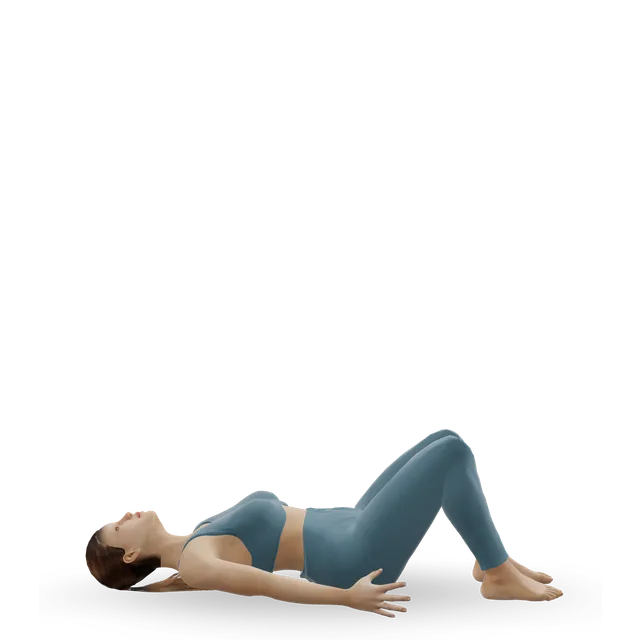
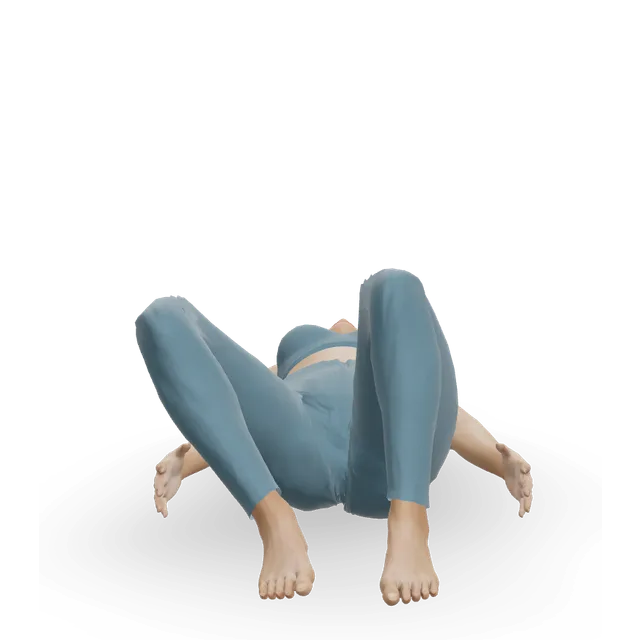
Bent-knee fall-outs, pelvic tilts into a bridge, knee folds and heel slides, each with a pelvic floor squeeze as you breathe out (our suggestion). Our men's pelvic floor class puts them together.
How do men find the pelvic floor?
Squeeze as if stopping your pee and holding in wind: in a mirror, the base of your penis draws in and your testicles lift. Don't hold your breath, and relax fully after each squeeze.
How long until I notice a difference?
POGP expects 3 to 6 months for pelvic floor exercises, and in a trial that added exercise to tablets, the difference showed at 3 months. Keep going even if the exercises don't seem to help at first.
Should I see a GP first?
Yes, if erection problems keep happening: they can be a sign of high blood pressure, high cholesterol or diabetes, and they often come before heart symptoms. Many sexual health clinics offer a walk-in service too.
Can Pilates replace erection tablets?
No. Tablets are the main treatment, and exercise works alongside them: in one small trial, the two together did better than tablets alone.
Is Pilates good for premature ejaculation?
No Pilates study exists. A review of small trials found pelvic floor training helped premature ejaculation, and POGP says good pelvic floor muscles may help prevent it; a GP or sexual health clinic can help if it bothers you.
Can Pilates make erectile dysfunction worse?
We found no evidence that it does. If squeezes bring on pain in your penis, testicles or bottom, stop them and get checked: tight muscles need relaxing, not more squeezing.
Is cycling bad for erections?
The evidence is mixed. Saddles without a nose, a recumbent bike and standing on the pedals take pressure off, and the NHS suggests a break if you cycle more than 3 hours a week.
When is it an emergency?
Chest pain or severe breathlessness during exercise or sex means stop and call 999. An erection that lasts more than 3 to 4 hours needs hospital treatment straight away, so go to A&E.
Exercise education, not a personal prescription, and clinical review of these guides is pending. If you are pregnant, have a health condition or have had recent surgery, check with a doctor, midwife or physiotherapist before starting, and stop for sharp or increasing pain. Health disclaimer.