Pilates
Steady-breathing Pilates for heart conditions: a 40-minute class with a long warm-up and a seated cool-down
A Pilates class for people with a heart condition, for after your cardiac rehab assessment or once your cardiac team agrees: a 15-minute warm-up that builds gradually, standing strength, a short block of head-level mat work, and a 10-minute cool-down sitting up. Keep breathing throughout and keep every effort at a level where you can talk. It adds strength and flexibility to your rehab and your walking or cycling; it never replaces them.
Warm up, about 15 minutes
- Seated march3 minBeginner · Hip flexors, Quads, Abs · 3D demoEasy, sitting tall; you should be able to chatHarder: Standing march
- Shoulder rolls10 each wayBeginner · Shoulders, Back, Neck · 3D demoElbows by your sidesHarder: Shoulder CARs (controlled articular rotations)
- Breath reach5 breathsBeginner · 3D demoOut-breath longer than the in-breath; in the first 6 weeks after a device, keep that elbow below shoulder heightHarder: Slow breathing (6 breaths a minute)
- Thoracic rotation5 each sideBeginner · 3D demoSeated, arms crossed; small after breastbone surgeryEasier: Side-lying open bookHarder: World's greatest stretch
- Standing hip CARs2 slow circles each legBeginner · Glutes, Hip flexors, Hip abductors · 3D demoHold the wall or a counterEasier: Hip circles on all foursHarder: 90/90 hip lift-off
- Standing march2 minBeginner · Hip flexors, Abs, Glutes · 3D demoA little briskerEasier: Seated marchHarder: Standing band hip flexion
- Wall calf stretch (gastrocnemius)15 s each sideBeginner · Calves · 3D demoKeep breathingEasier: Seated calf stretch with a towelHarder: Heel-on-step calf and hamstring stretch
- Standing march4 minBeginner · Hip flexors, Abs, Glutes · 3D demoBuild to breathing a little harder but talking easilyEasier: Seated marchHarder: Standing band hip flexion








Standing strength
- Sit to stand from a chair2 sets of 8 to 10Beginner · Quads, Glutes, Hamstrings · 3D demoBreathe out as you stand; after breastbone surgery, push on your thighs to stand, 5 to 8 timesEasier: Sit to stand, pushing on the thighsHarder: Bodyweight squat
- Beginner · Hip abductors, Glutes, Abs · 3D demoA hand on the wallHarder: Lateral band walk, band at the feet
- Slow calf raise10 to 15 slowBeginner · Calves · 3D demoHold a chair backEasier: Seated bent-knee calf raise (soleus raise)Harder: Standing dumbbell calf raise
- Wall push-up8 to 10Beginner · Chest, Triceps, Shoulders · 3D demoBreathe out as you push; after heart surgery or a new device, march on the spot instead until your team says arm work is fineHarder: Push-up
- Band row8 to 10Beginner · Back, Biceps, Shoulders · 3D demoA light band; the same swap after surgery or a new deviceHarder: Supported single-arm dumbbell row





Mat, head level
- Pelvic tilt into bridge8 slowBeginner · Glutes, Abs, Hamstrings · 3D demoGet down slowly using the chair; after breastbone surgery, repeat the standing block instead until your team agreesHarder: Glute bridge
- Knee fold5 each sideBeginner · Abs, Hip flexors · 3D demoHead down, pelvis stillEasier: Supine heel slideHarder: Dead bug heel taps
- Single-leg circle (Pilates one leg circle)5 circles each direction, each legBeginner · Abs, Hip flexors, Adductors · 3D demoBottom knee bent, small circlesHarder: Corkscrew (Pilates)
- Side kick (Pilates side kick series)8 each sideBeginner · Hip flexors, Glutes, Hip abductors · 3D demoHead resting on your lower armHarder: Side-lying leg circles (Pilates side kick series)
- Clamshell10 each sideBeginner · Hip abductors, Glutes · 3D demoThen roll to your side and sit for a few breaths before you get upEasier: Supine isometric hip abduction (belt press)Harder: Lateral band walk





Sit and cool down, about 10 minutes
- Cat-cow6 slow roundsBeginner · Back, Abs · 3D demoSeated, hands on your knees, head levelHarder: Half lord of the fishes (Ardha Matsyendrasana)
- Seated upper-back lift (sit tall, shoulders back)5 holds of 3 to 5 sBeginner · Back, Shoulders, Neck · 3D demoKeep breathingEasier: Elbows backHarder: Prone Y-T-W raises
- Mermaid (Pilates seated side bend)3 each direction, each sideBeginner · Back, Abs, Shoulders · 3D demoOn a chair; on the device side, reach out to the side, not overheadHarder: Side bend (Pilates)
- Beginner · 3D demoSitting, about 4 in and 6 out, no holdsEasier: Breath reachHarder: Crocodile breathing (prone diaphragmatic breathing)




Tips
- Do this class after your cardiac rehab assessment, or once your team agrees. Keep walking or cycling on most days: Pilates is an extra, not your cardio.
- Rate your effort while you exercise: you should be able to talk. On a beta blocker, go by how it feels, not your heart rate.
- Never hold your breath. Breathe out on each effort, and come out of any position after a few breaths.
- Don't lie down straight after the standing work, and stand up slowly after the mat.
- After bypass or valve surgery, keep your upper arms close when you push or lift, and don't put weight through your arms until your team says so. After a pacemaker or ICD (implanted defibrillator), keep that elbow below shoulder height for the first 4 to 6 weeks.
- With heart failure, skip the class on a day you feel more tired or breathless than normal, and weigh yourself first.
- Carry your GTN (glyceryl trinitrate) if you have angina. Stop for chest pain, dizziness or palpitations; call 999 if chest pain doesn't settle with rest and your GTN.
The doses are suggested starting points, not a prescription. Choose a range you can control and stop for sharp or increasing pain, numbness or tingling. Get individual advice after an injury or surgery, or if you are pregnant or managing a health condition.
Guides that recommend it
Find more moves like these
More pilates



Beginner Pilates workout
A 20-minute mat Pilates workout for complete beginners. It covers breathing, spine position and the foundation moves, each with an easier option.
20 minBeginner13 movesNo equipment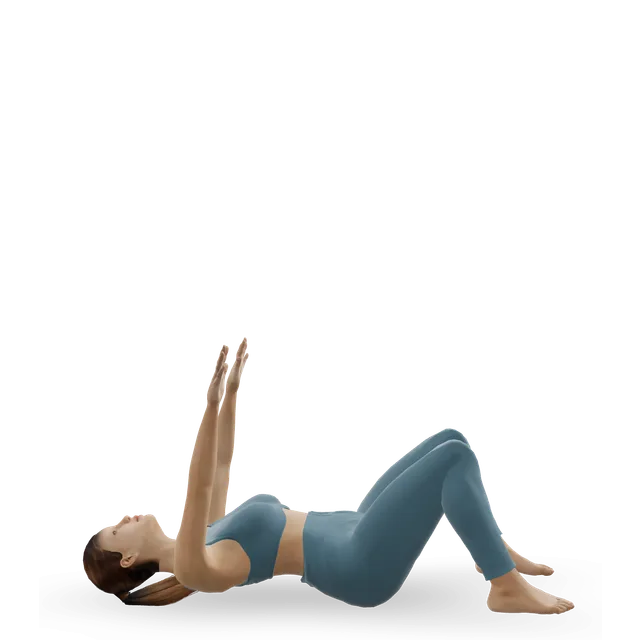

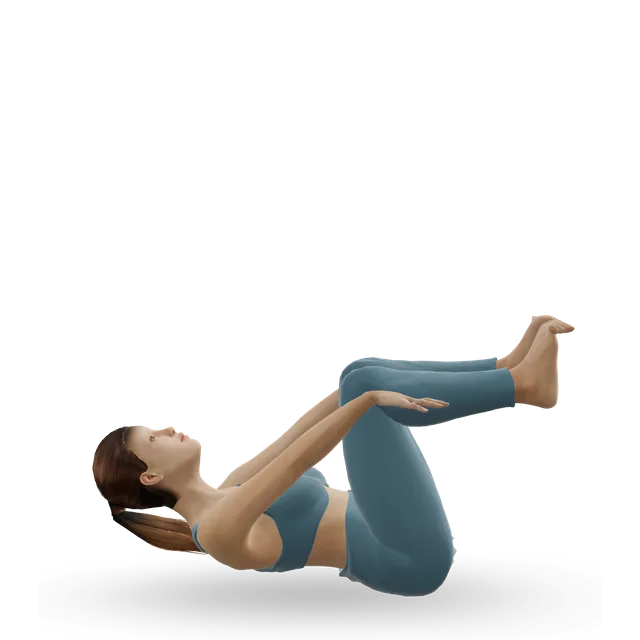
10-minute Pilates abs
Ten minutes of the classic Pilates abdominal series: the hundred, the roll-up and the series of five, with a plank to finish.
10 minIntermediate11 movesNo equipmentFull-body mat Pilates workout
A 30-minute intermediate mat Pilates class that follows the classical order, from the hundred to the push-up, with prep versions of the hardest moves.
30 minIntermediate22 movesNo equipmentQuestions people ask
How long does the steady-breathing pilates for heart conditions: a 40-minute class with a long warm-up and a seated cool-down take?
About 40 minutes, including any warm-up and cool-down listed. Shorten it by doing fewer rounds; lengthen it by adding one.
What equipment do I need?
You need: A bench or box, A wall, A band, An anchor point. Each move links to its guide, where you can find an alternative if you are missing something.
Is it suitable for beginners?
It is written for beginners. 10 of its 22 moves have an easier option listed beside them if you need one.
How do I make it easier or harder?
Use the easier or harder option listed under each move, change the number of rounds, or adjust the rest. Progress one change at a time.