Yoga guide

Yoga for the pelvic floor: what it does for leaks and prolapse, and how to let go as well as lift

Yoga can be a good way to stay active with a weak or leaky pelvic floor, but it doesn't replace pelvic floor exercises. In the largest trial, 240 women aged 45 to 90 who leaked every day did 12 weeks of pelvic floor yoga or a general stretching and strengthening programme: leaks fell by about 2 a day in both groups, with no clear difference.

Pelvic floor muscle training is the first treatment for leaking. NICE (the National Institute for Health and Care Excellence) says supervised exercise, for example yoga, may help alongside it, not instead of it. And not every pelvic floor needs strengthening: one that is too tight needs to learn to let go.

This guide covers what the trials show for leaks and prolapse, how to build the squeeze into your poses, letting go of a tight pelvic floor, pregnancy and men, the poses to change if you leak or have a prolapse, and when to see a GP. It ends with a free 30-minute class.

The short version

Pelvic floor exercises come first

NICE's first treatment for stress or mixed leaking is at least 3 months of supervised pelvic floor muscle training, with at least 8 squeezes 3 times a day. In a Cochrane review, training cured stress leaking in 56% of women, against 6% without it.

Sources 1, 2

Yoga helped about as much as general exercise

In 240 women who leaked every day, 12 weeks of pelvic floor yoga cut leaks by 2.3 a day, against 1.9 with stretching and strengthening: no clear difference. Both groups had a leaflet on pelvic floor exercises, and there was no untreated group. A Cochrane review found too few earlier trials to judge.

Sources 3, 4

Where NICE puts yoga

For women doing supervised pelvic floor training who want to be active, NICE says supervised exercise, "for example, yoga", may help with their symptoms. Its incontinence guideline also says not to recommend complementary therapies for leaking. Yoga goes alongside pelvic floor training, never instead of it.

Sources 5, 1

Lift as you breathe out, let go as you breathe in

The pelvic floor moves down as you breathe in and up as you breathe out, and the UK's pelvic health physiotherapists say to keep breathing and let the muscles relax fully after every squeeze. Movement with a deliberate pelvic floor squeeze may work slightly better than squeezes alone, on low-certainty evidence.

Sources 6, 7, 8, 9

Letting go matters as much as lifting

With pelvic pain, pain with sex or trouble emptying, the pelvic floor is often too tight, and relaxation-focused physiotherapy comes first. "It is just as important to have pelvic floor muscles that can relax as it is for them to be strong", the UK's pelvic health physiotherapists say.

Sources 10, 8

Change the poses that strain

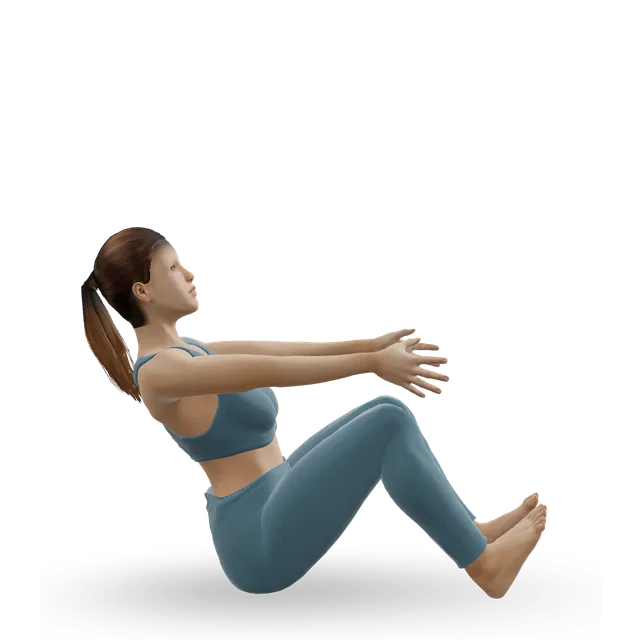
No study has measured pressure in the tummy during yoga poses. The UK's pelvic health physiotherapists suggest avoiding long rises in tummy pressure, such as double leg lifts, if you leak with exercise, so our suggestion is to change boat pose, double leg raises, jumps and fast, forceful breathing until you're dry. With a prolapse, the NHS advises avoiding heavy lifting, running and trampolining.

Sources 11, 8, 12

What pelvic floor yoga means

The pelvic floor, in a sentence

A sling of muscles from the pubic bone to the tailbone that supports the bladder and bowel (and the womb), tightens to keep you dry when you cough or lift, and relaxes to let you pee and poo. Everyone has one. The NHS describes stress leaking (with a cough, a laugh or a lift), urge leaking (with a sudden, strong need to go) and a mix of both.

Sources 8, 7, 13

Weak, too tight, or both

The muscles "can be weak, overstretched, slow to work, too tight or torn just like the other muscles of your body", POGP (Pelvic, Obstetric and Gynaecological Physiotherapy) says, and trouble emptying "may be due to poor relaxation of the pelvic floor muscles". In expert consensus, a too-tight (high-tone) pelvic floor is found in 80% of women with chronic pelvic pain. That's why this guide has two halves: lifting and letting go.

Sources 8, 10

What the trials called pelvic floor yoga

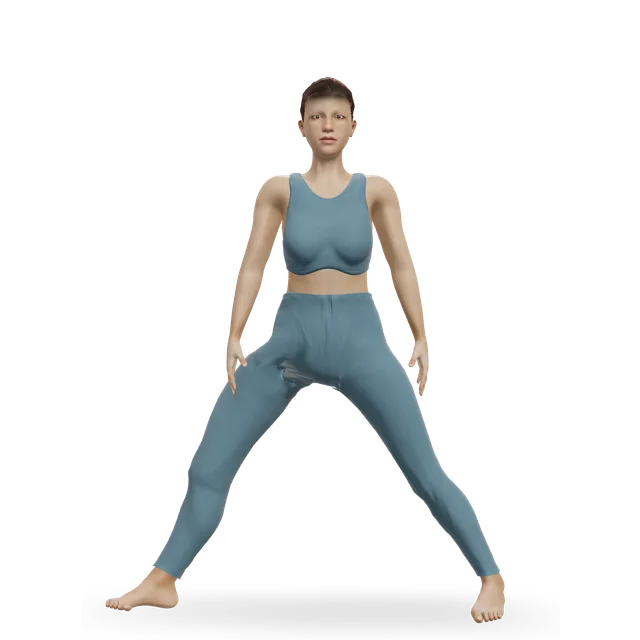
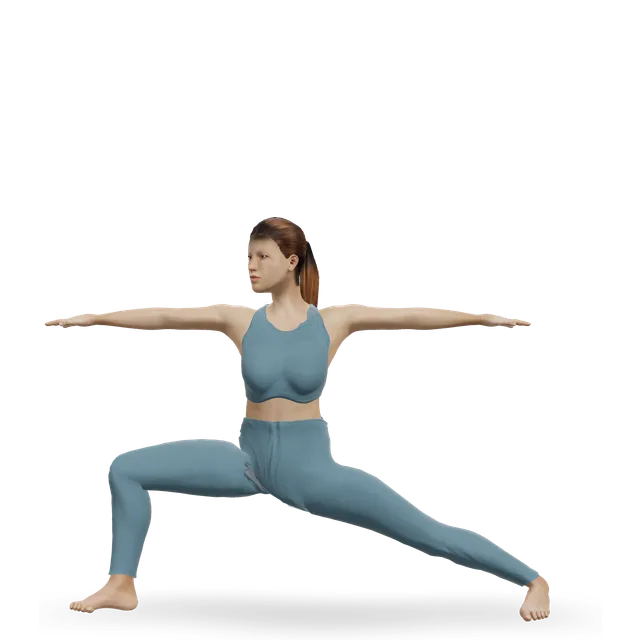
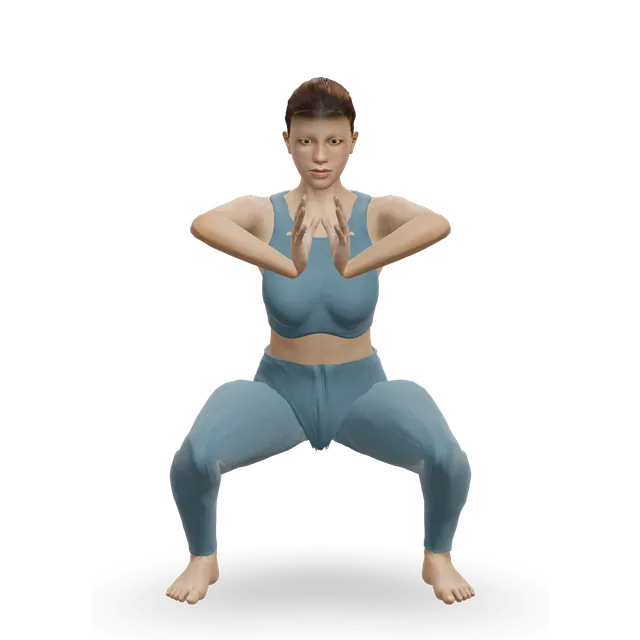
The University of California programme taught Iyengar-informed hatha poses with props, mixing "active postures engaging the pelvic floor and more passive postures promoting relaxation", in two 90-minute classes a week plus an hour at home, for 12 weeks. Its pilot used 15 poses, including mountain, chair, triangle, warrior II, a garland squat, a seated twist, bound angle, a supported bridge, locust and corpse pose.

Teachers drew attention to how each pose could help the pelvic floor. The papers don't say whether a squeeze was cued in every pose.

Sources 3, 14, 15

Mula bandha

Yoga's "root lock" is a pelvic floor lift. In two small Indian trials, a mula bandha programme changed prolapse symptoms by less than people notice, and didn't build pelvic floor strength more than no programme. Treat it like any pelvic floor squeeze: lift, then let go fully, rather than holding it all class (our suggestion, following POGP's advice to relax fully after every squeeze).

Sources 16, 17, 8

Who this guide is for

Women with leaking, an overactive bladder, a mild prolapse, a tight pelvic floor or pelvic pain; women in pregnancy and after birth; and men with leaking after prostate surgery or chronic pelvic pain. Our pelvic floor exercises guide covers the squeezes themselves in detail.

Sources 13, 12

What the evidence says

Leaks: about as good as general exerciseEmerging evidence

In the largest trial, 240 women aged 45 to 90 with daily leaks (3.4 a day on average) did 12 weeks of pelvic floor yoga or a time-matched stretching and strengthening programme. Leaks fell by 2.3 a day with yoga and 1.9 with the other programme, a difference of 0.3 a day that could have been zero.

Leaks fell by more than 60% in the yoga group, but both groups had a leaflet on pelvic floor exercises and bladder training, there was no untreated group, and leaking often eases over time, so the trial can't say how much of the fall was down to yoga.

Source 3

Safety in the same trialEmerging evidence

Side effects were about as common with yoga as with stretching and strengthening (45 against 47), and the one serious event, in the stretching group, was unrelated. At 24 weeks, 79% and 73% of the women followed up were still practising.

Source 3

Urge leaks, sex and sleepEmerging evidence

In 140 women with an overactive bladder who leaked, urge leaks fell about as much with yoga as with stretching, though a urinary distress score improved by about 7 points more with yoga. Sexual function and sleep were no better with yoga than with stretching.

Sources 18, 19, 20

Earlier, smaller trialsMixed evidence

In 19 women, 6 weeks of yoga cut leaks by 70%, against 13% on a waiting list. In 56 women aged 55 to 83, 3 months of yoga cut leaks by 76% against 56% with stretching and strengthening, a difference that could have been chance, though stress leaks fell more (61% against 35%). A 2019 Cochrane review of the 2 earliest trials (49 women) couldn't say whether yoga helps, on very low-certainty evidence.

Sources 21, 15, 4

Pelvic floor muscle training comes firstStrong evidence

NICE: "Offer a trial of supervised pelvic floor muscle training of at least 3 months' duration as first-line treatment to women with stress or mixed urinary incontinence", with at least 8 squeezes 3 times a day. In a Cochrane review, training cured stress leaking in 56% of women against 6% without it, on high-quality evidence, and an overview of Cochrane reviews found it beat no treatment for every type of leaking.

Sources 1, 2, 22

What NICE says about yogaStrong evidence

NICE's pelvic floor guideline: "For women who are doing supervised pelvic floor muscle training and want to be physically active, advise them that supervised exercise (for example, yoga) may help with their symptoms." It says supervised because "certain exercises, if done incorrectly, can weaken the pelvic floor by increasing intra-abdominal pressure".

Its incontinence guideline says: "Do not recommend complementary therapies for the treatment of urinary incontinence or overactive bladder." So NICE doesn't recommend yoga for leaking. It says supervised exercise such as yoga may help alongside supervised pelvic floor training.

Sources 5, 23, 1

Squeezing on purpose while you moveMixed evidence

In Cochrane's 2024 review, exercise without deliberate pelvic floor squeezes worked less well than direct training, and movement with a deliberate squeeze may have done slightly better than squeezes alone (both low certainty). A 2026 review of 14 trials (797 women) found other exercise, yoga included, about as good as pelvic floor training for stress leaking. The reviews disagree, so do your squeezes, and squeeze on purpose during yoga.

Sources 9, 24, 25

Yoga or PilatesMixed evidence

Two small trials favoured yoga. In 30 women aged 60 and over, yoga eased leaking more than Pilates, but each care centre was given one programme, so differences between centres could explain it. In 46 women, yoga-based breathing training improved quality of life and relaxed the pelvic floor more than Pilates-based breathing, though both helped. Neither beat pelvic floor training.

Sources 26, 27

Other studiesMixed evidence

An online yoga-Pilates programme in 60 women improved a leaking score by less than people notice, gentle yoga in 12 women with urge leaking caused no problems, and pelvic floor training plus yoga worked better supervised than unsupervised in 91 older women. Reviews say the recent trials support yoga's safety, but it hasn't been shown to beat general strengthening.

Sources 28, 29, 30, 31, 32

Which poses switch the pelvic floor onEmerging evidence

In a lab study with sensors near the anus, locust pose switched the pelvic floor on most of the poses tested (63.5% of a maximal squeeze), then side angle (35.3%), side plank (29.1%) and a front plank (26.3%). It's one small study, and it measured muscle activity, not leaks.

Source 33

SexMixed evidence

Across 23 studies, exercise (yoga among it) improved a female sexual function score by about 5 points, on low-certainty evidence. In 46 women, yoga added to pelvic floor exercises helped straight after the course but not a month later, and in the largest trial, pelvic floor yoga did no better than stretching.

Sources 34, 35, 19
How much, and how to practise

Daily pelvic floor exercises

NICE: at least 8 squeezes 3 times a day, for at least 3 months, ideally supervised. The pelvic floor exercise move's page: start with 8 slow holds of up to 10 seconds and 8 quick squeezes, three times a day, building towards 10 of each. POGP expects an improvement in 3 to 5 months for women and 3 to 6 for men.

Sources 1, 8, 7

Yoga 2 or 3 times a week

The largest trial used two 90-minute classes a week plus an hour at home, for 12 weeks, and the first pilot two classes a week for 6 weeks. Our editorial starting point: daily pelvic floor exercises, plus our 30-minute class 2 or 3 times a week for at least 12 weeks, judged at 3 months as NICE advises for pelvic floor training.

Sources 3, 21, 1

Lift on the out-breath

Breathe in and let your belly and pelvic floor soften; breathe out and lift the pelvic floor gently, as if stopping wind and pee; then let it go fully. POGP's men's leaflet says you "are more likely to breathe easily if you lift your pelvic floor on your out-breath", and its women's leaflet says to keep breathing and keep your buttocks and legs relaxed. The Bladder and Bowel Community adds: avoid tightening your upper tummy.

Sources 6, 7, 8, 36

Squeeze before you cough or lift

POGP calls it the knack: "tighten your pelvic floor muscles before any activity which involves a rise in intra-abdominal pressure", such as coughing, sneezing, lifting, carrying and bending. The NHS says to tighten them "before and during the lift".

Sources 8, 37

Why supervision helps

NICE specifies supervised exercise because some exercises done incorrectly can weaken the pelvic floor by raising pressure in the tummy. The Chartered Society of Physiotherapy says your GP can refer you to a specialist physiotherapist, who can check your squeeze. A yoga teacher can help you adapt poses (our suggestion).

Sources 23, 38

How to build the squeeze into a pose

Keep breathing, relax fully after every squeeze and lift on the out-breath: POGP's advice. Mountain pose's page gives 5 to 10 slow breaths, 2 or 3 times. Building the squeeze into each pose is our suggestion: the trials don't say whether every pose cued it.

  1. Stand in mountain pose with your feet hip-width apart, knees soft and your weight even on both feet.
  2. Breathe in through your nose and let your belly and pelvic floor soften.
  3. As you breathe out, lift your pelvic floor gently, as if stopping yourself passing wind and peeing, without squeezing your buttocks or holding your breath.
  4. Breathe in and let it go completely.
  5. Repeat for 5 to 10 slow breaths, then carry the same rhythm into chair pose, warrior II and the other standing poses.
  6. If you feel leaking, heaviness or a bulge, make the pose smaller or sit down.

See the movement on the 3D figure: Mountain pose (Tadasana)

A tight pelvic floor and pelvic pain

Relaxation comes firstStrong evidence

In a 2024 expert treatment algorithm, relaxation-focused pelvic floor physiotherapy is the first treatment for a tight (high-tone) pelvic floor, with guided relaxation at home when physiotherapy isn't available. With pelvic pain, pain with sex or trouble emptying, don't add squeezes until you've been assessed: more squeezing can make a tight pelvic floor worse.

Sources 10, 8

Yoga in pelvic painMixed evidence

In 16 women, 6 weeks of Iyengar-based yoga was followed by 29% less worst pain, with no comparison group. A 36-woman trial compared remote pelvic yoga with stretching to test whether a full trial was feasible, and in 60 women, yoga added to anti-inflammatory tablets did better than the tablets alone. Yoga-based breathing lowered resting pelvic floor activity in 46 women with leaking.

Sources 39, 40, 41, 27

How to practise letting go

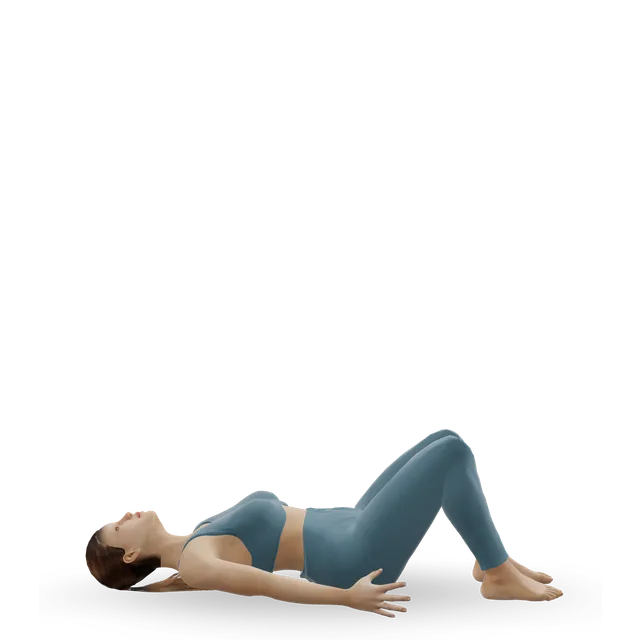
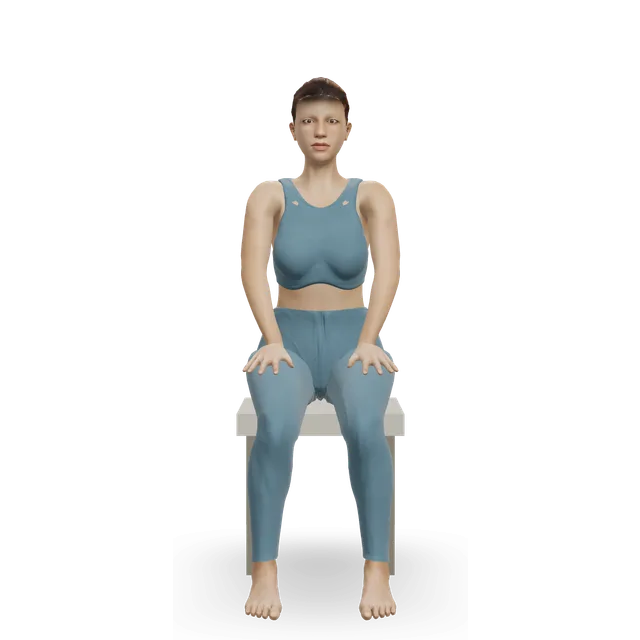
Lie on your back with your knees bent and supported, or sit supported:

  • Breathe in slowly through your nose and let your belly widen and your pelvic floor soften and drop.
  • Breathe out gently, without pushing or straining.
  • Repeat for 5 to 10 slow breaths, 1 to 3 times a day (the pelvic floor relaxation move's page), and let go fully after every squeeze in your pelvic floor routine.
  • Supported rest poses, such as reclining bound angle, happy baby and child's pose with your knees wide, are comfortable places to practise.

Sources 10, 8

Men with chronic pelvic painMixed evidence

In a crossover trial of 40 men with chronic pelvic pain syndrome, an hour of supervised yoga a day for 6 weeks cut symptom scores by 8.4 points, against 10.8 with two tablets (alfuzosin and amitriptyline), a difference that could have been chance. The tablets helped urinary symptoms more, and side effects were less common with yoga (10% against 27.5%). It's one small trial.

Source 42

Prolapse, pressure and the poses to change

Pelvic floor training firstStrong evidence

In the POPPY trial (447 women), one-to-one pelvic floor training eased prolapse symptoms more than a leaflet at 12 months. NICE: "Consider a programme of supervised pelvic floor muscle training for at least 16 weeks as a first option" for a mild prolapse. The NHS advises avoiding heavy lifting, running and trampolining, and doing regular pelvic floor exercises.

Sources 43, 1, 12

No other exercise has done betterStrong evidence

A review of 7 trials of other programmes (hypopressive exercise, yoga, breathing and upside-down hip exercises) found "no evidence that other exercise programs are more effective than PFMT" (pelvic floor muscle training) for prolapse. The trials labelled yoga included regular pelvic floor training, and adding upside-down hip exercises didn't improve prolapse stage. We found no trial of yoga inversions for prolapse.

Sources 44, 45

Mula bandha for a mild prolapseMixed evidence

In 50 women with a mild prolapse, 12 weeks of mula bandha added to usual treatment improved a symptom score by 5.7 points more than usual treatment alone, well below the 15 points that make a clinical difference.

Source 16

Pressure in the tummy: what is knownMixed evidence

We found no study measuring pressure in the tummy during yoga poses. In 147 women with pelvic floor problems, standing up from a chair and coughing raised it more than lifting 10 or 20 lb (about 4.5 or 9 kg). In 53 women, "pelvic floor safe" versions of exercises often raised it no less than the usual versions, and in a lab study, Pilates moves raised it no more than standing up from a chair, on average.

In 15 women after birth, a crunch widened the opening in the pelvic floor muscles, while bird dog and a plank behaved like a squeeze. The only yoga imaging is one volunteer's MRI and an ultrasound study of fast yoga breathing in 15 teachers, which gave a mixed picture.

Sources 11, 46, 47, 48, 49, 50, 51

The poses to change if you leak or have a prolapse

Our suggestion, applying POGP's advice to avoid "prolonged increases in intra-abdominal pressure e.g. double leg lifts" if you leak with exercise, and the NHS's prolapse advice. While you leak or have a prolapse:

  • Change or leave out boat pose, double leg raises and long curl-ups.
  • Step back rather than jump in sun salutations and flowing classes.
  • Keep squats shallow rather than deep, such as the garland squat.
  • Leave out fast, forceful breathing such as kapalabhati.
  • Never hold your breath and bear down.
  • Stop any pose that brings on leaking, heaviness, dragging or a bulge, and make it smaller.

Sources 8, 12, 11

Why this is caution, not evidence of harm

No study has measured pressure in the tummy during yoga poses, so these swaps are our caution, not proof that the poses cause harm. NICE's reason for supervised exercise is the same worry: that some exercises, done incorrectly, raise pressure in the tummy.

Sources 11, 23

Pregnancy, after birth and men

Pelvic floor training in pregnancyStrong evidence

In women who didn't leak beforehand, pelvic floor training in pregnancy lowered the chance of leaking late in pregnancy by about 62% (moderate certainty) and 3 to 6 months after the birth by about 29% (high certainty). NICE encourages pelvic floor training in pregnancy.

Sources 52, 5

Yoga in pregnancy and after birthMixed evidence

In one trial of 200 women, yoga from 13 to 20 weeks of pregnancy improved pelvic floor symptom scores in more women than usual care (24% against 8%). In 128 women after a vaginal birth, not randomised, weekly yoga went with better organ position on ultrasound at 3 months. From the end of the first trimester, keep time flat on your back short; our yoga in pregnancy guide covers timing.

Sources 53, 54

Men after prostate surgeryStrong evidence

NICE: "Offer supervised pelvic floor muscle training to men with stress urinary incontinence caused by prostatectomy", and continue for at least 3 months, though the trials in a Cochrane review were mixed. We found no trial of yoga for leaking after prostate surgery. Prostate Cancer UK says Pilates and yoga "may also help to strengthen the pelvic floor muscles". Don't do the squeezes while a catheter is in; start once it's out.

Sources 55, 56, 57, 58

Yoga and prostate cancer treatmentMixed evidence

During radiotherapy, yoga eased fatigue and sexual function scores in 50 men, but not the urinary symptom score. In 29 men, 6 weeks of yoga before prostate removal improved sexual and quality of life scores. A review of 5 studies (129 men) said it was "premature to draw definitive conclusions".

Sources 59, 60, 61

Find the squeeze and the release

Pelvic floor exercise: start with 8 slow holds of up to 10 seconds and 8 quick squeezes, three times a day. Pelvic floor relaxation: 5 to 10 slow breaths, 1 to 3 times a day. Slow breathing: at least 5 minutes (the moves' pages). Crocodile breathing: 1 minute to settle (our daily pelvic floor workout).

Standing poses from the trial programme

Mountain pose: 5 to 10 slow breaths, 2 or 3 times (the move's page). Chair pose: 3 holds of 5 breaths; warrior II: 5 breaths each side (our yoga for balance class). Triangle: 3 breaths each side (our yoga for high blood pressure class). Side angle: 5 breaths each side, forearm on your front thigh (our vinyasa flow for beginners). Lift gently on each out-breath.

On the floor

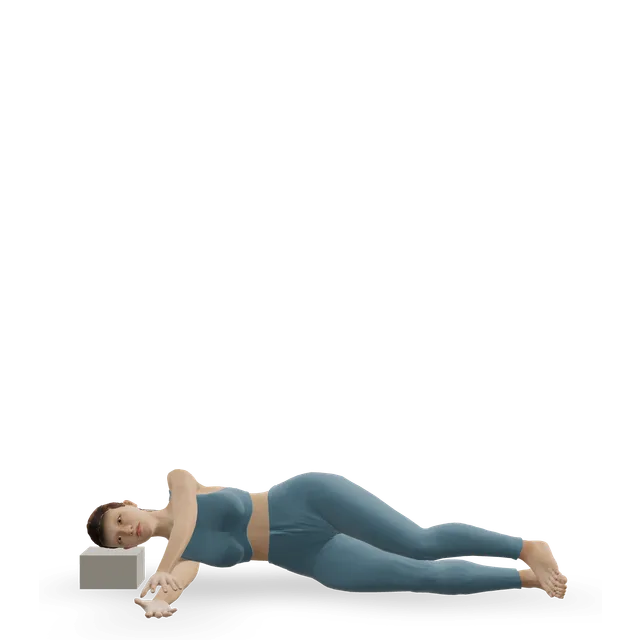
Locust: 3 holds of 3 breaths (our yoga for menopause class). Pelvic tilt into bridge: 6 to 8 slow reps, squeezing on the way up and letting go at the bottom; bird dog, one limb at a time: 5 each arm and leg (our Pilates for your pelvic floor workout). The strap stretch: 45 seconds each side (our yoga for runners). The lying twist: 30 seconds each side (our yoga for high blood pressure class).

Let go

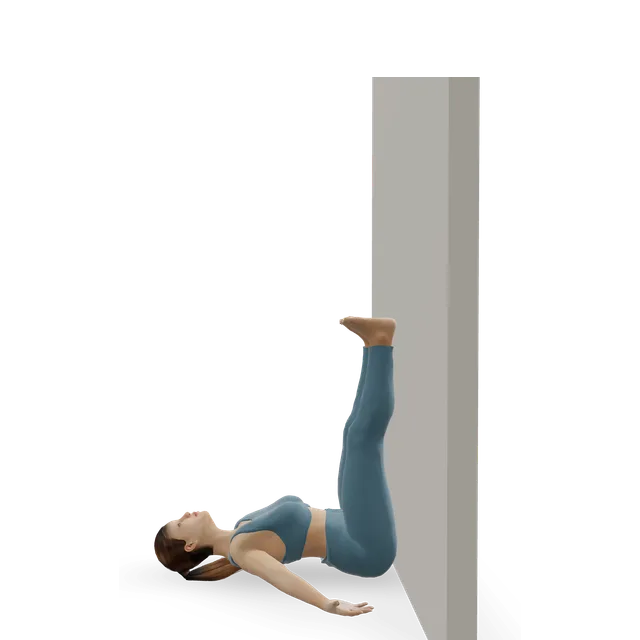
Happy baby: hold 30 to 60 seconds, about 5 to 10 slow breaths, 2 rounds; reclining bound angle: rest 2 to 5 minutes with a support under each thigh; corpse pose: at least 5 minutes, up to 10 (the moves' pages). Child's pose: 1 minute with your knees wide (our pelvic floor relaxation routine). Legs up the wall: 2 minutes with your hips on the floor (our long COVID routine); its page's cautions apply in pregnancy and with glaucoma or high blood pressure that isn't under control.

Poses to change while you leak or have a prolapse

Our suggestion, applying POGP's advice on double leg lifts: leave out boat pose, step back rather than jump in sun salutations, and keep squats shallow (the deep squat's page: ease off if you feel heaviness, dragging or a bulge). No study has measured pressure in the tummy during these poses.

Free classes and routines

Do the daily pelvic floor workout every day, and our 30-minute class 2 or 3 times a week. With pelvic pain, pain with sex or trouble emptying, use the relaxation routine instead of the squeezes. With a prolapse, the prolapse strength workout has no impact or crunches. In pregnancy, use the prenatal class; after birth, the postnatal exercises.

Yoga for the pelvic floor: a 30-minute class with the squeeze built in

A 30-minute yoga class for your pelvic floor: poses from a trial programme, a gentle lift as you breathe out, a full release, and supported rest poses.

30 minBeginner17 movesA step, Firm cushion

Daily pelvic floor workout

A 5-minute daily pelvic floor workout for women and men: slow holds and quick squeezes, three times a day, with how to find the right muscles.

5 minBeginner2 movesNo equipment

Pelvic floor relaxation exercises

An 8-minute routine for a tight pelvic floor: slow breathing and comfortable positions to help the muscles let go, with no strengthening squeezes.

8 minBeginner5 movesFirm cushion

Pilates for your pelvic floor: squeeze, move, release

A 20-minute Pilates workout for your pelvic floor, built on UK pelvic health physiotherapists' booklet: squeeze as you breathe out, move, then fully release.

20 minBeginner18 movesA wall, A bench or box

Strength workout with a prolapse: pelvic floor first, no impact, no crunches

A 25-minute strength workout for a pelvic organ prolapse: pelvic floor squeezes, sit-to-stands, push-ups, rows, bridges and side-lying work, with no jumping or crunches.

25 minBeginner12 movesA bench or box, A wall

Prenatal yoga workout (no lying on your back)

A 20-minute prenatal yoga workout for any trimester: seated breathing, all-fours and kneeling poses, supported standing poses and rest, none flat on your back.

20 minBeginner15 movesA step, A wall

Postnatal exercises

A gentle 25-minute routine for the first weeks after birth: pelvic floor, breathing, tummy and hip exercises on the floor, sit-to-stands and a walk.

25 minBeginner12 movesA bench or box, Cardio machine

Gentle yoga for beginners

A 25-minute gentle yoga class for complete beginners and over-50s: slow breathing, a warm-up, supported standing poses, floor poses and a closing rest.

25 minBeginner14 movesNo equipment

When to see a GP, and urgent signs

These follow the NHS and our pelvic floor exercises guide. A&E means accident and emergency. In the US, call 911 for 999.

Go to A&E or call 999

These can be signs of a serious problem with the nerves at the base of the spine (cauda equina syndrome), or of a serious infection. Don't drive yourself to A&E.

  • Numbness around or under your genitals, or around your bottom.
  • Finding it hard to start peeing, being unable to pee, or being unable to control when you pee, when this isn't normal for you.
  • Not noticing when you need to poo, or being unable to control it, when this isn't normal for you.
  • Sciatica in both legs, or weakness or numbness in both legs that is severe or getting worse.
  • With prostatitis symptoms: sudden confusion or slurred speech; blue, grey, pale or blotchy skin, lips or tongue; a rash that doesn't fade when you roll a glass over it; or severe difficulty breathing.

Sources 62, 63

Get an urgent GP appointment or call NHS 111

If:

  • Blood in your pee, or you think there may be: it can look pink, red or dark brown, and it must be checked because it can be a sign of cancer.
  • You can't pee at all.
  • Prostatitis that isn't better after 48 hours of antibiotics, or is getting worse.

Sources 64, 63

See a GP soon

If you have:

  • Any leaking of urine. The NHS says it is common and you shouldn't feel embarrassed.
  • A lump in or around your vagina, or a feeling of heaviness or a bulge.
  • Pain when peeing, difficulty peeing, needing to pee more often, pain in the penis, scrotum, testicles or bottom, pain when you ejaculate, or a high temperature: possible prostatitis.
  • Pain during or after pelvic floor exercises, pelvic pain, pain with sex, or trouble emptying your bladder or bowel.
  • Leaking that isn't better after about 3 months of regular exercises, or leaking of poo as well as pee.

Sources 13, 12, 63, 8, 10, 1

Get checked before you rely on exercises

For women who leak, NICE suggests specialist referral when it comes with lasting pain in the bladder or urethra, a bladder that can still be felt after peeing, trouble emptying the bladder, a lump in the pelvis, leaking of poo, signs of a nerve condition, or past continence surgery, pelvic cancer surgery or pelvic radiotherapy. For men, it refers bladder symptoms that come with repeated urine infections, a bladder that won't empty, kidney problems or suspected cancer. If any of these apply to you, see a doctor rather than only doing exercises.

Sources 1, 55

Bleeding after the menopause

See a GP if you notice bleeding from your vagina after the menopause, "even if it's only a small amount or it's only happened once", the NHS says.

Source 65

During yoga

Stop a pose that brings on leaking, heaviness, dragging, a bulge or pain, and make it smaller or leave it out. POGP says pain when you exercise the pelvic floor, or tummy or pelvic pain afterwards, needs advice from a specialist physiotherapist; meanwhile, stop adding squeezes and use the relaxation practice (our suggestion). For men's symptoms such as a weak flow or dribbling, see our pelvic floor exercises guide.

Source 8

Myths

"Yoga tones your pelvic floor better than pelvic floor exercises"Emerging evidence

No trial shows yoga beating pelvic floor training, which cures stress leaking in 56% of women against 6% without it. In the largest trial, yoga did about as well as stretching and strengthening. Exercise without deliberate squeezes worked less well in Cochrane's 2024 review (low certainty), though a 2026 review found other exercise about as good. NICE puts yoga alongside supervised training, not instead of it.

Sources 2, 3, 9, 24, 5

"Mula bandha works better than Kegels"Mixed evidence

Mula bandha is a pelvic floor lift. In two small trials, it changed prolapse symptoms by less than people notice and didn't build strength more than no programme. Lift and let go fully, as with any pelvic floor squeeze.

Sources 16, 17, 8

"Breath of fire strengthens the pelvic floor"Mixed evidence

No trial supports it. In 15 yoga teachers, fast breathing gave a mixed picture on ultrasound, and fast breathing caused more side effects than slow breathing in trials of pranayama.

Sources 50, 66

"Resting poses are the best pelvic floor strengtheners"Mixed evidence

Resting poses such as constructive rest and knees-to-chest don't train strength: they help a tight pelvic floor let go. Strength comes from deliberate squeezes.

Sources 10, 8, 2

"Upside-down poses fix a prolapse"Mixed evidence

Upside-down hip exercises added to pelvic floor training didn't improve prolapse stage, and we found no trial of yoga inversions for prolapse. One-to-one pelvic floor training eased symptoms in 447 women.

Sources 44, 45, 43

"If you leak, you should stop yoga"Emerging evidence

Leaks fell by more than 60% in the yoga group of the largest trial, with no more side effects than stretching, and NICE says supervised exercise such as yoga may help alongside pelvic floor training. Adapt the poses that bring on leaking.

Sources 3, 5

"The tighter your pelvic floor, the better"Emerging evidence

A pelvic floor can be too tight, and with pelvic pain, relaxation comes first. "It is just as important to have pelvic floor muscles that can relax as it is for them to be strong."

Sources 10, 8

"Yoga can save you from surgery or medicines"Strong evidence

NICE's path for leaking and prolapse is pelvic floor training first, then other treatments if it isn't enough. No trial compares yoga with them: yoga is an extra.

Source 1

Questions people ask

Is yoga good for the pelvic floor?

It can be a helpful addition. In the largest trial, 12 weeks of pelvic floor yoga cut leaks by about 2 a day, about as much as a stretching and strengthening programme. Pelvic floor exercises are still the first treatment, and NICE says supervised exercise such as yoga may help alongside them.

Can yoga replace pelvic floor exercises (Kegels)?

No. Pelvic floor training cured stress leaking in 56% of women, against 6% without it, and no trial shows yoga doing better. Do your squeezes every day and add yoga if you enjoy it.

Which yoga poses are best for the pelvic floor?

In a lab study, locust pose switched the pelvic floor on most, then side angle, side plank and a front plank. The trial programme used standing poses such as mountain, chair, triangle and warrior II, floor poses such as locust and a supported bridge, and rest poses. Whichever you do, lift your pelvic floor gently as you breathe out and let it go fully as you breathe in.

Is yoga or Pilates better for the pelvic floor?

Two small trials favoured yoga, but neither is big enough to settle it, and neither beat pelvic floor training. Choose the one you'll keep doing, and squeeze on purpose during it.

Can yoga help a tight pelvic floor?

Slow breathing and supported rest poses can help the muscles let go, and in 46 women, yoga-based breathing lowered resting pelvic floor activity. If you have pelvic pain, pain with sex or trouble emptying, don't add squeezes: relaxation-focused physiotherapy is the first treatment.

Is yoga safe with a prolapse?

Usually, with changes. Skip jumps, deep squats and long, hard holds such as boat pose, and stop any pose that brings on heaviness, dragging or a bulge. Pelvic floor training is the first treatment for a mild prolapse.

Which poses should I avoid if I leak?

No study has measured pressure in the tummy during yoga poses. The UK's pelvic health physiotherapists suggest avoiding long rises in tummy pressure, such as double leg lifts, if you leak with exercise, so our suggestion is to leave out boat pose, double leg raises, jumping and fast, forceful breathing for now. Never hold your breath and bear down.

What is mula bandha, and does it help?

Mula bandha, yoga's "root lock", is a pelvic floor lift. Two small trials found little or no benefit over usual care or no programme. Treat it like any pelvic floor squeeze: lift, then let go fully, rather than holding it all class.

Does yoga help the pelvic floor in men?

We found no trial of yoga for leaking after prostate surgery; NICE recommends supervised pelvic floor training. In one small trial of 40 men with chronic pelvic pain, symptoms eased nearly as much with an hour of yoga a day as with two tablets, and Prostate Cancer UK says yoga and Pilates may also help strengthen the pelvic floor.

Can I do pelvic floor yoga in pregnancy or after birth?

Yes, if your midwife or doctor agrees. Pelvic floor exercises in pregnancy lower the chance of leaking late in pregnancy and after the birth, and in one trial of 200 women, yoga in pregnancy improved pelvic floor symptoms. From the end of the first trimester, keep time on your back short.

How long before I notice a difference?

The UK's pelvic health physiotherapists say you should notice an improvement after 3 to 5 months of regular pelvic floor exercises, or 3 to 6 months for men, and NICE judges a programme at 3 months. The yoga trials ran for 6 to 12 weeks.

When should I see a doctor about my pelvic floor?

See a GP about any leaking, a lump or bulge in or around your vagina, blood in your pee, or bleeding after the menopause. New numbness around your genitals or bottom, or suddenly being unable to pee or control your bladder or bowel, needs A&E or 999.

Sources

  1. NICE NG123 · Urinary incontinence and pelvic organ prolapse in women: management (recommendations, 2019)
  2. Dumoulin 2018 · Pelvic floor muscle training against no treatment for leaking in women: 31 trials, 1,817 women (Cochrane review)
  3. Huang 2024 · Pelvic yoga or a physical conditioning programme for leaking: 240 women aged 45 to 90 (randomised trial, Ann Intern Med; full text read)
  4. Wieland 2019 · Yoga for urinary incontinence in women: 2 trials, 49 women (Cochrane review)
  5. NICE NG210 · Pelvic floor dysfunction: prevention and non-surgical management (recommendations, 2021)
  6. Talasz 2011 · The diaphragm and pelvic floor move together when breathing and coughing: 8 women (dynamic MRI study, Int Urogynecol J)
  7. POGP 2021 · Pelvic floor muscle exercises and advice for men (Pelvic, Obstetric and Gynaecological Physiotherapy; past its review date: reviewed 2021, review due 2025)
  8. POGP 2018 · The pelvic floor muscles: a guide for women (Pelvic, Obstetric and Gynaecological Physiotherapy; past its review date: reviewed 2018, review due 2024)
  9. Hay-Smith 2024 · Ways of doing pelvic floor muscle training for leaking in women: 63 trials (Cochrane review)
  10. Torosis 2024 · A treatment algorithm for a tight (high-tone) pelvic floor (expert consensus, Obstet Gynecol)
  11. Europe PMC · Search for yoga poses or yoga breathing and pressure in the tummy, the bladder neck or pelvic floor activity: 8 records, none measuring pressure in the tummy during poses (26 October 2026)
  12. NHS · Pelvic organ prolapse (last reviewed July 2025)
  13. NHS · Urinary incontinence (past its review date: reviewed June 2023, review due June 2026)
  14. Nicosia 2020 · The 15 poses of a pelvic floor yoga programme and how women managed them (methods paper from a trial, BMC Complement Med Ther; full text read)
  15. Huang 2019 · A group yoga programme for leaking: 56 women aged 55 to 83 (pilot randomised trial, Am J Obstet Gynecol; full text read)
  16. Sweta 2018 · Mula bandha yoga for mild prolapse: 50 women (randomised trial, Int J Yoga)
  17. Sweta 2021 · Mula bandha yoga and pelvic floor strength in 50 healthy women (randomised trial, J Ayurveda Integr Med)
  18. Enemchukwu 2026 · Pelvic floor yoga in 140 women with an overactive bladder and leaking (subgroup analysis of a randomised trial, Int Urogynecol J)
  19. Yang 2026 · Sexual function in a randomised trial of pelvic yoga for leaking (secondary analysis, Urogynecology)
  20. Hough 2025 · Hatha yoga or physical conditioning and sleep in women with leaking (secondary analysis of a randomised trial, JAMA Netw Open)
  21. Huang 2014 · Group yoga for leaking: 19 women (pilot randomised trial, Female Pelvic Med Reconstr Surg)
  22. Todhunter-Brown 2022 · Conservative treatments for leaking in women: an overview of Cochrane reviews (Cochrane)
  23. NICE NG210 · Pelvic floor dysfunction: rationale and impact (2021)
  24. Hao 2026 · Other exercise against pelvic floor training for stress leaking: 14 trials, 797 women (systematic review and meta-analysis, Int Urogynecol J)
  25. Hao 2026 · Physical therapy for leaking in older women: 20 trials (systematic review, Arch Gerontol Geriatr)
  26. Kannan 2022 · Yoga, Pilates or pelvic floor training for leaking in 30 women aged 60 and over (pilot trial randomised by care centre, Complement Ther Clin Pract)
  27. Girit Özden 2026 · Yoga-based or Pilates-based breathing training for leaking: 46 women (randomised trial, Int Urogynecol J)
  28. Cramer 2023 · An 8-week online yoga-Pilates programme for leaking: 60 women (cohort study, Urogynecology)
  29. Tenfelde 2021 · Gentle yoga for urge leaking: 12 women (pilot study, Female Pelvic Med Reconstr Surg)
  30. Chao 2022 · Pelvic floor training and yoga, supervised or not, in 91 older women (randomised study, Geriatr Nurs)
  31. Kopkin 2025 · Yoga, Pilates and the pelvic floor (review, Curr Opin Obstet Gynecol)
  32. Bø 2013 · Exercise other than pelvic floor training for stress leaking: no strong evidence yet (systematic review, J Physiother)
  33. Blagg 2023 · Pelvic floor muscle activity in selected yoga poses (lab study, Complement Ther Clin Pract)
  34. Ruiz-Pérez 2026 · Exercise and sexual dysfunction in women: 23 studies (systematic review and meta-analysis, J Sex Med)
  35. Tabatabaie 2024 · Yoga with pelvic floor exercises and sexual function: 46 women (randomised trial, Int J Community Based Nurs Midwifery)
  36. Bladder and Bowel Community · Pelvic floor exercises
  37. NHS · Urinary incontinence: 10 ways to stop leaks (past its review date: reviewed June 2023, review due June 2026)
  38. Chartered Society of Physiotherapy · Pelvic floor exercises (reviewed October 2021)
  39. Huang 2017 · Group yoga for chronic pelvic pain: 16 women (feasibility study with no comparison group, Pain Med)
  40. Huang 2025 · Remote pelvic yoga or stretching for chronic pelvic pain: 36 women (randomised feasibility trial, J Integr Complement Med)
  41. Saxena 2017 · Yoga added to anti-inflammatory tablets for chronic pelvic pain: 60 women (randomised trial, Int J Yoga)
  42. Gaur 2026 · Yoga or tablets for chronic pelvic pain syndrome in 40 men: the COPE trial (pilot randomised crossover trial, Int Urol Nephrol)
  43. Hagen 2014 · One-to-one pelvic floor training for prolapse: 447 women, the POPPY trial (randomised trial, Lancet)
  44. Bø 2023 · Hypopressive and other exercise programmes for prolapse: 7 trials (systematic review, Int Urogynecol J)
  45. Europe PMC · Search for yoga inversions, headstands, shoulder stands or legs up the wall and prolapse, the pelvic floor or leaking: 1 record, not a trial of inversions for prolapse (26 October 2026)
  46. Yamasato 2014 · Pressure in the tummy during everyday activities in 147 women with pelvic floor problems (lab study, J Reprod Med)
  47. Tian 2018 · Pressure in the tummy during exercises recommended for women at risk of pelvic floor problems: 53 women (lab study, Int Urogynecol J)
  48. Coleman 2015 · Pressure in the tummy during Pilates moves (lab study, Int Urogynecol J)
  49. Siff 2020 · Common exercises and the pelvic floor on ultrasound: 15 women after birth (lab study, Female Pelvic Med Reconstr Surg)
  50. Pandit 2020 · Mula bandha during fast yoga breathing: ultrasound in 15 female yoga teachers (preliminary study, Int J Yoga)
  51. Macnab 2025 · Upright MRI of the bladder neck in four yoga poses in one volunteer (imaging study, Diagnostics)
  52. Woodley 2020 · Pelvic floor training in pregnancy and after birth to prevent and treat leaking (Cochrane review)
  53. Sharma 2024 · Yoga in pregnancy and pelvic floor symptoms: 200 women (randomised trial, Int Urogynecol J)
  54. Li 2025 · Yoga after birth and the position of the pelvic organs on ultrasound: 128 women (non-randomised study, Int Urogynecol J)
  55. NICE CG97 · Lower urinary tract symptoms in men: management (recommendations, 2010, updated 2015)
  56. Anderson 2015 · Conservative treatment for leaking after prostate surgery (Cochrane review)
  57. PubMed · Search for yoga and prostate surgery, prostate cancer, chronic prostatitis or lower urinary tract symptoms in men: 21 records, none a trial of yoga for leaking after prostate surgery (26 October 2026)
  58. Prostate Cancer UK · Pelvic floor muscle exercises (past its review date: updated April 2025, review due April 2026)
  59. Ben-Josef 2017 · Yoga during radiotherapy for prostate cancer: 50 men analysed (randomised phase II trial, Int J Radiat Oncol Biol Phys)
  60. Kaushik 2022 · Yoga before prostate cancer surgery: 29 men (pilot randomised trial, Prostate Cancer Prostatic Dis)
  61. Boopalan 2024 · Yoga in prostate cancer survivors: 5 studies, 129 men (systematic review, Support Care Cancer)
  62. NHS · Sciatica (last reviewed December 2024)
  63. NHS · Prostatitis (last reviewed February 2024)
  64. NHS · Blood in urine (last reviewed September 2026)
  65. NHS · Post-menopausal bleeding (last reviewed September 2026)
  66. Mütze 2025 · Pranayama for mental disorders, including side effects of fast and slow breathing (systematic review and meta-analysis, Front Psychiatry)

Exercise education, not a personal prescription, and clinical review of these guides is pending. If you are pregnant, have a health condition such as glaucoma, high blood pressure or osteoporosis, or have had recent surgery, check with a doctor, midwife or physiotherapist before starting, and stop for sharp or increasing pain. Health disclaimer.