Fascia guide

Myofascial release for the pelvic floor: what pelvic health physiotherapists do, what helps, and what you can do yourself

Pelvic floor release is treatment for pelvic floor muscles that are too tense rather than too weak, which is common in long-term pelvic pain, pain during sex, and some bladder and bowel problems, in women and in men. Pelvic health physiotherapists treat it with relaxation, stretching and hands-on (myofascial) work, outside the body and often inside the vagina or back passage, always with your consent.

The honest headline: the best trial, in women with bladder pain, found hands-on physiotherapy helped more people than general massage, and a large trial found physiotherapy helped pain at the entrance to the vagina more than a numbing cream. But most studies are small, the evidence in men is weaker, and what you can safely do yourself is learn to let the muscles go.

This guide explains what happens at an appointment, including internal examinations, consent and chaperones, what the trials found, a relaxation technique on the 3D figure, where wands and balls fit, and the pelvic pain that needs a doctor first.

The short version

Too tense, not only too weak

Studies from specialist clinics suggest that a pelvic floor that doesn't relax fully is common in long-term pelvic pain, and men with long-term pelvic pain find it harder to let the muscles go after a squeeze. It can cause pelvic pain, pain during sex, and trouble with peeing or pooing.

Sources 1, 2, 3

What physiotherapists do

Pelvic health physiotherapists teach relaxation and breathing, stretch tight muscles and use hands-on myofascial work on the tummy, inner thighs and buttocks and, often, inside the vagina or back passage, alongside a home programme. A course usually lasts at least 8 to 12 weeks.

Sources 1, 4

Your consent comes first

An internal examination or treatment happens only if you agree. You can bring someone or ask for a chaperone, you can say no or stop at any time, and you can still be offered treatment if you decline.

Sources 4, 5, 6

Promising, but mostly small trials

In 81 women with bladder pain, 59% improved with hands-on myofascial physiotherapy against 26% with general massage, though pain scores didn't differ. In 212 women with pain at the entrance to the vagina, physiotherapy beat a numbing cream. In men, general massage did about as well, and pooled trials are less certain.

Sources 7, 8, 9, 10

What you can do yourself: let go

Learning to relax the pelvic floor with slow breathing, comfortable positions and unhurried toilet habits is safe for almost everyone. If pelvic floor squeezes make your pain worse, stop them until you've been assessed. Wands and other tools come later, and only with a pelvic health physiotherapist's guidance.

Sources 11, 2

Some pelvic pain needs a doctor first

Bleeding, blood in your pee or poo, pain with a fever, pelvic pain in pregnancy, new numbness around your genitals or bottom, or new bladder or bowel problems need a doctor, not release. The NHS advises seeing a GP rather than diagnosing pelvic pain yourself.

Sources 12, 13

Too tight, not too weak: the pelvic floor and why it tightens

The muscles

The pelvic floor is a sling of muscles from the pubic bone at the front to the tailbone at the back, around the urethra (where pee comes out), the vagina in women, and the anus. It tightens to hold in pee and poo and relaxes to let them out. Its main muscle connects to a muscle on the inside wall of the pelvis, which is one reason hip and pelvic tension can go together. Our pelvic floor muscle guide has the anatomy.

Sources 11, 14

A pelvic floor that doesn't let go

Clinicians call it an overactive, non-relaxing or high-tone pelvic floor. It can cause pelvic pain, pain during sex or when using tampons, needing to pee often or urgently, trouble emptying the bladder or bowel, and constipation. These symptoms have other causes too, so they need an assessment.

Sources 1, 2, 11

How common it isEmerging evidence

A 2026 narrative review puts it at 58% to 79% of people with long-term pelvic pain, and an expert consensus also calls it common, but both rest on small studies from specialist clinics, so the true figure in the wider population isn't known. In a study of 90 men, those with long-term pelvic pain had more trouble relaxing the pelvic floor back to rest after a squeeze, most clearly those with pain on ejaculation.

Sources 1, 2, 3

Why it tightens

Often as a guarding response to pain from another cause, such as an infection, endometriosis, painful sex or a painful examination, or with stress and anxiety. A painful or frightening experience, including sexual assault, is one recognised cause. Pelvic, Obstetric and Gynaecological Physiotherapy (POGP), the pelvic health physiotherapists' network, describes a loop in which tension makes you more aware of discomfort, which brings more tension.

Sources 14, 15, 11

What changes in the tissue isn't known

Researchers don't know whether tight, tender pelvic floor muscles cause the pain or follow it. We found no study of what hands-on work changes in the tissue itself; the nervous-system explanation used across our fascia guides is a reasonable guess, not a tested one.

Sources 7, 16

What pelvic health physiotherapists do, and why

Assessment

A detailed history of your symptoms, what makes them better or worse and what you've tried, sometimes with a bladder diary over 3 days or a bowel diary for up to 4 weeks. You may be asked whether you're happy to have an internal examination, explained below.

Source 4

Hands-on (myofascial) treatment

Physiotherapists work on tight, tender muscles and connective tissue on the tummy, back, buttocks and inner thighs and, where you agree, inside the vagina or back passage with a gloved finger. A 2026 review says pelvic floor physiotherapy typically involves an internal assessment and hands-on release, and that a short flare of discomfort is common.

Sources 1, 9, 7

Relaxation and stretching

The European urology guideline advises learning to relax the pelvic floor when pain starts, and says relaxation alone isn't enough for shortened muscles, which need stretching. POGP adds that some people need help to relax these muscles before strength work can start.

Sources 17, 4

Vaginal trainers and other tools

For vulval pain and vaginismus, NHS treatment can include vaginal trainers (dilators), smooth tampon-shaped objects in graded sizes, used first under a specialist's guidance and then at home. The successful trial for pain at the entrance to the vagina combined education, pelvic floor exercises with biofeedback, hands-on therapy and dilators.

Sources 18, 15, 8

A course, not a quick fix

A 2026 review advises a full course of at least 8 to 12 weeks with a home programme, which went with bigger and longer-lasting improvement. The bladder pain trial used up to 10 hour-long sessions over 12 weeks.

Sources 1, 7

Who to see

A physiotherapist with a special interest in pelvic health: POGP members have one, and some have extra accredited training. Ask your GP about a referral.

Source 4

Internal examinations, consent and chaperones

What happens

The physiotherapist explains each step first. You undress below the waist and lie covered, and, wearing gloves, they gently insert one or two fingers to check how the muscles squeeze, relax and feel, asking you to squeeze, let go, cough or bear down. A speculum isn't used. One NHS leaflet says an examination done sensitively shouldn't be painful.

Sources 19, 20

You decide

You don't have to have one. You can take time to decide, say no, or change your mind at any point, and you can still be offered treatment. Consent is ongoing, not a one-off, and professional guidance says to explain what will happen, check you agree, and stop if you ask.

Sources 5, 4, 21, 6

Chaperones and support

A chaperone should be offered. Services differ on who can be one: some accept a partner, friend or family member as an informal chaperone, while General Medical Council guidance for doctors says a relative or friend isn't usually a suitable chaperone, though they can be with you. You can also ask to see a female clinician.

Sources 6, 5, 20, 18

When it isn't done

One NHS service doesn't examine internally if you're pregnant with a history of miscarriage, have been advised not to have sex, or have had recent bleeding; if you have an infection or inflammation of the vulva or vagina, or a bladder infection; or within 3 months of pelvic surgery. Mention a latex allergy.

Source 19

If you've had a difficult experience

Experts recommend a trauma-informed approach in which you can pause or stop the examination at any time. Tell the physiotherapist if an examination has been painful or distressing before; you can bring someone you trust.

Sources 1, 15

What the evidence says

Women with bladder painEmerging evidence

In 81 women with bladder pain (interstitial cystitis) for 3 months to 3 years and a tender pelvic floor, up to 10 hour-long sessions of hands-on myofascial physiotherapy led 59% to report moderate or marked improvement, against 26% after full-body massage. Pain, urgency and frequency scores improved in both groups and didn't differ between them, and how long the benefit lasted wasn't measured. Side effects, mostly pain, were similar in both groups, and none was serious.

Source 7

The first trial, in women and menEmerging evidence

In a 2009 feasibility trial of 47 people (23 men with chronic prostatitis or pelvic pain syndrome and 24 people with bladder pain), 57% responded to myofascial physiotherapy against 21% to general massage. But in the men, massage worked about as well, so the difference was only in the bladder pain group. Side effects, mainly pain, were reported by 52% after myofascial therapy and 21% after massage, and over 90% of people knew which treatment they'd had.

Source 9

Pooled trialsMixed evidence

A review of 7 trials found hands-on myofascial therapies weren't significantly better than standard care for pain, symptoms or quality of life in chronic pelvic pain, on very low certainty evidence, though there was a trend in their favour.

Source 10

Men: hands-on treatmentEmerging evidence

The evidence for hands-on release in men is weak: in the one trial, men did about as well with general massage. A Cochrane review of 38 trials of treatments without medicines for chronic prostatitis and pelvic pain syndrome found the best evidence for acupuncture and shockwave therapy (high certainty, short term), and the effects of most other treatments were uncertain. The NHS lists physiotherapy, talking therapy and acupuncture among the options a urologist may offer.

Sources 9, 22, 23

Men: exercise and yogaEmerging evidence

A network meta-analysis of 15 trials (1,736 men), which we read as an abstract and which was built mostly on small trials, found exercise-based treatments, led by pelvic floor training with electrical stimulation, eased symptoms more than standard medical care, on low to moderate certainty evidence. In 40 men, an hour of supervised yoga a day for 6 weeks did about as well as two medicines, with fewer side effects.

Sources 24, 25

Pain at the entrance to the vaginaEmerging evidence

In 212 women with provoked vestibulodynia (pain when the vaginal entrance is touched), 10 weekly sessions of physiotherapy, combining education, pelvic floor exercises with biofeedback, hands-on therapy and dilators, beat a numbing lidocaine cream for pain during sex by 1.8 points out of 10, still there at 6 months. In the physiotherapy group, 79% felt much or very much better, against 39% with the cream. It's one large trial, with masked assessors and no sham.

Source 8

Vulvodynia and painful sexEmerging evidence

A network meta-analysis of 34 trials (1,893 women with vulvodynia), which we read as an abstract and which was built mostly on small trials, found physiotherapy-based treatment, acupuncture and psychological therapy all eased pain against no treatment, while a placebo also eased it by about 14 points out of 100. A BMJ review says guidelines recommend pelvic floor physiotherapy with psychological support first for vulvodynia, though its benefit for constant, unprovoked pain isn't established.

Smaller reviews of physiotherapy and manual therapy for painful sex found benefits in small studies of mixed quality. In one trial of 42 women around the menopause, five sessions of treatment at the pelvis eased pain during sex more than the same time spent on the low back and hips.

Sources 26, 14, 27, 28, 29, 30, 31

What guidelines sayStrong evidence

The American Urological Association's guideline says hands-on physiotherapy that releases pelvic, tummy and hip trigger points and tight connective tissue should be offered to people with bladder pain and a tender pelvic floor, where trained clinicians are available, and that pelvic floor strengthening (Kegel exercises) should be avoided. The European Association of Urology gives myofascial treatment a weak recommendation as the first treatment for pelvic floor problems in chronic pelvic pain, while noting there's no evidence that hands-on techniques for trigger points beat no treatment. The National Institute for Health and Care Excellence (NICE) lists chronic pelvic pain among pelvic floor problems and defines pelvic floor training as including relaxation, but makes no recommendation on hands-on release.

Sources 16, 17, 32

Pelvic wandsMixed evidence

The only safety reports come from uncontrolled studies by the protocol's developers, in people with long-standing pain, mostly men, who were trained in a clinic first and then used an internal wand at home with relaxation training. They reported less tenderness and less use of medicines, with no comparison group, so no general safety claim can be made. An expert consensus suggests wands mainly for people who can't get to a physiotherapist. Use one only with a pelvic health physiotherapist's guidance.

Sources 33, 34, 35, 2
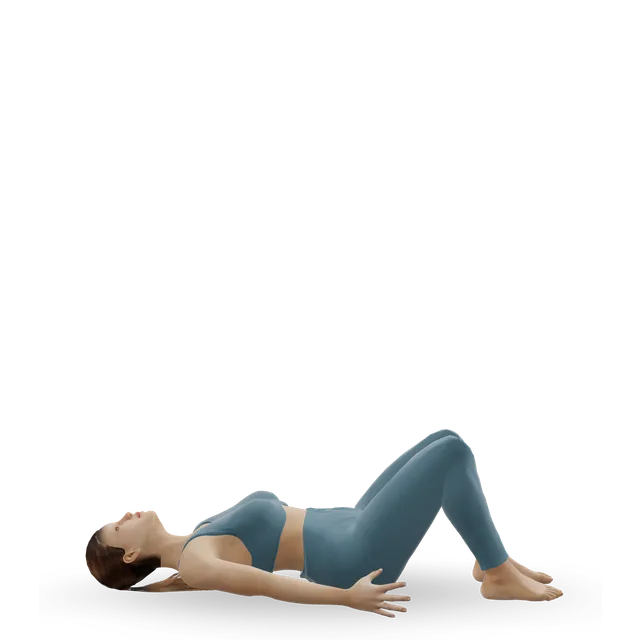
Letting the pelvic floor go

Steps and dose from the move's page, which calls the dose an editorial starting point: no trial has tested this home technique on its own. An expert consensus suggests guided relaxation at home for people who can't get to a physiotherapist (Torosis 2024). The figure shows the position and the breath; it can't show the pelvic floor itself.

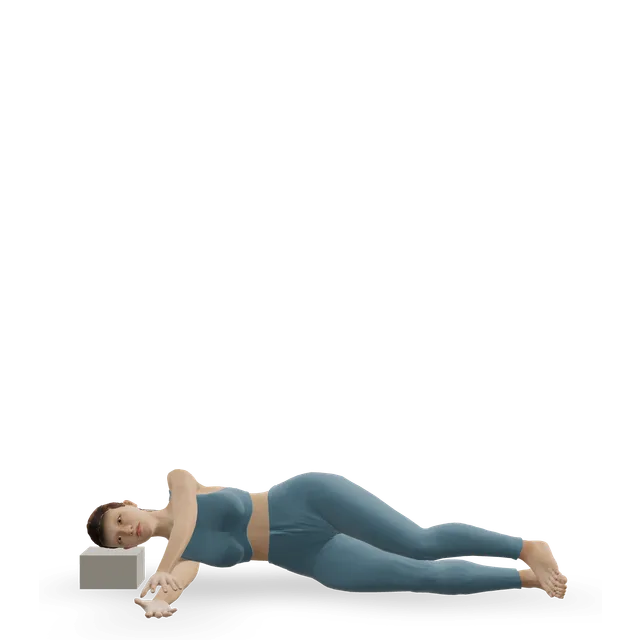
  1. Lie on your back with your knees bent, feet flat and a pillow under your head, or lie on your side, or sit on a soft chair. Let your thighs, buttocks, tummy and jaw go loose.
  2. Do one gentle squeeze, as if stopping wind and pee, so you know where the muscles are. Then let it go completely.
  3. Breathe in slowly through your nose and let your belly and lower ribs widen. As you breathe in, let the area between your sit bones soften, widen and drop a little.
  4. Breathe out slowly, without squeezing and without pushing.
  5. Repeat for 5 to 10 slow breaths, 1 to 3 times a day.
  6. Use the same letting go on the toilet: sit fully rather than hovering, rest your feet on a small step, and don't strain.
  7. When it comes easily lying down, practise it sitting, then standing.

Loading the 3D figure…

Gets into position, then repeats the movement. Technical checks passed; qualified exercise review is pending.

The movement on the figure: Pelvic floor relaxation (reverse Kegel)

Relax and breathe

Slow breathing and comfortable positions for letting the pelvic floor go, using each move page's dose; in later pregnancy, swap positions on your back for lying on your side.

Routines to follow

The pelvic floor relaxation routine has no strengthening squeezes. The Pilates class pairs squeezing with letting go, for when your physiotherapist adds strength work.

Wands, trainers and balls

Only with a physiotherapist's guidance

Use a pelvic wand or vaginal trainers only if a pelvic health physiotherapist has assessed you and shown you how. The only safety reports for wands come from uncontrolled studies by the protocol's developers, after training in a clinic. Our advice: stop if you notice bleeding or sharp pain, and don't use one with an infection, after recent pelvic surgery or in pregnancy unless your team says so.

Sources 33, 2, 19

Sitting on a ball

We found no trial of sitting on a ball to release the pelvic floor. If a physiotherapist suggests it, keep it soft and brief, and stop for numbness or tingling. Never press on the tailbone, the back passage, the vaginal opening or the testicles.

When pelvic floor exercises help, and when they don't

Squeezes help leaking

NICE recommends supervised pelvic floor training for at least 3 months for stress or mixed leaking in women, and its definition of the training includes relaxation as well as strength. Our pelvic floor exercise guide has the plan.

Source 32

They can make an overactive floor worse

POGP says pelvic floor exercises may not be appropriate for long-term pelvic pain and could increase pain and symptoms, and the American Urological Association guideline says to avoid them for bladder pain with a tender pelvic floor. The myofascial trials gave home stretches, not squeezes.

Sources 11, 16, 9

Where the advice differs

The NHS bladder pain page lists physiotherapy to strengthen the pelvic floor among its options, which differs from the US guideline. If you have pelvic pain, ask a pelvic health physiotherapist before adding squeezes: you may need to learn to relax first, then strengthen.

Sources 36, 16, 4

Perineal massage in pregnancy

A different thing, with good evidenceStrong evidence

Perineal massage prepares the skin and muscles between the vagina and the anus for birth. In a Cochrane review of 4 trials (2,497 women), massaging the perineum with the fingers in the last 4 or more weeks of pregnancy reduced tears needing stitches (one fewer for every 15 women who did it) and cuts to widen the opening (episiotomies). The benefit was clear only for women having their first vaginal birth, and it didn't change severe tears or later leaking.

The NHS says massage in the last few weeks of pregnancy can reduce the chance of an episiotomy, with most benefit when done every day; your midwife can explain how. It isn't a treatment for a tight or painful pelvic floor.

Sources 37, 38

Safety

Internal treatment only from a trained clinician

Internal examination and release should only be done by a trained clinician such as a pelvic health physiotherapist, with your consent, which you can withdraw at any time, and with a chaperone offered. Nothing on this page is a guide to internal self-treatment.

Sources 4, 21, 6

Expect a flare

In the trials, side effects, mainly pain, followed half or more of the people who had myofascial physiotherapy, with none serious in the larger trial. A short-term increase in discomfort is common, so plan for it with your physiotherapist.

Sources 9, 7, 1

Other cautions

Keep any external pressure light if you take blood thinners, which make bruising more likely, and in pregnancy don't press on your bump.

Sources 39, 40

When to get help first

Call 999 or go to A&E

  • Pelvic pain that's severe, getting worse or hurts when you move or touch the area; with feeling faint, dizzy or passing out; with pain in the tip of your shoulder, difficulty breathing, heavy bleeding from the vagina or sudden confusion.
  • Numbness around or under your genitals or around your bottom, trouble starting to pee or controlling your pee or poo when that isn't normal for you, or severe or worsening weakness or numbness in both legs.

Sources 12, 13

NHS 111, or an urgent GP appointment

  • Pelvic pain with difficulty peeing or pooing, blood in your pee or poo, unusual discharge or bleeding from the vagina, pain when peeing or needing to pee more often, a very high temperature or feeling hot, cold or shivery, or vomiting and diarrhoea.
  • Being unable to pee at all.

Sources 12, 23, 36

Pain in pregnancy

  • Pelvic pain when you're pregnant or might be: call 111, or your midwife or maternity unit from 20 weeks. Our pelvic girdle pain guide has the pregnancy warning signs.

Sources 12, 41

See a GP

  • Pelvic pain that comes and goes or doesn't go away, or comes with bloating, weight loss you can't explain or bowel changes that don't settle.
  • Pain when peeing or ejaculating, or pain in the penis, testicles or bottom.
  • Vulval pain, or pain using tampons or during sex, that doesn't go away or keeps coming back.

Sources 12, 23, 18

Myths

"Anyone can release their pelvic floor with a ball or a wand"Mixed evidence

We found no trial of ball release, and the wand studies were uncontrolled, in selected people who were trained first. Pelvic pain also has causes that need diagnosing, which release can't treat. Learning to relax with slow breathing and comfortable positions is the part that's safe for almost everyone.

Sources 33, 2, 12

"Trauma is stored in the pelvic floor, and massage releases it"Mixed evidence

Painful or frightening experiences, including sexual assault, are recognised causes of vaginismus and pelvic floor guarding. That's the nervous system protecting you, which physiotherapy and talking therapies can help to settle, not trauma stored in the tissue. Care should go at your pace, with you in control.

Sources 14, 15, 26

"Every pelvic floor problem needs Kegels"Mixed evidence

Squeezes help stress leaking, but for an overactive pelvic floor they may increase pain, and the US bladder pain guideline says to avoid them when the pelvic floor is tender.

Sources 32, 11, 16

"A tight pelvic floor is a strong one"Mixed evidence

POGP lists weakness among the symptoms of an overactive floor, and the NHS lists weak pelvic floor muscles among the possible causes of vulvodynia. Tense muscles can be tired and weak too.

Sources 11, 18

"Pelvic floor release is only for women"Mixed evidence

Men have a pelvic floor too, and men with long-term pelvic pain find it harder to relax. Men were in the myofascial trials and in the wand studies.

Sources 3, 9, 35

Questions people ask

What is myofascial release for the pelvic floor?

Hands-on treatment by a pelvic health physiotherapist for tense, tender muscles and connective tissue around the pelvis: on the tummy, inner thighs and buttocks, and often inside the vagina or back passage. It's combined with relaxation, stretching and a home programme, and it's only done with your consent.

Does pelvic floor myofascial release work?

In the best trial, 59% of 81 women with bladder pain improved moderately or markedly with it, against 26% after full-body massage, though pain scores themselves didn't differ. Pooled small trials are less certain, but US and European guidelines support it as part of physiotherapy.

What happens in an internal pelvic floor examination?

After explaining and getting your consent, a trained physiotherapist wearing gloves gently inserts one or two fingers to check how the muscles squeeze, relax and feel. You're covered, there's no speculum, and you can ask questions or stop at any time.

Do I have to have an internal examination?

No. You can say no, take time to decide, or change your mind at any point, and you can still be offered treatment. You can bring someone or ask for a chaperone.

Can men have pelvic floor release?

Yes: men have a pelvic floor too, and men with long-term pelvic pain often find it harder to relax. In one trial, men did about as well with general massage as with myofascial therapy, and acupuncture and shockwave therapy have the best evidence for chronic prostatitis.

Can I release my pelvic floor at home?

Yes, by learning to let it go: slow breathing that lets the pelvic floor soften on the in-breath (a reverse Kegel), comfortable positions and unhurried toilet habits. Anything internal, such as a wand, needs an assessment and a pelvic health physiotherapist's guidance first.

Is a pelvic floor wand safe?

We can't say in general. The only safety reports come from uncontrolled studies by the protocol's developers, in people trained in a clinic first. Use a wand only with a pelvic health physiotherapist's guidance.

Can I use a ball to release my pelvic floor?

We found no trial of it. If a physiotherapist suggests it, keep it soft and brief, never on the tailbone, the openings or the testicles, and stop if you feel numbness or tingling.

Should I stop Kegels if my pelvic floor is tight?

If squeezes make your pain worse, stop them and get assessed: pelvic health physiotherapists say they may not suit an overactive floor, and the US bladder pain guideline says avoid them. You may need to learn to relax first, then strengthen.

How do I know if my pelvic floor is too tight?

Pain during sex or with tampons, pelvic pain, needing to pee often or urgently, trouble emptying your bladder or bowel, and constipation can all be signs, but they have other causes too. Only an assessment can tell, so see a GP rather than diagnosing it yourself.

How long does pelvic floor physiotherapy take?

Usually a course of at least 8 to 12 weeks plus practice at home; in the bladder pain trial it was up to 10 sessions over 12 weeks. A short-term flare of discomfort is common.

Is perineal massage in pregnancy the same thing?

No. It prepares the tissue for birth: in trials it reduced tears needing stitches, by about one for every 15 women who did it, with the clear benefit for women having their first vaginal birth. It isn't a treatment for a tight or painful pelvic floor, and your midwife can explain how to do it.

Sources

  1. As-Sanie 2026 · Evaluating and treating chronic pelvic pain (narrative review, Obstetrics and Gynecology)
  2. Torosis 2024 · A treatment plan for a tight (high-tone) pelvic floor (expert consensus of 11 US specialists, Obstetrics and Gynecology)
  3. Yani 2022 · Relaxing the pelvic floor in men with chronic pelvic pain (study of 42 men with pain and 48 without, Physical Therapy)
  4. Pelvic, Obstetric and Gynaecological Physiotherapy (POGP) · Physiotherapy assessment (patient information)
  5. North Bristol NHS Trust 2026 · Your pelvic health physiotherapy appointment
  6. General Medical Council · Intimate examinations and chaperones (professional standards)
  7. FitzGerald 2012 · Myofascial physiotherapy against general massage for bladder pain (randomised trial of 81 women, Journal of Urology)
  8. Morin 2021 · Physiotherapy against lidocaine cream for pain at the entrance to the vagina (randomised trial of 212 women, American Journal of Obstetrics and Gynecology)
  9. FitzGerald 2009 · Myofascial physiotherapy against general massage for chronic pelvic pain in women and men (feasibility trial of 47 people, Journal of Urology)
  10. Dal Farra 2022 · Myofascial manual therapies for chronic pelvic pain syndrome (systematic review and meta-analysis of 7 trials, International Urogynecology Journal)
  11. Pelvic, Obstetric and Gynaecological Physiotherapy (POGP) · Persistent pelvic pain (patient information)
  12. NHS · Pelvic pain
  13. NHS · Sciatica
  14. Braunstein 2026 · Vulvodynia, or chronic vulval pain (clinical review, BMJ)
  15. NHS · Vaginismus
  16. American Urological Association 2022 · Diagnosis and treatment of interstitial cystitis and bladder pain syndrome (guideline)
  17. European Association of Urology 2026 · Guidelines on chronic pelvic pain: management (guideline)
  18. NHS · Vulvodynia (vulval pain)
  19. NHS Lothian 2023 · Internal (vaginal) examinations and physiotherapy (patient leaflet, past its review date: review due June 2026)
  20. Countess of Chester Hospital NHS Foundation Trust · Vaginal or ano-rectal examination (physiotherapy leaflet)
  21. Chartered Society of Physiotherapy 2025 · Consent and physiotherapy practice (professional guidance)
  22. Franco 2018 · Treatments without medicines for chronic prostatitis and pelvic pain syndrome (Cochrane review of 38 trials)
  23. NHS · Prostatitis
  24. Shen 2026 · Exercise for chronic pelvic pain syndrome in men (network meta-analysis of 15 trials, Journal of Sport and Health Science)
  25. Gaur 2026 · Yoga against medicines for chronic pelvic pain syndrome in men (pilot crossover trial of 40 men, International Urology and Nephrology)
  26. Spinillo 2026 · Treatments for vulvodynia compared (network meta-analysis of 34 trials, BMC Women's Health)
  27. Fernández-Pérez 2023 · Physiotherapy for painful sex (systematic review and meta-analysis of 19 studies, BMC Women's Health)
  28. Nascimento 2024 · Physiotherapy for vulvodynia (systematic review of 7 studies, Journal of Lower Genital Tract Disease)
  29. Trahan 2019 · Manual therapy for painful sex (systematic review of 4 studies, Journal of Women's Health Physical Therapy)
  30. Ghaderi 2019 · Pelvic floor rehabilitation for painful sex (randomised trial of 64 women, International Urogynecology Journal)
  31. Schvartzman 2019 · Pelvic physiotherapy against treatment of the low back for painful sex around the menopause (randomised trial of 42 women, Journal of Sex and Marital Therapy)
  32. NICE 2021 · Pelvic floor dysfunction: prevention and non-surgical management (NG210)
  33. Anderson 2011 · An internal trigger point wand for chronic pelvic pain (uncontrolled study of 157 people by the protocol's developers, Clinical Journal of Pain)
  34. Anderson 2015 · Medicine use after a wand and relaxation programme (uncontrolled study of 374 people by the protocol's developers, Applied Psychophysiology and Biofeedback)
  35. Anderson 2016 · The same wand programme in men and women (uncontrolled study of 393 people by the protocol's developers, Applied Psychophysiology and Biofeedback)
  36. NHS · Bladder pain syndrome (BPS)
  37. Beckmann 2013 · Perineal massage in pregnancy to reduce tears at birth (Cochrane review of 4 trials)
  38. NHS · Episiotomy and perineal tears (past its review date: reviewed June 2023, review due June 2026)
  39. NHS · Anticoagulant medicines: side effects
  40. HealthLink BC · Massage therapy during pregnancy
  41. NHS · Pelvic pain in pregnancy (past its review date: reviewed December 2022, review due December 2025)

Movement education, not medical advice. Stop for sharp or increasing pain, numbness or tingling, and get individual advice if you are pregnant, after an injury or surgery, or managing a health condition. Health disclaimer.