Is yoga good for low blood pressure?
Yoga can be done safely with low blood pressure if you change how you move between poses, but no trial has tested yoga as a treatment for it. The parts to change are getting up from lying or from a forward fold, standing still for long, and heat. Our 25-minute class builds the changes in.
Which yoga poses are best for low blood pressure?
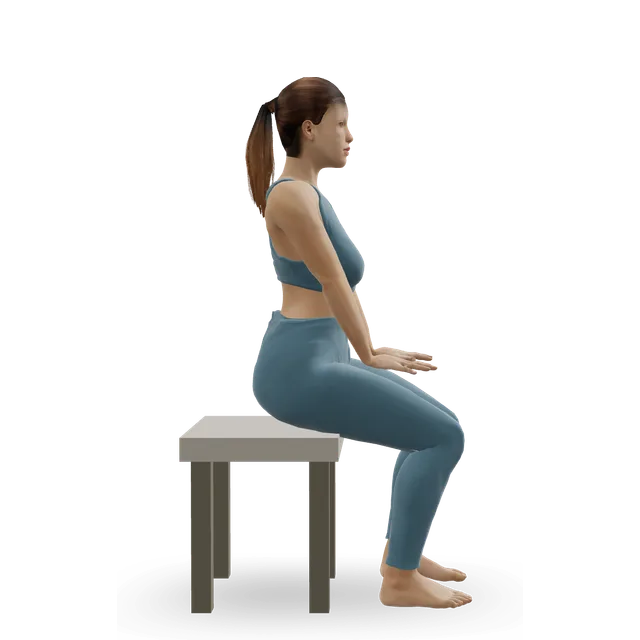
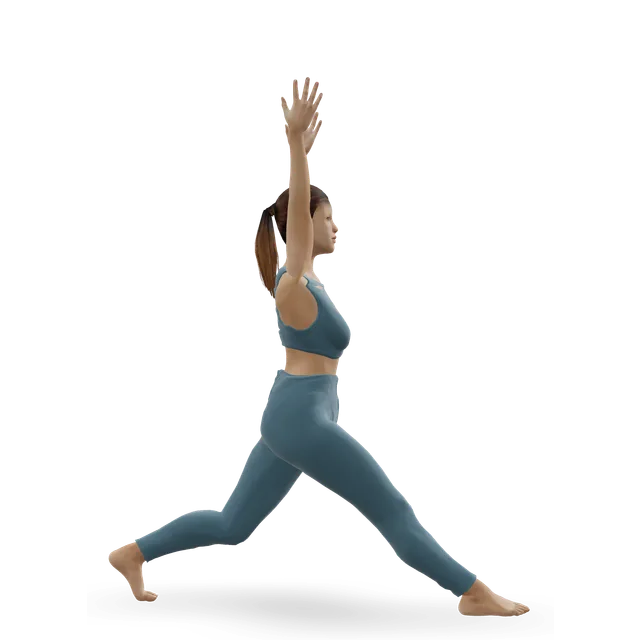
Poses that keep your legs working with your head up, such as chair pose, warrior II, high lunge and calf raises at a counter, plus leg pumps before you stand. No pose has been shown to raise low blood pressure on its own.
Which yoga poses should I avoid with low blood pressure?
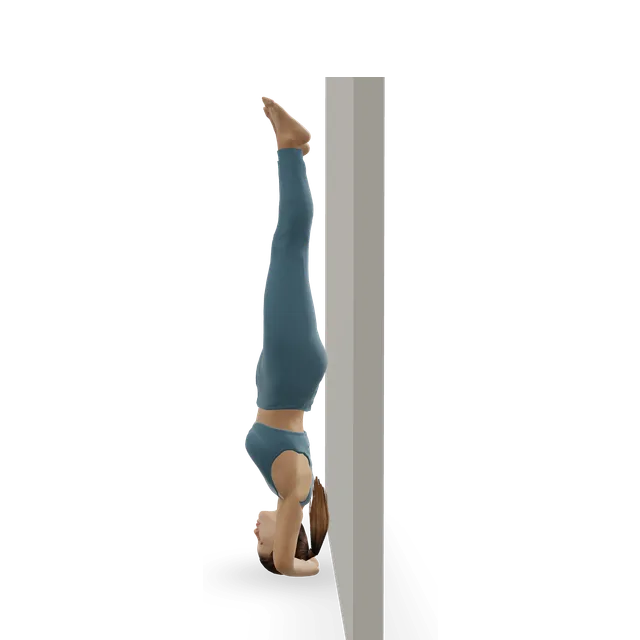
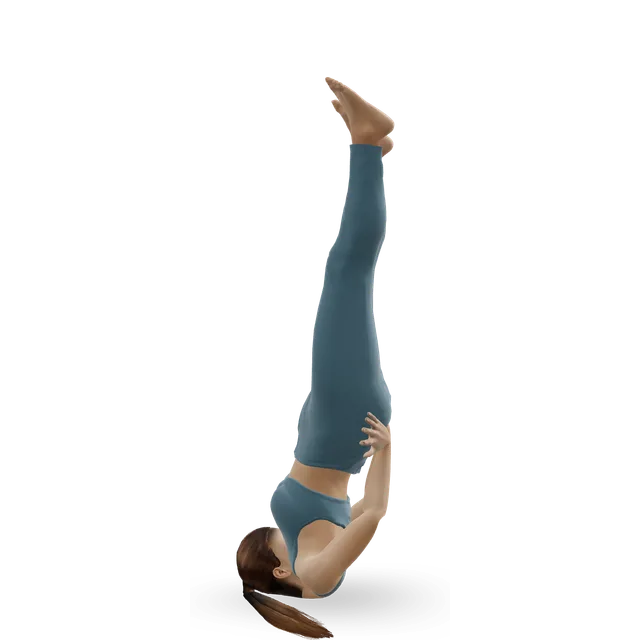
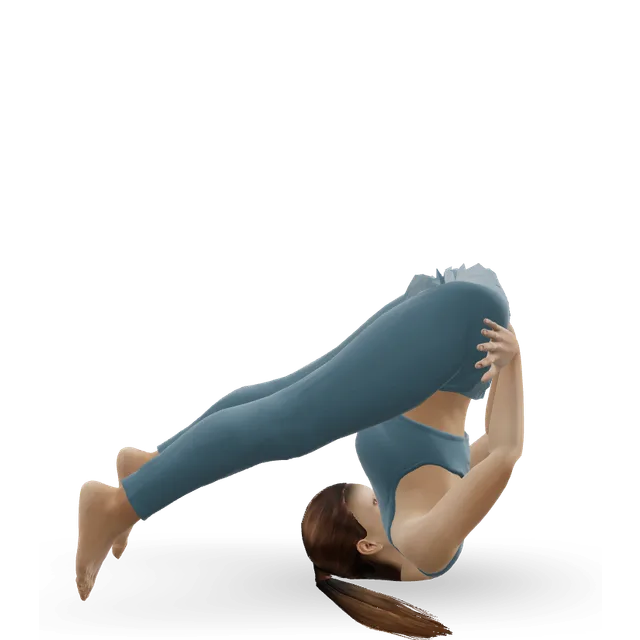
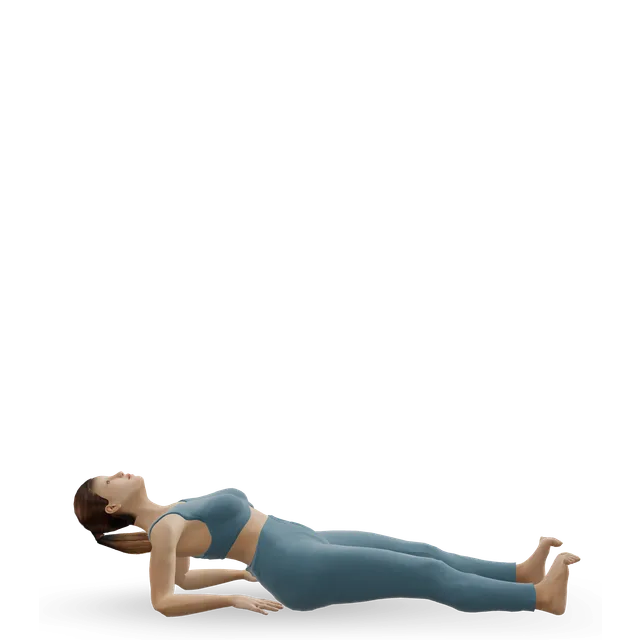
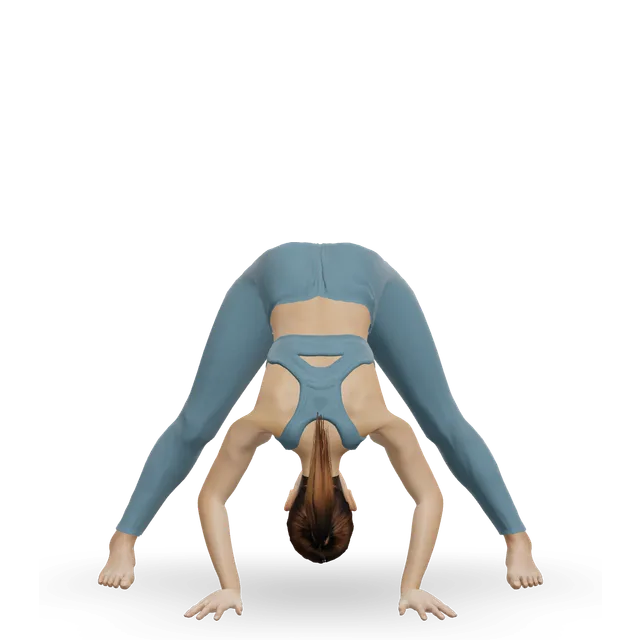
Headstands, shoulder stands and long head-down holds, and coming up quickly from forward folds, downward dog or lying down. Change them rather than giving up yoga: come up in stages, with your legs squeezing.
Can yoga raise my blood pressure?
Not in a lasting way that has been measured. Crossing your legs and tensing your leg muscles raise it within seconds, and that's worth learning; upside-down poses raise it only while you're upside down.
Why do I feel dizzy after yoga?
Usually it's a drop in blood pressure as you stand up after lying or folding forward, made worse by heat, not drinking enough or a big meal. Sit or lie down with your legs raised until it passes. If the room spins, see our yoga for vertigo guide; if it keeps happening, see a GP.
Is hot yoga OK with low blood pressure?
We'd avoid it while you get symptoms: heat reduces your tolerance of standing, and about 6 in 10 hot yoga participants in one survey reported dizziness. If you do go, drink beforehand, leave the room if you feel dizzy, sick or get a headache, and get up slowly.
Which pranayama is good for low blood pressure?
None has been tested for it. Slow, easy breathing is fine, but fast, forceful breathing such as kapalbhati can make you light-headed, so leave it out.
What should I do if I feel faint during yoga?
Lie down and raise your legs until you feel better; if you can't, sit with your head between your knees, or cross your legs and squeeze your leg, buttock and tummy muscles. Call 999 if someone faints while exercising or can't be woken within a minute.
Can I do yoga with postural (orthostatic) hypotension?
Yes, with the same changes: head up, legs working, slow transitions, a glass of water first, and a chair or counter near you. If it comes from Parkinson's, diabetes or a medicine, the matching guide and your doctor come first.
Should I drink water or eat salt before yoga?
A glass of water beforehand is sensible: about 500 mL raised standing blood pressure within half an hour in older adults and people with autonomic failure. Don't add salt unless your doctor advises it, and check before drinking more if you have a heart condition or a fluid limit.
Is it PoTS, vertigo or low blood pressure?
In low blood pressure on standing, the pressure falls; in PoTS, the heart races by 30 or more beats a minute without that fall; vertigo is a spinning feeling, usually from the inner ear. Our exercise for PoTS and yoga for vertigo guides cover those.
What other exercise helps with low blood pressure?
Exercise that doesn't challenge you to stay upright, such as a recumbent bike, rowing or swimming, is the expert advice for orthostatic hypotension, with fluids first and care when standing afterwards. Strength training is good for you but hasn't been shown to correct the drop.