Yoga guide

Yoga for Parkinson's: what it does for balance, movement and mood, chair yoga and staying safe

Yoga can be a good part of the exercise that helps with Parkinson's. In the best trial, 8 weeks of mindfulness yoga eased anxiety and low mood more than stretching and strength exercises, with similar gains in movement and mobility, and pooled small trials found better movement scores and balance than no exercise. Parkinson's UK suggests tai chi or yoga for coordination and balance, alongside aerobic exercise, strength work and your medicines.

There's no evidence that yoga slows Parkinson's, and it hasn't been tested for preventing falls. This guide covers what the trials show, practising in an "on" time, dizziness when you stand, freezing, chair and standing yoga, and the warning signs to know. It ends with a free 30-minute class at a kitchen counter.

The short version

Exercise is part of treatment, and yoga is one way to do it

NICE (the National Institute for Health and Care Excellence) says to offer Parkinson's physiotherapy to people with balance or movement problems. The NHS says "Regular exercise is particularly important in helping relieve muscle stiffness, improving your mood and relieving stress". Parkinson's UK suggests 2.5 hours of activity a week and, for coordination and balance, "Try something that needs focus like Tai Chi or yoga". In 2026 it began working with the British Wheel of Yoga to offer more classes.

Sources 1, 2, 3, 4, 5

Mood is where the best trial stands out

In 138 people with mild to moderate Parkinson's, 8 weekly mindfulness yoga classes eased anxiety and low mood more than stretching and strength exercises, with similar gains in movement and walking tests. In a second trial of 159 people, yoga beat usual care for anxiety, movement and quality of life after 2 months, but not for low mood, and only a meditation group kept its movement and quality of life gains at 6 months.

Sources 6, 7

Movement and balance improve a little

Pooled small trials found better movement scores, balance and walking tests with yoga than in control groups, and yoga was safe and well accepted. A large Cochrane review found that most kinds of exercise help Parkinson's, with "little evidence of differences between exercise types".

Sources 8, 9, 10

It hasn't been shown to slow Parkinson's or prevent falls

The trials measured symptoms over weeks or months, and a trial of whether yoga slows early Parkinson's is still recruiting. Exercise in general probably cuts falls by about a quarter, but no controlled yoga trial in Parkinson's has counted falls.

Sources 11, 12, 13

Practise in an "on" time, next to support, and get up slowly

Exercise when your medicines are working well, and hold something stable for balance poses. About 3 in 10 people with Parkinson's get a drop in blood pressure when they stand, so pump your feet before you stand and get up slowly. Turn in a half circle rather than on the spot to avoid freezing.

Sources 14, 15, 16, 17

Parkinson's, and where yoga fits

Parkinson's, in plain words

"Parkinson's disease is a condition in which parts of the brain become progressively damaged over many years." The main symptoms are tremor, slow movement and stiff muscles, and many people also have balance problems, low mood or anxiety, poor sleep or memory problems. There's no cure, but treatments such as physiotherapy, occupational therapy and medicines help with the symptoms.

Source 18

"On" and "off" times

After some years on levodopa, many people swing between "on" times, when symptoms are controlled and medicines are working well, and "off" times, when symptoms come back. Freezing is more common in "off" times, which is why the exercise advice is to practise in an "on" time.

Sources 17, 14

Freezing and falls

Freezing is a sudden, short loss of the ability to move your feet, most often when you start to walk, turn, go through a doorway or a narrow space, or feel anxious or rushed. Small or slow steps, turning too fast, less arm swing, a stooped posture and stiff muscles also make falls more likely, and people with Parkinson's are more likely to have weak bones.

Sources 17, 19

Dizziness when you stand

About 30% of people with Parkinson's have orthostatic hypotension, a drop in blood pressure when they stand up, across 25 studies. The NHS lists dizziness or fainting when moving from sitting or lying to standing among Parkinson's symptoms. Meals, alcohol, heat, mornings and anxiety can bring it on, and some people also have high blood pressure when lying flat, which matters for long rests on your back.

Sources 15, 20, 16, 21

What the trial classes looked like

In the largest trials, people met once a week for 90 minutes for 8 weeks: about an hour of basic standing yoga poses, then controlled breathing and mindfulness meditation, plus 20 minutes of practice at home twice a week. Another trial ran twice-weekly classes for 8 weeks with sitting, standing and lying poses and a closing rest. Across trials in brain and nerve conditions, yoga ran for 60 to 75 minutes, 1 to 3 times a week, for 8 to 12 weeks. A small chair yoga study used online classes twice a week.

Sources 6, 7, 22, 23, 24

Who this guide is for

People with mild to moderate Parkinson's who can stand holding a support, with chair versions for days when standing is hard. The trials left out people with severe Parkinson's or significant memory problems, so if that's you, start with a Parkinson's physiotherapist.

Sources 6, 7, 1

What the evidence says

Exercise is part of treatmentStrong evidence

NICE says to consider early referral to a physiotherapist with Parkinson's experience for advice that includes physical activity, and to offer Parkinson's physiotherapy for balance or movement problems; it doesn't name yoga. The American Physical Therapy Association (APTA) strongly recommends community exercise programmes, which in its trials included hatha and power yoga, and found results across types of exercise comparable. The Parkinson's Foundation and the American College of Sports Medicine (ACSM) list balance, agility and multitasking work "such as yoga, tai chi, dance, and boxing" on 2 to 3 days a week.

Sources 1, 25, 14, 4

Anxiety, low mood and quality of lifeEmerging evidence

In 138 people (187 were screened), weekly 90-minute mindfulness yoga for 8 weeks eased anxiety and low mood more than stretching and resistance training, at 8 and 20 weeks, and improved Parkinson's quality of life scores. Easing anxiety and low mood partly explained the gains people noticed in daily life. In 159 people, yoga beat usual care for anxiety, movement and quality of life after 2 months, but only a meditation group also eased low mood and kept its movement and quality of life gains at 6 months.

Pooled trials agree on less anxiety and low mood with yoga. Both large trials were in Hong Kong, and people knew which group they were in, so they could have rated themselves more kindly.

Sources 6, 26, 7, 8

Movement and mobilityEmerging evidence

Across 10 trials (359 people), yoga improved the movement rating scale by about 5.6 points more than control groups, against 2.5 points as the smallest change that matters, and people did the Timed Up and Go walking test about 1.7 seconds faster. Across 14 trials, yoga was safe and well accepted in mild to moderate Parkinson's. Against stretching and strength training, yoga's extra gain in movement was statistically significant but "clinically insignificant".

A 2024 Cochrane review of 154 trials (7,837 people) found that dance, and gait, balance and functional training, probably help movement by a moderate amount, while "mind-body training" might help a little, with low confidence; its summary doesn't say which practices that group includes.

Sources 8, 9, 6, 10

Which exercise is best: no clear winnerMixed evidence

Comparisons of many trials disagree: yoga ranked first for movement or the walking test in some, dance came first for balance in another, and walking and dance came top in a third. The Cochrane review found "little evidence of differences between exercise types", and the APTA found community programmes comparable. Choose what you enjoy and will keep doing.

Sources 10, 27, 28, 29, 30, 31, 25

BalanceMixed evidence

Pooled yoga trials improved balance a little, and a review found tai chi, yoga and strength training all helped balance, tai chi the most. But the APTA found balance results from community exercise conflicting. In 27 people with a fear of falling, balance, walking and freezing scores improved within the yoga group over 8 weeks, but the waiting-list group improved on a balance test too, and only one walking measure differed clearly between the groups. Seated exercise on its own didn't improve balance in older adults, so the standing poses matter.

Sources 8, 32, 30, 25, 22, 33

Falls: not tested for yogaMixed evidence

Exercise probably reduces falls in mild to moderate Parkinson's by 26% (12 trials, 1,456 people, moderate certainty). No controlled yoga trial in Parkinson's has counted falls: the only count is from 17 people who reported 6 falls during an 8-week yoga and occupational therapy programme and 10 in the 8 weeks before it.

Sources 12, 34, 13, 35

FreezingMixed evidence

Freezing scores improved within the yoga group in one 27-person trial, but the difference from the waiting-list group wasn't significant, and no trial has made freezing its main yoga outcome. Parkinson's UK's practical tips are the best guide: turn in a half circle, keep your support close and avoid distractions.

Sources 22, 35, 17

SleepMixed evidence

In a comparison of 16 trials, aerobic exercise improved sleep the most and mind-body exercise ranked lowest, and a review of mindfulness-based exercise found no clear effect on sleep.

Sources 36, 37

Slowing Parkinson's: not shownMixed evidence

No yoga trial has measured whether Parkinson's progresses more slowly; a 160-person trial following people with early Parkinson's for 18 months is recruiting. NICE recommends no treatment as a way of protecting the brain in Parkinson's.

Sources 11, 1

SafetyEmerging evidence

Yoga was safe in the Parkinson's trials: the main trials reported mild, short-lived knee, back or wrist pain and no serious problems. Across 94 yoga trials, side effects were no more common than with usual care or exercise. Published cases of harm cluster around headstand, shoulder stand, lotus and forceful breathing, which beginners are advised to avoid.

Sources 9, 6, 7, 38, 39, 40

Practising safely: "on" times, dizziness and freezing

Practise in an "on" time

"Safety First. Exercise during 'on' periods", the Parkinson's Foundation and ACSM say. Freezing and stiffness are more likely in "off" times. If it isn't safe to exercise on your own, have someone with you.

Sources 14, 17

Before you stand up

Parkinson's UK suggests pumping your feet up and down 10 times, bending forwards and backwards from your hips, squeezing your hands into fists, or marching gently before you stand. Then get up slowly and stand still until you feel steady, but not for long: the NHS says "do not sit or stand for long periods".

Sources 16, 21

If you feel dizzy or faint

"If you feel dizzy or that you might faint, sit with your legs raised or lie down until the feeling passes." Tell your GP or Parkinson's nurse, and ask for your blood pressure to be checked lying, sitting and standing.

Source 16

Long rests lying down

If you've been told you have high blood pressure when lying flat (supine hypertension), Parkinson's UK says "Avoid lying down during the day". Rest sitting up rather than in a long corpse pose (our suggestion).

Source 16

Freezing in a class

Keep your support within reach: "If your feet freeze and you try to reach for support from furniture or a wall that's too far away, you may fall." Turn in a half circle rather than pivoting, and avoid walking and talking at the same time. If you freeze, stop, take a breath, shift your weight onto one leg and step off with the other.

Sources 17, 19

Getting down to the floor and up

Come up from lying in stages: roll onto your side, push up to sitting, pause, then stand holding support. If getting down to the floor or back up isn't safe yet, do the class sitting and standing, and ask a physiotherapist, who "can teach you to get down on to the floor and back up safely".

Source 19

Heat and hot yogaMixed evidence

Heat lowers blood pressure, and Parkinson's UK says to avoid "exercising when it's too hot". The NHS lists Parkinson's among the conditions at higher risk in a heatwave. No study has tested hot yoga in Parkinson's: we'd avoid it and keep the room cool (our suggestion).

Sources 16, 41, 42

Breathing

Breathe slowly and gently. Over-breathing lowers blood pressure, Parkinson's UK notes, and fast, forceful breathing such as kapalabhati causes more side effects than slow breathing. In one trial of 86 people, 12 weeks of alternate nostril breathing added to usual treatment improved mood, thinking and quality of life.

Sources 16, 43, 44

Chair or standing?

Chair yoga countsMixed evidence

"Gentle chair-based practices can be adapted for almost everyone", the chair of the British Wheel of Yoga said in Parkinson's UK's announcement. The only chair yoga study in Parkinson's, 16 people taking online classes twice a week for 8 weeks, found small changes, some below what counts as meaningful, and had no comparison group.

Sources 5, 24

Standing poses train balanceEmerging evidence

Seated exercise didn't improve balance in older adults, and the Parkinson's exercise advice asks for stepping, weight shifting and turning, holding something stable as needed. If you can stand, add the standing poses at a kitchen counter.

Sources 33, 14

How much

The trials used 60 to 90 minutes once or twice a week for 8 to 12 weeks, with practice at home; one analysis suggested 60 minutes twice a week, but only as an estimate. Parkinson's UK suggests 2.5 hours of activity a week, and the Parkinson's Foundation and ACSM suggest aerobic exercise on 3 days, strength on 2 to 3, and balance work on 2 to 3, daily if possible.

Our editorial starting point: our 30-minute class twice a week, in an "on" time, with walking or cycling on 3 days and strength work on 2.

Sources 6, 22, 23, 28, 3, 14

Arrive and breathe, sitting

Seated upper back lift: 3 holds of 5 seconds; alternate nostril breathing: 1 to 2 minutes of slow rounds with no holds (our seated chair yoga); slow breathing: 2 minutes (our chair yoga class), or on its own at least 5 minutes (the move's page); breath reach: 5 breaths, breathing out for longer than in (the move's page).

Big movements, sitting

Seated march: 1 minute, then pump your feet 10 times before you stand; seated side bend: 2 each side, 10 to 20-second holds; cat-cow: 6 slow rounds, sitting (our chair yoga class); seated twist: 6 each side (the move's page); ankle circles: 10 slow circles each way with each foot (the move's page).

Standing at a counter

With one hand on a kitchen counter. Sit to stand: 8 to 10 (our Parkinson's routine); mountain pose: 5 slow breaths; chair pose: 3 holds of 10 to 15 seconds; warrior II: 3 breaths each side, short stance; tree pose: 3 breaths each side, heel at your ankle (our chair yoga class); semi-tandem stance: 2 holds of 15 seconds each side (our Parkinson's routine).

Step, turn and posture

Standing march: 1 minute, to a steady beat; spiral reach: 5 each side; wall angel: 8 slow slides; doorway chest opener: 2 holds of 30 seconds each side; chin tuck: 5 holds of 5 seconds (our Parkinson's routine); side-stepping: 10 steps each way, next to a counter (the move's page).

Floor and rest, when getting down is safe

Getting down to the floor and up again: 5 to 8 slow cycles (the move's page, an editorial starting point), with someone there the first few times; corpse pose: 5 minutes (our yoga for balance class), or rest sitting up if lying flat is discouraged for you.

Change or leave out

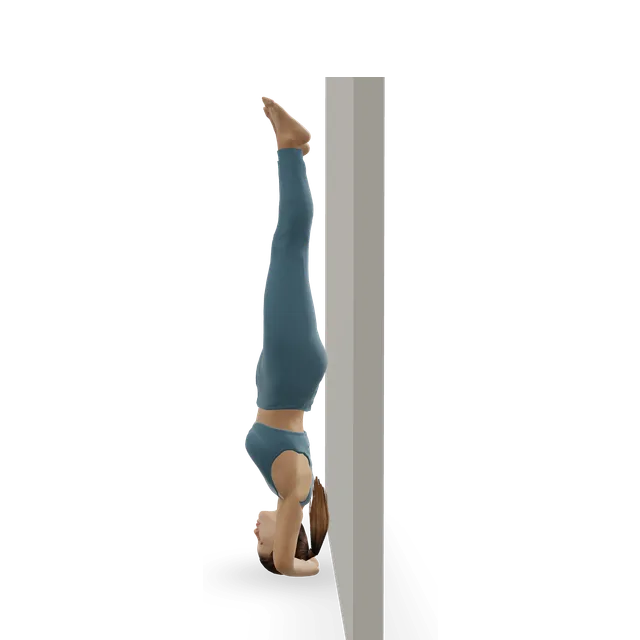
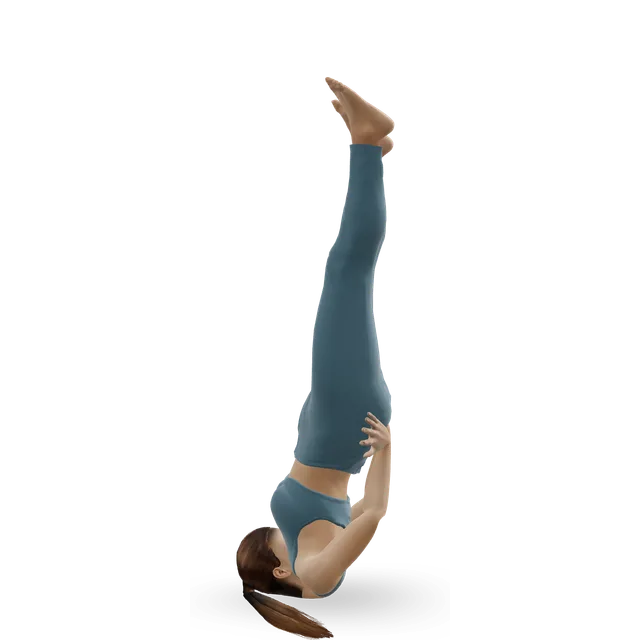
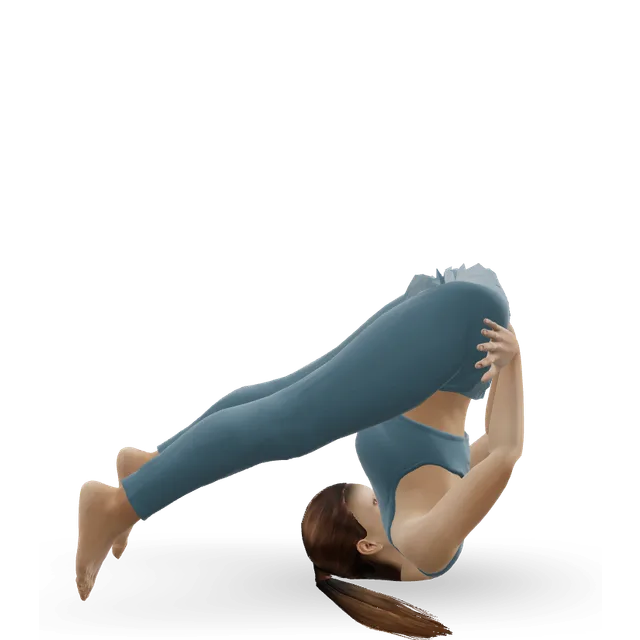
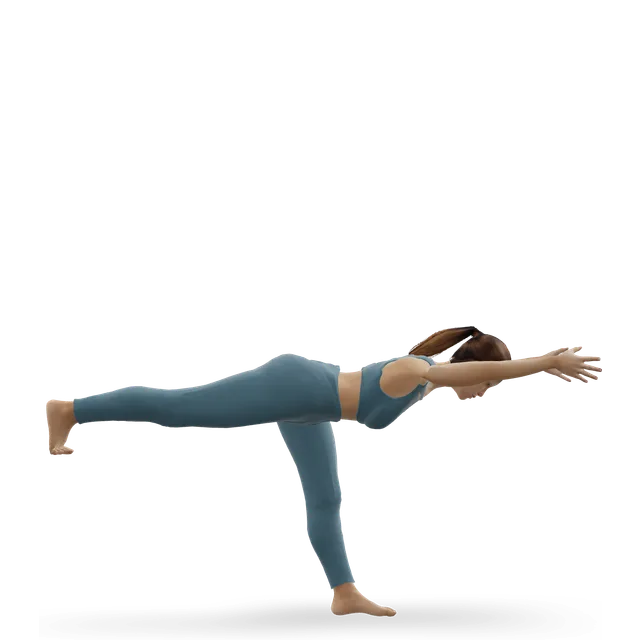
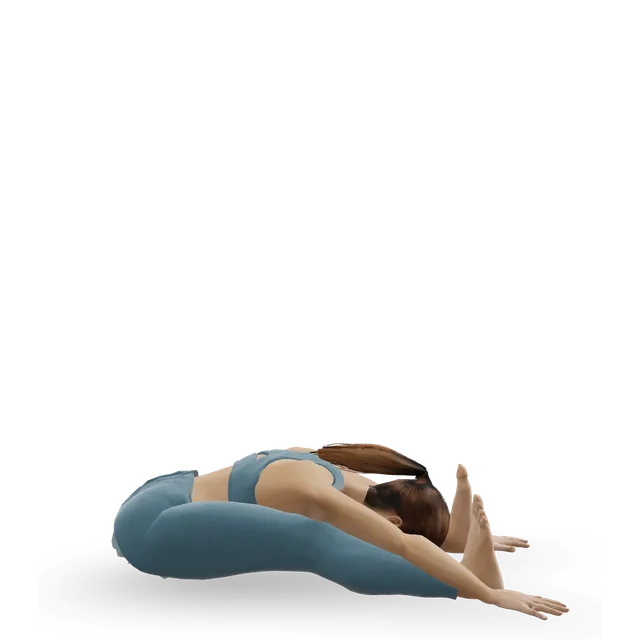
Do sun salutations slowly with a chair, or leave them out, because quick drops to the floor and back up can bring on dizziness; leave out headstands, shoulder stands and plough (US health advice for beginners, and weak bones are more common with Parkinson's); do one-leg poses such as warrior III only with a hand on a counter; and fold from the hips rather than rounding deeply (our suggestions). Skip fast, forceful breathing.

Free classes

Start with our 30-minute class at a counter, twice a week in an "on" time. The Parkinson's routine adds big steps, boxing-style cardio and strength; the chair classes suit days when standing is hard; the balance class is a harder standing session.

Yoga for Parkinson's: a 30-minute class at a counter, sitting then standing

A 30-minute yoga class for Parkinson's: seated breathing and big movements, standing poses at a kitchen counter, stepping and turning, then posture stretches.

30 minBeginner20 movesA bench or box, A wall

Parkinson's exercise routine at home: big movements, strength and balance

A 35-minute home routine for Parkinson's: big steps to a beat, boxing-style punches, strength moves and balance at a counter, then posture stretches.

35 minBeginner18 movesCardio machine, A wall

Chair yoga for seniors

A free 20-minute chair yoga class for older adults: slow breathing, gentle seated stretches and twists, standing poses holding the chair, and a calm finish.

20 minBeginner18 movesA bench or box, Something with weight

Seated chair yoga: 15 minutes, no standing

A 15-minute chair yoga routine done entirely sitting: slow breathing, neck, shoulder and wrist stretches, seated twists and side bends, and a calm finish.

15 minBeginner16 movesA bench or box

Yoga for balance: a 30-minute standing class, from steady to moving

Thirty minutes of standing yoga for balance: strong standing poses, one-leg poses at the wall, and side steps, backward steps, reaches and sit-to-stands.

30 minBeginner16 movesA wall, A bench or box

Balance exercises routine

Balance practice in 10 minutes: tandem stance, single-leg stands, marches, heel walks, tree pose and floor transfers.

10 minBeginner7 movesA wall, A bench or box

Breathing exercises to relax

A 6-minute breathing routine: slow breathing, crocodile breathing, alternate nostril breathing, box breathing and 4-7-8 breathing.

6 minBeginner5 movesNo equipment

Warning signs: when to stop and when to get help

These follow our exercise for Parkinson's guide, the NHS and Parkinson's UK. A&E means accident and emergency.

Call 999 now

Call 999 (911 in the US) if:

  • You have chest pain that feels tight or like squeezing, or spreads to your arms, neck or jaw.
  • You're having severe difficulty breathing, your lips or skin are pale, blue or grey, or someone has passed out and isn't responding normally.
  • There are signs of a stroke: face weakness, arm weakness or speech problems, even if they stop.
  • Someone has fallen and may have hurt their head, neck, back or hip, or can't get up.

Sources 45, 46, 19

Get help today

Call NHS 111 or your Parkinson's nurse if you have fallen and may be in pain, injured or unwell.

Source 46

See your GP, specialist or Parkinson's nurse soon

  • Any fall, even without injury: they can look for the cause and how to prevent another.
  • Dizziness or light-headedness when you stand, or a fall caused by dizziness: ask for your blood pressure to be checked lying, sitting and standing.
  • Medicines that seem to work less well, wear off before the next dose is due, or cause involuntary movements that make you fall.
  • Freezing more often, or not knowing whether it is freezing or an "off" time.
  • You haven't seen a Parkinson's physiotherapist yet: ask for a referral.

Sources 19, 16, 17, 1

Stop exercising

Stop and sit with your legs raised, or lie down, if you feel dizzy or faint, and wait until it passes. Stop, too, for chest pain, unusual breathlessness or a pounding or irregular heartbeat (our suggestion, as in our heart disease guide).

Source 16

Medicines

Don't change your medicines to fit a class: "Don't suddenly stop taking your medication as this can be dangerous." Talk to your specialist or Parkinson's nurse about the timing of doses and "off" times.

Source 17

Support

Parkinson's UK helpline: 0808 800 0303. In the US, the Parkinson's Foundation helpline: 1-800-473-4636.

Sources 4, 14

Myths

"Yoga slows Parkinson's"Mixed evidence

No yoga trial has measured whether Parkinson's progresses more slowly: the trials measured symptoms over 8 weeks to 6 months, and a longer trial is still recruiting. NICE recommends no treatment as a way of protecting the brain.

Sources 6, 7, 11, 1

"Yoga is the best exercise for Parkinson's"Mixed evidence

Yoga ranked first for movement in some comparisons and dance for balance in another, and a Cochrane review found little evidence of differences between types. The best exercise is the one you'll keep doing.

Sources 27, 28, 30, 10, 25

"Yoga prevents falls in Parkinson's"Mixed evidence

Exercise in general reduces falls, but no controlled yoga trial in Parkinson's has counted them. Yoga may help balance; whether it prevents falls hasn't been tested.

Sources 12, 34, 13

"Chair yoga is all you need for balance"Emerging evidence

Seated exercise didn't improve balance in older adults, and Parkinson's balance work means stepping, weight shifting and turning. Chair yoga still counts as activity on days when standing is hard.

Sources 33, 14, 5

"If yoga helps, I can cut down my medicines"Strong evidence

Parkinson's UK says activity "can be as important as getting the right dose of medication", not a replacement for it, and warns against stopping medicines suddenly. The yoga trials added yoga to usual treatment.

Sources 3, 17, 6

"Yoga stops tremor"Mixed evidence

No trial has made tremor its main outcome. People in a 13-person pilot reported short-term tremor relief, and tremor is one part of the movement scores that improved in pooled trials.

Sources 47, 8, 48

"Breath of fire boosts energy in Parkinson's"Mixed evidence

No trial has tested fast breathing in Parkinson's. Over-breathing lowers blood pressure, a problem for the 3 in 10 people who get dizzy on standing, and fast techniques cause more side effects; the Parkinson's breathing trial used slow alternate nostril breathing.

Sources 16, 15, 44, 43

"If you freeze or fall, stop doing yoga"Strong evidence

Exercise reduces falls in Parkinson's. See your GP after any fall and ask about physiotherapy, then adapt the class with chair and counter-supported poses rather than stopping.

Sources 12, 19, 17

Questions people ask

Is yoga good for Parkinson's?

It can be a good part of your exercise. In the best trial, people with mild to moderate Parkinson's who did 8 weeks of mindfulness yoga had less anxiety and low mood than people who did stretching and strength exercises, and similar gains in movement. Keep up your medicines, physiotherapy and other exercise too.

Can yoga improve balance with Parkinson's?

It may help a little: pooled small trials found better balance and walking test times than control groups. Do standing poses holding a counter, because seated exercise alone doesn't train balance. Yoga hasn't been tested for preventing falls, though exercise in general cuts falls by about a quarter.

Is chair yoga good for Parkinson's?

Yes, especially on days when standing is hard, and gentle chair-based practices can be adapted for almost everyone. The only chair yoga study in Parkinson's was small and had no comparison group, so add standing poses at a counter when you can.

What are the best yoga poses for Parkinson's?

No pose has been shown to be best. The trial classes used basic standing poses, breathing and mindful attention, and the exercise advice asks for stepping, weight shifting, turning and big movements while holding something stable. Our class uses mountain, chair, warrior II and tree pose at a counter, with stepping and turning.

Can yoga slow Parkinson's?

There's no evidence that it does. The trials measured symptoms over weeks or months, and a trial testing whether yoga slows early Parkinson's is still recruiting.

Can yoga help Parkinson's tremor?

It hasn't been tested properly: no trial has made tremor its main outcome, though people in one small pilot reported short-term relief. Movement scores, which include tremor, improved a little in pooled yoga trials.

Is yoga or tai chi better for Parkinson's?

Neither has been shown to be better overall. Tai chi improved balance the most in one review, yoga ranked high for movement in some comparisons, and a Cochrane review found little difference between types of exercise. Choose the one you enjoy and will keep doing.

When should I do yoga if I have Parkinson's?

In an "on" time, when your medicines are working well. Freezing and stiffness are more common in "off" times.

What if I get dizzy or freeze during yoga?

If you feel dizzy or faint, sit with your legs raised or lie down until it passes, and pump your feet 10 times before you stand next time. If you freeze, stop, take a breath and step off again, keeping your support within reach. Tell your GP or Parkinson's nurse, and ask for your blood pressure to be checked lying, sitting and standing.

How often should I do yoga with Parkinson's?

Trials used 60 to 90 minutes once or twice a week for 8 to 12 weeks, plus practice at home. Our suggestion is twice a week, with walking or cycling and strength work on other days, building towards the 2.5 hours a week Parkinson's UK suggests.

Are breathing exercises good for Parkinson's?

Slow breathing is a calm way to start and end a session, and in one trial 12 weeks of alternate nostril breathing improved mood and quality of life. Skip fast breathing such as breath of fire, because over-breathing can lower your blood pressure.

When should I see a doctor?

See your GP, specialist or Parkinson's nurse after any fall, for dizziness when you stand, for more freezing, or if your medicines seem to wear off early. Call 999 if someone has fallen and may have hurt their head, neck, back or hip, or can't get up.

Sources

  1. NICE NG71 · Parkinson's disease in adults: recommendations (2017, reviewed December 2024)
  2. NHS · Parkinson's disease: living with (past its review date: reviewed November 2022, review due November 2025)
  3. Parkinson's UK · Physical activity and exercise
  4. Parkinson's UK · Low-intensity physical activity
  5. Parkinson's UK · Parkinson's UK and the British Wheel of Yoga announce new partnership (news, February 2026)
  6. Kwok 2019 · Mindfulness yoga or stretching and resistance training in Parkinson's: 138 people (randomised trial, JAMA Neurol; full text read)
  7. Kwok 2025 · Meditation, yoga or usual care in Parkinson's: 159 people (randomised trial, Psychother Psychosom; full text read)
  8. Ban 2021 · Yoga for Parkinson's: 10 trials, 359 people (meta-analysis, Behav Neurol)
  9. Suárez-Iglesias 2022 · Yoga in Parkinson's disease: 14 randomised trials (systematic review and meta-analysis, Disabil Rehabil)
  10. Ernst 2024 · Physical exercise for Parkinson's: 154 trials, 7,837 people (Cochrane network meta-analysis, Cochrane Database Syst Rev; abstract read)
  11. Some 2025 · Yoga and the progression of early Parkinson's: 160 people (trial protocol, Ann Neurosci)
  12. Allen 2022 · Interventions for preventing falls in Parkinson's: 32 trials (Cochrane review, Cochrane Database Syst Rev)
  13. PubMed · Search for randomised trials of yoga and falls in Parkinson's, stroke or neuropathy: 17 records, none counting falls as a yoga outcome (26 October 2026)
  14. Parkinson's Foundation and ACSM · Parkinson's exercise recommendations (infographic, 2026)
  15. Velseboer 2011 · How common orthostatic hypotension is in Parkinson's: 25 studies (systematic review and meta-analysis, Parkinsonism Relat Disord)
  16. Parkinson's UK · Low blood pressure and Parkinson's (updated October 2025)
  17. Parkinson's UK · Freezing (updated November 2024)
  18. NHS · Parkinson's disease (past its review date: reviewed November 2022, review due November 2025)
  19. Parkinson's UK · Falls and dizziness (updated August 2025)
  20. NHS · Parkinson's disease: symptoms (past its review date: reviewed November 2022, review due November 2025)
  21. NHS · Low blood pressure (hypotension) (past its review date: reviewed July 2023, review due July 2026)
  22. Van Puymbroeck 2018 · Yoga for people with Parkinson's and fear of falling: 27 people (randomised trial, Evid Based Complement Alternat Med; full text read)
  23. Legault 2021 · Yoga in stroke, Parkinson's and multiple sclerosis rehabilitation: 50 studies (scoping review, J Altern Complement Med)
  24. Onder 2026 · Online chair yoga in Parkinson's: 16 people (pilot study without a control group, Mov Disord Clin Pract; full text read)
  25. Osborne 2022 · Physical therapist management of Parkinson disease (clinical practice guideline, Phys Ther; full text read)
  26. Kwok 2022 · Mindfulness yoga or conventional exercise in Parkinson's: symptoms and quality of life (randomised trial analysis, Ann Behav Med)
  27. Mustafaoglu 2022 · Which mind-body exercise helps most in Parkinson's: 60 trials (network meta-analysis, Acta Neurol Belg)
  28. Wu 2021 · Aerobic and mind-body exercise in Parkinson's: 52 trials (network meta-analysis, Front Aging Neurosci)
  29. Hao 2022 · Ten types of exercise for movement in Parkinson's: 60 trials (network meta-analysis, Brain Sci)
  30. Li 2026 · Which exercise helps balance most in Parkinson's: 135 articles (network meta-analysis, Front Aging Neurosci)
  31. Tang 2026 · Exercise types for movement and non-movement symptoms in Parkinson's: 67 trials (network meta-analysis, Front Physiol)
  32. Guo 2024 · Tai chi, yoga and resistance training for balance in older adults and Parkinson's: 21 studies (systematic review, Front Aging Neurosci)
  33. Sexton 2019 · Seated exercise for older adults: 14 trials (systematic review and meta-analysis, Australas J Ageing)
  34. Swink 2020 · Yoga with occupational therapy for Parkinson's: 17 people (pilot study without a control group, Occup Ther Health Care)
  35. PubMed · Search for yoga and freezing or falls in Parkinson's: 20 records, no controlled trial with falls or freezing as its main outcome (26 October 2026)
  36. Zhan 2026 · Exercise types for sleep in Parkinson's: 16 trials (network meta-analysis, Front Physiol)
  37. Zhang 2026 · Mindfulness-based exercise in Parkinson's and Alzheimer's: 28 studies (systematic review and meta-analysis, Front Neurol)
  38. Cramer 2015 · The safety of yoga: 94 randomised trials, 8,430 people (systematic review and meta-analysis, Am J Epidemiol)
  39. Cramer 2013 · Adverse events associated with yoga: 76 published cases (systematic review of case reports, PLoS One; full text read)
  40. NCCIH 2023 · Yoga: effectiveness and safety (US National Center for Complementary and Integrative Health)
  41. NHS · Heatwave: how to cope in hot weather (last reviewed June 2026)
  42. PubMed · Search for hot, Bikram or heated yoga and Parkinson's, stroke, neuropathy or PTSD: 1 record, a heatstroke case (26 October 2026)
  43. Dhanaradja 2025 · Alternate nostril breathing for 12 weeks in Parkinson's: 86 people (randomised trial, Int J Yoga)
  44. Mütze 2025 · Pranayama for mental disorders, including side effects of fast and slow breathing (systematic review and meta-analysis, Front Psychiatry)
  45. NHS · Symptoms of a stroke (last reviewed September 2024)
  46. NHS · Falls (last reviewed March 2025)
  47. Sharma 2015 · Yoga in Parkinson's: 13 people (pilot randomised trial, Int J Yoga)
  48. PubMed · Search for yoga and tremor in Parkinson's: 9 records, no trial with tremor as its main outcome (26 October 2026)

Exercise education, not a personal prescription, and clinical review of these guides is pending. If you are pregnant, have a health condition such as glaucoma, high blood pressure or osteoporosis, or have had recent surgery, check with a doctor, midwife or physiotherapist before starting, and stop for sharp or increasing pain. Health disclaimer.