Yoga flows
Yoga for circulation: a 20-minute legs-first class with no head-down poses
A class that keeps your calf muscles pumping, because the calves are what push blood back up from your legs. It starts sitting, so it suits a break from a desk or a long journey, then moves to calf raises and standing poses, and ends with your legs up. Your head never drops below your heart, so there are no headstands, shoulder stands or head-down folds. It won't unblock arteries or remove varicose veins: if your legs hurt when you walk and the pain goes when you stop, see a GP, because walking is the treatment and our peripheral arterial disease guide has the programme. The order and most doses are our editorial choice; no trial has tested this class.
Sitting: wake up the calf pump (3 minutes)
- Ankle circles10 pumps, then 5 circles each way, each footBeginner · Calves, Shins · 3D demoPoint your toes away, then pull them towards your shins, breathing slowly and deeply as you goHarder: Ankle CARs (controlled articular rotations)
- Beginner · Calves · 3D demoLift both heels as high as you can, then lower slowlyHarder: Slow calf raise
- Seated march1 minBeginner · Hip flexors, Quads, Abs · 3D demoSit tall and march your kneesHarder: Standing march



Standing calf work (4 minutes)
- Slow calf raise2 sets of 10 to 15Beginner · Calves · 3D demoHold a worktop or chair. Rise right up onto your toes, pause, then lower slowly. Stop short of full tiptoe if the ball of your foot or big toe hurtsEasier: Seated bent-knee calf raise (soleus raise)Harder: Standing dumbbell calf raise
- Tibialis raise10 to 15Beginner · Shins · 3D demoLean your back against a wall and lift your toes towards your shinsHarder: Single-leg tibialis raise
- Standing march1 minBeginner · Hip flexors, Abs, Glutes · 3D demoLift your knees as high as is comfortable, arms swingingEasier: Seated marchHarder: Standing band hip flexion



Standing yoga: legs working (7 minutes)
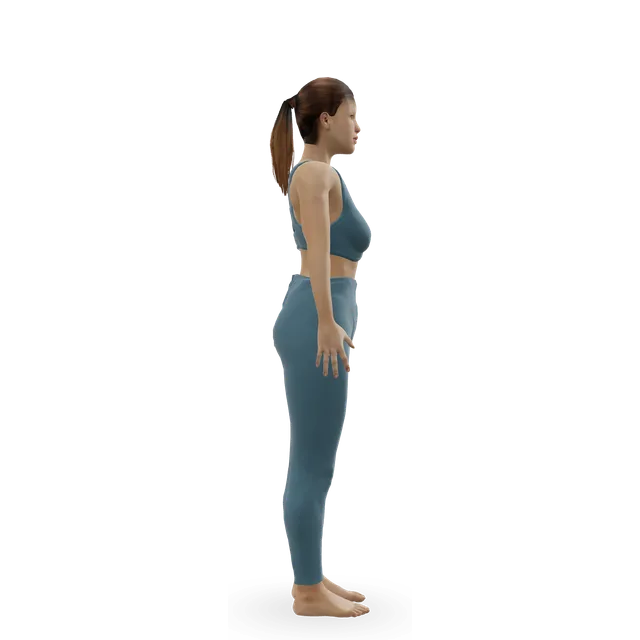
- Mountain pose (Tadasana)5 slow breathsBeginner · Calves, Back, Abs · 3D demoWeight spread through both feet, legs gently working. A hand on the wall if you feel light-headedHarder: Tree pose (Vrksasana)
- Chair pose (Utkatasana)3 holds of 20 to 30 sBeginner · Quads, Glutes, Shoulders · 3D demoSit back as if onto a tall stool, weight in your heels, arms forward or hands on your thighs. Rest between holdsHarder: Revolved chair pose (Parivrtta Utkatasana)
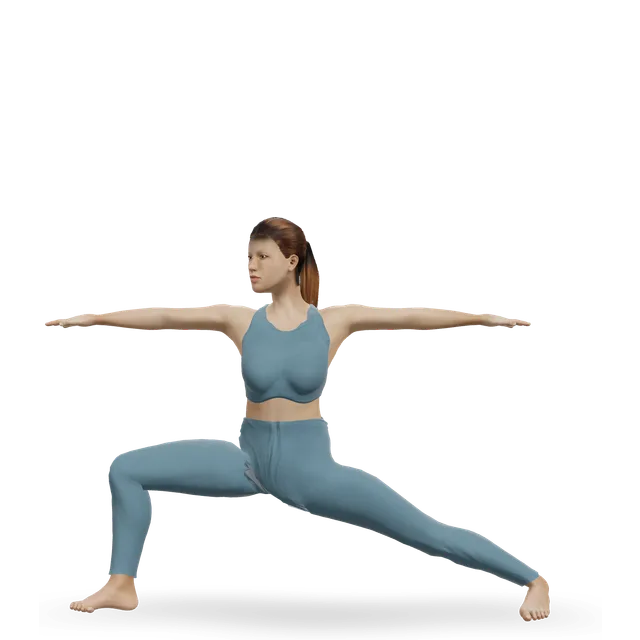
- Warrior II (Virabhadrasana II)5 breaths each sideIntermediate · Quads, Glutes, Adductors · 3D demoFront knee over your second toe. Shorten the stance if your knee complainsEasier: Chair pose (Utkatasana)Harder: Extended side angle (Utthita Parsvakonasana)
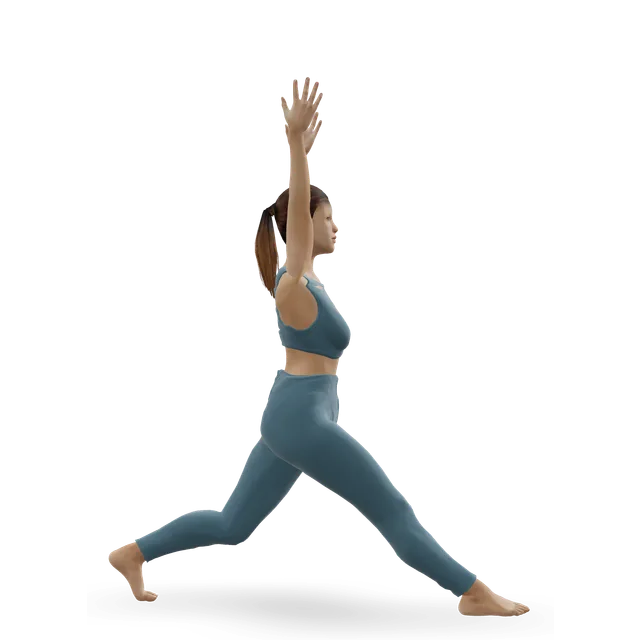
- High lunge (crescent lunge, Ashta Chandrasana)5 breaths each sideIntermediate · Quads, Glutes, Hip flexors · 3D demoBack heel lifted, so your back calf works. Lower the back knee to the floor if balance is the limitEasier: Low lunge (Anjaneyasana)Harder: Warrior III (Virabhadrasana III)
- Tree pose (Vrksasana)30 s each sideBeginner · Glutes, Hip abductors, Calves · 3D demoFingertips on a wall; foot on your ankle or calf, never pressed into the side of your kneeEasier: Mountain pose (Tadasana)Harder: Standing hand-to-big-toe pose (Utthita Hasta Padangusthasana)




Hands (1 minute)
- Tendon glides (hand tendon gliding exercises)2 of each position, holding 5 sBeginner · Forearms · 3D demoFor cold hands: straight, hook, full fist, tabletop and straight fist. Skip it if your hands are warm and wellHarder: Ball squeeze

Stretch and rest with your legs up (5 minutes)
- Wall calf stretch (gastrocnemius)30 s each legBeginner · Calves · 3D demoBack knee straight, heel downEasier: Seated calf stretch with a towelHarder: Heel-on-step calf and hamstring stretch
- Beginner · Hamstrings, Calves · 3D demoOr rest your calves on a chair seat or cushions, breathing slowly. Skip it with glaucoma; with high blood pressure that isn't controlled, keep your hips on the floor; with heart failure, or kidney or liver disease that causes fluid build-up, ask your doctor first. Roll to your side and sit for a moment before you standHarder: Plow pose (Halasana)


Tips
- Do it 2 or 3 times a week and walk on most other days, building towards 150 minutes of brisk walking a week (our editorial starting point).
- When you sit for a long time, do the first block, or 10 ankle pumps or calf raises, every 30 to 60 minutes.
- With leg pain on walking that eases when you stop, see a GP: the walking programme in our peripheral arterial disease guide comes first, and this class fits on other days.
- With Raynaud's, keep the room warm and a layer on for the rest, and warm cold hands slowly, not on a radiator.
- Come out of any pose at once if your feet go numb or tingle.
- Call 999 or go to A&E for a foot or leg that is suddenly cold, pale, numb, weak or very painful without an injury. Get help the same day for throbbing pain and swelling in one leg, and call 999 if it comes with breathlessness or chest pain.
- Yoga eases blood pressure a little and keeps your legs working; it won't clear narrowed arteries or remove varicose veins.
The doses are suggested starting points, not a prescription. Choose a range you can control and stop for sharp or increasing pain, numbness or tingling. Get individual advice after an injury or surgery, or if you are pregnant or managing a health condition.
Guides that recommend it
Find more moves like these
More yoga flows


Beginner yoga flow
A 20-minute beginner yoga sequence: mountain, chair, warrior II, triangle, tree, down dog, cobra and child's pose.
20 minBeginner11 movesA step
Sun salutation flow
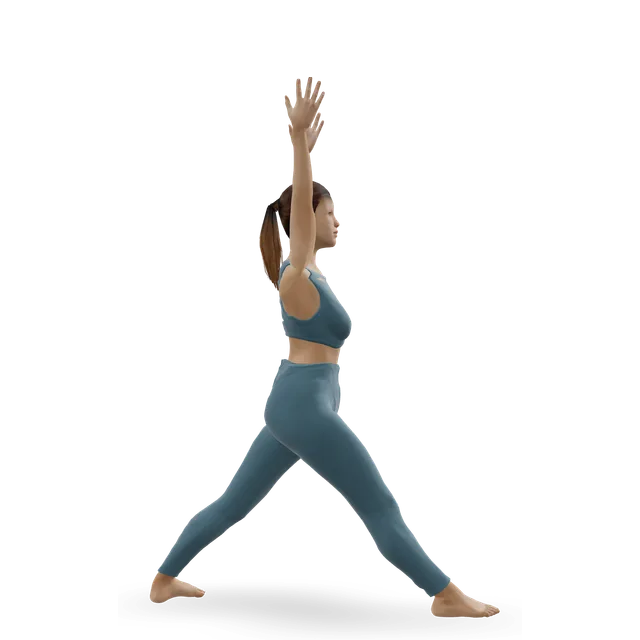
A 20-minute flow built on sun salutations A and B, with warrior poses and a short cool-down.
20 minIntermediate8 movesNo equipment



Yoga for tight hips
A hip-opening yoga sequence: low lunge, lizard, goddess, pigeon, bound angle and happy baby.
25 minBeginner10 movesA wallQuestions people ask
How long does the yoga for circulation: a 20-minute legs-first class with no head-down poses take?
About 20 minutes, including any warm-up and cool-down listed. Shorten it by doing fewer rounds; lengthen it by adding one.
What equipment do I need?
You need: A bench or box, A wall. Each move links to its guide, where you can find an alternative if you are missing something.
Is it suitable for beginners?
It is written for beginners. 6 of its 14 moves have an easier option listed beside them if you need one.
How do I make it easier or harder?
Use the easier or harder option listed under each move, change the number of rounds, or adjust the rest. Progress one change at a time.