Yoga guide

Yoga for circulation: blood flow in your legs and feet, what yoga can and can't do, and when to see a GP

Yoga can help your circulation a little, mainly by keeping your leg muscles working and easing blood pressure, but it doesn't "flush" your blood, and headstands and twists aren't needed. Your calf muscles are the pump that pushes blood back up from your legs, so the poses that matter are the ones that make your calves and thighs work. In small trials, yoga improved how well artery linings work and lowered blood pressure by a few points; no study has shown it improves blood flow to the hands, feet or legs.

This guide explains what "poor circulation" usually means (narrowed arteries, leaky veins, Raynaud's or a clot), what the trials show, why sitting still matters, the inversion and twist myths, and the signs that need a GP or 999. It ends with a free 20-minute class with no head-down poses and a 3D demo of every move.

The short version

"Poor circulation" isn't one condition

Arteries carry blood from your heart, tiny capillaries let oxygen and waste pass in and out, and veins carry blood back. The NHS has no page called "poor circulation": the phrase usually means narrowed leg arteries, leaky leg veins, small blood vessels that spasm in the cold (Raynaud's) or a clot, and each needs its own advice.

Sources 1, 2

Your calves are the pump

Standing still, the pressure in a vein on top of your foot is 80 to 90 mmHg; walking or rising onto your toes brings it down to 20 to 30. Moving your feet and ankles raised the blood flow in leg veins, most when combined with slow, deep breathing. So the poses that matter for circulation are the ones that make your calves and legs work.

Sources 3, 4, 5

Yoga helps blood vessels a little

In small trials, yoga improved how well the lining of an artery works and lowered blood pressure by about 5/4 mmHg. No study has measured whether it improves blood flow to the hands, feet or legs.

Sources 6, 7, 8

Inversions don't flush your circulation

Hanging upside down raised blood pressure and lowered the heart's output in healthy men, and headstand lowered blood flow to the brain. Legs up the wall shrank calves by about 3 mm in 15 minutes, less than lying flat. No study has tested twists on circulation.

Sources 9, 10, 11, 12

With leg pain on walking, walking is the treatment

For narrowed leg arteries (peripheral arterial disease, PAD), the National Institute for Health and Care Excellence (NICE) recommends a supervised walking programme, which adds about 82 metres of pain-free walking and 120 metres in total. Stopping smoking matters most of all. Yoga can be an extra, not a replacement.

Sources 13, 14, 15

Know the signs that need help

A foot or leg that suddenly turns cold, pale, numb, weak or very painful is a 999 call. Leg pain on walking that eases when you rest needs a GP, and throbbing pain and swelling in one leg needs help the same day. The full list is in the warning signs below.

Sources 16, 17, 18

What circulation is, and what "poor circulation" means

Arteries, capillaries and veins

MedlinePlus, the US National Library of Medicine's health site, describes arteries as carrying "oxygen-rich blood from your heart to your tissues and organs", veins as carrying "the blood and waste products back to your heart", and capillaries as "tiny blood vessels" whose walls "are thin and leaky, to allow for an exchange of materials between your tissues and blood". Lack of exercise, sitting or standing still for long periods and smoking are among the risk factors it lists for problems with blood vessels.

Source 1

Blood goes where it's needed

Working muscles get more blood because they need more oxygen. No pose "sends" blood anywhere. The trip back from your legs relies on one-way valves in the veins and the squeeze of your calf and foot muscles.

Sources 19, 3

What people usually mean by poor circulation

The phrase covers several different problems, each with its own guide on this site:

  • Narrowed leg arteries (PAD): fatty deposits restrict the blood supply to the leg muscles. Many people have no symptoms; some get an ache in the legs on walking that goes after a few minutes' rest.
  • Leaky leg veins (varicose veins): aching, heaviness or swollen ankles, usually worse after standing and better with your legs up.
  • Small blood vessels that spasm (Raynaud's): fingers and toes change colour and go numb when you're cold, anxious or stressed.
  • A clot (deep vein thrombosis, DVT): throbbing pain and swelling in one leg.
  • Swollen ankles: usually from standing or sitting too long, salty food, pregnancy, some medicines or varicose veins, and sometimes from heart, kidney or liver problems.
  • Diabetes, which can damage blood vessels and lead to foot ulcers and infections.

Sources 2, 17, 20, 21, 18, 22, 23

Sitting still

Sitting for an hour or more lowered how well the arteries in the legs (not the arms) worked, and the drop grew over 2 to 3 hours. After 2 hours of sitting, middle-aged adults had fuller, stiffer calves and more leg discomfort. Breaking up the sitting helped.

Sources 24, 25, 26

Where yoga fits

Standing poses make your thigh and calf muscles work, slow breathing and relaxation lower blood pressure a little, and yoga counts as muscle-strengthening activity rather than the brisk aerobic activity most circulation advice is about (our yoga for heart health guide). Head-down poses raise the pressure in your eyes and going upside down raises blood pressure, so this guide leaves them out.

Sources 7, 27, 9

Your calf muscle pump

How it worksStrong evidence

The European Society for Vascular Surgery's guideline explains that when you stand still, the pressure in the veins of your foot is high (80 to 90 mmHg), but when the calf muscle pump works, "as during tip toe exercise or walking", it falls to 20 to 30 mmHg. When the valves leak or the pump is weak, the pressure stays high, which drives swelling and skin changes.

Source 3

Moving your ankles moves the bloodEmerging evidence

In 20 people, actively moving the feet and ankles raised blood flow in the leg veins by 38% on average and 58% at its peak, more than when someone else moved them. In 20 healthy young men, the peak speed of blood in the main thigh vein was 10.1 cm a second at rest, 15.5 with deep breathing, 20.7 with ankle exercise and 26.5 with both.

Sources 4, 5

Calf strength helps the pumpEmerging evidence

In people with vein disease, exercise programmes improved how well the calf pump empties the veins, but not the leaky valves themselves. A Cochrane review of 5 small trials (146 people) rated the evidence on symptoms very low certainty.

Sources 28, 29, 30

Breathing helps a littleEmerging evidence

Each breath nudges blood up from your legs in waves, but over time the total flow didn't change with breathing pattern, and ankle movement moved more blood than deep breathing. Breathe slowly while you move your ankles.

Sources 31, 5

Ankle pumps with slow breathing, step by step

From our calf pump routine's dose (10 pumps, then 5 circles each way), with the slow breathing that, in a small study, moved the most blood when combined with ankle exercise. When you sit for a long time, do this every 30 to 60 minutes (our calf pump routine).

  1. Sit tall on a chair with your feet flat, or lie on your back.
  2. Lift one foot a little off the floor.
  3. Point your toes away from you, then pull them back towards your shin, slowly and as far as is comfortable. That's one pump.
  4. Do 10 pumps, breathing in slowly through your nose and out for a little longer, with no holds.
  5. Then draw 5 slow circles with your big toe each way, and change feet.

See the movement on the 3D figure: Ankle circles

What the evidence says

Artery lining function: a small improvementEmerging evidence

A 2024 review found 18 studies with 1,043 people; 12 found better artery lining function with yoga and 6 didn't. In 6 controlled studies (395 people), yoga raised flow-mediated dilation (FMD, a test of how well an artery widens) by 1.23 percentage points. For scale, aerobic and strength training raised it by about 2.8 and 2.5 points in other trials, a comparison across different studies.

Sources 6, 32

Arterial stiffness: mixedMixed evidence

In 7 small studies, 4 found yoga lowered arterial stiffness and 3 didn't, and most were of poor quality. In wider comparisons of exercise types, mind-body exercise did well in one analysis but with a very wide range of uncertainty, and in adults over 60, strength training, aerobic training and walking ranked highest.

Sources 33, 34, 35

Blood pressure: a few pointsEmerging evidence

Across 49 trials with 3,517 adults, yoga lowered blood pressure by about 5/4 mmHg. In people with raised blood pressure it lowered it by about 8/5 mmHg against no treatment, on very low quality evidence, and not clearly more than other active treatments. Our yoga for high blood pressure guide has more.

Sources 7, 36, 37

Stretching and the arteriesEmerging evidence

In a few small studies, 4 to 12 weeks of regular stretching lowered arterial stiffness, though a single session didn't. In one trial of 39 adults, 12 weeks of leg stretching improved artery function, and some of the gain was lost within 6 weeks of stopping.

Sources 38, 39

Blood flow to the hands, feet and legs: not studiedMixed evidence

We found no study measuring blood flow to the hands, feet or legs over a yoga programme. In 17 young desk workers, 10 minutes of standing yoga each hour during 4 hours of sitting gave mostly no clear differences in artery measures, although the authors concluded it helped.

Sources 8, 40

Yoga and varicose veins: two small trialsMixed evidence

In 100 male factory workers with leg vein disease, 12 weeks of yoga improved symptom scores against lifestyle advice, but not ankle or calf swelling. In 46 people with varicose veins, a month of yoga combined with naturopathy eased symptoms, and so did passive exercise and stretching in the comparison group, with no clear difference shown between them. Both trials were small, and neither shows yoga changes the veins.

Sources 41, 42

Leg artery disease and Raynaud's: no yoga trialsMixed evidence

We found no trial of yoga in PAD and no trial of yoga or exercise as a treatment for Raynaud's.

Sources 43, 44

Sitting still, and breaking it up

Short breaks protect your leg arteriesEmerging evidence

In 22 trials, breaking up long sitting kept leg artery function from dropping. A 2026 review of 24 studies found that short breaks of 2 to 3 minutes of leg movement or simple strength moves every 20 to 30 minutes helped most consistently.

Sources 24, 45

How much: our editorial starting point

Every 20 to 30 minutes of sitting, 2 to 3 minutes of ankle pumps, calf raises, marching or a short walk. At the very least, the NHS says get up and move around every hour or so. Our 3-minute desk movement break is built for this.

Sources 45, 18

Leg pain on walking (PAD)

Walking is the first treatmentStrong evidence

NICE says to "offer a supervised exercise programme to all people with intermittent claudication" (leg pain on walking that eases with rest), with about 2 hours of supervised exercise a week for 3 months. In 32 trials, exercise programmes added about 82 metres of pain-free walking and 120 metres in total. They didn't unblock the artery: the gains come from the leg muscles and the smaller blood vessels around the narrowing.

Sources 13, 14, 46

How to walkStrong evidence

The NHS: walk as far and as long as you can until the pain becomes intolerable, rest until it goes, then walk again, until you've walked for at least 30 minutes in total, several times a week, and keep exercising for life. Our PAD guide and its walk-rest-walk workout have the full programme.

Source 47

Stop smokingStrong evidence

The Circulation Foundation, the UK vascular surgeons' charity, calls stopping smoking the most important treatment: after 5 years, people with PAD who stop are twice as likely to be alive, and less likely to need an amputation.

Sources 15, 47

Where yoga fitsMixed evidence

No trial has tested yoga in PAD. Cycling, leg strength training and arm cranking did about as well as walking in trials, on low-certainty evidence. Yoga on other days can add leg strength, balance and a little help with blood pressure (our suggestion), but it doesn't replace the walking.

Sources 43, 48

Varicose veins and swollen legs

What the NHS advisesStrong evidence

Exercise regularly, such as walking or running, to improve blood flow; put your legs up when you can; don't stand or sit for long periods; and don't smoke. For swollen ankles, raise your legs on a chair or pillows and take gentle exercise such as walking.

Sources 20, 22

Calf work and walkingEmerging evidence

The European vascular surgeons say exercise should be considered to ease vein symptoms, and that strength and ankle movement help the calf pump, though larger studies are needed. Calf raises, ankle pumps and walking work the pump; our varicose veins guide has the calf pump routine.

Sources 3, 29

Compression stockingsStrong evidence

The NHS says compression stockings aren't suitable if you have problems with blood flow in your arteries, and that a specialist can check for this. Ask before buying strong ones.

Source 20

Cold hands and feet, and Raynaud's

What the NHS advisesStrong evidence

Keep warm, avoid sudden changes in temperature, "exercise regularly - this helps improve circulation", "try breathing exercises or yoga to help you relax", don't smoke and don't have too much caffeine.

Source 21

Yoga for relaxing, not as a treatmentMixed evidence

No trial has tested yoga or exercise as a treatment for Raynaud's. In 313 people, learning to warm the hands through relaxation did no better than its comparison, while a medicine (nifedipine) cut attacks by 66%. A GP can help if Raynaud's is bad or getting worse.

Sources 44, 49

Keep a layer on

Scleroderma & Raynaud's UK, the charity, says the relaxation at the end of a class can cool you down, so take layers. Afterwards, warm cold hands and feet slowly: the NHS advises against putting them on a radiator or under hot water.

Sources 50, 51

Inversions, legs up the wall and twists

Going upside down doesn't boost circulationMixed evidence

In 20 healthy men, an upside-down hang raised heart rate, blood pressure and resistance in the blood vessels, and lowered how much blood the heart pumped. In headstand, blood flow in the main artery to the brain fell, then recovered when people came down, and head-down tilting didn't change blood flow to the brain. We found no study showing inversions improve blood flow to the limbs.

Sources 9, 10, 52, 53

Legs up the wall: a small, short effectEmerging evidence

In 9 young women, 15 minutes with the legs raised shrank the calves by 5.4 mm with the calves on a ball, 4.6 mm lying flat and 3.1 mm with the legs up a wall. After 2 hours of sitting, 3 minutes of leg raising eased calf stiffness. Intensive care research shows that raising the legs shifts about 300 mL of blood towards the heart for about a minute; applying that to the pose is our inference. A Cleveland Clinic doctor says to "beware any sweeping claims that it's some sort of cure-all". It's a restful pose, not a treatment, as our wall yoga guide says.

Sources 11, 26, 54, 55

Who should skip legs up the wall or ask firstStrong evidence

With glaucoma, skip it or ask your eye team first: eye pressure rises a little in the pose. With high blood pressure that isn't under control, keep your hips on the floor. With heart failure, or kidney or liver disease that causes fluid build-up, ask your doctor first. In later pregnancy, prop your upper body up or skip it.

Sources 55, 27

Twists: no studyMixed evidence

We found no study of yoga twists and blood flow. Blood flow follows what your tissues need, especially working muscles. Gentle twists are fine for moving your spine.

Sources 12, 19

Wake up the calf pump

Sitting: ankle pumps (10, then 5 circles each way), seated calf raises (15) and a seated march (1 minute), from our calf pump routine. Standing: slow calf raises (2 sets of 10 to 15, holding a worktop) and toe raises (10 to 15), also from that routine, then march on the spot for a minute (our editorial starting point).

Standing yoga that works your legs

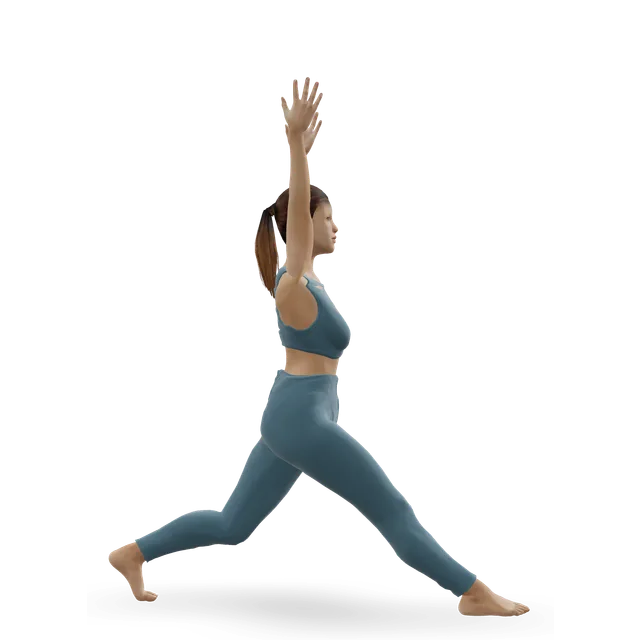
Mountain pose: 5 to 10 slow breaths (the move's page). Chair pose: 3 holds of 20 to 30 seconds; warrior II: 5 breaths each side, twice; high lunge, back heel lifted: 5 breaths each side (our yoga for legs class). Tree pose: 30 seconds each side, fingertips on a wall (our walk and yoga workout).

Hands and feet

To keep cold hands moving, not as a treatment. Tendon glides: 4 to 6 of each position, holding each for 5 seconds (the move's page); wrist circles: about 10 slow circles each way (our editorial starting point, as in our Raynaud's guide).

Breathe and rest with your legs up

Slow breathing: at least 5 minutes, regularly (the move's page, from the NHS). Wall calf stretch: 30 seconds each leg (our calf pump routine). Legs up the wall: 2 to 5 minutes (our wall yoga guide's editorial starting point), or rest your calves on a chair seat, with the cautions above. Walking: with PAD, walk-rest-walk for at least 30 minutes in total, several times a week (the NHS); otherwise build towards 150 minutes of brisk walking a week.

What to change or leave out

Headstand, shoulder stand and plough

They aren't needed for circulation. They raise blood pressure and eye pressure and load the neck, and US health advice tells beginners to avoid headstands and shoulder stands. Leave them out with glaucoma, high blood pressure that isn't controlled, osteoporosis, neck problems or pregnancy.

Sources 9, 27, 56

Long head-down holds

With glaucoma or high blood pressure that isn't controlled, keep downward dog and standing forward folds brief, as our sun salutation cues say. Our circulation class has no head-down poses.

Source 27

Long kneeling with numb feet

With numb feet, diabetes or PAD, come out of kneeling or cross-legged poses at once if your feet go numb or tingle, as our yoga for feet guide says.

Breath holds and fast, forceful breathing

Kapalabhati, bellows breath and breath holds raised blood pressure while people did them. Keep to slow breathing.

Source 57

Hot yoga

We found no evidence that heat helps circulation more. With vein problems, the European vascular surgeons' lifestyle advice includes avoiding heat; with Raynaud's, a warm room is good but sudden changes in temperature aren't.

Sources 3, 21

Free classes

Start with our 20-minute circulation class 2 or 3 times a week, and walk on most other days (our editorial starting point). The calf pump routine is the shorter, non-yoga version; the walk and yoga workout adds a brisk walk; the desk break is for long days sitting; with leg pain on walking, the claudication walking workout comes first.

Yoga for circulation: a 20-minute legs-first class with no head-down poses

Twenty minutes of yoga for blood flow in your legs and feet: ankle pumps and calf raises, standing poses that make your legs work, and a rest with your legs up.

20 minBeginner14 movesA bench or box, A wall

Calf pump exercises for varicose veins and heavy legs

A 15-minute calf pump routine for varicose veins and heavy, swollen legs: ankle pumps, calf raises, a brisk walk, calf stretches and legs up to finish.

15 minBeginner10 movesA bench or box, A wall

Walk and yoga workout

A 45-minute session for weight loss and health: a 20-minute brisk walk, which does more for the scales, then a standing yoga flow for strength and balance.

45 minBeginner12 movesCardio machine

Yoga for legs: a 25-minute strength and stretch routine for thighs, glutes and calves

A 25-minute yoga routine for your legs: standing holds for the thighs, one-leg poses for the glutes, bridges, calf and shin raises, then hip and hamstring stretches.

25 minBeginner17 movesA step, A wall

3-minute desk movement break

A 3-minute standing break to repeat every 30 to 60 minutes at your desk: sit-to-stands, calf raises, marching, an upper-back turn and chin tucks.

3 minBeginner5 movesA bench or box, A wall

Claudication walking workout: walk-rest-walk

The walk-rest-walk session for leg pain from narrowed arteries: walk until the pain is close to the most you can bear, rest until it goes, repeat to 30 minutes.

45 minBeginner8 movesA wall, Cardio machine

Yoga for high blood pressure: a 40-minute balanced practice

Forty minutes of short-hold poses, slow breathing and a 10-minute relaxation, with no head-down poses or breath holds.

40 minBeginner14 movesA step, Firm cushion

Yoga for heart health: a 35-minute gentle class with no breath holds

A gentle 35-minute yoga class for heart conditions: a 15-minute warm-up that builds slowly, short standing poses, a seated cool-down, breathing with no holds and rest.

35 minBeginner18 movesA bench or box, A wall

Follow a plan

The walking plan builds to 150 minutes a week over 8 weeks.

Warning signs: when to see a GP

This is general information, not a diagnosis. A&E means accident and emergency. In the US, call 911 where this page says 999, and use your doctor's urgent line or urgent care for NHS 111.

Call 999 or go to A&E

  • Call 999 or go to A&E: a foot or leg that is suddenly cold, pale, numb, weak or very painful without an injury. A sudden loss of blood supply is a vascular emergency.
  • Leg pain or swelling with breathlessness or chest pain, or swollen legs with a tight, heavy or painful chest or coughing up blood: it can be a blood clot that has reached the lungs.
  • Chest pain that feels tight or like squeezing, or spreads to your arms, neck or jaw, severe difficulty breathing, or someone who has passed out and isn't responding normally.
  • Call 999 or go to A&E: you have diabetes and a foot ulcer with a fever or signs of sepsis, an ulcer with poor circulation, a possible deep infection of the soft tissues or bone in the foot (with or without an ulcer), or gangrene. NICE asks for these to go straight to hospital.

Sources 16, 17, 18, 22, 58

Contact a GP immediately, or NHS 111

  • Contact a GP immediately (or NHS 111 if you can't): burning leg or foot pain that carries on at rest, pale skin, wounds on the feet or legs that do not heal, or toes that go cold, numb, then red or black.

Source 17

Get help the same day

  • Same day (urgent GP appointment or NHS 111): throbbing pain in one leg (rarely both), usually the calf or thigh; swelling in one leg (rarely both); red, blue or darkened skin around the painful area, which may be harder to see on brown or black skin; or swollen veins. This can be a deep vein thrombosis (DVT). It is more likely after surgery, a hospital stay, 3 or more days in bed, a journey of over 4 hours, pregnancy or a recent birth, cancer, a previous clot, or oestrogen-containing contraception or HRT.
  • A varicose vein that bleeds: ask for an urgent GP appointment or call NHS 111. Our varicose veins guide has what to do while you wait.
  • Swelling in one leg that you can't explain, or swelling that is severe, painful or came on suddenly.
  • Same day: you have diabetes and a new foot problem, such as an ulcer or wound, signs of infection, or a hot, swollen foot with a change in colour, even if it doesn't hurt. Contact your diabetes foot team or GP: NICE asks for these to reach a specialist foot service within 1 working day, and a suspected Charcot foot is kept off weight until it has been checked.

Sources 18, 20, 22

See a GP

  • See a GP if you get recurring leg pain when you exercise. The NHS says many people mistakenly think this is just part of getting older. Symptoms that come on quickly or suddenly get worse can be serious and need treating straight away.
  • Raynaud's that is very bad or getting worse, affects your daily life, is on one side only, comes with joint pain, skin rashes or muscle weakness, or starts for the first time after 30.
  • Varicose veins that ache, itch or swell, or a sore on your leg that hasn't healed after 2 weeks.
  • Both legs or ankles swollen and not better after a few days, or chilblains that aren't better after 2 to 3 weeks.
  • With diabetes: blisters or cracked skin on your feet, or pain, tingling or numbness.

Sources 17, 21, 20, 22, 51, 23

During practice

If calf pain on walking or standing comes on during a class, rest until it goes, as in walk-rest-walk. Come out of kneeling poses at once if your feet go numb or tingle. Come up slowly from lying and from legs up the wall: roll to your side and sit for a moment. Stop for chest pain, unusual breathlessness or dizziness.

Myths

"Inversions flush your circulation"Mixed evidence

Hanging upside down raised blood pressure and lowered the heart's output in healthy men, and we found no study showing inversions improve blood flow to the limbs. There's no "stagnant" blood to flush: blood flow follows what your tissues need. Our yoga for heart health guide grades this myth the same way.

Sources 9, 19, 53

"Headstands send more blood to your brain"Mixed evidence

In headstand, blood flow in the main artery to the brain fell, and head-down tilting didn't change blood flow to the brain. Our yoga for memory guide says the same.

Sources 10, 52

"Twists wring out stale blood"Mixed evidence

We found no study of it, and our yoga benefits guide grades "twists wring out or massage your organs" the same way.

Source 12

"Legs up the wall improves circulation to your whole body"Emerging evidence

It eased calf swelling by about 3 mm in 15 minutes, less than lying flat with the legs raised. It's a restful pose, not a treatment, as our wall yoga guide says.

Sources 11, 55

"Yoga clears clogged arteries"Mixed evidence

No yoga trial exists in PAD, and even walking, the proven treatment, doesn't unblock the artery: the gains come from the muscles and the smaller vessels around the narrowing. Walking, stopping smoking and medicines are the treatment.

Sources 43, 14, 13

"Yoga gets rid of varicose veins"Mixed evidence

In two small trials, yoga eased symptoms but didn't change leg swelling or the veins, and exercise improves the calf pump but not the leaky valves. Treatment is what closes the veins.

Sources 41, 42, 28

"Deep breathing pumps blood around your body"Mixed evidence

Breathing nudges blood up from your legs with each breath, but ankle movement moved more blood, and the total flow over time didn't change with breathing pattern.

Sources 31, 5

"Cold hands just mean poor circulation that yoga will fix"Mixed evidence

Cold, colour-changing fingers and toes are often Raynaud's. The NHS suggests warmth, regular exercise, not smoking, and breathing or yoga to relax, but no trial shows yoga treats it. Raynaud's on one side only, new after 30, or with joint pain or rashes needs a GP.

Sources 21, 49

"Leg pain when you walk is just getting older"Strong evidence

The NHS says many people mistakenly think so. See a GP for recurring leg pain when you exercise.

Source 17

Questions people ask

Does yoga improve circulation?

A little, in some ways. In small trials, yoga improved how well artery linings work and lowered blood pressure by about 5/4 mmHg. No study has shown it improves blood flow to the hands, feet or legs, and walking and strength training have stronger evidence.

What are the best yoga poses for circulation in the legs?

The ones that make your calves and legs work: calf raises, chair pose, warriors, high lunge with the back heel lifted, and tree pose. Your calf muscles push blood back up from your legs, and ankle pumps with slow breathing moved the most blood in a small study.

Is legs up the wall good for circulation?

It's a restful way to ease heavy legs a little: calves shrank by about 3 mm in 15 minutes, less than lying flat with the legs raised. Two to 5 minutes is plenty. Skip it with glaucoma, keep your hips down with high blood pressure that isn't controlled, and ask your doctor first with heart failure or kidney or liver disease that causes fluid build-up.

Do inversions like headstand improve blood flow?

No. Hanging upside down raised blood pressure and lowered the heart's output in healthy men, and headstand lowered blood flow to the brain. Head-down poses also raise eye pressure, and beginners are advised to avoid headstands and shoulder stands.

Can yoga help cold hands and feet?

Yoga can help you relax and keep moving, which the NHS suggests for Raynaud's, but no trial shows it treats cold hands or feet. Keep your whole body warm and a layer on for the rest at the end of a class. See a GP if the colour changes affect one side only, start after 30, or come with joint pain or rashes.

Is yoga good for peripheral artery disease?

No trial has tested it. Walking is the treatment: NICE recommends a supervised programme, which adds about 82 metres of pain-free walking and 120 metres in total. Yoga can be an extra for strength, balance and blood pressure on other days.

Can yoga help varicose veins?

It may ease aching a little. In two small trials, yoga improved symptoms but didn't change ankle or calf swelling or the veins. Calf raises, walking and resting with your legs up are the NHS's advice, and treatment is what closes the veins.

Does yoga lower blood pressure?

A little: about 5/4 mmHg across 49 trials, and more in people with high blood pressure who practised breathing and relaxation 3 times a week. Against other active treatments, the difference wasn't clear.

Do twists improve blood flow to your organs?

We found no study of it. Blood flow follows what your tissues need, especially working muscles. Gentle twists are fine for moving your spine.

Is hot yoga better for circulation?

We found no evidence that it is. With vein problems, the European vascular surgeons' advice includes avoiding heat, and heat can make you light-headed when you stand up from the floor.

How do I keep blood flowing when I sit all day?

Break up the sitting. Short breaks of 2 to 3 minutes of leg movement every 20 to 30 minutes looked most helpful in studies, and the NHS says get up and move around every hour or so. Ankle pumps, calf raises and a short walk all count.

When should I see a doctor about poor circulation?

See a GP for leg pain on walking that eases with rest, or a sore on your leg that won't heal. Contact a GP immediately for burning leg or foot pain at rest, or toes that go cold and numb, then red or black, and call 999 for a foot or leg that suddenly turns cold, pale, numb, weak or very painful. Get same-day help for throbbing pain and swelling in one leg.


Sources

  1. MedlinePlus · Vascular diseases (US National Library of Medicine, updated July 2024)
  2. NHS · Site search for "poor circulation": 10 results, no page by that name (28 October 2026)
  3. De Maeseneer 2022 · European Society for Vascular Surgery guidelines on chronic venous disease of the legs (guideline, Eur J Vasc Endovasc Surg; sections read in full)
  4. Sochart 1999 · Foot and ankle movements and blood flow in the leg veins: 20 people (lab study, J Bone Joint Surg Br)
  5. Kwon 2003 · Ankle exercise and deep breathing and blood flow in the thigh vein: 20 healthy men (lab study, Aust J Physiother)
  6. Patil 2024 · Yoga and artery lining function: 18 studies, 1,043 people (systematic review and meta-analysis, J Integr Complement Med)
  7. Wu 2019 · Yoga for blood pressure: 49 trials, 3,517 adults (systematic review and meta-analysis, Mayo Clin Proc)
  8. PubMed · Search for yoga and blood flow to the limbs or skin: 18 records, none measuring it over a yoga programme (29 October 2026)
  9. Heng 1992 · Heart and circulation during an upside-down hang: 20 healthy men (lab study, Int J Sports Med)
  10. Minvaleev 2019 · Headstand doesn't increase blood flow to the brain: 20 people (lab study, J Altern Complement Med)
  11. Chen 2020 · Leg position, timing and calf circumference: 9 young women (lab study, Int J Environ Res Public Health)
  12. Europe PMC · Search for yoga twists and blood flow, circulation or detox: 0 records (29 October 2026)
  13. NICE · Peripheral arterial disease: diagnosis and management (CG147, last updated December 2020)
  14. Lane 2017 · Exercise for leg pain on walking (intermittent claudication): 32 trials, 1,835 people (Cochrane review)
  15. Circulation Foundation · Lifestyle and medical management of PAD (the Vascular Society's charity)
  16. NHS Scotland · Vascular surgery pathways: intermittent claudication (Right Decision Service; reviewed September 2024, review due September 2026)
  17. NHS · Peripheral arterial disease (PAD) (last reviewed April 2026)
  18. NHS · DVT (deep vein thrombosis) (last reviewed April 2026)
  19. Joyner 2015 · How blood flow to working muscles is regulated (review, Physiol Rev)
  20. NHS · Varicose veins (last reviewed July 2024)
  21. NHS · Raynaud's (past its review date: reviewed July 2023, review due July 2026)
  22. NHS · Swollen ankles, feet and legs (oedema) (last reviewed February 2026)
  23. NHS · Type 2 diabetes: complications (last reviewed February 2025)
  24. Paterson 2020 · Prolonged sitting, breaks and artery function: 22 trials, 269 healthy adults (meta-analysis, Sports Med)
  25. Taylor 2022 · Uninterrupted sitting and artery function (systematic review and meta-analysis, Med Sci Sports Exerc)
  26. Okino 2022 · Two hours of sitting and calf stiffness, size and discomfort: 40 middle-aged adults (lab study, J Clin Med)
  27. Jasien 2015 · Eye pressure in four head-down yoga poses: 10 people with glaucoma and 10 without (observational study, PLoS One)
  28. Williams 2014 · The calf muscle pump in vein disease: 10 studies (review, J Vasc Surg Venous Lymphat Disord)
  29. Orr 2017 · Exercise for a weak calf muscle pump in leg vein disease: 14 studies (systematic review and meta-analysis, Ostomy Wound Manage)
  30. Araujo 2023 · Exercise for leg vein disease without ulcers: 5 trials, 146 people (Cochrane review)
  31. Miller 2005 · Muscle pump against breathing pump for blood returning from the leg (lab study, J Physiol)
  32. Ashor 2015 · Types of exercise and artery lining function (systematic review and dose-response meta-analysis of randomised trials, Sports Med)
  33. Patil 2020 · Yoga and arterial stiffness: 7 studies, 362 people (systematic review, Complement Ther Med)
  34. Saz-Lara 2021 · Exercise types and arterial stiffness: 35 trials (network meta-analysis, Eur J Cardiovasc Nurs)
  35. Wen 2026 · Exercise types, arterial stiffness and artery function in adults over 60 (network meta-analysis, Front Cardiovasc Med)
  36. Geiger 2025 · Yoga for high blood pressure: 30 trials, 2,283 people (systematic review and meta-analysis, PLoS One)
  37. Hartley 2014 · Yoga for preventing heart and circulation disease: 11 trials, 800 people (Cochrane review)
  38. Logan 2026 · Stretching and arterial stiffness: 12 studies (systematic review and meta-analysis, Sports Med)
  39. Bisconti 2020 · 12 weeks of leg stretching and artery function: 39 adults (randomised trial, J Physiol)
  40. Shruthi 2024 · Short yoga breaks and artery measures in 17 desk workers (crossover study, F1000Res; full text read)
  41. Yamuna 2024 · Yoga for chronic venous insufficiency: 100 male industrial workers (randomised trial, J Integr Complement Med)
  42. Chauhan 2023 · Yoga combined with naturopathy for varicose veins: 50 people (randomised trial, J Ayurveda Integr Med; full text read)
  43. PubMed · Search for yoga, tai chi or qigong and leg artery disease or claudication: 8 records, no trial (29 October 2026)
  44. PubMed · Search for yoga, meditation, relaxation, tai chi or qigong and Raynaud's: 98 records, no yoga or exercise trial (29 October 2026)
  45. He 2026 · Breaking up prolonged sitting and artery function: 24 studies (systematic review, Front Cardiovasc Med)
  46. Hageman 2018 · Supervised against home exercise or walking advice for claudication: 21 trials, 1,400 people (Cochrane review)
  47. NHS · Peripheral arterial disease (PAD): treatment (last reviewed April 2026)
  48. Jansen 2020 · Other types of exercise for claudication: 10 trials, 527 people (Cochrane review)
  49. Raynaud's Treatment Study 2000 · Nifedipine against temperature biofeedback for primary Raynaud's: 313 people (randomised trial, Arch Intern Med)
  50. Scleroderma & Raynaud's UK · Managing your Raynaud's symptoms (archived copy of October 2026)
  51. NHS · Chilblains (last reviewed April 2026)
  52. Kato 2022 · Head-down tilt and blood flow to the brain: 17 healthy adults (lab study, J Appl Physiol)
  53. Europe PMC · Search for yoga inversions and blood flow or circulation: 5 records, none showing better limb blood flow (29 October 2026)
  54. Monnet 2015 · Raising the legs to test the circulation in intensive care (commentary, Crit Care; full text read)
  55. Cleveland Clinic · The health benefits of legs up the wall (August 2021)
  56. NCCIH · Yoga: effectiveness and safety (US National Center for Complementary and Integrative Health)
  57. Nivethitha 2021 · Heart rate and blood pressure during four yogic breathing techniques: 20 healthy adults (lab study, Int J Yoga)
  58. NHS · Heart attack (last reviewed March 2026)

Exercise education, not a personal prescription, and clinical review of these guides is pending. If you are pregnant, have a health condition such as glaucoma, high blood pressure or osteoporosis, or have had recent surgery, check with a doctor, midwife or physiotherapist before starting, and stop for sharp or increasing pain. Health disclaimer.