Yoga guide

Yoga for lymphatic drainage: how your lymphatic system really works, lymphoedema, and the detox myths

Yoga can help lymph move, because any movement does: your lymphatic system has no heart to pump it, so it relies on its own vessels, your muscles and your breathing. But no study shows that a yoga pose or sequence drains lymph better than walking, and a healthy lymphatic system doesn't need "detoxing". With lymphoedema (long-term swelling), yoga is safe and can help comfort and quality of life, alongside compression and specialist care, not instead of them.

This guide explains what lymph is and how it really moves, what standing, raising your legs and deep breathing do, what the yoga trials in lymphoedema found, how to practise in your compression garment, the detox and inversion claims, and the swelling that needs a doctor. It points you to a daily lymphoedema routine and gentle classes with 3D demos.

The short version

Movement is what moves lymph

The lymphatic system has no central pump, the NHS says, so it relies on the muscles around its vessels. Working a muscle sped lymph clearance three- to sixfold in a laboratory study, and steady exercise raises lymph flow 2 to 3 times. Cancer Research UK: "any type of movement and exercise helps lymph move".

Sources 1, 2, 3, 4

No pose drains lymph better than walking

No study has measured lymph flow during yoga in people without lymphoedema, and nothing has been studied under the name "lymphatic drainage yoga". Going upside down isn't special: in healthy young adults, the lymph vessels in the legs pumped more often after standing up, not lying down.

Sources 5, 6, 7

Healthy lymph doesn't need a detox

No yoga study has measured toxins. Dietitians point out that your liver, kidneys, gut and skin deal with waste on their own.

Sources 8, 9

Lymphoedema needs specialist care first

Lymphoedema is long-term swelling, most often in an arm or leg. The recommended treatment combines compression, skin care, exercise and specialist massage, and after breast cancer, the National Institute for Health and Care Excellence (NICE) says compression is the first stage.

Sources 1, 10

Yoga is safe with lymphoedema, and helps how you feel

NICE says there is no indication that physical activity causes or worsens lymphoedema. In small trials, mostly after breast cancer, yoga improved quality of life and symptoms in the short term, but didn't shrink arm swelling more than usual care, and the gains faded when classes stopped.

Sources 10, 11, 12

Know the swelling that needs a doctor

Painful, hot, swollen skin can be cellulitis and needs help the same day. New swelling after cancer treatment needs checking as soon as you notice it, and a throbbing, swollen limb can be a clot (deep vein thrombosis, DVT). The full list is in the warning signs below.

Sources 13, 14, 15

What the lymphatic system does

Lymph is fluid on its way back

About 8 litres of fluid a day seeps out of the tiny blood vessels into your tissues and becomes lymph. It passes through some of your 500 to 600 lymph nodes, and about 4 litres a day returns to the blood through veins at the base of the neck. On the way, it carries immune cells, bacteria, damaged cells and other debris to the nodes, which filter them out.

Sources 16, 17

Lymphoedema

Lymphoedema is "a long-term (chronic) condition that causes swelling in the body's tissues", usually in the arms or legs (the NHS). Primary lymphoedema comes from faulty genes and is rare; secondary lymphoedema follows damage, most often from cancer surgery or radiotherapy, and also infection, injury, vein disease, obesity or long periods without moving. The NHS puts it at more than 200,000 people in the UK, and the British Lymphology Society (BLS) at almost 450,000. After breast cancer, about 1 in 6 women develop arm swelling, more after all the lymph nodes in the armpit are removed (19.9%) than after a sentinel node biopsy (5.6%).

Sources 18, 19, 20, 21

Lipoedema is different

Lipoedema is "an abnormal build-up of fat in your legs and sometimes arms", usually on both sides equally, and "It's not caused by being overweight" (the NHS). It isn't lymph, so it can't be drained. Our lipoedema guide covers what helps.

Source 22

Everyday swelling

Most puffy ankles come from standing or sitting still for long, salty food, pregnancy, some medicines or varicose veins. The NHS suggests raising your legs on a chair or pillows when you can, and gentle exercise such as walking.

Source 23

How lymph really moves

The vessels pump, and your muscles squeezeStrong evidence

Lymph vessels are divided by one-way valves into short segments that contract on their own. Muscles, breathing and pulsing arteries squeeze them too, though a 2018 review says how much each matters "is not known with any accuracy". The BLS: "Without movement, lymphatic vessels collapse", and "Regular, short periods of activity really make a difference".

Sources 16, 1, 20

Working muscles and walkingEmerging evidence

In 8 men, 100 thigh muscle contractions sped the clearance of a tracer from the muscle three- to sixfold. During steady exercise, lymph flow rises to about 2 to 3 times its resting level. After 15 minutes of slow walking, the end of the main lymph duct widened from 2.69 to 3.41 mm in 20 healthy adults; that's a measure of its width, not of flow.

Sources 2, 3, 24

Standing up, and raising your legsEmerging evidence

In 16 healthy young adults (17 took part), the lymph vessels just under the skin of the legs pumped more than twice as often within 3 minutes of standing up, and stayed busier for a few minutes after lying down again. Raising the legs eases everyday swelling a little by gravity: in 9 young women, calves shrank by 3 to 5 mm in 15 minutes. In early lymphoedema, swelling goes down when the limb is raised; later, raising it alone rarely helps.

Sources 7, 25, 26

Going upside down: no studyMixed evidence

We found no study of yoga inversions and lymph. In one study, a head-down tilt widened the main lymph duct by about 0.1 mm, but nobody measured whether more lymph flowed.

Sources 27, 28

Breathing

What's been measuredEmerging evidence

In 20 healthy volunteers whose main lymph duct could be seen on ultrasound, it was 1.8 mm across on a full breath in and 1.6 mm on a full breath out; whether that moves more lymph wasn't measured. Cancer Research UK, the BLS and Breast Cancer Now all advise deep breathing. Cancer Research UK explains that it changes the pressure in your chest and tummy, "This encourages lymph to flow back into the blood system. Deep breathing can also help you to relax."

Sources 28, 4, 20, 14

Tested only as part of self-care routinesEmerging evidence

In 38 women with arm lymphoedema, 10 minutes of gentle arm exercise with deep breathing reduced arm volume by 5.8% straight away, with no comparison group. In 126 people with leg lymphoedema in Ethiopia, adding self-massage and deep breathing to hygiene care cut painful flare-ups from 38% to 12% over 24 weeks, without changing leg size. Small trials of daily routines with deep breathing helped hand and leg swelling. Breathing has never been tested on its own.

Sources 29, 30, 31, 32

Deep breathing for lymph, step by step

From Cancer Research UK's deep breathing steps for lymphoedema; 5 breaths before and after is the dose in our lymphoedema routine.

  1. Sit or lie comfortably, with your shoulders relaxed.
  2. Put one hand on your tummy, just below your ribs.
  3. Take a slow, deep, comfortable breath in through your nose, feeling your hand rise as your tummy rises.
  4. Breathe out slowly through your mouth, so your tummy flattens again. There's no need to hold your breath.
  5. Repeat 5 times, then start your exercises. If you feel light-headed, make the breaths smaller.

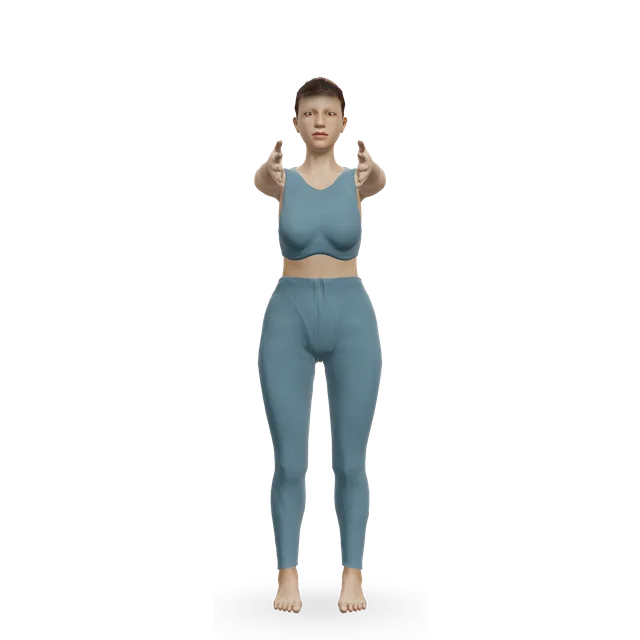
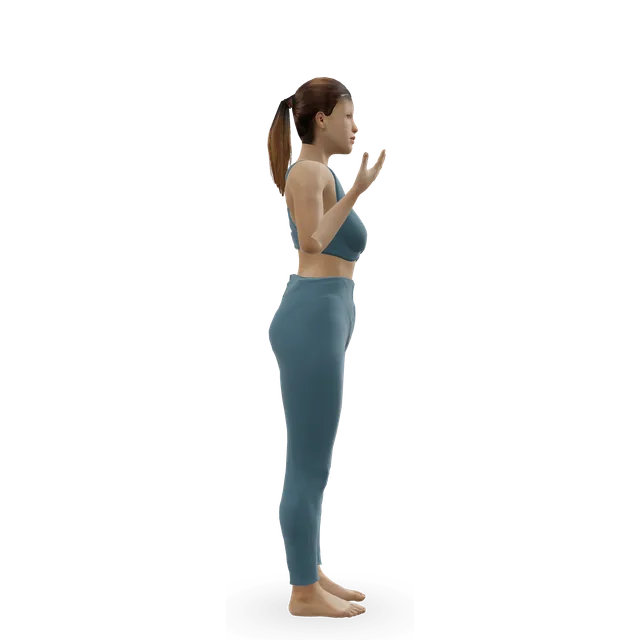
See the movement on the 3D figure: Slow breathing (6 breaths a minute)

Lymphoedema: what works

Compression and specialist care come firstStrong evidence

The NHS recommends decongestive lymphatic therapy: compression bandages or garments, skin care, exercise and specialist massage, adding that it "is not a cure". After breast cancer, NICE says refer to a specialist lymphoedema service as soon as possible, offer compression as the first stage, and doesn't recommend compression to prevent lymphoedema. It makes no recommendation on manual lymphatic drainage, because the evidence was uncertain.

Sources 1, 10

Exercise is safeStrong evidence

NICE: "there is no evidence that physical activity (including upper limb exercise) will worsen their lymphoedema". In 36 studies (1,741 people with lymphoedema after cancer), exercise didn't worsen swelling and improved pain, strength, fatigue and quality of life, though it barely shrank the swelling. In 141 women, a year of slowly built weight lifting halved flare-ups (14% against 29%).

Sources 10, 33, 34

Exercise may lower the riskEmerging evidence

Across 17 studies (2,739 people, mostly after breast cancer), exercise lowered the risk of developing lymphoedema by about 29%, on low-certainty evidence.

Source 35

Compression may not suit everyoneStrong evidence

The NHS says compression "may not be suitable for some people, such as those with arterial problems in their legs". Your lymphoedema service checks this.

Source 1

What the yoga trials show

The best-reported trialMixed evidence

28 women with early arm lymphoedema after breast cancer did 8 weeks of a weekly 90-minute class and 40 minutes a day at home, or usual care. At 8 weeks, tissue in the upper arm was softer and symptoms eased, but arm volume didn't differ. Four weeks after the classes stopped, arm volume rose more in the yoga group.

Source 12

Other small trialsMixed evidence

In 40 women, 8 weeks of yoga improved daily functioning and eased tiredness, pain and poor sleep, with no difference in arm volume. A 2026 trial in 96 women reported lower arm volume and better quality of life, but its summary gives no sizes. In studies without a comparison group, 21 women at risk and 15 survivors had no rise in arm swelling.

Sources 36, 37, 38, 39

Pooled: better quality of life, swelling unclearMixed evidence

A 2025 analysis of 26 trials (1,203 people), 3 of them yoga, found yoga improved quality of life within 6 months more than usual care (moderate certainty), its effect on swelling was unclear (very low certainty), and it didn't improve shoulder movement more than usual care (low certainty). An earlier review found short-term gains but no lasting difference in swelling.

Sources 11, 40

What guidelines and charities sayStrong evidence

A cancer society guideline found the evidence for yoga in lymphoedema too thin to recommend it for the swelling, while recommending yoga for anxiety, mood and quality of life. Macmillan lists yoga among "good types of exercise" for lymphoedema, and the BLS lists it among sports that are "both safe and beneficial".

Sources 41, 42, 43

Leg lymphoedema from a tropical infectionMixed evidence

In India, large programmes combining yoga with traditional medicine, compression and antibiotics reported smaller legs and fewer infections, without comparison groups, so yoga's own part is unknown. International lymphology experts say these may help where resources are limited.

Sources 44, 26

Practising yoga with lymphoedema

Every day: a short routine

Cancer Research UK's routines start with deep breathing, then gentle moves for the swollen arm or leg, 5 to 10 of each, slowly, and the leg routine at least twice a day; our lymphoedema routine follows them. Over the week, international experts suggest building towards 150 minutes of moderate activity, mixing aerobic exercise and strength work, of any type, including yoga.

Sources 4, 26

Wear your garment, and build up slowly

If you've been given a compression garment, UK lymphoedema charities say wear it when you exercise; you don't need it in the pool. Start with short sessions and add a little at a time.

Sources 45, 43, 46

Watch the limb

The BLS's practical advice is that a little extra swelling that goes down within 24 hours is fine; it hasn't been tested in trials. If the arm or leg is more swollen, aching or hotter than usual, or slower to settle, do less next time, and Cancer Research UK says stop and contact your lymphoedema specialist if you notice changes.

Sources 43, 4

Keep moving rather than holding still

Macmillan advises avoiding exercises where you hold your muscles tight without moving, "For example, avoid the plank position", and, with arm swelling, "Try not to lift your arm above shoulder height for too long". Keep weight-bearing arm holds such as downward dog short, or use a wall, as our yoga for cancer guide says. In one trial, the yoga avoided long spells with the arms hanging down too.

Sources 46, 42, 38

Skip the heat, and tell your teacher

The NHS says the heat from saunas and steam rooms "may increase the swelling", so skip hot yoga or ask your specialist (our suggestion). Avoid tight clothing and jewellery on the swollen limb, and let your teacher know you have lymphoedema or are at risk of it.

Sources 47, 14, 4

Breathe deeply first

Slow belly breathing: 5 breaths to start and finish (our lymphoedema routine), or at least 5 minutes on its own (the move's page). Crocodile breathing: 5 minutes of easy breathing, face down (the move's page); skip it in later pregnancy or with reflux. Breath reach: 5 breaths, breathing out for longer than in (the move's page), arms only as high as is comfortable.

Neck, shoulders and arm pumps

For arm swelling, from our lymphoedema routine: neck turns, tilts and nods (5 of each, held 2 to 3 seconds); shoulder rolls (5 to 10 each way, then 5 shrugs); arm swings (5 to 10); elbow bends and wrist circles, forearm on a cushion (5 to 10); ball squeezes (5 to 10); and tendon glides (5). Gently, without pain.

Leg pumps and walking

For leg swelling or puffy ankles, from our lymphoedema routine: a seated march (10 each leg), seated calf raises (10) and ankle pumps (10, then 5 circles each way); then standing calf raises (2 sets of 10 to 15, holding a worktop, from our calf pump routine). Short, regular walks move lymph more than any pose.

Gentle yoga that keeps moving

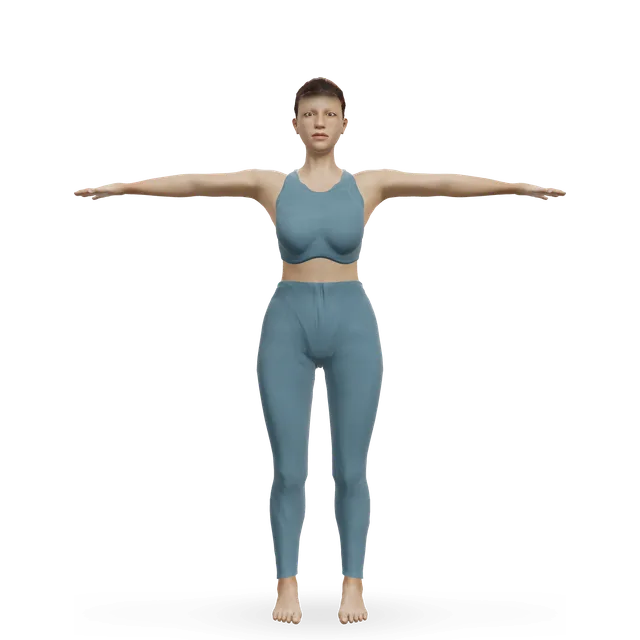
Cat-cow: 8 waves, slower than feels natural (the move's page), seated if weight on your hands bothers a swollen arm. Mountain pose: 5 to 10 slow breaths (the move's page). Chair pose: 2 holds of 3 to 5 breaths; warrior II: 3 to 5 breaths each side, arms lower if they feel heavy; bridge pose: 6 to 8 slow lifts rather than a long hold (our gentle yoga for cancer class).

Rest with the limb raised

Legs up the wall, or legs on cushions: 2 to 5 minutes (our wall yoga guide's editorial starting point), with that move's cautions for glaucoma, blood pressure that isn't controlled, heart failure and later pregnancy. Corpse pose: 5 minutes, with a swollen arm resting on a cushion (the lower end of the move's page).

What to change or leave out

Long static holds

Plank, side plank and long holds in downward dog: keep them short, use a wall version, or leave them out, as Macmillan advises.

Source 46

Arms overhead for a long time

With arm swelling, lower your arms between poses rather than holding them up for long.

Source 42

Hot yoga

Heat may increase lymphoedema swelling. Choose a room at normal temperature.

Sources 47, 14

Inversions or twists "to drain lymph"

No study supports them, and head-down poses raise eye pressure. Raising your legs a little for comfort is fine, and gentle twists are fine as movement.

Sources 27, 8, 48

Routines and classes

There's no "lymphatic drainage" class, because no sequence of poses has been shown to drain lymph. With swelling, the lymphoedema routine is the one to do every day (the leg block at least twice a day). The calf pump routine suits heavy legs, the gentle classes keep you moving, and short walks count too. With lymphoedema, check the limb after any class.

Follow a plan

The walking plan builds to 150 minutes a week over 8 weeks.

Swelling that needs a doctor

These follow our exercise for lymphoedema guide, word for word where quoted. This is general information, not a diagnosis. A&E means accident and emergency. In the US, call 911 where this page says 999.

Call 999 (911 in the US) or go to A&E

If you have cellulitis with any of these, which can be signs of sepsis:

  • A very high temperature, or feeling hot, cold or shivery.
  • A fast heartbeat or fast breathing.
  • Purple patches on the skin (these may be harder to see on brown or black skin).
  • Feeling dizzy or faint, or confused.
  • Cold, clammy or pale skin, or not responding.
  • Also call 999 for pain and swelling in a limb with breathlessness or chest pain, which can mean a blood clot has reached the lungs.

Sources 13, 15

Urgent GP appointment or NHS 111, the same day

  • The skin of the swollen or at-risk area is painful, hot and swollen, perhaps red (harder to see on brown or black skin), or you feel unwell with flu-like symptoms: this can be cellulitis, and early antibiotics help.
  • Throbbing pain and swelling in one limb with red, blue or darkened skin or swollen veins, which can be a DVT (it can happen in an arm too).
  • Antibiotics for cellulitis aren't helping after 48 hours.

Sources 13, 15

See a GP

  • New swelling in an arm or leg, especially after cancer treatment: early swelling can come and go, and after breast cancer treatment Breast Cancer Now says to get advice as soon as you notice it. A GP can refer you to a specialist lymphoedema service. New swelling after cancer treatment needs checking for other causes first.
  • Signs of a skin infection, such as redness or heat, as soon as possible.
  • Swollen legs, ankles or feet that haven't improved after a few days, or symptoms of lipoedema.

Sources 14, 10, 47, 23, 22

Contact your lymphoedema specialist

If the swollen or at-risk area changes during or after exercise, stop and get in touch. Talk to them before you start a new activity.

Source 4

Don't exercise with cellulitis

Macmillan says you should not exercise if you have a skin infection (cellulitis), and the NHS says not to wear compression stockings until you're better. Our exercise for lymphoedema guide covers what to do.

Sources 42, 13

Swollen glands

Swollen lymph nodes aren't something to stretch or drain away. See a GP if they're getting bigger or haven't gone down within 1 week, feel hard or don't move, come with night sweats or a very high temperature, or are just above or below your collarbone.

Source 49

Myths

"Yoga drains your lymph and detoxes you"Mixed evidence

No study has measured lymph flow during yoga in people without lymphoedema, and no yoga study has measured toxins. Lymph does carry waste and bacteria to the lymph nodes as part of its normal work, and any movement helps it along, but there's no backlog of toxins for a sequence to clear. Our yoga benefits guide grades "yoga detoxes your body" the same way.

Sources 5, 8, 20, 9

"Inversions reverse the flow of lymph"Mixed evidence

Lymph vessels have one-way valves, so the flow can't reverse. We found no study of inversions and lymph, and leg lymph vessels pumped more often after people stood up. Our wall yoga guide grades "legs up the wall drains your lymph" the same way.

Sources 16, 27, 7

"Twists wring out toxins"Mixed evidence

No study has tested it.

Source 8

"Lymphatic drainage yoga is a special sequence"Mixed evidence

Nothing has been studied under that name. What moves lymph is ordinary: walking, working your calves and arms, and deep breathing.

Sources 6, 2, 4

"Rebounding or dry brushing drains your lymph"Mixed evidence

We found no studies of either. Any exercise that works your muscles moves lymph, as our lymphatic drainage massage guide says.

Sources 50, 51

"Yoga can replace compression"Strong evidence

Compression is the first stage of treatment, and in the controlled trials, yoga didn't reduce arm swelling more than usual care. Yoga can help comfort and quality of life alongside treatment.

Sources 10, 12, 36

"With lymphoedema, you shouldn't do yoga or use your arm"Strong evidence

NICE says there's no evidence that physical activity, including arm exercise, worsens lymphoedema, and no yoga trial found it did. Our yoga for cancer guide grades this myth the same way.

Sources 10, 38, 39

"More sweat and heat means more drainage"Mixed evidence

Heat doesn't drain lymph, and with lymphoedema the NHS says heat from saunas and steam rooms may increase the swelling.

Sources 47, 14

"Lipoedema is trapped lymph you can drain"Strong evidence

Lipoedema is a build-up of fat, not lymph, and isn't caused by being overweight.

Source 22

Questions people ask

Does yoga help lymphatic drainage?

Any movement helps lymph move, and yoga is movement: working a muscle sped lymph clearance three- to sixfold, and steady exercise raises lymph flow 2 to 3 times. But no study has measured lymph flow during yoga in people without lymphoedema, so there's no evidence yoga moves lymph better than walking.

What are the best yoga poses for lymphatic drainage?

No pose has been shown to drain lymph. Moves that keep muscles working help most: walking, calf raises, ankle pumps, arm pumps and gentle standing poses, with slow, deep breathing, as UK lymphoedema advice suggests.

Does legs up the wall help lymphatic drainage? How long should I do it?

Raising your legs eases everyday swelling a little by gravity, but there's no study of legs up the wall and lymph, and leg lymph vessels actually pump more when you stand. Two to 5 minutes is a restful start, with its cautions for glaucoma, blood pressure and heart failure.

What breathing helps lymphatic drainage?

Slow, deep belly breathing. Cancer Research UK says it changes the pressure in your chest and tummy, which encourages lymph to flow back into the blood. It's a good way to start any session, but it hasn't been shown to reduce swelling on its own.

Is yoga good for lymphoedema?

It can help how you feel: in small trials, mostly after breast cancer, yoga improved symptoms and quality of life in the short term. It didn't reduce arm swelling more than usual care, and gains faded when classes stopped. Use it alongside compression and your lymphoedema service's plan, not instead.

Can I do yoga with lymphoedema after breast cancer?

Yes: NICE says there's no evidence that physical activity, including arm exercise, worsens lymphoedema, and no yoga trial found it did. Build up slowly, avoid long static holds such as the plank and long spells with your arm above shoulder height, and keep weight-bearing arm holds short. If the arm changes during or after exercise, stop and contact your lymphoedema specialist.

Should I wear my compression garment for yoga?

If you've been given one, UK lymphoedema charities say wear it when you exercise. International experts say it should be decided for each person, so follow your lymphoedema specialist. You don't need it in the pool.

Does yoga detox your lymphatic system?

No study shows it. Your lymphatic system carries waste and bacteria to the lymph nodes as part of its normal work, and your liver, kidneys, gut and skin handle the rest. Movement keeps lymph flowing; there's no extra detox from poses or twists.

Is hot yoga good for lymphatic drainage?

There's no evidence that heat drains lymph. With lymphoedema, the NHS says heat from saunas and steam rooms may increase the swelling, so skip hot rooms or ask your specialist.

Is yoga good for lipoedema?

Lipoedema is a build-up of fat, not lymph, so yoga won't drain it. Gentle exercise is part of looking after it, and our lipoedema guide covers what helps.

Can yoga help swollen legs and ankles?

Moving and raising your legs helps everyday swelling: the NHS suggests raising your legs on a chair or pillows and gentle exercise such as walking. Calf raises and ankle pumps in a yoga session work the same muscles. Swelling that's in one leg, sudden, painful or not better after a few days needs checking.

When is swelling a warning sign?

Painful, hot, swollen skin, perhaps red, or flu-like symptoms can be cellulitis: get an urgent GP appointment or call NHS 111 the same day. Throbbing pain and swelling in one limb can be a clot, and new swelling after cancer treatment should be checked as soon as you notice it. Call 999 for limb swelling with breathlessness or chest pain.


Sources

  1. NHS · Lymphoedema: treatment (past its review date: reviewed March 2023, review due March 2026)
  2. Havas 1997 · Lymph clearance from working thigh muscles: 8 men (lab study, J Physiol)
  3. Lane 2005 · Exercise and the lymphatic system after breast cancer (review, Sports Med)
  4. Cancer Research UK · Exercise, positioning and lymphoedema (reviewed May 2026)
  5. Europe PMC · Search for yoga or pranayama and lymph flow or lymphatic drainage: 8 records, none in people without lymphoedema (29 October 2026)
  6. Europe PMC · Search for "lymphatic yoga" or "lymphatic drainage yoga": 0 records (29 October 2026)
  7. Holm-Weber 2022 · Gravity and lymph flow in the legs: 17 healthy young adults, 16 analysed (lab study, Physiol Rep; full text read)
  8. Europe PMC · Search for yoga, twists or pranayama and detoxification: 27 records, none measuring toxins (29 October 2026)
  9. British Dietetic Association · Detox diets: food fact sheet (2025)
  10. NICE · Early and locally advanced breast cancer (NG101): lymphoedema recommendations (last updated April 2025)
  11. Aguilera-Eguía 2025 · Physical therapies for arm lymphoedema after breast cancer: 26 trials, 1,203 people, 3 of yoga (network meta-analysis, J Clin Med; full text read)
  12. Loudon 2014 · Yoga for arm lymphoedema after breast cancer: 28 women (randomised pilot trial, BMC Complement Altern Med)
  13. NHS · Cellulitis (last reviewed April 2024)
  14. Breast Cancer Now · Lymphoedema (reviewed May 2024)
  15. NHS · DVT (deep vein thrombosis) (last reviewed April 2026)
  16. Moore 2018 · How lymph flows (review, Annu Rev Fluid Mech; full text read)
  17. Cancer Research UK · The lymphatic system and cancer (reviewed November 2023)
  18. NHS · Lymphoedema (past its review date: reviewed March 2023, review due March 2026)
  19. NHS · Lymphoedema: causes (past its review date: reviewed March 2023, review due March 2026)
  20. British Lymphology Society · What is lymphoedema?
  21. DiSipio 2013 · How often arm lymphoedema follows breast cancer: 72 studies (systematic review and meta-analysis, Lancet Oncol)
  22. NHS · Lipoedema (past its review date: reviewed July 2023, review due July 2026)
  23. NHS · Swollen ankles, feet and legs (oedema) (last reviewed February 2026)
  24. Shinaoka 2025 · Walking and the main lymph duct on ultrasound: 20 healthy adults (pilot study, Sci Rep; full text read)
  25. Chen 2020 · Leg position, timing and calf circumference: 9 young women (lab study, Int J Environ Res Public Health)
  26. International Society of Lymphology 2023 · The diagnosis and treatment of peripheral lymphedema (consensus document, Lymphology)
  27. Europe PMC · Search for yoga inversions and immunity or lymph: 0 records (29 October 2026)
  28. Hinton 2022 · Breathing, body position and the width of the main lymph duct: 33 healthy volunteers (ultrasound study, Clin Anat)
  29. Moseley 2005 · Gentle arm exercise and deep breathing for arm lymphoedema: 38 women (uncontrolled study, Lymphology)
  30. Douglass 2020 · Adding self-massage and deep breathing to self-care for leg lymphoedema in Ethiopia (cluster randomised trial, J Clin Med)
  31. Arinaga 2019 · A 10-minute daily self-care routine for arm lymphoedema: 43 women (randomised pilot trial, Tohoku J Exp Med)
  32. Wang 2024 · Diaphragmatic breathing and limb exercise added to lymphoedema therapy after gynaecological cancer: 60 people (trial, Front Bioeng Biotechnol)
  33. Hayes 2022 · Exercise to prevent and treat lymphoedema after cancer (systematic review and meta-analysis, Med Sci Sports Exerc)
  34. Schmitz 2009 · Weight lifting with arm lymphoedema after breast cancer: 141 women (randomised trial, N Engl J Med)
  35. Plinsinga 2026 · Exercise and the risk of developing lymphoedema after cancer: 17 studies, 2,739 people (systematic review and meta-analysis, JNCI Cancer Spectr)
  36. Pasyar 2019 · Yoga for arm lymphoedema after breast cancer: 40 women (randomised pilot trial, Eur J Oncol Nurs)
  37. Movafegh 2026 · Yoga for arm lymphoedema after breast cancer: 96 women (randomised trial, Br J Community Nurs)
  38. Mazor 2018 · Yoga in 21 women at risk of arm lymphoedema after breast cancer (uncontrolled study, J Altern Complement Med)
  39. Lai 2017 · Yoga and arm swelling in 15 breast cancer survivors (pilot study, Rehabil Nurs)
  40. Wei 2019 · Yoga for arm lymphoedema after breast cancer (systematic review, Complement Ther Clin Pract)
  41. Greenlee 2017 · Society for Integrative Oncology guideline on integrative therapies during and after breast cancer treatment (guideline, CA Cancer J Clin)
  42. Macmillan Cancer Support · Managing lymphoedema with physical activity (reviewed March 2023; Macmillan says it is being reviewed)
  43. British Lymphology Society · EveryBodyCan: get moving with lymphoedema (leaflet)
  44. Narahari 2023 · Integrative self-care for leg lymphoedema from filariasis: 1,698 people (retrospective study, Br J Dermatol)
  45. Lymphoedema Support Network · Your questions answered (reviewed October 2025)
  46. Macmillan Cancer Support · Exercising safely with cancer (reviewed November 2023)
  47. NHS · Lymphoedema: prevention (past its review date: reviewed March 2023, review due March 2026)
  48. Jasien 2015 · Eye pressure in four head-down yoga poses: 10 people with glaucoma and 10 without (observational study, PLoS One)
  49. NHS · Swollen glands (past its review date: reviewed September 2023, review due September 2026)
  50. Europe PMC · Search for rebounding or trampolines and lymph: 13 records, none on lymph flow (29 October 2026)
  51. Europe PMC · Search for dry brushing and lymph or detox: 1 unrelated record (29 October 2026)

Exercise education, not a personal prescription, and clinical review of these guides is pending. If you are pregnant, have a health condition such as glaucoma, high blood pressure or osteoporosis, or have had recent surgery, check with a doctor, midwife or physiotherapist before starting, and stop for sharp or increasing pain. Health disclaimer.