Firefly pose (Tittibhasana)
From a wide forward fold, the shoulders work behind the knees, the palms land behind the heels and the weight sits back onto straight arms until both legs lift and straighten forward and out. Crane perches folded knees on the arms; firefly needs hamstrings and inner thighs long enough to straighten the legs. Yoga Journal lists crane, the wide-legged standing fold and the wide-angle seated fold among its preparations, and offers a low, bent-knee firefly first.
Movement guide
Firefly pose (Tittibhasana)
Make it easier or harder
Choose a version that fits your control and comfort.
Easier option
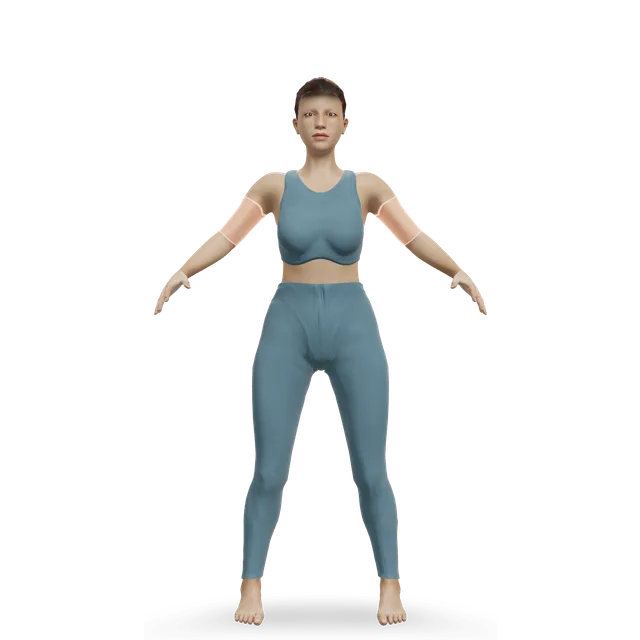 Crane pose (Bakasana, straight arms)Advanced · No equipment
Suggested next step, advanced grade.
Harder option
Keep a comfortable range and follow any technique and timing given in the guide. A deeper stretch or more complex pose is optional, not a required next step. Ingram 2025 review of stretching and range of motion
Source-researched guide.
How to move
- Stand with the feet a little wider than hip-width, toes turned slightly out, and fold forward with the knees bent.
- Reach the right hand between the legs to hold the right calf, slide the right shoulder behind the right knee and place the right palm on the floor behind the right heel, fingers forward. Repeat on the left.
- Bend the knees more, settle the backs of the thighs high on the upper arms and sit your weight back onto the hands.
- Press the hands down, straighten the arms and lift the feet, then straighten the legs forward and out, squeezing the arms with the thighs.
- To come out, bend the knees and lower the feet, or sit back onto the floor.
Form cues
- Keep the legs bent and low until straight arms feel steady.
- Blocks under the hands give more room to lift.
- Avoid: snapping the knees straight to finish the pose.
Practice and cautions
3 to 5 attempts of 5 to 15 seconds, resting about a minute between them, while you are fresh (our editorial starting point).
A lost balance usually ends with you sitting back onto the floor, so keep the space behind you clear and padded; practising the lift from the front edge of a chair seat lets you sit straight back down. Wrist pain is common when the hands carry your weight: in a survey of 321 adults who practise handstands, 57% reported chronic wrist pain. Hamstring strain is the usual injury here. Never attempt it cold, and skip it entirely if you have any current hamstring or groin pain. This is movement education, not an assessment or treatment prescription. Stop for sharp or increasing pain, dizziness, numbness or tingling; seek individual guidance for symptoms, injury or restrictions.
Sources and review status
Sources support the educational description; they do not establish that this exercise is suitable for you.
- Yoga Journal · Firefly pose (how-to: the shoulders behind the knees, the hands behind the heels; a low bent-knee firefly and blocks as easier versions) ↗
- Yoga International · A challenging balance pose: Tittibhasana (preparations from the wide-angle fold; very few manage it the first time) ↗
- Yoga Journal · Iyengar 201: tortoise pose to firefly with a chair (lift off the chair seat and lower back onto it) ↗
- Martonovich 2025 · 57% of 321 adults who practise handstands, about a quarter of them from yoga, reported chronic wrist pain (cross-sectional survey, J Funct Morphol Kinesiol; a sibling skill) ↗
No variation is labeled clinically validated.
What it works
Muscles
Main: Hamstrings, Shoulders. Also: Adductors, Triceps, Abs, Hip flexors.
Anatomy: Hamstrings, Biceps femoris, Deltoid, Rotator cuff, Supraspinatus, Infraspinatus.
Equipment
None: body weight and floor space.
Level
Expert. See the easier and harder options above.
Similar moves
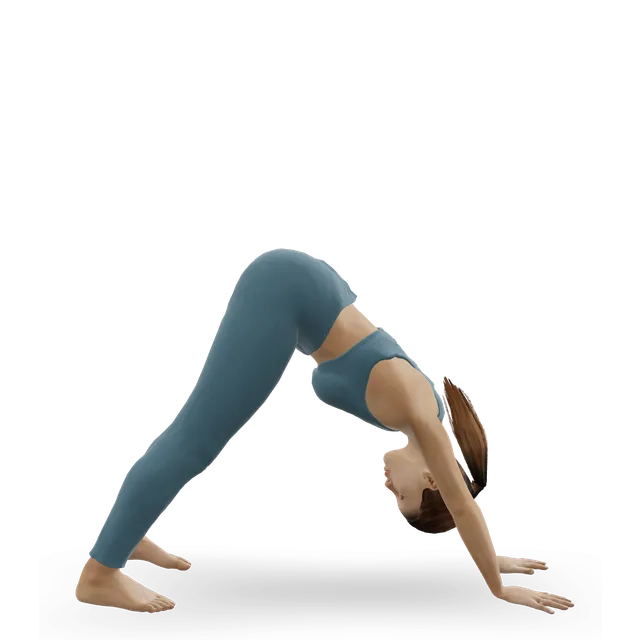 3D demoDownward-facing dog (Adho Mukha Svanasana)Beginner · No equipment
 Visvamitra's pose (Visvamitrasana)Expert · No equipment
 3D demoSun salutation A (Surya Namaskar A)Intermediate · No equipment
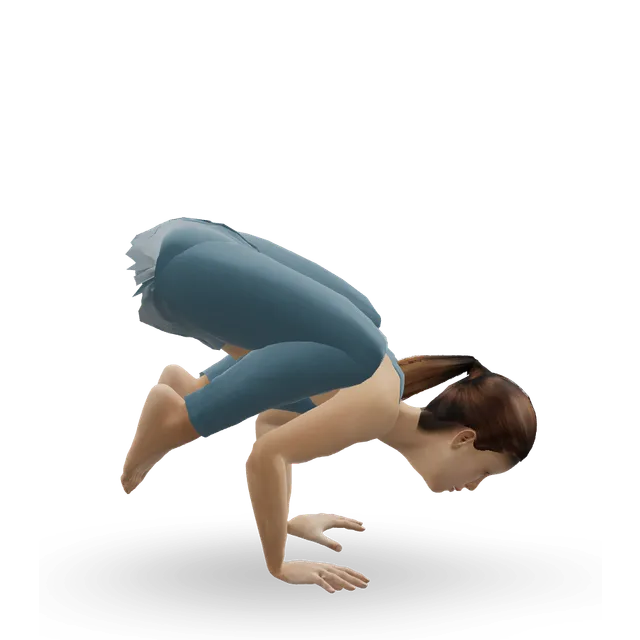 3D demoCrow pose (Bakasana)Intermediate · No equipment
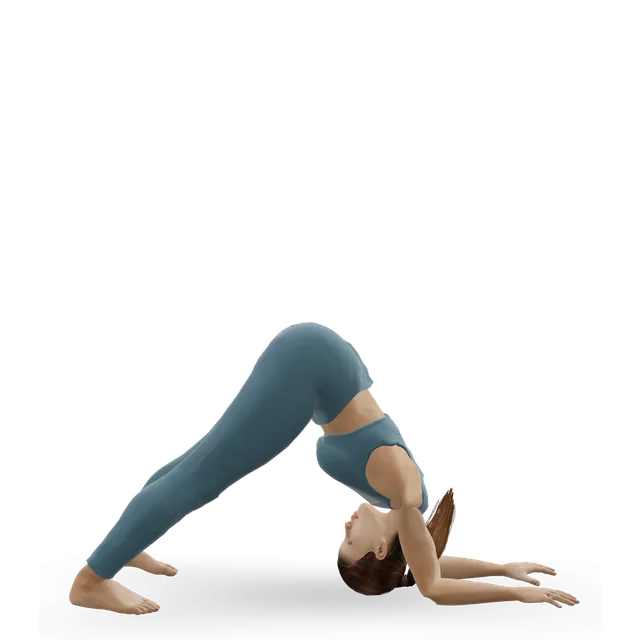 3D demoDolphin pose (Ardha Pincha Mayurasana)Intermediate · No equipment
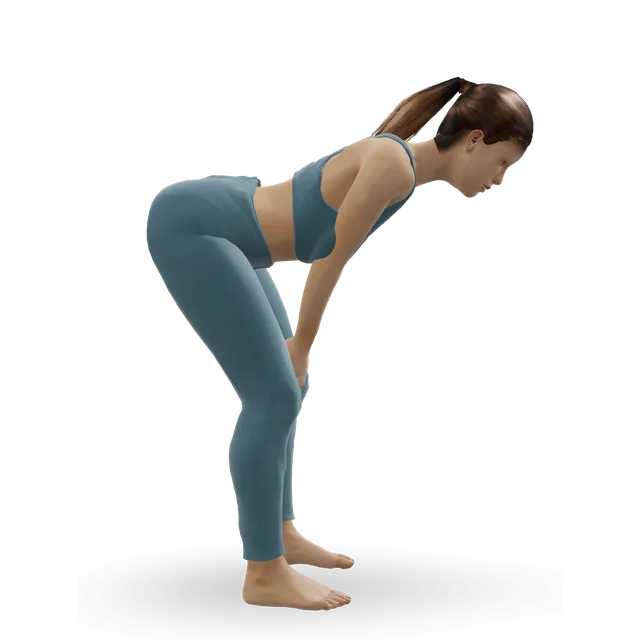 3D demoFlying sword (elastic forward swing)Intermediate · No equipment
Browse more
Questions people ask
What muscles does the Firefly pose (Tittibhasana) work?
Mainly the hamstrings and shoulders, with help from the adductors, triceps, abs and hip flexors.
What equipment do I need for the Firefly pose (Tittibhasana)?
No equipment: your body weight and a little floor space.
Is the Firefly pose (Tittibhasana) good for beginners?
It is an advanced move. Build up to it with the Crane pose (Bakasana, straight arms) first.
What is an easier alternative to the Firefly pose (Tittibhasana)?
Try the Crane pose (Bakasana, straight arms) or the Wide-angle seated forward fold (Upavistha Konasana). It is the suggested step down from this move.