Warning signs and when to get help
These are the warning signs from our exercise with AF and yoga after a stroke guides, word for word. This is general information, not a diagnosis. A&E means accident and emergency; in the US, call 911 for 999.
Call 999 now
Call 999 (911 in the US) if:
- You have chest pain that feels tight or like squeezing on your chest.
- You have chest pain that spreads to your arms, neck or jaw.
- You're having severe difficulty breathing: you're gasping, choking or not able to get words out.
- Your lips or skin are pale, blue or grey. On brown or black skin, this may be easier to see on the palms of the hands.
- Someone has passed out and is not responding normally.
Source 40
While you wait for help
Don't drive yourself to A&E. Sit and rest on the floor with your knees bent and your back supported. Take a 300 mg aspirin if you have one and aren't allergic to aspirin, and use your GTN if you have angina. If someone stops responding and stops breathing, start CPR (cardiopulmonary resuscitation).
Source 40
A fast or irregular heartbeat
Call 999 or go to A&E if palpitations don't go away, or come with chest pain, shortness of breath, feeling faint or fainting. With a fast or irregular heartbeat, the NHS also lists sweating, feeling or being sick, dizziness, a severe headache, weakness or numbness on one side, blurred vision, and confusion or difficulty speaking as reasons to call 999. If palpitations have stopped, ask for an urgent GP appointment or call NHS 111.
Sources 41, 1
Fainting
Call 999 if someone has fainted while exercising, or while lying down. After any other faint, see a GP.
Source 42
Signs of a stroke: call 999
Call 999 (911 in the US) if you think you're having, or have had, a stroke, or you've had signs of a stroke in the last 24 hours, even if they've stopped. The NHS uses FAST:
- Face: one side of your face may droop, and it might be hard to smile.
- Arms: you may not be able to lift both arms and keep them there, because of weakness or numbness in one arm.
- Speech: you may slur your words or sound confused.
- Time: call 999.
Source 43
Other signs of a stroke
Other signs include weakness or numbness down one side, blurred vision or loss of sight, difficulty speaking or finding words, confusion and memory loss, feeling dizzy or falling over, a severe headache, and feeling or being sick. Don't drive yourself to A&E.
Source 43
Call NHS 111 or ask for an urgent GP appointment
- You're suddenly more short of breath than usual.
- You have chest pain and feel sick or are being sick.
- You have chest pain and your heart feels like it's racing, going too slowly, skipping a beat or fluttering.
Source 40
On a blood thinner: head injuries
Get help from NHS 111 if you've had a head injury and take medicine that thins your blood. Seek immediate medical attention after a major accident, a significant blow to the head, or bleeding you can't stop. If you're told to go to A&E (accident and emergency), don't drive yourself there.
- Call 999 if someone has hit their head and has been knocked out and not woken up, can't stay awake or keep their eyes open, or has a fit.
- Call 999 if they have new numbness or weakness, or problems with their vision or hearing, or with walking, balance, understanding, speaking or writing.
- Call 999 if they fell from more than 1 metre or 5 stairs, or hit their head at high speed.
Sources 44, 45, 46
On a blood thinner: signs of bleeding
Severe or repeated bleeding needs medical attention straight away: call 111 or go to A&E. The NHS lists these signs of too much bleeding:
- Blood in your pee or poo, or black poo.
- Severe bruising.
- Nosebleeds lasting longer than 10 minutes.
- Vomiting or coughing up blood.
- Sudden severe back pain.
- Difficulty breathing or chest pain.
Source 46
See a GP
- You think you may have symptoms of AF.
- You have heart palpitations that keep happening or are getting worse.
- You've been diagnosed with AF and treatment isn't helping your symptoms.
Source 1
Stop exercising
The BHF says stop immediately and contact your GP if you feel unwell, very short of breath, or get chest pain, dizziness or palpitations while exercising. Call 999 for the signs above. The NHS advises not exercising while you have symptoms of AF.
Sources 47, 1
If AF starts during yoga
Slow down and stop, then sit and rest. Call 999 for chest pain, fainting, severe breathlessness or the other signs in the warning signs below. If it settles and you feel well, don't exercise again that day, and tell your doctor or AF nurse (our suggestion, in line with the NHS advice not to exercise when you have symptoms).
Sources 1, 12, 35
Head-down poses, bones and pregnancy
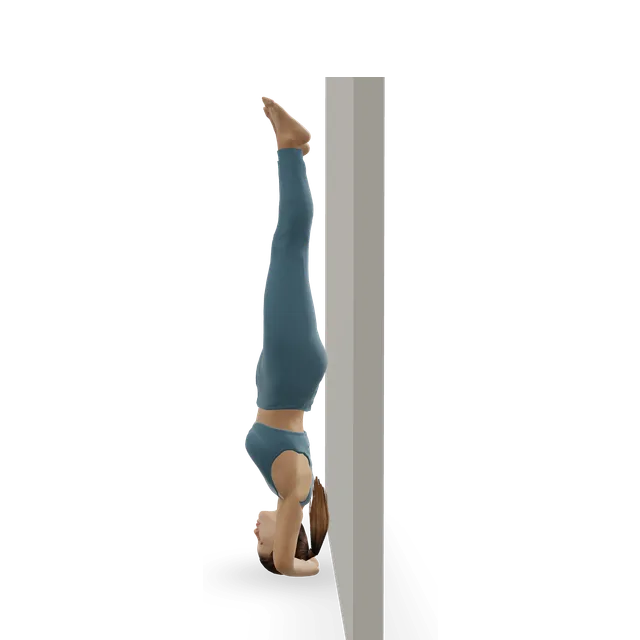
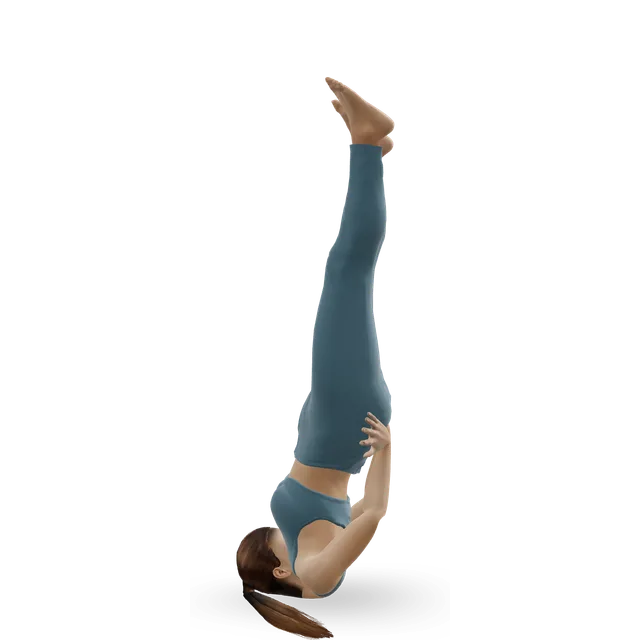
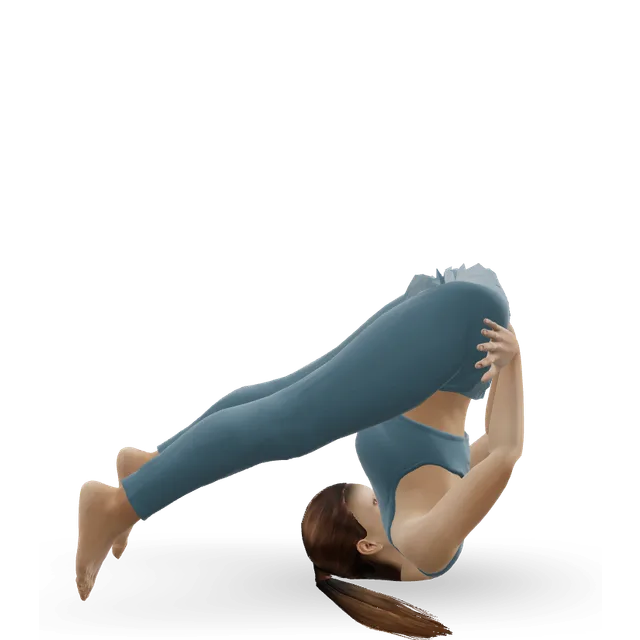
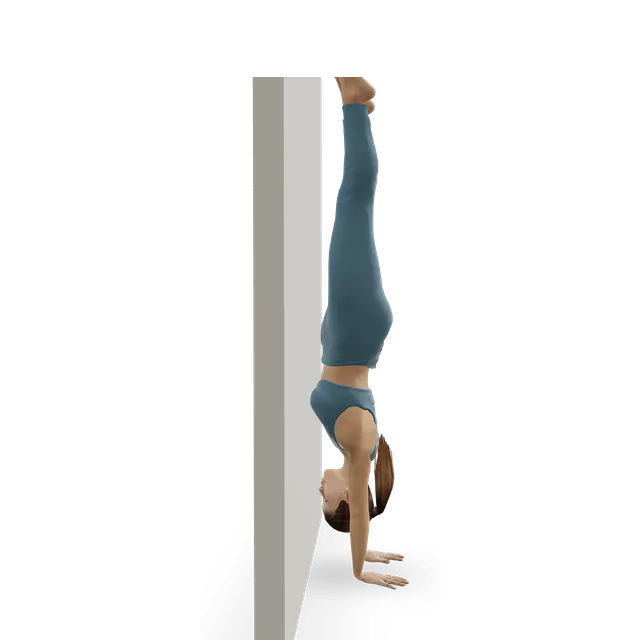
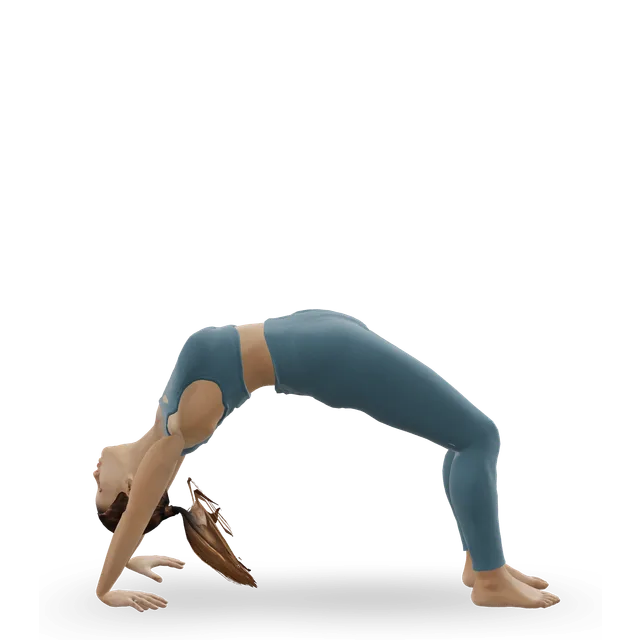
With glaucoma, or high blood pressure that isn't under control, skip headstands, shoulder stands and long head-down holds. With osteoporosis, swap deep forward folds for a flat-back hinge from the hips, and twist smoothly. In pregnancy, our yoga in pregnancy guide covers the changes. NCCIH advises beginners to avoid headstands, shoulder stands, the lotus position and forceful breathing.
Sources 48, 39
Before you start
The NHS advises getting advice from a healthcare professional first if you have a health problem, an injury or symptoms, or have recently had a heart attack or an operation.