Yoga for gallstones: what yoga can and can't do for your gallbladder, staying active, and after removal
Gallstones are common, and most never cause symptoms or need treatment. No yoga pose, twist or breathing practice removes, dissolves or moves a gallstone, and no trial has tested yoga for gallstones; troublesome stones are treated by removing the gallbladder.
What yoga can do is keep you active, and in long-term studies more active people had less gallbladder disease. This guide covers what gallstones are, activity, sitting and weight (including why fast weight loss raises the risk), the flush and detox claims, getting back to yoga after gallbladder removal, and the warning signs of an attack that needs NHS 111 or 999.
The NHS (National Health Service): "Gallstones are small stones that form in the gallbladder. Most people who have them do not get symptoms." More than 1 in 10 UK adults have them. Stones that cause no symptoms need no treatment, NICE (the National Institute for Health and Care Excellence) says.
No trial has tested yoga for gallstones. "The main treatment for gallstones is surgery to remove the gallbladder (cholecystectomy)." (the NHS); NICE recommends keyhole removal for stones that cause symptoms.
Across 8 long-term studies of 218,204 people, the most active had 25% less gallbladder disease, and women who sat for more than 60 hours a week had about twice the risk. These are observational links, and much of the effect runs through body weight. Our reading: a brisk walk or a flowing class does more for this than a gentle stretch class.
The NHS: low-calorie rapid weight loss diets "should be avoided because there's evidence they can disrupt your bile chemistry and actually increase your risk of developing gallstones", and "A more gradual weight loss plan is best." A 500-calorie-a-day diet tripled symptomatic gallstones against 1,200 to 1,500 calories, though the risk stayed low.
No trial of a liver or gallbladder flush exists, and misleading online videos push flushes most. The British Dietetic Association: "The whole idea of detox is nonsense."
Same day (urgent GP appointment or NHS 111): pain in your tummy, often in the middle or just under the ribs on the right, that lasts longer than 30 minutes; it may spread from there to your side or shoulder blade. It can be gallstones.
Call 999 or go to A&E: you have sudden, severe pain in your tummy; pain that spreads from your tummy to your back, and you're being sick; your temperature is very high, or you feel hot, cold or shivery; or your skin or the white part of your eyes looks yellow. These can be signs of a problem with gallstones.
The gallbladder stores bile, which helps digest fat. About 4 in 5 gallstones are made of cholesterol. "Gallstones are common and often do not cause symptoms. But if a gallstone blocks a bile duct (a small tube that connects the gallbladder to the liver and other organs), they can cause tummy pain."
Severe, constant pain in the middle of the tummy or just under the ribs on the right, lasting more than 30 minutes and up to several hours, sometimes with feeling or being sick; it's called biliary colic. NHS inform: "The pain is constant and isn't relieved when you go to the toilet, pass wind or are sick."
The NHS lists being over 40, being a woman, living with obesity, a diet high in fat and low in fibre, losing weight quickly (for example after weight loss surgery), and conditions such as diabetes or Crohn's disease. Guts UK, a UK charity: "About two out of every three people who have gallstones have no symptoms and are usually unaware they have them."
The US health agency: "When you don't eat for a long period of time or you lose weight quickly, your liver releases extra cholesterol into the bile. Fast weight loss can also prevent the gallbladder from emptying properly." Guts UK counts more than 1.5 kg a week as fast, and adds: "for people who are overweight the health advantages of weight loss far overweigh the risk of gallstones." Weight is one risk among several, and slow change is the safe way to lose it.
"If you have gallstones, you might not need any treatment if they're not causing symptoms." For stones that do, keyhole removal of the gallbladder is the usual treatment, and medicines to dissolve stones are rarely very effective. While you wait, the NHS says you may be advised to eat a low-fat diet and avoid foods that cause symptoms; after removal, NICE says you shouldn't need to avoid them.
A class gets you moving, breathing slowly and sitting less, and after surgery helps you rebuild gradually. It can't reach the stones. Twists and folds don't massage stones out, inversions don't drain bile, and fast tummy breathing doesn't clear the gallbladder: no study has even measured yoga or breathing and how the gallbladder empties, and 12 weeks of brisk walking didn't change emptying in a small trial.
No trial has tested yoga for gallstones. Surgery carries the evidence for stones that cause symptoms; activity and gradual weight change are linked with fewer gallstone problems in observational studies.
No yoga trial in gallstonesStrong evidence
Our PubMed search found 7 records on yoga, pranayama or kapalbhati with gallstones or the gallbladder, and none was a trial of yoga for gallstones. A search for yoga or breathing and gallbladder emptying found none at all.
In 66 people after keyhole gallbladder removal at one hospital, pranayama or plain deep breathing eased shoulder pain and improved sleep against usual care, and deep breathing eased pain a little more than pranayama. The researcher who taught the breathing also collected the answers, and follow-up ended at discharge. It says nothing about gallstones themselves.
One woman with an inflamed gallbladder turned down advised surgery and had herbal treatments and online yoga sessions. A single case with several treatments can't show anything, and NICE advises early keyhole surgery, within a week, for an inflamed gallbladder.
Across 8 long-term studies of 218,204 people, the most active had a relative risk of 0.75 for gallbladder disease, with no disagreement between studies; gentler activity counted too, in the 2 studies that looked. A second review found a smaller link (0.85) that varied a lot. In 60,290 women, sitting more than 60 hours a week at work or driving went with 2.32 times the risk, and the links held after allowing for weight. All are observational.
Studies using people's genes as a natural experiment point the same way: genetically more active people had lower odds of gallstones, and about 61% of that ran through body weight. In another, activity measured by a movement sensor was linked with lower risk, but activity people reported wasn't. These methods rest on assumptions, so they support a link rather than prove it.
The NHS and NHS inform both advise against low-calorie rapid weight loss diets. In 6,640 people in a weight loss programme, a 500-calorie-a-day diet led to 152 hospital cases of gallstones per 10,000 person-years against 44 on 1,200 to 1,500 calories. In trials of people losing weight, a medicine (ursodeoxycholic acid) and diets with a little more fat reduced new stones; that's a decision for your doctor.
Across 76 trials, GLP-1 receptor agonist medicines raised the risk of gallbladder and bile duct problems (relative risk 1.37), more in weight loss trials. If you take one, ask your prescriber about the warning signs below.
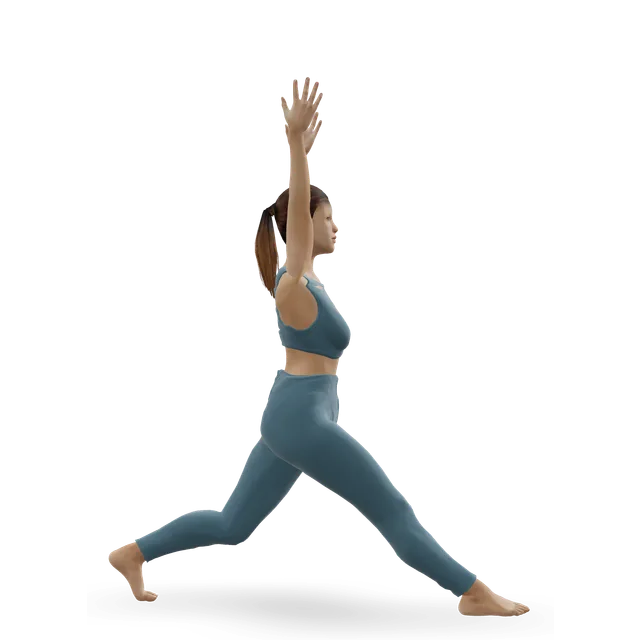
Standing march: 2 minutes; brisk walk: 20 minutes at a pace where you can talk but not sing; sun salutation A: 3 rounds, stepping back rather than jumping; chair pose: 3 holds of 20 seconds; warrior II and high lunge: 30 seconds each side; tree pose: 30 seconds each side, fingertips on a wall (all from our walk and yoga workout). On other days, a 30-minute walk counts towards the NHS's 150 minutes a week (our suggestion).
Slow breathing: 2 minutes, in for about 4 and out for about 6, with no holds (our gentle yoga for beginners class), or at least 5 minutes, done regularly as part of your daily routine (from the move page's dose). Supine twist: 45 seconds each side; it's fine, but it doesn't move stones (our walk and yoga workout). Corpse pose: lie still for at least 5 minutes, up to 10 (the move page's dose).
Our PubMed search found 13 records on liver or gallbladder flushes, cleanses or detox, and no trial. The only published flush case was a man who took three olive oil flushes over 6 months while also taking a medicine that dissolves cholesterol stones, so the flush can't take the credit.
The British Dietetic Association: "The whole idea of detox is nonsense." Your liver and kidneys clear waste already. In the 20 best-selling liver cleanse supplements on one US shop, the evidence for the ingredients was limited and inconclusive.
These stages are our suggestion, built on our gallbladder removal exercise guide, which covers walking, lifting and sport in full. Advice varies between hospitals, and your surgical team's advice comes first.
Living without a gallbladder
"You can live without a gallbladder and continue to eat a normal, healthy diet after it's been removed." The NHS says start doing some light activity but build up gradually and avoid strenuous exercise. NHS inform: full recovery takes around 10 days after keyhole surgery and about 6 weeks after open surgery.
In the first weeks, use the gallbladder removal guide's way of getting out of bed when you come up from the mat:
Bend your knees and roll onto your side, keeping your shoulders and hips together so your tummy doesn't twist.
Shoulder-tip pain
Pain in the tip of the shoulder from the gas used in keyhole surgery is common for a few days and eases as you move about. Slow deep breathing eased it a little in one small trial.
From the day of the operation: lateral breathing, 5 deep breaths 3 to 4 times an hour at first, and ankle circles, 30 seconds each foot every hour while you're resting a lot (our class for after gallbladder or appendix removal). From about a week: mountain pose, 5 slow breaths; chair pose, 2 holds of 3 to 5 breaths; tree pose, 2 holds of 20 to 30 seconds each side (our gentle yoga for beginners class). From about 2 to 4 weeks: glute bridge, 6 to 8 slow lifts (our gentle class), then cat-cow, 8 waves, slower than feels natural (the move page's dose).
Pages recommend them, but no study supports them for gallstones, and NCCIH (the US National Center for Complementary and Integrative Health) advises beginners to avoid forceful breathing. After surgery, leave them out for at least the first 4 weeks (our suggestion).
With glaucoma, or high blood pressure that isn't under control, skip headstands, shoulder stands and long head-down holds. With osteoporosis, swap deep forward folds for a flat-back hinge from the hips, and twist smoothly. In pregnancy, our yoga in pregnancy guide covers the changes. NCCIH advises beginners to avoid headstands, shoulder stands, the lotus position and forceful breathing.
Twists and folds to "massage out" stones
Gentle twists and folds are fine; nothing shows they move stones. After surgery, keep twists gentle until the cuts are comfortable (our suggestion).
Lying face down on fresh cuts
Leave cobra, bow, locust and crocodile breathing until the cuts have healed and don't hurt (our suggestion).
A bulge at a cut
The Royal College of Surgeons says that if you feel pain as you build up, you have probably just overdone it a little: ease back, then build up gradually again. Stop if a wound pulls sharply or a bulge appears when you strain, and get advice if it doesn't settle.
Modify or avoid exercises that round your back deeply or repeatedly, especially with a weight: sit-ups, toe touches, Pilates roll-downs and curl-ups, and extreme yoga forward folds. Bend from the hips instead. You do not need to avoid bending, twisting or lifting altogether: move smoothly and keep your upper back straight.
Twisting should be safe if you do it smoothly and comfortably. Slow down and shorten fast or forceful twists, and leave out the added weight.
Classes to follow
No class acts on gallstones; these keep you active. The walk and yoga workout is the most active option; in the first weeks after surgery, leave out its boat pose and locust. Gentle yoga for beginners is the first full class to come back to after surgery, and our class for after gallbladder or appendix removal covers the first 2 weeks. In the restorative sequence, leave the supported child's pose until your cuts are comfortable.
These are the warning signs from our pain and gallbladder removal guides and our yoga guides, word for word, apart from the lines given as the health service's words or marked as our suggestion. This is general information, not a diagnosis. A&E means accident and emergency; in the US, call 911 for 999.
Call 999 or go to A&E
Call 999 or go to A&E: you have sudden, severe pain in your tummy; pain that spreads from your tummy to your back, and you're being sick; your temperature is very high, or you feel hot, cold or shivery; or your skin or the white part of your eyes looks yellow. These can be signs of a problem with gallstones.
Same day (urgent GP appointment or NHS 111): pain in your tummy, often in the middle or just under the ribs on the right, that lasts longer than 30 minutes; it may spread from there to your side or shoulder blade. It can be gallstones.
Gallstone pain is sometimes set off by fatty food, but it can come at any time. While you wait, the NHS says you may be advised to eat a low-fat diet and to avoid foods that cause symptoms. Ask for an urgent GP appointment or call NHS 111 for tummy pain that lasts longer than 30 minutes. We found no study of exercise bringing on a gallbladder attack.
Call 999 or go to accident and emergency (A&E) if you have pain and swelling in your leg and you're having difficulty breathing or chest pains: this could be a blood clot in your lungs. Call 999 for chest pain that feels tight or spreads to your arms, neck or jaw. Don't drive yourself to A&E.
A joint pain that is sharp, gets worse during a session, lingers into the next day or changes how you move is a reason to use an easier version, and to see a GP or physiotherapist if it keeps happening (the rule in our plans). Muscle soreness for a day or two after something new is normal. In a hot class, stop if you feel dizzy, sick or unwell; our hot yoga guide lists the signs of heat illness.
You can say no to any hands-on adjustment, and a teacher registered with Yoga Alliance must get your explicit consent each time.
Before you start
The NHS advises getting advice from a healthcare professional first if you have a health problem, an injury or symptoms, or have recently had a heart attack or an operation.
Myths
"Twists flush out gallstones"Strong evidence
No study has tested twists, or even measured yoga and gallbladder emptying. A stone that moves can block a duct and cause an attack, which isn't something to aim for.
"Yoga can save you from gallbladder surgery"Strong evidence
Stones that cause no symptoms need no treatment anyway. For troublesome stones, NICE recommends keyhole removal, and the one report of choosing yoga and Ayurveda instead is a single case, not evidence.
"Without a gallbladder you can't eat or exercise normally"Strong evidence
"You can live without a gallbladder and continue to eat a normal, healthy diet after it's been removed." Nothing in the guidance limits exercise once you've recovered.
No. No pose, twist or breathing practice has been shown to remove, dissolve or move gallstones, and the main treatment for troublesome stones is surgery to remove the gallbladder. Many gallstones cause no symptoms and need no treatment at all.
Is yoga good for gallstones?
It's a good way to stay active, and active people have less gallbladder disease in long-term studies, though those studies can't prove cause. It won't treat stones you already have.
Which yoga poses help gallstones?
None has been tested. Choose a class that keeps you moving, such as a brisk walk followed by standing poses, and break up long spells of sitting. A gentle twist or forward fold is fine, but it won't shift a stone.
Can I do yoga during a gallbladder attack?
No: get help instead. For tummy pain lasting longer than 30 minutes, ask for an urgent GP appointment or call NHS 111. For sudden, severe pain, pain spreading to your back with being sick, a very high temperature, or yellow skin or eyes, call 999.
Does kapalbhati help gallstones?
There's no evidence that it does. It's forceful tummy breathing that US health advice tells beginners to avoid; slow breathing is gentler, and it helped with shoulder pain after surgery in one small trial.
Does a gallbladder flush work?
No trial has tested one, and the only published case was also taking a medicine that dissolves stones. Your liver doesn't need a detox, and with gallstones a large dose of oil could set off pain (our reading; not studied).
What exercise is good for gallstones?
Any regular activity you enjoy: in long-term studies, the most active people had about a quarter less gallbladder disease, and long hours of sitting went with more. Aim for the NHS's 150 minutes a week, such as brisk walking, with yoga as part of it.
Can losing weight cause gallstones?
Losing weight fast can: the NHS advises against low-calorie rapid weight loss diets and says a gradual plan is best. If you take a weight loss medicine or have had weight loss surgery, ask your team about gallbladder symptoms.
When can I do yoga after gallbladder removal?
Walk from the first days. Gentle standing poses and slow breathing usually fit from about a week if your cuts are comfortable, floor poses from about 2 to 4 weeks, and strong core work, backbends and upside-down poses last. These stages are our suggestion; your surgical team's advice comes first.
Can yoga help shoulder pain after gallbladder surgery?
Slow deep breathing may help a little: in one small trial it eased shoulder pain more than usual care, and slightly more than pranayama. The pain usually settles within a few days as you move about.
Should I eat before a yoga class if I have gallstones?
While you wait for surgery, the NHS says you may be advised to eat a low-fat diet and avoid foods that bring on symptoms. A light meal a couple of hours before class suits most people (our suggestion).
Exercise education, not a personal prescription, and clinical review of these guides is pending. If you are pregnant, have a health condition such as glaucoma, high blood pressure or osteoporosis, or have had recent surgery, check with a doctor, midwife or physiotherapist before starting, and stop for sharp or increasing pain. Health disclaimer.