Breathing & recovery
Exercises after gallbladder or appendix removal: the first 2 weeks
Based on an NHS (National Health Service) physiotherapy booklet for after tummy surgery and the Royal College of Surgeons' recovery guide for gallbladder removal; it hasn't been tested as a programme. Start the breathing and ankle exercises on the day of your operation and the tummy exercises the day after, and add a short walk from about day 3. After open surgery or a burst appendix, the same exercises apply, but build up more slowly. The exercises may feel uncomfortable, but they shouldn't hurt, and your surgical team's advice comes first.
Breathe and keep the blood moving (from the day of your operation, in bed or a chair)
- Lateral breathing (Pilates breathing)5 deep breaths, 3 to 4 times an hour at firstBeginner · Abs · 3D demoBreathe in deeply to widen your lower ribs, then breathe out slowly. Hug a pillow or rolled-up towel over your tummy if you need to cough, laugh or sneezeHarder: Roll-up (Pilates)
- Ankle circles30 s each foot, every hour while you're resting a lotBeginner · Calves, Shins · 3D demoLegs uncrossed. Briskly circle your feet, and bend them up and downHarder: Ankle CARs (controlled articular rotations)


Gentle tummy (from the day after; on your back with your knees bent and a pillow under your head; twice a day)
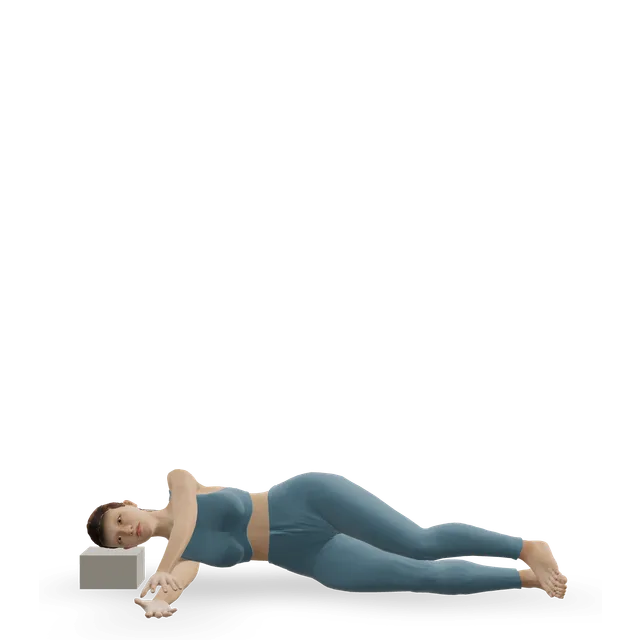
- Side-lying tummy draw-in3 to 5 holds of 5 to 10 sBeginner · Abs · 3D demoBreathe in and let your tummy rise. As you breathe out, gently draw your belly button towards your spine and hold. On your back or your sideHarder: Bird dog, one limb at a time
- Pelvic tilt into bridge3 to 5 tilts, hold 5 to 10 sBeginner · Glutes, Abs, Hamstrings · 3D demoTilt only: as you breathe out and draw your tummy in, gently flatten the small of your back. No bridge yetHarder: Glute bridge
- Hip windshield wipers3 to 5 each way, hold 5 to 10 sBeginner · Glutes, Adductors · 3D demoKnee rolls: draw your tummy in and slowly lower both knees a small way to one side, keeping your shoulders down. Keep breathingEasier: Supine heel slideHarder: 90/90 switch
- Pelvic floor exercise (Kegel)3 to 5 squeezes, hold up to 10 sBeginner · Pelvic floor · 3D demoSqueeze as if stopping wind, then as if stopping a wee, and relax fully after each. Don't hold your breath



Sitting and standing (once you're up and about; as often as comfortable, building to 3 times a day)
- Seated march30 sBeginner · Hip flexors, Quads, Abs · 3D demoSit tall and march your kneesHarder: Standing march
- Seated knee extension (chair)5 each leg, hold 10 sBeginner · Quads · 3D demoStraighten one knee and pull your toes up. No weightEasier: Quad set (static quads)Harder: Leg extension
- Standing march30 sBeginner · Hip flexors, Abs, Glutes · 3D demoHold the back of a chair or a worktop and stand tallEasier: Seated marchHarder: Standing band hip flexion
- Sit squat (partial squat)10 slow repsBeginner · Quads, Glutes, Hamstrings · 3D demoSmall squats, with your hands on a worktop or chair backHarder: Bodyweight squat
- Slow calf raise10 repsBeginner · Calves · 3D demoPush up onto your toes, holding a supportEasier: Seated bent-knee calf raise (soleus raise)Harder: Standing dumbbell calf raise




Walk (from about day 3)
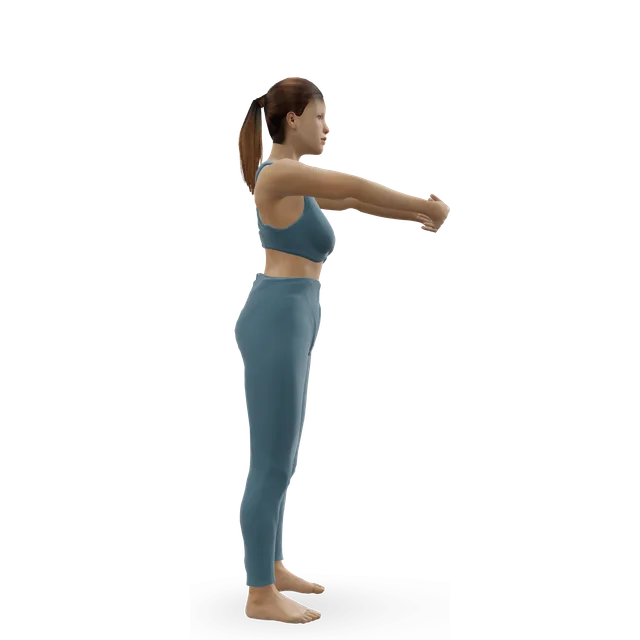
- Treadmill walking5 to 10 minBeginner · Quads, Calves, Glutes · 3D demoOutdoors or around the house. One short walk in the morning, then another one or two later in the day, a little longer each day. Stand tallHarder: Treadmill jogging

Tips
- Do the breathing and ankle exercises every hour or so while you're resting a lot, the tummy exercises twice a day, and the sitting and standing ones as often as feels comfortable, building to 3 times a day.
- To get out of bed, bend your knees and roll onto your side first, then push up with your arms as your legs go over the edge. Avoid twisting.
- The exercises may feel uncomfortable, but they shouldn't hurt. If something hurts, you've probably overdone it a little: ease back, then build up again gradually.
- Leave out sit-ups and crunches while your tummy heals. Breathe out on the effort, and don't hold your breath or strain.
- Lifting advice varies: many NHS hospitals say no heavy lifting or vigorous exercise for at least 2 weeks after keyhole surgery, and some say 4. After a large cut, an NHS physiotherapy booklet says nothing heavier than about 2 to 3 kg, a full kettle, at first. Follow your own surgical team.
- From about a week, walking, cycling and light exercise are usually fine if your wound is comfortable, and swimming once your wounds have healed. After 2 weeks, move on to our 10-minute starter workout and beginner core workout, or after open surgery, our core exercises after bowel surgery.
- Get urgent advice from your GP (general practitioner) or NHS 111 for severe or worsening pain, pus, redness or swelling around a wound, yellow skin or eyes, a painful swollen leg, or a high temperature. Call 999 for severe tummy pain, or for chest pain or breathlessness, especially with a painful, swollen leg.
The doses are suggested starting points, not a prescription. Choose a range you can control and stop for sharp or increasing pain, numbness or tingling. Get individual advice after an injury or surgery, or if you are pregnant or managing a health condition.
Guides that recommend it
Find more moves like these
More breathing & recovery




Bedtime stretch routine
A slow, 10-minute floor routine to unwind before sleep: child's pose, twists, happy baby and slow breathing.
10 minBeginner7 movesFirm cushion, A wall



Breathing exercises to relax
A 6-minute breathing routine: slow breathing, crocodile breathing, alternate nostril breathing, box breathing and 4-7-8 breathing.
6 minBeginner5 movesNo equipmentPostnatal exercises
A gentle 25-minute routine for the first weeks after birth: pelvic floor, breathing, tummy and hip exercises on the floor, sit-to-stands and a walk.
25 minBeginner12 movesA bench or box, Cardio machineQuestions people ask
How long does the exercises after gallbladder or appendix removal: the first 2 weeks take?
About 15 minutes, including any warm-up and cool-down listed. Shorten it by doing fewer rounds; lengthen it by adding one.
What equipment do I need?
You need: A bench or box, Something with weight, A wall, Cardio machine. Each move links to its guide, where you can find an alternative if you are missing something.
Is it suitable for beginners?
It is written for beginners. 4 of its 12 moves have an easier option listed beside them if you need one.
How do I make it easier or harder?
Use the easier or harder option listed under each move, change the number of rounds, or adjust the rest. Progress one change at a time.