Walk from the day after
NHS hospitals encourage walking from the day after the operation, building up a little each day. Walking also lowers the risk of blood clots.
Exercise guide
Most people recover from appendicitis in 1 to 2 weeks, and most appendixes are removed by keyhole surgery (an appendicectomy, or appendectomy in the US). Walking starts the day after the operation, and the National Health Service (NHS) says go back to your usual activities when you feel ready, but leave strenuous activities such as sport until you've fully recovered. After a burst appendix or open surgery, recovery takes longer.
Hospitals differ on how long to wait before lifting and sport, from 2 to 6 weeks, and the advice rests mostly on surgeons' experience rather than on trials. Your surgical team's advice comes first.
This guide covers the first 2 weeks, lifting and the core, getting back to the gym, running, swimming and football, recovery after a burst appendix, children and teenagers going back to school and physical education (PE), hernias at the cuts, and the warning signs, including sepsis.
NHS hospitals encourage walking from the day after the operation, building up a little each day. Walking also lowers the risk of blood clots.
The NHS says go back to your usual activities when you feel ready. You may need 1 to 2 weeks off work or school, or longer with a physical job, and you should leave strenuous activities such as sport until you've fully recovered.
Source 4
One NHS hospital says avoid strenuous activity for 2 to 6 weeks, and another says physical work can wait at least a month. NHS inform, the NHS website for Scotland, says strenuous activities may need to wait 4 to 6 weeks after open surgery.
Recovery is slower after a burst appendix or open surgery. After a larger cut, an NHS physiotherapy booklet advises lifting nothing heavier than about a full kettle at first.
Children's leaflets suggest at least a week off school, then another 3 to 4 weeks before swimming and contact sport, or a month before heavy lifting and contact sport. Ask your child's surgical team about PE.
Gentle tummy exercises can start the day after surgery. The NHS physiotherapy booklet strongly advises against sit-ups while the tummy wall heals.
Source 6
The appendix is a small pouch joined to your bowel in the lower right of your tummy. Appendicitis is when it becomes infected and swollen, often because something such as a small piece of undigested food or hard poo gets stuck in it. About 1 in 13 people get it, most often between the ages of 10 and 20. You don't need your appendix, so removing it isn't harmful.
Pain usually starts around the belly button, then moves to the lower right of your tummy and gets worse. It may hurt more when you move, cough or press on it, and you may feel sick, lose your appetite or have a high temperature. If the appendix bursts, the pain may ease briefly, then become severe across the whole tummy.
Source 4
Most people have keyhole surgery through a few small cuts, which takes about an hour. Sometimes the surgeon makes a larger cut in the lower right of the tummy (open surgery), which is more likely after a burst appendix or an abscess, with a high body mass index (BMI) or after previous surgery. One NHS hospital says 5 to 10 in 100 keyhole operations become open ones.
Sometimes appendicitis is treated with antibiotics alone, if the infection hasn't spread and surgery is high risk. That's a decision for your surgical team, and this guide is about recovering from surgery.
Source 4
Most people go home the day after keyhole surgery, or after a few days after open surgery or complications. You may have constipation or diarrhoea for several days, and pain in the tip of your shoulder for about a week after keyhole surgery, from the gas used in the operation.
In a Cochrane review, adults went back to normal activities about 5 days sooner after keyhole than after open surgery (17 trials, 1,653 adults; low-quality evidence), with fewer wound infections but slightly more abscesses inside the tummy. In children, recovery was similar either way (1 trial, 383 children).
Source 9
A review of studies after tummy and chest operations concluded that bed rest is harmful, though studies of early-mobilisation programmes were few and of poor quality. The Swedish national guideline on appendicitis builds in getting up early, and says 7 to 14 days off work is often enough. The NHS says walking lowers the risk of blood clots.
In 20 healthy adults, jumping and coughing produced by far the highest pressures inside the tummy, while lifting a 10-pound (4.5 kg) weight raised it only a little above standing. In 30 women, many activities people are often told to avoid after surgery, including lifting up to 20 pounds (9 kg) from a counter, climbing stairs, brisk walking and crunches, raised the pressure no more than getting up from a chair; lifting 35 pounds (16 kg) from the floor raised it most, and how the lift was done made a difference. Bearing down and holding your breath doubles the pressure. Neither study looked at hernias themselves.
Across a German and an international survey, 3 in 4 of 401 surgeons advised 2 weeks or less of reduced activity after keyhole surgery, and fewer than 1 in 10 said their advice was based on scientific evidence. A Dutch panel of 13 experts suggested lifting or carrying 5 kg from 2 to 4 days after keyhole appendix removal (4 days after open), and 15 kg from 1 to 2 weeks after either, with longer after a burst appendix. A German review of 16 low-quality studies found no evidence for any particular weight limit.
In 147 children aged 3 to 18 who wore activity trackers after keyhole appendix removal, daily steps levelled off at around day 9 in younger children and day 17 in teenagers after a simple appendicitis, and at around day 17 to 21 after a complicated one. In a survey of 293 US children's surgeons, advice on activity varied widely, with little evidence behind it.
Our wording of the NHS, NHS inform and NHS hospital leaflets (East Kent and West Hertfordshire), with the breathing and ankle exercises from an NHS physiotherapy booklet (York and Scarborough). Cycling and swimming from about a week is our suggestion, following a German expert proposal of endurance sport after 1 week. Your own team's advice comes first.
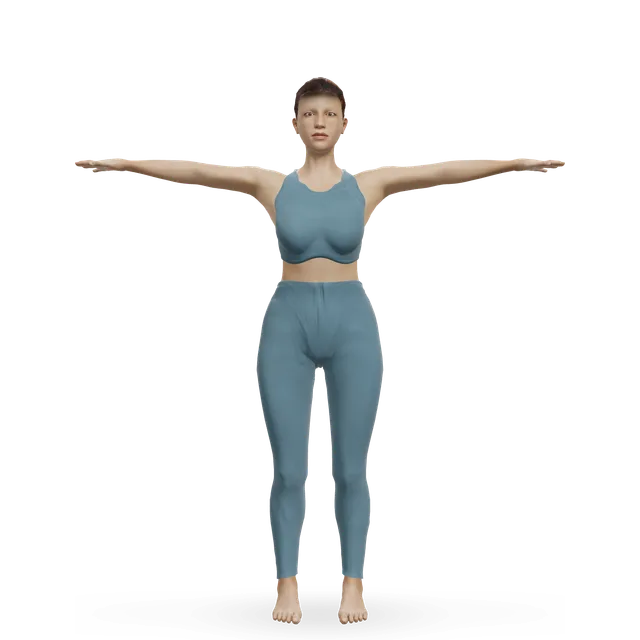
See the movement on the 3D figure: Treadmill walking
From an NHS physiotherapy booklet for after tummy surgery (York and Scarborough). Lying down in reverse is our wording of the same idea.
See the movement on the 3D figure: Lateral breathing (Pilates breathing)
From the day of your operation: a cycle of 5 deep breaths 3 to 4 times an hour, and ankle circles and pumps for 30 seconds every hour while you're resting a lot, as an NHS physiotherapy booklet advises. The lateral breathing page's dose, 5 to 8 breaths at the start of every session, is for when you're back to exercising.
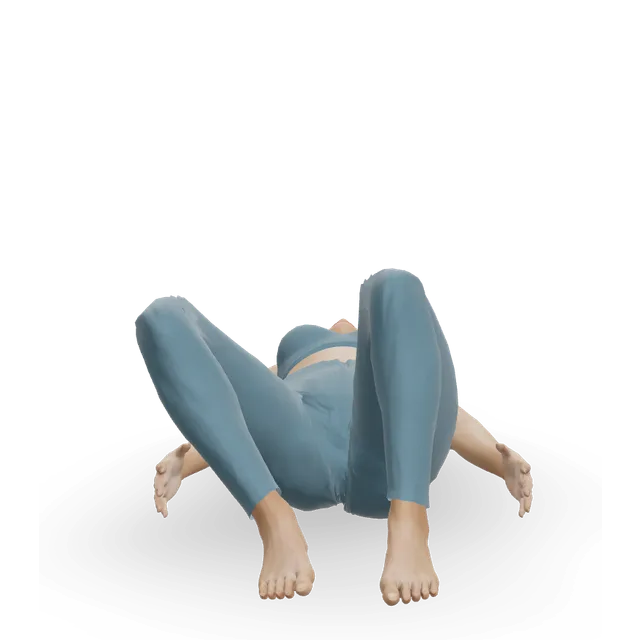
Lying on your back with your knees bent: 3 to 5 repetitions, holding each for 5 to 10 seconds, twice a day, as an NHS physiotherapy booklet advises. Tilt your pelvis without lifting into a bridge, keep the knee rolls small, and leave out sit-ups and crunches while your tummy heals.
Usually from about 1 to 2 weeks after keyhole surgery, and later after open surgery or a burst appendix (our editorial order). The heel slide page's dose is 10 slow repetitions each side, once or twice a day, and the bent-knee fall-out and knee fold pages' is 2 sets of 5 to 10 each side, every other day. Add planks once bracing feels comfortable, usually from about 2 weeks (our suggestion), and sit-ups last.
 3D demoSupine heel slideBeginner · No equipment
 3D demoBent-knee fall-outBeginner · No equipment
 3D demoKnee foldBeginner · No equipment
 3D demoGlute bridgeBeginner · No equipment
 3D demoDead bug heel tapsBeginner · No equipment
 3D demoBird dog, one limb at a timeBeginner · No equipment
 3D demoKnee plankBeginner · No equipment
 3D demoHalf-kneeling Pallof pressBeginner · A band + An anchor point
Follow the leaflet your hospital gives you. Others say:
Breathe out as you lift, and don't hold your breath and strain: bearing down doubles the pressure inside your tummy, while lifting a light weight smoothly adds little. Keep the load close to you and bend your knees (our suggestion). The NHS physiotherapy booklet adds a simple rule: if lifting something hurts, don't do it.
After open surgery, the booklet advises lifting nothing heavier than 2 to 3 kg, about a full kettle, at first. A German review says the tummy wall regains its normal strength about 4 weeks after an open operation that heals normally.
Walk every day from the day after, building up a little each day. From about a week, if you feel ready, the recumbent bike and elliptical trainer pages' dose fits: 10 to 20 minutes at a moderate effort, building towards 30. Swim once your wounds have healed, and try run-walk intervals from about 2 weeks after keyhole surgery (our suggestion).
 3D demoTreadmill walkingBeginner · Cardio machine
 3D demoStationary cyclingBeginner · Cardio machine
 3D demoRecumbent exercise bikeBeginner · Cardio machine
 3D demoElliptical trainerBeginner · Cardio machine
 Front crawl (freestyle swimming)Intermediate · Other / check instructions
 3D demoTreadmill joggingIntermediate · Cardio machine
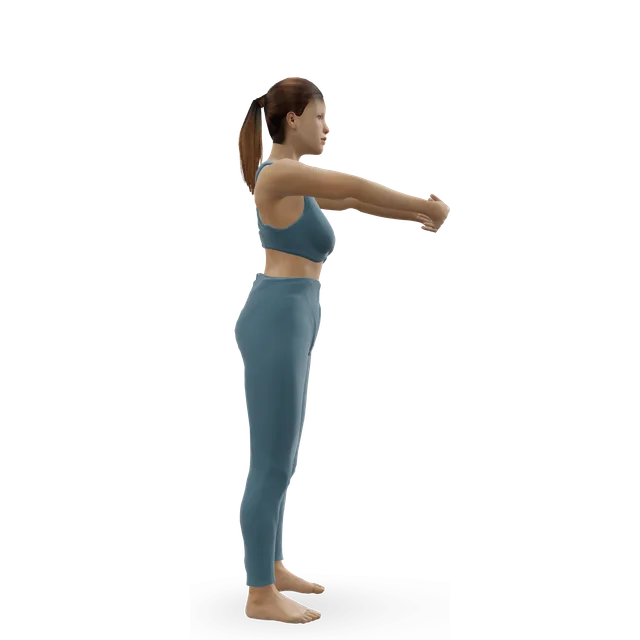
In the first days: small squats and rising onto your toes, 10 of each, holding a support (the NHS physiotherapy booklet). From about 2 weeks after keyhole surgery, if your team agrees: 2 sets of 10 to 12 with light weights, well below what you lifted before, breathing out on the effort (our editorial starting point).
 3D demoSit to stand from a chairBeginner · A bench or box
 3D demoSit squat (partial squat)Beginner · No equipment
 3D demoSlow calf raiseBeginner · A wall
 3D demoWall push-upBeginner · A wall
 3D demoBand rowBeginner · A band + An anchor point
 3D demoHip-hinge practiceBeginner · No equipment
 3D demoDumbbell goblet squatIntermediate · A dumbbell
 3D demoKettlebell deadliftBeginner · A kettlebell
 3D demoSuitcase carryIntermediate · A dumbbell + A kettlebell
After reviewing the evidence, which was all low quality, German surgeons proposed these timings for wounds that heal normally, adjusted to your pain:
Source 14
The NHS says don't do strenuous activities such as sport until you've fully recovered, and to ask your doctor. NHS inform says most people can return to normal activities in a couple of weeks, but strenuous activities may need to wait 4 to 6 weeks after open surgery, and one NHS hospital says 2 to 6 weeks.
Children's leaflets suggest waiting about a month, or 3 to 4 weeks after going back to school, before contact sport. The German proposal puts ball sports at 2 weeks after keyhole surgery for adults. Make sure your wounds have healed before you risk a knock, and ask your team.
Leave sit-ups, crunches and hanging leg raises until gentler core work feels easy, usually from about 4 weeks after keyhole surgery and later after open surgery (our suggestion). After open surgery, the NHS physiotherapy booklet suggests a yoga or Pilates class to build the core further, after about 2 to 3 months.
Source 6
Build back towards the usual NHS guidelines: 150 minutes of moderate activity a week, such as brisk walking, plus strength exercises on 2 days.
Source 21
Start with our exercises after gallbladder or appendix removal for the first 2 weeks. Then move on to the 10-minute starter workout and the beginner core workout. After open surgery or a burst appendix, the core exercises after bowel surgery routine uses the same NHS doses with a second level; skip its stoma tips if you don't have a stoma.
A gentle 15-minute routine for the first 2 weeks after keyhole gallbladder or appendix removal: breathing, gentle tummy exercises, chair and standing moves and a walk.
15 minBeginner12 movesA bench or box, Something with weightA 10-minute session for low-energy days: marching, sit-to-stands, wall push-ups, step-ups and bridges, then a short walk. Doing a little counts.
10 minBeginner7 movesA bench or box, A wallA gentle 20-minute core routine for the weeks after bowel or stoma surgery: breathing, tummy and pelvic floor work lying down, then chair and standing moves.
20 minBeginner14 movesA bench or box, A wallA 15-minute beginner core workout on the floor: dead bugs, bird dogs, knee planks, side planks and curl-ups.
15 minBeginner6 movesNo equipmentA steady 30 to 45 minute cardio session at talk-but-not-sing pace: walk, cycle, row or cross-train, counting toward weekly activity guidelines.
40 minBeginner3 movesCardio machine, A wallA 30 to 45-minute beginner pool swim: a shoulder warm-up on the side, easy lengths, a main set of repeats with rests, and an easy swim down, any stroke.
35 minBeginner5 movesOther / check instructionsA 30-minute beginner run-walk session: a brisk walk, then 1-minute jogs with 1-minute walks, building to 3-minute runs over your first three weeks.
30 minBeginner5 movesCardio machine, A wallThe walking plan builds up to 150 minutes a week, and the Couch to 5K plan takes you from walking to running once you've recovered.
A free 8-week walking plan for beginners: build to 150 minutes of brisk walking a week, with intervals, hills and two short strength sessions.
6 training days40 minBeginner3 days a weekA 9-week beginner plan with the same walk-to-run shape as Couch to 5K: three run-walk sessions a week, from 1-minute jogs to 30 minutes of running.
3 training days35 minBeginnerA burst (perforated) appendix can cause an infection of the lining of the tummy (peritonitis), an abscess or sepsis, and needs urgent surgery and antibiotics. Open surgery and a longer stay in hospital are more likely, and an abscess can also form after surgery, in about 1 in 500 operations.
After a larger cut, the NHS physiotherapy booklet says it takes about 2 to 3 months to move around comfortably: walk every day on flat ground first, building to 30 minutes a day by 2 to 3 months, then add moderate exercise such as swimming or cycling. Lift no more than 2 to 3 kg at first. The Dutch expert panel said its timings need adjusting after a burst appendix, and NHS inform says strenuous activities may need to wait 4 to 6 weeks after open surgery.
After a complicated appendicitis, children's activity took longer to level off, at around day 17 to 21 rather than day 9 to 17.
Most children need at least a week off school. Children's hospital leaflets suggest waiting a further 3 to 4 weeks before swimming and contact sport, or at least a month before heavy lifting or contact sport, and longer after a burst appendix. Both leaflets are past their review date, so ask your child's surgical team about PE.
In 147 children who wore activity trackers after keyhole appendix removal, daily steps levelled off at around day 9 in children aged 3 to 11 and day 17 in teenagers after a simple appendicitis. In a trial in children, recovery was much the same after keyhole or open surgery.
In a survey of 293 US children's surgeons, advice on activity restrictions after keyhole appendix removal varied widely, with little evidence behind it, and the authors noted that long restrictions may harm children's wellbeing.
Source 19
NHS inform lists a hernia at the open cut, or at any of the keyhole cuts, as a possible complication. We found figures only for keyhole gallbladder removal, where 0.2% to 2.1% of people needed a repair in large studies, and 25.9% had one when everyone was examined and scanned. The view that lifting early doesn't cause them comes from reviews of low-quality studies, so follow your team's lifting advice for the first weeks.
A hernia at a cut feels like a soft lump or bulge near a scar, often easier to see when you cough or strain. See a general practitioner (GP) if you notice one. Our hernia guide lists the signs that need 999, such as very bad tummy pain that doesn't go away, or not being able to poo or fart.
Appendicitis can be harder to spot in pregnancy, and a burst appendix can cause problems in pregnancy. The Swedish national guideline recommends treatment to prevent blood clots for all pregnant women with appendicitis. Your surgical and maternity teams will guide you, and our pregnancy guide's advice on lying on your back applies to the floor exercises.
In older people, appendicitis may not cause the usual pain and can cause sudden confusion. Recovery can take longer; the NHS physiotherapy booklet's chair exercises suit anyone less steady on their feet.
This is general information, not a diagnosis. In the US, call 911 where this page says 999.
Call 999 or go to accident and emergency (A&E), and don't drive yourself, if you or your child have:
Call 999 if you have pain and swelling in your leg with breathlessness or chest pain. A painful, swollen leg on its own needs urgent advice from your GP or NHS 111.
Source 3
The NHS says get help if you've recently had your appendix out and you have:
Source 4
Increasing pain and swelling, pain that painkillers don't help, repeated vomiting, a hot wound or discharge, spreading redness, bleeding from the wound or your bottom, increasing bloating, a cough or breathlessness, or a fever above 38°C.
Exercises may feel uncomfortable but shouldn't hurt. Stop if a wound pulls sharply or a bulge appears when you strain, ease back and build up more slowly, and get advice if it doesn't settle.
Source 6
The NHS says go back to your usual activities when you feel ready, and most people recover in 1 to 2 weeks. The Swedish national guideline says 7 to 14 days off work is often enough. Only strenuous exercise and sport need to wait longer.
Bed rest is harmful after an operation, and walking lowers the risk of blood clots. Get up and walk about from the day after.
Coughing and jumping raise the pressure inside your tummy far more than lifting a light weight smoothly, and whether early lifting adds to the risk of a hernia hasn't been properly tested. Follow your team's lifting advice for the first weeks.
An NHS physiotherapy booklet strongly advises against sit-ups while the tummy wall heals, because they put too much pressure on it. Start with gentle deep tummy exercises instead.
Source 6
We found no study linking exercise with appendicitis. The NHS says it's often caused by something getting stuck in the appendix, such as a small piece of undigested food or hard poo.
Source 4
The NHS says you don't need your appendix, so it's not harmful to remove it.
Source 4
Start walking the day after surgery, and go back to your usual activities when you feel ready, usually within 1 to 2 weeks. The NHS says don't do strenuous activities such as sport until you've fully recovered, so ask your team. NHS hospitals usually say 2 to 6 weeks before strenuous exercise, longer after open surgery or a burst appendix.
It depends on your operation, so follow your surgical team. After keyhole surgery, an expert panel suggests lifting about 5 kg after a few days and 15 kg after 1 to 2 weeks, while NHS hospitals say avoid strenuous activity for 2 to 6 weeks. After a larger cut, an NHS booklet says nothing heavier than about a full kettle at first.
After keyhole surgery, light cardio is usually fine from about a week, and weights from about 2 weeks if your team agrees and your wounds are comfortable. After open surgery or a burst appendix, allow 4 to 6 weeks or more. Start lighter than before and build up.
Build up from walking first. Once walking feels easy and your wounds are comfortable, try walk-run intervals, often from about 2 weeks after keyhole surgery. After open surgery, NHS inform says strenuous activities may need to wait 4 to 6 weeks.
Ask your surgical team. Children's hospital leaflets suggest waiting about a month, or 3 to 4 weeks after going back to school, and longer after a burst appendix. Make sure your wounds have fully healed first.
Longer than after a simple appendicitis: you may need open surgery and a few days in hospital, and in a study of children, activity took about 17 to 21 days to level off, against 9 to 17 days after a simple appendicitis. Walk every day and build up slowly, following your team's advice.
Most children are off school for at least a week. Hospital leaflets suggest waiting another 3 to 4 weeks before swimming and contact sport, or about a month before heavy lifting or contact sport, and longer after a burst appendix. Ask the surgical team about PE.
Leave out sit-ups and crunches while your tummy heals, and start with gentle deep tummy exercises the day after surgery. Planks and other core work can follow when they're comfortable, usually a couple of weeks after keyhole surgery, with sit-ups added back last.
Usually. In trials, adults went back to normal activities about 5 days sooner after keyhole surgery than after open surgery, with fewer wound infections. In children, recovery times were similar.
Wait until your wounds have healed. Advice varies: one NHS hospital says no baths for the first week, and a children's leaflet says no swimming for a further 3 to 4 weeks after going back to school. Ask your surgical team, especially after open surgery or a burst appendix.
We found no study linking exercise with appendicitis. The NHS says it's often caused by something getting stuck in the appendix, such as a small piece of undigested food or hard poo.
Ask for an urgent GP appointment or call NHS 111 for soreness or redness around a wound that's getting worse, bleeding or pus from a wound, or a high temperature. Call 999 for severe tummy pain, or if you're confused, your skin looks blotchy or paler than usual, or you're finding it hard to breathe, as these can be signs of sepsis.
Exercise education, not a diagnosis or treatment plan, and clinical review of these guides is pending. Stop and get advice for chest pain, unusual breathlessness, dizziness or fainting, or new pain, and check with your doctor or midwife first if they have told you to limit activity. Health disclaimer.