Exercise guide

Exercise with bowel cancer: before and after surgery, during chemotherapy, and beyond

Exercise is safe and helpful with bowel cancer, whether it's in your colon or your rectum: before surgery to get fitter, in the days after to recover, during chemotherapy to keep your strength and ease tiredness, and once treatment is over. You'll be helped out of bed within hours of an operation, and most people build back up to 30 minutes of walking a day over the following weeks and months.

Exercise adds to your treatment and never replaces it. The CHALLENGE trial (Colon Health and Life-Long Exercise Change) found that a 3-year coached exercise programme, started after chemotherapy for colon cancer, lowered the chance of the cancer coming back. It's one trial, in fit people with colon cancer, and your own team's advice comes first.

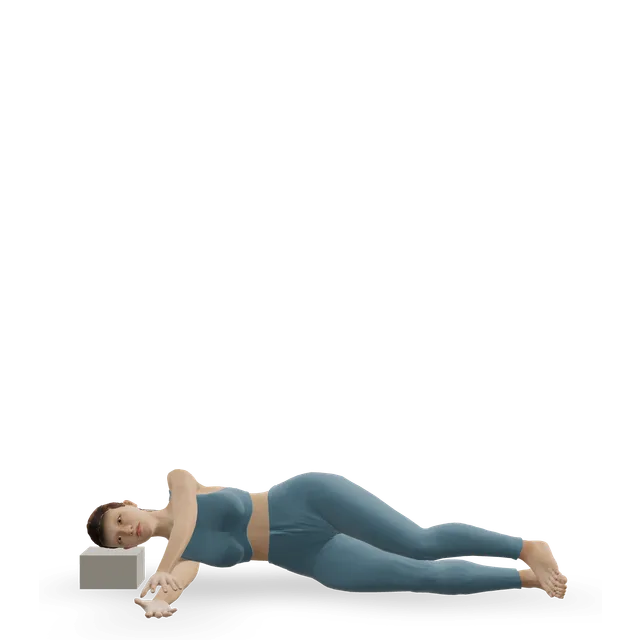
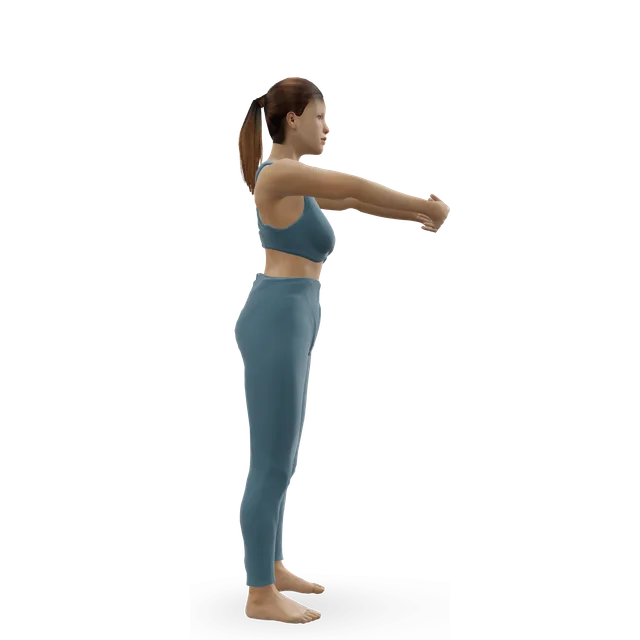
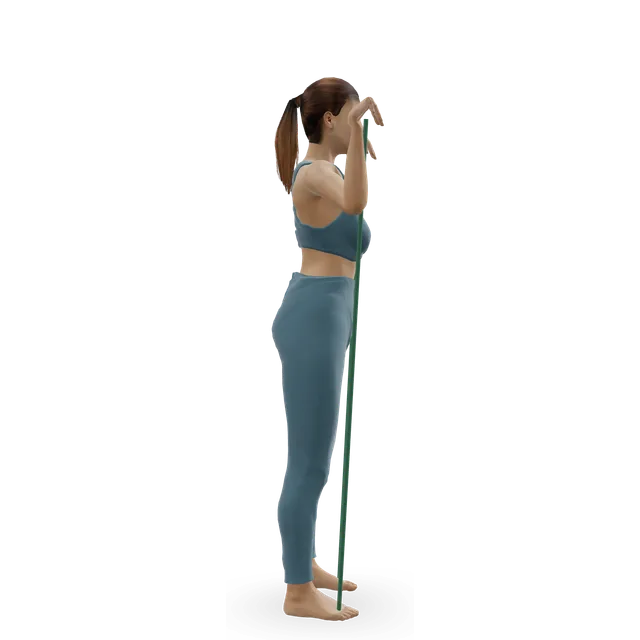
This guide covers getting ready for surgery, recovering with or without a stoma, lifting, exercising on chemotherapy and what the trial did, with moves on the 3D figure, workouts to follow and the warning signs to know.

The short version

Safe, and part of your recovery

Exercise is safe and helpful before, during and after bowel cancer treatment. Bowel Cancer UK suggests building up to 30 minutes of moderate exercise, such as fast walking, on at least 5 days a week, starting gently. The amounts are the same as for other cancers, and our cancer guide covers them.

Sources 1, 2, 3

Up and moving within hours of surgery

You may sit in a chair within 12 hours of your operation, walk round your bed the next day and along the ward within a few days. Breathing and leg exercises help prevent chest infections and blood clots. At home, walk a little further each day, aiming for about 30 minutes a day by 2 to 3 months.

Sources 4, 5, 6

Lifting limits differ, so follow your team

Advice on lifting ranges from nothing heavier than 2 to 3 kg after a large cut, in one NHS (National Health Service) physiotherapy leaflet, to avoiding heavy lifting for up to 3 months, from Bowel Cancer UK. Your own team's limits come first.

Sources 6, 7, 8, 9

On chemotherapy, adjust rather than stop

Do less in the weeks you feel worse. On oxaliplatin, cold can make tingling in your hands and feet worse, so wrap up; on capecitabine, sore feet may mean swapping a walk for an exercise bike.

Sources 10, 11, 12

After chemotherapy for colon cancer, exercise lowered the risk of it coming back

In the CHALLENGE trial of 889 people, a coached 3-year exercise programme cut the risk of the cancer coming back, a new cancer or death by 28%. The European Society for Medical Oncology (ESMO) now says people like those in the trial should be told about it. It's one trial, and the programme was added after chemotherapy, not instead of it.

Sources 13, 14

Know the warning signs

During treatment, contact the hospital straight away if your temperature is over 37.5°C or below 36°C. After surgery, tell your team about a wound that's hot, painful, bleeding or leaking. Chest pain is a 999 call.

Sources 15, 16, 5, 17

Bowel cancer and your body

What bowel cancer is

Bowel cancer is cancer anywhere in the large bowel, which includes the colon and the rectum. About 48,200 people are diagnosed with it each year in the UK, and more than half (53.9%) survive for 10 years or more.

Sources 18, 19

Treatment

Surgery is the main treatment: in England in 2022, 60% of people had it as part of their first treatment. Part of the bowel is removed, and some people need a colostomy or ileostomy, for a while or for good. Chemotherapy is given after surgery to most people with stage 3 and some with stage 2 cancer, to lower the chance of it coming back, usually in cycles every 2 to 3 weeks. Radiotherapy is used mainly for rectal cancer, sometimes with chemotherapy before surgery.

Sources 20, 19, 21

Why your tummy needs time

After a large cut, NHS physiotherapists in York say it takes 2 to 3 months to move comfortably and about 2 years for the tummy wall to regain its full strength. A hernia through the wound or around a stoma is a possible long-term effect, and most people feel very tired for several weeks after surgery.

Sources 6, 7, 4

Side effects that change how you exercise

Oxaliplatin can cause numbness, tingling or pain in the hands and feet, made worse by cold, which can last for months or years. Capecitabine can make your palms and soles sore, red, peeling or blistered (hand-foot syndrome). NICE (the National Institute for Health and Care Excellence) asks teams to keep an eye on numbness after this kind of chemotherapy, because it can mean the dose needs changing.

Sources 11, 12, 7, 22

After surgery for rectal cancer

Most people have bowel changes for weeks or months, often for around a year. Some develop low anterior resection syndrome (LARS): needing to go more often or urgently, or having trouble emptying. Pelvic floor exercises may help some people; your team can tell you whether they'd suit you and teach you how.

Source 23

Who the evidence is about

The CHALLENGE trial included only colon cancer, in people who could walk well, with a median age of 61. The trials of getting fit before surgery were mostly in people having keyhole colon surgery in hospitals with enhanced recovery programmes. In one trial in frail people with an average age of 78, a programme before surgery did no better than the same programme afterwards.

Sources 24, 25, 26

Before surgery: getting fit (prehabilitation)

One trial: fewer serious complicationsEmerging evidence

In the PREHAB trial (251 people), 4 weeks of supervised high-intensity exercise 3 times a week, with nutrition, psychological support and help to stop smoking, cut severe complications after surgery (17.1% against 29.7%) and medical complications such as chest infections (15.4% against 27.3%). Walking distance 4 weeks after surgery didn't differ, and the trial stopped early because of the coronavirus (COVID-19) pandemic.

Source 25

Fewer complications? The reviews disagreeMixed evidence

A Cochrane review of 3 trials (250 people) found that prehabilitation helped people walk about 25 metres further before surgery (moderate certainty) but made little or no difference to complications (low certainty). A 2026 analysis of 22 trials (1,545 people) found better walking after surgery but no consistent effect on complications, hospital stay or readmissions, while another 2026 analysis of 9 trials in 1,027 people aged 60 and over with gut cancers found fewer complications.

In frail people with an average age of 78, a programme before surgery did no better than the same programme afterwards. In 57 unfit people at high risk, a 3-week community programme cut complications (42.9% against 72.4%). An updated Cochrane review is under way.

Sources 27, 28, 29, 26, 30, 31

Fitter for surgery is the reliable partEmerging evidence

Across the trials, getting fit before surgery reliably improved fitness and walking distance, and Macmillan says being fitter may help you cope with treatment. A large UK trial of exercise programmes around bowel cancer surgery finished recruiting in 2022, and its results haven't been published yet.

Sources 27, 28, 36, 32

After chemoradiotherapy for rectal cancerEmerging evidence

Chemoradiotherapy before rectal cancer surgery lowered fitness, and 6 weeks of training on an exercise bike 3 times a week brought it back to where it started, in a pilot study of 39 people that wasn't randomised.

Source 33

What the guidance says

Cancer Research UK says fitness can improve in as little as 2 weeks, and your hospital may test your fitness before a big operation and teach you breathing and leg exercises in advance. Macmillan says a few weeks of regular exercise such as walking can improve fitness, before surgery or before chemoradiation for rectal cancer. A prehabilitation team may include a dietitian, a physiotherapist, an occupational therapist and a psychologist.

Sources 34, 35, 36, 37

Our editorial starting point

In whatever time you have: walk every day, building towards 30 minutes (York's NHS leaflet suggests at least 30 minutes of exercise a day, in shorter sessions if you need to). Add leg strength exercises such as sit-to-stands and step-ups 2 or 3 times a week, and practise the deep breathing and gentle tummy exercises you'll use afterwards. Do harder intervals only if your team agrees. Macmillan says stopping smoking helps your wounds heal, and even 2 to 3 weeks before surgery helps.

Sources 6, 34, 25, 36

After surgery: the first weeks

Our core exercises after bowel surgery workout puts the first exercises in order.

In hospital

Nurses and physiotherapists get you moving as soon as possible: you may sit in a chair within 12 hours, walk round your bed the next day and along the corridor within a few days. Even in bed, do regular leg movements and deep breathing. You'll wear compression stockings and may have injections to prevent clots, and most people go home 2 to 7 days after surgery.

Sources 4, 5, 38

An NHS physiotherapy routine

York's leaflet for major tummy operations gives deep breathing 3 or 4 times an hour, with a rolled towel over your tummy when you breathe deeply, cough, laugh or sneeze; ankle exercises every hour; and chair, then standing, exercises building to 3 times a day. Gentle core exercises start the day after the operation, lying with your knees bent: a gentle tummy draw-in and pelvic tilts, 3 to 5 times, twice a day. Keep them up for at least 4 weeks after you go home, and leave out sit-ups while the tummy wall heals.

Source 6

At home

Walk a little further each day, starting on the flat, and aim for about 30 minutes a day by 2 to 3 months. York suggests swimming or cycling after 2 to 3 months, and Pilates or yoga to build up your core. Bowel Cancer UK suggests starting with a walk around the house, then a short walk outside. NICE asks teams to give you advice on adapting your activity before you go home.

Sources 4, 6, 1, 22

Will exercise flatten my tummy?

The core exercises in NHS leaflets rebuild strength and control in stages, over months. No exercise can promise a flat tummy (our editorial view), and sit-ups wait until your team says your tummy has healed.

Source 6

Driving

When you can do an emergency stop without pain, and your team agrees.

Sources 4, 6

Your first exercises after surgery

As your team allows, from York's NHS leaflet: deep breaths 3 or 4 times an hour; ankle circles for 30 seconds, every hour at first; chair marching for 30 seconds and knee straightening held for 10 seconds, 5 times each leg; a gentle tummy draw-in and pelvic tilts held 5 to 10 seconds, 3 to 5 times, twice a day; then 10 small squats and 10 rises onto your toes, holding a support. Heel slides follow our core workout: 3 to 5 each side.

Lifting and hernias

How much you can lift: the advice differsMixed evidence

York's NHS leaflet says lift nothing heavier than 2 to 3 kg, about a full kettle, after a large cut, and nothing that hurts. Bowel Cancer UK says avoid lifting anything heavy for up to 3 months after surgery, to help prevent a hernia. The NHS says avoid strenuous activity and heavy lifting for 8 weeks after a colostomy and 3 months after an ileostomy. None of these limits comes from a trial, and your own team's limits come first.

Sources 6, 7, 8, 9

HerniasStrong evidence

After a tummy operation the muscles aren't as strong for a while, and part of the bowel can push through the wound, around a stoma, or after a stoma is reversed. You might notice a lump or bulge, especially when you cough or strain. See a GP (general practitioner) if you think you have a hernia, or your stoma nurse if it's by your stoma.

Sources 7, 39

Building your core back

Bowel Cancer UK says once you've recovered from surgery, ask your team about tummy exercises to build up your core; they may also suggest a support belt or garment. York's leaflet says keep the core exercises going for at least 4 weeks after you get home, then build up with Pilates or yoga. Our stoma guide covers what support wear can and can't do, and our hernia guide covers exercise after a hernia repair.

Sources 7, 6

With a stoma

The practical points

If you have a colostomy or ileostomy, the international roundtable on exercise and cancer suggests emptying your bag before exercise, starting strength exercises light and building up slowly, not holding your breath, and getting advice on fluids if you have an ileostomy. Our stoma guide covers core exercise levels, lifting, swimming, sport and hernias in detail, and a stoma reversal too: it's another tummy operation, so the early steps start again.

Source 2

During chemotherapy and radiotherapy

Exercise and tirednessEmerging evidence

In a review of 6 small, low-quality trials in bowel cancer, exercise during chemotherapy moderately reduced tiredness, but the effect after treatment wasn't clear. Across cancers, a 2025 Cochrane review found cardio training during treatment probably reduces tiredness slightly in the short term (moderate certainty). The American Society of Clinical Oncology (ASCO) recommends aerobic and strength exercise during treatment that aims to cure the cancer.

Sources 40, 41, 42

Does exercise make chemotherapy work better?Mixed evidence

It hasn't been shown. Cancer Research UK says some early studies suggest activity may help treatment work better, but more research is needed.

Source 3

Oxaliplatin and the cold

Oxaliplatin can make tingling worse in the cold, and for a few days after a dose, cold air or drinks can make your throat feel tight. Wrap up, wear gloves and cover your mouth and nose outdoors in cold weather, or exercise indoors on the coldest days (our suggestion). Tell your team about numbness, because they sometimes change the dose.

Source 11

Capecitabine and sore feet

Capecitabine can make your palms and soles sore, red, peeling or blistered. Keep your hands and feet cool, moisturise, wear loose cotton socks and avoid tight shoes. Contact the hospital if it starts, especially if the skin is broken or walking is difficult. While your feet are sore, an exercise bike or seated exercise may suit you better than walking (our suggestion).

Source 12

Numb feet

With numb or tingling feet, an exercise bike or swimming may suit you better than brisk walking on uneven ground, and check your feet for sores. Our peripheral neuropathy guide covers balance training.

Sources 43, 2

Blood counts, lines and pumps

When your white cell count is low, avoid busy places such as gyms and pools. With low platelets, keep exercise gentle and avoid high impact. With a central line or a PICC (peripherally inserted central catheter) line, don't swim. Some people go home with a small pump giving chemotherapy; ask your chemotherapy nurse what's safe while it's connected (our suggestion).

Sources 43, 16

Tiredness comes and goes

Tiredness on capecitabine is often worst towards the end of treatment and for some weeks after, and gentle exercise such as short walks can help. What you can manage changes from week to week: do less just after a cycle, and finish feeling energised rather than exhausted.

Sources 12, 10

Diarrhoea, and a stoma during chemotherapy

Lymphoma Action, a blood cancer charity, advises not exercising with diarrhoea or vomiting, because they upset your body's salt levels. With a stoma, Macmillan says more output than usual can be a sign of infection during chemotherapy: contact your team urgently.

Sources 44, 45

Radiotherapy

For radiotherapy to the pelvis, our cancer guide covers looking after treated skin and when to swim.

After treatment: the CHALLENGE trial

What the trial foundStrong evidence

In the CHALLENGE trial, 889 people who had finished chemotherapy for stage 3 or high-risk stage 2 colon cancer were randomly assigned to a 3-year exercise programme or to health-education booklets. After a median of 7.9 years, the exercise group had a 28% lower risk of the cancer coming back, a new cancer or death: at 5 years, 80.3% were free of these, against 73.9%. At 8 years, 90.3% were alive, against 83.2%.

Source 13

What the programme was

Everyone got the booklets. The exercise group also had a guidebook and a qualified exercise specialist for 3 years: 12 support sessions and 12 supervised exercise sessions in the first 6 months, support every 2 weeks for the rest of the first year, then monthly to 3 years, 48 support sessions in all. The goal was to add at least 10 MET-hours a week of aerobic exercise within 6 months, then keep it up or add more. (MET means metabolic equivalent of task, a measure of how much energy an activity uses.) People chose their own activity; brisk walking was the main example.

Sources 24, 14

What that means in minutes

ESMO translates 10 MET-hours a week as at least 150 minutes of moderate aerobic activity, and gives an hour of brisk walking as about 4 MET-hours. People in the programme kept up about 10 MET-hours a week more than when they started, for all 3 years: in ESMO's words, like adding 45 to 60 minutes of brisk walking 3 or 4 times a week, or 25 to 30 minutes of jogging 3 or 4 times a week. That was about 5 to 7 MET-hours a week more than the booklet group, and their fitness improved.

Sources 14, 24, 46

Keeping going was hard

Attendance at support sessions fell from 83% in the first 6 months to 63% in years 2 and 3, and at supervised exercise sessions from 79% to 44%.

Source 24

The downsides

Muscle and joint problems, such as joint, back and muscle pain, were more common in the exercise group (18.5% against 11.5%). Serious ones were rare (0.7% against 0.2%).

Sources 13, 14

Who it applies to

The trial included people with colon cancer who had finished chemotherapy, could walk for 6 minutes and weren't already doing 150 minutes of exercise a week; their median age was 61. It didn't include rectal cancer or cancer that had spread. Nobody knows whether a lighter or unsupervised version works as well, and no other trial has confirmed the result yet.

Sources 24, 14

What ESMO now recommendsStrong evidence

ESMO's 2026 update says people like those in the trial should be told about this evidence, and that after talking it through with their team, joining a structured exercise programme can be recommended. It encourages everyone whose colon cancer was removed and hadn't spread to aim for about 10 MET-hours of exercise a week, alongside not smoking, avoiding too much alcohol and eating healthily.

Source 14

The costEmerging evidence

In a Canadian analysis, the programme cost about 2,917 Canadian dollars a person over 5 years, but saved more than that in cancer treatment costs.

Source 47

In the UK

No UK guideline yet recommends a programme like this, though NICE asks teams to give advice on adapting your activity. Ask your team whether a supervised programme or exercise referral is available near you. If not, you can build your own version, starting with our walking plan (our suggestion).

Sources 22, 3

What other studies showEmerging evidence

In studies that follow people over time, being more active after a bowel cancer diagnosis goes with a lower risk of the cancer coming back and of dying. In 832 people with stage 3 colon cancer, those doing the most activity after chemotherapy had about half the risk of those doing the least. Studies like these can't show that activity was the cause.

Sources 48, 49, 50

Quality of lifeEmerging evidence

In 22 trials with 1,676 people after bowel cancer, exercise improved quality of life, tiredness, low mood and anxiety, especially supervised or remotely supervised programmes of moderate exercise for 30 to 60 minutes, 3 or 4 times a week, for 9 to 23 weeks.

Source 51

How much, and when

Starting points for someone without warning signs. Your team's advice comes first.

Waiting for surgery

Walk every day, building towards 30 minutes; add leg strength exercises 2 or 3 times a week; practise deep breathing and gentle tummy exercises. Harder intervals only if your team agrees (our editorial starting point).

Sources 6, 34, 25

The first days after surgery

Up within hours; breathing and leg exercises; walk round the bed, then the ward. Gentle core exercises from the day after the operation, as York's leaflet suggests.

Sources 4, 5, 6

The first 6 to 12 weeks

Walk a little further each day. Chair and standing exercises, building to 3 times a day, and core exercises twice a day. Lift only what your team allows. With a stoma, follow our stoma guide's core levels.

Sources 6, 7

During chemotherapy

Little and often, and less in the days after a cycle. Use an exercise bike if your feet are numb, keep warm on oxaliplatin, and sit to exercise if your soles are sore on capecitabine. Avoid busy gyms when your white cells are low.

Sources 43, 10, 11, 12

After treatment

Build up to the UK guidelines: 150 minutes of moderate activity a week, plus strength exercises on 2 days. The international roundtable's amount for tiredness and fitness is at least 30 minutes of moderate aerobic exercise at least 3 times a week, plus strength exercises twice a week (2 sets of 8 to 15). After chemotherapy for colon cancer, CHALLENGE added about 150 minutes a week of brisk walking or similar, in ESMO's translation, on top of what people already did, and kept it up for 3 years.

Sources 3, 2, 14

Long term

Keep your core exercises going: the tummy wall takes about 2 years to regain its full strength. Return to sport with your team's agreement.

Source 6

Walking, cycling and running

Walk every day from the start, aiming for about 30 minutes a day by 2 to 3 months (York's leaflet), then build towards 150 minutes a week. The exercise bike suits numb or sore feet. The elliptical trainer page's dose is 10 to 20 minutes at a moderate effort, building towards 30. Ask your team before running or jumping after surgery to the rectum; our stoma guide covers the timing.

Strength, when your team agrees

Twice a week, 2 sets of 8 to 15 (the international roundtable's range), starting light and breathing out as you lift. Our editorial starting point is bodyweight and light bands from about 6 weeks after surgery, once your team agrees, with the goblet squat after treatment.

Balance, if your feet are numb

Next to a counter, a few minutes most days (our editorial starting point). The side-stepping page's dose is 10 steps each way. Our peripheral neuropathy guide and workout have more.

Workouts to follow

Start with the core exercises after bowel surgery in the first weeks. The stoma levels 3 and 4 workout comes later if you have a stoma, and the beginner Pilates workout from about 2 to 3 months, when York's leaflet suggests Pilates to build up your core. The build-up interval walk includes short jogs, so use it before surgery only if your team agrees, or after treatment. The neuropathy workout suits numb feet after oxaliplatin. Do the pelvic floor workout only if your team advises pelvic floor exercises after rectal surgery.

Core exercises after bowel or stoma surgery

A gentle 20-minute core routine for the weeks after bowel or stoma surgery: breathing, tummy and pelvic floor work lying down, then chair and standing moves.

20 minBeginner14 movesA bench or box, A wall

10-minute starter workout

A 10-minute session for low-energy days: marching, sit-to-stands, wall push-ups, step-ups and bridges, then a short walk. Doing a little counts.

10 minBeginner7 movesA bench or box, A wall

Easy cardio workout

A steady 30 to 45 minute cardio session at talk-but-not-sing pace: walk, cycle, row or cross-train, counting toward weekly activity guidelines.

40 minBeginner3 movesCardio machine, A wall

Build-up interval walk

A 25-minute walk with short faster bouts: notice your heart and breathing speed up, then settle. A gentle way to get used to the feelings of effort.

25 minBeginner5 movesCardio machine, A wall

Interval walking workout: 3 minutes fast, 3 minutes easy

A 40-minute walk alternating 3 minutes fast and 3 minutes easy, five times over: the interval walking tested in Japanese trials, built up from three rounds.

40 minBeginner3 movesCardio machine, A wall

Resistance band workout

A full-body resistance band workout: squats, rows, push-ups, presses, pull-aparts, band walks, good mornings and flyes.

30 minBeginner9 movesA band, An anchor point

Core exercises with a stoma: levels 3 and 4

The next step after the first core routine: 20 to 30 minutes of level 3 and 4 core work, 2 to 3 times a week, from the UK stoma nurses' recommendations.

25 minIntermediate14 movesNo equipment

Beginner Pilates workout

A 20-minute mat Pilates workout for complete beginners. It covers breathing, spine position and the foundation moves, each with an easier option.

20 minBeginner13 movesNo equipment

Exercises for peripheral neuropathy: balance and leg strength in shoes

A 35-minute home routine for numb feet: seated ankle work, leg strength and balance at a counter, then a walk, with shoes on and a foot check before and after.

35 minBeginner13 movesA bench or box, Something with weight

Daily pelvic floor workout

A 5-minute daily pelvic floor workout for women and men: slow holds and quick squeezes, three times a day, with how to find the right muscles.

5 minBeginner2 movesNo equipment

Follow a plan

The walking plan builds to 150 minutes a week over 8 weeks. Couch to 5K comes later, after treatment, with your team's agreement.

Warning signs: when to get help

This is general information, not a diagnosis: your cancer team knows your treatment, so use the numbers they gave you. A&E means accident and emergency. In the US, call 911 where this page says 999.

Call 999

Call 999 (911 in the US) if any of these happen, and don't drive yourself to A&E:

  • You have chest pain that feels tight or like squeezing on your chest.
  • You have chest pain that spreads to your arms, neck or jaw.
  • You're having severe difficulty breathing: you're gasping, choking or not able to get words out.
  • Your lips or skin are pale, blue or grey. On brown or black skin, this may be easier to see on the palms of the hands.
  • Difficulty breathing comes on suddenly, or you have pain in your chest or upper back: these can be signs of a blood clot in the lungs.
  • Someone has passed out and is not responding normally.
  • You're on capecitabine and have chest pain, pressure, heaviness, tightness or squeezing across the chest, or difficulty breathing: Macmillan says always call 999.

Sources 17, 52, 12

Sepsis: call 999

During treatment, a minor infection can quickly become serious. Call 999 if you have:

  • Slurred speech or confusion.
  • Extreme shivering or muscle pain.
  • Not passing any urine in a day.
  • Severe shortness of breath.
  • A feeling that it's the worst you've ever felt.
  • Skin that's mottled or discoloured.

Source 45

During treatment: call your 24-hour number straight away

Use the number your hospital gave you, or NHS 111 if you can't reach your care team, if you have:

  • A temperature over 37.5°C or below 36°C, or you suddenly feel unwell even with a normal temperature.
  • Signs of infection, such as feeling shivery, a sore throat, a cough, diarrhoea, or needing to pee a lot or pain when peeing.
  • Throbbing or cramping pain, swelling and warmth in a leg or arm, which can be a blood clot.

Sources 15, 16, 53, 54

After surgery: tell your team

Tell your nurse or doctor straight away if:

  • Your wound becomes hot or painful, bleeds or leaks fluid, or smells strongly.
  • You have a high temperature, feel hot and cold, or feel unwell.
  • You have signs of infection, such as a cough or feeling shivery, or cloudy, smelly pee.
  • A leg is swollen, hot, red or sore. Shortness of breath, chest pain, coughing up blood or feeling dizzy can mean a clot in the lungs: call 999 or go to A&E.

Sources 5, 55

A hernia: call 999

Call 999, and don't drive yourself to A&E, if you have a hernia and:

  • You get very bad tummy pain that doesn't go away.
  • You feel sick, are being sick, or can't keep any food down.
  • The hernia is more swollen than usual and the skin around it has changed colour.
  • You can't fart or poo.

Source 56

A hernia: get help from NHS 111

If you have a hernia and:

  • You have pain in or around it, or a bloated tummy.
  • You feel sick or are being sick, or you're vomiting blood or your vomit looks like coffee grounds.
  • You're constipated.
  • You have a high temperature, or feel hot, cold or shivery.
  • You've suddenly become confused.

Source 39

On chemotherapy: contact the hospital straight away

Use your 24-hour number for:

  • On oxaliplatin: breathlessness, a cough that doesn't go away, wheezing or a fever over 37.5°C. Call 999 if swelling comes on suddenly or you're struggling to breathe after a dose.
  • On capecitabine: breathlessness, dizziness, palpitations, or swollen feet and ankles.
  • On capecitabine: sore, peeling or blistered hands or feet, especially if the skin is broken or walking is difficult. Your team will tell you what to do about your tablets.

Sources 11, 12

With a stoma

During chemotherapy, more output than usual can be a sign of infection: contact your team urgently. Our stoma guide lists the signs of a blockage and of high output.

Source 45

Stop exercising and get advice

Macmillan says stop and speak to a doctor straight away if you get:

  • Dizziness, chest pain, a racing heart, breathing problems or feeling sick.
  • Unusual back or bone pain, or unusual muscle pain.
  • A headache that doesn't go away.

Source 43

What's normal

Some soreness or stiffness for 2 to 3 days after new exercise, and tiredness during it, is common. If you feel very sore or very tired, do a bit less next time.

Source 43

If you're struggling

A cancer diagnosis, surgery and treatment can affect your mood. If you're thinking about suicide or can't keep yourself safe, call 999 or go to A&E. For urgent help, call Samaritans free on 116 123, any time, or in England call 111 and select the mental health option. In the US, call or text 988. Macmillan's support line is free on 0808 808 0000, 8am to 8pm, 7 days a week, and Bowel Cancer UK has an online Ask the Nurse service.

Sources 57, 58, 59, 5, 1

Myths

"Stay in bed until your wound has healed"Strong evidence

You'll usually sit out of bed within about 12 hours and walk along the ward within a few days, and breathing and leg exercises help prevent chest infections and clots. NHS physiotherapists in York start gentle core exercises the day after the operation.

Sources 4, 35, 5, 6

"Sit-ups will strengthen your tummy and stop a hernia"Emerging evidence

UK leaflets leave out sit-ups while the tummy wall heals and use gentle deep core exercises instead, though no trial has tested this. Bowel Cancer UK's advice to help prevent a hernia is to avoid heavy lifting for up to 3 months, then ask your team about core exercises.

Sources 6, 7

"After bowel surgery you can never lift anything heavy again"Emerging evidence

Heavy lifting waits for a few weeks to about 3 months, depending on your team, and is then built up gradually. The tummy wall regains its strength over about 2 years, helped by core exercises, Pilates or yoga.

Sources 6, 7, 8, 9

"Exercise can replace chemotherapy"Strong evidence

In CHALLENGE, everyone had finished chemotherapy before the exercise programme began, and ESMO recommends adding a programme after treatment, not swapping anything. Exercise adds to treatment; it never replaces it.

Sources 13, 14

"Any exercise will stop bowel cancer coming back"Mixed evidence

CHALLENGE tested a coached 3-year programme in fit people after chemotherapy for colon cancer. It lowered the risk but didn't remove it (80.3% against 73.9% free of the cancer coming back, a new cancer or death at 5 years), and nobody knows whether a lighter programme works. Studies linking activity with survival can't show cause and effect.

Sources 13, 24, 14, 49

"Getting fit before surgery guarantees fewer complications"Mixed evidence

One trial and a 2026 analysis in people aged 60 and over found fewer complications, but a Cochrane review and an analysis of 22 trials found no consistent effect. What it reliably does is improve fitness and walking.

Sources 25, 29, 27, 28

"You can't exercise with numb feet from chemotherapy"Strong evidence

Choose an exercise bike or swimming over brisk walking on uneven ground, check your feet, and do balance exercises with a hand on something steady. Our peripheral neuropathy guide covers the evidence.

Sources 43, 2

Questions people ask

Is it safe to exercise with bowel cancer?

Yes, for most people, before, during and after treatment, and it helps you recover and cope with side effects. Bowel Cancer UK suggests building up to 30 minutes of moderate exercise, such as brisk walking, on at least 5 days a week, starting gently. Check with your team or a physiotherapist before anything vigorous, and after surgery follow their advice on lifting.

How soon can I exercise after bowel cancer surgery?

Gentle movement starts straight away: you'll usually sit out of bed within about 12 hours, walk round your bed the next day and along the corridor within a few days. Breathing, leg and gentle core exercises start in hospital, and at home you walk a little further each day, aiming for about 30 minutes a day by 2 to 3 months. Swimming and cycling usually come after 2 to 3 months, once your wounds have healed.

How long after bowel surgery can I lift things?

Advice differs, so follow your own team. One NHS physiotherapy leaflet says nothing heavier than 2 to 3 kg, about a full kettle, after a large cut; Bowel Cancer UK says avoid heavy lifting for up to 3 months to help prevent a hernia; and the NHS says 8 weeks after a colostomy and 3 months after an ileostomy. After that, build up gradually.

Which core exercises can I do after bowel surgery?

Gentle ones from the first days: deep breathing, drawing your tummy in as you breathe out, and pelvic tilts, lying with your knees bent, 3 to 5 times twice a day in one NHS leaflet. Leave out sit-ups and double leg raises while your tummy heals, then build up over weeks and months. Our core exercises after bowel surgery workout takes you through the first stage.

Can I exercise during chemotherapy for bowel cancer?

Yes, adjusting to how you feel: some weeks, such as just after a cycle, you'll do less. On oxaliplatin, cold can bring on tingling and a tight throat, so wrap up and cover your mouth and nose outdoors in the days after treatment; on capecitabine, sore soles may mean swapping walks for an exercise bike, and you should tell the hospital. Contact the hospital straight away if your temperature is over 37.5°C or below 36°C.

What did the CHALLENGE trial find?

In 889 people who had finished chemotherapy for colon cancer, a 3-year coached exercise programme lowered the risk of the cancer coming back, a new cancer or death by 28% compared with health-education booklets. After 5 years, 80.3% of the exercise group were free of these events against 73.9%, and after 8 years 90.3% were alive against 83.2%. Muscle and joint problems were more common with exercise.

How much exercise did people do in the CHALLENGE trial?

They aimed to add at least 10 MET-hours a week (a measure of activity) to what they already did, and kept about that much up for 3 years. The European Society for Medical Oncology translates 10 MET-hours as at least 150 minutes of moderate activity a week, such as 45 to 60 minutes of brisk walking 3 or 4 times a week, or 25 to 30 minutes of jogging 3 or 4 times a week. They had a coach, supervised sessions in the first 6 months and regular support sessions for 3 years.

Does the CHALLENGE result apply to me?

The trial included people with stage 3 or high-risk stage 2 colon cancer who had finished chemotherapy and could walk well; it didn't include rectal cancer or cancer that had spread. The European Society for Medical Oncology now says people like those in the trial should be told about it, and that a structured programme can be recommended after talking it through. Nobody knows whether a lighter or unsupervised version works, but being active is still recommended for everyone.

Should I exercise before bowel cancer surgery?

If you have time, yes: fitness and walking distance improve within a few weeks. Whether it cuts complications is less certain, because some trials found fewer and a Cochrane review found little difference. Walk every day, building towards 30 minutes, add leg strength exercises, and ask whether your hospital runs a prehabilitation programme.

Can I exercise with a stoma?

Yes. Empty your bag before you exercise, start strength work light and build up slowly, and get advice on fluids if you have an ileostomy. Our stoma guide covers core exercise levels, lifting, swimming and hernias.

Will exercise give me a hernia after bowel surgery?

After any tummy operation the muscles are weaker for a while, and a hernia can form through the wound or around a stoma. Bowel Cancer UK advises avoiding heavy lifting for up to 3 months, then asking your team about core exercises, which are recommended rather than avoided. See a GP about a new bulge, and call 999 for a hernia with very bad tummy pain, being sick, or not being able to poo or fart.

Can exercise prevent bowel cancer?

Being active may lower the risk of colon cancer, Cancer Research UK says, and our cancer guide covers activity and cancer risk. This guide is for people who've already been diagnosed. If you're worried about bowel symptoms, see a GP.


Sources

  1. Bowel Cancer UK · Physical activity (updated April 2026)
  2. Campbell 2019 · Exercise guidelines for cancer survivors (international roundtable consensus statement, Medicine and Science in Sports and Exercise)
  3. Cancer Research UK · Exercise and cancer (reviewed May 2025)
  4. Cancer Research UK · After surgery for colon cancer
  5. Macmillan Cancer Support · Recovering from bowel cancer surgery
  6. York and Scarborough Teaching Hospitals NHS Foundation Trust · Recovering from major abdominal surgery: physiotherapy advice and exercise guide (leaflet, June 2024)
  7. Bowel Cancer UK · Long-term and late side effects (reviewed September 2019)
  8. NHS · Recovery and lifestyle changes after a colostomy
  9. NHS · Recovering and lifestyle changes after an ileostomy (review was due March 2026)
  10. Macmillan Cancer Support · Being active during cancer treatment (reviewed November 2023)
  11. Macmillan Cancer Support · Oxaliplatin, including the signs of infection, bruising, bleeding and anaemia during chemotherapy
  12. Macmillan Cancer Support · Capecitabine
  13. Courneya 2025 · The CHALLENGE trial: structured exercise after chemotherapy for colon cancer in 889 people (randomised trial, New England Journal of Medicine; abstract read, full text blocked)
  14. Pentheroudakis 2026 · Exercise after localised colon cancer, including the CHALLENGE programme (European Society for Medical Oncology guideline update, ESMO Open)
  15. Macmillan Cancer Support · Infection (reviewed March 2022; review was due March 2025)
  16. NHS · Chemotherapy
  17. NHS · Heart attack
  18. NHS · What is bowel cancer?
  19. Cancer Research UK · Bowel cancer statistics
  20. NHS · Treatment for bowel cancer
  21. Bowel Cancer UK · Chemotherapy
  22. NICE NG151 · Colorectal cancer (last updated December 2021)
  23. Cancer Research UK · Bowel problems after treatment
  24. Courneya 2026 · The CHALLENGE exercise programme as delivered: sessions, adherence and motivation (trial follow-up, Journal of the National Cancer Institute)
  25. Molenaar 2023 · The PREHAB trial: 4 weeks of prehabilitation before bowel cancer surgery in 251 people (randomised trial, JAMA Surgery)
  26. Carli 2020 · Prehabilitation against rehabilitation in 110 frail people having bowel cancer surgery (randomised trial, JAMA Surgery)
  27. Molenaar 2023 · Prehabilitation before bowel cancer surgery: 3 trials (Cochrane review)
  28. Xiang 2026 · Types of prehabilitation before bowel cancer surgery: 22 trials (network meta-analysis, Journal of Gastrointestinal Surgery)
  29. Liu 2026 · Prehabilitation before surgery for gut cancers in people aged 60 and over: 9 trials (meta-analysis, Frontiers in Oncology)
  30. Berkel 2022 · Community exercise before bowel surgery in 57 people at high risk of complications (randomised trial, Annals of Surgery)
  31. Geomini 2026 · Prehabilitation before bowel cancer surgery: the updated Cochrane review's protocol (no results yet)
  32. Cancer Research UK · A trial looking at exercise to help recovery after bowel cancer surgery (closed; results not yet added)
  33. West 2015 · Exercise after chemoradiotherapy before rectal cancer surgery in 39 people (pilot study, British Journal of Anaesthesia)
  34. Cancer Research UK · Prehabilitation: preparing for treatment and life afterwards
  35. Cancer Research UK · Before your operation for colon cancer
  36. Macmillan Cancer Support · Preparing for bowel cancer treatment
  37. Bowel Cancer UK · Prehabilitation: preparing for treatment
  38. Bowel Cancer UK · After surgery
  39. NHS · Hernia
  40. Machado 2022 · Exercise for fatigue in bowel cancer: 6 trials (systematic review and meta-analysis, Supportive Care in Cancer)
  41. Wagner 2025 · Cardiovascular training for fatigue in people with cancer: 23 trials (Cochrane review)
  42. Ligibel 2022 · Exercise, diet and weight management during cancer treatment (American Society of Clinical Oncology guideline, Journal of Clinical Oncology)
  43. Macmillan Cancer Support · Exercising safely with cancer (reviewed November 2023)
  44. Lymphoma Action · Exercise and lymphoma (reviewed June 2025)
  45. Macmillan Cancer Support · Sepsis (reviewed March 2022; review was due March 2025 and is under way)
  46. Courneya 2016 · Activity and fitness after 1 year of the CHALLENGE programme (trial report, Cancer Epidemiology, Biomarkers and Prevention)
  47. Chan 2026 · Costs and benefits of the CHALLENGE exercise programme (cost-utility analysis, Journal of Clinical Oncology)
  48. Meyerhardt 2006 · Physical activity and recurrence in 832 people with stage 3 colon cancer (cohort study within a trial, Journal of Clinical Oncology)
  49. Markozannes 2024 · Activity after diagnosis and bowel cancer outcomes (systematic review and meta-analysis, International Journal of Cancer)
  50. Friedenreich 2020 · Physical activity and death in cancer survivors: 136 studies (systematic review and meta-analysis, JNCI Cancer Spectrum)
  51. Tang 2026 · Exercise and quality of life after bowel cancer: 22 trials (network meta-analysis, Journal of Gastrointestinal Surgery)
  52. NHS · Pulmonary embolism
  53. Macmillan Cancer Support · Blood clots and cancer (reviewed March 2025)
  54. NHS · DVT (deep vein thrombosis)
  55. Cancer Research UK · Problems after surgery for colon cancer
  56. NHS · Umbilical hernia
  57. NHS · Where to get urgent help for mental health (reviewed April 2023; review was due April 2026)
  58. Samaritans · Contact a Samaritan
  59. 988 Suicide and Crisis Lifeline (US)

Exercise education, not a diagnosis or treatment plan, and clinical review of these guides is pending. Stop and get advice for chest pain, unusual breathlessness, dizziness or fainting, or new pain, and check with your doctor or midwife first if they have told you to limit activity. Health disclaimer.