Yoga guide

Yoga for teens: stress, sleep and exams, growing bodies, sport, flexibility and hypermobility, and a class

Yoga can be a good way for teenagers to build strength and balance, take a break from screens and revision, and wind down before bed. In school trials it eased stress and low mood a little, usually about as much as PE (physical education) lessons did, and the studies are small, so think of it as one part of an active week: teenagers need an average of an hour a day of activity that gets them out of breath, with sport, running or jumping.

This guide is for teenagers and their parents. It covers what yoga can and can't do for stress, sleep and exams, bendy joints and growth spurts, sport, staying safe in a class (including your right to say no to being touched), and a free 25-minute class with a 10-minute exam-week version. If you're struggling, call Samaritans free on 116 123, any time, day or night (UK and Ireland). If you're under 19, you can also call Childline on 0800 1111.

The short version

Yoga is one good part of an active week

UK guidelines ask 5 to 18 year olds for "an average of at least 60 minutes per day across the week" of moderate-to-vigorous activity, and only about half manage it. Most yoga is gentler than that, so it adds to sport, running, cycling and play rather than replacing them.

Sources 1, 2, 3

For stress and mood, yoga may help a little

In 21 school trials, stress fell in 14 and mood improved in 9, but no trial was at low risk of bias and most did about as well as PE, not better. The largest trial randomised whole schools, and its analysis may not allow for that.

Sources 4, 5

Exercise of almost any kind helps mood

Across 375 trials in 5 to 18 year olds, exercise eased depression and anxiety. In a review of exercise in general, not yoga trials, moderate and harder exercise eased anxiety while gentle exercise didn't clearly do so. A strong yoga class, a run or a team sport all count.

Sources 6, 7

Yoga is never a replacement for help

For depression in young people, NICE puts talking therapies first, with advice on exercise alongside. If you're struggling, talk to a trusted adult, your GP or your school's mental health team, or call Childline free on 0800 1111. The help section below lists who to call, any time.

Sources 8, 9, 10

Being bendy is common, and it isn't the goal

At 14, 27.5% of girls and 10.6% of boys met the adult cut-off for very bendy joints. The NHS says "do not overextend your joints just because you can". Build strength and control in the middle of your range.

Sources 11, 12

Your body, your say

A teacher registered with Yoga Alliance must get your explicit consent before any hands-on adjustment, every time, and guidance from the NSPCC (the National Society for the Prevention of Cruelty to Children) says young people "have the right to say what level of contact they are comfortable with". Yoga is about what your body can do, never how it looks.

Sources 13, 14

Yoga and an active week

The guidelineStrong evidence

"Children and young people should engage in moderate-to-vigorous intensity physical activity for an average of at least 60 minutes per day across the week", with a variety of activities to build movement skills, muscle strength and bone strength. The World Health Organization adds harder activity and muscle- and bone-strengthening activity on at least 3 days a week. The NHS says you're working at a moderate level if "you can still talk, but not sing".

Sources 1, 15, 16, 2

How many manage itStrong evidence

49.1% of 5 to 16 year olds in England meet the guideline, and the gap between boys and girls is widest at 13 to 16.

Source 3

Where yoga fits (our reading)

Strong standing poses, sun salutations and planks work your muscles. Most yoga isn't vigorous and has little impact, so it doesn't replace running, jumping and sport for your heart and bones. Teenagers can usually join a beginners' class: children's yoga teacher training covers ages 2 to 15, so older teenagers are usually taught as adults, and studio age limits are each studio's own policy, not a health rule.

Sources 1, 17

How much (our editorial starting point)

An average of an hour a day of activity that gets you out of breath, with sport, running or jumping. Our 25-minute class 2 or 3 times a week, or the 10-minute exam-week version on busy days. Strength training 2 or 3 times a week if you want it, taught and supervised (our strength workout and plan for teenagers). A few minutes of slow breathing when you're stressed, and a wind-down before bed.

Sources 1, 2

Stress, anxiety and mood: what the evidence says

Yoga can help you feel calmer, but it isn't a treatment.

How common it isStrong evidence

In England in 2023, about 1 in 5 children and young people aged 8 to 25 had a probable mental disorder: 20.3% of 8 to 16 year olds and 23.3% of 17 to 19 year olds. You're not alone, and help is there.

Source 18

School yoga trials: encouraging but weakMixed evidence

A review of 21 school trials found stress fell in 14, anxiety in 11 and low mood in 9, but "No trial scored low for risk of bias" and the results were too varied to pool. Another review of 27 studies found improvements in most, in studies of weak to moderate quality, and a third calls for "more robust evidence".

Sources 4, 19, 20

Not always better than PEMixed evidence

Most school trials compared yoga with PE, and "almost all observed similar results". Two found more stress or more negative feelings in the yoga group: in 30 middle school children, negative feelings rose after yoga and fell after PE.

Sources 4, 21

The largest trialsEmerging evidence

In 2,000 Indian 13 to 15 year olds in 24 schools, 17 weekly yoga sessions lowered a stress score by about 5 points against health talks. But the trial randomised whole schools and its analysis may not allow for that, the yoga group was younger, the health-talk group had far less contact time, and stress was self-reported.

In smaller US school trials, yoga students' mood held steady while PE students' mood worsened, and in 86 middle school pupils the changes in anxiety and depression weren't statistically significant.

Sources 5, 22, 23, 24

Exercise in general helps, with firmer evidenceStrong evidence

Across 21 reviews of 375 trials in 5 to 18 year olds, exercise eased depression (standardised mean difference -0.45, moderate certainty) and anxiety (-0.39, low to moderate certainty). In a review of exercise in general, not yoga trials, moderate and harder exercise eased anxiety, while low-intensity training didn't clearly do so. In another review, the effect on depression wasn't clear at later follow-up.

Sources 6, 25, 7

No pooled evidence for yoga on its ownStrong evidence

No meta-analysis pools yoga alone for teenage anxiety or depression; one network analysis that ranked yoga first rests on 2 small trials. Mind-body exercise, where yoga sits, wasn't significant in one 2026 analysis and ranked second in another, both on low-certainty evidence.

Sources 26, 27, 28

A caution from UK schoolsStrong evidence

A mindfulness programme taught to 8,376 pupils aged 11 to 14 in UK schools didn't help at a year, and pupils already at risk did slightly worse, by an amount the authors called small and not clinically relevant. It wasn't yoga, but it shows that calm-down programmes don't automatically help.

Sources 29, 30

What NICE saysStrong evidence

For a young person with depression, NICE advises offering advice on regular exercise and encouraging "a structured and supervised exercise programme of typically up to 3 sessions per week of moderate duration (45 minutes to 1 hour) for between 10 and 12 weeks", alongside talking therapies for mild depression. It doesn't mention yoga, and it says antidepressants shouldn't be the first treatment for mild depression.

Source 8

For parents: when to get help

The NHS lists signs to look out for in a teenager, such as "continuous low mood or sadness as well as frequent tearfulness" and "disturbed sleep patterns". If you're worried, see a GP together. Schools and colleges may have a mental health support team, and children and young people's mental health services are usually for anyone under 18, the NHS says.

Sources 31, 32, 33

Sleep and exams

Sleep: no trial in healthy teenagersStrong evidence

We found no randomised trial of yoga for sleep in healthy teenagers, and in 12 studies of mind-body programmes in 10 to 24 year olds, half reported better sleep quality. The NHS says "Most teenagers need 8 to 10 hours' sleep a night" and suggests about half an hour to wind down between studying or screens and going to bed.

Sources 34, 35, 36

Which yoga, when (our reading)

The NHS insomnia advice is not to exercise in the 4 hours before bed. So do a strong class earlier in the day, and only slow breathing and gentle poses in the evening.

Source 37

Exams: move between sessionsEmerging evidence

The NHS suggests using time away from revision to "do something active, like going for a walk or doing some stretching", and Childline suggests you could "go for a run or do some yoga". In the one small trial of yoga and school grades, grades fell less during a yoga term than in PE, with no difference once it stopped, so yoga hasn't been shown to raise exam results.

Sources 38, 39, 40

Attention and ADHDMixed evidence

In ADHD (attention deficit hyperactivity disorder), mind-body practices had small effects on attention in pooled trials, mostly of poor quality, and a Cochrane review of meditation could draw no conclusion. Our yoga for ADHD guide covers more.

Sources 41, 42, 43

The NHS breathing exercise for exams

The counts are from the NHS's tips on preparing for exams; the number of rounds is our editorial choice.

  1. Sit with your back supported and your feet flat on the floor, or lie down.
  2. "Breathe in through your nose for 4 counts, hold it for 2 counts, and breathe out for 7 counts."
  3. Do 5 rounds, or about a minute, before revising or going into an exam.
  4. If you feel dizzy or tingly, drop the hold and breathe normally.

See the movement on the 3D figure: Slow breathing (6 breaths a minute)

Growing bodies, bendy joints and back pain

Growth doesn't make you tightEmerging evidence

In a cohort of high school students, the authors concluded that "growth is not a cause of decreased flexibility" around puberty. There's no need to stretch harder through a growth spurt (our reading of one old study).

Source 44

Bendy joints are commonStrong evidence

In 6,022 UK 14 year olds, 27.5% of girls and 10.6% of boys met the adult cut-off for hypermobility; for children, specialists now use a stricter cut-off that picks out about 13% of girls and 6% of boys. The NHS says hypermobility "usually affects children and young people and often gets better as you get older".

Sources 11, 45, 46, 12

When bendy joints matterEmerging evidence

Hypermobility at 14 raised the odds of troublesome knee, shoulder and ankle or foot pain at 18. In sport, it went with more knee injuries in contact sport (odds ratio 4.69) and more shoulder injuries (low-quality evidence). In elite young dancers, gymnasts and handball players, it made no difference to injuries.

Sources 47, 48, 49, 50

Strength and control, not more stretchStrong evidence

The NHS says "The main treatment is improving muscle strength and fitness so your joints are better protected" and "do not overextend your joints just because you can". In yoga: keep a micro-bend in your elbows and knees, stop before the end of your range, and treat holding a strong position as the achievement (our reading, agreeing with our yoga for hypermobility guide).

Source 12

Backbends and young athletesEmerging evidence

In one clinic, 30% of 1,025 young athletes with low back pain had a stress fracture in the back of a lower vertebra (spondylolysis), and the NHS says the related slip is "more common in young athletes and gymnasts". In a trial of 64 young athletes with this fracture, starting physiotherapy straight away did better than resting first. Keep backbends moderate, and get back pain that's worse when you arch back checked (see the warning signs).

Sources 51, 52, 53

Yoga for young athletes

Extra conditioning, not a substituteStrong evidence

Paediatric and sports medicine bodies advise against intense training in one sport before late adolescence, because specialising early goes with more overuse injury and burnout, and overuse injuries "can result from repetitive stress without sufficient recovery". A weekly yoga class can be one of your other activities and a recovery day, but it doesn't replace coaching or strength training (our reading). Our yoga for athletes guide and our guides for footballers, gymnasts and dancers cover each sport.

Sources 54, 55, 56, 57

Bodies, food and yoga

This guide never talks about burning calories, toning or weight. Yoga is for strength, balance and feeling calmer, and nobody should comment on anyone's body.

Yoga and body imageEmerging evidence

In 11 school studies of 1,082 young people, yoga's effects on body image were "generally positive but small and inconsistent", and in 344 British 9 to 11 year olds, body image improved as much with PE as with yoga.

Sources 58, 59

Yoga doesn't protect against disordered eatingEmerging evidence

In young adults followed since their teens, disordered eating was as common or more common in people who did yoga regularly, even though they also felt better about their bodies. In an earlier survey, men who did yoga or Pilates used extreme weight-control behaviours more often (18.6% against 6.8%). Studies of yoga practitioners are inconsistent.

Sources 60, 61, 62

If you're having treatment for an eating disorderEmerging evidence

Yoga is for your treatment team to decide. In one small trial of 54 young people, individual yoga added to their usual care lowered eating disorder scores without affecting weight, and experts say yoga in treatment should be individual and trauma-informed. Our yoga for eating disorders guide covers it, and the warning signs below list where to get help.

Sources 63, 64

Staying safe in a class

InjuriesEmerging evidence

In a Canadian emergency department series over 20 years, children were more often hurt while being taught than adults were. Across 9 studies, most problems with yoga were mild and passed. NCCIH (the US National Center for Complementary and Integrative Health) advises learning with a qualified teacher, and that beginners avoid headstands, shoulder stands, the lotus position and forceful breathing.

Sources 65, 66, 67

Touch and consentStrong evidence

Yoga Alliance says registered teachers "MUST obtain Explicit and Informed Consent before physically adjusting Students", that "previous consent does not imply future permission", and that "Silence or lack of resistance, in and of itself, does not demonstrate consent." NSPCC sport guidance says adults should ask before making contact and explain why, and that contact should never happen out of sight of others.

Sources 13, 14

For parents: checks and supervisionStrong evidence

The British Wheel of Yoga says yoga teachers are in a position of trust to the under 18s they teach, and that teaching under 18s regularly needs an enhanced DBS (Disclosure and Barring Service) check. NSPCC sport guidance suggests at least 1 adult to every 10 young people aged 13 to 18, and at least 2 adults even for very small groups. You can ask a teacher about their safeguarding policy and checks.

Sources 68, 69, 17

Hot roomsEmerging evidence

No study has tested hot yoga in teenagers. The American Academy of Pediatrics says healthy young people who drink enough cope with heat about as well as adults, but hot yoga's extra benefits are "at present unsubstantiated", and the NHS warns of a high risk of heat exhaustion or heatstroke during hot weather or exercise. We suggest room-temperature classes; in a hot class, drink beforehand, take breaks, and stop at the first sign of heat exhaustion.

Sources 70, 71, 72

Breathe and arrive

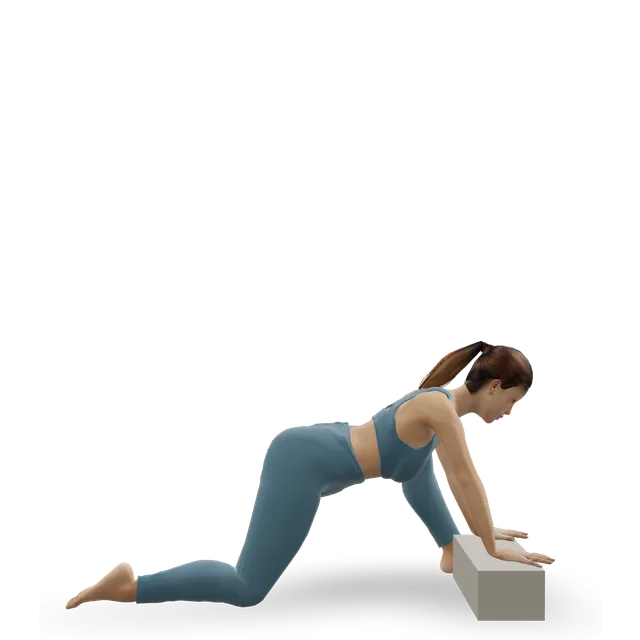
Slow breathing, 2 minutes, sitting or lying, in for up to 5 and out for up to 5 with no holds; make the breaths smaller if you feel light-headed (our yoga for stress class). Breath reach: "5 breaths, exhale longer than inhale" (the move page's dose). Cat-cow: "8 waves, slower than feels natural" (the move page's dose), small and smooth if your joints are bendy, on your fists if your wrists bend back a lot.

Moving and standing strength

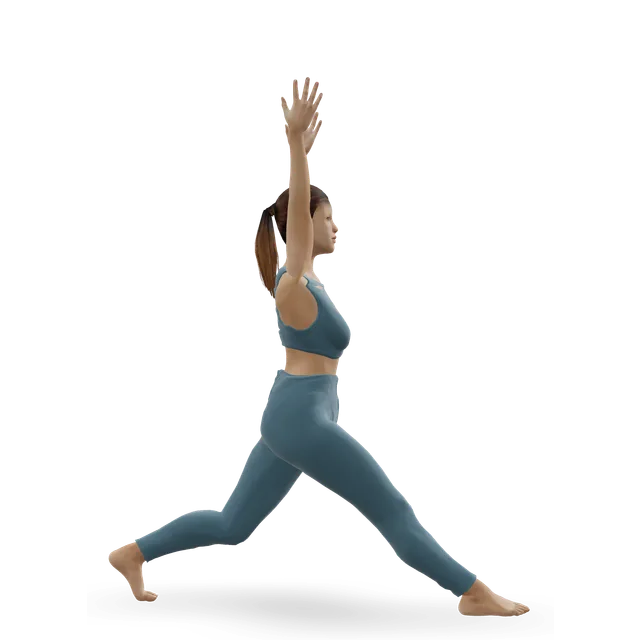
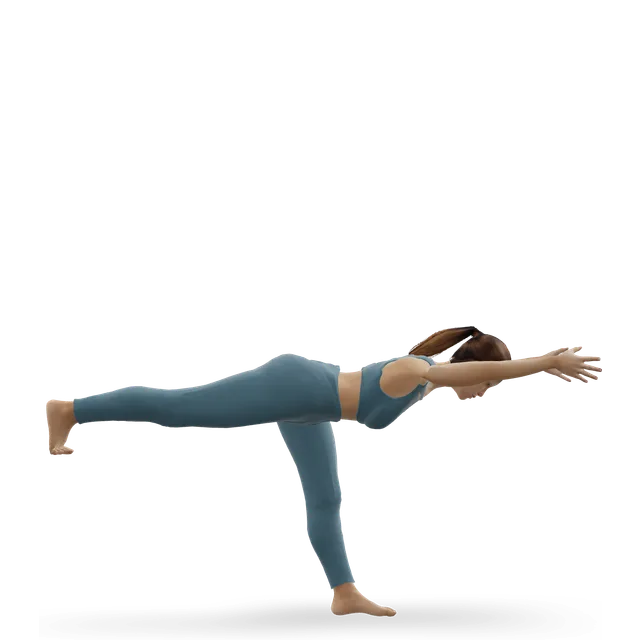
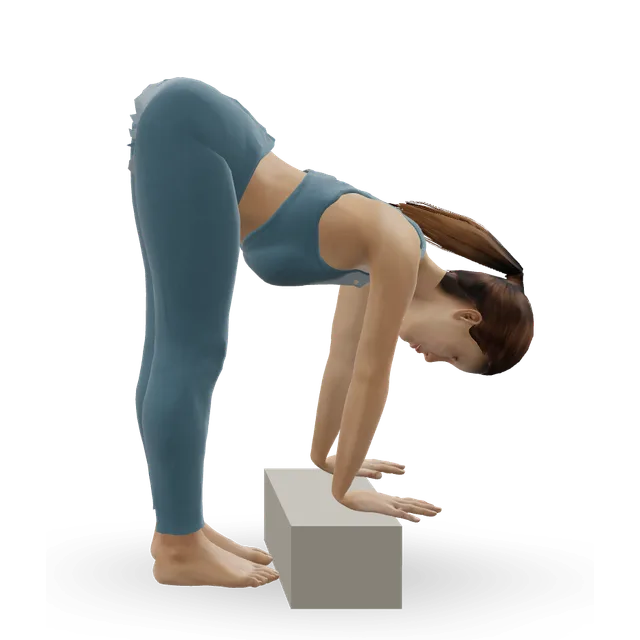
Sun salutation A, 3 slow rounds, stepping back rather than jumping and lowering with your knees down at first; chair pose, 2 holds of 5 breaths, knees over your toes; warrior II, 5 breaths each side, front knee over your second toe; tree pose, 3 to 5 breaths each side, foot on your ankle or calf, never pressed into the side of your knee (all our yoga for stress class). High lunge, 5 breaths each side, back heel lifted (our yoga for glutes class). Warrior III, 3 to 5 breaths each side, hands on a wall at hip height (our yoga for core class). The holds count as strength work when the last breaths feel hard.

Trunk strength

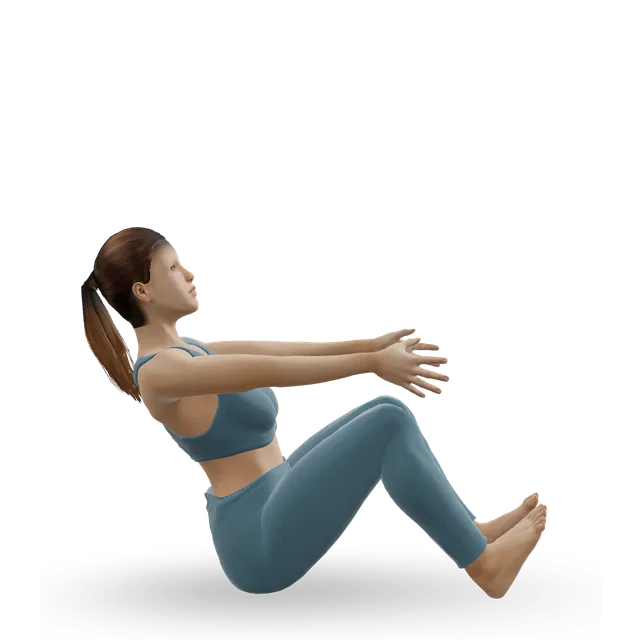
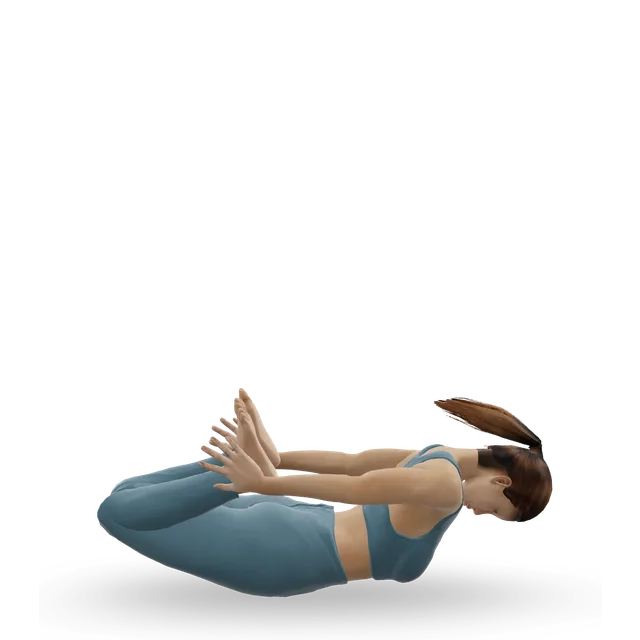
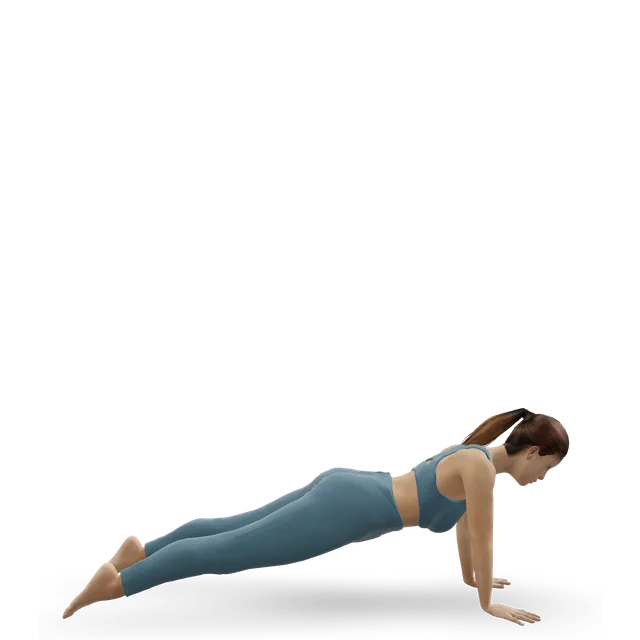
Bird dog, 6 each side, holding 3 to 5 seconds, hips level; side plank on your knees, 2 holds of 15 to 20 seconds each side, straightening into a full side plank once 20 seconds is steady; boat pose, 3 holds of 3 to 5 breaths, knees bent and hands behind your thighs; locust pose, 3 lifts held 3 to 5 breaths, lowering if your low back pinches; glute bridge, 10 slow lifts, ribs down at the top (all our yoga for core class). If your joints are very bendy, do planks on your forearms.

Wind down for sleep

Child's pose, 1 minute, knees wide with a cushion under your hips if you like; supine spinal twist, 45 seconds each side with a cushion under the top knee; legs up the wall, 2 minutes, an upside-down feeling without weight on your head or neck; corpse pose, 2 minutes, or 5 to 10 if you have time, eyes open if closing them feels uncomfortable (all our yoga for stress class). The NHS suggests about half an hour to wind down before bed.

Poses to change or leave out

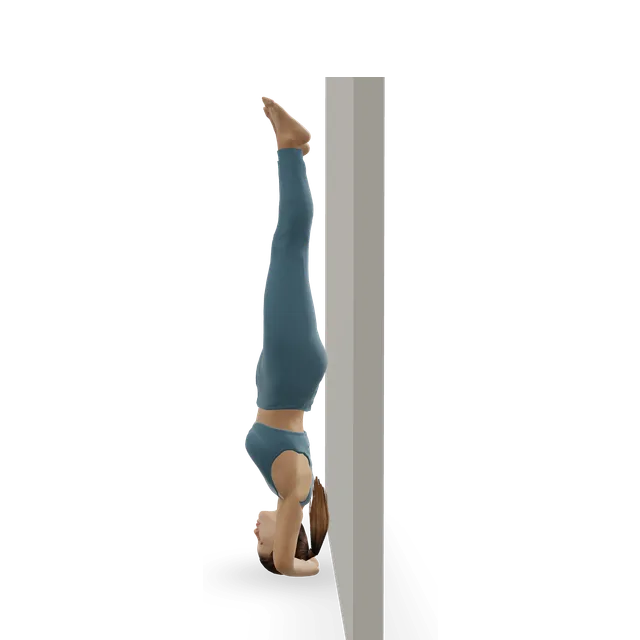
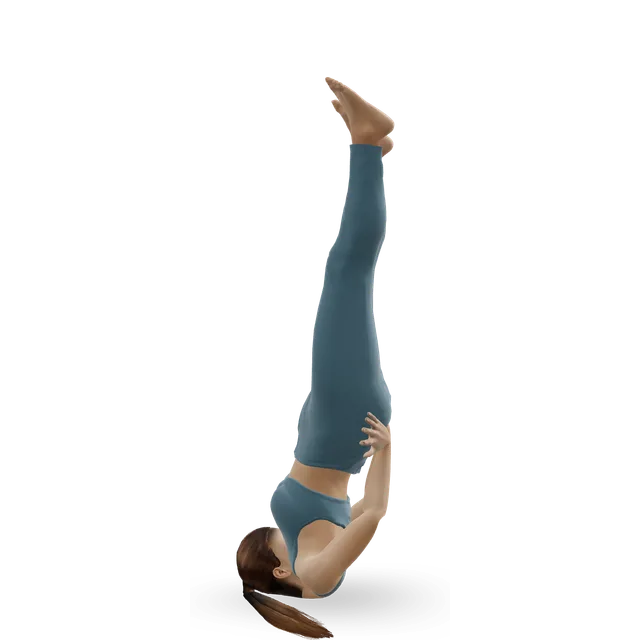
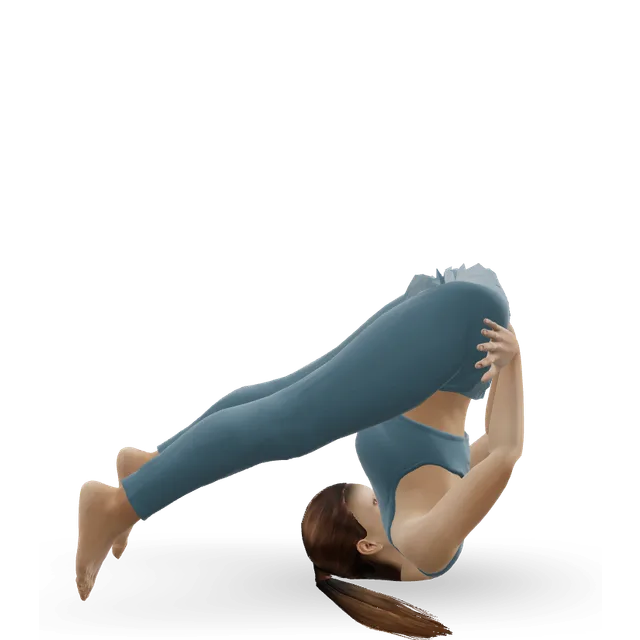
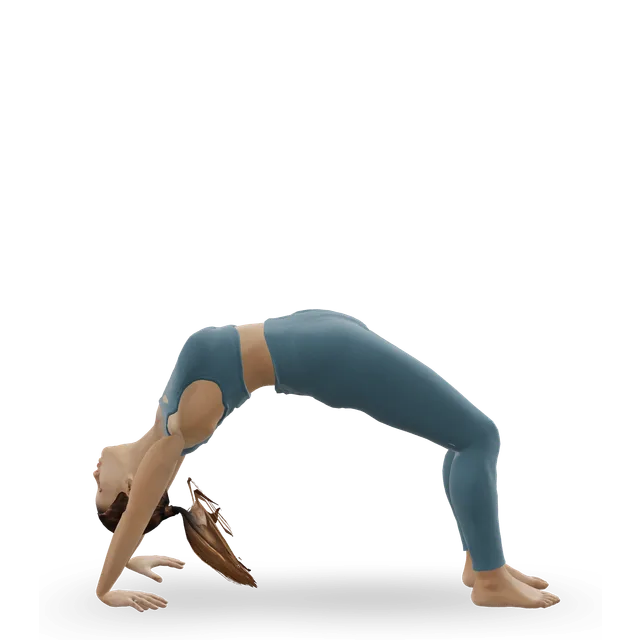
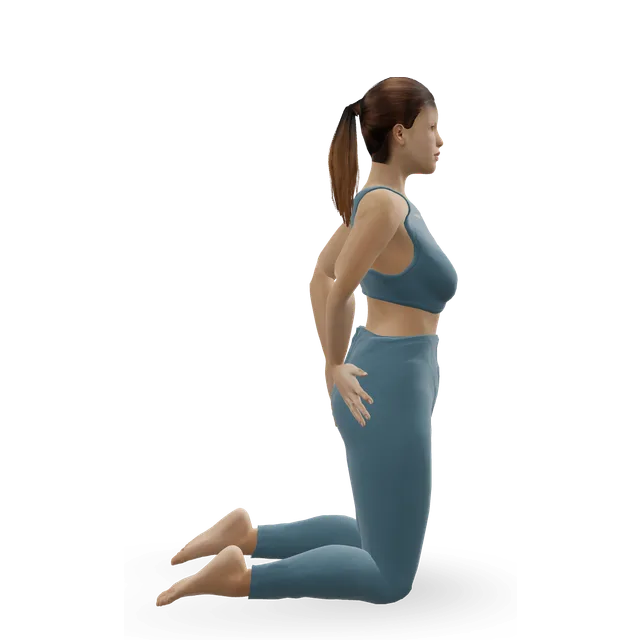
Leave out headstand, shoulder stand and plough as a beginner (NCCIH advises beginners to avoid them); legs up the wall gives the upside-down feeling instead. Leave out lotus and half lotus, which the move pages link with knee injuries; sit cross-legged on a cushion. Keep backbends such as wheel, camel, bow and upward dog moderate, with low cobra and locust first, and skip them if your back hurts more when you arch. Stop splits and deep stretches before the end of your range, especially if you're bendy. Use slow breathing, not fast, forceful breathing. Our reading of NCCIH's advice and the moves' own cautions. If a pose leaves your back, neck, hip or shoulder sore, our guides to pain after yoga cover what to change, and the warning signs below say when to get it checked.

A 25-minute class and other workouts

Our 25-minute class first: breathing, sun salutations, standing strength and balance, trunk strength and a wind-down, with no headstands, shoulder stands or forceful breathing. The 10-minute exam-week version is in its tips. It's our own selection, untested in a trial, with doses from our stress, core and glutes classes. The stress, beginners and morning classes are short and gentle; the core and strength classes are harder; the hypermobility class suits very bendy joints. The Pilates and strength workouts for teenagers are the sister classes, the sport classes suit young athletes, and the kids' class is for younger brothers and sisters.

Yoga for teens: a 25-minute class for strength, balance and a calm finish, with a 10-minute exam-week version

A 25-minute yoga class for teenagers: breathing, sun salutations, standing strength and balance, trunk strength and a wind-down, with a 10-minute version.

25 minBeginner15 movesWall

Yoga for stress relief: a 20-minute class to breathe, loosen, move and slow down

Twenty minutes of yoga for stressful days: the NHS breathing exercise, neck, shoulder and spine moves, standing poses that warm you up, then a slow wind-down.

20 minBeginner13 movesWall

Beginner yoga flow

A 20-minute beginner yoga sequence: mountain, chair, warrior II, triangle, tree, down dog, cobra and child's pose.

20 minBeginner11 movesStep

15-minute morning yoga: a gentle routine to start the day

Fifteen minutes of morning yoga from lying down to standing: gentle spine and hip movement, a lunge, standing strength and balance, and forward bends kept late.

15 minBeginner12 movesNo equipment

Yoga for core strength: a 20-minute practice

Twenty minutes of plank, side plank, boat pose, back lifts and standing balances: the yoga poses that work the trunk hardest, with easier and harder options.

20 minBeginner13 movesNo equipment

Strength yoga: a 35-minute workout with a band

Thirty-five minutes of yoga built for strength: long standing holds, slow lowering from plank, single-leg balances and a band row, with harder options.

35 minIntermediate18 movesStep, band

Yoga for hypermobility: a 25-minute stability-first class

A 25-minute yoga class for hypermobile joints, HSD and hEDS: supported lying work, all-fours control, standing poses with soft joints, balance and a legs-up rest.

25 minBeginner15 movesBand, wall

Breathing exercises to relax

A 6-minute breathing routine: slow breathing, crocodile breathing, alternate nostril breathing, box breathing and 4-7-8 breathing.

6 minBeginner5 movesNo equipment
Show all 15 workoutsShow fewer workouts

Bedtime stretch routine

A slow, 10-minute floor routine to unwind before sleep: child's pose, twists, happy baby and slow breathing.

10 minBeginner7 movesFirm cushion, wall

Strong-and-steady Pilates for teenagers: a 25-minute class for trunk, hips, posture and a calm finish

A 25-minute Pilates class for teenagers: trunk and hip strength, back and shoulder-blade work for posture, a short plank block and slow breathing to finish.

25 minBeginner19 movesNo equipment

Strength workout for teenagers: technique first, with jumps and landings

A 40-minute first strength workout for teenagers: a warm-up, landing and jump drills, then squats, hinges, push-ups, rows, step-ups and carries, kept light.

40 minBeginner19 movesWall, dumbbell

Yoga for footballers: a 25-minute recovery-day class for hips, groin, hamstrings and balance

Twenty-five minutes of yoga for footballers: hip and groin range you control, hamstring holds, single-leg balance and side planks, then gentle stretches and rest.

25 minBeginner17 movesWall

Yoga for gymnasts: a 25-minute control class for wrists, shoulders, the trunk and active range, with no extra stretching

A 25-minute yoga control class for gymnasts: wrists, shoulder blades, the trunk at low load and active range held with your own muscles, with no extra stretching.

25 minBeginner15 movesWall

Yoga for dancers: a 25-minute active-range class for rest days

Twenty-five minutes of yoga for dancers: feet and ankles, turnout from the hips, balances you control yourself, trunk strength, then gentle stretches and rest.

25 minBeginner17 movesOther / check instructions, bench or box

Yoga for kids: a 20-minute animal adventure

Twenty minutes of animal poses, star jumps, crawls, balloon breaths and a short relaxation for children, with no headstands or shoulder stands.

20 minBeginner17 movesNo equipment

A weekly plan

For teenagers who want to get stronger. Our yoga class can take the place of one sport or strength session a week (our suggestion).

Help and warning signs

These match our Pilates for teenagers, yoga for kids, exercise for stress and back pain guides, word for word, with one line of our own, labelled. If you're a parent, these are the signs to know; if you're a teenager, tell an adult you trust. This is general information, not a diagnosis. A&E means accident and emergency; in the US, call 911 for 999.

If you need help now

If you are thinking about suicide or can't keep yourself safe, call 999 or go to A&E. For urgent help, call Samaritans free on 116 123, any time, or in England call 111 and select the mental health option. In the US, call or text 988.

Call Samaritans free on 116 123, any time, day or night (UK and Ireland). If you're under 19, you can also call Childline on 0800 1111.

Text SHOUT to 85258, any time.

Sources 10, 73

Call 999 or go to A&E if

  • Your life is at risk: for example, you have seriously harmed yourself or taken an overdose.
  • You feel you may be about to harm yourself, or you can't keep yourself or someone else safe.

Source 10

Low mood or worry that won't lift

The NHS says: "If you think your child is depressed, or you're concerned about their general wellbeing, make an appointment with them to see a GP." The charity YoungMinds runs a free parents' helpline on 0808 802 5544, Monday to Friday, 9.30am to 4pm.

Source 32

Eating and exercise

Exercising compulsively, or to control your weight or make up for eating, can be a sign of an eating disorder. Our exercise and eating disorders guide explains the signs and where to get help.

The NHS lists signs such as spending a lot of time worrying about your weight and body shape, exercising too much, and having very strict habits or routines around food. If that sounds like you, see a GP as soon as you can. You can also talk in confidence to the eating disorder charity Beat: 0808 801 0677 (England), 0808 801 0432 (Scotland), 0808 801 0433 (Wales) or 0808 801 0434 (Northern Ireland), 3pm to 8pm, Monday to Friday.

Sources 74, 75

Periods and training

Training hard on too little food harms health and performance in girls and boys: this is called relative energy deficiency in sport (REDs). See a GP if you miss 3 periods in a row, your periods haven't started by 15, or you keep getting injured or feel exhausted.

Source 76

Chest pain or fainting while exercising: call 999

Call 999 if:

  • You get sudden pain or discomfort in your chest that doesn't go away; it can feel like squeezing or pressure, burning or indigestion.
  • The pain spreads to your left or right arm, or your neck, jaw, stomach or back.
  • You have chest pain and feel sweaty, sick, light-headed or short of breath.
  • Someone faints while exercising, can't be woken within 1 minute, or has chest pain or a pounding, fluttering or irregular heartbeat.

Sources 77, 78

Back pain with these signs: call 999

Back pain with numbness around the genitals or bottom, new trouble peeing or controlling the bladder or bowels, or weakness or numbness in both legs. These can be signs of cauda equina syndrome, which needs treating in hospital urgently.

Source 79

Back pain: see a GP

  • A teenager in a sport that arches or twists the back, such as gymnastics, dance, diving, volleyball, tennis, cricket fast bowling, baseball pitching, weightlifting, football or rugby, with back pain that lasts more than a couple of weeks, is worse arching back or stops them training: get it checked by a GP or sports physiotherapist. It can be a stress fracture in the spine.
  • Back pain and stiffness that persists in a teenager or young adult. Ankylosing spondylitis tends to start at that age and can affect the whole spine.

Sources 51, 53, 79

An urgent GP appointment or NHS 111 the same day

Sudden pain in the hip, thigh or knee, a limp, or not putting any weight on 1 leg: an urgent GP appointment or NHS 111 the same day. Hip problems can sometimes be felt in the thigh or knee.

Source 80

In the heat

The NHS says the signs of heat exhaustion are often the same in adults and children: tiredness, dizziness, a headache, feeling or being sick, heavy sweating, cramps, a high temperature, being very thirsty and feeling irritable. Move them somewhere cool, give them fluids and cool their skin. Call 999 if they are still unwell after 30 minutes of resting in a cool place, being cooled and drinking fluids, or they have a very high temperature, hot skin that isn't sweating, a fast heartbeat or fast breathing, confusion, a fit or they lose consciousness.

Source 72

Health conditions

The NHS says children and young people should get medical advice about exercising if they have a health condition. Tell the teacher about asthma, epilepsy, diabetes, very bendy joints, Down syndrome, cerebral palsy, muscular dystrophy, a recent injury or any medicine.

Source 2

During yoga

A joint pain that is sharp, gets worse during a session, lingers into the next day or changes how you move is a reason to use an easier version, and to see a GP or physiotherapist if it keeps happening (the rule in our plans). Muscle soreness for a day or two after something new is normal. In a hot class, stop if you feel dizzy, sick or unwell; our hot yoga guide lists the signs of heat illness.

You can say no to any hands-on adjustment, and a teacher registered with Yoga Alliance must get your explicit consent each time.

Our suggestion, from NSPCC sport guidance: a good teacher asks before touching, explains why, and never touches you out of sight of others. You can say no at any time, and you don't have to give a reason. Parents can ask a teacher about their safeguarding policy and checks.

Sources 67, 13, 14

Head-down poses

With glaucoma, or high blood pressure that isn't under control, skip headstands, shoulder stands and long head-down holds. With osteoporosis, swap deep forward folds for a flat-back hinge from the hips, and twist smoothly. In pregnancy, our yoga in pregnancy guide covers the changes. NCCIH advises beginners to avoid headstands, shoulder stands, the lotus position and forceful breathing.

Sources 81, 67

If you're worried about a young person's safety

The NSPCC helpline is 0808 800 5000, and children and young people can call Childline free on 0800 1111.

Source 68

Before you start

The NHS advises getting advice from a healthcare professional first if you have a health problem, an injury or symptoms, or have recently had a heart attack or an operation.


Myths

"Teenagers are too flexible to get hurt"Strong evidence

Being bendy isn't protection: hypermobile athletes had more knee injuries in contact sport and more shoulder injuries, and in a Canadian emergency department series, children were more often hurt while being taught than adults were. The NHS says "do not overextend your joints just because you can".

Sources 48, 49, 65, 12

"Yoga cures anxiety"Strong evidence

In school trials, yoga mostly did about as well as PE, none was at low risk of bias, and two found more stress with yoga. Exercise in general helps young people's mood, and NICE puts talking therapies first for depression in young people. Yoga can be one part of feeling better, alongside help.

Sources 4, 7, 8

"Yoga is only for flexible people"Strong evidence

School trials taught whole classes of beginners, boys and girls. Flexibility comes with practice and isn't the point: strength, balance and calm are.

Sources 4, 5, 22

"You have to stretch harder through a growth spurt or you'll get tight"Emerging evidence

Growth wasn't linked to losing flexibility in high school students. Keep doing what you enjoy; if your knees or heels hurt during a growth spurt, our young athletes' pain guides cover it.

Source 44

"Yoga is all the exercise you need"Strong evidence

The guideline is an average of an hour a day of moderate-to-vigorous activity, with a variety of activities for muscles and bones. Yoga is one part.

Source 1

"The point of yoga is to change your weight or shape"Strong evidence

The guidelines' aims are fitness, strength, bones and wellbeing, and the NHS lists exercising too much and worrying a lot about weight and body shape among the signs of an eating disorder. Yoga doesn't protect against that: disordered eating was as common or more common in young adults who did yoga regularly.

Sources 1, 74, 60

"Yoga will raise my grades"Mixed evidence

One small trial found grades fell less during a yoga term, with no difference once it stopped. Sleep, breaks and movement help you revise, as the NHS's exam tips say; yoga can be the movement.

Sources 40, 38

Questions people ask

Is yoga good for teenagers?

Yes, as one part of an active week. Small school trials found less stress and better mood, though usually about as much as PE gave, and a strong class builds strength and balance. Teenagers also need an average of an hour a day of activity that gets them out of breath, with sport, running or jumping.

What age can teenagers start yoga?

Any age: no guideline sets a minimum, and teenagers can usually join a beginners' class. Some studios set age limits as their own policy. Choose a teacher with the right safeguarding checks for teaching under 18s.

Can yoga help teenagers with anxiety or stress?

It may help a little: in school trials, stress fell in most but not all, and yoga mostly did about as well as PE. Exercise of most kinds helps young people's anxiety, more so when it's moderate or harder. If worry is affecting your daily life, talk to a trusted adult, your GP or your school's mental health team.

Can yoga help me sleep?

No trial has tested it in healthy teenagers. Most teenagers need 8 to 10 hours a night, and the NHS suggests about half an hour to wind down before bed and no exercise in the 4 hours before; slow breathing and a few gentle poses are a reasonable wind-down.

Is yoga good for exam stress?

It can be one way to take a break and move: the NHS suggests getting active between revision sessions and a slow breathing exercise, and Childline suggests a run or some yoga. It hasn't been shown to improve exam results.

What are good yoga poses for teenagers?

Standing poses (chair, warrior II, high lunge, tree), sun salutations, trunk work (bird dog, side plank, bridge) and a wind-down (child's pose, a gentle twist, legs up the wall). As a beginner, leave out headstands, shoulder stands, lotus and fast, forceful breathing.

I'm really bendy. Is yoga OK for me?

Yes, with a different aim: strength and control in the middle of your range, not more stretch. About 1 in 4 girls and 1 in 10 boys are very bendy at 14, and the NHS says not to overextend your joints just because you can. If joints keep slipping or you get a lot of joint pain, see a GP.

Is yoga good for teenage athletes?

It can be a recovery-day session alongside your sport, coaching and strength training, not instead of them. If your back hurts more when you arch back, especially in sports like gymnastics, dance or fast bowling, get it checked: it can be a stress fracture in the spine.

Is yoga safe for teenagers?

Generally yes, with a qualified teacher and beginner poses; most problems are minor and pass. You can say no to any hands-on adjustment: a teacher registered with Yoga Alliance must ask for your explicit consent every time.

Is hot yoga safe for teenagers?

No study has tested it in teenagers, and heat raises the risk of heat exhaustion. Healthy young people who drink enough cope with heat about as well as adults, but we suggest room-temperature classes, and stopping straight away if you feel dizzy, sick or unwell in a hot room.

Can yoga help me lose weight?

That's not what this guide is about: yoga is for strength, balance and feeling calmer, and nobody should comment on anyone's body. If food, weight or exercise is worrying you, talk to someone you trust, your GP, Beat or Childline.

Is yoga or Pilates better for teenagers?

Neither has been shown to be better: both build strength, balance and control, and the best one is the one you'll keep doing. Our Pilates for teenagers guide is the sister page.

Sources

  1. UK Chief Medical Officers · Physical activity guidelines (2019; children's advice unchanged in the July 2026 update)
  2. NHS · Physical activity guidelines for children and young people
  3. Sport England · Active Lives Children and Young People Survey, academic year 2024 to 25 (national survey, December 2025)
  4. Khunti 2023 · Yoga and mental health in school-aged children: 21 randomised trials (systematic review, Clin Child Psychol Psychiatry; read in full)
  5. Ranjani 2023 · Yoga for stress in 2,000 Indian adolescents in 24 schools (cluster randomised trial, Integr Med Res; read in full)
  6. Singh 2026 · Physical activity for depression and anxiety in 5 to 18 year olds: 21 reviews, 375 trials (umbrella review, J Am Acad Child Adolesc Psychiatry)
  7. Ligon 2025 · Exercise training for anxiety in children and adolescents: 22 studies (systematic review and meta-analysis, Scand J Med Sci Sports)
  8. NICE NG134 · Depression in children and young people: identification and management (2019)
  9. NHS · Where to get mental health support: children and young people (past its review date: reviewed July 2023, review due July 2026)
  10. NHS · Where to get urgent help for mental health (past its review date: reviewed April 2023, review due April 2026)
  11. Clinch 2011 · Hypermobility in 6,022 UK 14 year olds (population cohort, Arthritis Rheum)
  12. NHS · Joint hypermobility syndrome (past its review date: reviewed August 2023, review due August 2026)
  13. Yoga Alliance · Code of conduct: consent before hands-on adjustments (updated February 2020)
  14. NSPCC Sport · Physical contact and young people in sport (updated August 2025)
  15. Department of Health and Social Care · Physical activity for children and young people, 5 to 18 years (infographic text, updated July 2026)
  16. Bull 2020 · World Health Organization 2020 guidelines on physical activity and sedentary behaviour (guideline, Br J Sports Med; read in full)
  17. Yoga Alliance · Standards for registered yoga schools, including children's yoga teacher training (May 2025)
  18. NHS England · Mental health of children and young people in England, 2023 (national survey)
  19. James-Palmer 2020 · Yoga for anxiety and depression in children and adolescents: 27 studies (systematic review, Front Pediatr)
  20. Kerekes 2024 · Yoga for children and adolescents in schools and psychiatric care: 16 articles (integrative review, J Psychiatr Res)
  21. Haden 2014 · Yoga or PE in 30 middle school children (randomised trial, Focus Altern Complement Ther)
  22. Noggle 2012 · Yoga or PE in a US high school: 51 students (preliminary randomised trial, J Dev Behav Pediatr)
  23. Khalsa 2012 · Yoga in a US secondary school (preliminary randomised trial, J Behav Health Serv Res)
  24. Bazzano 2022 · Yoga and mindfulness for anxiety and depression in 86 middle school pupils (cluster randomised trial, Int J Environ Res Public Health; read in full)
  25. Recchia 2023 · Physical activity for depressive symptoms in children and adolescents: 21 studies (systematic review and meta-analysis, JAMA Pediatr)
  26. Luo 2024 · Mind-body therapies for depression in adolescents: 9 trials, 2 of yoga (network meta-analysis, Front Public Health; read in full)
  27. Tian 2026 · Exercise type and dose for depression in children and adolescents: 37 trials (network meta-analysis, J Affect Disord)
  28. Ma 2026 · Exercise for adolescent depression: 22 trials (network meta-analysis, J Affect Disord)
  29. Kuyken 2022 · School mindfulness training in 8,376 UK pupils aged 11 to 14: the MYRIAD trial (cluster randomised trial, Evid Based Ment Health)
  30. Montero-Marin 2022 · What works, for whom and how in the MYRIAD trial (secondary analysis, Evid Based Ment Health)
  31. NHS · Worried about your teenager? (past its review date: reviewed March 2023, review due March 2026)
  32. NHS · Depression in children and young people (past its review date: reviewed May 2023, review due May 2026)
  33. NHS · Children and young people's mental health services (past its review date: reviewed July 2023, review due July 2026)
  34. PubMed · Search for yoga and mind-body trials for sleep in adolescents: 33 records, no randomised trial of yoga for sleep in healthy teenagers (helper's search, 1 November 2026)
  35. Garbers 2022 · Mind-body programmes for sleep in 10 to 24 year olds: 12 studies (scoping review, Adolesc Res Rev)
  36. NHS · Help your child beat exam stress (past its review date: reviewed March 2023, review due March 2026)
  37. NHS · Insomnia
  38. NHS · Tips on preparing for exams (past its review date: reviewed October 2023, review due October 2026)
  39. Childline · Exam stress (read from an October 2026 archive copy)
  40. Butzer 2015 · Yoga and high school grades: 95 students (exploratory group-randomised trial, Evid Based Complement Alternat Med)
  41. Zhang 2023 · Meditation-based mind-body interventions for ADHD (meta-analysis of randomised trials, J Atten Disord)
  42. Barranco-Ruiz 2019 · Mind-body therapies for ADHD in young people: 12 studies (systematic review, Medicina)
  43. Krisanaprakornkit 2010 · Meditation therapies for ADHD: 4 trials (Cochrane review)
  44. Feldman 1999 · Adolescent growth and flexibility in high school students (cohort study, Clin J Sport Med)
  45. Williams 2024 · Cut-off scores for hypermobility in children: 37 studies, 28,868 children (meta-analysis, Eur J Pediatr)
  46. Tofts 2023 · Hypermobility in children: a diagnostic framework (international consensus and narrative review, Orphanet J Rare Dis)
  47. Tobias 2013 · Hypermobility at 14 and joint pain at 18: 2,901 young people (prospective cohort, Arthritis Rheum)
  48. Pacey 2010 · Hypermobility and lower limb injury in sport: 18 studies (systematic review and meta-analysis, Am J Sports Med)
  49. Liaghat 2021 · Hypermobility and shoulder injury in athletes: 6 studies (systematic review and meta-analysis, BMC Musculoskelet Disord)
  50. Schmidt 2017 · Hypermobility in 132 elite adolescent athletes (cross-sectional study, J Orthop Sports Phys Ther)
  51. Selhorst 2019 · Spondylolysis in 1,025 adolescent athletes with low back pain (case series, Clin J Sport Med)
  52. Selhorst 2026 · Immediate physiotherapy or rest first for 64 adolescent athletes with spondylolysis (randomised trial, Br J Sports Med)
  53. NHS · Spondylolisthesis
  54. Brenner 2016 · Sports specialization and intensive training in young athletes (American Academy of Pediatrics clinical report, Pediatrics)
  55. LaPrade 2016 · AOSSM early sport specialization consensus statement (consensus, Orthop J Sports Med)
  56. Jayanthi 2013 · Sports specialization in young athletes: evidence-based recommendations (narrative review, Sports Health)
  57. Brenner 2024 · Overuse injuries, overtraining and burnout in young athletes (American Academy of Pediatrics clinical report, Pediatrics)
  58. Schneider 2026 · Yoga and body image in children and adolescents: 11 studies, 1,082 young people (mixed-methods systematic review, Body Image)
  59. Halliwell 2018 · A brief yoga programme and body image in 344 British 9 to 11 year olds (cluster randomised trial, Body Image)
  60. Neumark-Sztainer 2025 · Yoga, body image and disordered eating in young adults followed since adolescence (population cohort, Body Image)
  61. Neumark-Sztainer 2011 · Yoga and Pilates, body image and disordered eating in 2,287 young adults (cross-sectional study, Int J Eat Disord)
  62. Domingues 2019 · Disordered eating in yoga practitioners: 12 studies (systematic review, Eat Weight Disord)
  63. Carei 2010 · Yoga added to eating disorder care in 54 young people (pilot randomised trial, J Adolesc Health)
  64. Trethewey 2025 · Yoga alongside eating disorder treatment: consensus recommendations (Delphi study, Int J Eat Disord)
  65. Russell 2016 · Yoga injuries seen in Canadian emergency departments, 1991 to 2010: 66 people (case series, Int J Inj Contr Saf Promot)
  66. Cramer 2018 · Injuries and other adverse events with yoga: 9 epidemiological studies (systematic review, J Sci Med Sport)
  67. NCCIH 2023 · Yoga: effectiveness and safety (US National Center for Complementary and Integrative Health)
  68. British Wheel of Yoga · Welfare and safeguarding (its children's safeguarding policy is past its review date: reviewed November 2022, review due November 2025)
  69. NSPCC Sport · Supervising children's sport and activities (updated February 2026)
  70. Bergeron 2011 · Climatic heat stress and exercising children and adolescents (American Academy of Pediatrics policy statement, Pediatrics)
  71. Willmott 2025 · Hot yoga: 43 studies (systematic review, Sports Med Open)
  72. NHS · Heat exhaustion and heatstroke
  73. YoungMinds · I need urgent help (young people's page)
  74. NHS · Overview: eating disorders
  75. Beat · Helplines (eating disorder charity)
  76. NHS · Missed or late periods
  77. NHS · Chest pain (past its review date: reviewed August 2023, review due August 2026)
  78. NHS · Fainting
  79. NHS · Back pain
  80. NHS · Hip pain in children (irritable hip)
  81. Jasien 2015 · Eye pressure in four common yoga positions: 10 people with glaucoma and 10 without (lab study, PLoS One)

Exercise education, not a personal prescription, and clinical review of these guides is pending. If you are pregnant, have a health condition such as glaucoma, high blood pressure or osteoporosis, or have had recent surgery, check with a doctor, midwife or physiotherapist before starting, and stop for sharp or increasing pain. Health disclaimer.