Yoga flows
Yoga for teens: a 25-minute class for strength, balance and a calm finish, with a 10-minute exam-week version
Twenty-five minutes for teenagers, beginners included: breathing, sun salutations, standing strength and balance, trunk strength and a wind-down. Do it 2 or 3 times a week, alongside an average of an hour a day of activity that gets you out of breath, or use the 10-minute version on exam days. There are no headstands, shoulder stands or forceful breathing. It's about what your body can do, never how it looks. The structure is our own and untested; yoga can help you feel calmer, but it isn't a treatment for anxiety or low mood.
Arrive (about 3 minutes)
- Beginner · 3D demoSit or lie comfortably. In for up to 5, out for up to 5, no holds; make the breaths smaller if you feel light-headedEasier: Breath reachHarder: Crocodile breathing (prone diaphragmatic breathing)
- Breath reach5 breaths, exhale longer than inhaleBeginner · 3D demoArms float up as you breathe in and down as you breathe outHarder: Slow breathing (6 breaths a minute)


Warm up (about 4 minutes)
- Cat-cow8 waves, slower than feels naturalBeginner · Back, Abs · 3D demoSmall and smooth if your joints are bendy; on your fists if your wrists bend back a lotHarder: Half lord of the fishes (Ardha Matsyendrasana)
- Sun salutation A (Surya Namaskar A)3 slow roundsIntermediate · Shoulders, Hamstrings, Triceps · 3D demoStep back rather than jump, and lower with your knees down at firstEasier: Downward-facing dog (Adho Mukha Svanasana)Harder: Sun salutation B (Surya Namaskar B)


Stand strong (about 6 minutes)
- Chair pose (Utkatasana)2 holds of 5 breathsBeginner · Quads, Glutes, Shoulders · 3D demoSit back as if onto a tall stool, knees over your toesHarder: Revolved chair pose (Parivrtta Utkatasana)
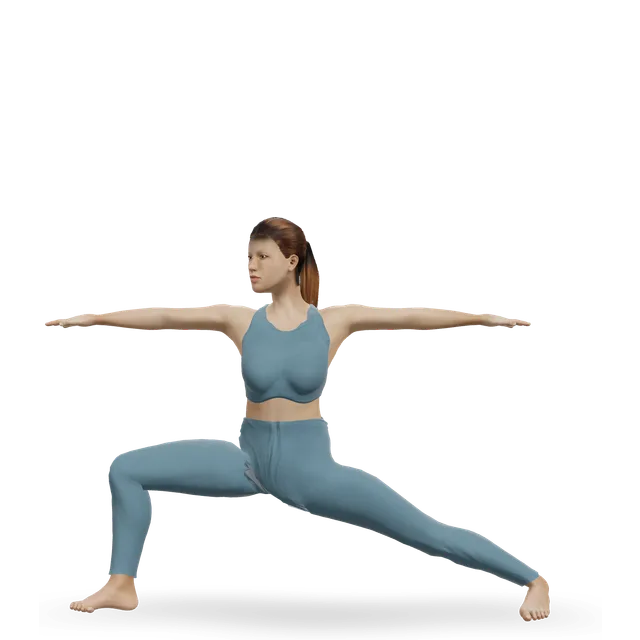
- Warrior II (Virabhadrasana II)5 breaths each sideIntermediate · Quads, Glutes, Adductors · 3D demoFront knee over your second toe; back knee soft, not lockedEasier: Chair pose (Utkatasana)Harder: Extended side angle (Utthita Parsvakonasana)
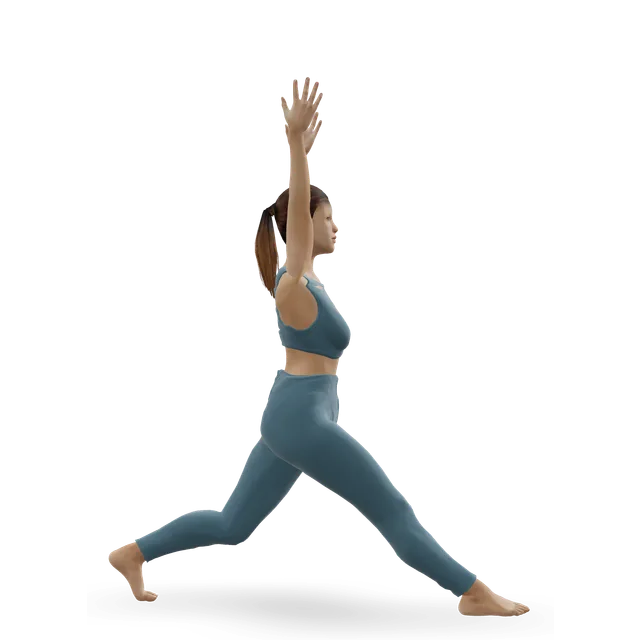
- High lunge (crescent lunge, Ashta Chandrasana)5 breaths each sideIntermediate · Quads, Glutes, Hip flexors · 3D demoBack heel lifted, front knee over your ankleEasier: Low lunge (Anjaneyasana)Harder: Warrior III (Virabhadrasana III)
- Tree pose (Vrksasana)3 to 5 breaths each sideBeginner · Glutes, Hip abductors, Calves · 3D demoFoot on your ankle or calf, never pressed into the side of your knee; a hand on the wall if you wobbleEasier: Mountain pose (Tadasana)Harder: Standing hand-to-big-toe pose (Utthita Hasta Padangusthasana)



Trunk (about 5 minutes)
- Bird dog6 each side, holding 3 to 5 sBeginner · Back, Abs, Glutes · 3D demoHips level, back still; reach long rather than highEasier: Bird dog, one limb at a timeHarder: Bear crawl
- Knee side plank2 holds of 15 to 20 s each sideBeginner · Abs, Hip abductors, Shoulders · 3D demoElbow under your shoulder, hips lifted; straighten into a full side plank once 20 seconds is steadyHarder: Side plank
- Glute bridge10 slow liftsBeginner · Glutes, Hamstrings, Abs · 3D demoBreathe out as you lift, ribs down at the topEasier: Pelvic tilt into bridgeHarder: Single-leg glute bridge



Wind down (about 7 minutes)
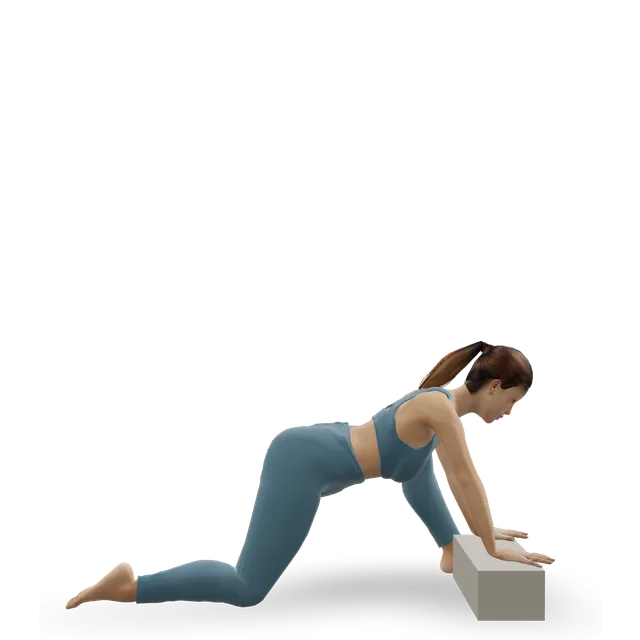
- Beginner · Back, Shoulders, Glutes · 3D demoKnees wide, with a cushion under your hips or chest if you likeHarder: Extended puppy pose (Uttana Shishosana)
- Supine spinal twist (Supta Matsyendrasana)45 s each sideBeginner · Back, Glutes · 3D demoA cushion under the top knee keeps it gentleHarder: Seated twist, bottom leg straight
- Beginner · Hamstrings, Calves · 3D demoHips near the wall, head on the floor: an upside-down feeling with no weight on your head or neckHarder: Plow pose (Halasana)
- Corpse pose (Savasana)2 min, or 5 to 10 if you have timeBeginner · 3D demoEyes open or closed, whichever feels better; sit up if lying still feels uncomfortable




Tips
- 10-minute exam-week version: slow breathing (2 minutes), 3 sun salutations, tree pose, legs up the wall (2 minutes) and a short rest. Good between revision sessions or before bed.
- This is one part of an active week: you also need an average of an hour a day of activity that gets you out of breath, with sport, running or jumping (the UK guideline).
- Do the strong blocks earlier in the day: the NHS advises not exercising in the 4 hours before bed. The slow breathing and the wind-down poses are much gentler and can be done on their own in the evening (our reading).
- Stop any pose that hurts. If your joints are very bendy, stop before the end of your range and keep your elbows and knees soft.
- In a class, you can say no to any hands-on adjustment, at any time, without giving a reason.
- If you're struggling, call Samaritans free on 116 123, any time, day or night (UK and Ireland). If you're under 19, you can also call Childline on 0800 1111.
- No trial has tested this class; its doses come from our stress, core and glutes classes.
The doses are suggested starting points, not a prescription. Choose a range you can control and stop for sharp or increasing pain, numbness or tingling. Get individual advice after an injury or surgery, or if you are pregnant or managing a health condition.
Guides that recommend it
Find more moves like these
More yoga flows

Beginner yoga flow
A 20-minute beginner yoga sequence: mountain, chair, warrior II, triangle, tree, down dog, cobra and child's pose.
20 minBeginner11 movesStep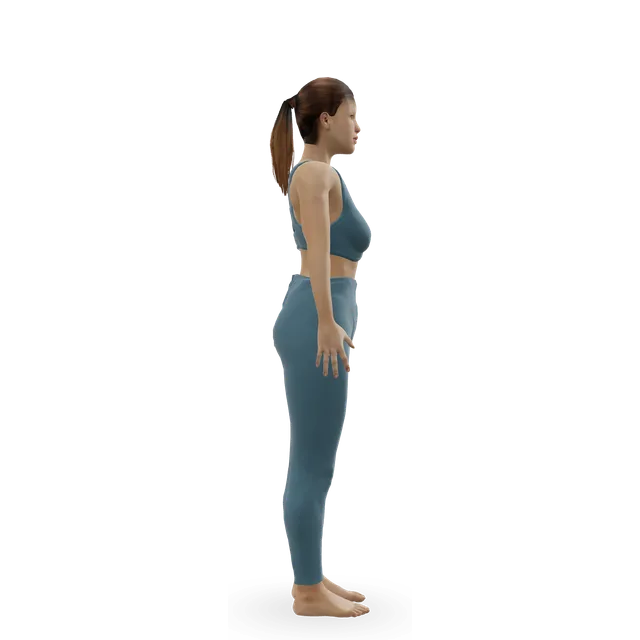
Sun salutation flow
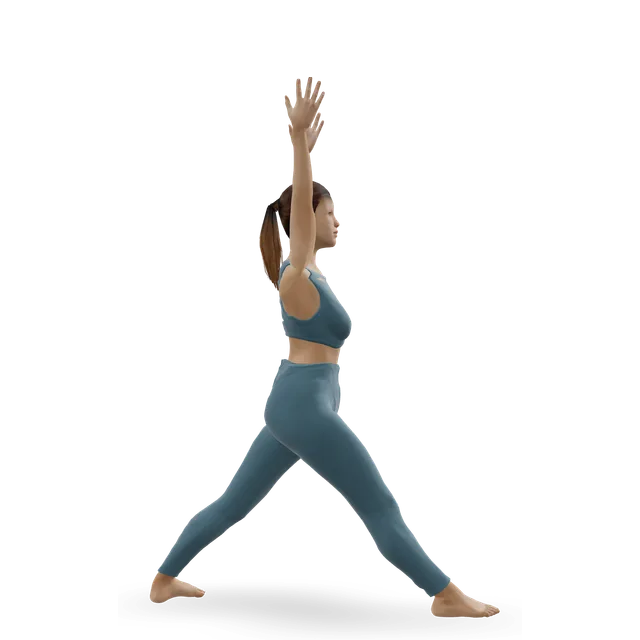
A 20-minute flow built on sun salutations A and B, with warrior poses and a short cool-down.
20 minIntermediate8 movesNo equipment


Yoga for tight hips
A hip-opening yoga sequence: low lunge, lizard, goddess, pigeon, bound angle and happy baby.
25 minBeginner10 movesWallQuestions people ask
How long does the yoga for teens: a 25-minute class for strength, balance and a calm finish, with a 10-minute exam-week version take?
About 25 minutes, including any warm-up and cool-down listed. Shorten it by doing fewer rounds; lengthen it by adding one.
What equipment do I need?
You need: A wall. Each move links to its guide, where you can find an alternative if you are missing something.
Is it suitable for beginners?
It is written for beginners. 7 of its 15 moves have an easier option listed beside them if you need one.
How do I make it easier or harder?
Use the easier or harder option listed under each move, change the number of rounds, or adjust the rest. Progress one change at a time.